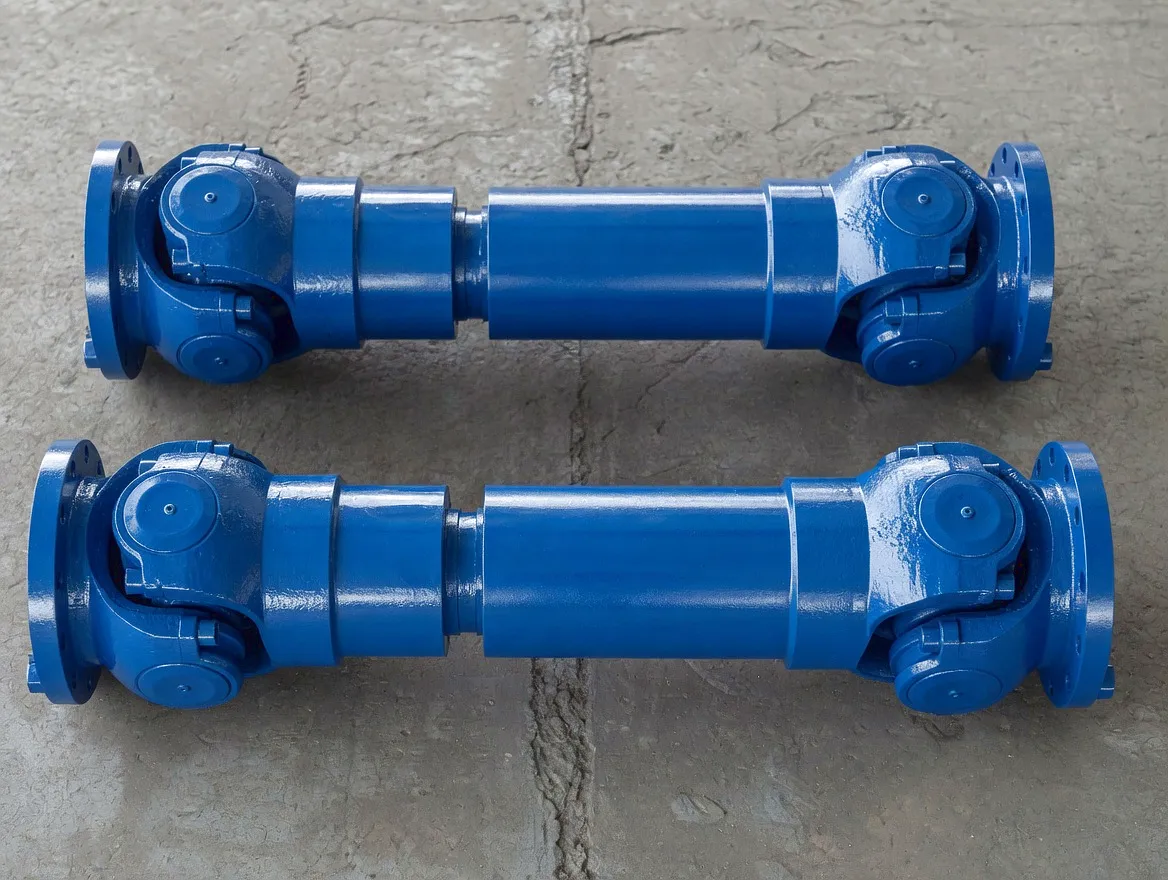
 Walk up to any wind farm on the Yorkshire Wolds or the Fens of Lincolnshire and you are looking at machines that never truly switch off. Even on a calm day the nacelle is scanning, adjusting, compensating — and somewhere inside that fibreglass shell, under loads that would crush most industrial components, a cardan coupling is doing exactly what it was engineered to do: absorbing misalignment, dampening torsional shock, and transmitting tens of thousands of Newton-metres of torque with almost surgical reliability. It is an unglamorous component in a machine that gets all the headlines, yet without it, the entire drivetrain conversation collapses.
Modern wind turbines operating in the 3–15 MW class are no longer the relatively straightforward machines of fifteen years ago. The gearbox ratios are more extreme, the rotor diameters are larger, and the random, multidirectional nature of real-world wind loading means the drivetrain faces torsional reversals and shock impulses that were barely modelled in earlier design standards. The cardan coupling — sometimes called a universal joint coupling or a Hooke’s joint coupling in UK engineering documentation — sits at the juncture between the main shaft and the step-up gearbox, and in some architectures also appears in the yaw and pitch drive mechanisms. Its role has grown from a convenient connector to a critical performance component that directly influences turbine availability, maintenance intervals, and lifetime cost of energy.
This article examines why wind turbine engineers are specifying cardan couplings with increasing precision, how the engineering principles behind them map onto the specific demands of drivetrain systems, and what UK-based procurement and engineering teams should be asking when sourcing these components for new builds, retrofits, or scheduled replacements.
Need a Cardan Coupling for Your Wind Project?
Ever Power supplies custom-engineered cardan couplings to wind energy operators and OEM partners across the UK and Europe. Speak to our drivetrain specialists today.
Why Wind Turbine Drivetrains Are Exceptionally Demanding Environments
There is a certain temptation in engineering procurement to treat a coupling as a commodity — a length of steel connecting two shafts, sourced on price. In wind energy, that temptation is expensive. The drivetrain environment inside a modern multi-megawatt turbine combines several mechanical stress factors that virtually no other industrial application replicates at the same time and to the same degree.
Stochastic Loading
Wind gusts create torque spikes that can exceed nominal load by factors of 3–5×. The coupling must absorb these without fatigue failure over a 25-year design life.
Structural Deflection
Even a well-engineered nacelle bedplate will flex under rotor loads. The main shaft and gearbox input flange are rarely in perfect axial alignment throughout all operating conditions.
Thermal Cycling
In the UK and North Sea environments, nacelle temperatures can swing from below -10°C on a winter night to 60°C in a sun-heated casing during summer. Materials must perform across this entire range.
Torsional Reversals
Emergency stops, grid fault ride-through events, and pitch control actions all generate rapid torsional reversals that a rigid coupling would transfer directly into the gearbox, dramatically shortening gear life.
A cardan coupling addresses multiple items on this list simultaneously. The cross-and-yoke geometry inherently accommodates angular misalignment — typically up to 8–12° depending on design — while the joint’s mass moment of inertia and torsional compliance help buffer peak torque events. When correctly sized and specified with the right materials and surface treatments, these couplings routinely reach service intervals measured in years rather than months, which is critically important in a nacelle environment where access is restricted and maintenance windows are planned well in advance.

Engineering Principles: How a Cardan Coupling Works Inside a Wind Turbine
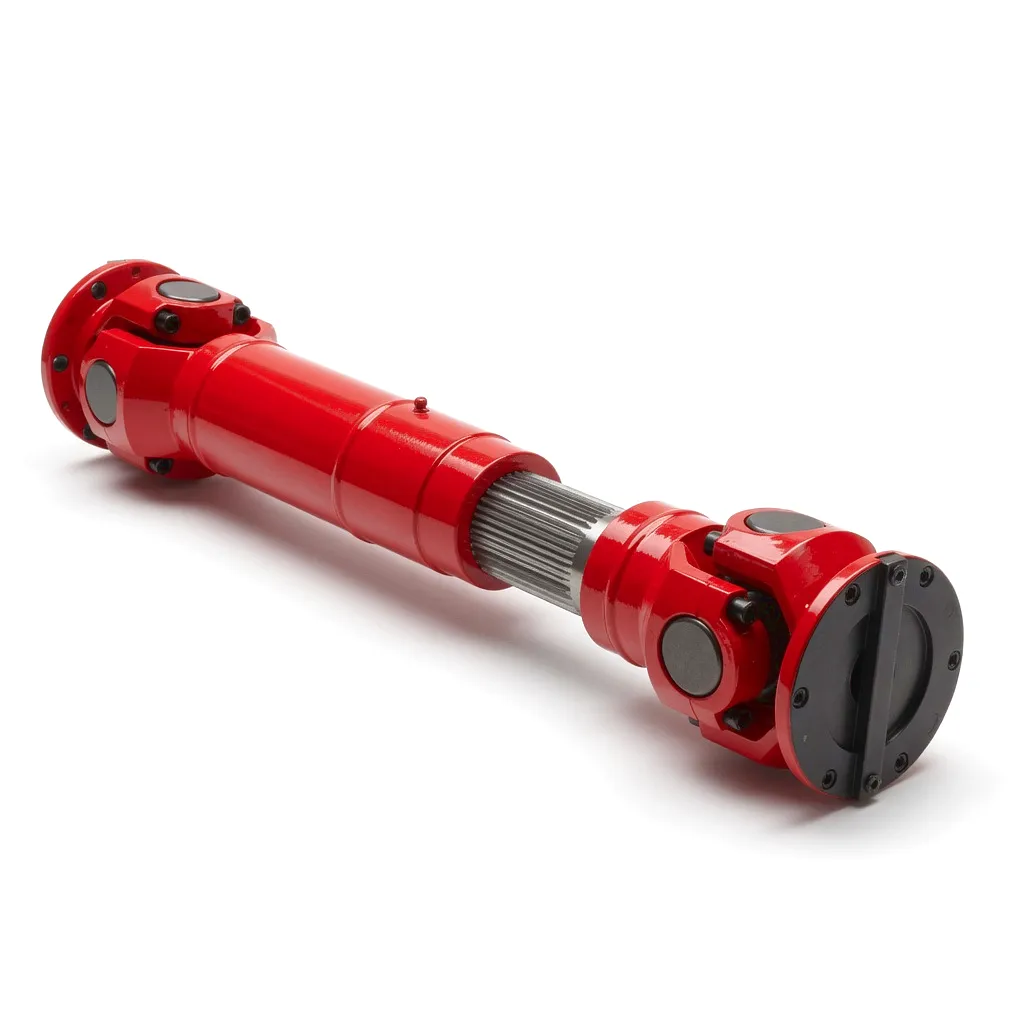
The fundamental operating principle of the cardan coupling — also known as the universal joint or Hooke’s coupling — dates back centuries, yet the engineering refinements available in modern versions are anything but historical. At its core, the coupling consists of two yokes connected by a cross journal (also called a spider or trunnion cross). Each yoke is fixed to its respective shaft end, and the cross journal allows rotation to be transmitted between shafts that are not collinear. The angle between the shaft centrelines is the operating angle, and this is where the physics becomes critical for wind energy applications.
A single universal joint transmits rotation with a velocity fluctuation — the output angular velocity varies cyclically relative to the input, with the magnitude of this fluctuation increasing with operating angle. For a single Hooke’s joint at an angle θ, the velocity ratio varies between cos(θ) and 1/cos(θ) per revolution. In a turbine drivetrain where torsional stability is everything, this non-uniform transmission is unacceptable. The solution — standard practice in wind turbine cardan coupling design — is to use a double-joint configuration: two Hooke’s joints with an intermediate shaft, phased so that the velocity non-uniformities cancel each other out. When the two joint planes are parallel and the operating angles are equal, the output shaft rotates at exactly the same instantaneous speed as the input shaft. This double-cardan design is not merely a preference; it is a functional requirement for any drivetrain coupling operating above approximately 2° of continuous misalignment.
The needle roller bearing assemblies within the cross journal are the highest-stress components in the coupling. Modern wind turbine cardan couplings use precision ground needle rollers running in hardened and case-carbonised bearing cups, lubricated with high-consistency lithium complex or polyurea grease rated for the temperature range and re-greasing intervals appropriate to the nacelle service schedule.
Sealing the journal against moisture and contamination is equally important — in offshore environments, ingress of saline aerosol into an unprotected bearing cup will cause corrosive pitting and fretting wear within a few thousand hours. Multi-lip labyrinth seals with internal grease relief, combined with appropriate external shielding in the nacelle, are now considered baseline specification for any serious drivetrain coupling application in UK offshore and coastal-proximity sites.
Technical Specifications: Cardan Coupling for Wind Turbine Drivetrains
The table below summarises the typical technical parameters for cardan couplings deployed in the main shaft-to-gearbox application on multi-megawatt wind turbines. Figures reflect the range that field-deployed units from Ever Power’s drivetrain coupling range cover, and serve as a useful reference when comparing supplier datasheets during the sourcing process.
| Parameter | Typical Range | Unit / Notes |
|---|---|---|
| Nominal Torque (Tn) | 50 000 – 3 500 000 | N·m; matched to rotor torque class |
| Peak Torque (Tmax) | 2.5 × Tn | Safety factor against grid fault impulses |
| Max. Operating Angle (per joint) | 0° – 12° | Continuous duty; up to 15° intermittent |
| Operating Speed (max.) | 5 – 25 | rpm (main shaft, low-speed side) |
| Bore Diameter (flange or shaft) | 100 – 650 | mm; custom flanges available |
| Yoke / Fork Material | 42CrMo4 / 34CrNiMo6 | Alloy steel, forged and heat treated |
| Cross Journal Material | 20CrMnTi / 20CrNiMo | Case-carburised, HRC 58–62 surface |
| Surface Finish (external) | Epoxy primer + polyurethane topcoat | Salt spray tested to ISO 9227, 720 h min. |
| Grease Specification | NLGI 2 Li-complex / Polyurea | -30°C to +120°C operating range |
| Design Life (L10) | ≥ 130 000 | Operating hours at nominal load |
| Certification / Standards | ISO 8791, GL / DNV guidelines | On request: material certs, FEA reports |
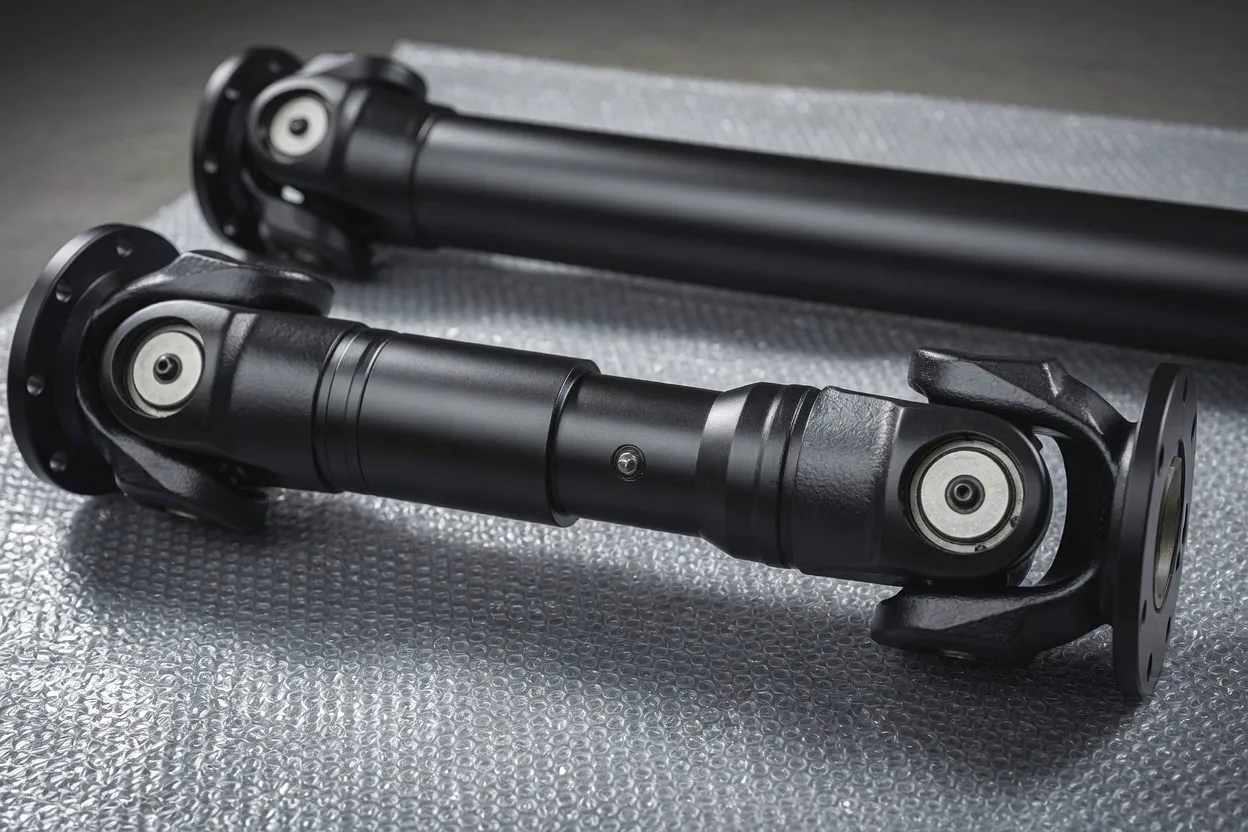
Where the Cardan Coupling Actually Lives in a Wind Turbine
Understanding the precise location and function of a cardan coupling within the turbine is important for both new specification and replacement sourcing. The drivetrain is not a single application — it includes multiple mechanical connections, and the coupling requirements differ significantly between them.
1. Main Shaft to Gearbox Interface (Primary Drivetrain)
This is the primary application for high-torque cardan couplings in wind energy. The rotor hub drives the main shaft at low speed — typically 5–18 rpm depending on turbine class — and the cardan coupling must transmit the full rotor torque into the gearbox input flange while accommodating the angular and axial misalignment caused by dynamic deflection of the main frame and nacelle bedplate under gravity, thrust, and bending moment loading from the rotor. A well-specified coupling here directly reduces gearbox bearing edge loading, which is consistently cited in industry maintenance surveys as the primary driver of premature gearbox failure in multi-megawatt turbines. The cardan coupling acts as a mechanical filter between the rotor and the gearbox, and every percentage point improvement in misalignment accommodation translates directly into reduced gearbox bearing load cycles and extended oil change intervals.
2. Yaw Drive Systems
Modern turbines use multiple yaw drives — electric gear motors with pinions that engage the yaw ring gear on the tower top — to rotate the nacelle into the wind. The mechanical connections within these drive units often use smaller cardan couplings or universal joint assemblies to transmit torque from motor to gearbox to pinion shaft while allowing for the slight positional misalignments that occur as the yaw ring and tower head flex under wind loading. These smaller couplings are higher-speed, lower-torque applications compared to the main drivetrain, but they are exposed to very frequent torsional cycling as the yaw control system continuously fine-tunes nacelle direction. Fatigue life under cyclic loading is the dominant design criterion here, and forged alloy steel yokes with precision needle roller cross journals are standard.
3. Pitch Drive Actuators (Individual Blade Control)
Pitch control systems adjust blade angle several times per minute in active power regulation mode, and must respond within seconds to emergency feathering commands in grid fault or overspeed events. The mechanical linkage between pitch motor, gearbox, and pitch bearing ring gear often incorporates compact cardan joint assemblies where the drive axis is not perfectly co-planar with the pitch bearing axis. These applications demand high torsional stiffness for accurate blade positioning — backlash must be tightly controlled — combined with the ability to withstand the shock torque of an emergency stop without yielding. Precision-clearance needle roller bearings with pre-loading provisions and low-backlash yoke geometries are specified in these applications.

Why Engineers Choose Ever Power Cardan Couplings for Wind Turbine Projects

Full Custom Engineering
Every coupling is designed to match customer-supplied shaft geometry, torque class, and installation envelope. We deliver complete 3D models, FEA stress reports, and material traceability documentation as standard for wind energy clients.
Forged Alloy Steel Construction
All yokes and tube shafts are precision forged from 42CrMo4 or 34CrNiMo6 alloy steel, heat treated to defined mechanical property specifications, and inspected by magnetic particle and ultrasonic methods before machining.
Offshore-Grade Corrosion Protection
Our wind energy couplings are finished with a zinc-phosphate primer and two-pack polyurethane topcoat system rated for C5-M corrosivity category, meeting the North Sea and UK offshore requirements as defined in ISO 12944.
Full Documentation Package
Material test reports, dimensional inspection records, dynamic balance certificates, and assembly torque verification are supplied with every wind turbine coupling order. Third-party inspection by SGS, Bureau Veritas, or TÜV available on request.
Proven UK Delivery Record
We ship directly to UK port facilities, wind farm O&M warehouses, and turbine assembly sites, with export packing designed for offshore crane installation and container transport. Lead times for standard sizes from 6 weeks; emergency retrofit units within 10 working days.
Custom Manufacturing Capability at Ever Power
Ever Power operates an integrated manufacturing facility with in-house forging, heat treatment, CNC machining, and surface finishing capabilities, supported by a dedicated application engineering team with deep experience in wind turbine drivetrain specifications. This is not an assembly shop sourcing components from multiple sub-tiers — it is a vertically integrated manufacturing operation where every critical component is produced and inspected under one quality management system certified to ISO 9001:2015.
For UK-based wind energy operators and engineering procurement contractors, our custom service offering covers the complete process from initial torque and misalignment analysis through to final on-site installation support. We regularly produce one-off replacement couplings for turbine models where the original OEM part has been discontinued, as well as upgrade assemblies with improved sealing and bearing specifications for fleets approaching mid-life overhaul. Our engineers can work from customer-supplied drawings, or — if original documentation has been lost — from physical measurements taken during a scheduled maintenance window.
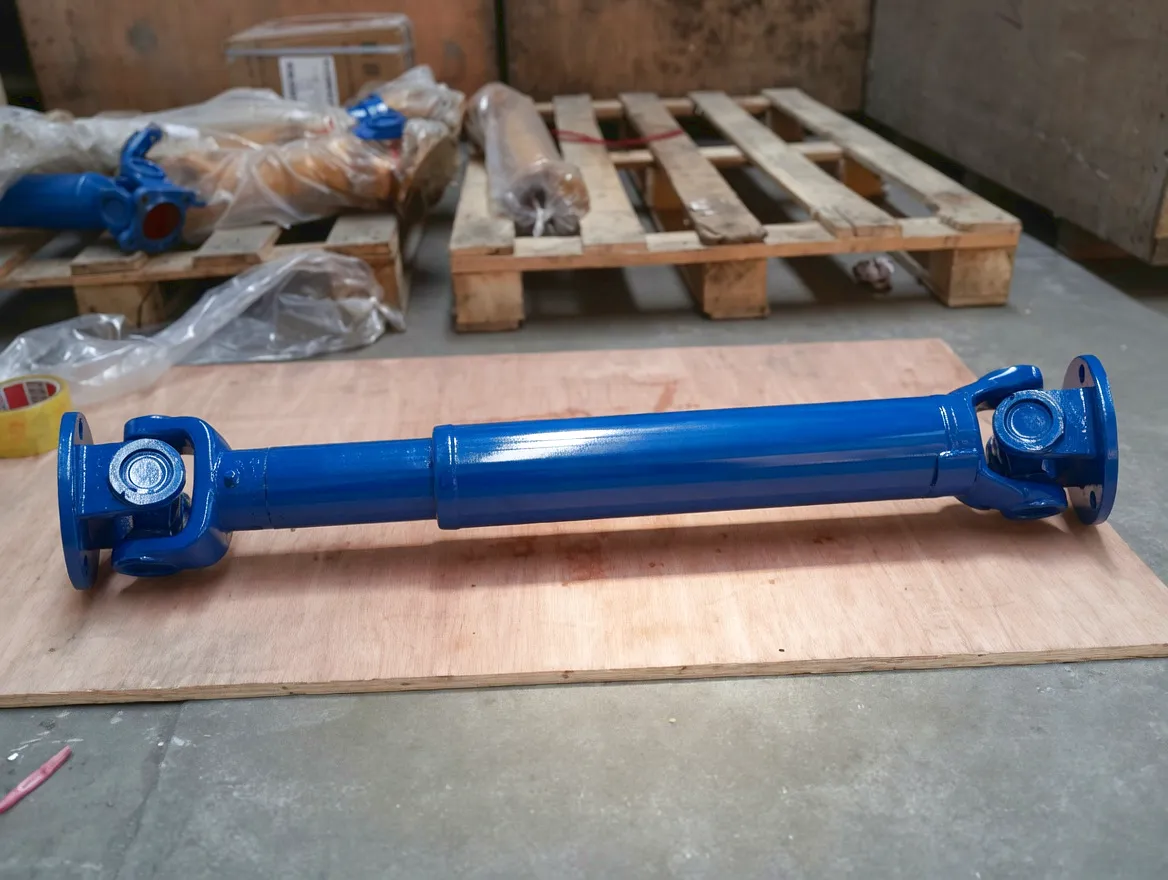

Selecting Cardan Couplings for UK Wind Farms: What the Environment Demands
The United Kingdom’s wind energy portfolio is unlike almost any other in the world. The combination of the North Sea’s shallow-water offshore environment, the exposed coastal uplands of Scotland, Wales, and northern England, and the sheer density of operational turbines — from the pioneering machines of the early 2000s to the latest 14 MW offshore giants — creates a procurement landscape where one-size-fits-all coupling sourcing is a proven route to avoidable failures.
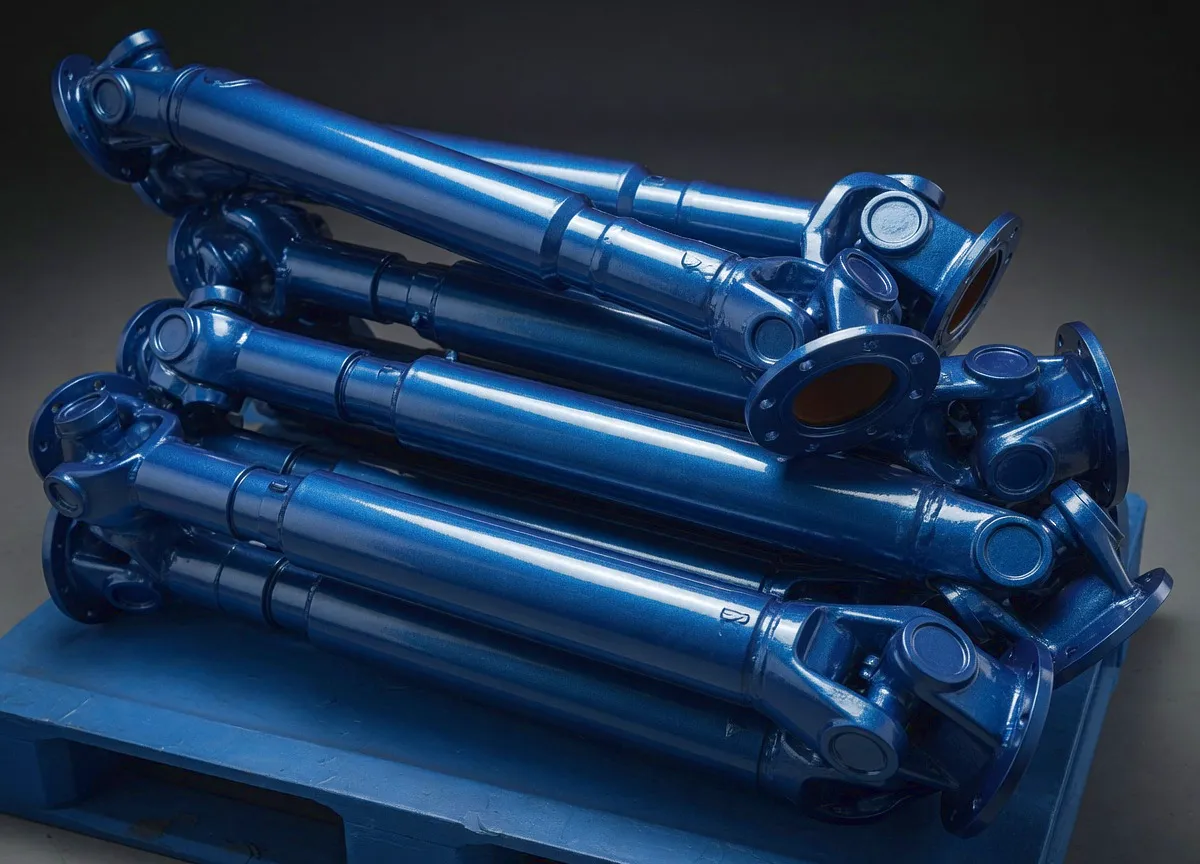
Onshore UK sites — particularly in Scotland, the Peak District, and coastal Wales — see annual average wind speeds in the 8–10 m/s range with frequent storm-force gusts exceeding 30 m/s. The load spectra experienced by drivetrain couplings on these sites are significantly more aggressive than those from lower-wind regimes, and bearing fatigue calculations must account for a higher proportion of high-torque operating hours. For Scottish onshore projects, the additional complication of low ambient temperatures in winter — sites above 400 metres elevation regularly see sustained temperatures below -10°C — means grease selection is a genuine engineering decision, not a catalogue pick.
Offshore UK projects — Hornsea, Dogger Bank, East Anglia ONE, and the many Round 2 and Round 3 sites — present corrosion challenges that fundamentally alter surface treatment specifications. Saline aerosol penetration into a nacelle is not a failure scenario to engineer around; it is the expected operating condition. Couplings for offshore UK turbines need corrosion protection systems designed for continuous C5-M exposure, and all greased joints must use labyrinth sealing or equivalent that prevents direct spray impingement on bearing interfaces.
Key UK Regulatory & Standards Context
| Standard / Body | Relevance to Cardan Couplings |
|---|---|
| DNV-ST-0361 | Drivetrain component design for offshore wind turbines |
| IEC 61400-1 / -3 | Load case definitions for onshore and offshore turbines |
| ISO 12944 C5-M | Corrosion protection for very high marine corrosivity |
| BS EN 10083 | Steels for quenching and tempering — yoke and spider materials |
| UK HSE Guidelines | Lifting and installation safety for heavy nacelle components |
Customer Success: Offshore Wind Operator in East Anglia, UK
Offshore Wind
Replacing Failed OEM Couplings on a 96-Turbine Offshore Array
Background: An independent O&M contractor managing a 96-turbine offshore wind farm in the East Anglia region approached Ever Power in early 2023 after discovering that twelve turbines had developed elevated vibration signatures traceable to progressive wear in the main shaft cardan couplings. The original OEM supplier had discontinued the coupling model, and the lead time quoted by alternative European suppliers was 24–32 weeks — unacceptable given the turbines’ availability guarantees under their CfD contract.
Challenge: The coupling needed to match the original flange bolt pattern and hub bore dimensions exactly, while the O&M team requested an upgrade to the sealing system to address the corrosion-related wear that had caused the original failures. The site operates in a C5-M marine environment and the original coupling’s standard automotive-style sealing was clearly insufficient.
Solution: Ever Power’s application engineers reverse-engineered the coupling from dimensional data supplied by the client, incorporating the same flange geometry but redesigning the cross journal assembly with multi-lip labyrinth seals and a polyurea grease pre-fill rated for -30°C to +120°C. The yoke material was upgraded from the original EN8 steel to 42CrMo4 with nitrocarburising surface treatment on the bearing cup bores.
Result: First batch of four replacement units delivered within 11 working days. All 12 units installed within the planned maintenance window. Follow-up inspection 18 months later confirmed zero recurrence of corrosion-related wear. The O&M contractor subsequently placed a standing order for Ever Power couplings as the approved replacement part for the entire fleet.
What Our Customers Say
“We’ve used Ever Power couplings across two retrofit programmes on our Scottish onshore fleet. The application engineering support is genuinely different — they understand the load spectra and don’t just hand you a catalogue. Lead time and quality have been consistently reliable.”
Independent O&M Contractor, Scotland
“The reverse-engineered coupling matched our original OEM dimensions exactly. More importantly, the upgraded sealing on the journal cross has eliminated the corrosion issue we were seeing every 18–24 months. Eighteen months in and the inspection results are clean.”
Offshore Wind Operator, East Anglia
“We had a tight window for a planned maintenance campaign and needed 8 couplings in 10 working days. Ever Power delivered all 8 on day 9. The material certificates and balance reports were exactly what our certification body required. Will definitely use again.”
Renewable Energy Developer, Yorkshire
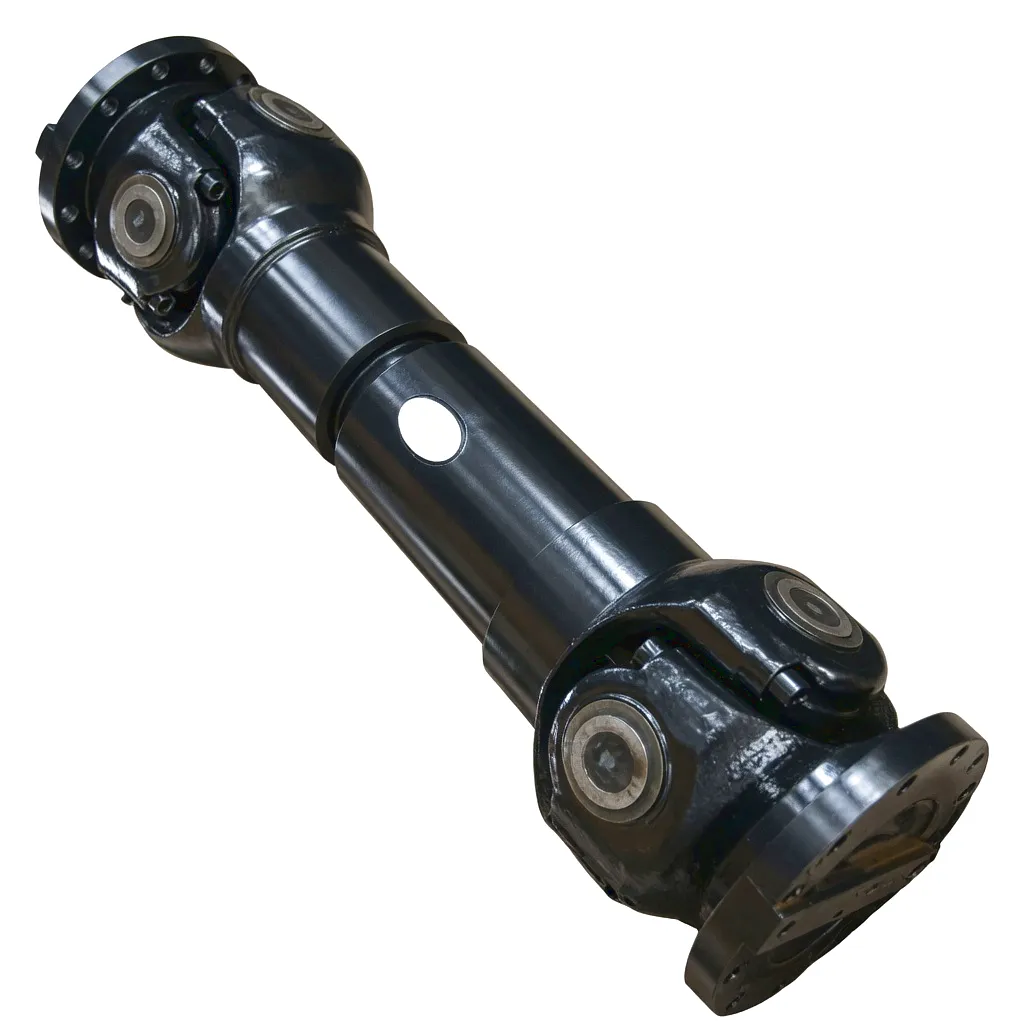
Ready to Discuss Your Requirements?
Our application engineering team is available to review your drivetrain specification, advise on coupling selection, and provide a competitive quotation for UK and European wind energy projects.
Frequently Asked Questions
Answers to the questions our UK wind energy customers ask most often.
Start Your Cardan Coupling Enquiry Today
Whether you are specifying a new wind turbine build, planning a mid-life drivetrain upgrade, or dealing with an urgent replacement on a UK offshore or onshore site, our engineering team is ready to help. Share your torque class and dimensions, and we will respond with a technical proposal within 24 hours.
Get a Quote — [email protected]
Ever Power · Cardan Coupling Specialists · Supplying UK Wind Energy Operators & OEM Partners
edit by gzl