
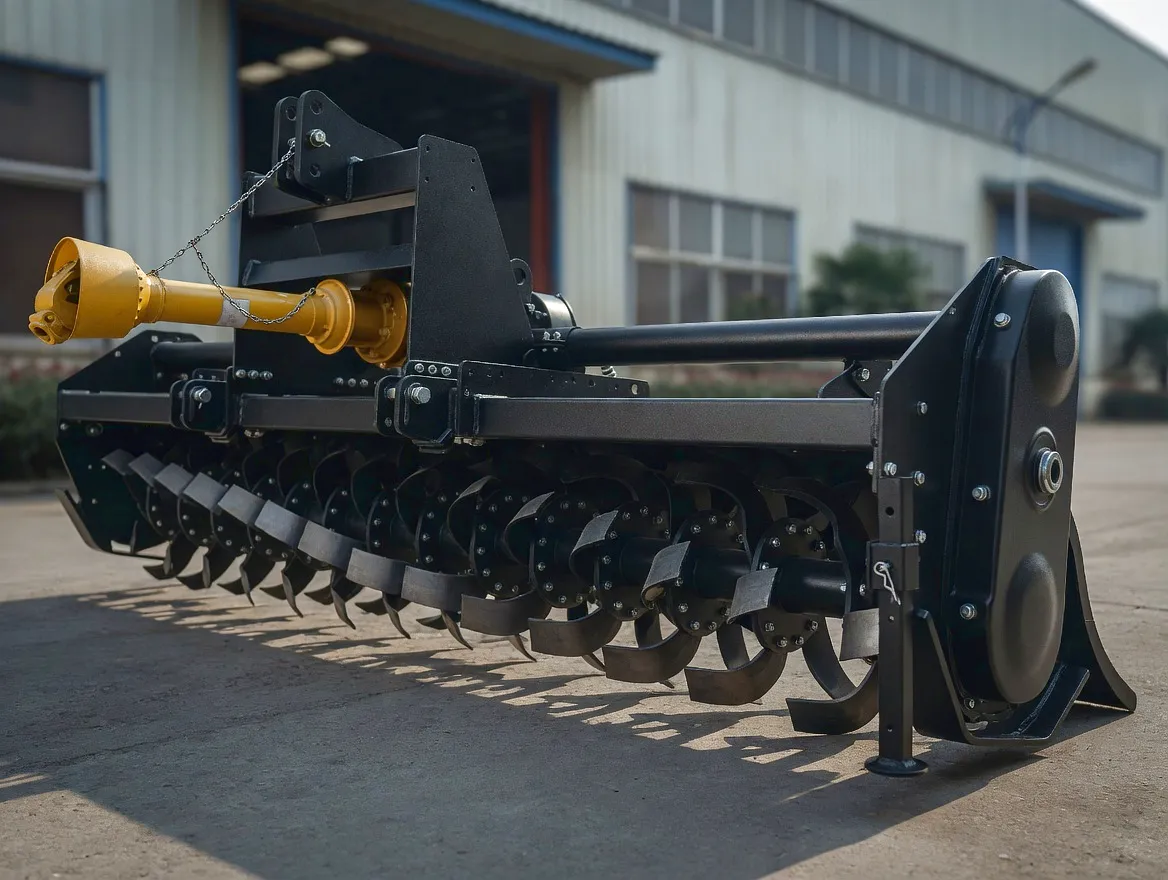
 Walk into any farm machinery dealer in Yorkshire, Lincolnshire, or the Scottish Borders and ask about the single most common cause of rotary tiller downtime, and the answer comes back consistently: the PTO drive shaft. Specifically, the cardan coupling at its heart. This seemingly straightforward component — a cross-shaped yoke assembly connecting the tractor’s power take-off to the tiller gearbox — is in fact one of the most dynamically stressed parts in agricultural machinery. It must handle shock loads when blades strike buried stones, cope with the constant angular misalignment between a tractor and an implement bouncing over uneven ground, and do all of this through thousands of operating hours in mud, grit, and wet British weather without complaint.
The cardan coupling — also widely known as the universal joint, Hooke’s joint, or simply the UJ — has been the backbone of PTO transmission since the mid-20th century. But modern rotary tillers place demands on this component that their designers of 60 years ago could not have anticipated. Contemporary farm machines run heavier, faster, and harder. Tillage depths have increased. Headland turning is sharper. And UK farms are under more economic pressure than ever to keep machines running through the cultivation window. All of that puts the cardan coupling at the very centre of a conversation about reliability, performance, and total cost of ownership.
Ever Power — Custom PTO Shaft Solutions
Need a cardan coupling sized specifically for your rotary tiller model, tractor PTO output, or shaft length? Our engineering team handles bespoke specifications from single units to full production runs.
What Exactly Is a Cardan Coupling — and Why Does It Matter for Rotary Tillers?
Core Engineering Concept
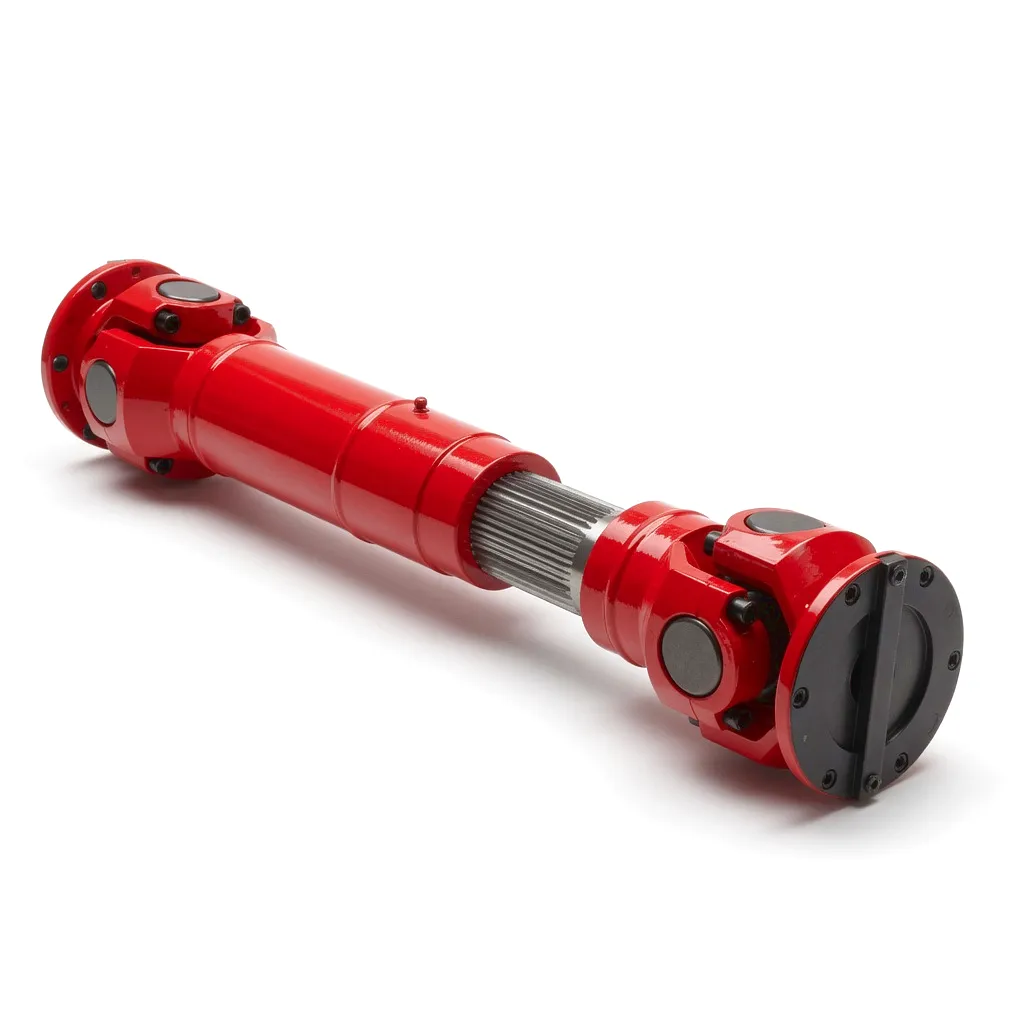
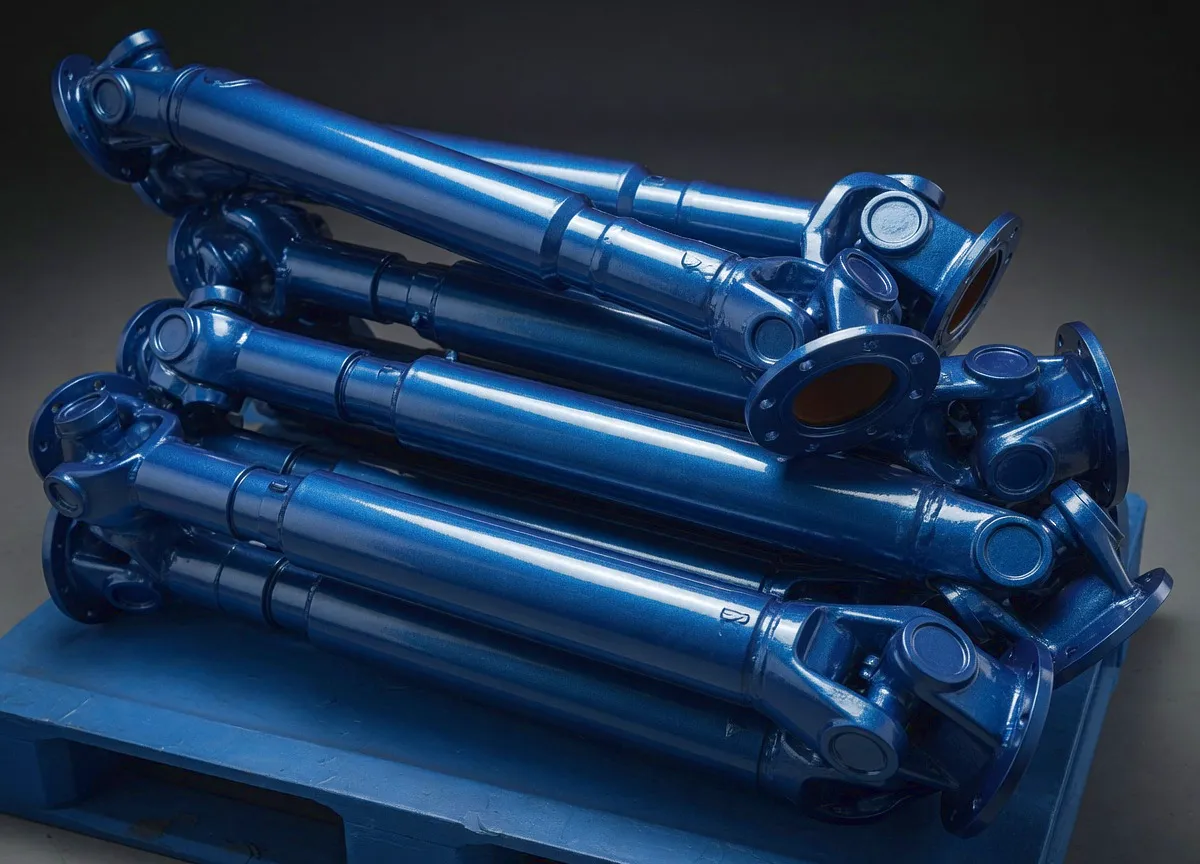
A cardan coupling is a mechanical device that transmits rotational torque between two shafts that are not in perfect alignment. It consists of a cross-shaped trunnion — commonly called the spider — mounted in four needle-roller bearing cups held within two yokes. When those yokes are connected to driving and driven shafts at an angle, the spider allows the angle to flex continuously as torque flows through. The geometry is elegant, but the mechanics are demanding: at any non-zero operating angle, the output shaft speed fluctuates twice per revolution, creating a cyclic velocity variation that generates vibration.
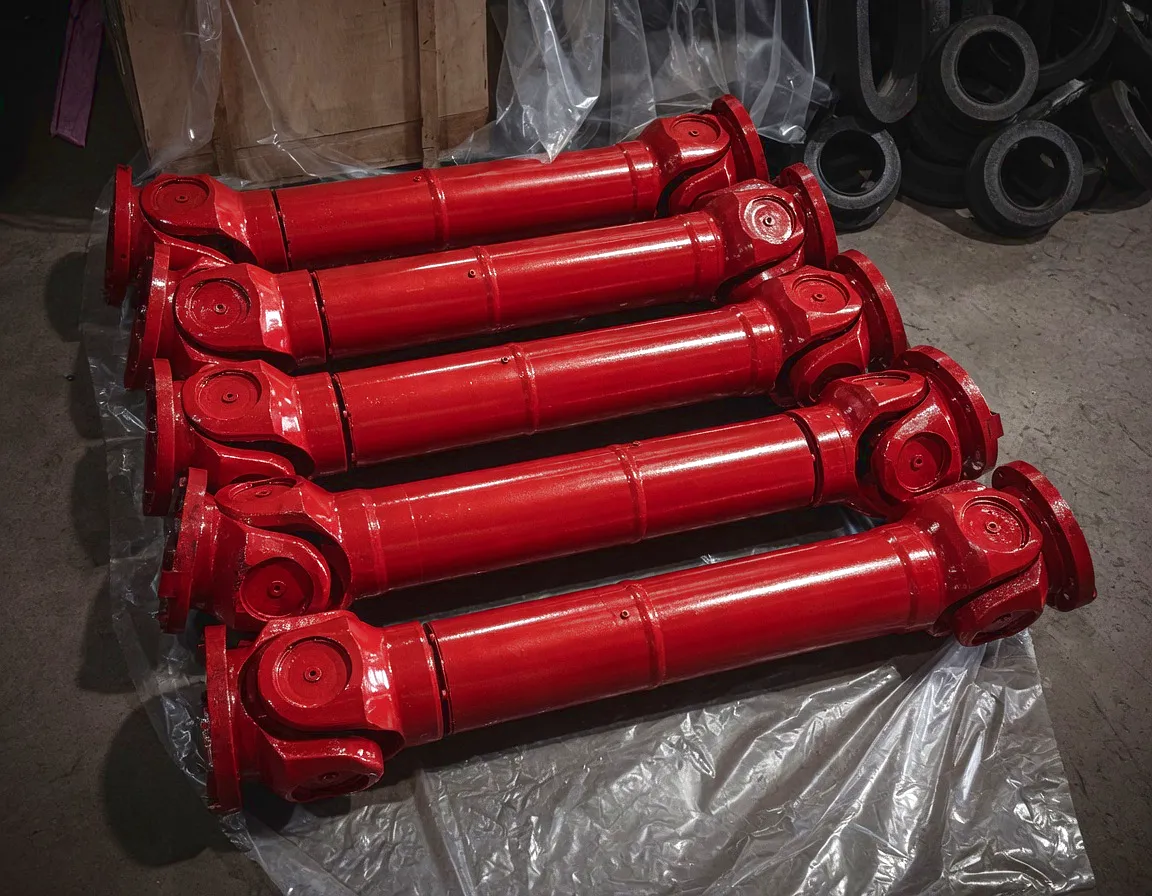
For a rotary tiller, this matters enormously. The PTO shaft connecting tractor to tiller typically operates at angles between 6° and 18°, depending on tractor type, hitch height, and implement geometry. A single universal joint at those angles produces a measurable output velocity ripple. That ripple is transmitted directly into the tiller’s gearbox and blade rotor, accelerating gear wear and creating audible vibration. The solution — used on every quality agricultural PTO shaft — is the double-cardan arrangement: two universal joints connected by an intermediate shaft, phased so their velocity errors cancel each other out. The result is a near-constant velocity transmission that protects the gearbox and the blades it drives.
Technical Specifications: Cardan Coupling for Agricultural PTO Applications
Performance Parameters & Material Data
Selecting the correct cardan coupling for a rotary tiller begins with matching three fundamental parameters: torque rating, operating angle, and shaft interface dimensions. The table below captures the key specifications relevant to standard UK tractor PTO configurations, from compact 40 hp tractors used in horticultural applications to 200 hp+ machines running wide-working professional tillers on arable farms across East Anglia and the East Midlands.
| Parameter | Light Duty | Medium Duty | Heavy Duty |
|---|---|---|---|
| Nominal Torque (Nm) | 500 – 900 | 900 – 1,800 | 1,800 – 4,500 |
| PTO Speed (rpm) | 540 / 1,000 | 540 / 1,000 | 540 / 1,000 |
| Max Operating Angle (°) | 25° | 25° | 22° |
| Tractor-End Profile (6-spline) | 1-3/8″ (35 mm) | 1-3/8″ / 1-3/4″ | 1-3/4″ (45 mm) |
| Spider Material | 20CrMnTi | 20CrMnTi / 42CrMo | 42CrMo4 |
| Surface Hardness (HRC) | 56 – 60 | 58 – 62 | 58 – 62 |
| Grease Interval (hrs) | 50 | 50 – 100 | 100 |
| Telescopic Tube Material | Seamless carbon steel | Seamless alloy steel | Alloy steel + plastic sleeve |
Where Cardan Couplings Work Hardest: UK Rotary Tiller Operating Conditions
Real-World Agricultural Application Scenarios
The rotary tiller is arguably the most mechanically aggressive implement a tractor will regularly drive through its PTO. Unlike a mower or a slurry pump, which present relatively steady loads, the tiller imposes a constantly varying torque signature — smooth cutting through sandy loam, sharp shock peaks when a blade tip strikes a buried flint in chalk downland, and everything in between. Understanding these real-world conditions is essential to specifying a cardan coupling that will survive an entire season rather than failing at the worst possible moment during the April planting window or the October stubble-turnover rush.
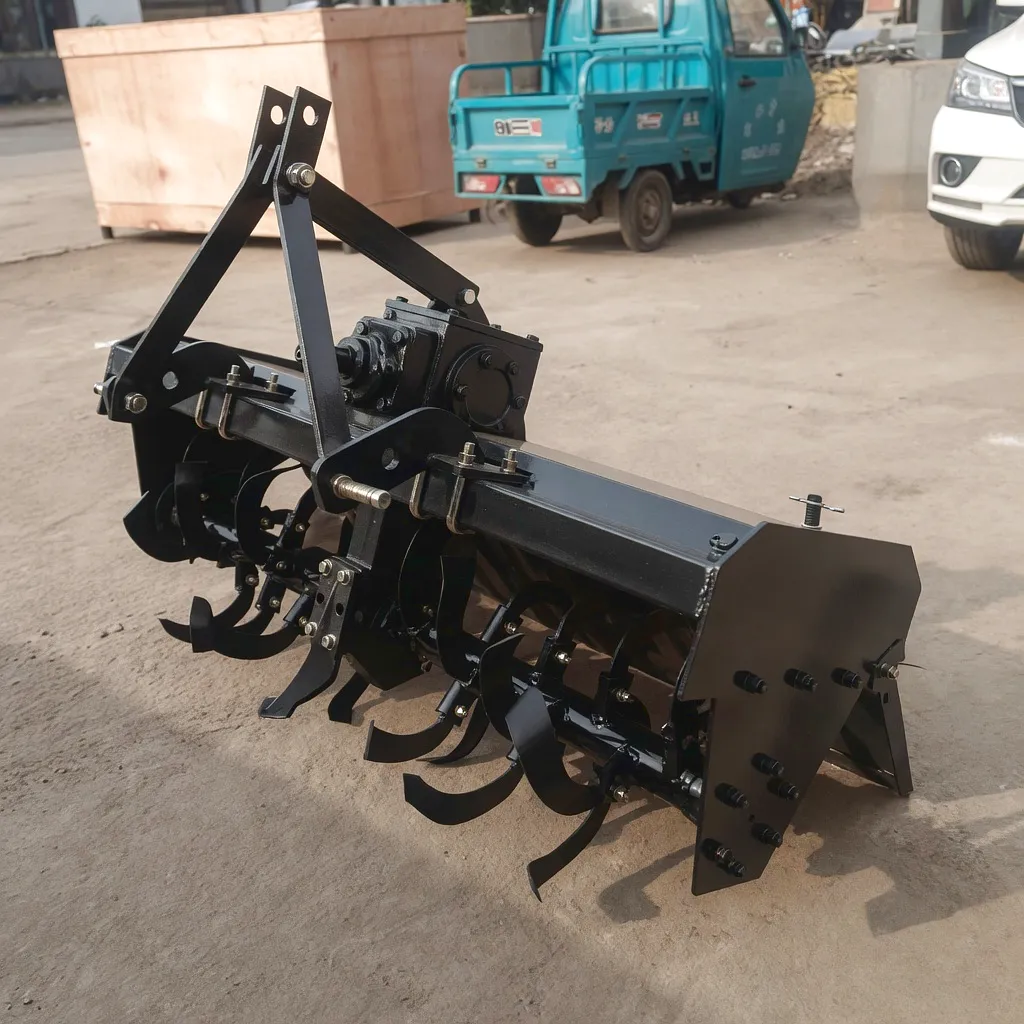
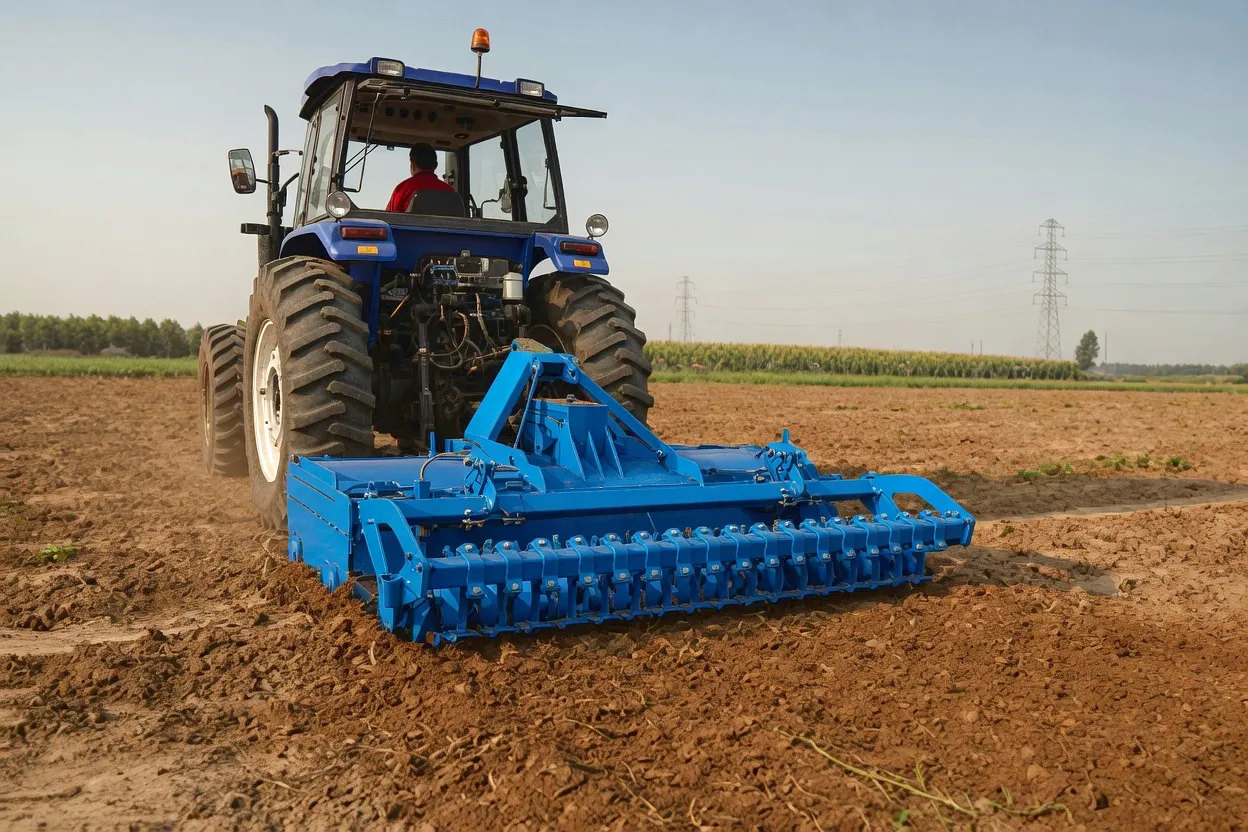
In the chalk downlands of Hampshire and Wiltshire, tillers regularly encounter buried flint at unpredictable depths. Each blade strike delivers an instantaneous torque spike that can exceed the nominal rating of a standard coupling by a factor of three or four. This is precisely why agricultural cardan couplings are paired with overload protection — either a shear bolt that sacrifices itself cleanly, or a friction torque limiter that slips and re-engages without operator intervention. The cardan coupling itself must be tough enough to survive the fraction of a second before the protection mechanism responds, which is why spider material quality and bearing preload are not areas where cost-cutting pays off.
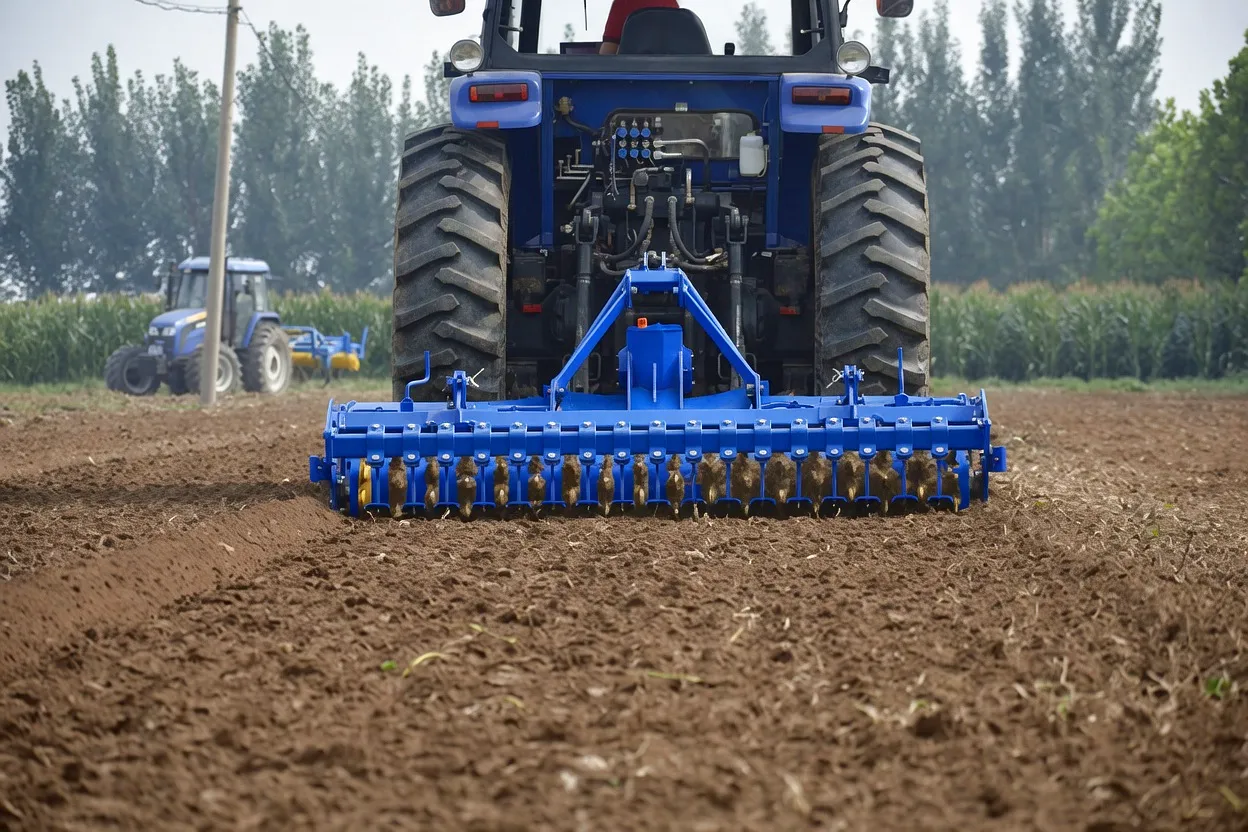
On heavy clay soils — prevalent across the West Midlands and parts of the Welsh borders — the challenge shifts from shock loading to sustained high torque at low forward speeds. Clay resistance can push tractor engines into their stall zone, meaning the PTO shaft must handle full stall torque loads during those critical moments. A properly rated cardan coupling with an adequate dynamic torque capacity makes the difference between a machine that pushes through and one that damages its gearbox attempting to.
Why the Right Cardan Coupling Changes Everything: Performance Advantages Explained
Engineering Benefits for Agricultural Operations
There is a strong temptation in farm machinery maintenance to replace a failed PTO shaft with the cheapest available option that fits the profile dimensions. This approach almost always costs more in the long run. The cardan coupling is not a generic commodity — the differences between a budget replacement and a properly engineered unit manifest quickly in the field, and they manifest in ways that affect the whole drivetrain, not just the shaft itself.
Cardan Coupling Applications Across UK Farming Regions and Rotary Tiller Types
Localised Application Guidance for British Agricultural Operations
Britain’s agricultural geography is remarkably varied for a relatively small country. The demands placed on a PTO shaft cardan coupling in a Scottish hill farm’s wet, stony pasture reseeding operation are substantially different from those encountered in a Suffolk arable enterprise running a 4-metre power harrow across heavy autumn stubble. Matching the coupling specification to the regional soil type, implement size, and tractor power class is a discipline that separates experienced machinery buyers from those who learn through expensive trial and error.
| UK Region / Application | Soil Type / Challenge | Recommended Coupling Grade | Key Feature Priority |
|---|---|---|---|
| East Anglia (arable) | Sandy loam / light chalk | Medium duty | High RPM endurance |
| West Midlands (mixed) | Heavy clay / waterlogged | Heavy duty | High torque capacity + friction clutch |
| Chalk Downland (Hampshire, Wiltshire) | Chalk / buried flint | Heavy duty + shear bolt | Overload protection + spider toughness |
| Scotland (hill farm reseed) | Rocky / peaty upland | Medium-heavy + wide angle | Wide articulation + seal integrity |
| Kent / Sussex (market garden) | Light / frequent start-stop | Light-medium duty | Compact dimensions + low inertia |
| Welsh Borders (livestock / grassland) | Wet clay / pasture renewal | Medium duty | Corrosion resistance + long grease interval |
The table above is a starting framework, not an absolute specification. Actual coupling selection must account for the specific tractor model, linkage geometry, implement working width, and target tillage depth. Our engineering team at Ever Power has supported UK machinery dealers and farm operators in making these calculations for over a decade, and we welcome enquiries where the application is complex or non-standard.
Customer Success: Real Results from British Agricultural Operations
Verified Field Performance Data
Thornbury Farms operates 2,400 hectares of arable land across the Lincolnshire Fens, running five tractors with rotary tillers as part of their spring vegetable seedbed preparation programme. The operation had been experiencing consistent PTO shaft failures — typically two to three per season — on a mix of own-brand replacement shafts sourced through a local dealer. Total replacement costs, including parts and labour during the critical April window, were running at approximately £4,200 annually.
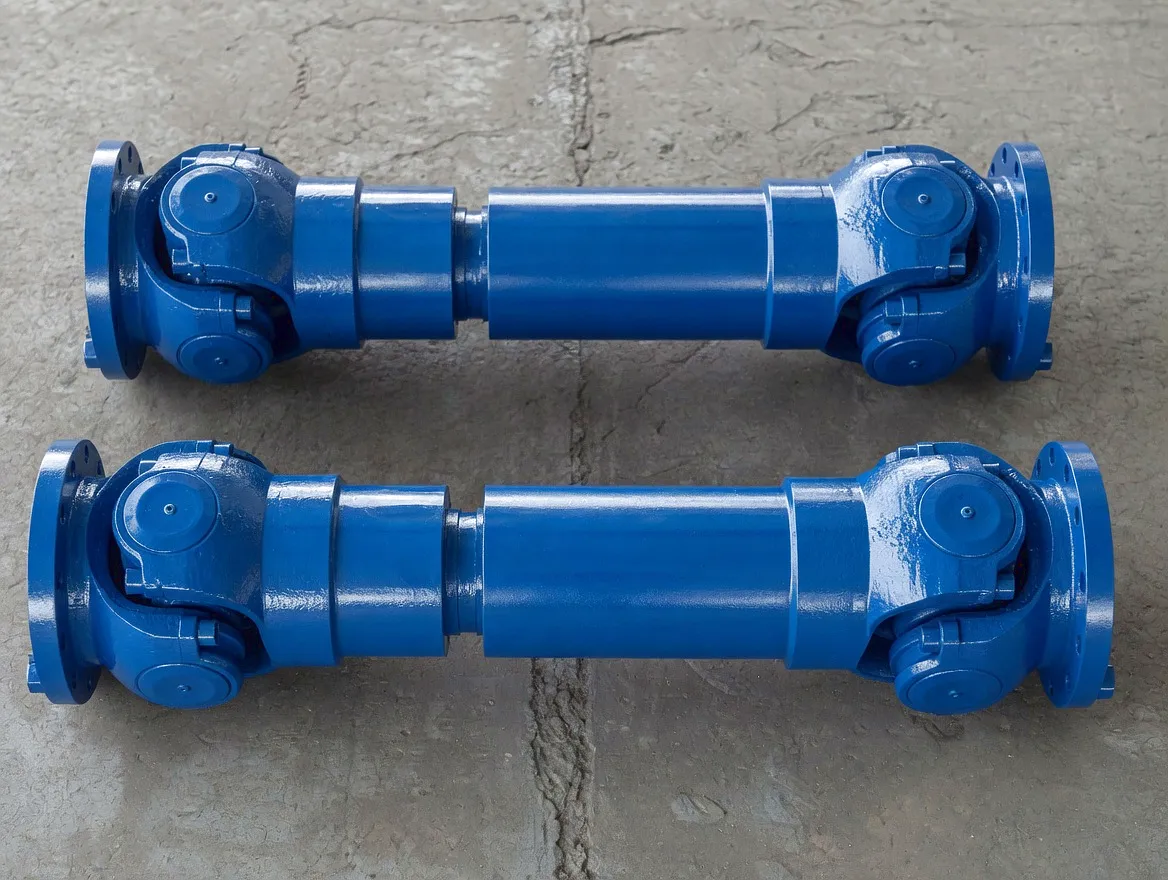
After switching to Ever Power heavy-duty cardan couplings with 42CrMo4 spiders and integrated friction torque limiters in spring 2023, the farm completed two full cultivation seasons — approximately 1,800 PTO hours across the fleet — with zero coupling failures. The farm’s machinery manager, David Hallsworth, noted that vibration levels from the tiller gearboxes were also noticeably reduced after the switch, which he attributed to better joint phasing accuracy in the Ever Power units.
“We’ve tried three different brands of PTO shaft on our Kuhn tiller over the past six years. The Ever Power unit has outlasted all of them combined. The build quality is immediately obvious when you pick it up — the yokes are clean forgings, not rough castings, and the grease nipples actually accept the gun without the usual fight.”
“Our vegetable operation uses rotary tillers intensively for seedbed prep on about 180 acres of market garden. The old shaft was giving us that classic gearbox whine after 200 hours — switched to Ever Power and the noise is completely gone. The torque limiter is also much smoother in action, which means less drama when a blade clips a stone.”
“Ordered a bespoke length for our older Massey with a non-standard PTO to hitch distance. The Ever Power team turned it around in two weeks with the correct spline profile at both ends and a friction clutch calibrated to our tiller’s gearbox rating. That kind of service is very hard to find from a UK dealer.”
Ever Power Custom Manufacturing: Bespoke Cardan Coupling Solutions for UK Agricultural OEMs and Importers
Factory Capabilities & Custom Engineering Services
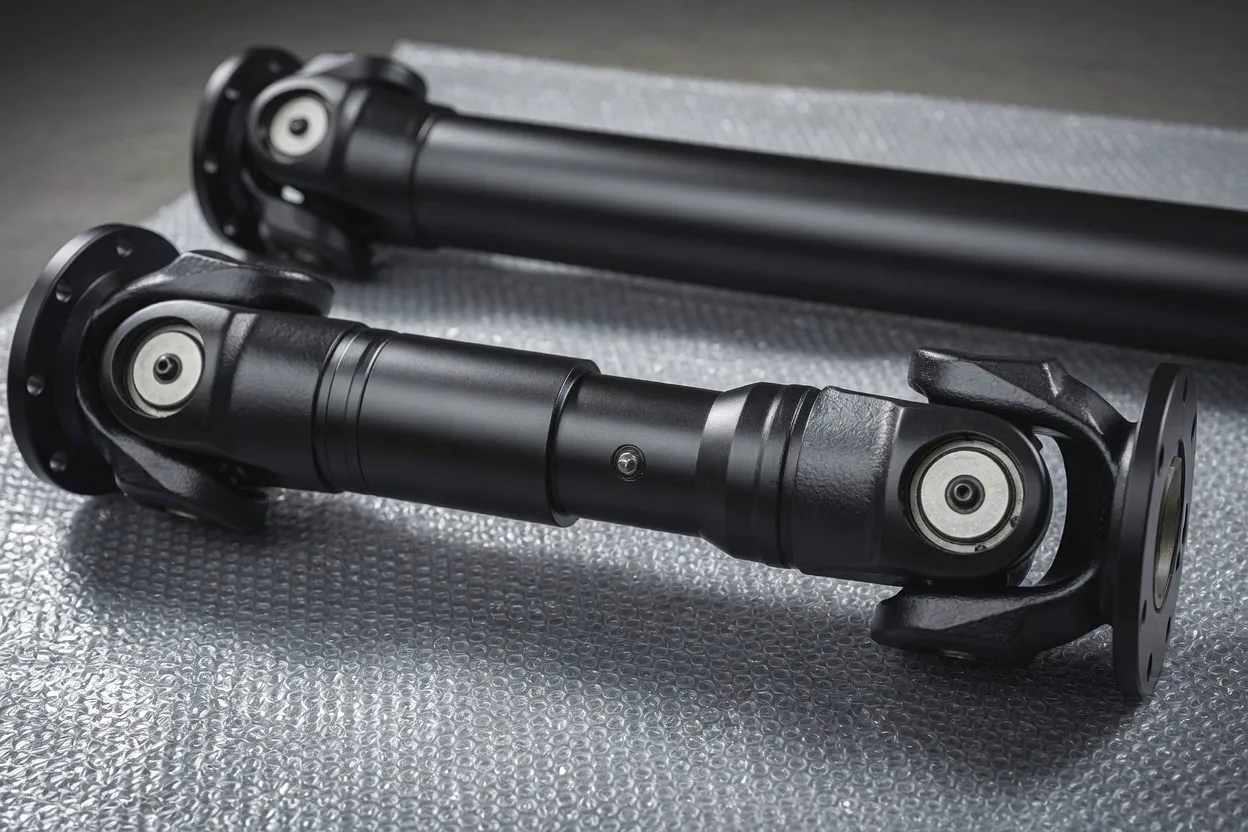
Standard off-the-shelf cardan couplings solve most replacement requirements, but the agricultural machinery industry has a long tail of non-standard applications where bespoke engineering is the only real solution. Older tractors with unusual PTO configurations. Imported implements with metric spline profiles. Custom-built specialist seeders or soil preparation equipment developed within a farming enterprise. These situations require a manufacturing partner with genuine engineering depth, not just a catalogue.
Ever Power’s custom PTO shaft programme covers the full specification space: shaft length from 400 mm to 2,200 mm, torque ratings to 6,000 Nm, custom spline profiles to ISO, DIN, and proprietary standards, friction clutch calibration to precise torque settings, and telescopic profile selection for any working depth range. Our CNC turning centres and dedicated heat treatment facility allow us to hold spider trunnion roundness within 0.005 mm — a tolerance that directly determines bearing life in high-speed PTO applications.
Request a Custom Specification
Send us your tractor model, implement type, working length, and power rating. We will return a full specification and price within 48 hours.
Selecting, Installing, and Maintaining a Cardan Coupling on a Rotary Tiller PTO Shaft
Practical Engineering Guidance
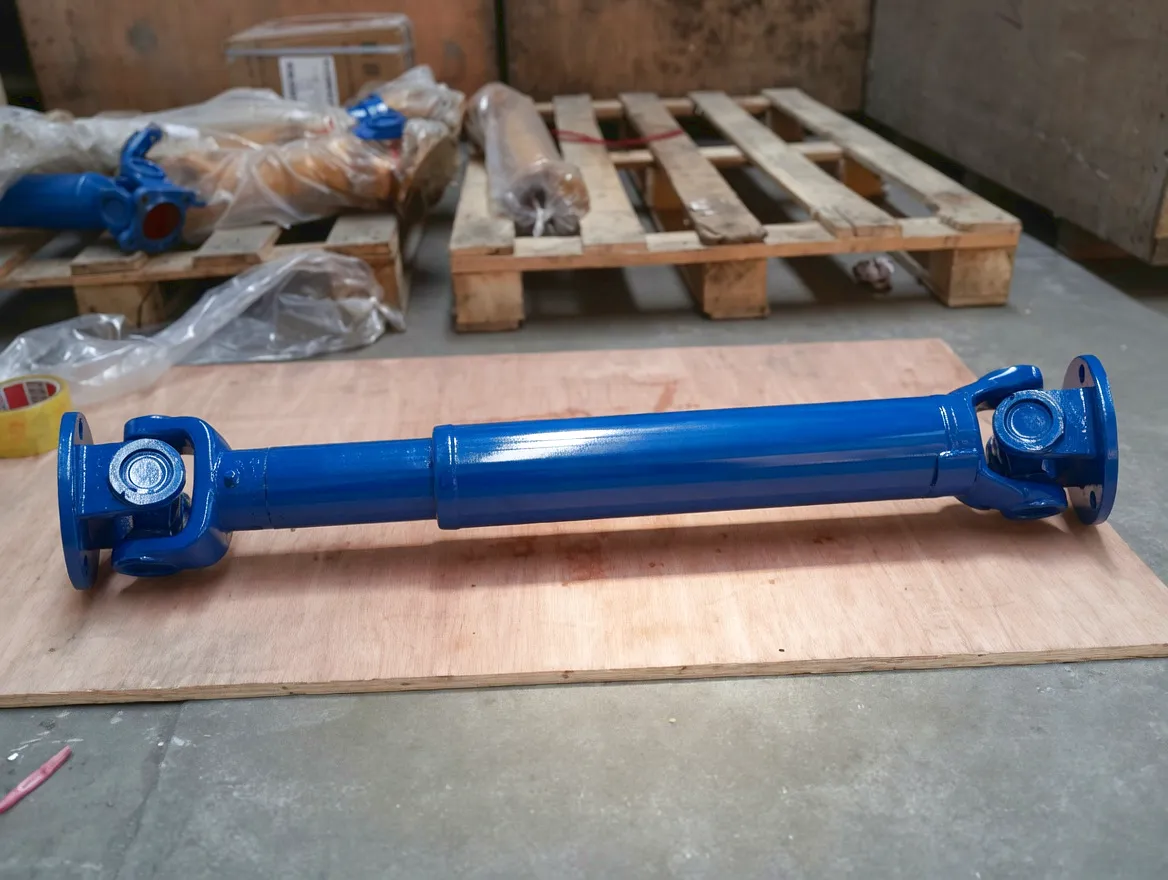
The selection process for a rotary tiller cardan coupling begins with gathering four pieces of information that are often printed in the implement’s operating manual or on a rating plate attached to the main gearbox housing. First, the tractor PTO output speed — almost universally 540 rpm or 1,000 rpm in UK agriculture, though some specialist machines run at 750 rpm. Second, the tractor’s maximum PTO torque output, which can be found in the operator’s handbook and typically runs between 300 Nm for a 40 hp machine and 2,800 Nm for a 200 hp tractor. Third, the shaft working length — the distance between the tractor PTO output flange and the implement input flange when the machine is at its operating position. Fourth, the spline profile required at each end.
Maintenance discipline is, honestly, the factor that separates cardan couplings that last three seasons from those that last half a season. The bearing cups in a PTO shaft spider are small-diameter needle rollers carrying very high unit loads. Without an adequate grease film, they generate metal-to-metal contact within minutes at 540 rpm. A modern lithium-complex EP2 grease, applied through the nipples until fresh grease appears at the cup seals, is the most cost-effective maintenance action available to any rotary tiller operator.
Ready to Specify the Right Cardan Coupling for Your Rotary Tiller?
Send us your tractor model, implement type, and operating conditions. Our engineering team will return a full specification and competitive price within 48 hours — no obligation, no minimum order for standard units.
Get a Quote — [email protected]
Ever Power · Cardan Coupling Specialists · Serving UK Agricultural Machinery Dealers & OEMs · edit by gzl
edit by gzl