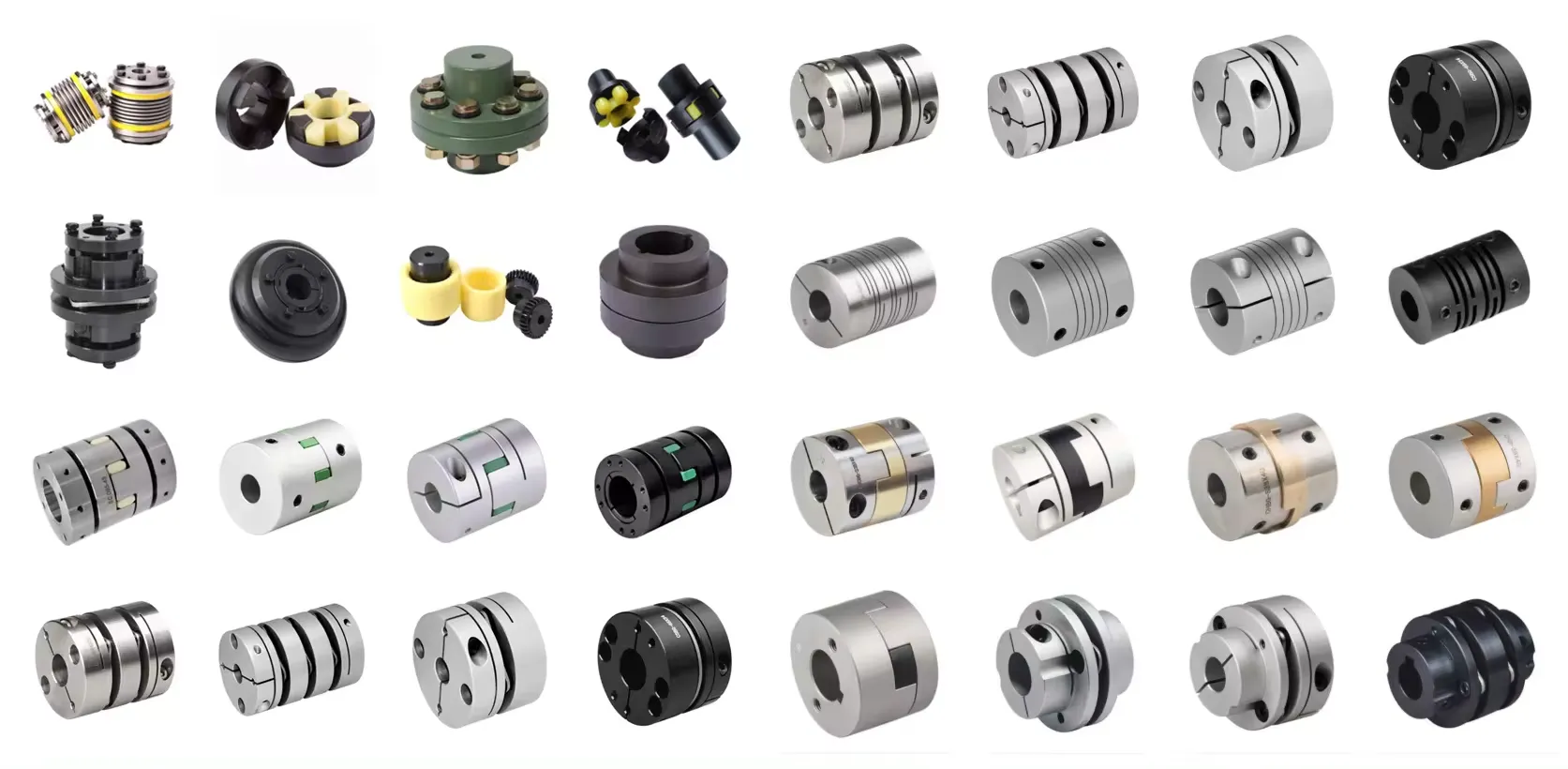
Keyword Introduction: Cardan Coupling for Water Quality Testing Instruments
1. High-Quality Material
The cardan coupling for water quality testing instruments is made from durable and corrosion-resistant materials to ensure longevity and reliability in harsh environments.
2. Precision Engineering
Each cardan coupling is meticulously crafted with precision engineering to guarantee smooth and efficient performance for water quality testing instruments.
3. Easy Installation
The cardan coupling is designed for easy installation and compatibility with a wide range of water quality testing instruments for seamless integration.
4. Versatile Application
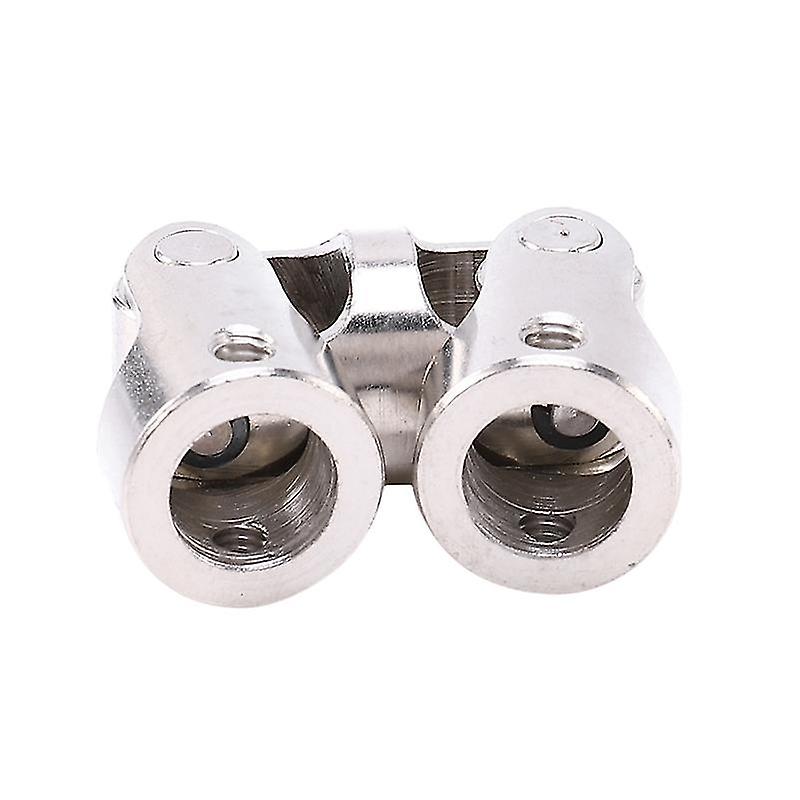
With its versatile design, the cardan coupling can be used in various water quality testing instruments to provide accurate and reliable measurement results.
5. Cost-Effective Solution
Offering a cost-effective solution, the cardan coupling for water quality testing instruments provides high performance at a competitive price point.
6. Reliable Performance
The cardan coupling ensures reliable performance and consistent results in water quality testing instruments, making it a trusted choice for professionals in the industry.
What is Cardan Shaft Coupling?
1. Definition
A cardan shaft coupling, also known as a universal joint, is a mechanical device used to transmit torque between two shafts that are not in a straight line.
2. Function
The primary function of a cardan shaft coupling is to allow for the transmission of power and rotational movement between shafts at different angles.
3. Components
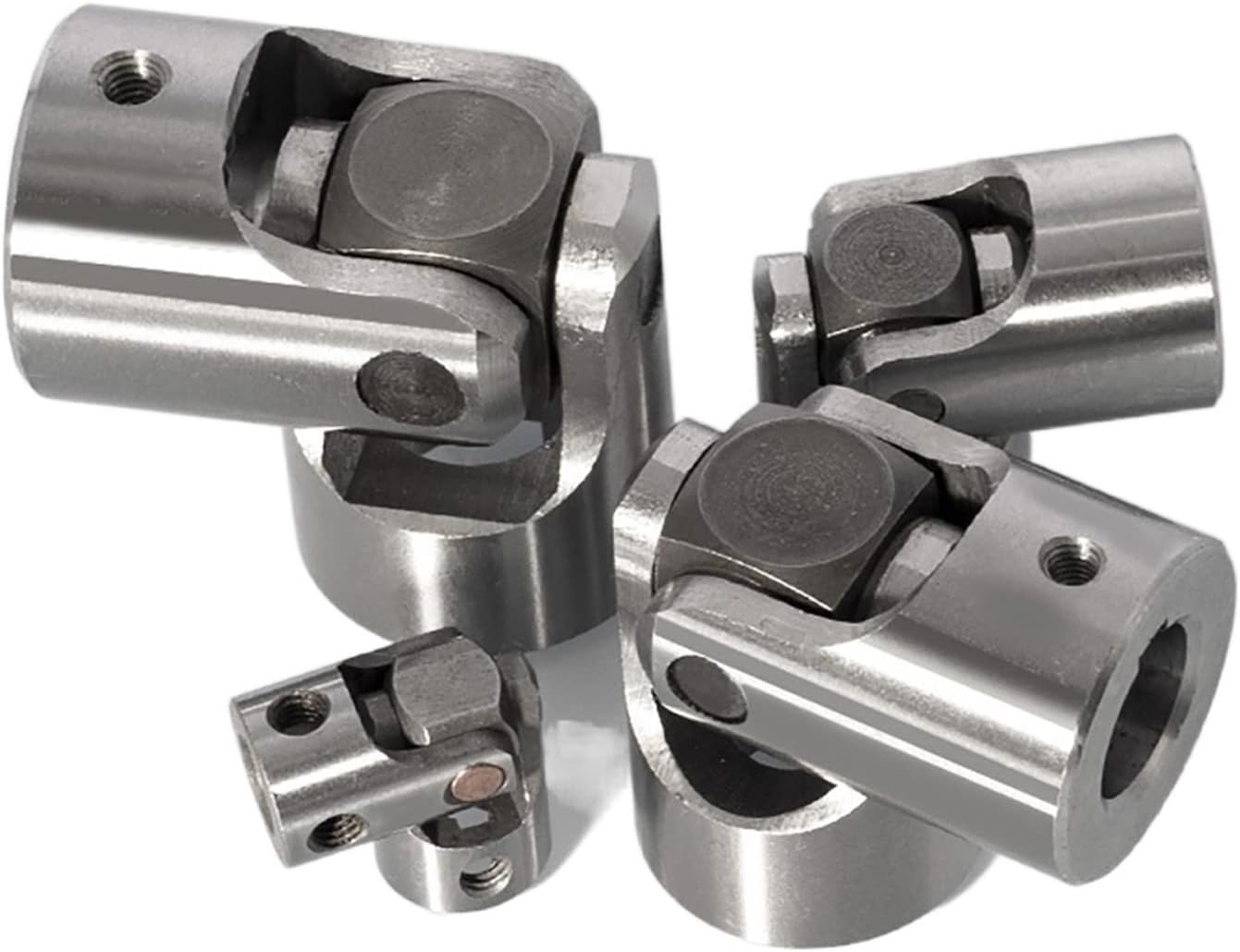
The main components of a cardan shaft coupling include yokes, cross pieces, and bearings, which work together to facilitate smooth and efficient torque transfer.
4. Types
There are several types of cardan shaft couplings, including single cardan joints, double cardan joints, and constant velocity joints, each offering unique advantages for specific applications.
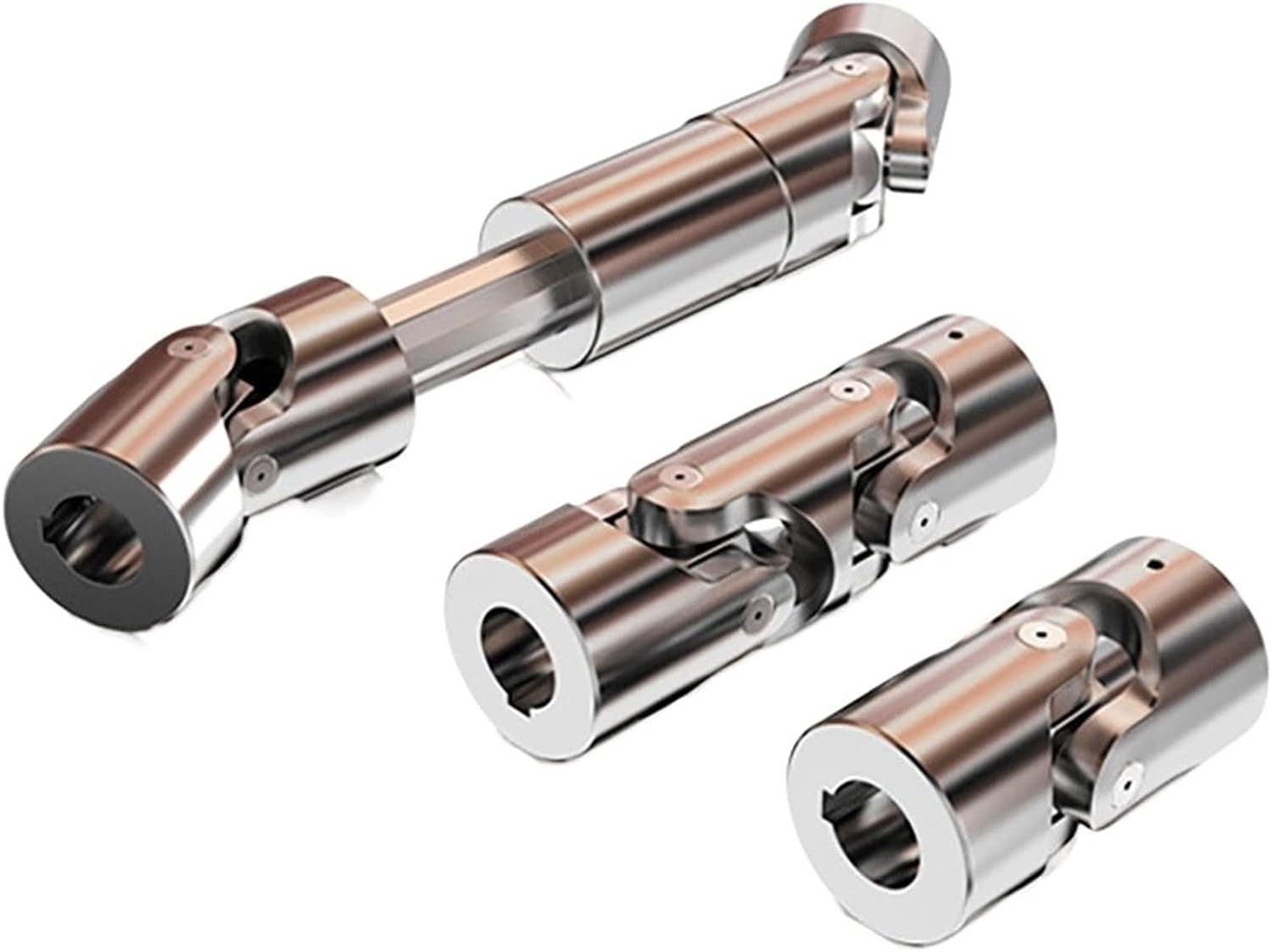
5. Applications
Cardan shaft couplings are commonly used in various industries, such as automotive, aerospace, and industrial machinery, where reliable torque transmission is essential.
What is the Purpose of a Cardan Shaft?
1. Angular Misalignment
A cardan shaft is designed to accommodate angular misalignment between two shafts, allowing for smooth power transmission even when the shafts are not aligned.
2. Torque Transmission
The primary purpose of a cardan shaft is to transmit torque between two shafts at different angles, ensuring efficient power transfer in various mechanical systems.
3. Compensation for Axial Movement
In addition to angular misalignment, a cardan shaft can also compensate for axial movement between shafts, providing flexibility in mechanical assemblies.
4. Vibration Damping
Cardan shafts can help dampen vibrations and reduce noise in rotating machinery, improving overall performance and extending the lifespan of equipment.
5. Maintenance of Constant Velocity
By maintaining a constant velocity between two shafts, a cardan shaft ensures smooth and reliable operation in a wide range of industrial applications.
What is the Purpose of a Double Cardan Joint?
1. Increased Angular Misalignment
A double cardan joint offers increased angular misalignment capacity compared to a single cardan joint, making it ideal for applications with extreme shaft angles.
2. Reduced Torque Variation
By incorporating two sets of universal joints, a double cardan joint can help reduce torque variation and improve overall power transmission efficiency.
3. Enhanced Stability
Double cardan joints provide enhanced stability and smoother operation in applications where precise torque transmission is critical for performance and safety.
4. Improved Durability
With its reinforced design, a double cardan joint offers improved durability and longevity, making it a reliable choice for demanding industrial environments.
5. Versatile Applications
Due to its advanced design and capabilities, a double cardan joint is suitable for a wide range of applications in industries such as automotive, aerospace, and machinery.
How to Choose the Appropriate Cardan Coupling
1. Consider Operating Conditions
When selecting a cardan coupling, consider factors such as operating temperature, speed, and torque requirements to ensure optimal performance in specific applications.
2. Evaluate Shaft Misalignment
Determine the degree of angular and axial misalignment between shafts to choose a cardan coupling that can accommodate these misalignments effectively.
3. Assess Load Capacity
Ensure that the selected cardan coupling has the necessary load capacity to withstand the torque and vibration levels present in the application for reliable operation.
4. Check Maintenance Requirements
Consider the maintenance needs of the cardan coupling, such as lubrication intervals and inspection frequency, to minimize downtime and ensure long-term performance.
5. Seek Expert Advice
If unsure about which cardan coupling to choose, consult with industry experts or manufacturers to receive guidance on selecting the most suitable coupling for your specific needs.
What is the Difference Between a Disc and a Cardan Coupling?
1. Design
A disc coupling uses flexible discs to transmit torque, while a cardan coupling utilizes universal joints to accommodate angular misalignment between shafts.
2. Misalignment Capacity
Disc couplings have limited misalignment capacity compared to cardan couplings, making the latter more suitable for applications with significant shaft misalignment.
3. Torque Transmission
Cardan couplings are better suited for high torque applications due to their robust design, while disc couplings are ideal for lower torque requirements.
4. Maintenance Requirements
Disc couplings generally have lower maintenance requirements compared to cardan couplings, making them a preferred choice for applications where regular maintenance is challenging.
5. Application Differences
Disc couplings are commonly used in industries such as power generation and marine applications, while cardan couplings are preferred in automotive, aerospace, and industrial machinery applications.
About HZPT
Founded in 2006, HZPT is a leading manufacturer and exporter specializing in the design, development, and production of couplings. With 16 years of experience, we offer high-quality products customized to meet global customer requirements. Our comprehensive quality inspection system ensures product excellence, with all products holding CE and TUV certificates. Customer satisfaction is our priority, and we are committed to providing the best service and product quality at competitive prices. Choose HZPT for reliability, performance, and excellence in coupling solutions.