
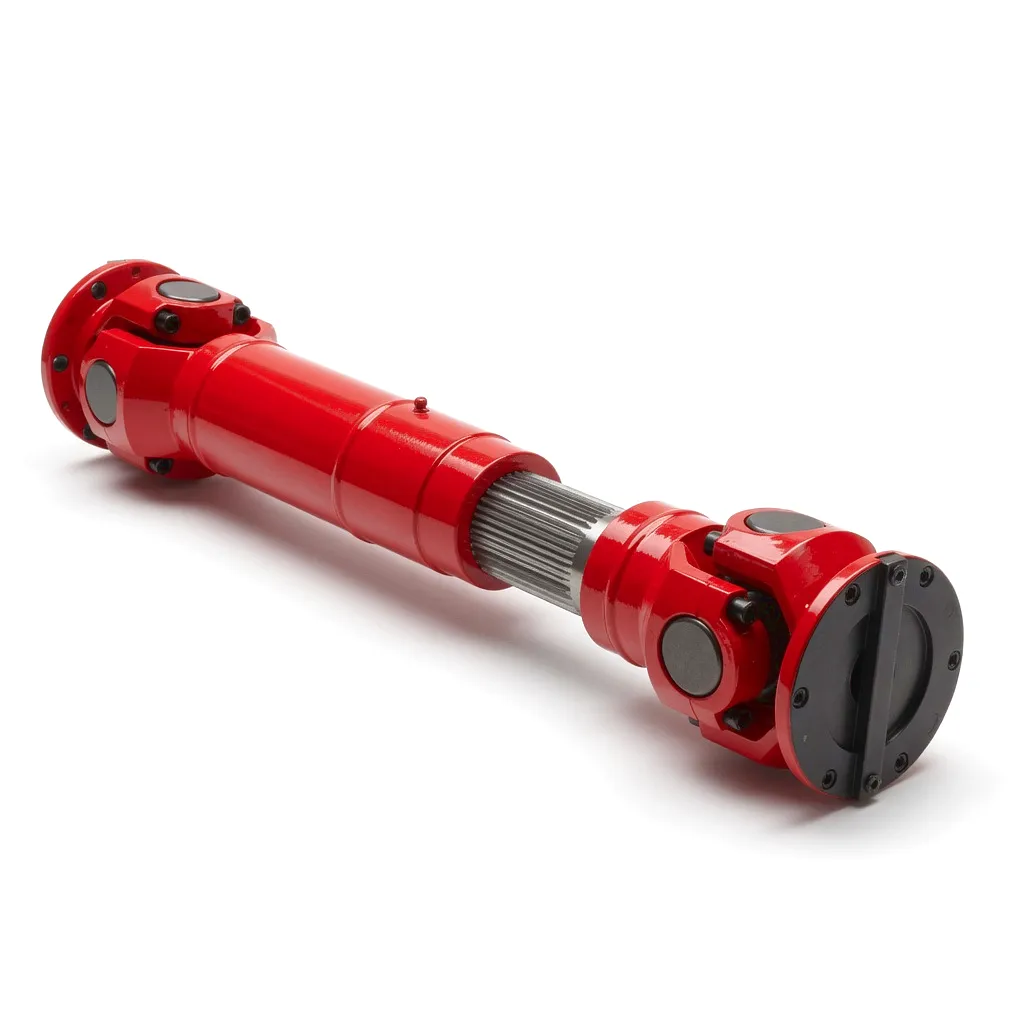
 Combine harvesters are among the most demanding machines in modern agriculture. Every harvest season, these colossal vehicles push across undulating British fields — from the rolling chalk downlands of Wiltshire to the flat fenlands of Lincolnshire — enduring punishing terrain while maintaining relentless cutting and threshing speeds. At the mechanical heart of each harvester lies a critical component that most operators never think about until something goes wrong: the cardan coupling. Specifically, a heavy-duty double cardan joint engineered for variable-angle operation is what bridges the gap between the harvester’s diesel powertrain and the cutting header, ensuring that torque flows smoothly even as the machine pitches, rolls, and adjusts across uneven ground.
This article explores — from a practitioner’s standpoint built on nearly two decades of field application work — why these couplings matter so much in combine harvester design, what separates a well-engineered cardan coupling from a cheap imitation, and how UK-based agricultural operations can source reliable, custom-specified drive components from Ever Power. Whether you are an OEM design engineer, a fleet maintenance supervisor, or a procurement manager responsible for keeping dozens of machines harvest-ready, the information here is drawn from real-world project experience and aims to be genuinely useful.
Why Combine Harvesters Demand Specialised Cardan Couplings
A combine harvester is not a static machine bolted to a factory floor. It is a mobile processing plant — cutting, feeding, threshing, separating, and cleaning grain in a continuous flow while travelling at speeds up to 8 km/h across terrain that can change gradient by several degrees within a single pass. The cutting header alone can span 9 metres or more and must articulate independently of the main chassis to follow ground contours. This means the drivetrain connecting the engine to the header must accommodate constant angular misalignment, sometimes exceeding 15 degrees in operating conditions, while transmitting torque loads that can spike dramatically when the header encounters a dense stand of wet wheat or barley.
Rigid shaft connections would fail within hours under these conditions. Flexible couplings lack the torque capacity. Gear couplings can handle the load but introduce unacceptable velocity fluctuations at higher angles. The double cardan coupling — with its pair of universal joints phased to cancel out the inherent non-uniform velocity characteristic of a single joint — provides the precise engineering solution this application demands. Each joint compensates for the velocity variation introduced by the other, delivering near-constant output speed to the header drive. This is not a minor technical nicety; it directly affects cut quality, crop feed uniformity, and ultimately grain loss percentages that determine a farm’s harvest-season profitability.
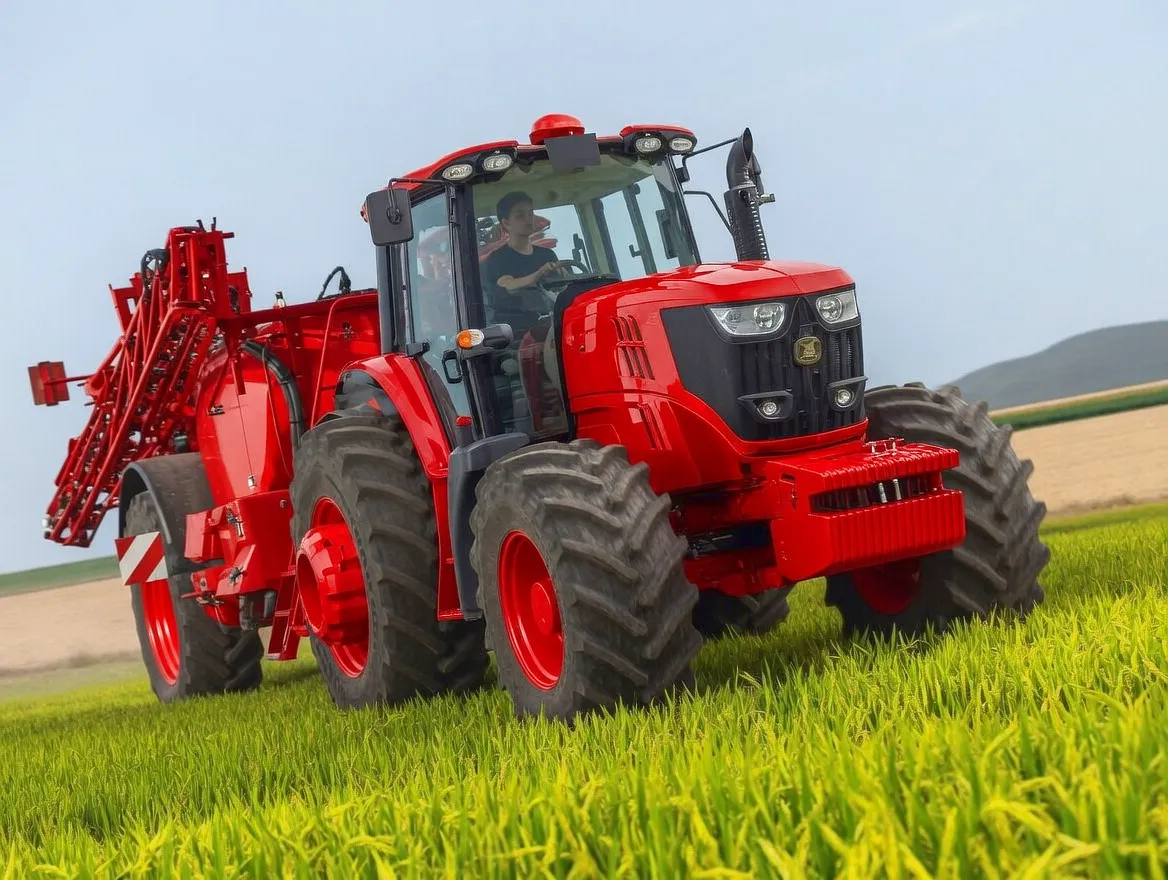
Engineering Principles Behind the Double Cardan Joint
The fundamental operating principle of a cardan coupling dates back centuries, but the modern double-joint configuration used in heavy agricultural machinery is a refined piece of precision engineering. Two Hooke-type universal joints are mounted in series on a short intermediate shaft, with the joint yokes phased exactly 90 degrees apart. When one joint introduces an angular velocity variation as the shaft rotates — the well-known tangent function relationship where output speed oscillates relative to input speed — the second joint introduces an equal and opposite variation, effectively cancelling out the pulsation. The result is a coupling assembly that transmits torque through significant operating angles while maintaining near-constant velocity at the driven end.
For combine harvester header drives, this velocity stability is critical. The header knife operates on a reciprocating crank mechanism that is highly sensitive to speed variation. Even small fluctuations in drive speed can cause uneven cutting, increased vibration, and accelerated wear on the knife sections and guards. A properly specified double cardan coupling eliminates these problems at the source. The coupling must also handle the torsional shock loads that occur when the header encounters obstacles — rocks, heavy weed clumps, or compacted crop material — that can momentarily spike torque to three or four times the steady-state value.
Materials and Construction: What Goes Into a Reliable Agricultural Cardan Coupling
Material selection for agricultural cardan couplings is driven by a harsh reality: these components operate in environments that would destroy lesser hardware within weeks. Dust, moisture, crop debris, chemical fertiliser residues, and wide temperature swings from early-morning dew to midday heat all take their toll. The yokes and flanges are typically forged from medium-carbon alloy steel — grades such as 42CrMo4 or equivalent — chosen for their combination of tensile strength, impact toughness, and fatigue resistance. Forging, rather than casting, ensures a grain flow structure that resists crack initiation under cyclic loading.
The cross and bearing assemblies — the four-armed spider at each joint — are manufactured from case-hardened bearing steel, typically conforming to standards like GCr15 or equivalent high-chromium grades. Surface hardness reaches 58-62 HRC while the core remains ductile to absorb impact. Needle roller bearings are the standard choice for the bearing cups, providing high load capacity within the smallest possible envelope. Sealing is achieved through multi-lip rubber seals, often with an additional dust shield, designed to keep lubricant in and abrasive crop residue out. The quality of these seals is arguably the single most important factor in determining field life, as a failed seal leads to bearing contamination and rapid joint destruction within a matter of operating hours.
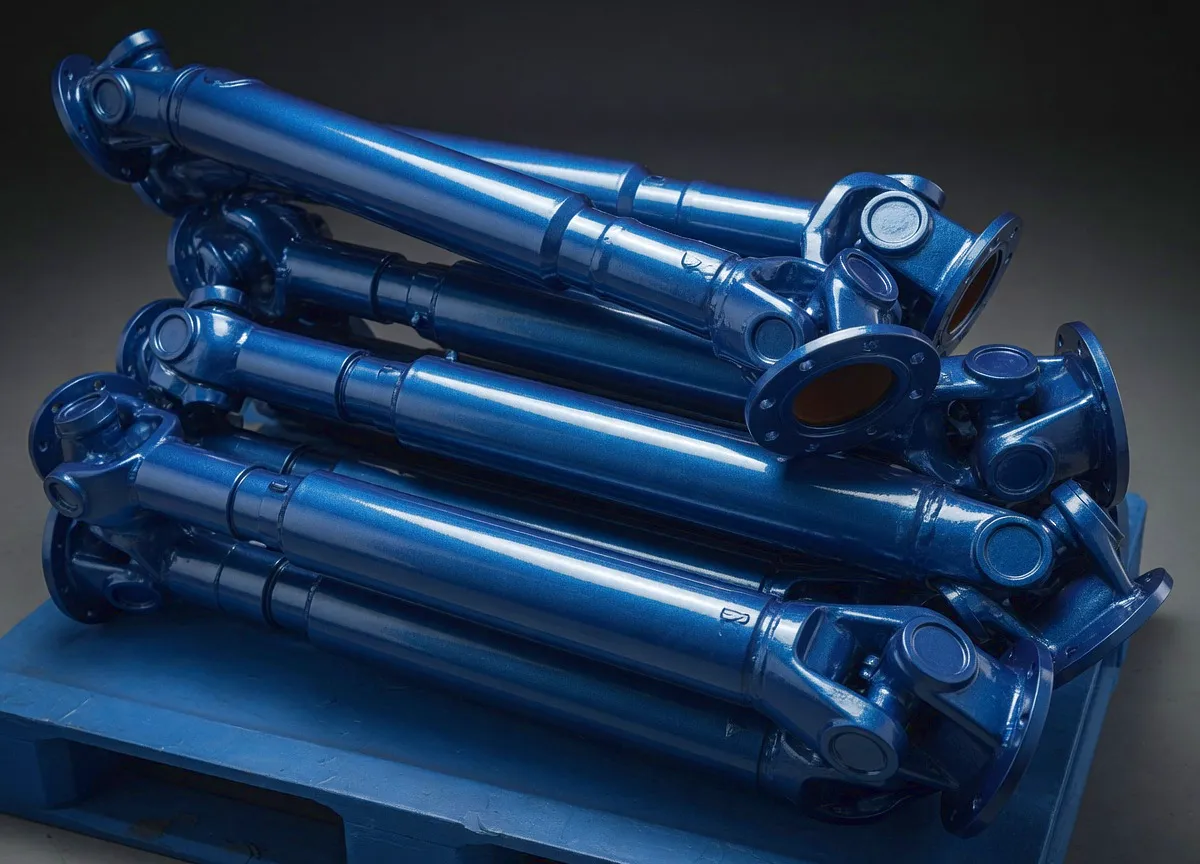
Technical Specifications — Ever Power Double Cardan Coupling for Combine Harvesters
| Parameter | Specification | Notes |
|---|---|---|
| Rated Torque | 2,500 – 18,000 Nm | Varies by series and cross size |
| Peak Torque Capacity | Up to 45,000 Nm | Short-duration shock loads |
| Maximum Operating Angle | 15° per joint (30° total) | Continuous operation |
| Maximum Speed | 1,500 – 3,000 RPM | Depends on balance grade |
| Yoke Material | 42CrMo4 Forged Alloy Steel | Normalised and tempered |
| Cross / Spider Material | GCr15 Case-Hardened Steel | 58-62 HRC surface hardness |
| Bearing Type | Needle Roller with Multi-Lip Seals | Greaseable or sealed-for-life options |
| Surface Treatment | Zinc Phosphate + Powder Coat | Corrosion protection for outdoor use |
| Flange Options | SAE, DIN, or Custom | Matched to OEM interface dimensions |
| Operating Temperature | -30°C to +80°C | Extended range seals available |
| Design Life | 5,000+ operating hours | With recommended maintenance intervals |
Key Advantages of Ever Power Cardan Couplings in Harvester Applications
⚙️ Near-Constant Velocity Output
The phased double-joint design cancels velocity pulsation, delivering smooth and consistent drive to knife mechanisms and threshing drums. This directly reduces vibration-related fatigue across the entire header assembly and improves cut quality in standing cereal crops.
🛡️ Exceptional Torque Handling
With rated capacities reaching 18,000 Nm and peak overload tolerance well beyond that, these cardan couplings handle the sudden torque spikes that occur when headers encounter unexpected material. Forged alloy yokes and case-hardened crosses ensure structural integrity under the most demanding harvest conditions.
🌧️ Built for British Conditions
Multi-lip seals with integrated dust shields protect bearings from moisture, mud, and crop debris — the constant companions of UK harvest seasons. Zinc phosphate treatment and powder-coat finishes resist corrosion in the damp conditions that characterise much of the British agricultural calendar.
🔧 Compact Envelope Design
Space within a combine harvester drivetrain is severely limited. The double cardan coupling configuration provides high angular capacity within a compact axial length, fitting into spaces where alternative coupling types simply cannot be accommodated without major redesign of surrounding structures.
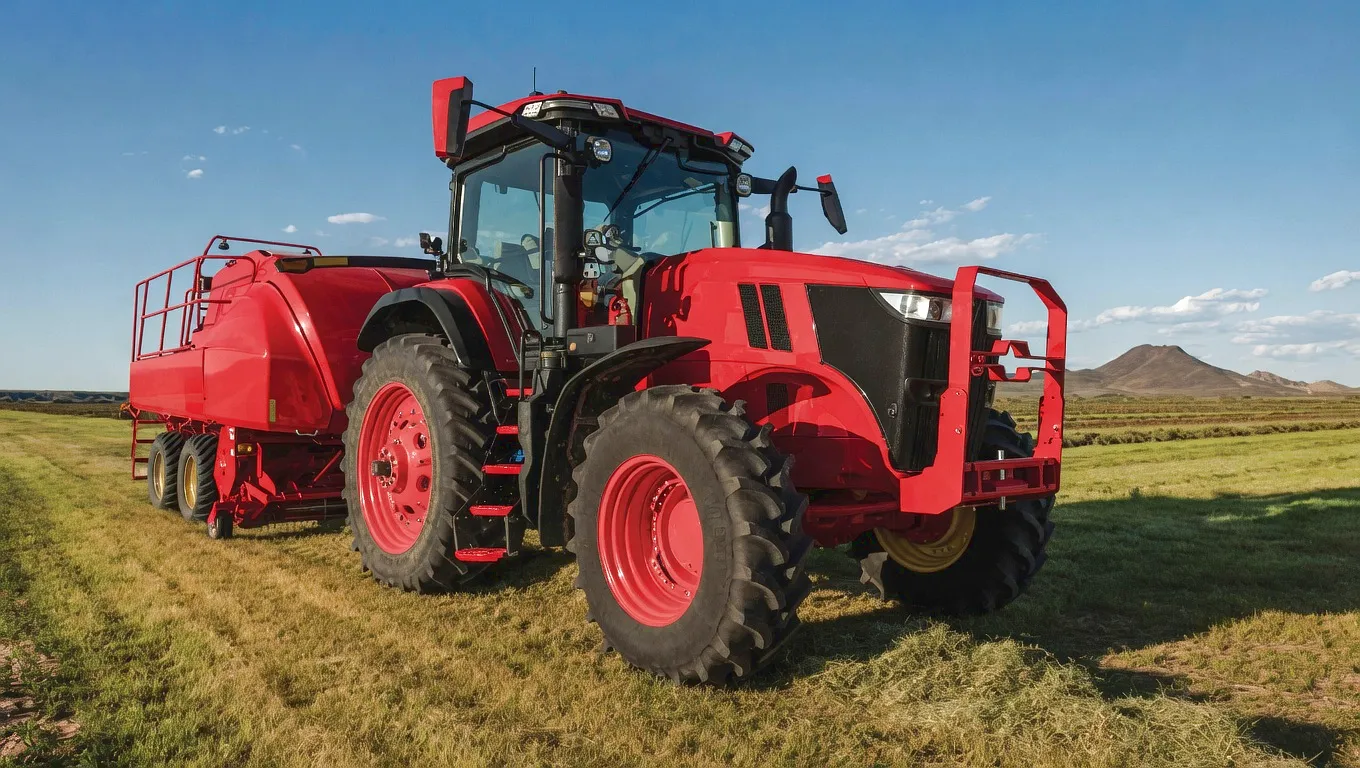
Tackling Real-World Challenges: Crop Residue, Speed Variation, and Load Dynamics
One of the most persistent problems I have encountered across nearly two decades of specifying cardan couplings for agricultural equipment is bearing contamination from crop residue. Straw chaff, grain dust, and oilseed rape stalks have an almost uncanny ability to work their way past inadequate seals and into bearing assemblies. Once abrasive material enters the needle roller bearings, wear accelerates exponentially. What should be a 5,000-hour component becomes a 500-hour problem. This is why Ever Power’s agricultural-grade cardan couplings use a triple-barrier sealing system: an outer dust shield deflects bulk debris, a primary lip seal retains grease and excludes particles, and a secondary backup seal provides insurance against primary seal degradation over time.
Speed variation management is another area where practical field experience matters enormously. Combine harvesters do not operate at a single steady speed — ground speed, engine RPM, and header engagement all change dynamically as conditions vary. The cardan coupling must perform across this entire operating envelope without developing resonance problems. At certain combinations of speed and angle, a poorly designed coupling can excite torsional vibration modes that propagate through the drivetrain and cause premature failure of downstream components like gearboxes and belt drives. Proper engineering analysis during the specification phase, including critical speed calculations and torsional vibration studies, prevents these issues from ever reaching the field.
Load dynamics in a combine harvester header drive are genuinely severe. When a 12-metre header plunges into a heavy stand of winter wheat, the instantaneous torque demand can increase by 300% or more compared to the free-running condition. The cardan coupling must absorb these transients without permanent deformation or damage to the bearing assemblies. This is where material quality and manufacturing precision separate genuinely capable products from commodity imitations that look similar on paper but fail catastrophically when subjected to real harvest-season demands.
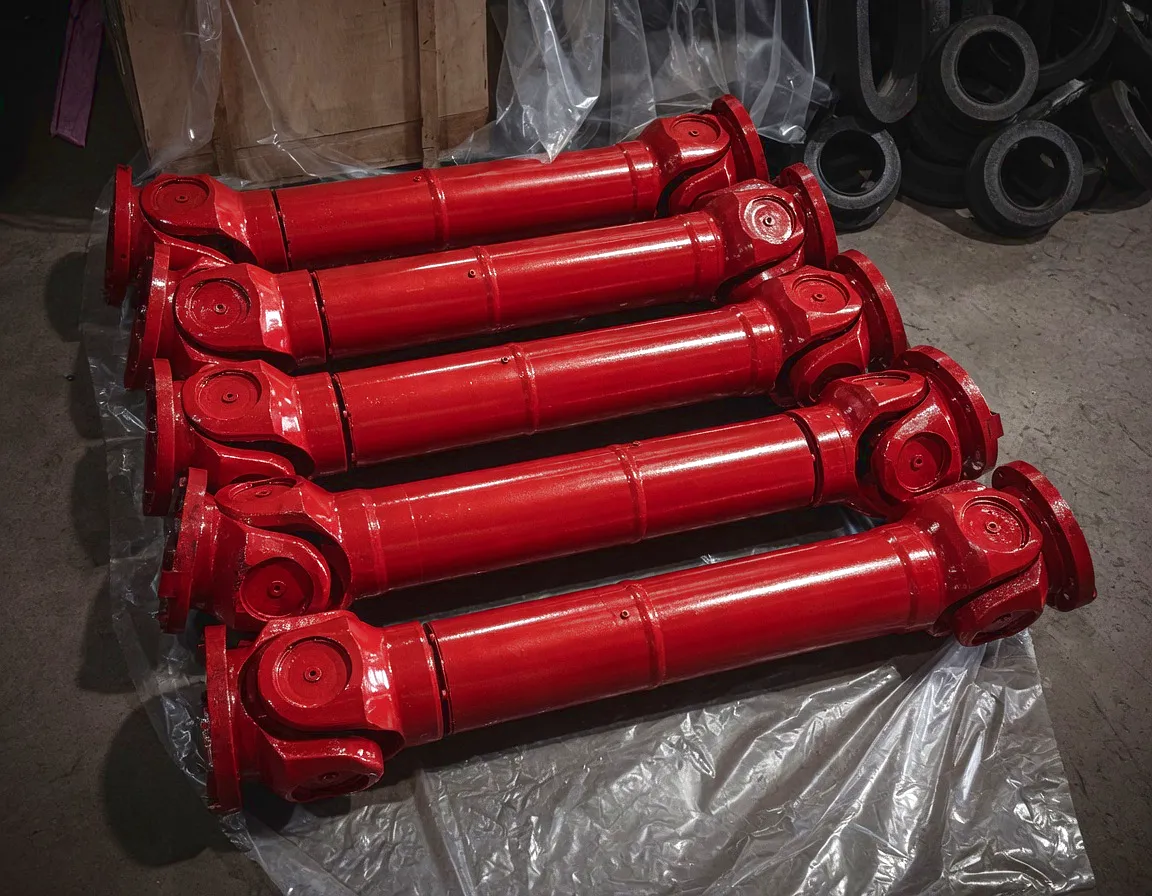
Beyond the Header: Where Else Do Cardan Couplings Work in Agricultural Machinery?
While the header drive is the most demanding application for a cardan coupling within a combine harvester, it is far from the only one. The threshing drum drive, straw walker mechanisms, cleaning shoe oscillation drives, and grain elevator systems all benefit from universal joint connections that accommodate the inevitable misalignments between engine, gearbox, and driven equipment mounted on a machine that flexes as it traverses uneven terrain. Each of these sub-systems has different torque, speed, and angle requirements, calling for a range of coupling sizes within a single machine.
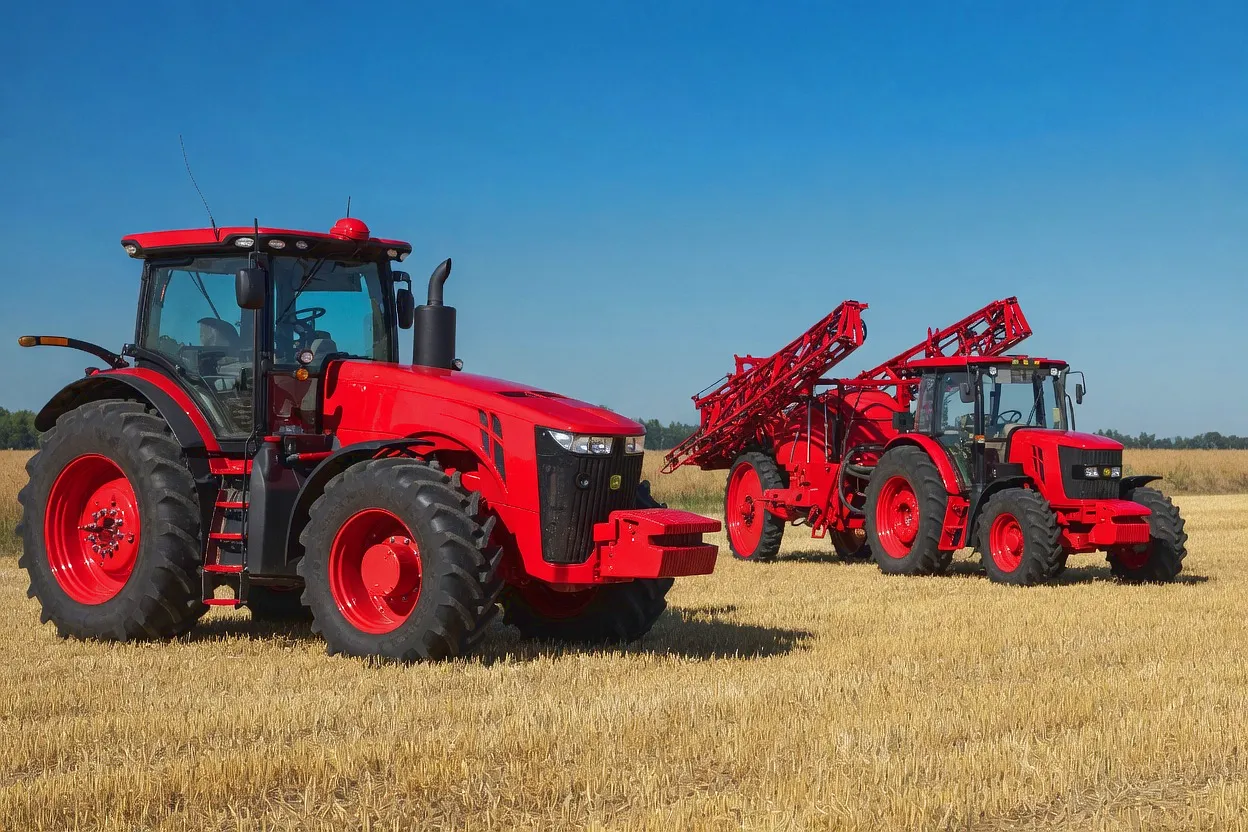
Beyond combine harvesters, the same heavy-duty double cardan coupling technology finds application across a wide spectrum of UK agricultural equipment: forage harvesters with their enormous appetite for continuous power delivery, large square balers where the plunger mechanism demands precise timing and massive torque, self-propelled sprayers transmitting drive through articulated chassis joints, and increasingly in precision farming equipment where GPS-guided steering systems introduce new geometric relationships between drivetrain components. In each case, the fundamental requirement is the same — reliable torque transmission through variable angles, under challenging environmental conditions, with minimal maintenance intervention during critical operational windows.
| Application | Typical Angle Range | Torque Demand | Key Challenge |
|---|---|---|---|
| Header Drive | 5° – 15° | High (up to 18,000 Nm) | Shock loads, crop debris |
| Threshing Drum | 2° – 8° | Medium-High | Continuous high-speed rotation |
| Straw Walkers | 3° – 10° | Medium | Oscillating loads |
| Forage Harvester Feed | 8° – 20° | Very High | Extreme continuous power |
| Square Baler Plunger | 4° – 12° | High (cyclic peaks) | Severe cyclic loading |
Customer Success: Fenland Grain Ltd, Cambridgeshire, UK
Agricultural Contracting — Combine Harvester Fleet Operation
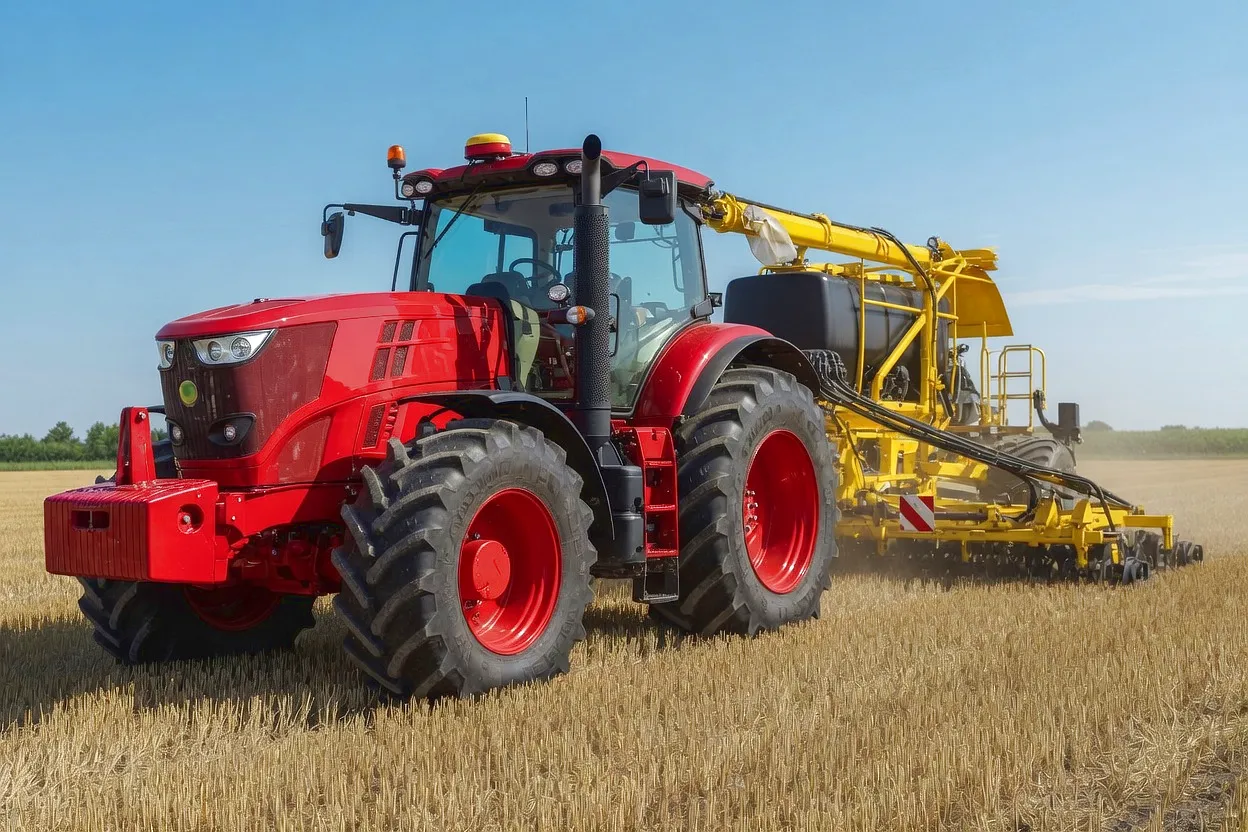
Fenland Grain Ltd operates a fleet of eight combine harvesters across more than 4,000 hectares of arable land in the Cambridgeshire fens — some of the most productive cereal-growing country in England, but also some of the most challenging for machinery due to the soft, black peat soils and flat, exposed terrain where wind and rain can turn a routine harvest into a race against deteriorating weather. Their maintenance manager, James Hartley, had grown frustrated with repeated cardan coupling failures on their header drives. The existing couplings — sourced from a general-purpose industrial supplier — were lasting barely 800 operating hours before bearing noise, grease leakage, and increased vibration signalled imminent failure.
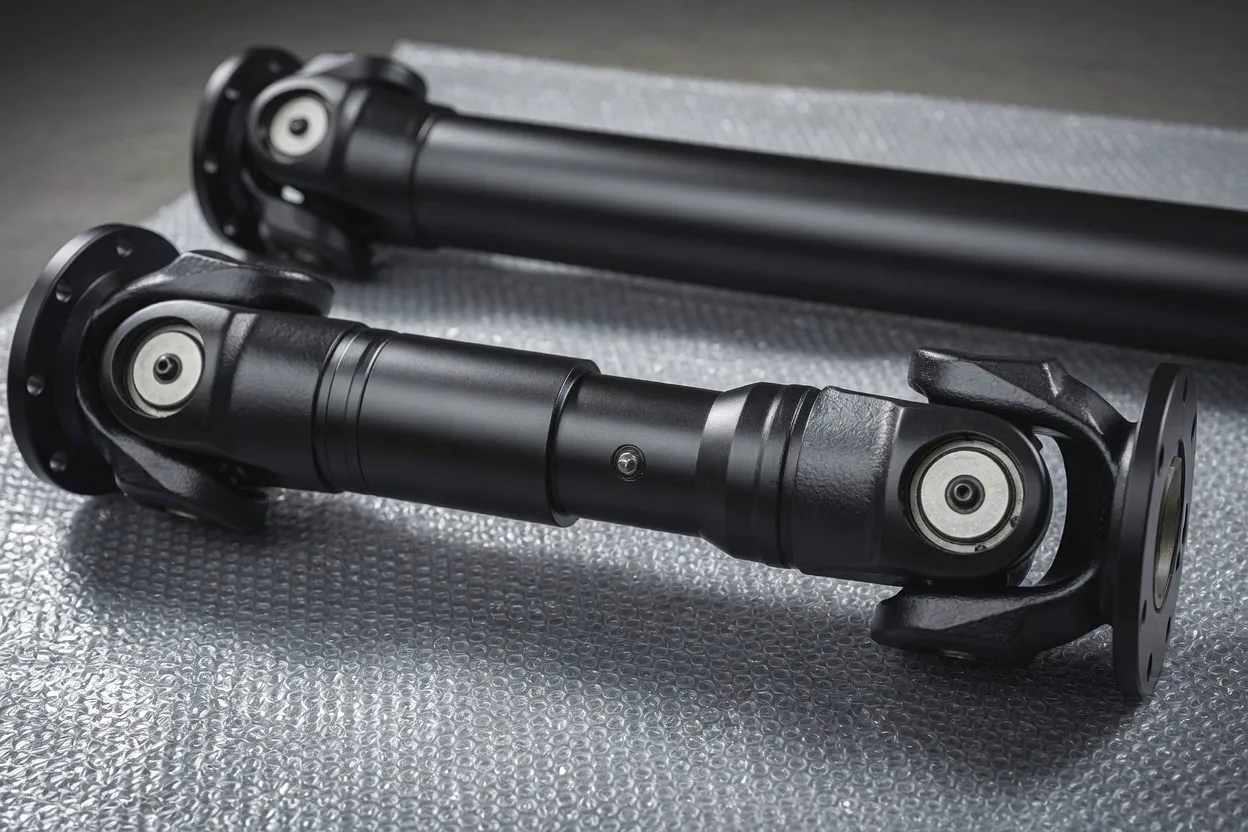
After a detailed technical review of their operating conditions — including angle measurements across their range of header sizes, torque logging data from one season’s operation, and analysis of the failed bearings to identify the root cause of premature wear — Ever Power’s application engineering team specified a custom double cardan coupling with upgraded sealing (triple-lip configuration with stainless steel dust shields), slightly increased cross size to reduce bearing stress levels, and a modified grease specification better suited to the temperature range experienced during the English harvest season (typically 12°C to 35°C). The couplings were delivered within six weeks, including custom flange dimensions to match the existing machine interfaces without modification.
The results after two full harvest seasons were compelling. Not a single coupling failure occurred across the entire fleet. Bearing inspection at the end of the second season showed minimal wear, and grease condition analysis indicated the seals were performing as intended. Hartley estimated the reduction in unplanned downtime saved Fenland Grain approximately £22,000 over two seasons in avoided repair costs, lost harvest capacity, and reduced spare parts inventory. The couplings are now on track to exceed 4,500 hours with no sign of degradation.
What Our Customers Say
“We ran three harvests on the Ever Power cardan couplings without a single bearing issue. Given what we were dealing with before — at least two mid-season replacements per machine — that is a massive improvement. The triple-seal design genuinely works in our conditions.”
— James Hartley, Maintenance Manager
Fenland Grain Ltd, Cambridgeshire
“What impressed me most was the application engineering support. They didn’t just sell us a coupling — they analysed our torque data, measured our angles, and specified a product that actually fits our machines. Delivery to our depot in Norfolk took under four weeks.”
— Robert Clarkson, Operations Director
East Anglian Harvest Services, Norfolk
“We switched to Ever Power double cardan joints on our fleet of New Holland combines after repeated failures with the previous supplier. Two seasons in, zero unplanned stoppages related to the couplings. The cost saving on downtime alone paid for the upgrade within the first year.”
— Sarah Mitchell, Fleet Engineer
Wessex Agricultural Contractors, Hampshire
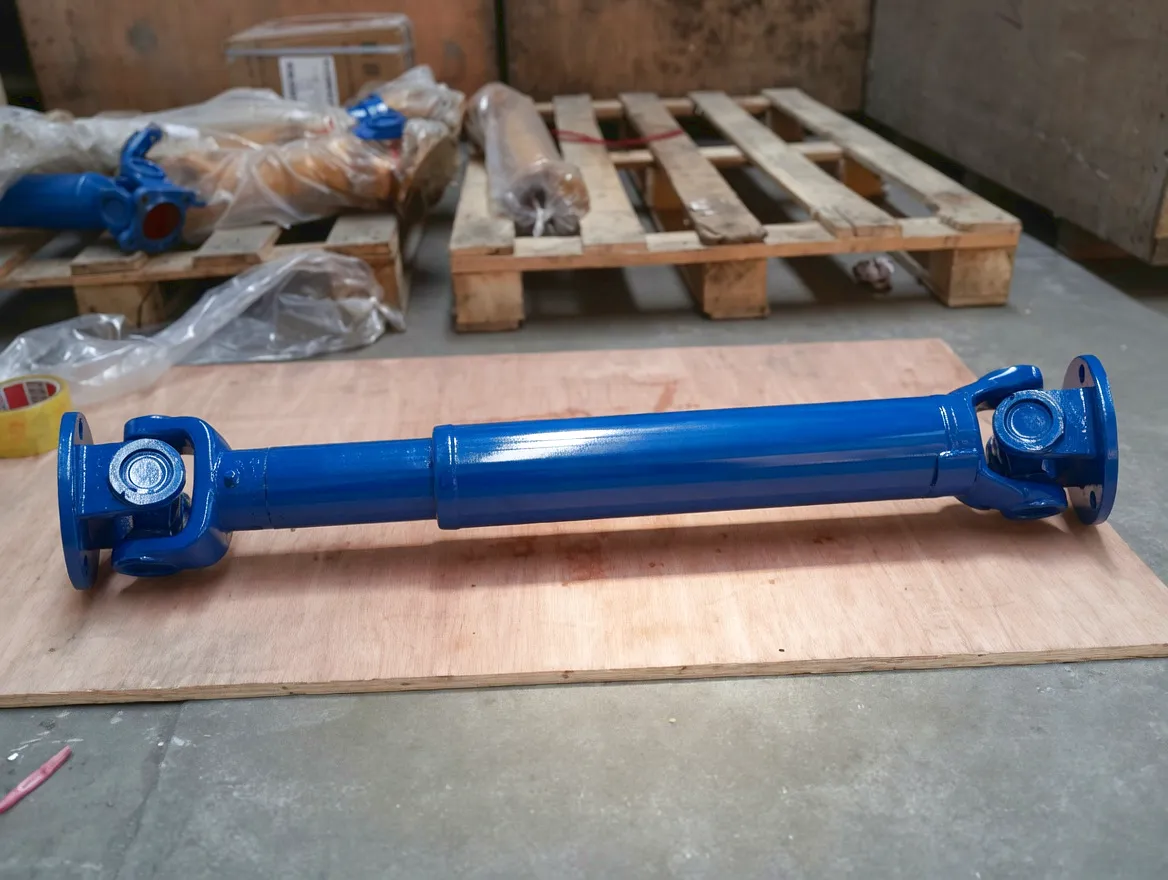
Selecting the Right Cardan Coupling: A Practical Guide for UK Agricultural Operations
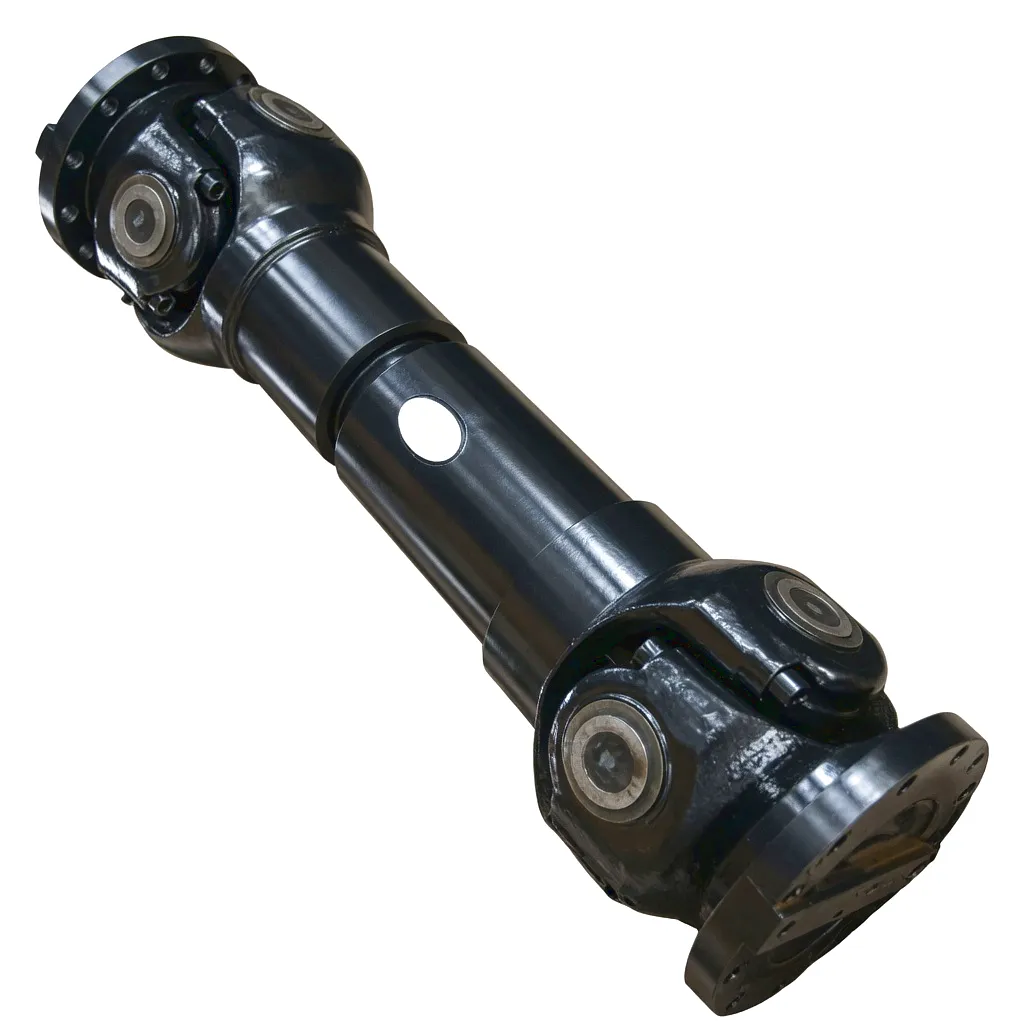 Choosing a cardan coupling for a combine harvester header drive is not a simple catalogue exercise. The published torque ratings on a datasheet tell only part of the story. A thorough selection process begins with understanding the actual operating conditions: what is the steady-state torque demand from the diesel engine through the gearbox to the header? What are the peak transient loads during engagement and when encountering dense crop material? What is the maximum operating angle, and — crucially — what is the angle at the most common harvesting position, since bearing life is exponentially sensitive to angle? What speed range does the header drive operate across, and are there any known torsional vibration concerns in the existing drivetrain?
Environmental factors are equally important in the UK context. Harvest in southern England might span from late July through September, with ambient temperatures ranging from cool mornings around 10°C to afternoon peaks occasionally reaching 35°C. In Scotland and northern England, the season starts later and temperatures are generally lower, but rainfall probability increases — and with it, the exposure of coupling seals to moisture and mud. The lubricant specification must suit the local temperature range, and the sealing system must handle the specific contamination threats present. A coupling specified for a dry grain operation in East Anglia may need different seal materials than one working in the wetter conditions of Devon or the Scottish Borders.
Physical interface dimensions must match the existing machine exactly. Flange bolt circle diameters, pilot bore sizes, spline profiles, and overall length constraints all need to be confirmed before a coupling can be specified. This is where Ever Power’s custom manufacturing capability becomes particularly valuable — rather than forcing customers to adapt their machines to fit a standard product, Ever Power manufactures couplings to match the required interface dimensions, ensuring a direct replacement without expensive machine modifications.
Maintenance Practices That Maximise Cardan Coupling Service Life
Even the best-engineered cardan coupling will underperform if maintenance is neglected. The good news is that maintaining a modern agricultural universal joint is straightforward — it just needs to be done consistently. For greaseable designs, the lubrication interval depends on operating severity, but a practical rule for combine harvester header drives is to grease each joint every 50 operating hours during the harvest season, or at the start of each working day, whichever comes sooner. Use only the grease grade specified by the coupling manufacturer; mixing grease types or using inappropriate viscosity grades can lead to bearing starvation or seal degradation.
Visual inspection is equally important and takes only moments. Before each day’s operation, check the coupling for signs of grease leakage (which indicates seal damage), unusual play or looseness in the joint (suggesting bearing wear), and physical damage to the yokes or flanges from contact with adjacent structures. Listen for changes in operating noise — a healthy cardan coupling runs quietly, and any clicking, grinding, or rumbling sound is an early warning that should be investigated immediately before it becomes a field failure. Post-season, remove the coupling for thorough inspection, clean all surfaces, check bearing condition, and replace seals as a matter of course. This annual overhaul adds perhaps an hour of workshop time per coupling and can extend service life dramatically compared to a fit-and-forget approach.
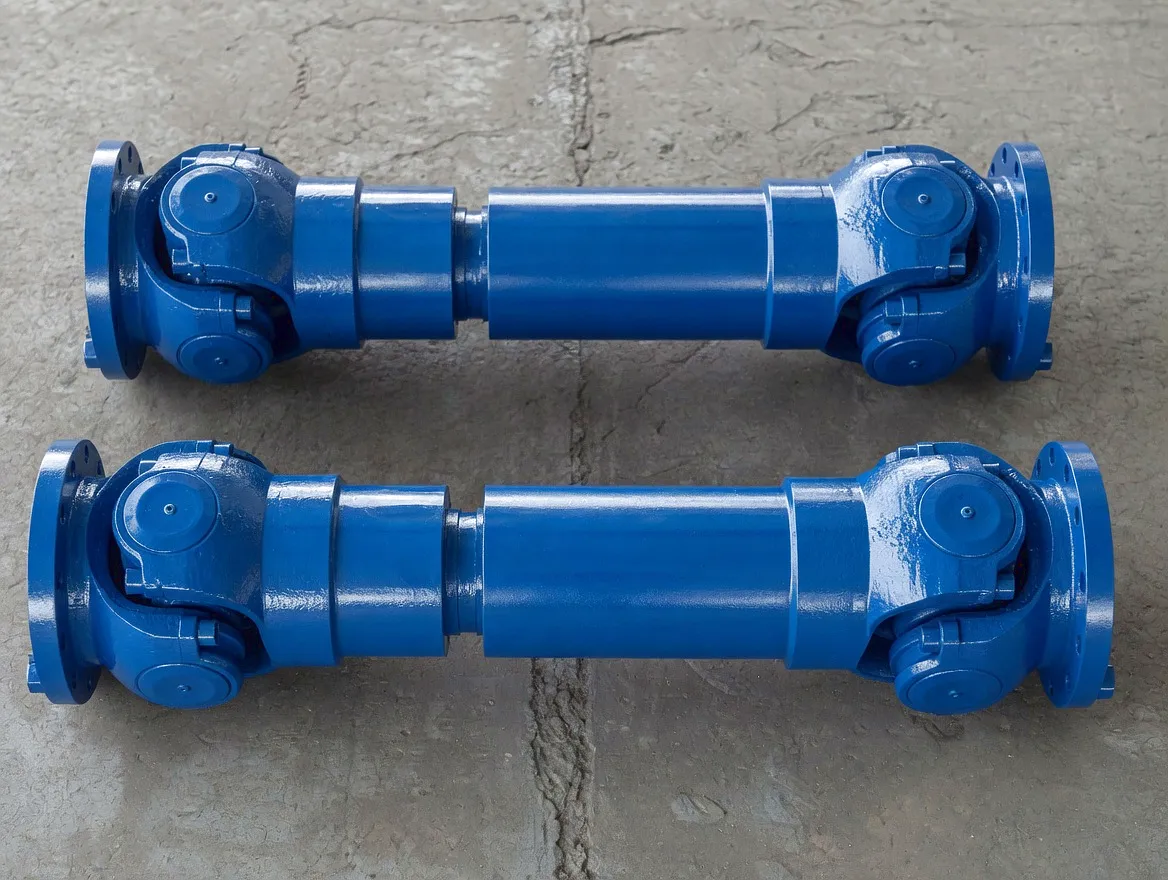
Serving UK Agriculture: From East Anglia to the Scottish Borders
The United Kingdom’s agricultural sector operates under conditions that are uniquely demanding for drivetrain components. The harvest window is compressed by maritime weather patterns — farmers and contractors in counties like Lincolnshire, Norfolk, Suffolk, Yorkshire, and the Lothians often have a narrow period of suitable weather to gather millions of tonnes of cereals, oilseeds, and pulses. Equipment downtime during this critical window carries enormous financial consequences, making component reliability not just desirable but essential. Ever Power understands these pressures and has built its service model around the realities of British farming: rapid quotation turnaround, stockholding of popular sizes for immediate despatch, and technical support from engineers who understand agricultural applications rather than simply reading from a product catalogue.
For agricultural dealers, machinery workshops, and independent service engineers throughout England, Wales, Scotland, and Northern Ireland, Ever Power provides a reliable supply chain for both OEM-specification replacement cardan couplings and upgraded alternatives engineered for extended service life. Whether you are maintaining a single farm combine in the Cotswolds or managing a large contract harvesting fleet operating from Kent to Aberdeenshire, the product range and technical expertise are available to keep your machines running through even the most challenging harvest seasons.
Frequently Asked Questions
Where can I find a reliable cardan coupling supplier for combine harvesters in the UK?
Ever Power supplies heavy-duty double cardan couplings specifically engineered for combine harvester power transmission systems. With direct delivery across England, Scotland, Wales, and Northern Ireland, and custom engineering capability to match any OEM flange configuration, Ever Power serves agricultural operations throughout the United Kingdom. Contact [email protected] for technical consultation and quotation.
How much does a heavy-duty double cardan coupling for a combine harvester cost in England?
Pricing depends on the torque rating, cross size, flange configuration, and seal specification required for your specific machine. Ever Power provides custom quotations based on your exact application data. A typical heavy-duty double cardan coupling for a combine header drive is competitively priced against OEM replacement parts while offering superior sealing and bearing life. Request a quote at [email protected] for exact pricing.
What is the maximum operating angle for a double cardan joint used in agricultural header drives?
Ever Power’s heavy-duty double cardan couplings are rated for continuous operation at up to 15 degrees per joint, providing a total articulation capacity of 30 degrees across the assembly. Most combine harvester header drives operate within a 5 to 15 degree range during normal harvesting. Higher angles are possible for short durations, such as during header raising and lowering, but sustained operation at extreme angles reduces bearing life.
Which type of cardan coupling is best for variable-angle power transmission in wet UK harvest conditions?
For wet and debris-heavy UK harvest conditions, a heavy-duty double cardan joint with triple-lip sealed bearings, stainless steel dust shields, and corrosion-resistant surface treatment is the recommended solution. This configuration provides reliable power transmission while protecting the internal bearings from moisture, mud, and crop residue contamination that would quickly destroy standard industrial couplings.
How often should I regrease the cardan coupling on my combine harvester during harvest season?
For combine harvester header drives operating in typical UK harvest conditions, regreasing every 50 operating hours or at the start of each working day is recommended — whichever occurs sooner. Use only the grease grade specified by the coupling manufacturer. Sealed-for-life bearing options are also available from Ever Power for operations that prefer zero-maintenance coupling solutions during the harvest window.
Can Ever Power manufacture a custom cardan coupling to fit my specific combine harvester model?
Yes. Ever Power offers full custom manufacturing for cardan couplings, including bespoke flange dimensions, spline profiles, intermediate shaft lengths, and seal configurations to match any combine harvester model — whether from John Deere, CLAAS, New Holland, Massey Ferguson, or specialist manufacturers. Custom orders typically ship within four to eight weeks, with expedited options available for urgent harvest-season requirements.
What causes premature cardan coupling failure on combine harvesters and how can I prevent it?
The most common cause of premature failure is bearing contamination from crop debris entering through degraded seals. Other factors include insufficient lubrication, operation at excessive angles beyond the coupling’s rated capacity, and using couplings with inadequate torque ratings for the application. Preventing failure starts with specifying a coupling designed specifically for agricultural use — with proper sealing, adequate torque margins, and materials suited to the environment — and following the manufacturer’s maintenance recommendations throughout the operating season.
Ready to Upgrade Your Combine Harvester Drivetrain?
Contact Ever Power’s application engineering team for expert consultation and a custom quotation tailored to your specific combine harvester models and operating conditions across the United Kingdom.
[email protected] | cardancoupling.top | edit by gzl
edit by gzl