
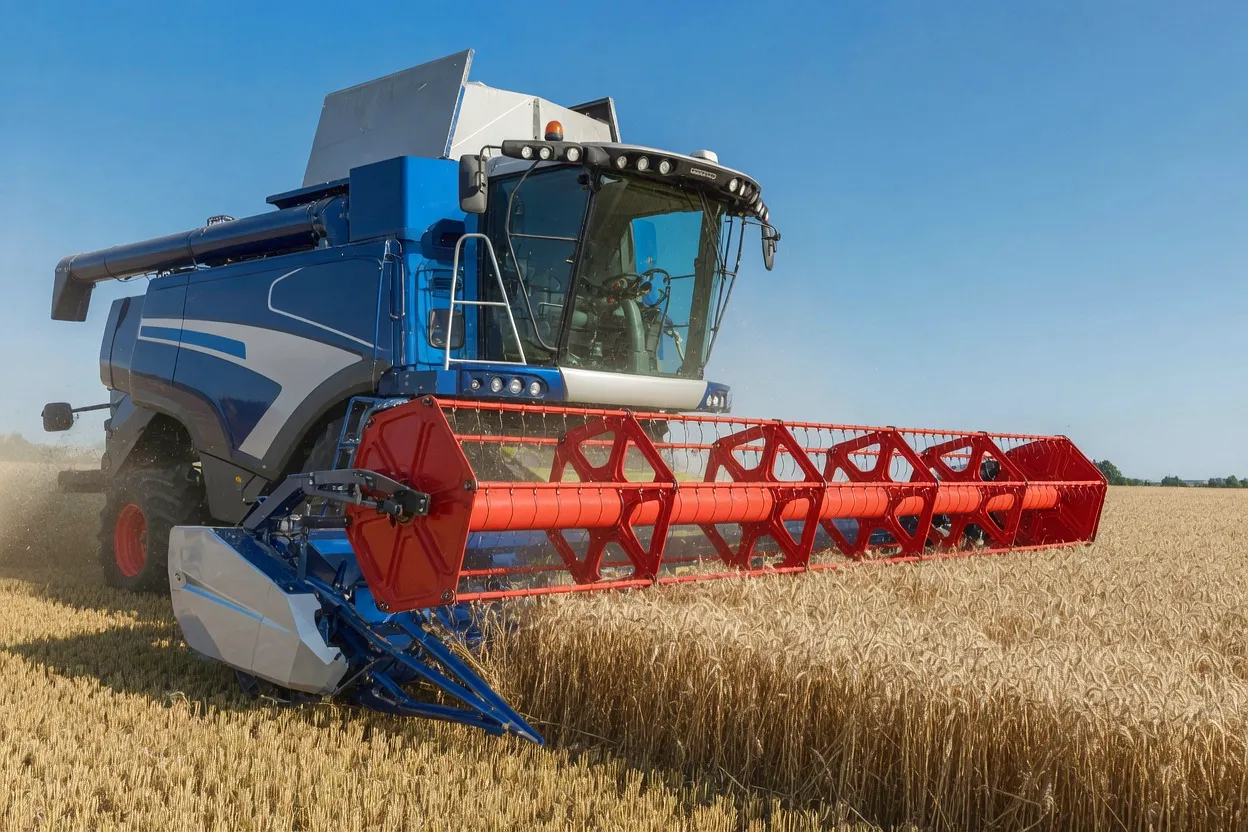
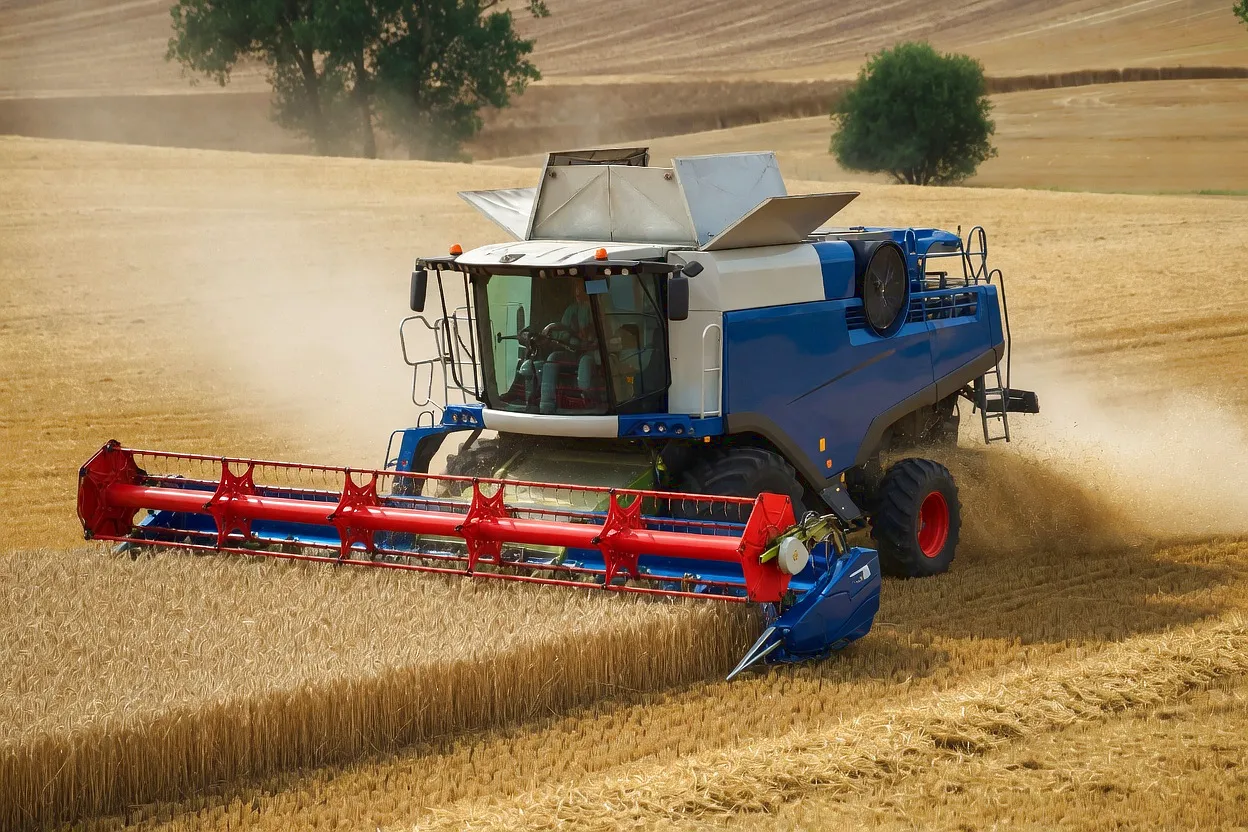
 Every harvest season in the UK, thousands of combine harvesters roll across barley, wheat, and oilseed rape fields, demanding near-perfect mechanical reliability from dawn to dusk. Inside these machines, buried beneath threshing cylinders, grain augers, and rotating cutting headers, a cardan coupling quietly carries immense responsibility. Without a robust universal joint shaft connecting the engine’s power to every working assembly, even the most sophisticated modern combine would grind to a halt mid-field — costing operators thousands of pounds in delayed harvests and emergency call-outs.
The cardan coupling — also referred to as a universal joint coupling, Hooke’s coupling, or propeller shaft coupling — has been the backbone of agricultural driveline design for well over a century. Yet in the context of today’s high-output combine harvesters, the demands placed on these components have grown dramatically. Variable shaft angles, shock loading from stone strikes, continuous rotation at elevated RPM, exposure to grain dust and moisture: these are the daily realities that a cardan coupling must survive, season after season, without complaint. This article explores exactly how the cardan coupling functions within combine harvester power transmission, what separates a field-grade component from an inferior alternative, and why UK farming operations are increasingly specifying precision-engineered units from suppliers who understand agriculture from the ground up.
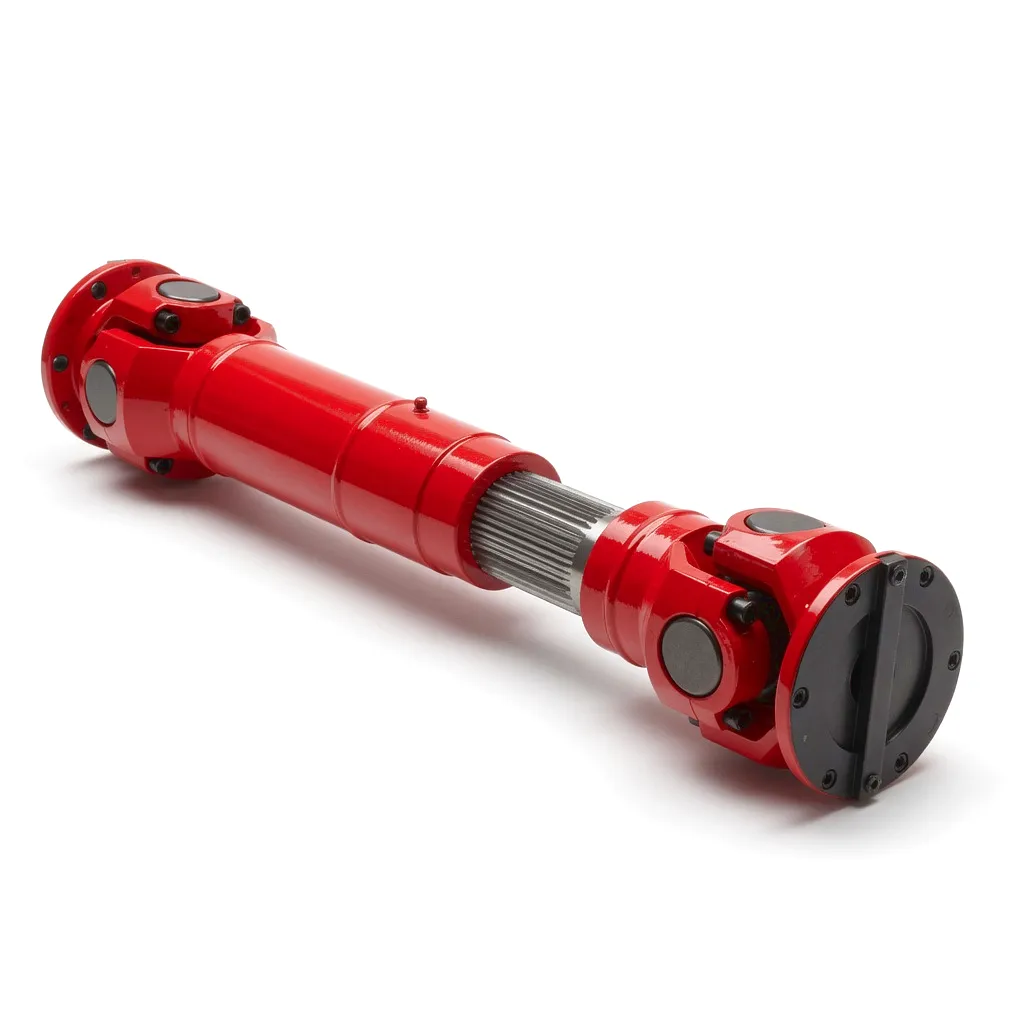
Need a Custom Cardan Coupling for Your Harvester?
Ever Power supplies precision-engineered cardan couplings to OEM manufacturers and replacement parts distributors across the UK and Europe. We handle custom shaft lengths, bore sizes, cross-kit specifications, and protective boot materials to your exact machine drawings.
How a Cardan Coupling Works Inside a Combine Harvester
At its core, a cardan coupling transmits rotational torque between two shafts that are not perfectly aligned — either angularly, axially, or both. The classic design centres on a cross-shaped trunnion (the spider or cross kit) mounted within two yokes, allowing each yoke to pivot freely. This geometry means that even as a combine harvester’s header rises and falls over uneven ground, or as its internal assemblies flex under harvest loads, the driveshaft continues to transmit power without binding, vibrating destructively, or transferring harmful bending moments into connected bearings and gearboxes.
In a modern combine harvester, cardan couplings appear at multiple critical transmission points. The header driveshaft is probably the most demanding position: the shaft must accommodate the full angular displacement of the feeder house as it adapts to crop conditions while simultaneously transmitting peak torque surges when dense swaths enter the threshing mechanism. Straw walkers, grain elevators, cleaning shoes, and fan drives each represent additional cardan coupling positions where misalignment tolerance and reliable grease retention are equally vital. Without properly engineered needle-roller bearing cups sealed against fine grain dust, premature wear accelerates dramatically — sometimes within a single season.
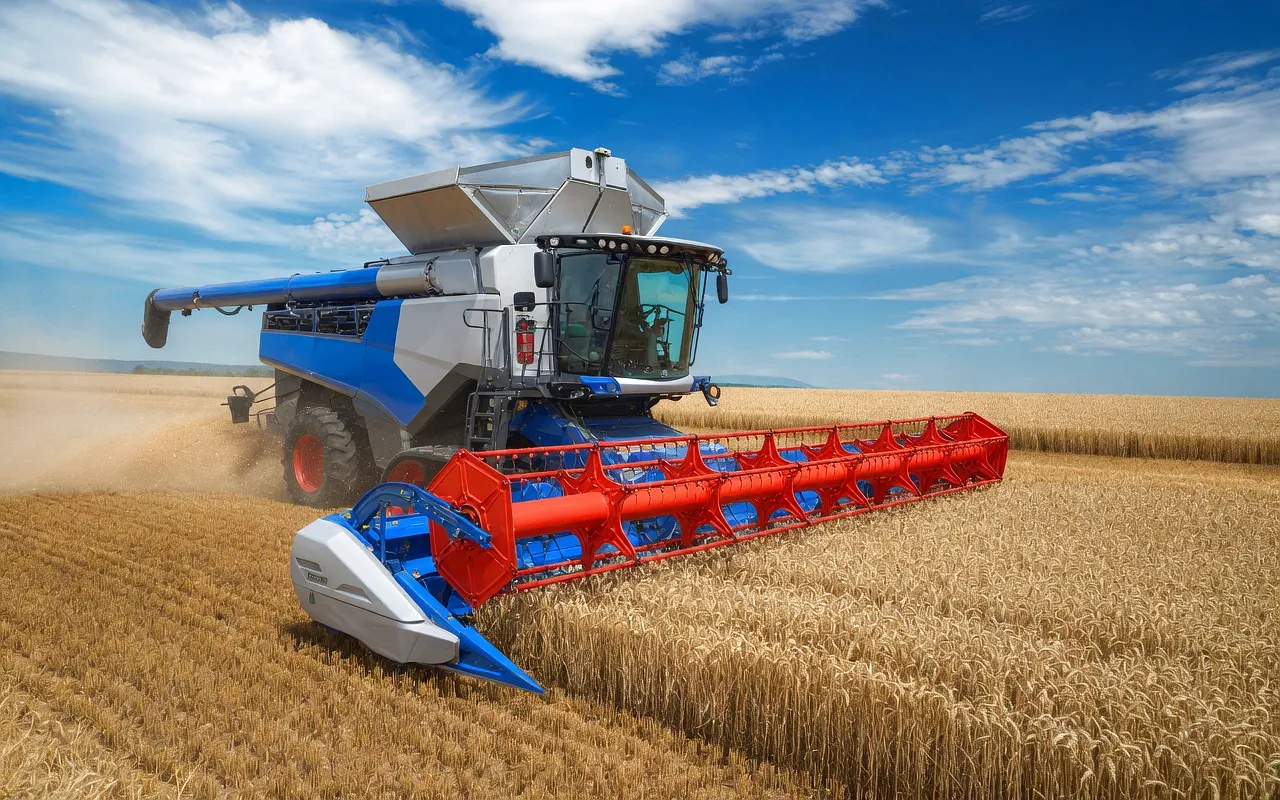
One frequently underappreciated aspect of cardan coupling physics in harvesting applications is the velocity fluctuation inherent to a single universal joint. When a single Hooke’s joint operates at an angle, the output shaft speed is not perfectly constant — it pulses twice per revolution. At low angles this is negligible, but at the steep articulation angles common on header driveshafts, the cyclic variation can induce vibration into cutting knife drives and reel assemblies. The engineering solution is the double-cardan or phased-yoke arrangement, where two universal joints are paired with carefully aligned phasing, cancelling the velocity variation and delivering smooth, constant-velocity output. Ever Power’s agricultural cardan shaft assemblies are engineered with this phasing precision built into every unit, ensuring that even at 30-degree operating angles, the driven assembly receives clean rotational input.
Technical Performance Parameters
The table below outlines the key technical parameters for Ever Power’s range of agricultural cardan couplings designed for combine harvester driveline applications. These figures reflect our standard catalogue range; custom specifications are available upon request for OEM integration projects.
| Parameter | Light Series (LS) | Heavy Series (HS) | Heavy-Duty Plus (HD+) |
|---|---|---|---|
| Nominal Torque (Nm) | Up to 1,200 | 1,200 – 4,500 | 4,500 – 12,000 |
| Max Operating Angle (deg) | 25° | 30° | 35° |
| Max Speed (RPM) | 1,800 | 1,500 | 1,200 |
| Tube Material | Seamless steel | Seamless steel / alloy | Alloy steel, heat-treated |
| Cross-Kit Bearing Type | Needle roller, sealed | Needle roller, heavy-duty sealed | Full-complement needle roller |
| Protective Cover | PVC/PE plastic guard | PE guard + safety cone | Steel-reinforced PE guard |
| Surface Treatment | Yellow / black paint | Epoxy primer + topcoat | Hot-dip galvanised + epoxy |
| Profile Options | Lemon / star | Lemon / star / triangle | Star / rectangle / custom |
| Certification | ISO 9001 | ISO 9001 / CE | ISO 9001 / CE / custom test reports |
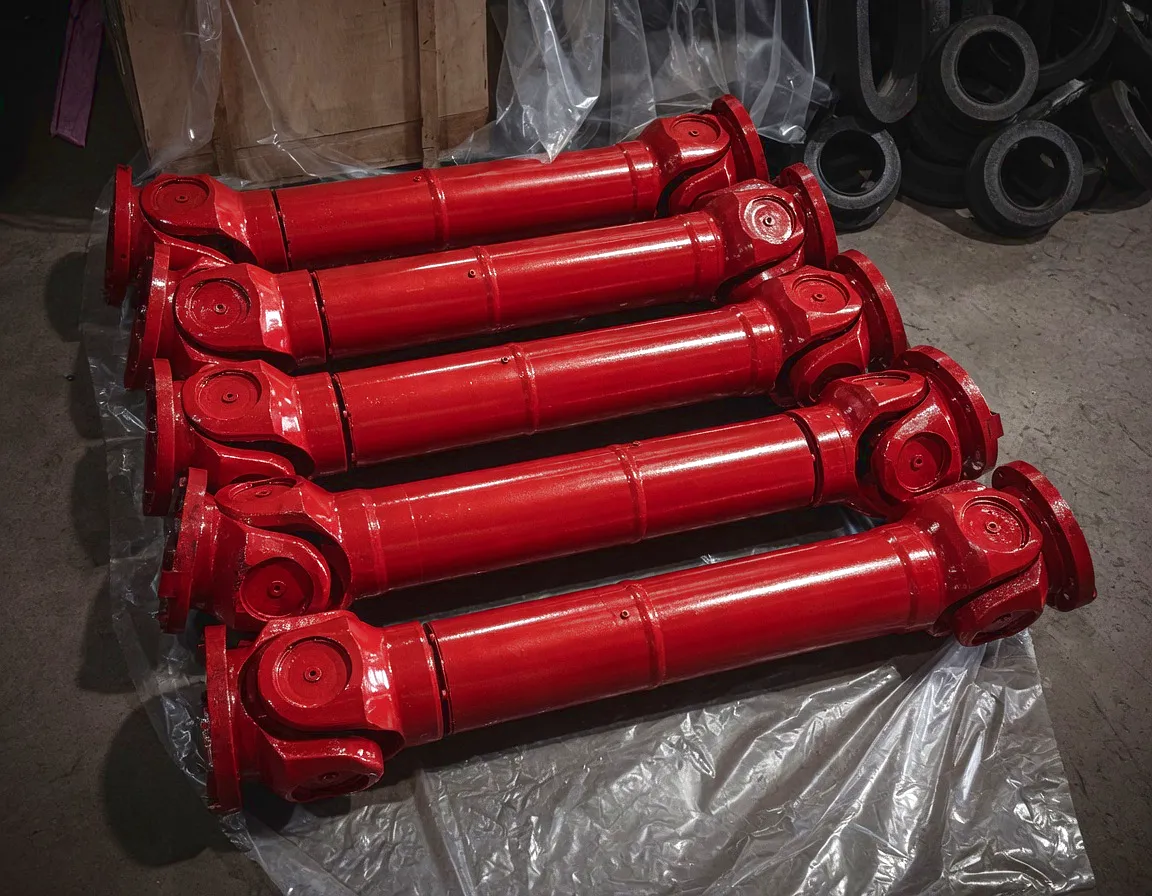
Why Combine Harvesters Demand More From Cardan Couplings
Combine harvesters occupy a unique position among agricultural machines in terms of driveline complexity. Unlike a tractor that primarily transmits power through a single PTO shaft or rear axle, a combine must simultaneously drive a dozen or more independent rotating assemblies — each with its own speed, torque requirement, and geometric relationship to the chassis. The cardan coupling network running through a Class 8 or Class 9 combine harvester can easily include eight to fifteen individual shaft assemblies, making coupling quality one of the most impactful variables in the entire machine’s reliability profile.
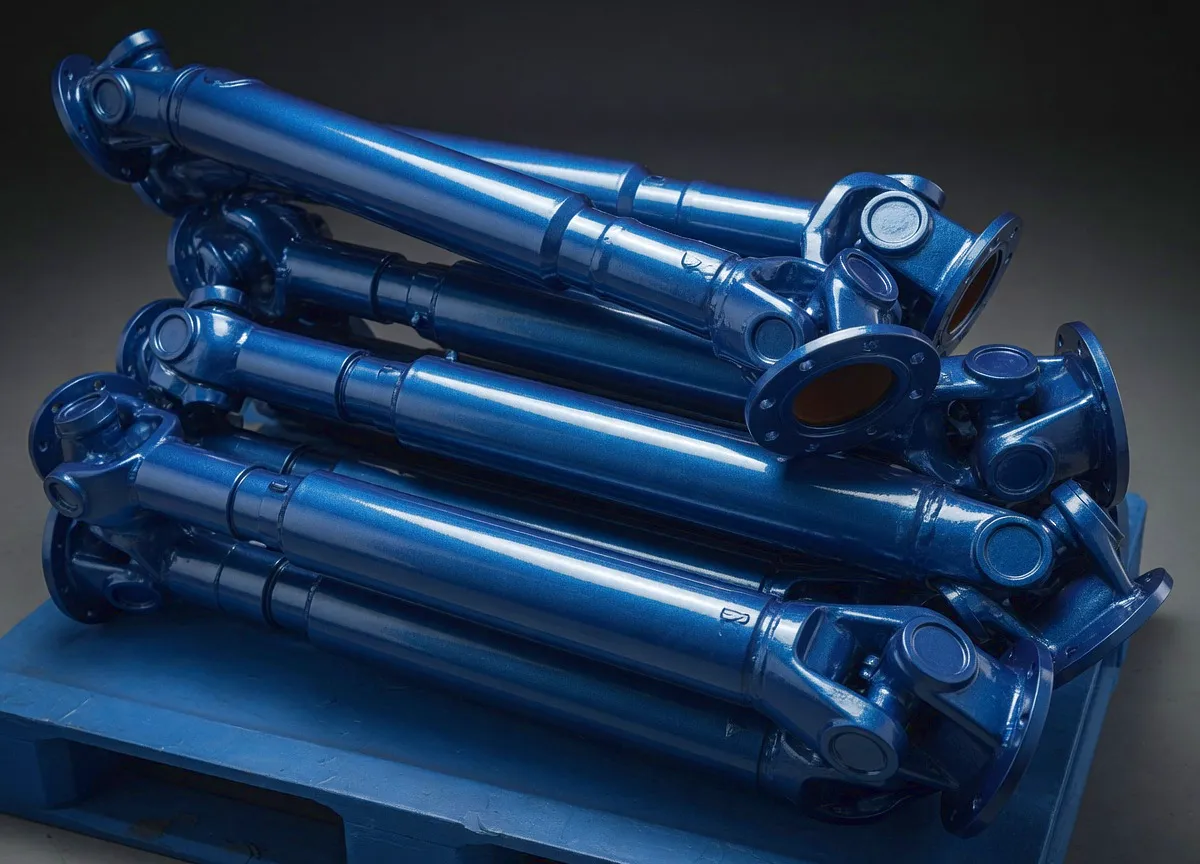
The header drive alone subjects its cardan coupling to conditions that few industrial applications match. When the reel engages a dense green patch in an otherwise dry wheat field, the sudden resistance spike can multiply instantaneous torque by a factor of three to five times the nominal design load. A coupling built with inadequate forged yoke thickness, undersized cross-kit trunnion diameter, or poorly hardened circlip grooves will fail under these shock loads — typically by cracking the yoke ear or seizing the needle-roller cups. This failure mode, if it occurs during peak harvest, may cost a UK arable farmer anywhere from £2,000 to £8,000 in lost throughput, emergency parts, and contractor call-out fees.
Forged Steel Yokes
Closed-die forged yokes provide 30–40% higher fatigue resistance than welded or cast alternatives, critical for absorbing cyclic harvest shock loads without crack propagation.
Dual-Lip Sealed Bearings
Grain dust, straw chaff, and harvest-season moisture are the primary killers of agricultural cardan couplings. Our dual-lip nitrile seals retain grease while excluding contaminants, extending service life by 2–3 seasons under typical UK harvest conditions.
Phase-Aligned Double Joint
Phased yoke alignment cancels velocity fluctuation at operating angles up to 30°, eliminating vibration that accelerates knife-drive wear and reduces grain-sample quality in high-output harvesting.
Telescopic Slip Profile
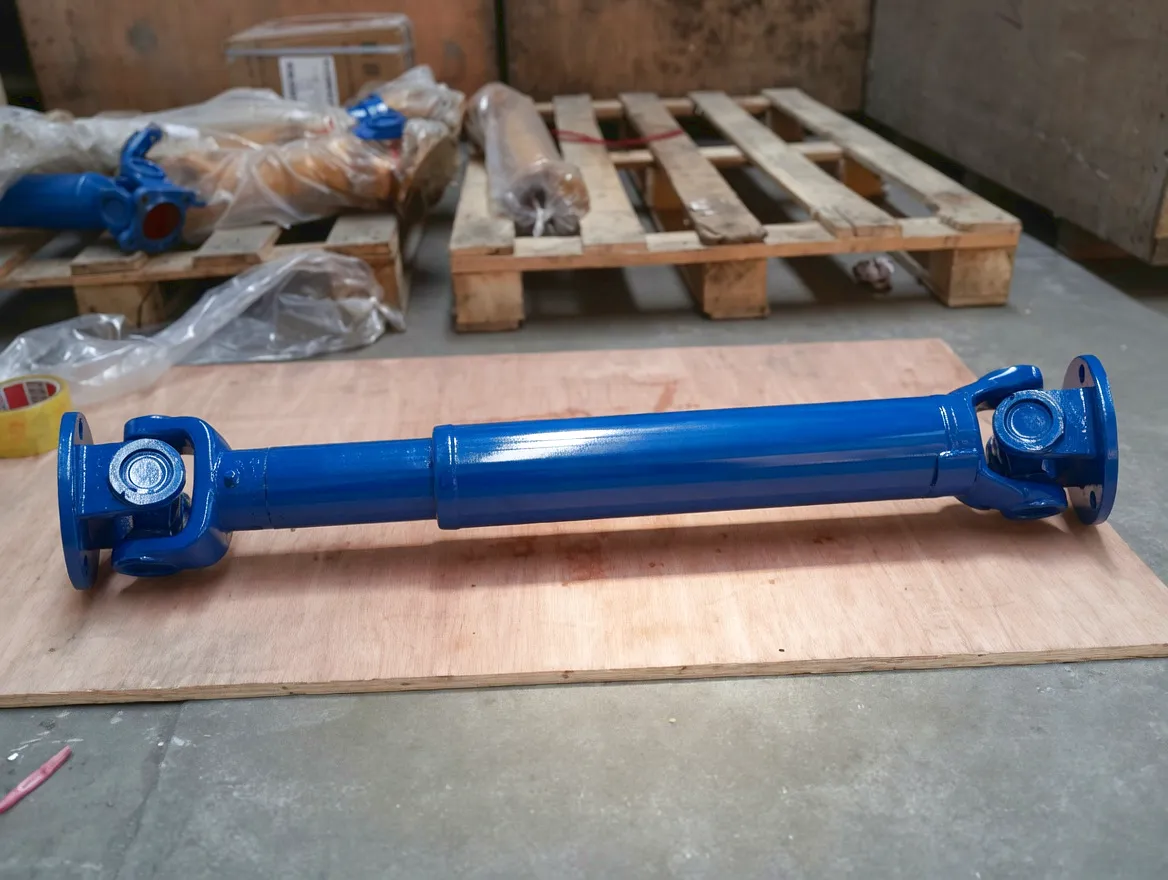
Hardened and precision-ground lemon, star, or rectangular-profile slip tubes allow the drive shaft length to vary dynamically as the header rises, preventing binding, axial force on gearbox bearings, and structural fatigue in the mounting flanges.
Overload Shear Bolt Option
Integrated shear-bolt or friction-disc overload devices protect expensive gearboxes and auger drives from stone strikes. The sacrificial bolt shears cleanly, and replacement takes under two minutes in the field — far cheaper than a gearbox replacement.
CE & ISO 9001 Certified
All Ever Power agricultural cardan couplings are manufactured under ISO 9001 quality management and carry CE marking, meeting the machinery safety directive requirements that UK and EU OEM purchasers and agricultural dealers increasingly require.
Application Positions in Combine Harvester Drivetrains
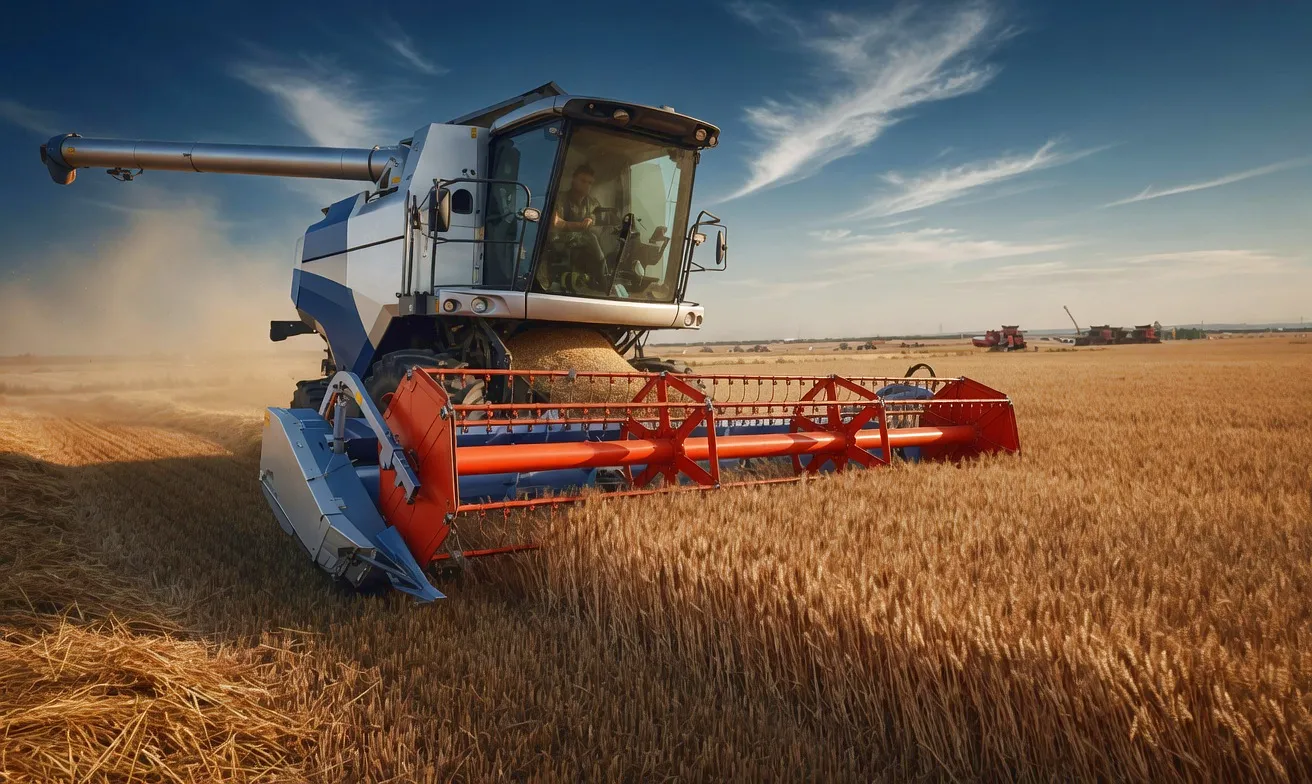
Understanding where cardan couplings are used within the combine harvester helps procurement engineers and service technicians specify the correct unit for each position. The driveline in a modern self-propelled combine is a complex web of shafts, gearboxes, and belt drives, and the cardan coupling bridges the critical angular transitions that fixed shafts cannot accommodate.
1 · Header / Feeder House Drive
The most demanding single position. The cardan shaft bridges the angular and length change between the machine body and the floating header, accommodating up to 30° of angular travel and continuous torque transmission to the cutterbar, reel, and cross-auger drives.
2 · Threshing Cylinder / Rotor Drive
Transmits high continuous torque from the main gearbox to the threshing drum or axial rotor. Subject to severe overload spikes during slug feeding. Typically uses heavy-series cardan shafts with overload protection and large-diameter cross kits.
3 · Straw Walker Driveshaft
Lower torque but continuous duty cycle. The cardan coupling here must maintain smooth rotational input to the eccentric straw walker cranks, as any vibration directly worsens straw separation efficiency and increases grain loss at the walkers.
4 · Grain Elevator & Auger Shafts
Grain elevator and return-to-thresher augers use shorter cardan shafts to accommodate angular offsets in the grain tank filling system. Dust ingress is particularly aggressive here, making sealed bearing performance the critical specification.
5 · Chopper / Spreader Drive
High-speed rotation of the straw chopper demands a dynamically balanced cardan shaft with precision-matched cross-kit clearances. Imbalance at 2,000+ RPM produces vibration that fatigues the chopper housing mounting and deteriorates chop quality over time.
6 · Cleaning Fan Drive
Variable-speed fan drives on modern combines use cardan shafts to connect the fan gearbox through an angular offset imposed by the chassis geometry. Smooth torque transmission is necessary to maintain precise fan speed and prevent chaff-separation inconsistencies.
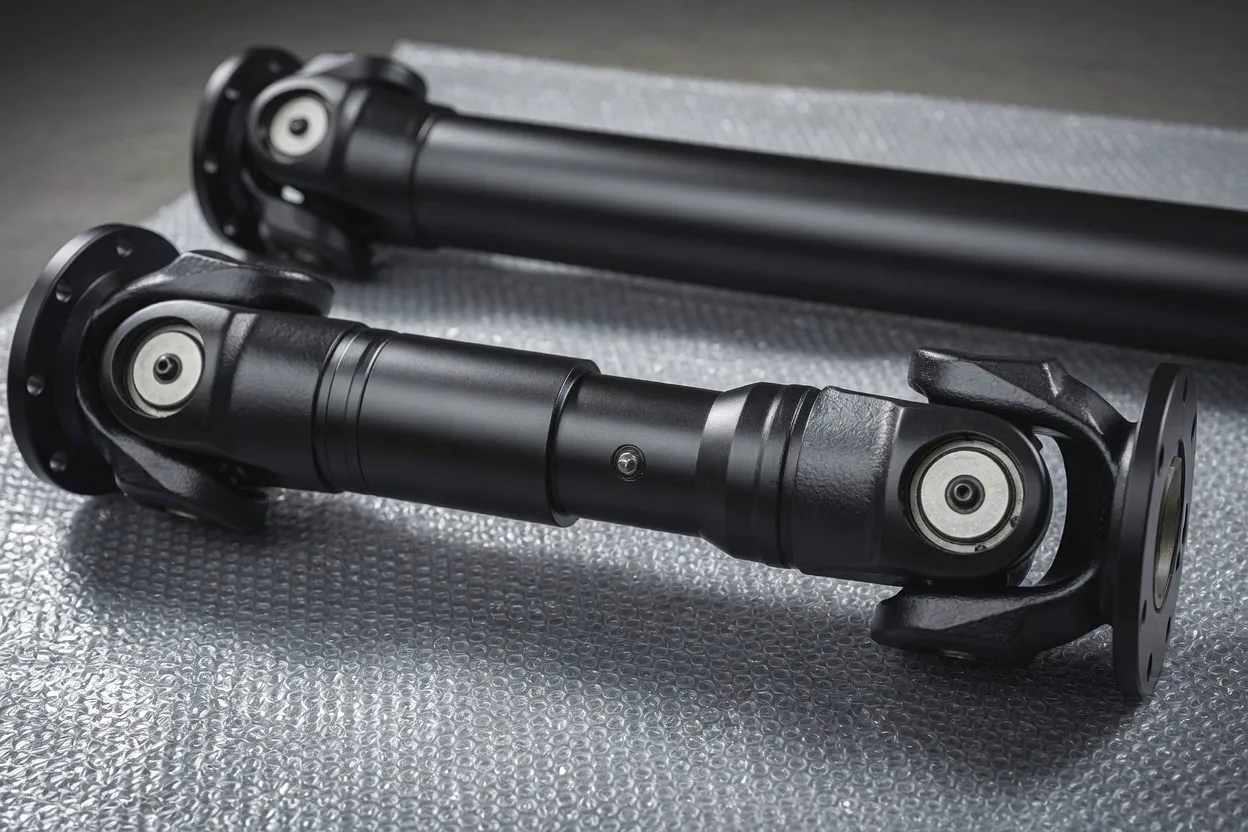
Cardan Couplings in the UK Arable Farming Landscape
The United Kingdom’s arable sector is compact in geography but intense in operational demand. From the Lincolnshire Wolds to the Aberdeenshire grain belt, UK combine operators face a particularly compressed harvest window — typically four to six weeks of reliable conditions across July and August — that leaves no margin for unplanned mechanical failures. The consequence is that UK-based agricultural engineers, farm managers, and machinery dealers have developed a very sharply tuned sensitivity to component reliability, and they have become sophisticated buyers of cardan coupling replacement parts and OEM-grade assemblies.
Machinery dealers serving the East Anglian cereal belt, the Yorkshire Wolds, and the Scottish Borders increasingly look beyond the original equipment manufacturer’s parts catalogues when sourcing replacement cardan couplings for their customer fleets. The combination of OEM parts lead times, rising parts prices, and the availability of precision-equivalent aftermarket components has created a substantial and growing market for quality-certified cardan shaft assemblies that match or exceed OEM specification. For distributors serving UK combine harvester fleets — whether John Deere S-series, CLAAS Lexion, Case IH Axial-Flow, or New Holland CR — the ability to offer a reliable, fast-supply cardan coupling with proper dimensional cross-referencing is a genuine commercial advantage.
Beyond the replacement market, UK-based combine attachment manufacturers and specialist harvesting equipment companies — firms producing specialist root crop headers, precision maize headers, or hemp harvesting attachments — frequently require custom cardan shaft configurations that the major OEM catalogues simply do not stock. These are the applications where Ever Power’s custom manufacturing capability has proven most valuable to UK customers: producing cardan shaft assemblies to customer-supplied drawings, with non-standard bore sizes, specific cross-kit references, and protective cover configurations matched to the attachment geometry.
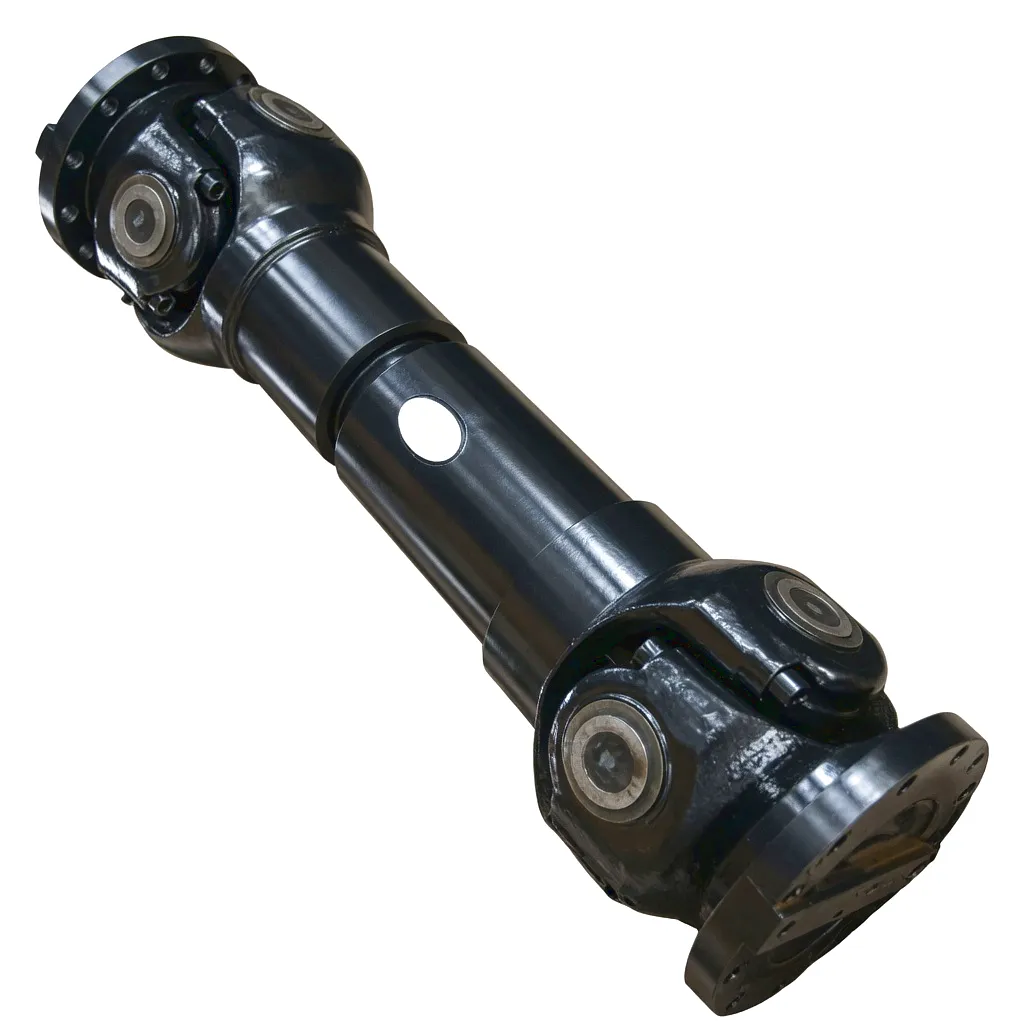
Supplying the UK Agricultural Aftermarket
- ✓Cross-reference matching to JD, CLAAS, Case IH, NH, and Fendt catalogues
- ✓Custom shaft lengths, bore sizes, and guard specifications for UK OEM clients
- ✓MOQ flexibility for dealers and smaller specialist machinery manufacturers
- ✓ISO 9001-certified production with full material and dimensional inspection records
- ✓Pre-harvest season stock availability and rapid air-freight options for urgent requirements
Customer Success: Lincolnshire Agricultural Dealer
What Our Agricultural Customers Say
We’ve been fitting Ever Power cardan couplings on our JD S790 combines for two seasons now. The sealed cross kits genuinely last — we used to replace them every winter service, now we’re stretching to every other year even in our dusty Cambridgeshire fields. The price point is competitive with what we were paying for inferior parts elsewhere, and Ever Power actually answers technical questions properly.
We manufacture specialist hemp headers for combine harvesters, and standard OEM cardan shaft catalogues just don’t cover our geometry. Ever Power took our drawings, confirmed the cross-reference on the cross kits, and delivered a custom shaft assembly that bolted straight in. Lead time was six weeks for a fully custom batch — that’s genuinely impressive. We’ve been ordering custom runs every season since.
As a farm machinery importer based in Scotland, I need suppliers who understand both the technical spec and the commercial reality — reliable delivery, proper certification paperwork, and accurate documentation. Ever Power ticks every box. Their CE-marked cardan coupling assemblies for combine harvester header drives arrived with full batch test records and we haven’t had a single warranty claim in three years of stocking them. Strong recommendation.
Ever Power: Custom Manufacturing for Agricultural OEMs
At Ever Power, the cardan coupling is not a commodity product pulled from a standard bin. Every agricultural cardan shaft assembly we supply begins with a thorough application review — we want to understand the operating angle, speed, torque range, duty cycle, and environmental conditions before a component specification is finalised. This engineering-led approach is why our agricultural cardan couplings consistently outperform cheaper alternatives in the field, even when the dimensional specification appears identical.
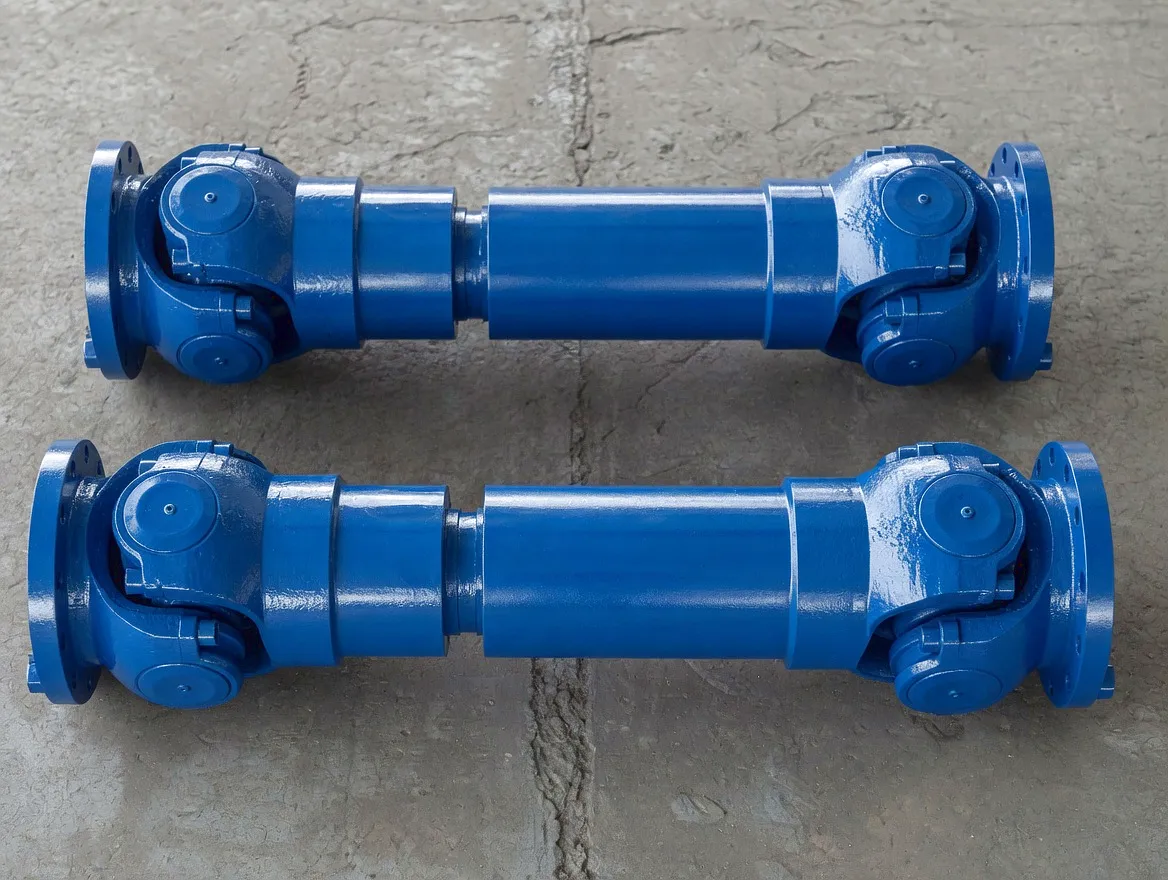
Our manufacturing facility operates under ISO 9001:2015 quality management, with closed-die forging capability for yokes, in-house heat treatment for cross-kit trunnions, and precision CNC grinding for all bearing surfaces. The needle-roller cups are assembled and sealed in a controlled environment with pre-packed grease specification matched to the expected operating temperature range of the application — a detail that matters enormously for cardan couplings operating in Lincolnshire cereal fields in July versus oilseed rape harvesting in the Yorkshire Wolds in a wet August. Protective shaft guards are manufactured in-house from UV-stabilised polyethylene with steel reinforcement options, and can be configured to match OEM guard profiles where required for retrofit applications.
For UK agricultural OEM customers requiring custom configurations, our process is straightforward: submit your drawings or dimensional data, receive a technical confirmation and quotation within 48 hours, and we proceed to sample production with full dimensional inspection documentation. We accommodate non-standard bore diameters, custom keyway configurations, non-standard cross-kit sizes, unusual telescopic tube profiles, and specific protective cover geometries. Minimum order quantities are discussed individually — we work with both volume OEM programmes and smaller specialist manufacturers who need as few as ten custom assemblies per season.
Maintenance Practice for Maximum Service Life
Even the finest cardan coupling will fail prematurely if maintenance practices do not match the demands of agricultural harvesting. The reality in combine harvester applications is that the high contamination environment — fine grain dust, abrasive chaff particles, moisture from green crops — attacks bearing seals and grease integrity continuously during the operating season. Establishing a consistent maintenance protocol is not optional; it is the single most impactful variable in achieving multi-season service life from any cardan coupling, regardless of its grade.
The recommended grease interval for agricultural cardan couplings in combine harvester applications is every 8 operating hours during the harvest season — approximately once per day of active harvesting. Use a lithium-complex or calcium-sulphonate grease with an NLGI Grade 2 consistency and a dropping point above 230°C; this specification provides adequate water resistance and thermal stability for the under-machine environment during a UK summer harvest. Apply grease until fresh material purges from all bearing cups, confirming that old, contaminated grease has been displaced. Do not over-grease: excessive grease pressure can blow seals and create contamination pathways.
| Maintenance Task | Interval | Specification / Notes |
|---|---|---|
| Greasing — cross-kit bearings | Every 8 hours (harvest) | NLGI Grade 2 Li-complex or Ca-sulphonate; grease until purge from all cups |
| Greasing — telescopic tube | Every 8 hours (harvest) | Grease via nipple; extend and retract tube twice to distribute lubricant |
| Seal & guard inspection | Every 40 hours or weekly | Check for guard cracks, displaced seal lips, or grease leakage; replace damaged guards immediately |
| Yoke & circlip inspection | Pre-harvest + mid-season | Visually check yoke ears for cracks; confirm all circlips are fully seated; replace if any play is felt in the cross kit |
| Shear bolt / overload device check | Pre-harvest | Confirm correct shear bolt grade; carry 4–6 spare bolts in the cab; check friction clutch slip torque if fitted |
| Full shaft replacement assessment | Annual (pre-harvest) | Any detectable radial play in cross kit, scored tube profile, or fractured guard should trigger replacement before harvest starts |
Frequently Asked Questions
edit by gzl