
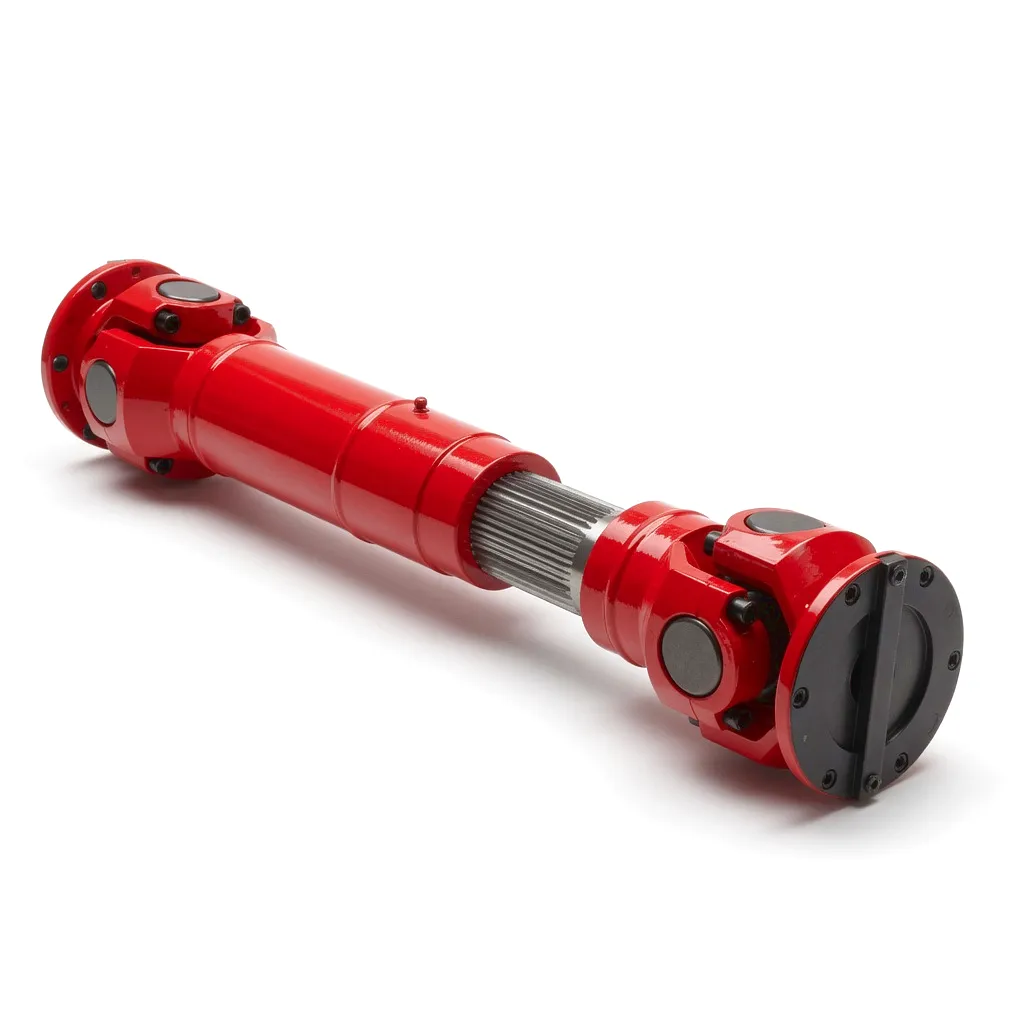
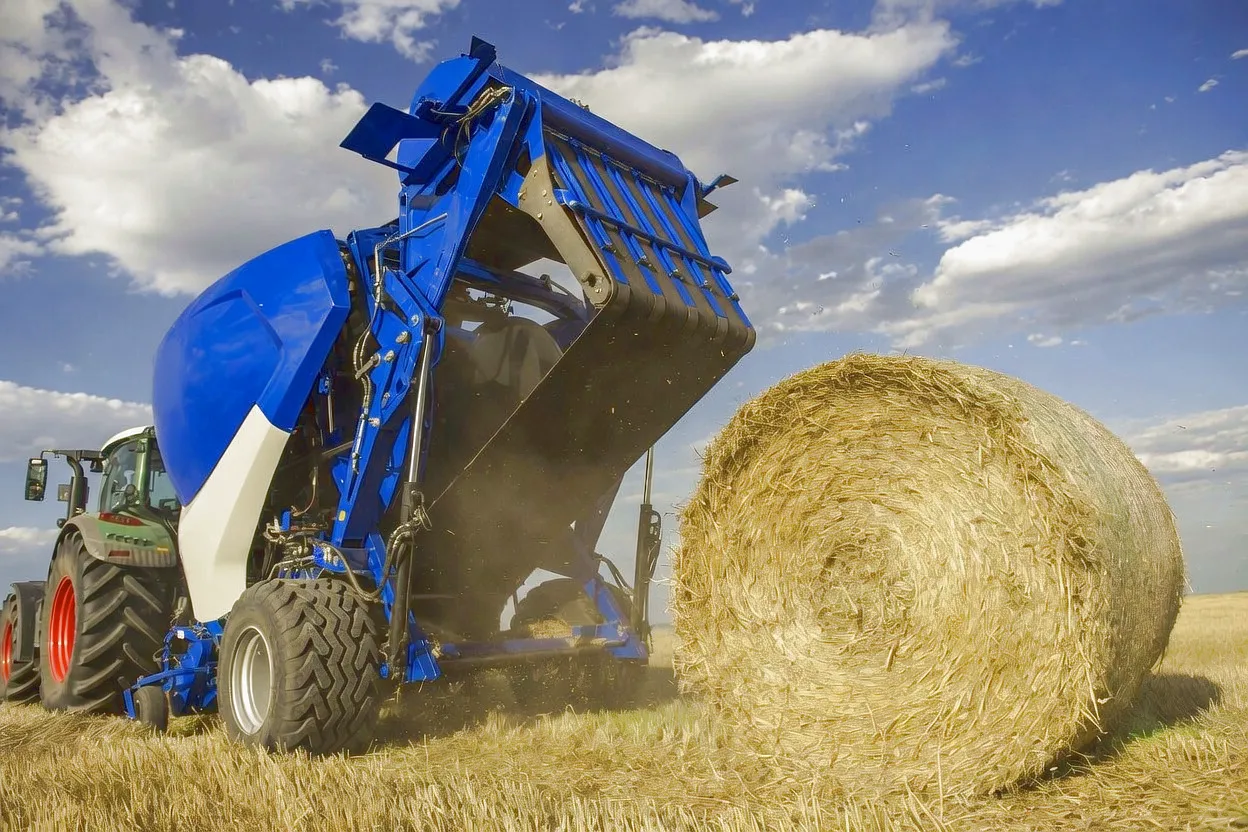
 Walk through any working farm in Yorkshire, Lincolnshire, or the Scottish Borders in July and you will hear the same sound: the rhythmic thud of a round baler compressing windrow after windrow of dried grass or straw into tight, weather-resistant cylinders. What you will not hear — if everything is working correctly — is the grinding, clunking, or violent vibration that signals a failing cardan coupling. The driveshaft connecting tractor PTO to baler gearbox is arguably the single most stressed mechanical component on a round baler, and yet it is routinely the least examined until something goes catastrophically wrong mid-harvest.
This guide draws on eighteen years of hands-on application engineering across agricultural, industrial, and heavy-duty sectors. Whether you manage a single baler on a mixed livestock farm in Devon or run a contracting fleet across the East Midlands, understanding how a cardan coupling works, why it fails, and what specifications you actually need will save you time, money, and the kind of stress that only comes from a breakdowns during a two-day weather window in August.
What Exactly Is a Cardan Coupling and Why Does Your Round Baler Need One?
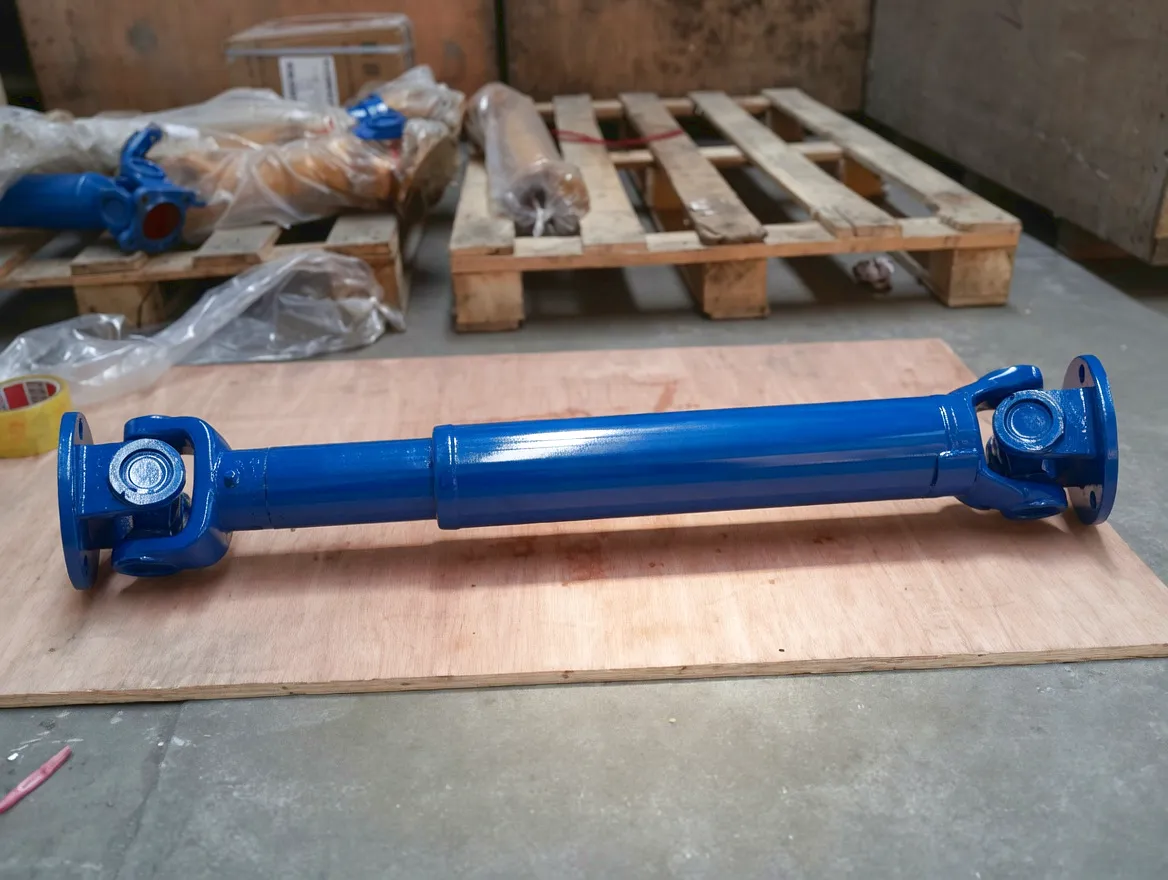
A cardan coupling — also called a universal joint driveshaft, PTO shaft, or Cardan shaft — is a mechanical assembly that transmits rotational torque between two shafts whose centrelines are not perfectly aligned. At its simplest, it consists of two yokes connected by a cross-shaped journal, the spider, which allows angular deflection of typically 15° to 35° depending on the design series. In agricultural applications, this angular flexibility is not just convenient — it is absolutely essential. A round baler hitched to a tractor does not sit in a fixed geometric relationship to the PTO stub. The baler moves on uneven ground, the drawbar flexes, and the hitch point changes as the tractor climbs and descends field gradients. Without a cardan coupling to accommodate this constant angular variation, the driveshaft would either transmit violent vibrations directly into the gearbox or fracture outright within minutes of operation.
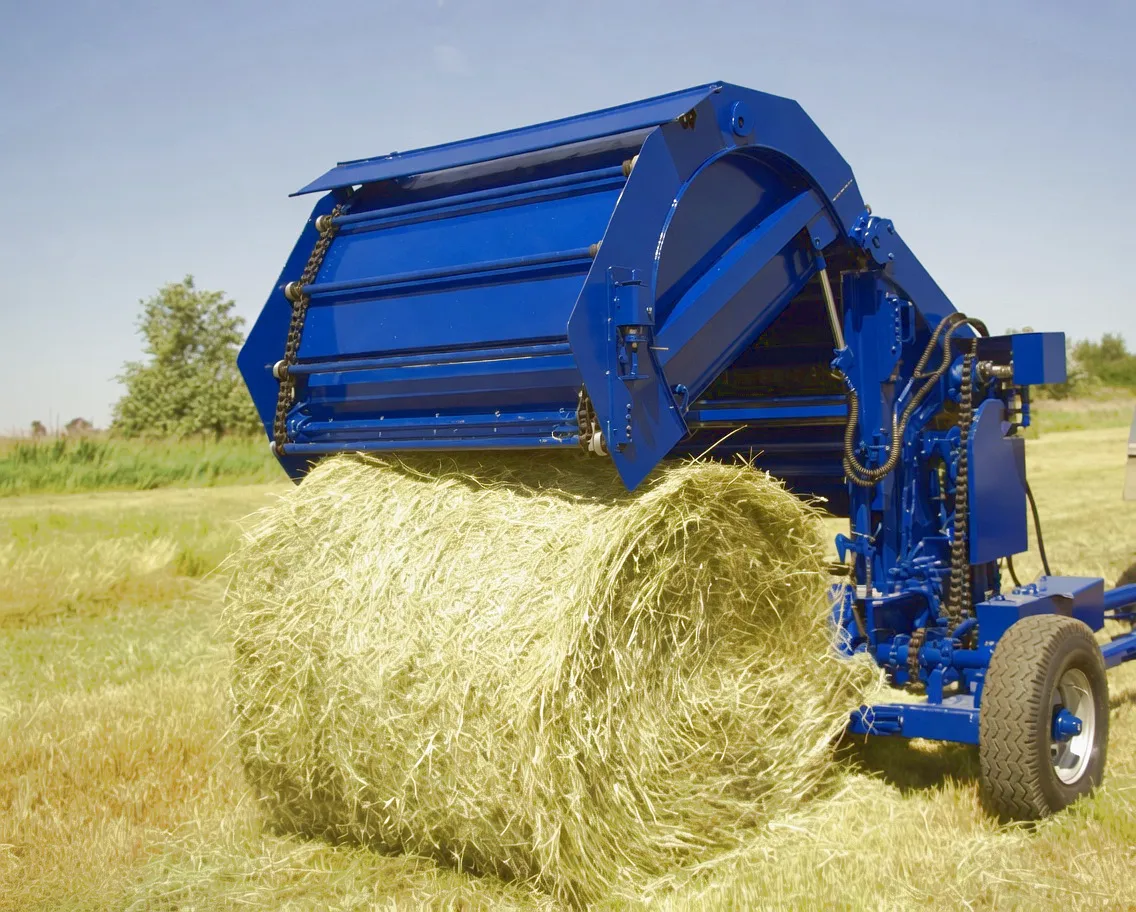
For round balers specifically, the power demand profile is particularly challenging. When an incoming windrow suddenly doubles in density — which happens routinely in UK fields where wet patches and dry ridges alternate unpredictably — the torque spike through the driveshaft can be three to four times the nominal operating torque in under 50 milliseconds. A correctly rated cardan coupling with an integrated overload protection mechanism, such as a friction slip clutch or shear bolt device, absorbs and limits these peak loads, protecting the significantly more expensive baler gearbox and flywheel assembly downstream.
The Engineering Behind PTO Cardan Coupling Performance
The operating principle of the cardan coupling rests on the geometry of the Hooke joint, named after Robert Hooke who described its mathematical properties in the seventeenth century. At the core, a single universal joint produces a non-uniform velocity output when operating at an angle: for every revolution of the input shaft, the output shaft slightly accelerates and decelerates twice. This velocity fluctuation — which increases proportionally with the square of the operating angle — generates second-order vibrations that are felt as a rhythmic pulsing throughout the driveline. In a round baler operating at 540 or 1000 rpm PTO speed across rough ground at 8 to 12 km/h, these vibrations compound with ground-induced dynamics to produce complex stress cycles in the driveshaft tube, universal joints, and overload protection hardware.
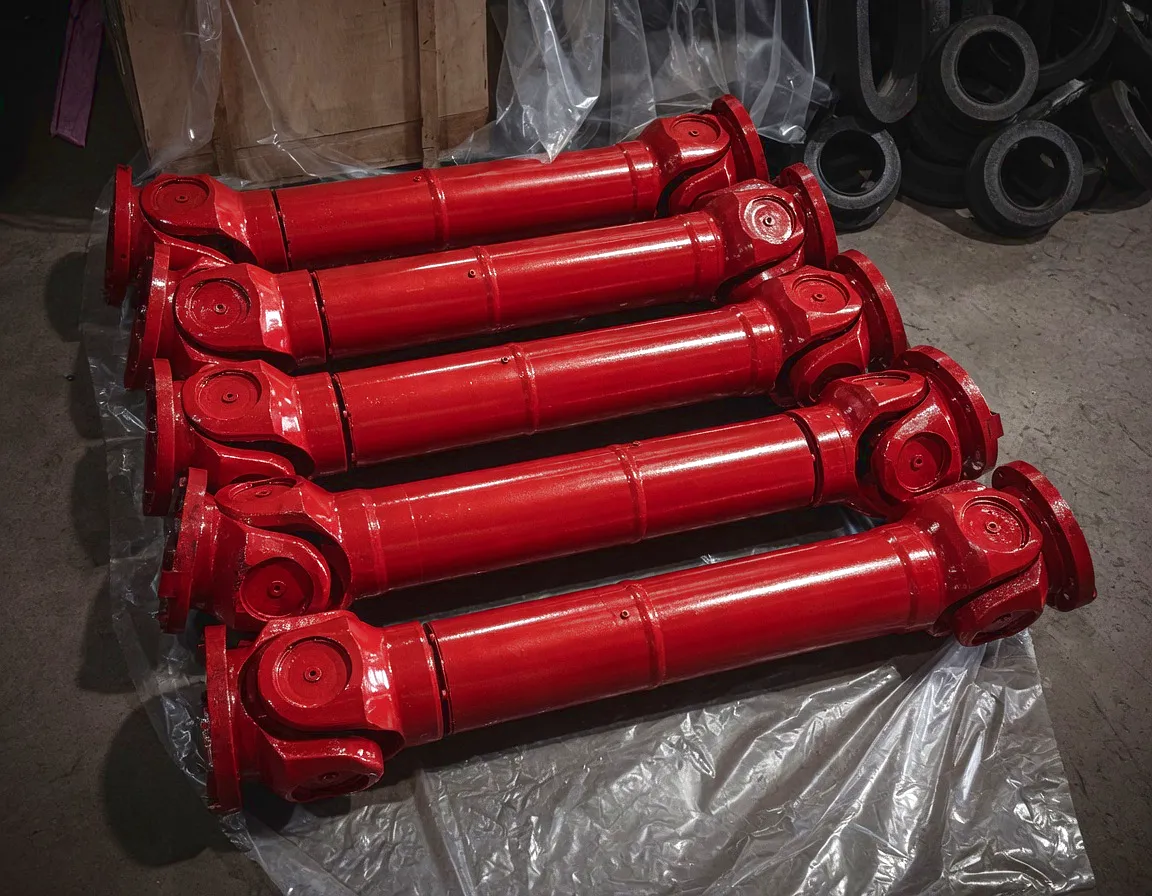
The engineering solution, adopted universally in quality agricultural PTO shafts, is the double Cardan configuration: two universal joints phased 90° apart with an intermediate shaft between them. When the phasing is correct and the operating angles at each joint are equal, the velocity fluctuations cancel out, producing smooth, near-constant velocity transmission across the entire operating angle range. This is why specifying the correct shaft length and ensuring equal joint angles during installation is not merely good practice — it directly determines whether your baler gearbox wears evenly or develops premature bearing fatigue on a predictable schedule.
Technical Performance Parameters: Agricultural Cardan Coupling Series
| Series / Profile | Nom. Torque (Nm) | Peak Torque (Nm) | Max Speed (rpm) | Max Angle (°) | Typical Application |
|---|---|---|---|---|---|
| Series 2 / Light Duty | 240 | 480 | 1,000 | 35° | Small balers, mowers |
| Series 4 / Mid-Range | 480 | 960 | 1,000 | 30° | Round balers 80–130 HP |
| Series 6 / Heavy Duty | 860 | 1,720 | 1,000 | 25° | Large balers 130–200 HP |
| Series 8 / XHD | 1,400 | 2,800 | 750 | 20° | Extra heavy balers, silage |
| Custom Series | To 4,000+ | To spec | To spec | Custom | OEM / Special builds |
Spider & Cross-Piece
Forged from case-hardened 20CrMoTi or 42CrMo4 alloy steel, the spider journals are ground to ISO tolerances of h6 or better. Bearing cup contact zones are induction-hardened to 58–62 HRC, providing excellent surface fatigue resistance under the cyclic Hertzian stresses generated at 1000 rpm across 25° of continuous angular variation in UK field conditions.
Telescopic Tube Section
DOM (Drawn Over Mandrel) steel tubes or seamless profiles are paired with profiled inner shafts — typically lemon, triangular, or star cross-section — coated in PTFE or nylon to reduce sliding friction and noise. This arrangement permits length variation of 80 to 400 mm, accommodating the full range of tractor-baler drawbar articulation found on standard Category 2 and 3 linkage systems used across British farms.
Safety Guard System
CE-marked plastic safety guards — typically moulded ABS or HDPE — are mandatory under UK PUWER regulations and EN ISO 11684. High-quality guards incorporate a contra-rotating inner shield that remains stationary while the shaft rotates, along with end cones that shroud both universal joints completely. Guards are snap-fitted rather than bolted to enable rapid removal for greasing during the working day without tools, an important ergonomic consideration during busy UK silage and hay seasons.
Overload Protection
Friction clutch or shear bolt mechanisms are integrated into the tractor-end yoke assembly. Friction clutches offer the advantage of immediate re-engagement after the torque spike passes without needing a bolt replacement, which makes them particularly practical for baler work where crop ingestion blockages are frequent. Shear bolt couplings offer greater precision on torque limiting value but require manual bolt replacement each time, typically rated in increments of 50 Nm to allow calibration to the specific baler model’s gearbox protection requirement.
Why British Round Baler Operations Demand a Higher Cardan Coupling Standard
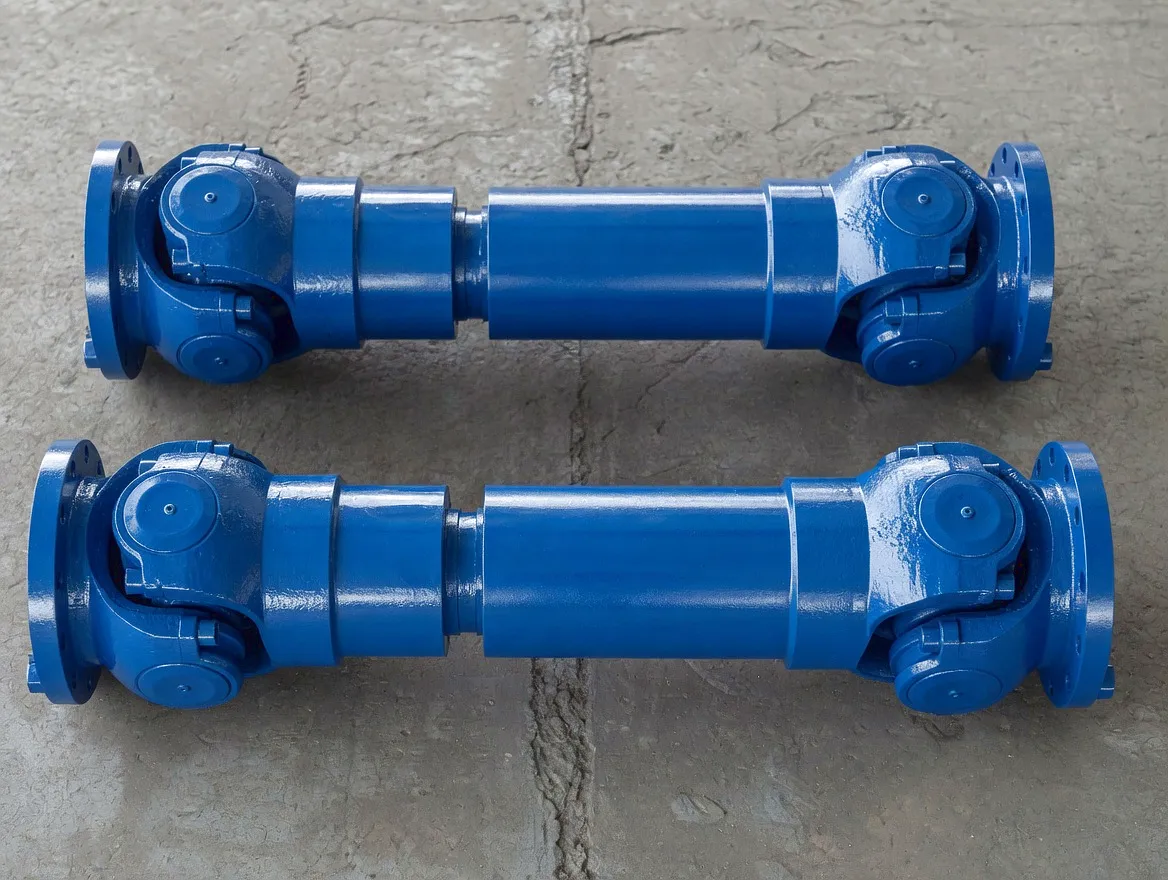
The UK’s agricultural climate creates a specific set of challenges that make cardan coupling selection considerably more demanding than in Continental European or North American contexts. British summers are famously unpredictable: a good hay-making window might last only 48 to 72 hours before the next Atlantic low brings rain back across the west of England, Wales, or Scotland. This means that when conditions are right, operators are running their balers for extended hours — often 16 to 18 hours per day — with minimal downtime for maintenance. A cardan coupling that needs greasing every four hours of operation is a liability in this environment. Sealed-for-life needle roller bearing units, which are increasingly specified on quality agricultural shafts for the spider bearing positions, reduce the greasing frequency to once per season while maintaining adequate lubrication retention throughout the campaign.
Soil conditions in many parts of the UK — particularly the heavier clay soils of the Midlands, East Anglia, and the clay vales of the South — mean that fields remain soft well into June, and autumn harvesting of maize or late grass cuts takes place in conditions that would be impossible in many other regions. Under these conditions, tractors sink and pitch significantly, placing the PTO shaft under dynamic angular loads that can regularly exceed the maximum static working angle stamped on the shaft’s data label. Specifying a shaft with a generous safety margin on maximum operating angle, and ensuring the overload protection is correctly calibrated for your tractor’s maximum PTO torque output rather than the baler manufacturer’s nominal figure, is the kind of engineering judgement that separates experienced operators from those who replace driveshafts every season.
Core Advantages of a Correctly Specified Cardan Coupling
Torque Spike Absorption
Integrated overload clutch limits peak loads to protect gearbox and flywheel from crop jam impulses exceeding 3× nominal torque.
Smooth Velocity Transmission
Double Cardan phasing eliminates second-order vibration, reducing gearbox bearing fatigue by up to 60% vs. single-joint designs at equivalent angles.
Full CE Safety Compliance
CE-certified guards meet UK PUWER and EN ISO 11684 requirements out of the box, eliminating compliance risk for operators and contractors in England, Scotland and Wales.
Custom Length & Profile
Telescopic profiles from standard lemon to star and rectangular, with tube lengths manufactured to ±2 mm tolerance. Direct replacement for Weasler, Bondioli, and Comer assemblies.
IP65-Equivalent Sealing
Multi-lip labyrinth seals on spider bearing cups exclude water, crop chaff, and field dust — critical for the wet conditions endemic to UK summer harvests in western regions.
Rapid Field Replacement
Quick-release locking collars on both tractor and baler ends permit driveshaft removal in under 60 seconds without tools — essential when every minute counts during a short harvest window.
Where Cardan Couplings Are Used in Round Baler and PTO-Driven Equipment
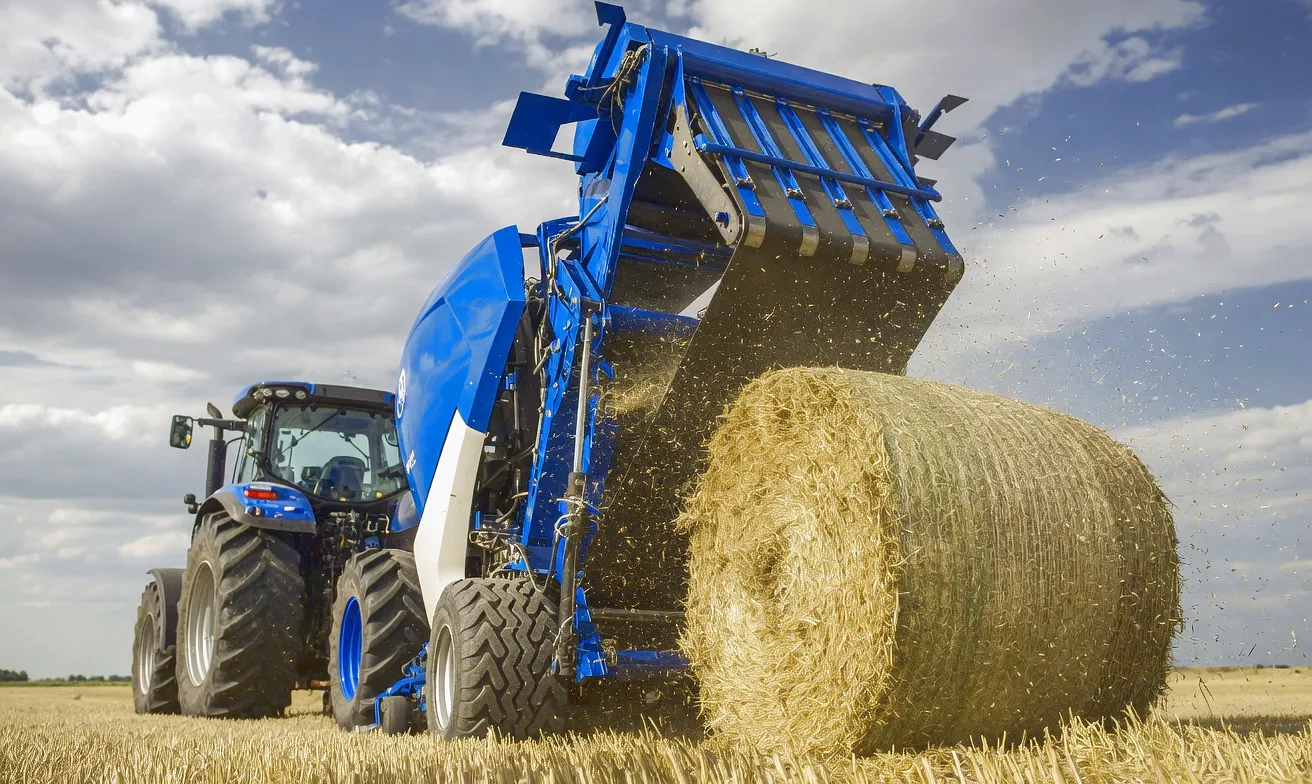
The round baler is just one — albeit one of the most demanding — applications for agricultural cardan couplings. Understanding the full range of PTO-driven equipment that relies on these components gives a broader picture of why correct specification matters across the entire farm machinery fleet. On a mixed arable and livestock farm in Herefordshire, Nottinghamshire, or Angus, you might find five or six different cardan couplings in active service at any given time during the growing season, each with its own torque, speed, and angular requirement.
| Equipment Type | PTO Speed (rpm) | Typical Shaft Series | Key Requirement |
|---|---|---|---|
| Round Baler | 540 / 1000 | Series 4–8 | High torque shock absorption, overload protection |
| Square Baler | 540 | Series 6–8 | Heavy flywheel inertia, shear bolt protection |
| Rotary Mower / Disc Mower | 1000 | Series 2–4 | High speed, smooth velocity, low vibration |
| Slurry Tanker Pump | 540 / 1000 | Series 4–6 | Continuous duty, corrosion resistance |
| Grain Auger / Elevator | 540 | Series 2–4 | Extended shaft length, low angle operation |
| Forage Harvester | 1000 | Series 6–8 XHD | Maximum torque capacity, vibration damping |
Customer Success: How UK and European Operators Are Getting More from Their Balers
Case Study: East Anglian Arable Contractor, Cambridgeshire, UK
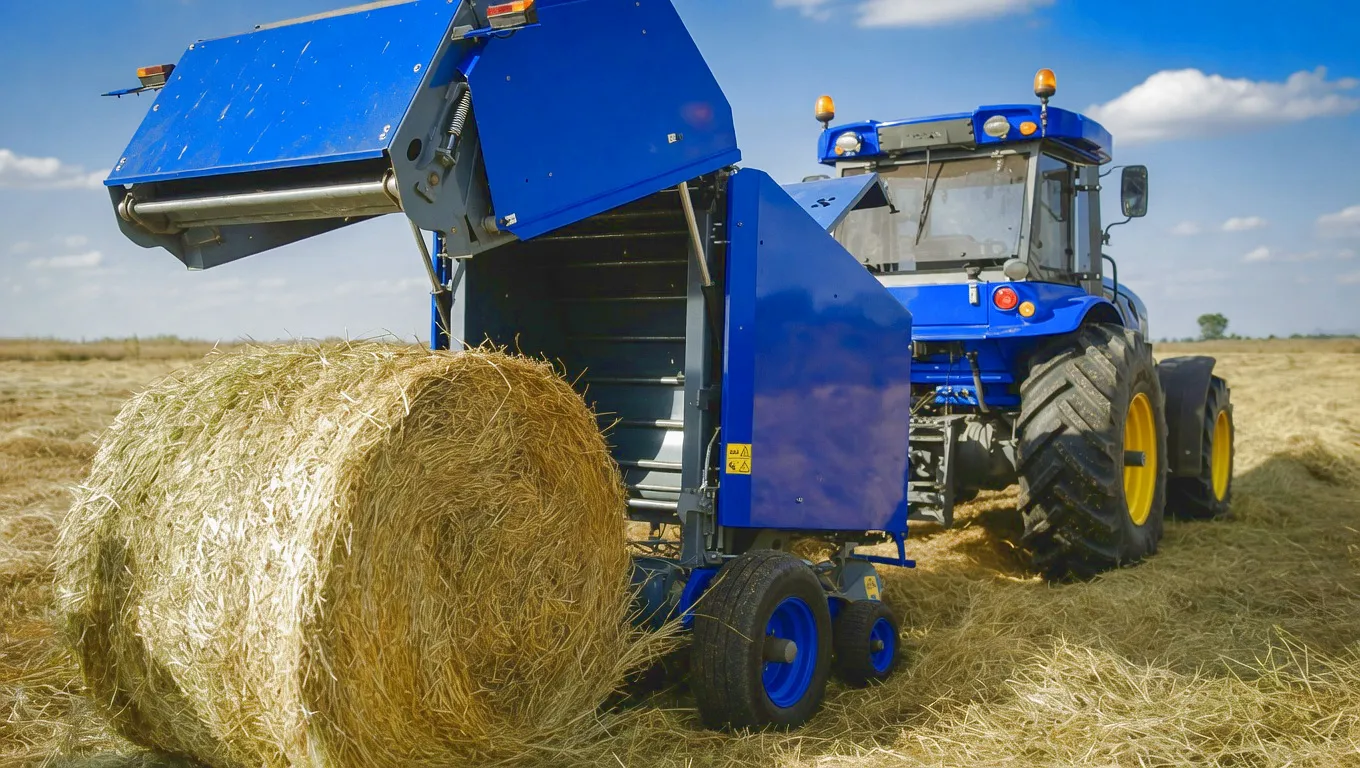
A large agricultural contracting business operating across 12,000 hectares of cereal stubble in Cambridgeshire and Lincolnshire was experiencing recurring baler gearbox failures — the third gearbox in four seasons on their primary straw baling machine — at a replacement cost of approximately £4,200 per unit plus three days of harvest downtime. Investigation revealed that the existing aftermarket cardan coupling lacked a functioning overload slip clutch; the friction plates had seized due to lack of maintenance, meaning every dense straw ingestion event was transmitting full shock load directly to the baler flywheel shaft and gearbox pinion.
Ever Power supplied a custom Series 6 cardan coupling with a pre-calibrated friction slip clutch set to 420 Nm slip torque — matched to the specific tractor/baler combination — with sealed-for-life spider bearings and an upgraded polypropylene safety guard featuring tool-free access panels. In the following two seasons, the baler ran 2,400 hours without a single gearbox-related failure. The operator reported that the smooth engagement characteristics of the new coupling also appeared to reduce wear in the baler’s rotor belt tensioner system, providing an unexpected secondary benefit.
“We spent three years chasing a gearbox problem that turned out to be a £280 driveshaft. The precision slip clutch calibration was the key — and Ever Power got it right first time.” — Operations Manager, Cambridgeshire Contracting Ltd.
Livestock Farmer, Yorkshire Dales
“The sealed bearing units on these shafts have been a revelation. Running 400 bales a day in damp Yorkshire conditions and not having to stop every hour to grease has genuinely changed how we plan our day. Two seasons in and no spider failures at all.”
Agricultural Contractor, Bavaria, Germany
“We ordered custom-length Series 8 shafts for our high-capacity maize silage trailer — a non-standard fitment that other suppliers couldn’t match. Ever Power had the dimensions confirmed within 24 hours and the shafts shipped in two weeks. Perfect fit, no modifications needed.”
Farm Manager, Scottish Borders
“Price was competitive versus UK agricultural factors but the quality was noticeably better — the guard fittings were tighter, the yoke finish was cleaner, and the whole assembly felt more robust straight out of the box. The technical support from their engineers when we were spec’ing the replacement was excellent.”
Ever Power’s Bespoke Cardan Coupling Manufacturing & Customisation Capability
At Ever Power, we understand that catalogue solutions rarely address every situation that a working farm or machinery manufacturer will encounter. Our engineering team operates from a fully equipped design and manufacturing facility where we produce bespoke cardan couplings for OEM agricultural equipment builders, independent machinery dealers, and large farm operators across the UK, Europe, and international markets. Our CNC turning and grinding capacity handles spider journal diameters from 18 mm to 120 mm, while our tube cutting and welding lines accommodate outer diameters from 38 mm to 180 mm in DOM, ERW, and seamless steel profiles.
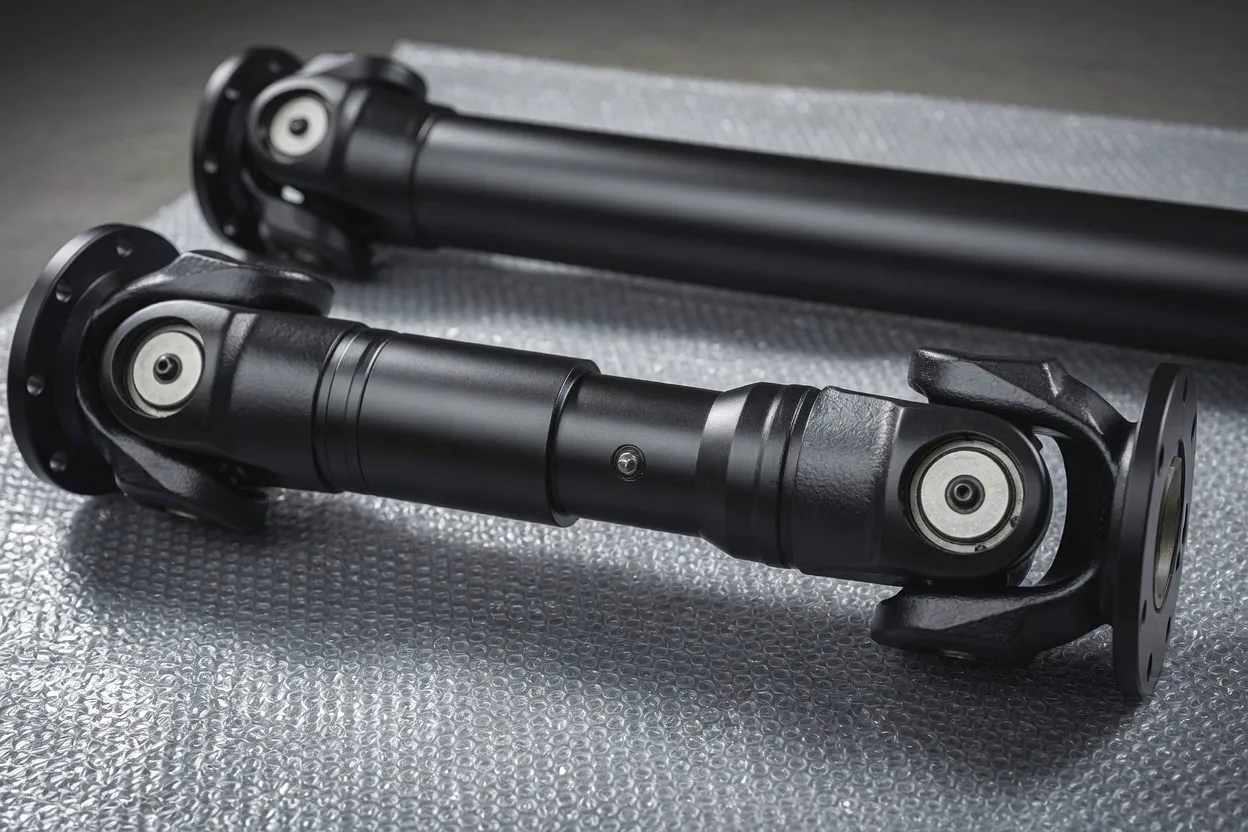
Our customisation service covers not just dimensional specification but also material selection — we regularly supply 316L stainless steel assemblies for washdown environments, high-carbon chrome steel spiders for extreme abrasion environments such as soil engagement tillage equipment, and PTFE-impregnated sliding tube profiles for applications requiring near-zero breakaway torque. For customers supplying the UK agricultural market, we maintain detailed knowledge of the common tractor and baler combinations used across Britain, from John Deere and New Holland through to Claas, AGCO, and Valtra, ensuring correct yoke profiles, PTO stub sizes (1-3/8″ 6-spline, 1-3/4″ 6-spline, and 1-3/4″ 20-spline), and connection lengths for each application.
We also offer product marking, labelling, and packaging to your brand specification for OEM and private-label supply, with minimum order quantities starting from 10 units on standard series and 50 units on fully custom designs. Request engineering drawings, 3D models, or material certification documentation at no additional cost as part of our standard quotation process.
How to Select the Right Cardan Coupling for Your Round Baler
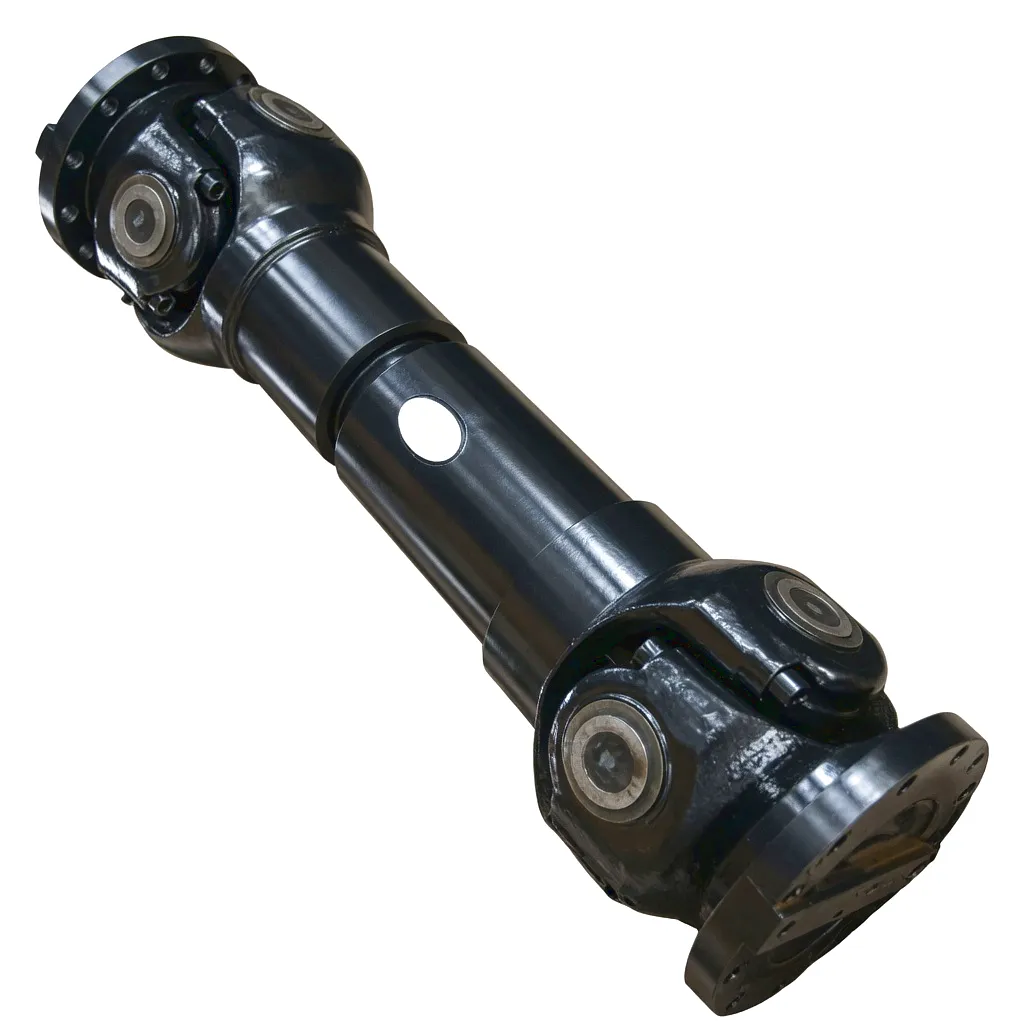 Getting the specification right before you order is considerably cheaper than getting it wrong. The following selection process covers the key parameters that determine whether a cardan coupling will perform reliably for a full working season on a round baler in UK conditions. The first requirement is understanding your tractor’s PTO torque output — not the power rating, but the actual torque. For a 100 kW tractor at 540 rpm, that equates to roughly 1,770 Nm. For 1000 rpm PTO, the same 100 kW produces approximately 955 Nm. This determines the minimum torque capacity of the coupling body, which should be selected with a service factor of 1.5 to 2.0 depending on crop conditions and baler design.
Shaft length is the second critical parameter and the most commonly misspecified. The collapsed length of the driveshaft should be at least 25 mm shorter than the tractor-to-baler distance at minimum drawbar extension, while the extended length should be at least 25 mm longer than the tractor-to-baler distance at maximum extension. Failure to maintain these margins results in either the shaft bottoming out — causing catastrophic yoke and telescope damage — or the shaft separating entirely when the tractor turns sharply, a genuinely dangerous event at 540 rpm. On most mid-sized round balers used in the UK, the working shaft length range is typically 760 mm to 1,100 mm collapsed, with a telescopic stroke of 250 to 350 mm, but verify against your specific tractor and baler combination before specifying.
The overload protection setting deserves particular attention for baler applications. Set it too low — a common mistake when trying to maximise baler gearbox protection — and the clutch slips during normal peak torques in dense crops, generating heat, accelerating friction plate wear, and reducing baling capacity. Set it too high and you lose the protection function entirely during genuine blockage events. The correct approach is to identify the maximum torque that the baler gearbox manufacturer lists as permissible at the input shaft — this is usually found in the operator’s manual or available from the machine’s dealer — and set the overload clutch to disengage at 85% of that figure. This provides meaningful protection while permitting normal operation through all anticipated crop conditions.
Cardan Coupling Specification Checklist for Round Balers
Frequently Asked Questions
Ready to Specify the Right Cardan Coupling for Your Baler?
Whether you need a standard replacement or a fully bespoke PTO shaft designed to your exact tractor and baler specification, our engineering team can confirm your specification and provide a competitive UK-delivered price within 24 hours. No generic catalogues, no long lead times — just precise, reliable cardan couplings built to perform in real British farming conditions.
[email protected] · Response within 24 hours · UK & International Supply
edit by gzl