Need a cardan coupling for your round baler or PTO-driven equipment? Get a fast quote from our UK team.
Why Round Balers Demand Specialised Cardan Coupling Design
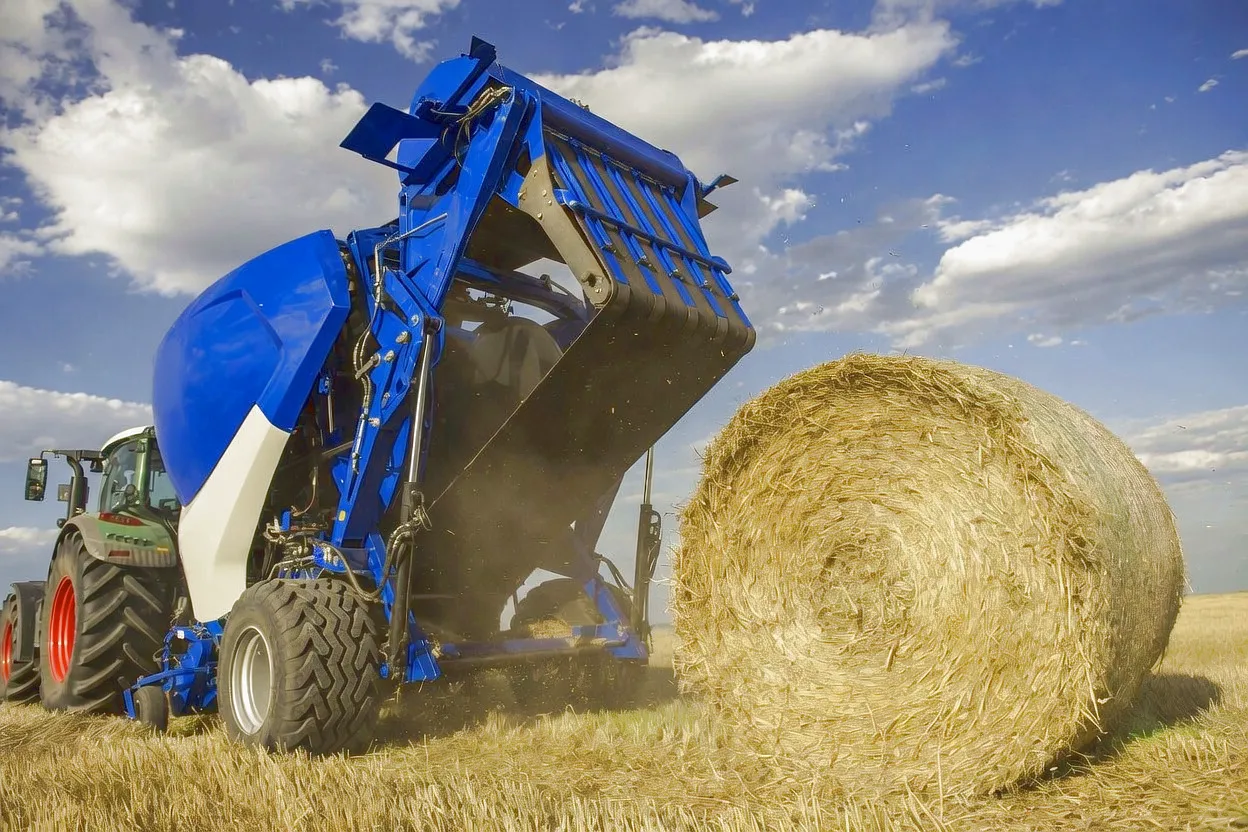
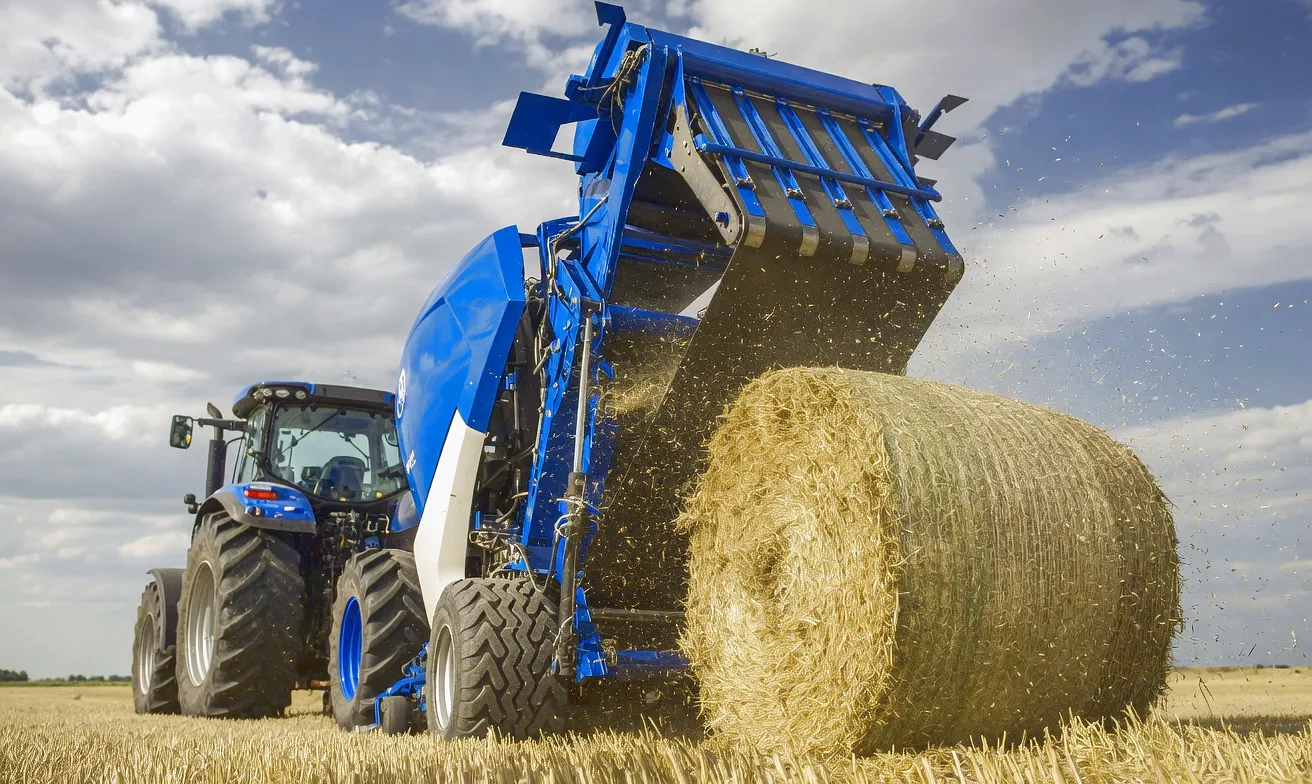
A round baler is one of the most mechanically demanding implements ever connected to a farm tractor. Unlike a simple rotary mower that spins at a predictable, near-constant load, a round baler experiences wide, rapid swings in torque as it picks up windrows, compresses crop material into a growing bale, and then releases tension for net or twine wrapping. During peak baling, a high-capacity baler can demand upward of 120 kW of continuous PTO power, with instantaneous torque spikes that exceed those averages by a considerable margin. Any drive component sitting between the tractor’s PTO and the baler’s input gearbox must handle these pulsating loads while simultaneously accommodating the constant angular displacement caused by a tractor moving across uneven British field terrain.
How a Cardan Coupling Actually Works in a PTO Driveshaft
The Universal Joint Principle
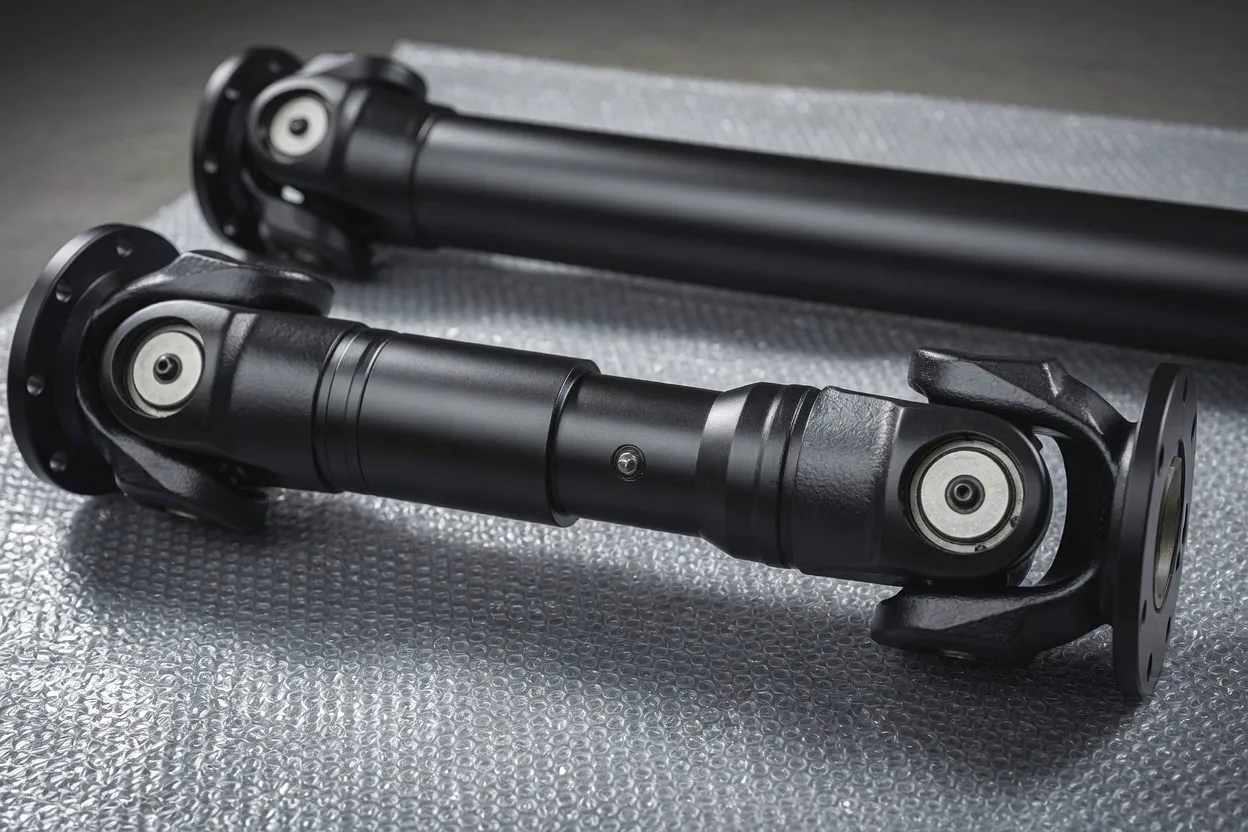
At its heart, a cardan coupling uses two yokes joined by a cross-shaped trunnion (the spider). Each arm of the spider fits into a needle-roller bearing cup seated in the yoke lugs. This arrangement lets the two shaft sections rotate relative to each other through both the horizontal and vertical planes simultaneously, which is essential when a tractor pitches forward into a dip while also turning slightly at the headland — a combination move that occurs hundreds of times per field pass.
Double-Joint Telescoping Design
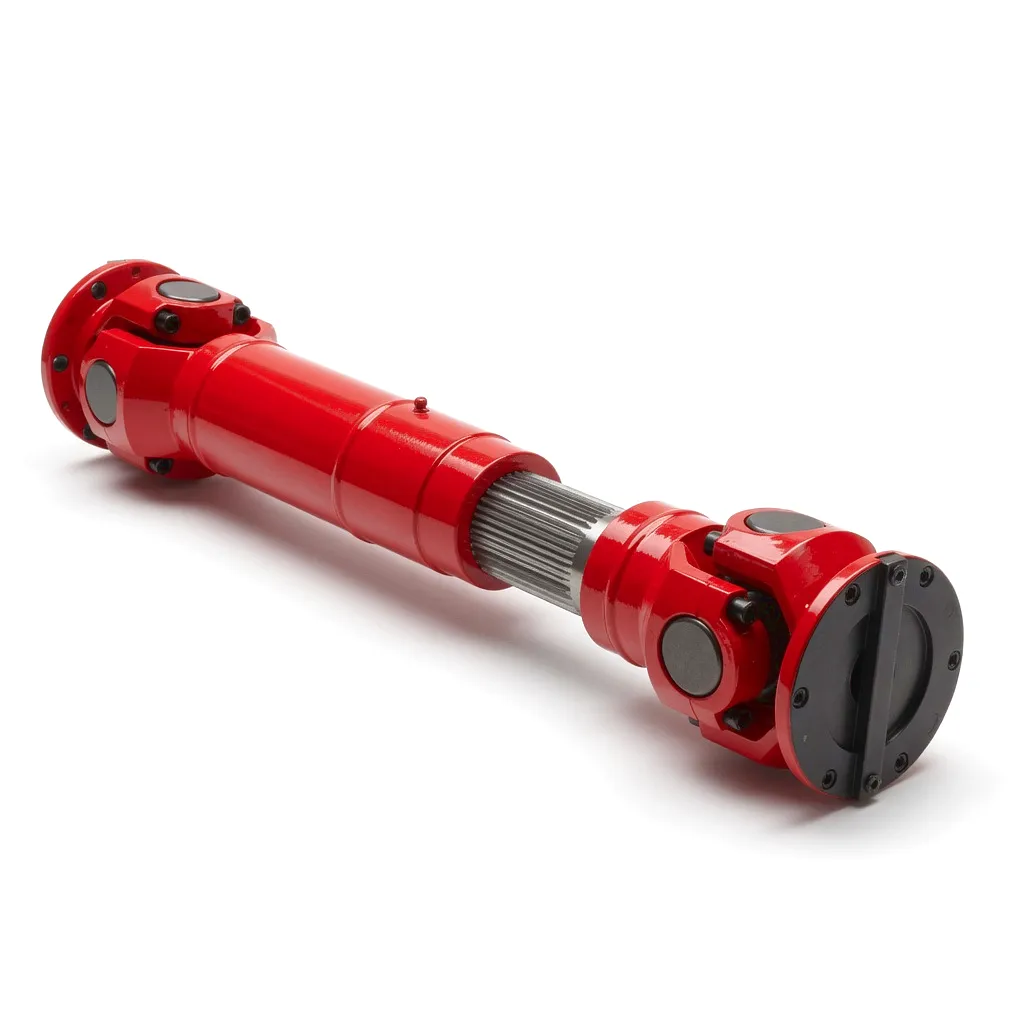
Agricultural PTO shafts almost always incorporate two universal joints — one at the tractor end and one at the implement end — connected by a telescoping tube profile (typically a triangular or star-shaped cross-section). The telescoping section accommodates changes in the distance between the tractor’s PTO stub and the baler’s input flange as the hitch geometry shifts under field conditions. Without this sliding capability, the shaft would bind or pull apart every time the tractor crested a ridge.
Torque Limiter Integration
Modern high-spec cardan couplings for round balers often integrate a torque limiter — either a shear-bolt type or, on premium models, a friction-clutch or cam-type overload clutch — directly into the driveshaft assembly. When the baler’s pickup jams on a heavy, wet windrow, the clutch disconnects within milliseconds, protecting both the tractor’s PTO gearbox and the baler’s expensive input shaft from destructive shock loading. This feature alone can prevent repair bills running into thousands of pounds on a single jam incident.
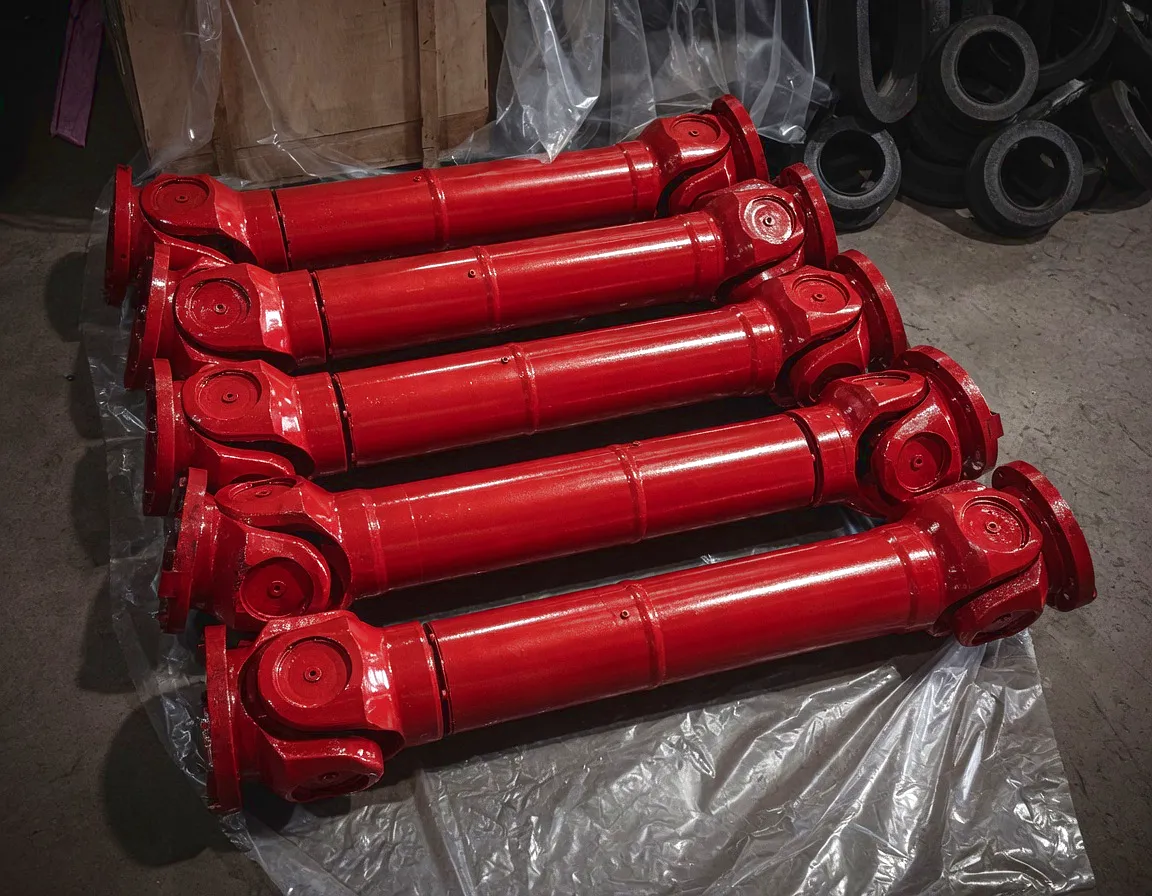
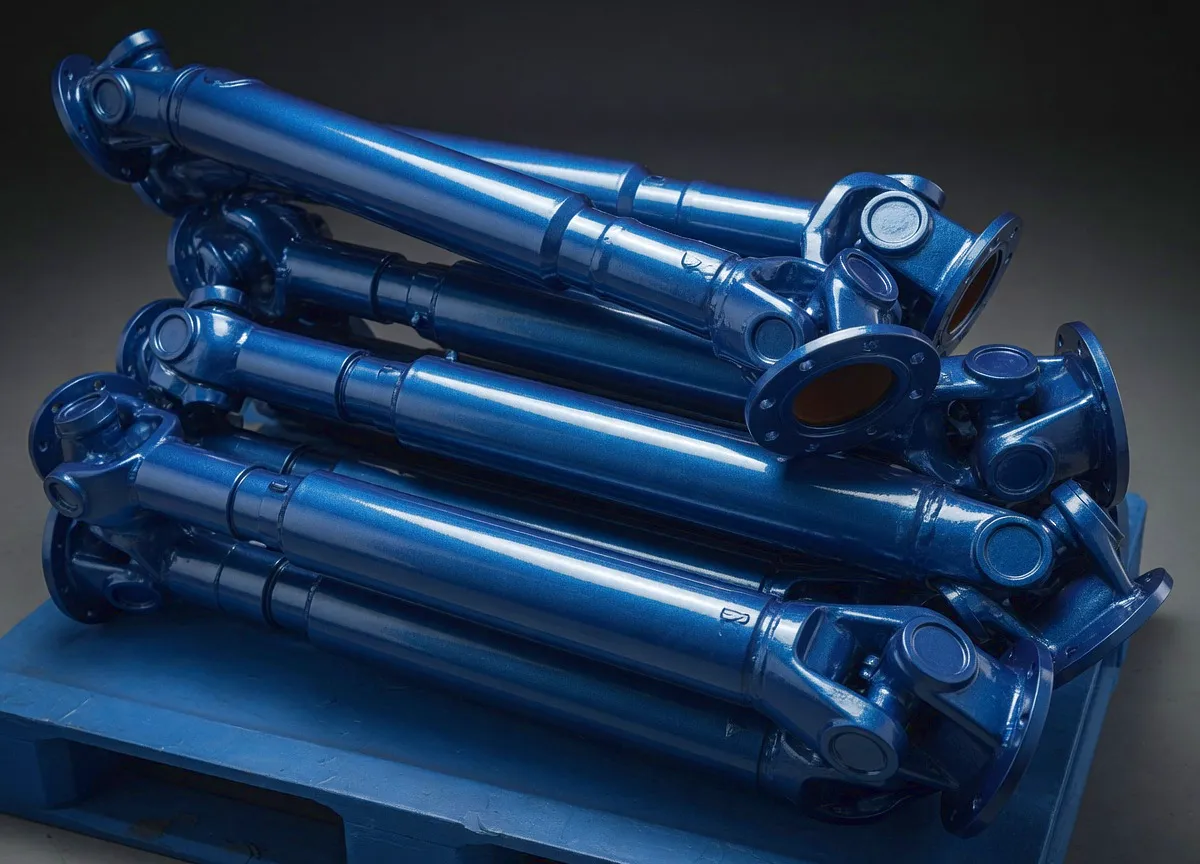
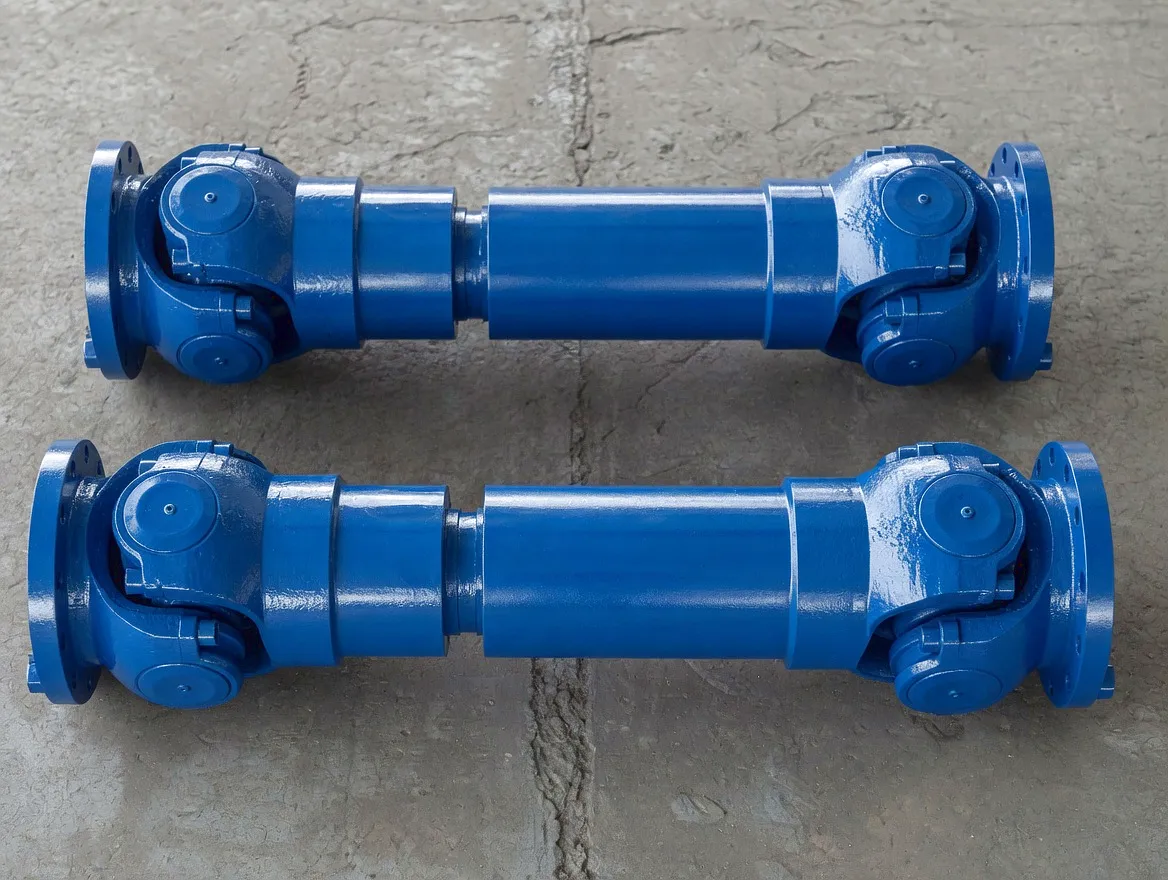
Technical Performance Parameters: Cardan Coupling for Round Baler PTO Drive
The table below outlines the key specification ranges applicable to cardan couplings designed for round baler and general agricultural PTO drive service. All values reflect typical production configurations; custom specifications are available on request.
| Parameter | Small/Medium Baler | Large / High-Capacity | Custom / OEM |
|---|---|---|---|
| Rated Torque (Nm) | 500 – 1,200 | 1,200 – 3,500 | Up to 6,000+ |
| Max PTO Speed (RPM) | 540 / 1,000 | 540 / 1,000 | Up to 1,500 |
| Max Working Angle (°) | 15 – 20 | 20 – 25 | Up to 30 (wide-angle) |
| Telescoping Stroke (mm) | 150 – 250 | 200 – 350 | Custom per hitch geometry |
| Yoke Material | Forged steel (42CrMo4) | Forged steel (42CrMo4) | Alloy steel / cast nodular iron |
| Spider / Cross Material | Case-hardened alloy steel | Case-hardened alloy steel | Induction-hardened / carburised |
| Safety Guard Standard | CE / ISO 4254-1 | CE / ISO 4254-1 | Custom per OEM specification |
| Torque Limiter Option | Shear-bolt type | Friction clutch / cam type | Full custom clutch design |
Key Advantages of Choosing a Well-Specified Cardan Coupling
For UK round baler operators and machinery dealers, these are the tangible benefits that translate directly into uptime and profitability:
Uninterrupted Torque Delivery
A correctly phased double-Cardan arrangement minimises the inherent velocity fluctuation of single universal joints, delivering smoother power to the baler’s feed and compression mechanisms. This directly reduces wear on the baler’s internal drive chain and flywheel bearings, extending service intervals significantly.
Overload Protection as Standard
Agricultural operations rarely follow a controlled script. Heavy, damp British hay crops, unexpected field debris, or a pickup running over a stone can create instantaneous torque surges far exceeding normal operating values. An integrated torque limiter absorbs or disconnects under these conditions, preventing catastrophic drivetrain damage that would otherwise sideline a machine during the narrow harvest window.
Extended Maintenance Intervals
Premium cardan couplings for agricultural duty incorporate sealed, preloaded needle-roller bearing cups with labyrinth grease seals that retain lubricant and exclude mud, chaff, and moisture for extended periods. On operations running multi-shift baling campaigns, this translates to fewer grease-nipple interventions and a reduced risk of catastrophic bearing seizure mid-field.
High Angular Versatility
The rolling terrain of the English Midlands, the steep contours of Welsh and Scottish farmland, and the irregular headlands common across UK arable farms all impose real angular demand on PTO shafts. A cardan coupling rated and tested to sustained 25° working angles prevents the shaft from binding or generating the destructive vibration that shortens baler gearbox life and creates noise complaints from adjacent operators.
CE Compliance & Safety
All agricultural cardan couplings supplied into the UK market must carry appropriate CE marking and comply with ISO 4254-1 and the Machinery Directive requirements for rotating driveline guards. Our couplings ship complete with profile-matched plastic guard sets that are retained at both ends, satisfying PUWER 1998 requirements and giving machinery inspectors nothing to flag during farm assurance audits.
Cost-Effective Total Ownership
Specifying a cardan coupling with adequate torque rating, correct spline profile, and integrated protection saves money across the machine’s full operational life. The marginal cost premium of a correctly rated shaft over a budget substitute is typically recovered within one avoided breakdown, whether that is a seized cross joint in a remote Lincolnshire field or a damaged baler gearbox requiring workshop time during the peak June silage cut.
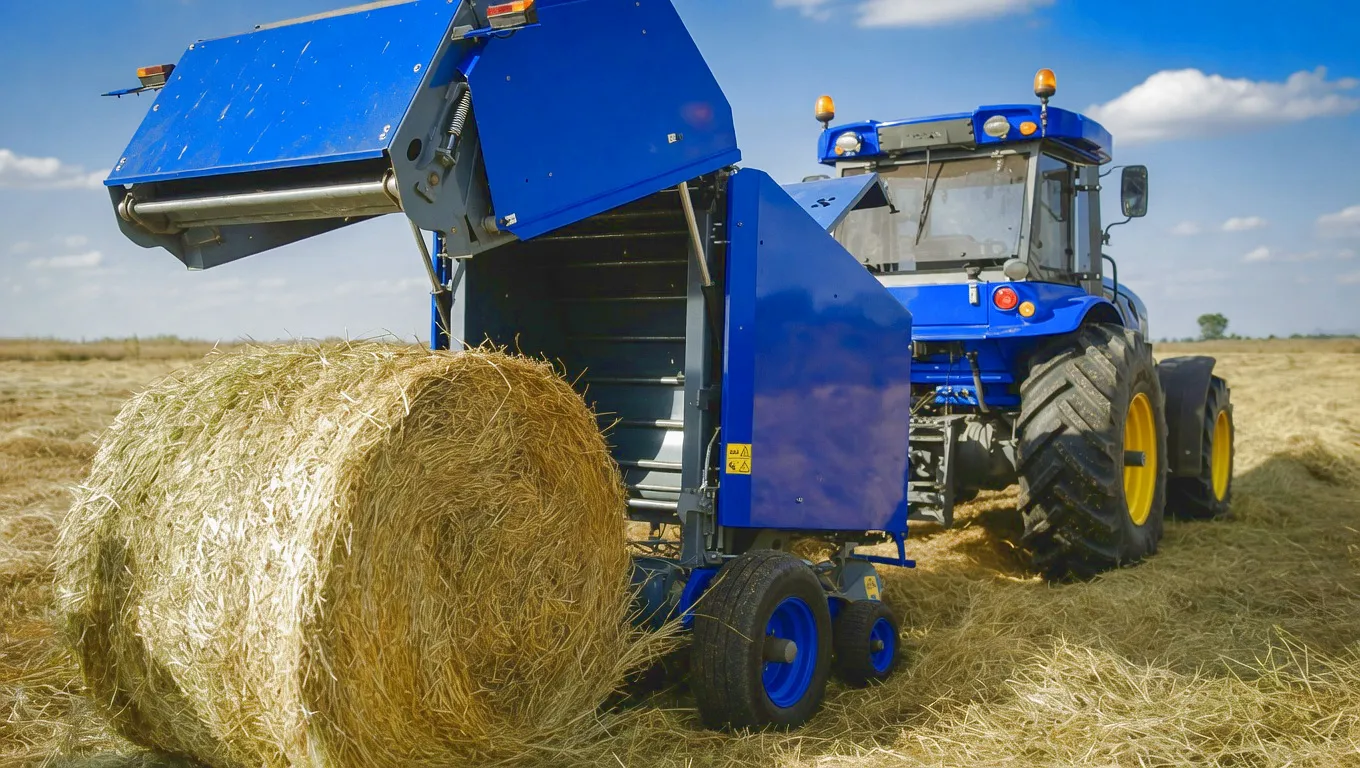
Materials, Construction & What Sets a Quality Shaft Apart
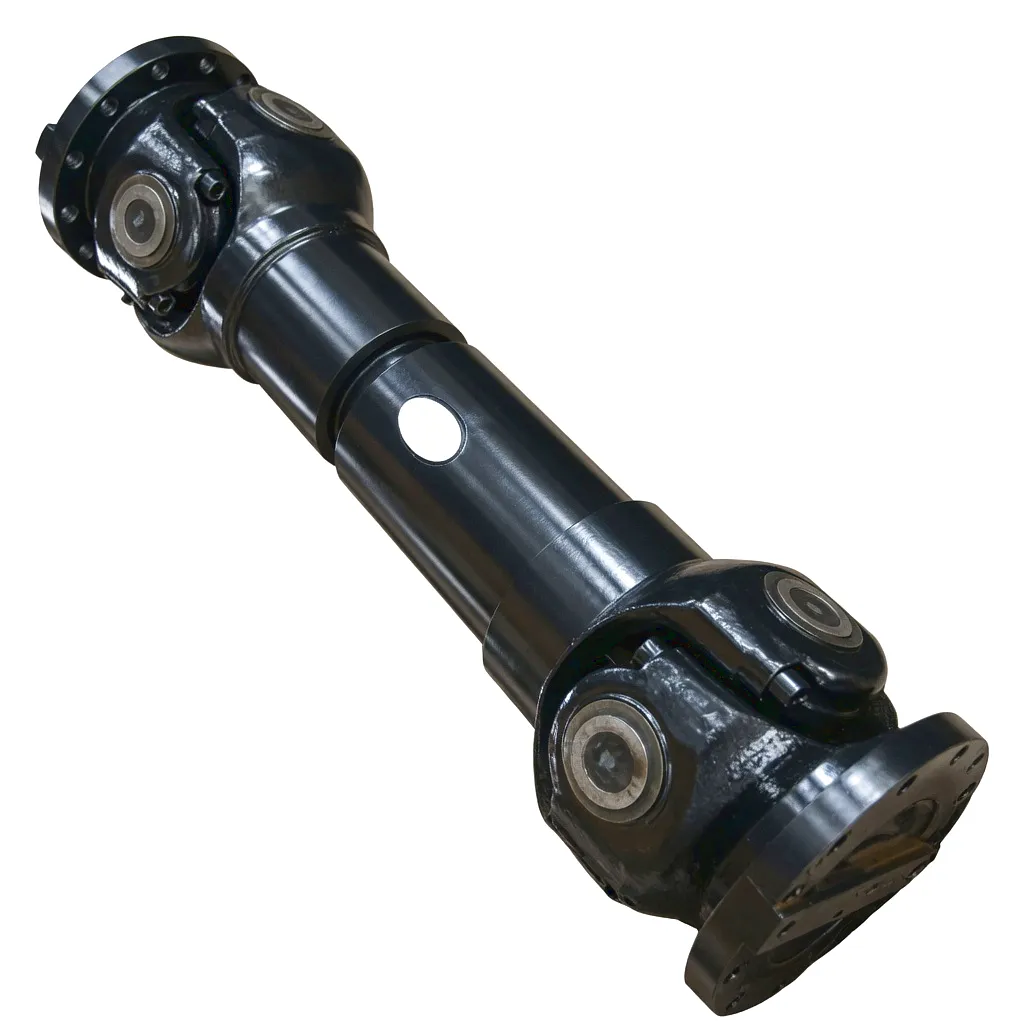 The quality of a cardan coupling for round baler service ultimately comes down to the steel grades used, the precision of machining tolerances, and the surface treatment applied to the critical wear interfaces. At Ever Power, we have spent considerable time working with UK and European agricultural equipment manufacturers to understand exactly where inferior shafts fail — and to engineer those failure modes out of our products.
Yokes are drop-forged from 42CrMo4 chromium-molybdenum alloy steel, which gives an excellent combination of high tensile strength (typically 900–1,100 MPa after heat treatment) and good resistance to fatigue cracking under cyclic torsional loading. Forging aligns the grain structure of the steel with the yoke’s load path, producing parts that are significantly stronger and tougher than equivalent components machined from bar stock or made by casting.
The spider cross — the single component most frequently cited in agricultural driveshaft failures — is case-hardened to provide a tough, wear-resistant outer surface (typically 58–62 HRC on the trunnion journals) over a ductile core that absorbs shock loads without brittle fracture. Needle-roller bearing cups are precision-ground and assembled with a controlled preload to eliminate axial play while maintaining smooth rotation, even as the shaft operates through dynamic angles across rough ground.
The telescoping tube profiles — whether triangular, star, or lemon-shaped cross-sections — are drawn from seamless alloy steel tube and finished to tight diametral tolerances to ensure smooth sliding without perceptible play. Loose-fitting tubes cause vibration, premature wear, and in extreme cases, complete separation of the two halves under combined torque and angular load. Every tube profile section is coated with a corrosion-resistant phosphate and oil treatment, with high-load grease applied during final assembly to maintain lubrication through the first operating season.
Cardan Coupling Application Scenarios Across UK Agricultural Operations
While round balers are the focus of this guide, the same engineering principles and product families extend across a wide range of PTO-driven agricultural implements in regular use across England, Scotland, Wales, and Northern Ireland.
Variable-Load Baling Duty
The round baler’s cyclical compression, net-wrapping, and ejection cycles create a wide torque spectrum. Cardan couplings with integrated torque limiters — rated at 1.5 to 2× the continuous torque demand — handle these transients without fatigue damage to either the shaft or the baler’s input gearbox.
High-Speed Cutting Drives
Disc mowers and mower-conditioners run PTO shafts at 1,000 RPM continuously, with rapid angular changes as the header follows ground contour. Wide-angle cardan couplings allow safe operation even when the mower’s lateral suspension lifts a cutter bar over an obstruction mid-pass.
Precision Arable Applications
Mounted fertiliser spreaders and combination drills demand accurate, low-pulsation drive to ensure even metering rates. Wide-angle constant-velocity cardan arrangements minimise the angular velocity non-uniformity that can induce metering irregularities at high-speed working rates across broad UK arable acreages.
Livestock Waste Management
Slurry tankers, umbilical pumping systems, and dribble-bar spreaders operating on UK dairy and beef farms place constant, high-torque demand on PTO shafts. Heavy-duty cardan couplings with large-diameter splined connections and extended service grease cavities are the preferred solution for these continuous-duty pump drives.
Full Custom Cardan Coupling Design & Production Capability
Not every round baler or PTO-driven machine fits a standard catalogue shaft, and that is where Ever Power’s manufacturing capability genuinely differentiates us from distributors who simply repackage off-the-shelf products. Our engineering team works directly with UK and European OEM customers and large agricultural contractors to develop cardan coupling solutions that are optimised for the exact operating profile of each machine.
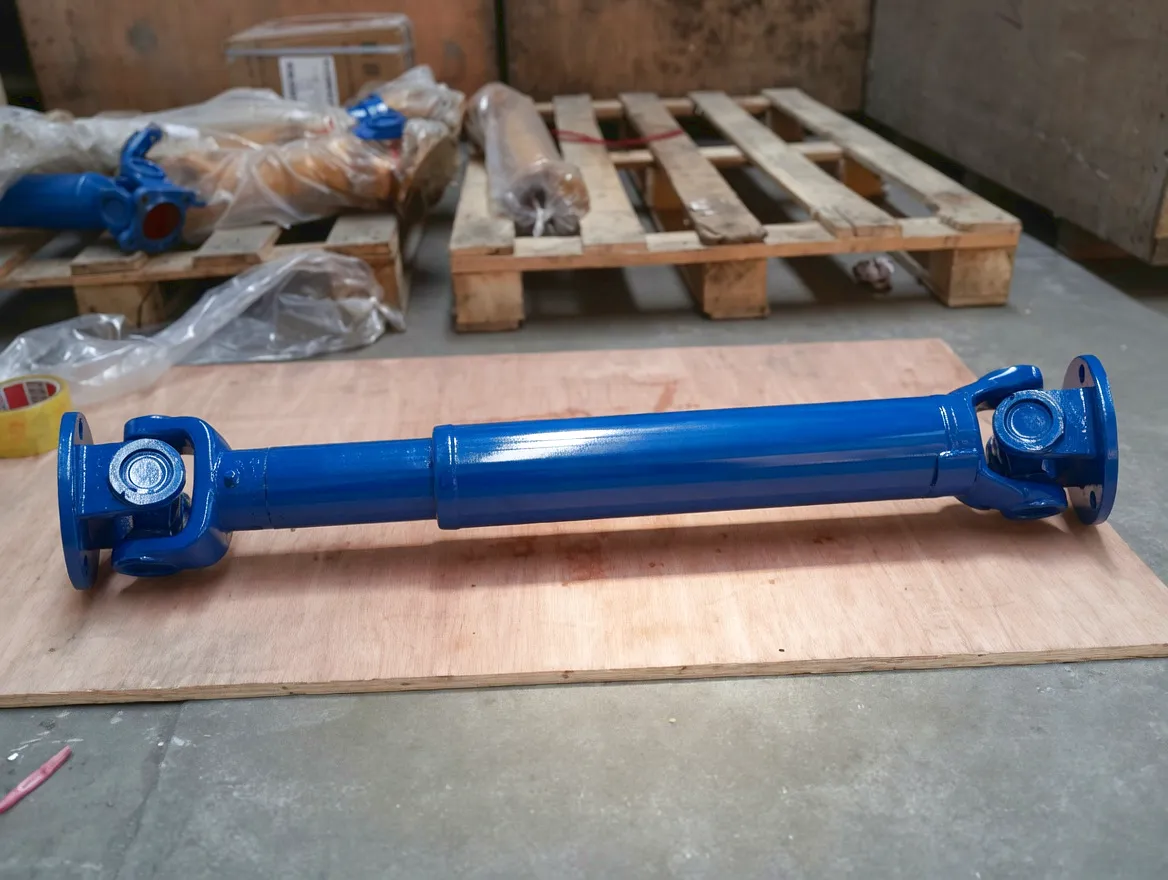
Custom services include: non-standard spline profiles and bore diameters to match legacy or proprietary input shafts; bespoke telescoping lengths for unusual hitch geometries; OEM-specified torque limiter settings with traceability documentation; bespoke guard profiles matched to the customer’s existing machine aesthetics; private-label branding and packaging; and small-batch prototype runs for new machine development programmes. Whether you need five shafts for a fleet retrofit or five thousand for a production-line supply contract, our team can provide a competitive price, technical data sheet, and sample within a timeline that works for your project schedule.
Shipping to UK agricultural machinery dealers, OEM assembly facilities, and individual farm addresses is handled through established freight partners with customs clearance documentation prepared as standard — a practical necessity for post-Brexit supply chain compliance that we take care of on your behalf.
Custom Specification Checklist
Customer Success: How UK Agricultural Businesses Use Our Cardan Couplings
Real results from operations across England and Scotland.
Cambridgeshire Arable Contractor — Fleet Upgrade Programme
Eastern England, UK
A large arable contracting business operating across Cambridgeshire and Lincolnshire ran a mixed fleet of round balers and large square balers covering approximately 8,000 hectares of cereal straw and grass silage per season. Their previous PTO shafts — sourced from three different suppliers — were creating maintenance headaches, with inconsistent spider sizes meaning cross-kits stocked for one machine would not always fit another of nominally the same specification.
The contractor contacted Ever Power following a recommendation from their local machinery dealer. After reviewing the baler models in the fleet, we supplied a standardised range of 14 cardan coupling assemblies across four shaft series, all built to the same spider cross dimension and using a consistent spline profile. The transition to a single-supplier model reduced their spares inventory cost by around 30% and eliminated the incorrect-part issue entirely.
Over the following two seasons, the contractor reported zero driveshaft-related breakdowns during peak harvest periods — a stark contrast to the two incidents per season they had been experiencing previously. The integrated cam-type torque limiters on the baler shafts triggered correctly on three occasions when the pick-up encountered compacted windrow sections, preventing gearbox damage each time.
“We replaced the PTO shaft on our Krone baler three years running because the old ones wore out at the spider bearings before the season was done. The Ever Power shaft has now gone through two full seasons without a grease or a problem. The difference in quality is obvious when you hold the two side by side.”
“We needed a non-standard length shaft with a larger-than-catalogue bore for an older New Holland baler we rebuilt for a customer. Ever Power’s team turned around a technical drawing for approval within 24 hours and the finished shaft arrived in under three weeks. That sort of response time from a custom supplier is genuinely rare.”
“Running a mixed dairy and arable operation in Dumfriesshire means our equipment works in demanding conditions — steep slopes, wet ground, tight headlands. The cardan coupling we sourced from Ever Power for our Claas baler has handled everything the Scottish weather has thrown at it. The torque limiter saved us from a serious jam incident in a heavy ryegrass field last June.”
How to Select the Right Cardan Coupling for Your Round Baler
Getting the specification right before ordering prevents the most common field failures. Here is the information you need to gather before contacting a supplier — and the reasoning behind each parameter that matters most in round baler service.
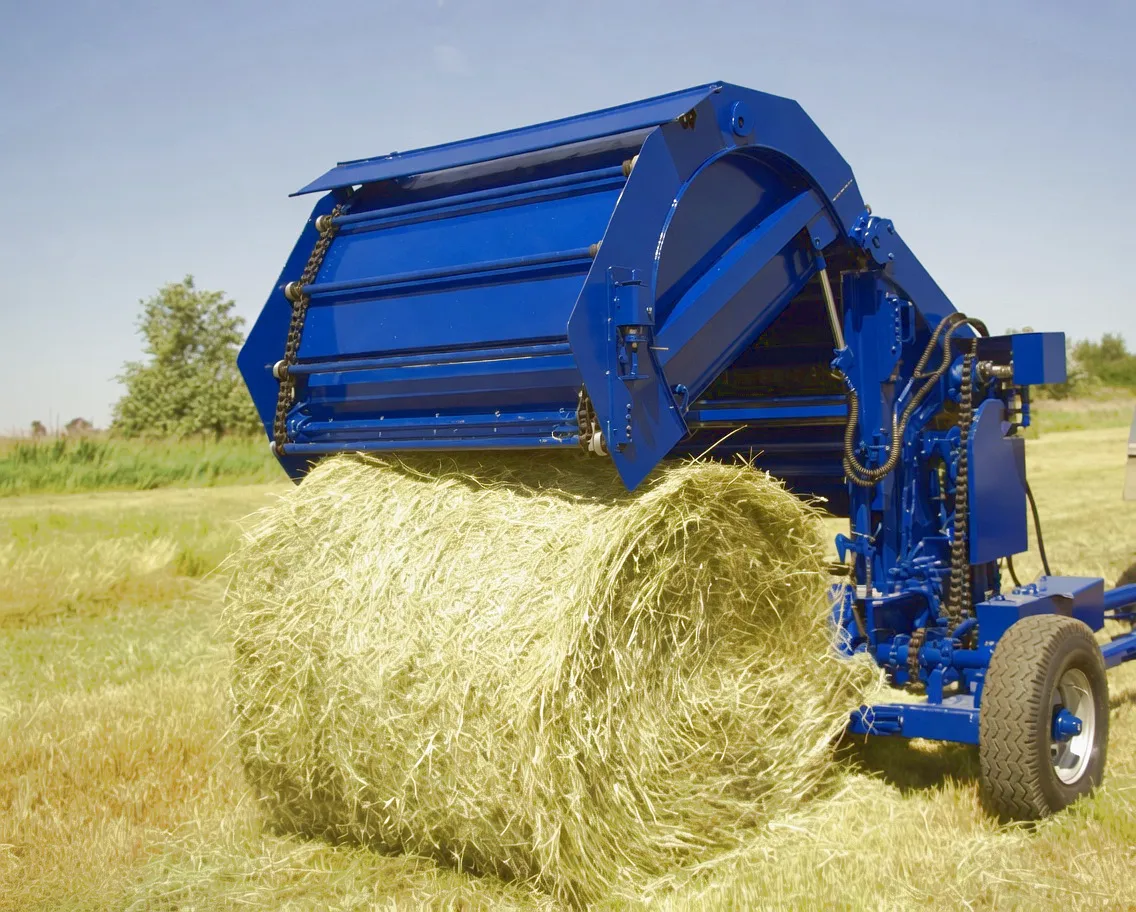
The starting point is always the baler manufacturer’s published power and torque requirements. Most modern UK round balers — whether variable-chamber machines from manufacturers like Claas, Krone, John Deere, or New Holland, or fixed-chamber designs — publish their maximum PTO power requirement and recommended shaft series in the operator manual or parts catalogue. If you are sourcing a replacement shaft, the original part number is a valuable starting reference but should never be assumed to be the only option, particularly if the machine has been uprated or modified since manufacture.
The critical specification to verify is the torque rating of the shaft series. Agricultural PTO shafts are typically categorised by series — W2000, W2400, W3500, and so on — with each series defined by the diameter and strength of the yokes, the size of the spider cross, and the rated torque value. Using an underrated shaft series on a high-output baler is a common mistake that leads to premature cross joint failure, often on the first heavy-crop baling day of the season.
Measure the collapsed and extended lengths of the existing shaft, the PTO stub spline (six-spline 34.9 mm or 21-spline 44.5 mm are the UK-standard 540 and 1,000 RPM profiles respectively), and the baler’s input yoke connection type. With these four pieces of information — torque series, lengths, spline, and connection — a competent supplier can specify the correct cardan coupling within minutes.
PTO Shaft Series Comparison: Round Baler Selection Reference
Use this table as a starting reference when matching cardan coupling series to your baler’s power class. Confirm exact specifications with your supplier before ordering.
| Series | Rated Torque (Nm) | Typical Baler Class | Max PTO HP (approx.) | Recommended Torque Limiter |
|---|---|---|---|---|
| W2000 | 500 – 800 | Compact / small round baler | up to 60 hp | Shear bolt |
| W2400 | 800 – 1,400 | Mid-range variable chamber | 60 – 120 hp | Shear bolt or friction clutch |
| W3500 | 1,400 – 2,500 | Large / high-density baler | 120 – 200 hp | Cam-type or friction clutch |
| W5000 / Custom | 2,500 – 5,000+ | Heavy-duty / combination machine | 200+ hp | Cam-type / custom overload |
Foire aux questions
Common questions from UK agricultural machinery operators, dealers, and OEM procurement teams.
Ready to Specify the Right Cardan Coupling for Your Operation?
Whether you need a standard replacement PTO shaft for a round baler, a custom-engineered assembly for a new machine, or technical support choosing the right torque series for your fleet — our engineering team is ready to help. UK agricultural dealers and contractors are welcome to request volume pricing.
Ever Power | Agricultural Drive Technology | UK Shipping Available | Custom Orders Welcome
edit by gzl