Home > Products > Cardan Coupling > Marine Propulsion Shaft Systems
Why Marine Propulsion Demands a Specialised Cardan Coupling
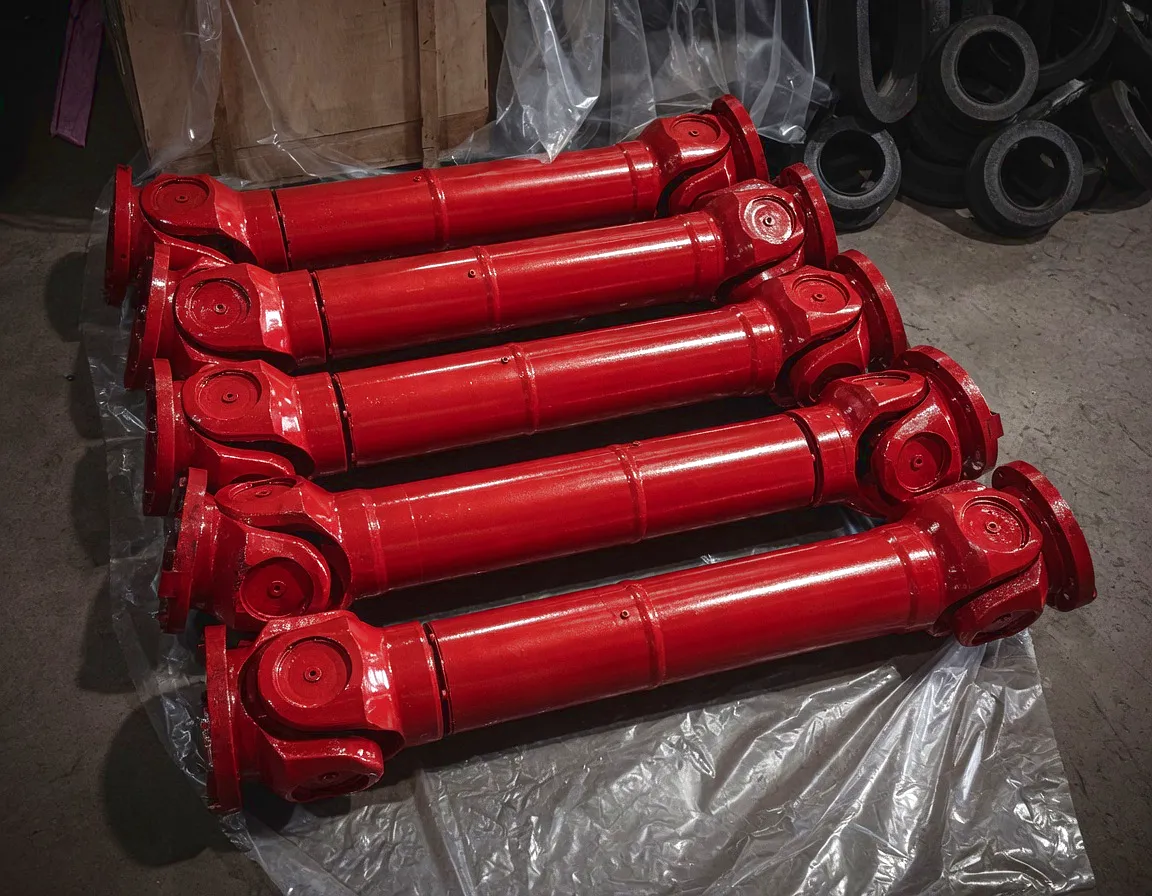 Every vessel that crosses the English Channel, navigates the North Sea, or docks at Southampton faces a fundamental mechanical challenge: the engine sits in one position, the propeller sits in another, and the ocean never stops moving between them. Hull flexion caused by wave loading creates constant angular and axial misalignment between the prime mover and the propeller shaft. Without a reliable coupling to absorb that movement, the drivetrain would tear itself apart within hours. That is precisely the problem a marine-grade telescopic cardan coupling solves — and it does so while transmitting enormous torque loads at sustained rotational speeds, often in saltwater environments that would corrode lesser components in a matter of months.
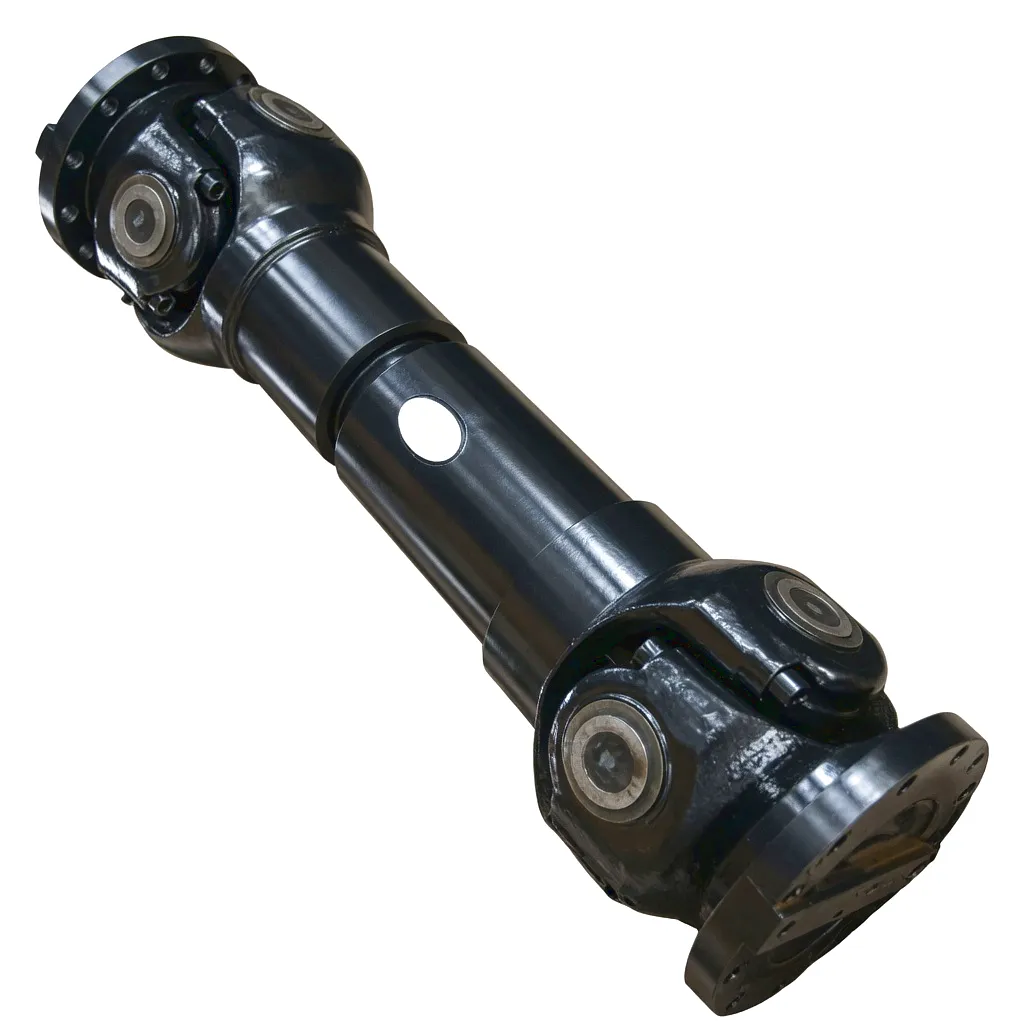
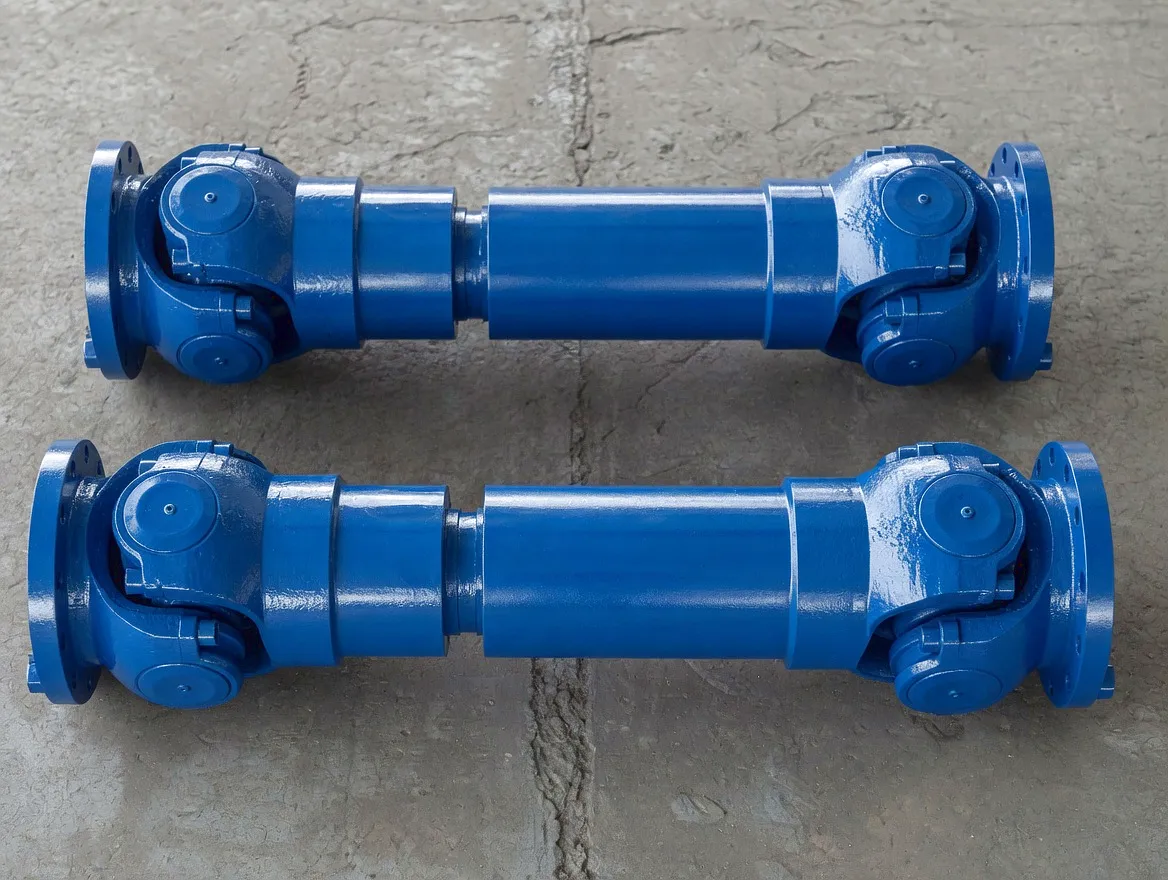
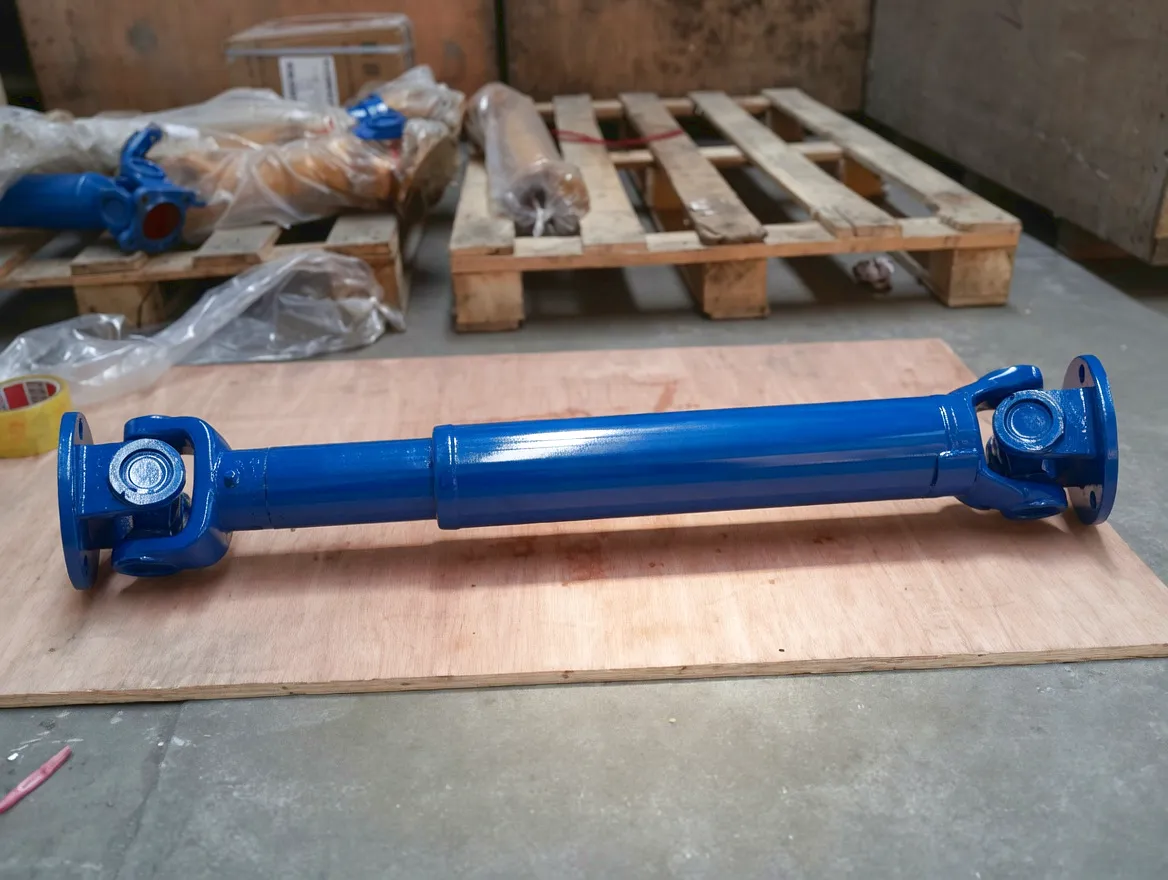
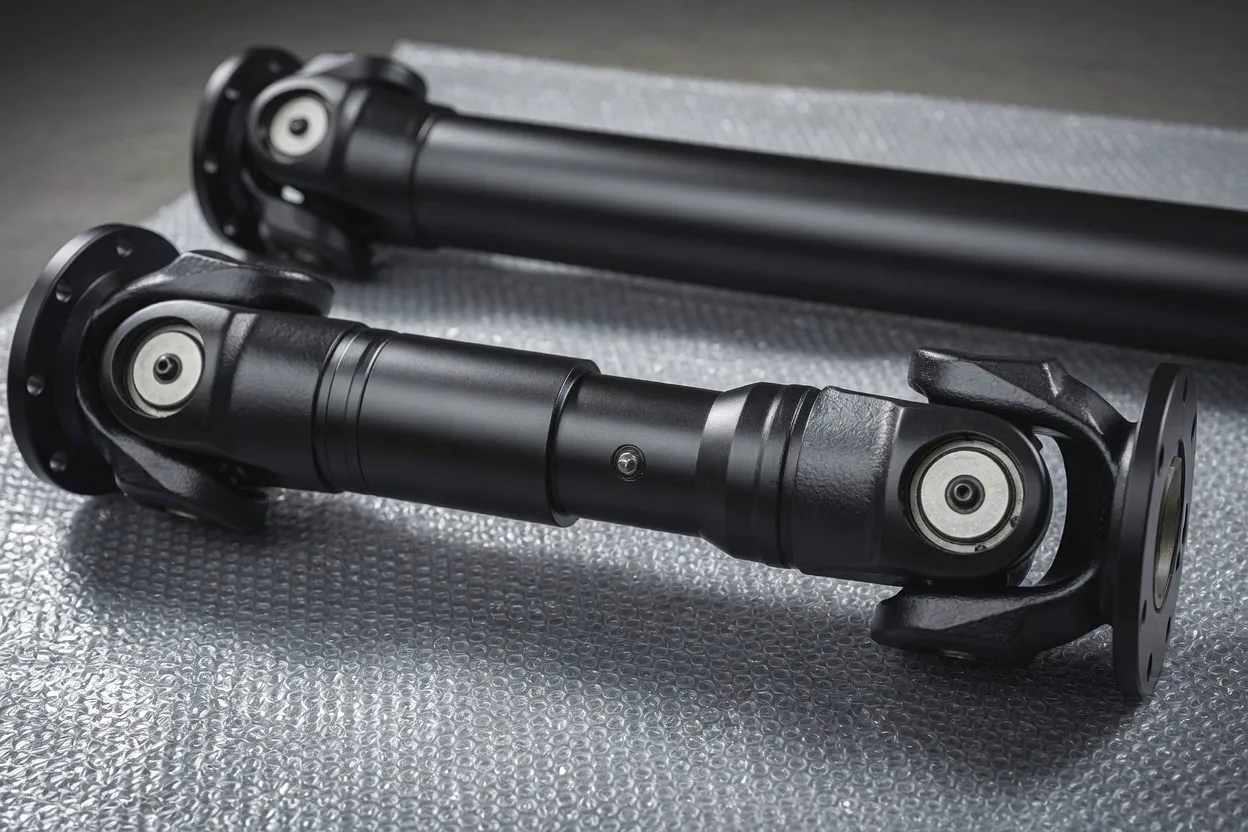
Unlike rigid couplings or simple flexible elements, a cardan coupling uses a universal joint mechanism — typically two yokes connected by a cross-journal bearing — to permit angular displacement while maintaining continuous power transfer. When you add telescopic functionality and a corrosion-resistant surface treatment, you get a component purpose-built for the marine sector. This article draws on nearly two decades of field application data and engineering consultation to walk you through the principles, material science, selection criteria, and real-world case studies behind cardan couplings in marine propulsion shaft systems. Whether you operate a 12-metre fishing trawler out of Grimsby or a 90-metre superyacht based in Poole, the underlying engineering applies — only the scale changes.
How a Marine Cardan Coupling Actually Works
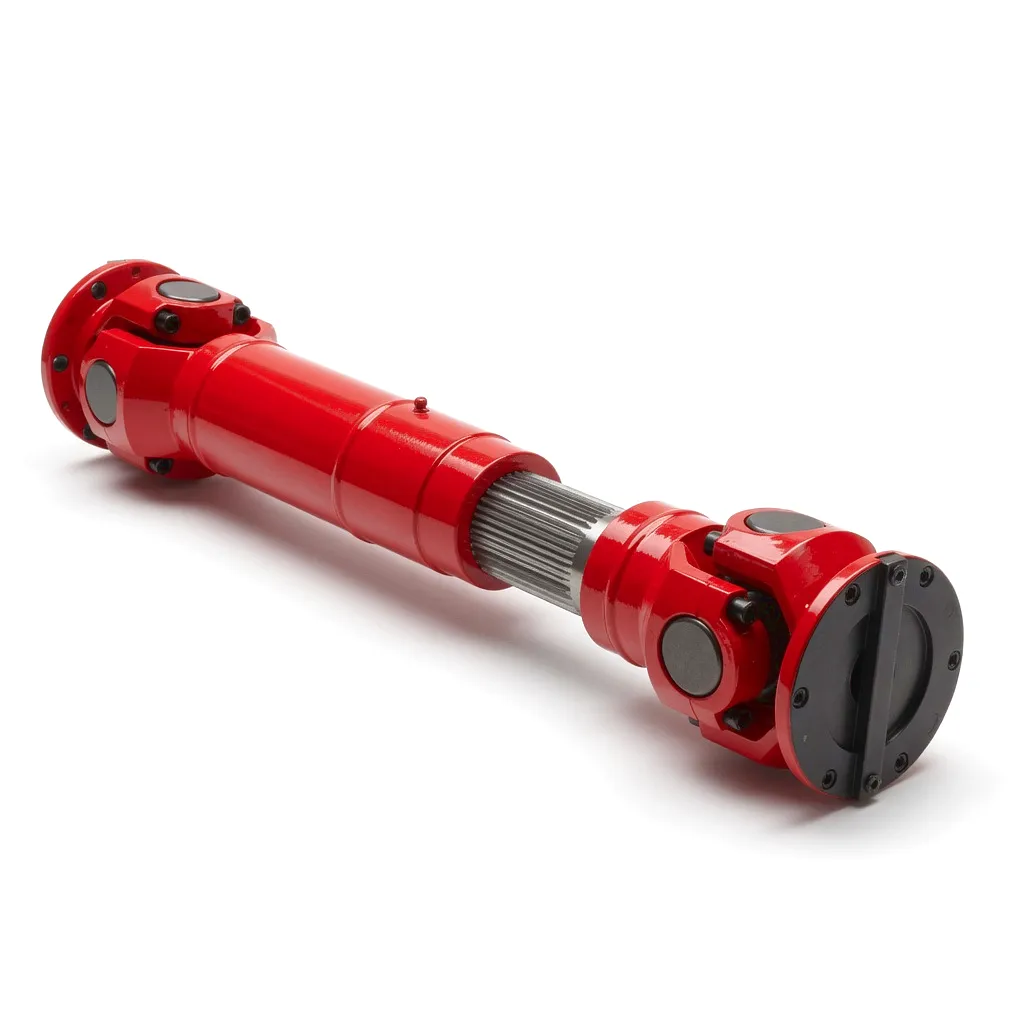
 The operating principle of a cardan coupling traces back to the Hooke joint, a concept refined over centuries but still rooted in elegant geometry. Two forked yokes grip either end of a cruciform bearing, and the geometry of that cross allows each yoke to pivot independently around its own axis. When the input shaft rotates, the cross-journal transfers that rotation to the output shaft — even when the two shafts sit at an angle to one another. In a single-joint configuration, the output speed varies cyclically (a well-known kinematic trait), so marine cardan shafts almost always use a double-joint arrangement. With two universal joints phased 90 degrees apart, the velocity fluctuation from the first joint is cancelled by the second, delivering constant velocity to the propeller. This cancellation is critical in propulsion systems because non-constant velocity would introduce torsional vibration that propagates through the entire hull structure.
The telescopic element adds another degree of freedom. Marine engines are mounted on resilient blocks that allow the powerplant to shift axially as the hull flexes, as thermal expansion changes component lengths, or as the vessel pitches through heavy seas. A splined telescopic section between the two universal joints permits this axial displacement without imposing thrust loads on the bearings. The combination of angular misalignment compensation and axial travel makes the marine cardan coupling a complete motion-management solution — not merely a torque transmitter. In practical terms, this means the coupling absorbs the movements the sea imposes on the vessel, so the engine and gearbox can operate within their design tolerances regardless of wave conditions.
Materials and Corrosion-Resistant Coatings for Saltwater Environments
Seawater is one of the most aggressive corrosive environments any mechanical component will ever face. Chloride ions attack carbon steel relentlessly, and the combination of moisture, salt, biological fouling, and stray electrical currents from onboard systems accelerates degradation well beyond what you would see in an industrial plant. For a cardan coupling installed in a marine propulsion shaft system, material selection is not a secondary consideration — it is the primary engineering decision that determines service life. Ever Power’s marine cardan shafts start with high-strength alloy steel forgings (typically 42CrMo4 or equivalent) for the yokes and shaft body, giving the component the toughness and fatigue resistance needed to handle cyclic torque loads over millions of revolutions.
The cross-journal bearings use case-hardened bearing steel with needle roller elements, and the entire assembly receives a multi-layer corrosion protection package. Depending on the application severity, this may include zinc-nickel electroplating as a base layer, followed by an epoxy-phosphate primer and a marine-grade polyurethane topcoat. For vessels that operate in tropical waters or that have bilge areas where standing water contacts the coupling, Ever Power also offers duplex stainless steel (SAF 2205) journal crosses and Inconel 625 bearing cups — materials originally developed for offshore oil and gas platforms and now increasingly specified by UK-based naval architects for high-value yacht builds. The telescopic spline section receives a hard-chrome plating layer followed by a PTFE-impregnated sealant that serves double duty: reducing sliding friction and blocking moisture ingress into the spline teeth. This layered approach means each surface is protected by at least two independent barrier systems, so even if one layer is compromised by mechanical damage, the underlying metal remains shielded.
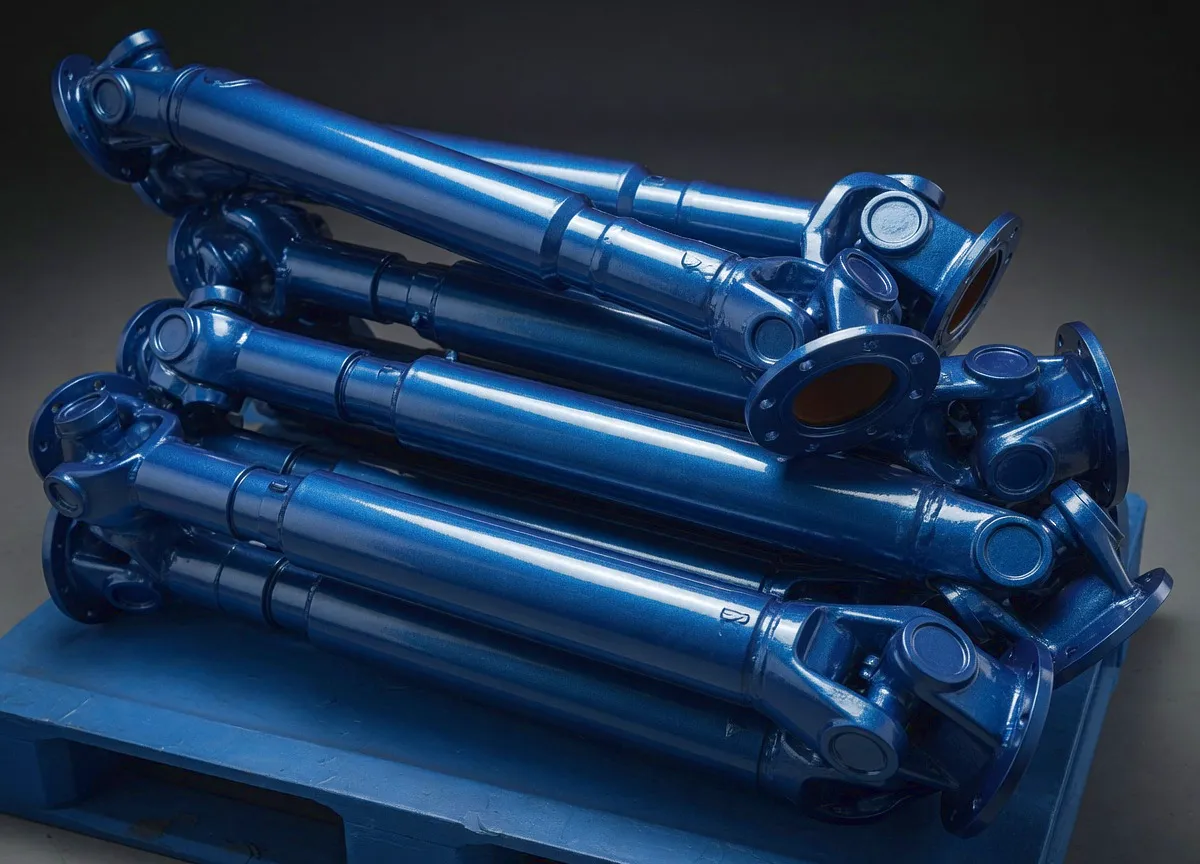
Performance Specifications — Marine Cardan Coupling Range
The table below outlines the core performance envelope for Ever Power’s marine-rated telescopic cardan shafts. Each parameter has been validated through bench testing and confirmed in operational marine installations across the North Sea, English Channel, and Mediterranean fleets serviced from UK ports.
| Parameter | Range / Value | Notes |
|---|---|---|
| Nominal Torque Capacity | 500 – 85,000 Nm | Scalable across vessel classes |
| Peak Torque (Short-Duration) | Up to 2.5 x nominal | Covers engine start-up surge |
| Operating Speed | 100 – 3,600 RPM | Dynamic balancing available |
| Angular Misalignment | Up to 15 degrees per joint | Double-joint configuration |
| Axial Telescopic Travel | 20 – 200 mm | Spline length customisable |
| Shaft Diameter | 30 – 350 mm | Forged alloy steel standard |
| Corrosion Protection | Zn-Ni + Epoxy + PU topcoat | Optional duplex SS journals |
| Operating Temperature | -30 C to +120 C | Arctic-rated seals available |
| Classification Approvals | ABS, Lloyd’s Register, DNV | Certificates supplied with order |
| Design Life | 30,000+ operating hours | With scheduled lubrication |
Why Operators Choose Marine Cardan Couplings Over Alternatives
◆ Vibration Damping
The universal joint geometry inherently decouples torsional vibration between the engine and the propeller. Field measurements on cardan-equipped vessels consistently show 30–45 percent lower hull vibration readings compared to rigid flange connections. This translates directly into crew comfort, reduced structural fatigue, and quieter passenger cabins — a selling point that resonates strongly with UK charter and superyacht operators.
◆ Noise Reduction
Drivetrain noise aboard a vessel often originates at the coupling interface where misalignment forces generate cyclic bearing loads. A properly specified cardan coupling eliminates that forcing function by accommodating misalignment within the joint itself, rather than transmitting it as noise through the shaft system. UK regulatory compliance under the Maritime and Coastguard Agency noise exposure guidelines becomes far simpler when the drivetrain is inherently quieter at the source.
◆ Misalignment Tolerance
Marine engines move. Resilient mounts deflect under load, hulls hog and sag with wave action, and thermal growth shifts component positions throughout a voyage. A cardan coupling handles angular offsets up to 15 degrees per joint and axial displacements measured in centimetres — far beyond what an elastomeric disc coupling or gear coupling can manage without accelerated wear. This tolerance margin gives naval architects freedom to optimise engine placement for weight distribution rather than being constrained by shaft alignment geometry.
◆ Extended Service Intervals
With corrosion-resistant coatings and sealed needle-roller bearings, marine cardan couplings from Ever Power reach 30,000 operating hours before requiring major overhaul — roughly five to seven years of commercial service. Contrast that with elastomeric couplings that may need element replacement every 8,000 to 12,000 hours, and the total cost of ownership argument becomes compelling. For fleet operators managing multiple vessels from ports like Falmouth, Aberdeen, or Belfast, longer service intervals mean fewer dry-dock days and higher utilisation rates.
Where Marine Cardan Couplings Are Installed Across the UK Fleet
The versatility of a telescopic cardan coupling makes it suitable for a remarkable range of vessel types. While the fundamental engineering requirement — compensating misalignment while transmitting torque — remains constant, each application brings its own set of constraints and priorities. Here is how cardan couplings serve different segments of the UK marine industry.
Commercial Cargo Vessels
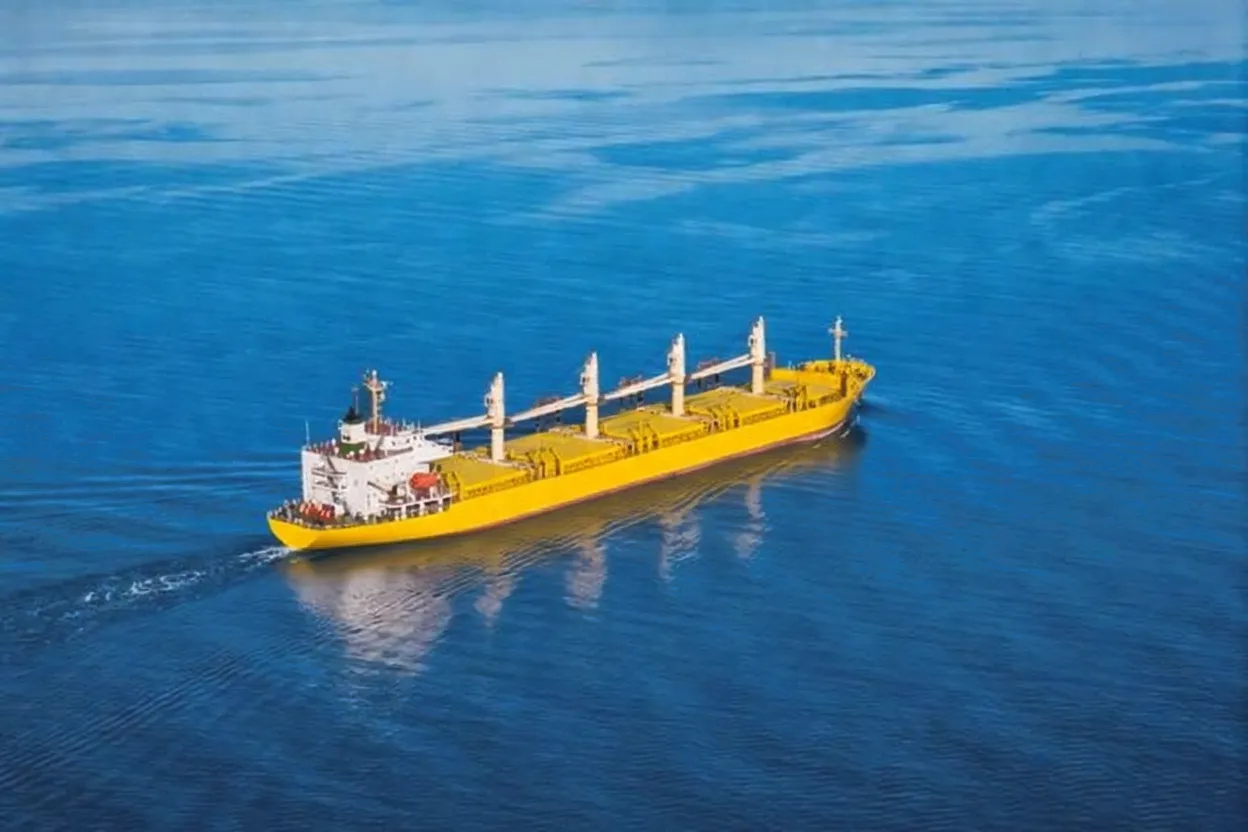
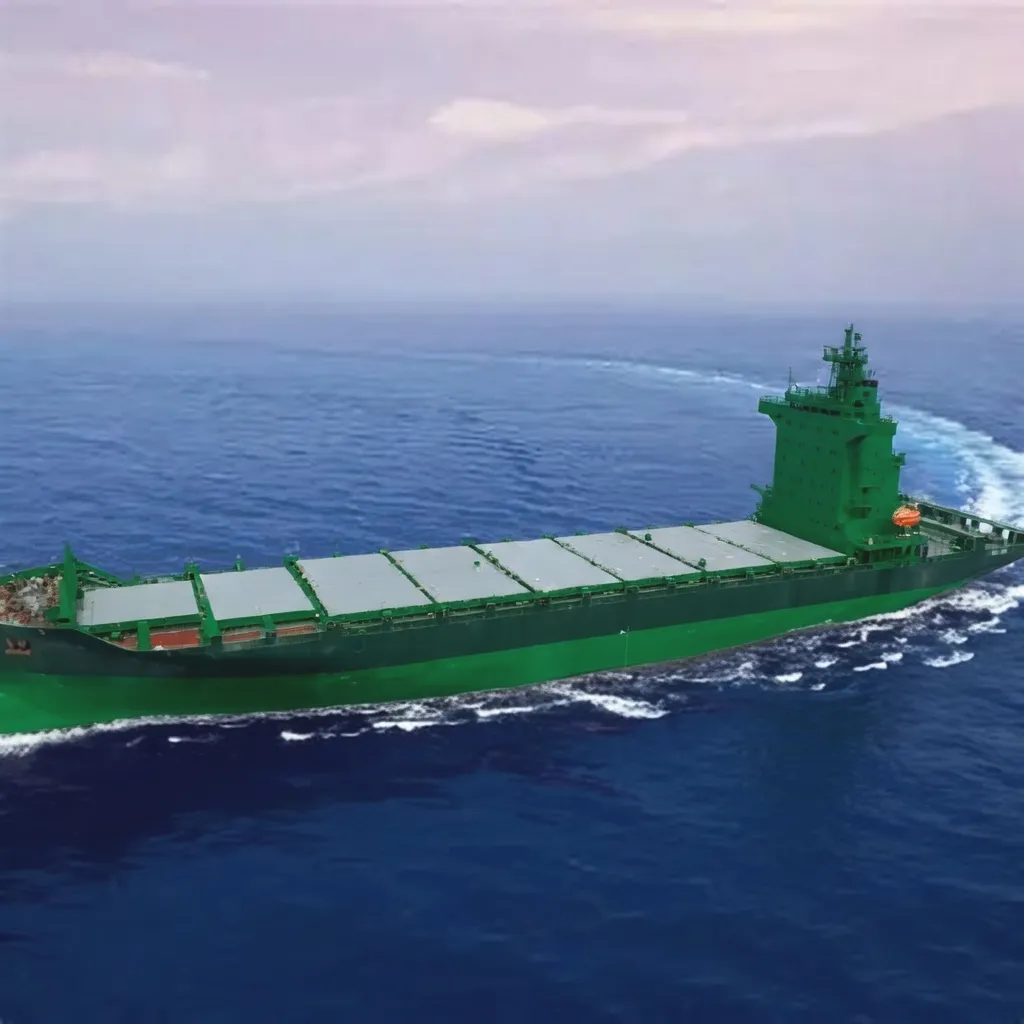
Bulk carriers and container feeder ships operating from Felixstowe, Tilbury, and Liverpool rely on cardan couplings rated for 40,000–85,000 Nm. These vessels run engines at sustained high loads for days at a time, and the coupling must handle not only wave-induced misalignment but also the torsional impulses generated by heavy-fuel-oil engines with relatively irregular firing patterns. ABS or Lloyd’s Register certification is mandatory for insurance and port state control compliance, and Ever Power supplies full material traceability documentation with every marine cardan shaft in this class.
Passenger Ferries & RoPax Vessels
Cross-Channel ferries and Scottish island services face unique demands: rapid port turnarounds, frequent manoeuvring at low speed, and passenger comfort standards that impose strict vibration and noise limits. A cardan coupling installed on a RoPax vessel operating between Portsmouth and Caen, for instance, must deliver smooth torque transfer during slow-speed docking manoeuvres while also handling full-power transit at 20+ knots in open water. The vibration isolation properties of the cardan joint architecture are particularly valuable here, keeping cabin noise below regulatory thresholds even with large medium-speed diesels driving the shaft.
Superyachts & Luxury Motor Yachts
The UK’s Solent-based yacht building industry — centred around Poole, Southampton, and Lymington — demands the highest standards of refinement. On a 30-metre-plus motor yacht, any vibration felt through the deck is considered unacceptable. Cardan couplings in this segment are typically finished to tighter tolerances, dynamically balanced at the factory, and supplied with vibration test certificates. Duplex stainless steel and Inconel bearing components are frequently specified to eliminate any risk of corrosion staining in the engine room, which on a luxury yacht is often visible through glass panels and expected to look pristine.
Fishing Trawlers & Workboats
Fishing vessels operating from Grimsby, Peterhead, and Brixham face perhaps the harshest combination of conditions: heavy wave loading, aggressive saltwater spray, extreme duty cycles with frequent speed changes during trawling operations, and limited on-board maintenance capability. Cardan couplings for this segment prioritise robustness and ease of servicing over cosmetic finish. Grease nipple access points are positioned for single-handed operation, and the telescopic spline is sealed with heavy-duty wiper seals rated for submersion, because bilge water in a working fishing boat is a reality, not an edge case.
Engineering Considerations When Specifying a Marine Cardan Coupling
 Selecting the right cardan coupling for a marine propulsion system involves more than matching torque ratings to engine output. The coupling sits at the intersection of multiple engineering disciplines — structural, thermal, hydrodynamic, and acoustic — and the specification process must account for all of them. Start with the continuous torque requirement, which is typically 1.2 to 1.5 times the rated engine torque to provide a service factor margin. Then consider the peak torque during engine start-up, clutch engagement, and propeller fouling events; these transient loads can reach 2 to 3 times nominal and the coupling must absorb them without yielding the journal cross or deforming the yoke bores.
Angular misalignment is driven by the hull structural analysis — specifically, the predicted deflection of the hull girder between the engine foundation and the stern tube under various loading conditions. For a steel-hulled cargo vessel, this might be 2 to 4 degrees; for a lighter aluminium yacht hull, it could reach 6 to 8 degrees under extreme conditions. The telescopic travel must accommodate axial displacement from thermal growth (engine block expansion at operating temperature versus cold start dimensions) plus hull deflection, with a safety margin of at least 20 percent beyond the calculated maximum. Speed ratings matter as well: above about 2,000 RPM, the cardan shaft must be dynamically balanced to prevent centrifugal forces from exciting lateral vibration modes. Ever Power provides computerised dynamic balancing to ISO 1940 Grade 2.5 or better for all shafts rated above 1,500 RPM.
Classification Society Approvals and Regulatory Compliance
No marine cardan coupling can be installed on a classed vessel without approval from the relevant classification society. In the UK market, the primary bodies are Lloyd’s Register (headquartered in London), the American Bureau of Shipping (ABS, with a significant UK presence), and DNV (formerly Det Norske Veritas, active across North Sea and Channel operations). Each classification society requires material certificates, manufacturing process documentation, non-destructive testing records, and in some cases, witnessed factory acceptance testing. Ever Power maintains active type approval certificates with all three societies, which means individual orders can reference the existing approval rather than requiring project-specific certification — saving weeks from the delivery timeline and reducing the documentation burden on the shipyard or vessel owner.
Beyond class requirements, UK-flagged vessels must comply with the Maritime and Coastguard Agency (MCA) regulations derived from the International Maritime Organisation (IMO) conventions. The SOLAS convention addresses structural fire protection and machinery space safety; the International Code on Noise Levels covers crew exposure limits. A cardan coupling indirectly supports compliance with noise regulations by reducing the vibration transmitted through the hull, but the coupling itself must also meet material fire-resistance standards if installed in certain machinery space zones. Ever Power’s standard marine coatings carry a flame-spread index compatible with IMO Resolution A.653(16), eliminating the need for additional fire-retardant wrapping that some competitor products require.
Aberdeen Offshore Supply Vessel Fleet — A Complete Drivetrain Upgrade
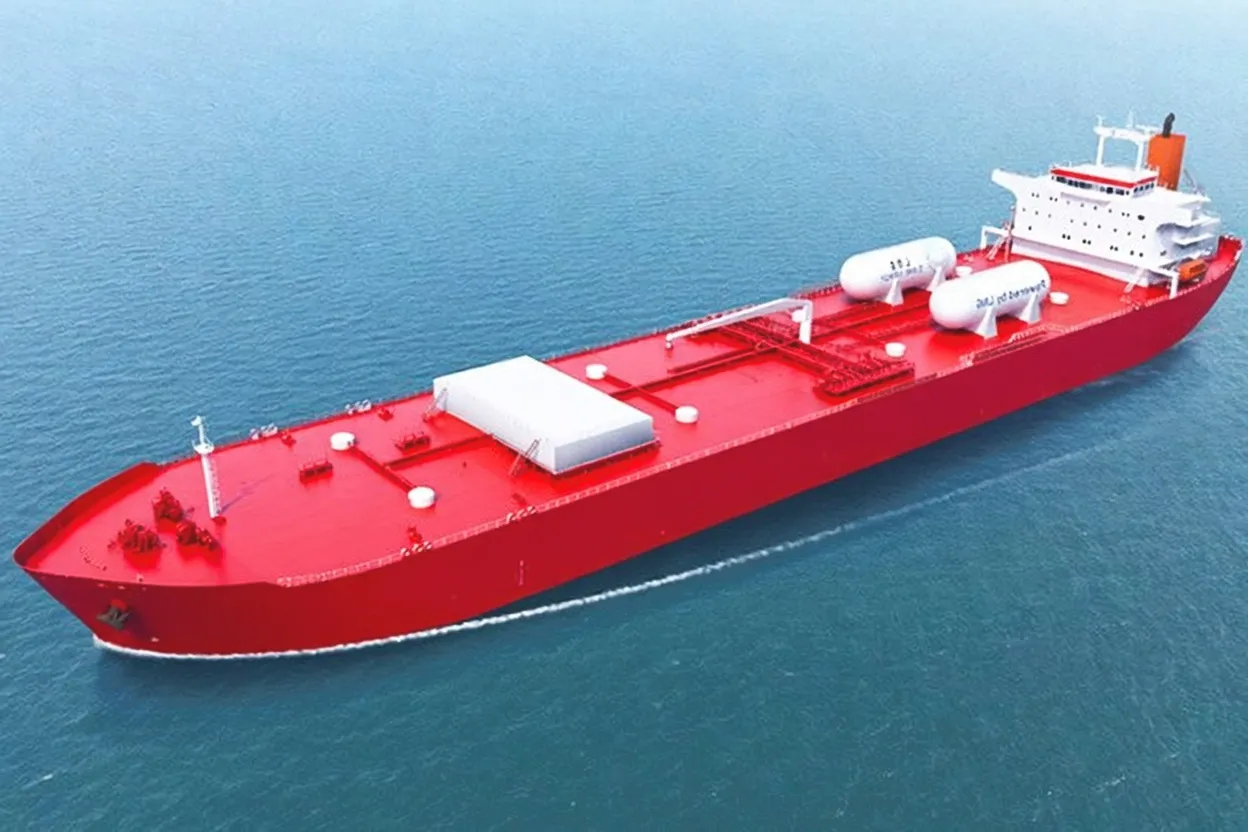
In 2023, a well-established offshore logistics company based in Aberdeen approached Ever Power with a persistent reliability problem across its fleet of six platform supply vessels (PSVs). These 75-metre vessels each ran twin propulsion lines powered by medium-speed diesel engines producing 2,800 kW per shaft. The original drivetrain used large elastomeric disc couplings that had been specified at build in 2014, and by 2022, the fleet was averaging 1.8 unplanned coupling failures per vessel per year. Each failure required an emergency dry-docking — typically at a Tyneside or Dundee yard — costing the operator approximately GBP 85,000 in direct repair costs plus an average of 11 days of lost charter revenue at GBP 18,000 per day. The annual cost of coupling-related downtime across the six-vessel fleet exceeded GBP 1.5 million.
Ever Power’s marine engineering team conducted a root cause analysis and determined that the elastomeric elements were degrading prematurely due to a combination of factors: ozone exposure in the engine room ventilation stream, high ambient temperatures from adjacent exhaust runs, and dynamic misalignment loads that exceeded the coupling’s rated capacity during heavy weather transits in the northern North Sea. The solution was a like-for-like dimensional retrofit using marine-grade telescopic cardan shafts with duplex stainless steel journal crosses and Viton-sealed needle roller bearings. The cardan coupling’s higher misalignment capacity — 12 degrees per joint versus the 1.5 degrees the elastomeric coupling could handle — eliminated the overload condition entirely. Over the 18 months following the retrofit, the fleet recorded zero coupling-related failures, saving an estimated GBP 2.3 million in avoided downtime and repair costs.
What Our Clients Say
“We had been replacing elastomeric coupling elements twice a year on each vessel, and it was killing our utilisation figures. The Ever Power cardan shafts went in during scheduled dry-docking, and eighteen months later we have not touched them. The vibration readings are lower than anything we measured with the original equipment.”
— James Hargreaves, Fleet Engineering Manager
Offshore Supply Vessel Operator, Aberdeen, Scotland
“We specified Ever Power cardan couplings for a 42-metre motor yacht build at our Southampton yard. The owner’s brief demanded near-silent operation at cruising speed, and the cardan shaft delivered. Cabin noise levels came in 4 dB below our target, which is significant in the luxury segment. The Lloyd’s Register paperwork was also handled cleanly — certificates arrived before the surveyor’s inspection.”
— Catherine Marchetti, Principal Naval Architect
Yacht Design Consultancy, Southampton, England
“Running three trawlers out of Peterhead, I need gear that works and does not fuss. The cardan couplings from Ever Power have been running for two full seasons now with nothing but a grease gun every 500 hours. Compared to the old setup, the lads say the engine room is noticeably quieter. And the price was fair — they matched the continental suppliers.”
— Alistair McKenzie, Owner-Operator
Commercial Fishing Fleet, Peterhead, Scotland
Ever Power’s Custom Engineering and Production Capability
Marine propulsion is never a catalogue exercise. Every vessel has its own shaft line geometry, its own engine and gearbox combination, and its own set of operational constraints that make off-the-shelf components a compromise at best and a failure risk at worst. Ever Power operates a dedicated marine coupling division equipped with CNC lathes up to 2-metre swing diameter, induction hardening facilities for bearing surfaces, and a climate-controlled coating line for applying the multi-layer corrosion protection systems described earlier in this article. The production workflow begins with a detailed design review — usually conducted remotely with the naval architect or yard engineer using 3D CAD model exchange — and proceeds through material procurement (with full EN 10204 3.1 mill certificates), machining, heat treatment, assembly, testing, and documentation. Typical lead times range from 4 weeks for standard sizes with minor customisation to 10 weeks for fully bespoke large-diameter shafts requiring classification society witness testing.
Customisation options extend well beyond dimensional changes. Ever Power can modify flange drilling patterns to match existing gearbox and stern tube flanges (avoiding costly adapter plates), integrate torsional vibration dampers into the coupling assembly for engines with problematic firing orders, supply intermediate bearing support housings for long shaft runs, and provide complete shaft-line alignment calculations using finite-element hull deflection data supplied by the yard. For retrofit projects where the original coupling manufacturer is no longer available or has discontinued the product line, Ever Power’s engineering team can reverse-engineer the interface dimensions from survey measurements taken aboard the vessel, producing a drop-in replacement that requires no modification to adjacent components.
Maintenance Practices That Maximise Cardan Coupling Service Life at Sea
A well-maintained marine cardan coupling will outlast most other drivetrain components aboard the vessel. The maintenance regime is straightforward but must be followed consistently — neglect leads to bearing failure, and bearing failure at sea is an event with serious safety and commercial consequences. Lubrication is the single most important maintenance task. The needle roller bearings in the universal joints require replenishment with marine-grade lithium complex grease at intervals of 400 to 600 operating hours, depending on the operating environment. Vessels in tropical waters or those that experience frequent bilge flooding should use the shorter interval. Ever Power supplies each coupling with a laminated maintenance card that specifies the grease type, quantity per bearing, and the pressure limit to avoid displacing the bearing seals — a common mistake that actually accelerates wear by admitting seawater.
Beyond lubrication, periodic visual inspection of the coating system is essential. Marine engineers should look for chips, scratches, or blistering that could expose base metal to corrosive attack. Minor coating damage can be repaired in situ using touch-up kits supplied by Ever Power, while more extensive damage may warrant removing the coupling during a scheduled dry-dock for workshop recoating. The telescopic spline section should be checked for free axial movement — if the spline becomes stiff or gritty, it indicates either lubricant breakdown or particulate contamination, both of which require disassembly, cleaning, re-lubrication, and seal replacement. Alignment checks using laser alignment tools should be performed at each dry-docking interval, comparing the measured misalignment against the coupling’s rated capacity and adjusting engine mounts or stern tube bearings if necessary. These practices, combined with the inherent durability of the cardan coupling design, routinely deliver service lives exceeding 30,000 hours — and in several UK installations, Ever Power couplings have passed 40,000 hours without major overhaul.
Marine Cardan Coupling vs. Alternative Coupling Types
| Feature | Cardan Coupling | Elastomeric Disc | Gear Coupling |
|---|---|---|---|
| Angular Misalignment | Up to 15 deg | 1 – 1.5 deg | 0.5 – 1 deg |
| Axial Displacement | 20 – 200 mm | 2 – 5 mm | 1 – 3 mm |
| Vibration Damping | Excellent | Good | Moderate |
| Service Life (hours) | 30,000+ | 8,000 – 12,000 | 15,000 – 20,000 |
| Saltwater Suitability | Engineered | Limited | Moderate |
| Classification Approval | ABS / LR / DNV | Varies | Available |
Serving the British Marine Industry from Design to Delivery
Ever Power has supported UK marine operators, shipyards, and naval architecture practices for over 15 years, developing a deep understanding of the regulatory landscape, the operational conditions specific to British waters, and the commercial pressures facing vessel owners and managers. The company maintains distribution and technical support partnerships that cover every major UK port and shipbuilding region: the Solent corridor for yacht construction and refit, the Clyde and Tyne for commercial shipbuilding, Aberdeen for offshore supply and subsea operations, and the south-west ports of Falmouth and Plymouth for fishing and coastal shipping. Spare parts for standard coupling ranges are held in UK-based warehousing, enabling next-day delivery for unplanned maintenance requirements — a capability that matters enormously when a vessel is sitting in dry dock accumulating costs every hour it remains out of service.
Technical consultation is available remotely or on-site. Ever Power’s application engineers can attend vessel surveys, participate in shipyard design review meetings, and provide alignment supervision during coupling installation. For operators managing vessels from UK ports but sailing under foreign flags, Ever Power’s multi-class certification (ABS, Lloyd’s Register, DNV, Bureau Veritas, RINA) ensures that the coupling documentation satisfies flag state requirements regardless of registry. This international coverage is particularly relevant for UK-managed fleets that register vessels in the Isle of Man, Gibraltar, or Cayman Islands — common structures in the commercial shipping and superyacht sectors.
Common Questions About Marine Cardan Couplings in the UK
What does a marine-grade cardan coupling cost for a 60-metre commercial vessel in the UK?
Pricing depends on torque rating, shaft diameter, telescopic travel, material specification, and classification requirements. For a 60-metre commercial vessel with twin shaft lines, budget pricing typically falls in the range of GBP 8,000 to GBP 22,000 per coupling assembly, inclusive of corrosion-resistant coating and documentation. Contact Ever Power at [email protected] for a project-specific quotation — detailed pricing is provided within 48 hours of receiving the shaft line specification.
Where can I find a reliable cardan coupling supplier for marine propulsion near Southampton or the Solent?
Ever Power supplies marine-grade cardan couplings to shipyards, refit facilities, and marine engineering firms throughout the Solent region, including Southampton, Poole, Lymington, and Cowes. With UK-based stock holding and next-day delivery capability, urgent orders for standard sizes can be fulfilled within 24 hours. Custom marine shafts carry lead times of 4 to 10 weeks depending on specification complexity.
How do I know which cardan coupling size is right for my fishing trawler’s engine and propeller shaft?
Sizing a cardan coupling requires the engine’s rated torque output, the operating speed range, the measured or calculated angular misalignment between engine and stern tube, the required axial travel, and the shaft and flange diameters. Ever Power’s application engineers can walk you through the selection process — email your engine and gearbox datasheets to [email protected] and the team will return a fully specified recommendation within two working days.
Can a cardan coupling be retrofitted to replace a failed elastomeric coupling on a North Sea offshore vessel?
Yes, cardan couplings can be engineered as direct dimensional replacements for elastomeric disc or rubber-element couplings. Ever Power regularly performs retrofit projects for North Sea PSVs, anchor-handling vessels, and standby boats. The engineering team reverse-engineers the existing flange interfaces and delivers a drop-in replacement that requires no modification to the gearbox or stern tube connections. Retrofit projects typically complete within 6 to 8 weeks from survey to delivery.
What Lloyd’s Register or ABS certification do I need when ordering a cardan coupling for a classed UK vessel?
Classification requirements depend on the society, the vessel type, and the propulsion power rating. In most cases, the coupling must be manufactured from materials with society-approved mill certificates (EN 10204 3.1), and the finished coupling must pass non-destructive testing witnessed or reviewed by the society surveyor. Ever Power holds active type approval certificates with Lloyd’s Register, ABS, and DNV, which streamlines the approval process — the relevant certificates are included as standard with every marine-class order.
How often should I grease a marine cardan coupling, and what type of lubricant is recommended for saltwater conditions?
Lubrication intervals are typically 400 to 600 operating hours, using an NLGI Grade 2 marine lithium complex grease with corrosion inhibitors and a minimum dropping point of 260 C. Ever Power provides specific lubricant recommendations and quantity specifications with each coupling, matched to the bearing size and seal configuration. In tropical or high-corrosion environments, shorter intervals of 300 to 400 hours are advised.
Which UK ports and shipyards does Ever Power deliver marine cardan couplings to, and what is the typical lead time?
Ever Power delivers to all major UK ports and shipbuilding regions — Southampton, Poole, Falmouth, Plymouth, Belfast, Glasgow, the Tyne, Teesside, Aberdeen, Peterhead, and London-based marine operations. Standard catalogue sizes ship from UK stock within 24 hours. Custom marine cardan shafts with classification documentation have lead times of 4 to 10 weeks. For emergency breakdowns, Ever Power operates an expedited manufacturing programme that can reduce lead times to as little as 2 weeks for priority orders.
Ready to Specify a Marine Cardan Coupling for Your Vessel?
Send your shaft line drawings or engine specifications to our marine application engineers. Detailed quotations returned within 48 hours — ABS, Lloyd’s Register, and DNV certification included as standard.
© 2026 Ever Power — Marine Cardan Coupling Solutions for the UK Maritime Industry | [email protected]
edit by gzl