Introduction to Cardan Coupling for Air Quality Monitoring Devices
Keyword Content
- Cardan coupling
- Air quality monitoring devices
- Product introduction
- Benefits of using cardan coupling
- Application in air quality monitoring devices
- Customization options
What is Cardan Shaft Coupling?
1. Structure and Function
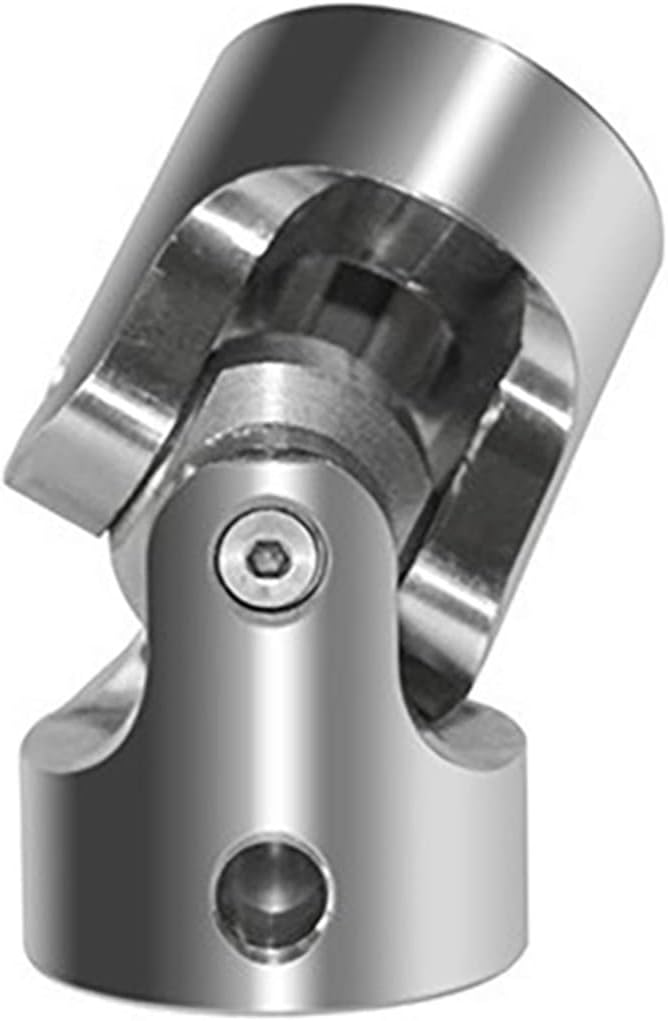
Cardan shaft coupling is a mechanical device used to transmit torque between two shafts that are not collinear. It consists of a universal joint and two yokes connected by a center cross. This design allows for smooth rotation and flexibility in various applications.
2. Advantages
Cardan shaft couplings are known for their high torque transmission capacity, flexibility, and ability to accommodate misalignment. They are durable, reliable, and require minimal maintenance, making them ideal for industrial applications.
3. Materials and Construction
These couplings are typically made of high-quality steel or alloy materials to ensure strength and durability. The construction includes precision machining and balancing to ensure smooth operation and long service life.
4. Installation and Maintenance
Cardan shaft couplings are relatively easy to install and maintain. Regular inspection and lubrication of the joints are recommended to ensure optimal performance and extend the lifespan of the coupling.
5. Applications
Cardan shaft couplings are widely used in various industries, including automotive, machinery, and aerospace, for transmitting power between shafts that are not aligned. They are also commonly used in air quality monitoring devices for efficient torque transmission.
What is the Purpose of a Cardan Shaft?
1. Torque Transmission
The primary purpose of a cardan shaft is to transmit torque between two shafts at an angle. This allows for the efficient transfer of power in applications where shafts are not aligned.
2. Flexibility
Cardan shafts provide flexibility in transmitting power between shafts that are not parallel. This flexibility helps accommodate misalignment and reduces stress on the shafts and other components.
3. Smooth Operation
By allowing for angular misalignment, cardan shafts help maintain smooth operation and reduce vibration and noise in the system. This contributes to overall system efficiency and performance.
4. Versatility
Cardan shafts are versatile and can be used in various applications, including air quality monitoring devices, where precise torque transmission is essential for accurate data collection and analysis.
5. Durability
Due to their robust construction and high-quality materials, cardan shafts are durable and reliable, ensuring long-term performance and minimal maintenance requirements in demanding environments.
What is the Purpose of a Double Cardan Joint?
1. Enhanced Angular Misalignment
Double cardan joints offer increased angular misalignment capabilities compared to single universal joints, making them suitable for applications where greater flexibility is required.
2. Reduced Vibration
The design of double cardan joints helps reduce vibration and noise in the system by providing smoother operation and improved torque transmission efficiency.
3. Improved Reliability
Double cardan joints are known for their reliability and durability in high-torque applications, offering stable performance and minimal maintenance requirements over time.
4. Precision Torque Transmission
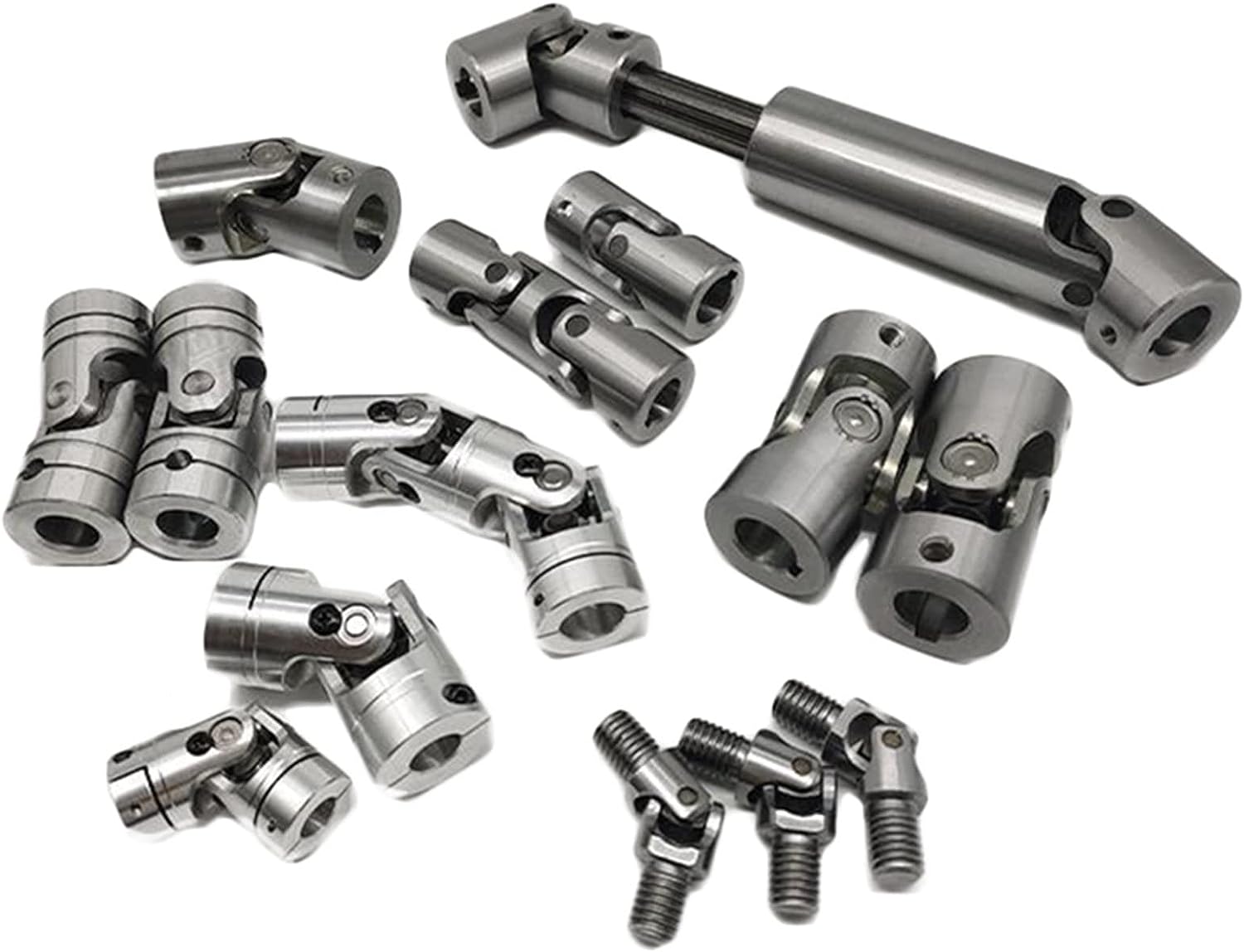
These joints ensure precise torque transmission between shafts, making them ideal for air quality monitoring devices where accurate data collection is essential for monitoring and analysis.
5. Versatile Applications
Double cardan joints can be used in a wide range of applications, including industrial machinery, automotive systems, and scientific instruments, where efficient torque transfer is critical for optimal performance.
How to Choose the Appropriate Cardan Coupling
- Consider the torque requirements and operating conditions of the application
- Choose the appropriate size and type of cardan coupling based on shaft dimensions
- Ensure compatibility with other components in the system for seamless integration
- Consider customization options for specific application requirements
- Consult with our experienced team for expert guidance and support in selecting the right cardan coupling
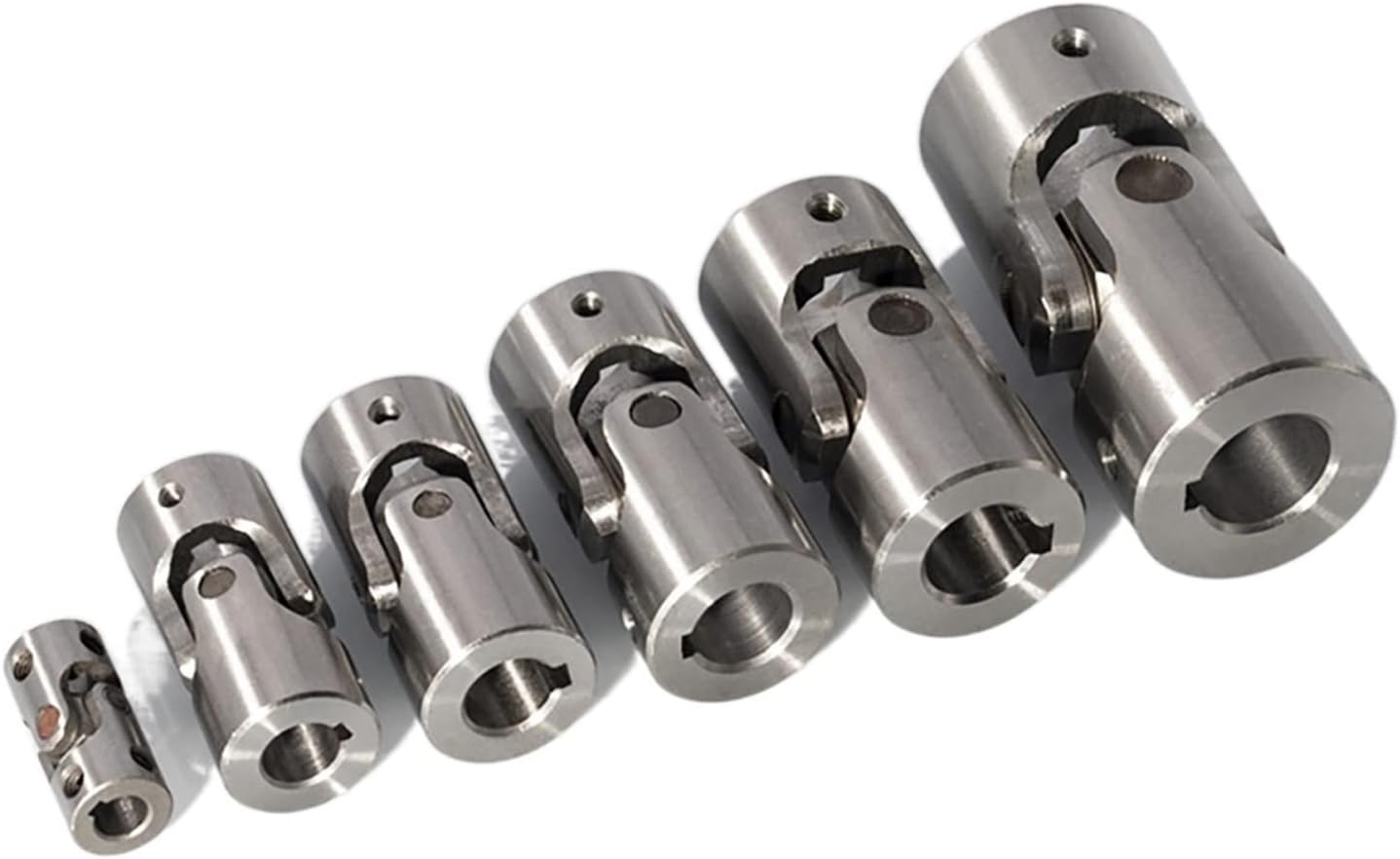
What is the Difference Between a Disc and a Cardan Coupling?
1. Design and Structure
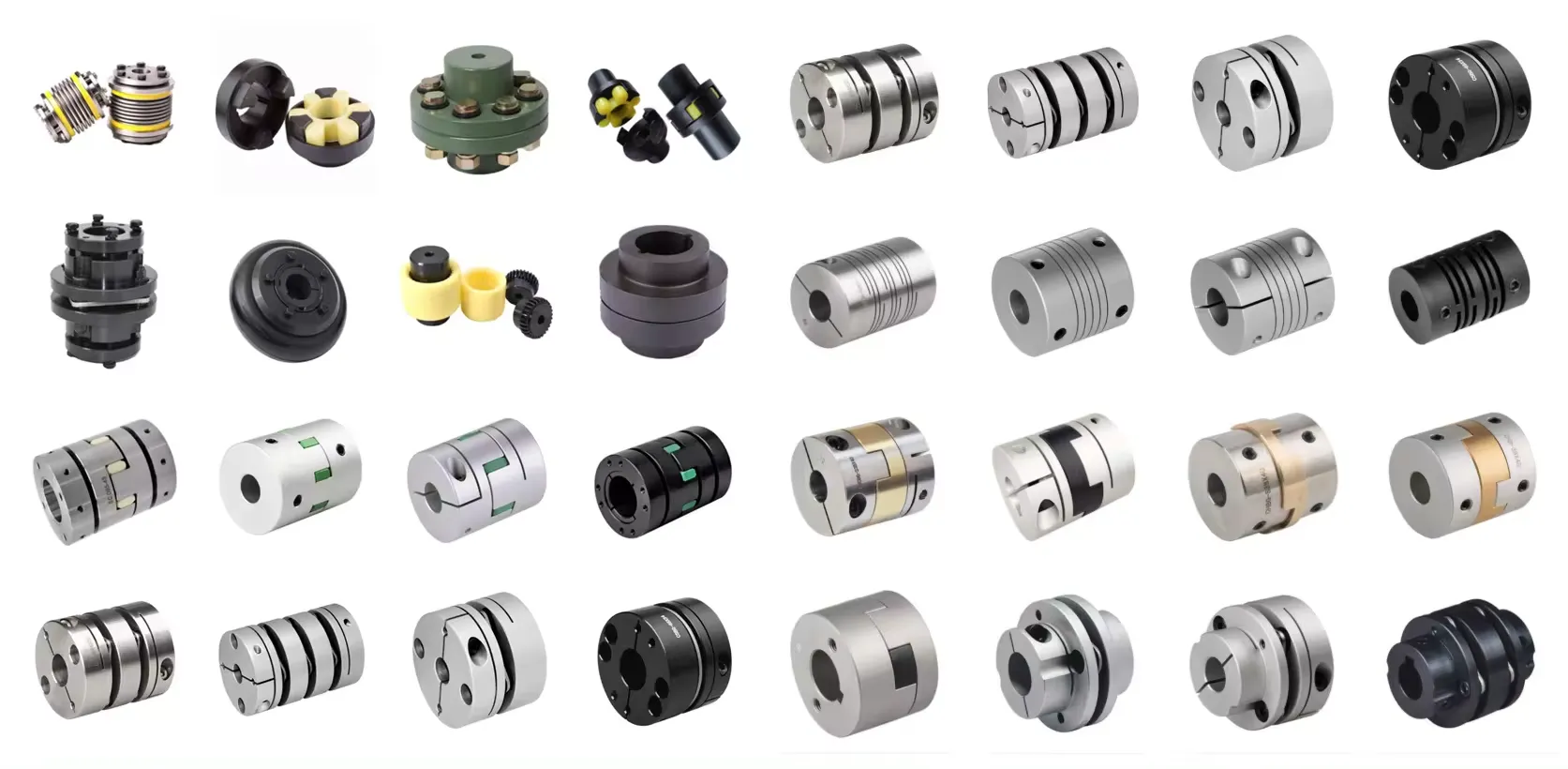
While both disc and cardan couplings are used for torque transmission, they differ in design. Disc couplings use flexible discs to transmit torque, while cardan couplings use universal joints for angular misalignment.
2. Misalignment Capacity
Cardan couplings offer higher angular misalignment capabilities compared to disc couplings, making them suitable for applications where flexibility is essential.
3. Torque Transmission Efficiency
Disc couplings provide higher torque transmission efficiency and accuracy compared to cardan couplings, making them suitable for precision applications.
4. Maintenance Requirements
Cardan couplings require regular inspection and lubrication of the joints to ensure optimal performance, while disc couplings have lower maintenance requirements due to their simple design.
5. Application Suitability
The choice between disc and cardan couplings depends on the specific requirements of the application. Disc couplings are ideal for high-precision applications, while cardan couplings are more versatile for a wide range of industrial applications.
About HZPT
Our company, HZPT, established in 2006, specializes in designing, developing, and producing high-quality couplings for various industries. With 20 years of ODM and OEM experience, we offer customized solutions to meet the unique needs of our global customers. Our commitment to quality, reliability, and customer satisfaction has earned us a strong reputation in Europe and the United States. We provide 24-hour service, competitive pricing, and a comprehensive range of coupling products to meet diverse industry needs. Contact us today to learn more about our products and services.