
Cardan Coupling for Combine Harvester Power Transmission: The Engineering Behind Uninterrupted Harvest
How precision-engineered cardan couplings keep modern grain harvesting machines running through the toughest field conditions — a deep-dive for procurement engineers, fleet managers, and agricultural OEMs across the UK and beyond.
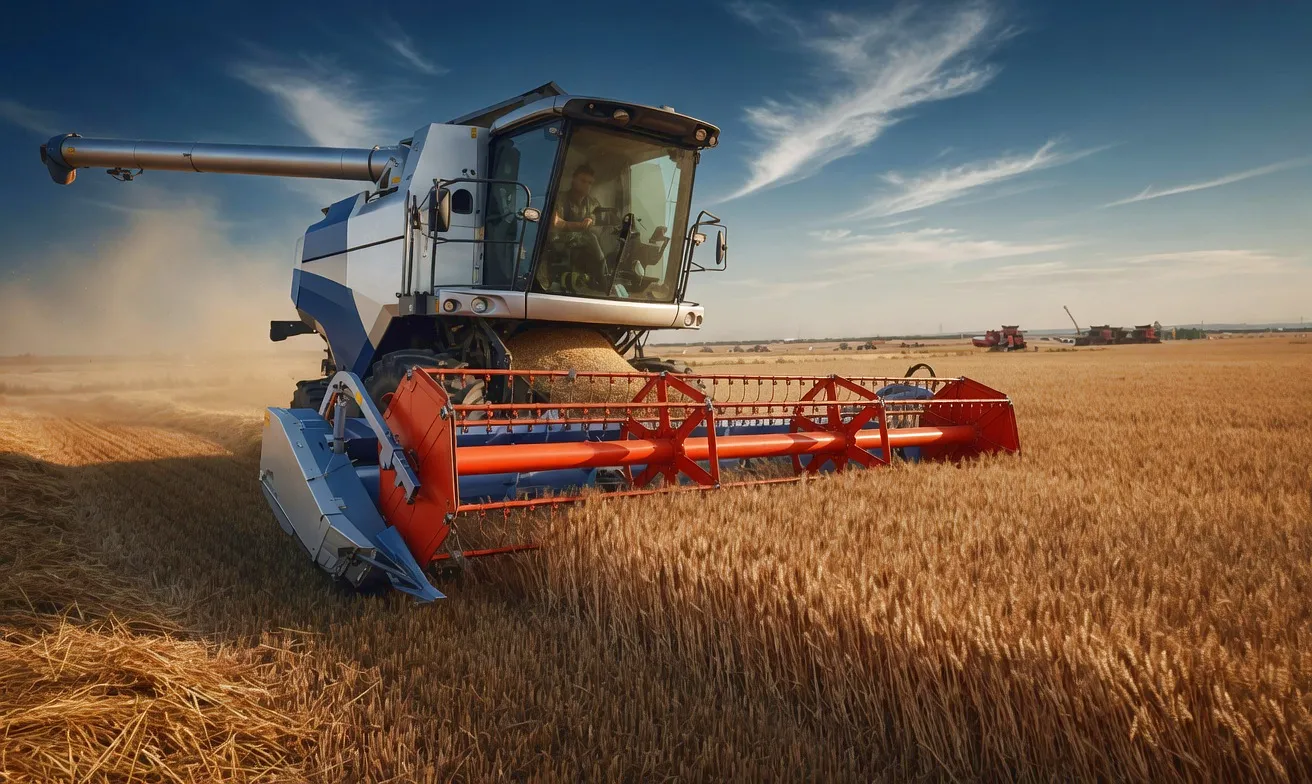
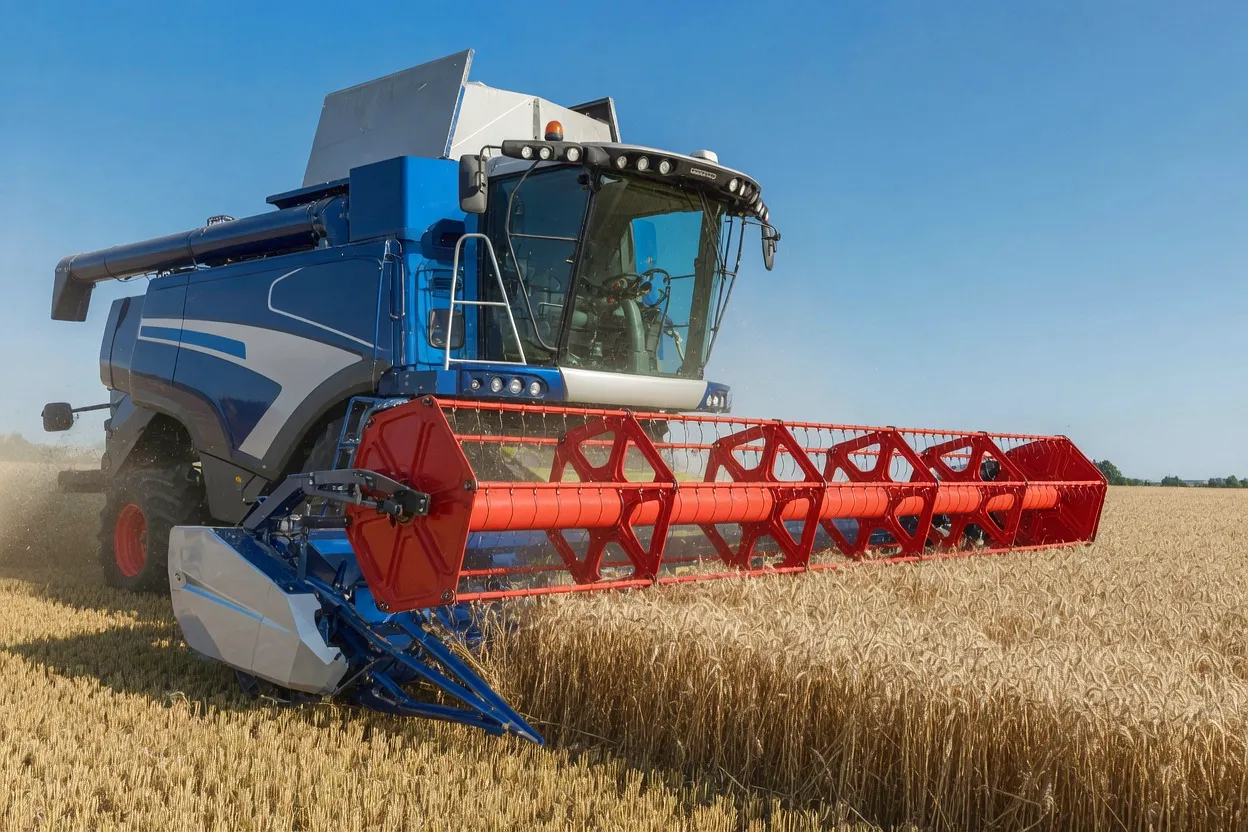 Harvest season in the UK runs on a narrow window — often no more than three or four weeks of reliable dry weather between late July and September. During that time, a combine harvester may run eighteen hours a day across terrain that shifts from compacted chalk downland to heavy clay vale in the space of a single farm. Inside that machine, dozens of rotating shafts must transfer power cleanly, continuously, and without complaint. The component connecting many of them — the cardan coupling, also known as a universal joint shaft or Cardan shaft — is one of the most mechanically demanding parts in the entire drivetrain.
Choosing the wrong cardan coupling, or running an ageing one past its service life, is one of the most common causes of mid-harvest mechanical downtime on British farms. This article examines why these couplings are so critical to combine harvester power transmission, what engineering characteristics separate a reliable unit from a problem-prone one, how UK agricultural operators and equipment manufacturers should approach specification, and what Ever Power brings to the table as a precision coupling supplier with global reach and genuine customisation capability.
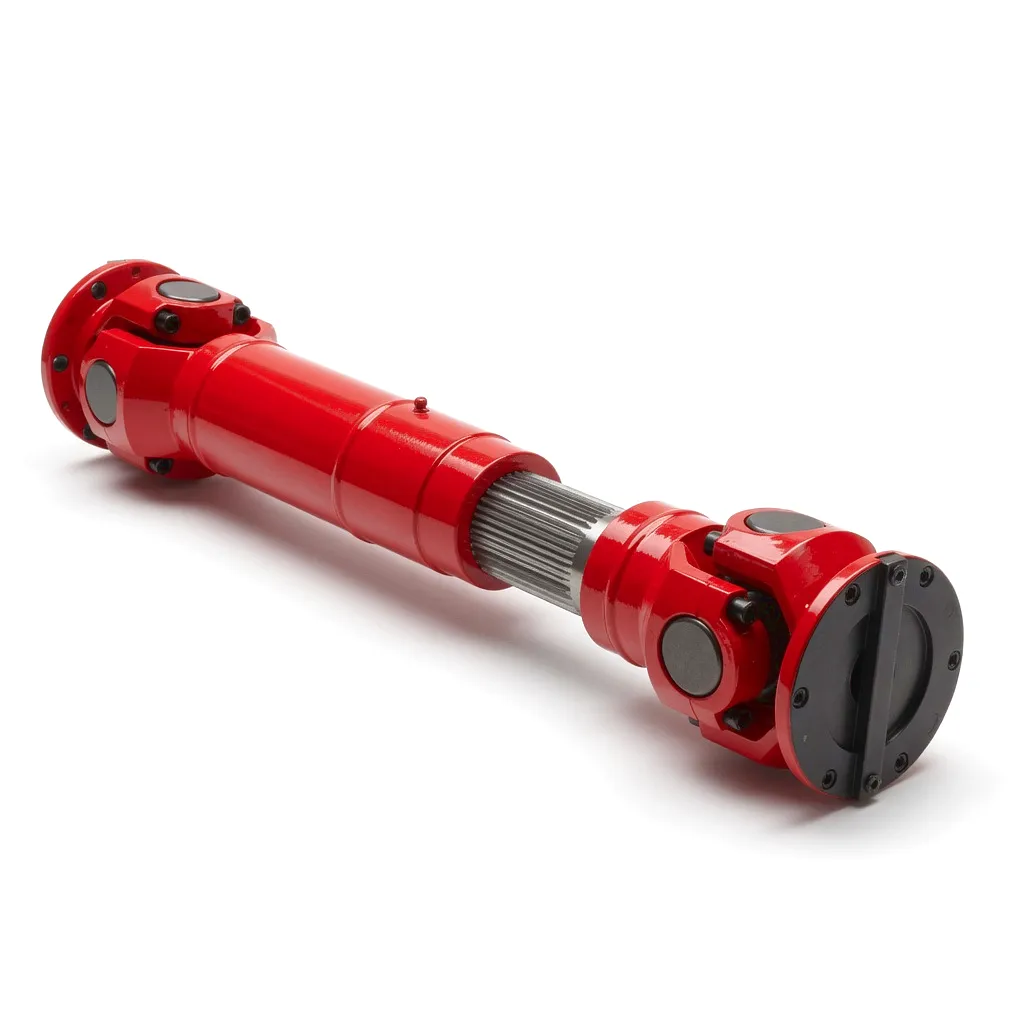
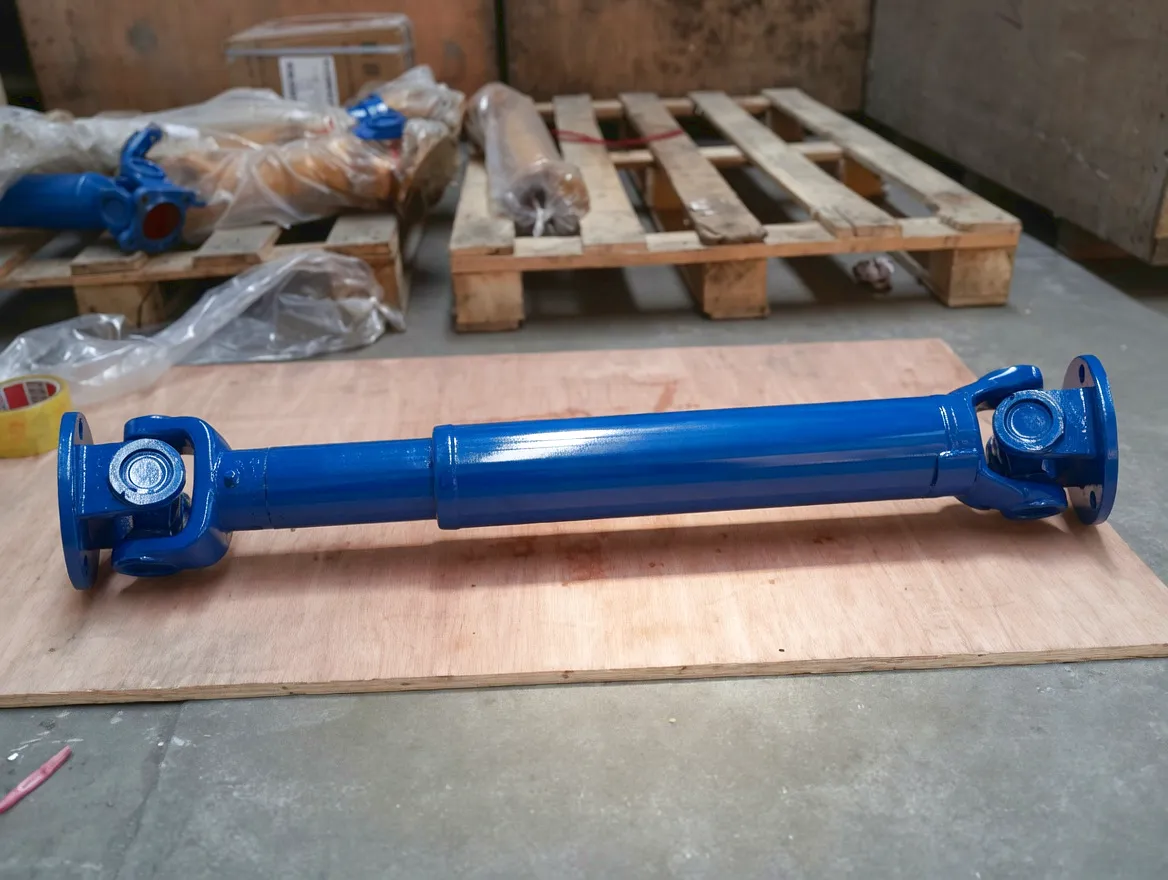
Ever Power Cardan Couplings
Precision-engineered for agricultural heavy-duty applications. Custom bore sizes, shaft lengths, torque ratings, and protective guard options available for combine harvester OEM and retrofit projects.
Why Combine Harvesters Place Exceptional Demands on Cardan Couplings
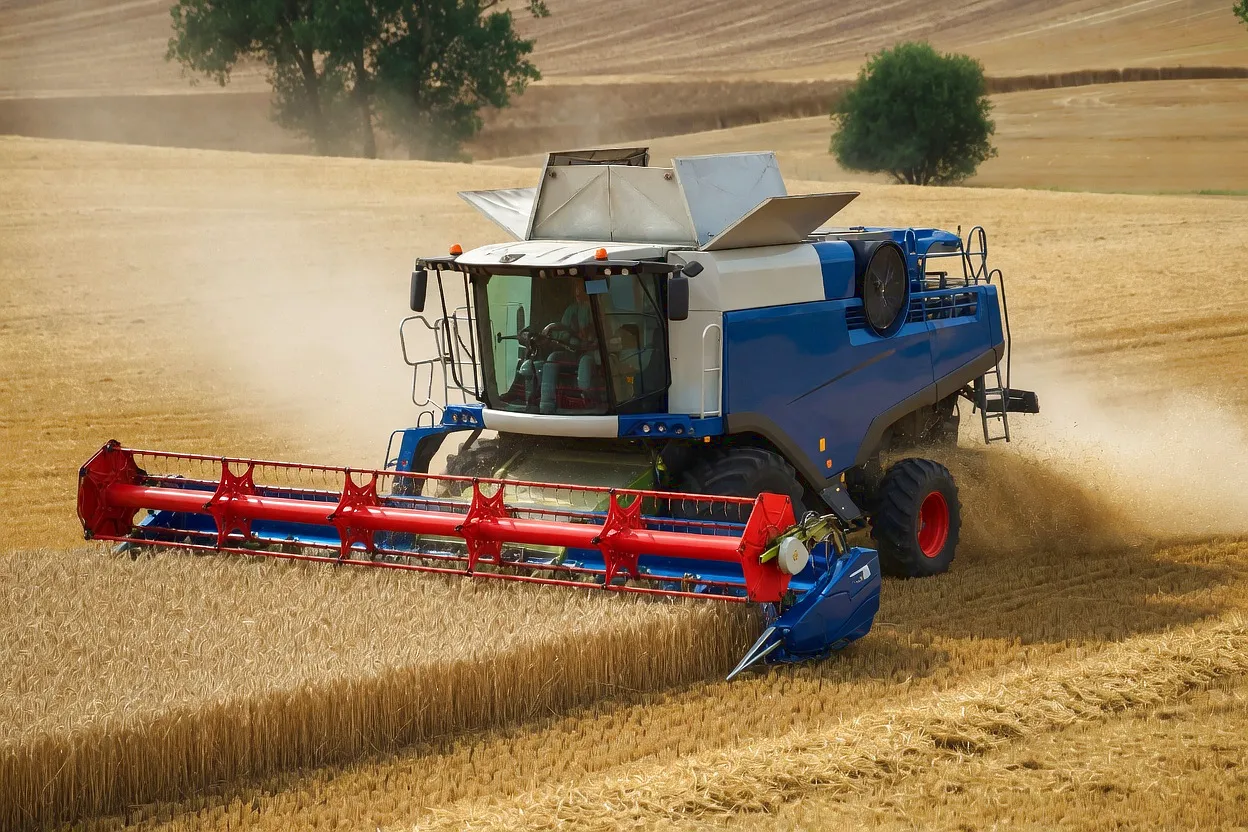
 A modern combine harvester is effectively six or seven machines merged into one moving platform. The header cuts and feeds the crop. The threshing drum separates grain from straw. The cleaning shoe sifts chaff using oscillating sieves. The straw walkers or rotors discharge the residue. The grain elevator carries the clean product up into the tank. The unloading auger transfers it to a trailer. Every one of these functional groups demands shaft power from the engine — and virtually every inter-shaft connection that involves angular offset, axial displacement, or torque interruption from stone strikes and sudden slug loads is a candidate for a cardan coupling.
The threshing rotor drive is particularly severe. In a Class VII or Class VIII combine running at full throughput in high-yield winter wheat, rotor torque peaks can reach four to five times the nominal value when a clump of damp, tangled straw hits the drum. The coupling must absorb this shock without transmitting it destructively into the gearbox. At the same time, seasonal fieldwork means hours of continuous rotation followed by weeks of storage — and any coupling that corrodes or seizes internally during the off-season becomes a safety hazard when spring crop inspections begin.
How a Cardan Coupling Actually Works in an Agricultural Drivetrain
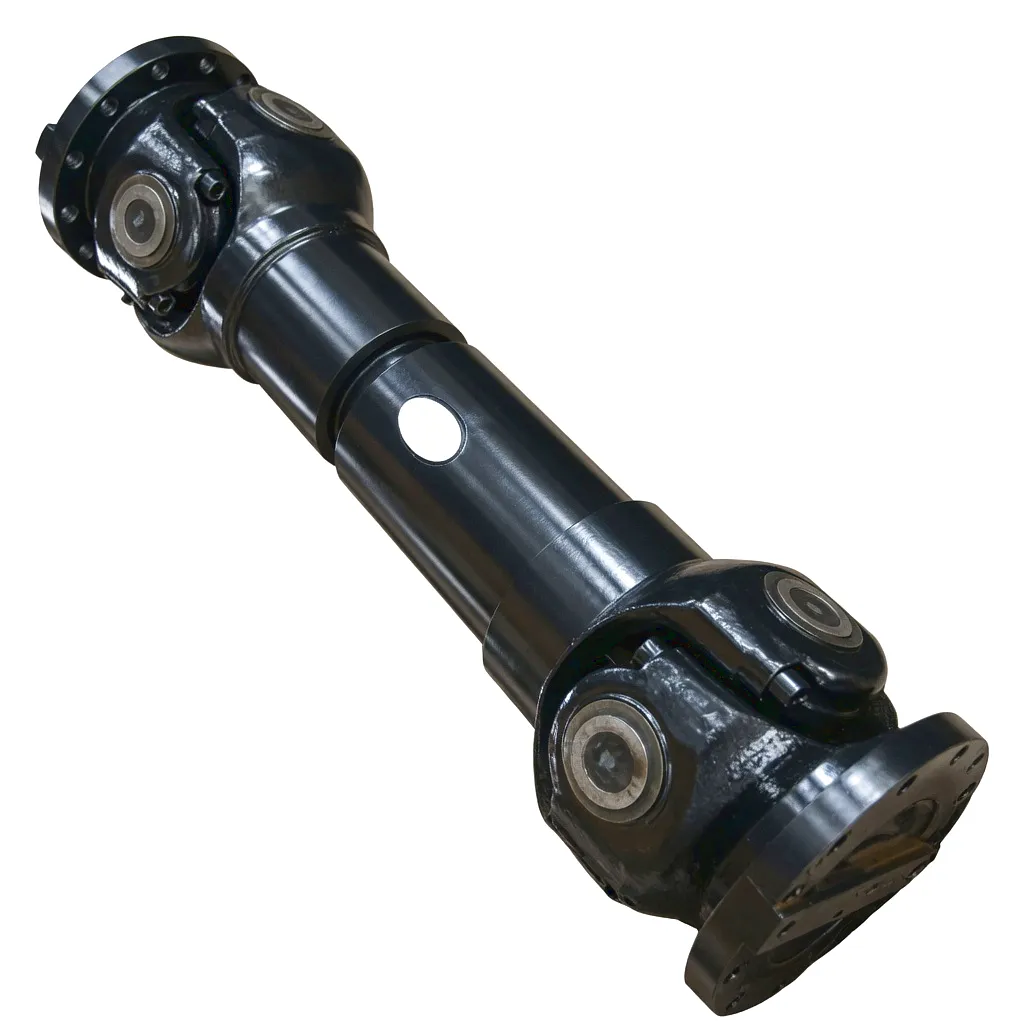
A cardan coupling — named after the sixteenth-century Italian mathematician Girolamo Cardano who theorised the double-joint principle — transmits rotary motion between two shafts that are not perfectly aligned. Unlike a flexible disc coupling or jaw coupling, it does so without requiring the shafts to share a common centreline. This is achieved through one or more cross-journal assemblies (the “spider”), each of which contains four precision needle-roller bearings arranged on perpendicular trunnions.
In a combine harvester, this matters in two distinct ways. The feederhouse drive — which powers the cutterbar and auger header from a central driveline — operates at a continuously variable angle as the header float mechanism adjusts to undulating terrain. The angle can change by eight to fifteen degrees in fractions of a second as the machine crosses a furrow. Only a properly engineered cardan coupling can handle this without inducing velocity fluctuations that would shatter sickle drive components or cause belt-drive oscillation.
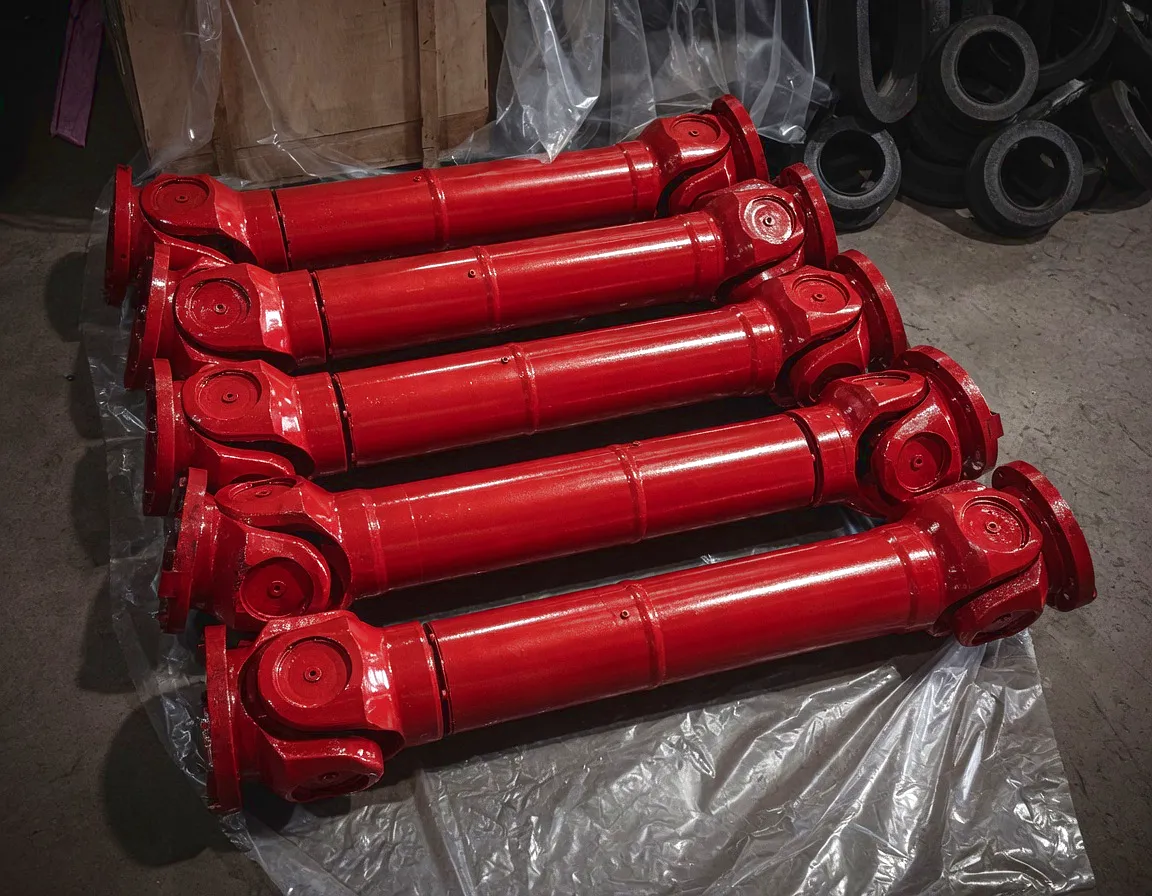
Technical Performance Parameters
The table below summarises the engineering parameters that define a combine-ready cardan coupling. These figures are drawn from the range of agricultural shaft products Ever Power supplies to UK and European OEM customers. Custom configurations are available — see the enquiry section at the end of this article for details on bespoke specifications.
| Parameter | Standard Range | Agricultural Heavy-Duty | Notes |
|---|---|---|---|
| Nominal Torque (Tn) | 50 – 5,000 N·m | 200 – 12,000 N·m | Class VII+ combines require >2,000 N·m rated shafts |
| Max Angular Misalignment | Up to 15° | Up to 25° (double-joint) | Header float drives require wide angle tolerance |
| Max Speed (n) | Up to 3,000 rpm | Up to 1,500 rpm | Agricultural drives typically 540–1,000 rpm PTO speed |
| Bore Size Range | 20 – 200 mm | 30 – 300 mm custom | Keyway, spline, and interference-fit options |
| Cross Journal Material | 20CrMnTi alloy steel | 20CrMnTi / 40Cr hardened | Case-hardened to 58–62 HRC |
| Tube Material | Q345 welded steel | 45# seamless / cold-drawn | Dynamic balancing G6.3 as standard |
| Surface Protection | Zinc phosphate + paint | Hot-dip galvanised / PE guard | CE-compliant safety guard standard on agricultural types |
| Lubrication Interval | 50 h / season | 50–100 h or sealed-for-life | Sealed needle-roller option for reduced maintenance |
Materials Science Behind a Reliable Agricultural Cardan Shaft
58–62 HRC
DIN 808
G6.3 Balance
CE Guard
500h Salt Spray
The field environment is categorically different from an industrial plant. Dust, harvest debris, straw chaff, morning dew, and the transition from +30°C ambient temperature at midday to near-zero during overnight storage create a demanding corrosion and contamination environment for any mechanical component. A cardan coupling that might last fifteen years in a factory press drive may survive only two harvests on a combine if the metallurgy and sealing are not specifically addressed.
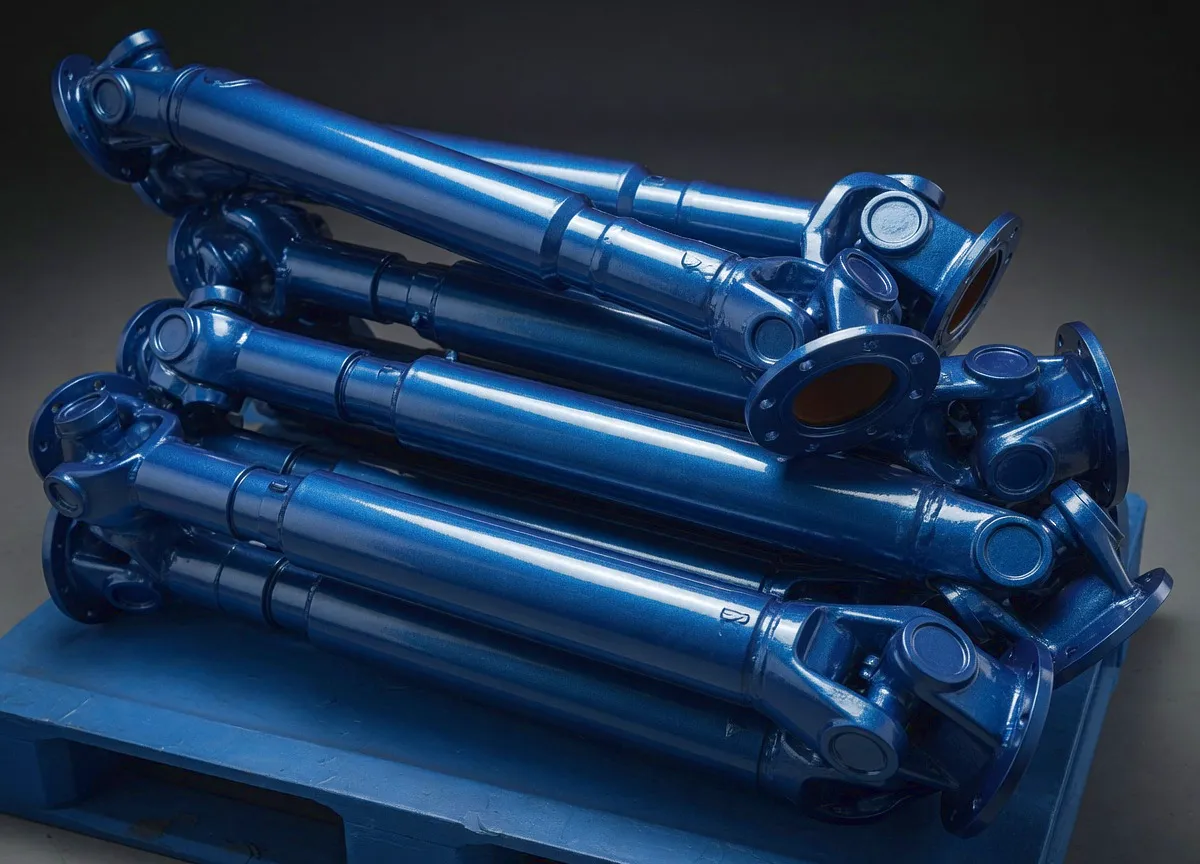
Ever Power’s agricultural cardan couplings use 20CrMnTi alloy steel for the cross journals, which is vacuum-degassed, forged, and then case-hardened to a surface hardness of 58–62 HRC. This specific alloy offers a superior combination of surface wear resistance and core toughness compared to simpler carbon steels. The needle-roller bearings in the cross journals are manufactured to DIN 808 geometry and retained by circlips machined from 65Mn spring steel — a detail that prevents bearing cap blow-out under peak shock loads, which is a common failure mode in budget couplings.
The telescoping shaft tube is manufactured from 45# seamless cold-drawn steel rather than welded tube. Cold-drawing produces a uniform wall thickness and a cleaner inner bore surface, which is critical for the smooth sliding action of the splined yoke under dynamic axial displacement. Tubes are dynamically balanced to G6.3 before dispatch, and the outer surface receives a zinc-phosphate treatment followed by epoxy primer and a two-part topcoat, giving >500-hour salt spray resistance to BS EN ISO 9227 standards.
Seven Critical Application Zones for Cardan Couplings in a Combine Harvester
Feederhouse / Header Drive
Continuous angular variation as header follows ground contour. Wide-angle double-cardan design essential. Heavy-duty guard required for operator safety compliance.
Threshing Rotor / Cylinder Drive
Highest peak torque location. Shock overloads from dense crop material. Requires high-capacity cross journals with hardened needle bearings and reinforced yokes.
Straw Walker / Rotor Separation
Eccentric shaft drives produce cyclic torque reversals. Coupling must handle both rotational and oscillating loads without backlash-induced impact at joint crossings.
Cleaning Shoe / Sieve Drive
Offset eccentric-type drives require compact cardan shafts with good angular compliance. Vibration isolation critical to protect sieve frame bearings from driveline resonance.
Grain Elevator Drive
Relatively steady torque but long shaft lengths create critical speed concerns. Balanced cardan shaft reduces harmonic excitation that can cause resonance in tall elevator housings.
Unloading Auger Drive
Pivoting auger requires angular displacement of 90° during deployment. Wide-angle cardan shaft with fold-away guard covers the full rotation range. High cyclic use demands excellent bearing seal integrity.
PTO / Hydrostatic Pump Drive
Engine-to-pump drives often require shaft alignment correction due to chassis flex. Compact single-joint cardan shafts with vibration-damping elements prevent noise transmission into the cab.
Why Ever Power Cardan Couplings Outperform Generic Alternatives
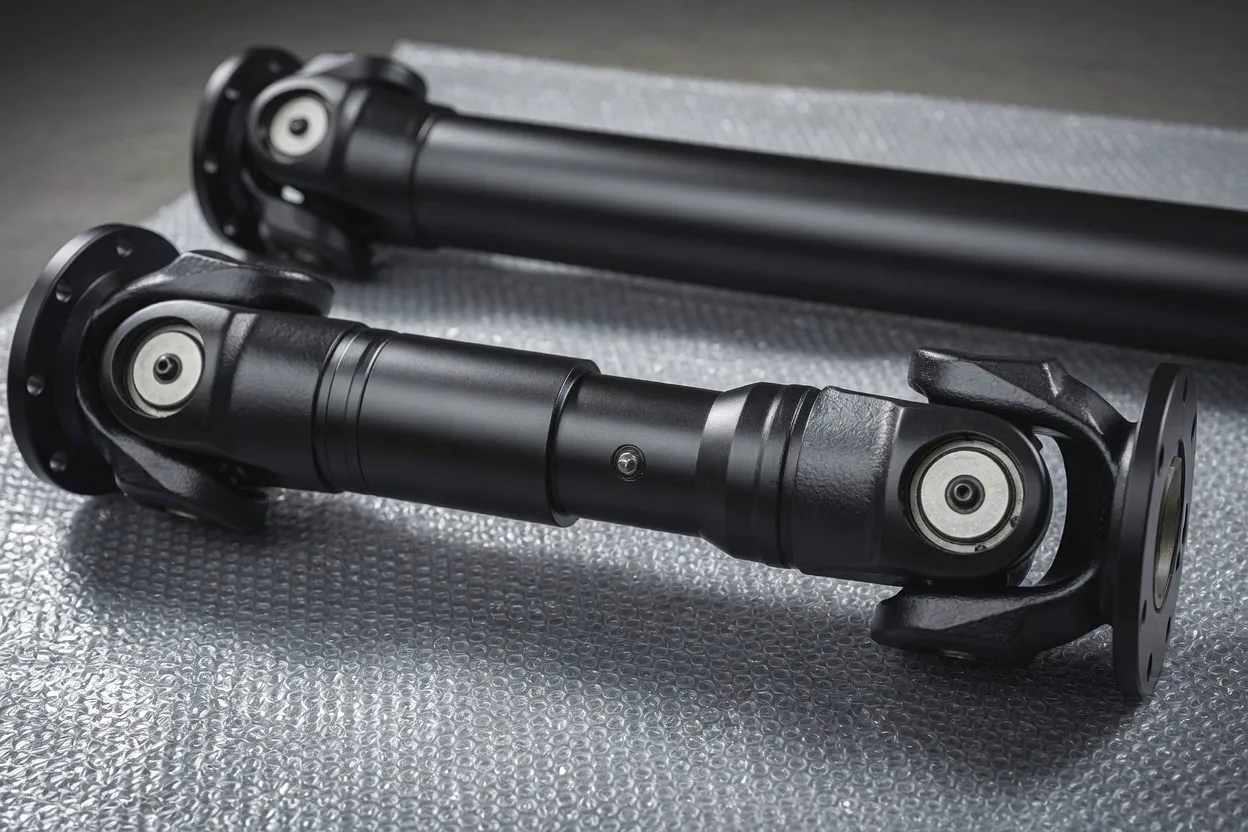
There are dozens of suppliers globally offering cardan shafts for agricultural use. The performance gap between a precision-engineered coupling and a commodity product is not always visible at point of purchase — it only becomes apparent during the second or third season of operation, or, more painfully, during the third day of harvest when a budget cross journal seizes in a field forty minutes from the nearest dealer.
Precision Cross Journal Grinding
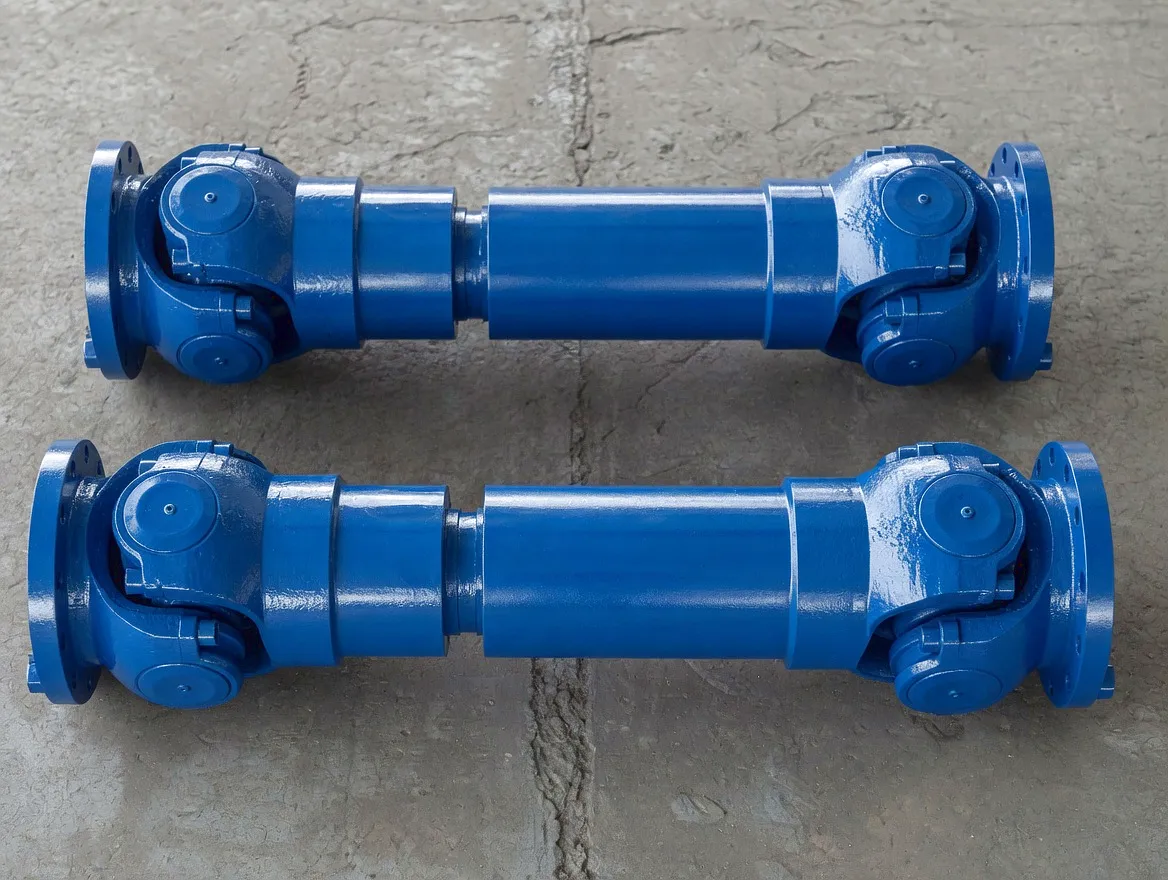
Trunnion diameter ground to h6 tolerance on CNC cylindrical grinders. Ensures accurate needle-roller preload and even load distribution across all four bearing cups — extending cross journal life by two to three times compared to turned-only trunnions.
Double Lip Seal on Bearing Caps
Dual-lip grease-retention seals prevent straw dust, chaff particles, and harvest-season condensation from entering the bearing cavity. This single design feature is responsible for the most significant improvement in field service life we see between standard and agricultural-grade versions.
Phase-Matched Double-Cardan Assembly
Every double-cardan shaft is phased and marked at assembly to ensure the input and output joints are correctly oriented at 0° or 180° relative to each other. This eliminates second-order velocity fluctuation — a source of vibration that causes premature fatigue in gearbox input shafts and header drive components.
CE-Marked Safety Guard as Standard
All agricultural cardan couplings supplied into the UK and European markets come with a CE-compliant polyethylene shield guard fitted as standard. The guard telescopes with the shaft and is retained by a spring-loaded anchor bracket — meeting the requirements of BS EN ISO 11684 for rotating machinery guarding.
Full Customisation for OEM Fitment
From bore diameter and keyway geometry to shaft length, tube diameter, end-yoke pattern, and guard colour coding, Ever Power’s engineering team works directly with OEM procurement teams to deliver a coupling that installs as a drop-in replacement or a first-fit component on a new machine build.
UK-Ready Documentation and Compliance
Products destined for UK farm machinery come with English-language installation and maintenance manuals, UKCA-compatible declaration of conformity documentation, and metric dimension drawings in DXF format for integration into machine design packages.
Ever Power Factory: Where Custom Cardan Couplings Are Born
Ever Power operates a 42,000 m² manufacturing facility equipped with 120-tonne hydraulic forging presses, multi-axis CNC turning centres, gear-hobbing machines, carburising heat-treatment lines, and dedicated dynamic balancing cells. This is not an assembly operation — every major component in an Ever Power cardan coupling is manufactured in-house, giving us full control over dimensional tolerance, material certification, and process traceability.
For combine harvester OEM customers, this matters enormously. When a European agricultural machinery manufacturer needs a replacement cross joint kit with a non-standard trunnion diameter, or a UK farm equipment distributor requires a batch of custom-length shaft assemblies with a specific yoke bolt pattern to suit a legacy header design, Ever Power’s engineering team can deliver from first drawing to approved sample in three to five weeks — a timeline that off-the-shelf importers simply cannot match.
Customer Success: A UK Combine Contractor’s Story
Wolds Agricultural Contracting Ltd — Eliminating Mid-Harvest Drivetrain Failures Across a 6-Combine Fleet
Wolds Agricultural Contracting Ltd operates six large combine harvesters across the Lincolnshire Wolds and Humber plain, harvesting winter wheat, oilseed rape, and spring barley on behalf of fourteen farm clients covering approximately 6,200 hectares annually. In 2022, the business suffered three separate cardan shaft failures during the cereal harvest — two on feederhouse drives and one on a threshing rotor driveline — resulting in 23 hours of combined downtime and significant subcontracting costs to cover delayed fields.
Ever Power supplied six feederhouse-specification double-cardan shafts and three threshing-drive single-joint shafts in time for the 2023 season. The shafts were installed as full replacements on the company’s three highest-utilisation combines. Through the entire 2023 and 2024 harvest seasons — covering an estimated 4,800 machine hours across the fleet — zero cardan shaft failures were recorded. The workshop manager noted that the sealed cross journals eliminated the mid-season greasing requirement that had been adding 90 minutes of daily service time across the fleet during peak harvest weeks.
“We’ve run three harvests on Ever Power’s feederhouse cardan shafts without a single issue. The sealed bearing design is what sold us — we’re harvesting in conditions that would have chewed through ordinary cross journals in one season. The price is competitive and the lead time for our custom bore spec was exactly as quoted.”
“As an OEM parts buyer for a combine header manufacturer based in the Netherlands, I’ve been sourcing cardan shaft assemblies from Ever Power for four years. The dimensional consistency batch to batch is excellent — we haven’t had a warranty return related to shaft components since switching. Their willingness to accommodate non-standard yoke patterns on reasonable MOQs is genuinely unusual in this price bracket.”
“We manage spare parts inventory for a large farming estate in East Anglia covering six combines. We made the switch to Ever Power cardan shafts on the recommendation of our machinery consultant and have not looked back. Delivery to our Suffolk depot was straightforward, the CE guard documentation was all in order, and the shafts fit first time. I’d recommend requesting the agricultural-grade sealed units — they’re worth the modest price difference.”
Supplying Combine Harvester Cardan Shafts Across the UK’s Key Arable Regions
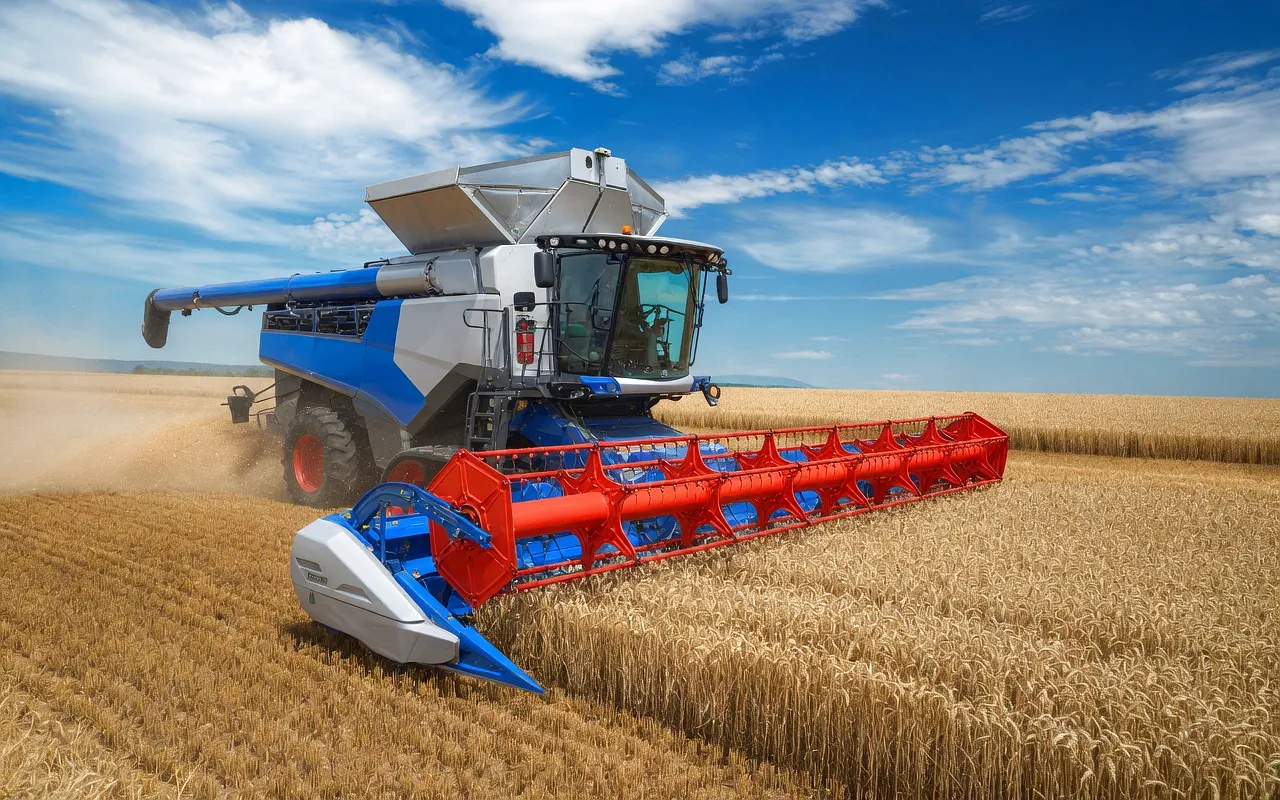
The UK’s principal arable zones — the East Anglian fenlands, the Yorkshire Wolds, Lincolnshire’s clay vales, the Humber plain, the North and South Downs, the Hampshire basin, and the Scottish Borders barley belt — each place slightly different demands on combine harvester drivetrain components. Sandy soils in Breckland produce lower stone-strike risk but generate fine dust that accelerates bearing wear. Heavy clay in the Fens creates ground-following demands that stress feederhouse cardan joints every few seconds. Steep field gradients in North Yorkshire create dynamic loading patterns on threshing drivelines that are rarely encountered on flat ground.
Ever Power works with UK agricultural machinery distributors, independent workshops, and direct farm procurement teams across all these regions. Orders placed before April typically arrive in time for pre-harvest installation in June and July. Our logistics team ships to mainland UK depots via standard freight, with expedited options available for urgent pre-harvest requirements in Yorkshire, Lincolnshire, Norfolk, Suffolk, Cambridgeshire, Kent, and Scotland.
For customers requiring cardan coupling supply agreements that cover multiple seasons, Ever Power can structure framework contracts with agreed pricing, guaranteed stock allocation, and priority fulfilment during peak demand periods — providing the inventory certainty that busy UK agricultural dealerships and contracting businesses need to operate confidently through harvest.
How to Select the Right Cardan Coupling for Your Combine Harvester Application
Procurement of cardan couplings for combine harvester applications should begin with a clear engineering brief rather than a parts catalogue search. The variables that define correct selection are more nuanced than simply matching a shaft outside diameter, and getting them wrong leads directly to the kind of in-season failures that cost real money.
| Selection Parameter | What to Measure / Specify | Common Mistake |
|---|---|---|
| Design Torque | Nominal torque × service factor (2.5 – 3.5 for shock loads) | Specifying to nominal torque only — results in premature cross journal fatigue |
| Operating Angle | Maximum angle under full crop load with header fully raised and lowered | Measuring only the parked angle — ignores dynamic float-position excursions |
| Shaft Geometry | Installed length (collapsed and extended), yoke hole pattern, bore dia. & keyway | Ordering by collapsed length only — shaft too short in extended position |
| Sealing Requirement | Application dustiness level — specify dual-lip seals for all combine applications | Using standard single-lip seals in chaff-heavy environments |
| Guard Type | CE-compliant telescoping guard — specify mounting bracket type to match machine frame | Omitting guard or using non-CE type — compliance and safety risk |
Frequently Asked Questions
What type of cardan coupling is recommended for the feederhouse drive on a large combine harvester operating in heavy clay fields in Lincolnshire?
+
How much does a replacement cardan shaft for a combine harvester threshing rotor drive typically cost, and can I get a price quote from Ever Power before committing to an order?
+
Which agricultural cardan coupling suppliers in the UK can provide CE-marked cardan shafts with full compliance documentation for farm machinery use?
+
How do I know when a cardan coupling on my combine harvester’s feederhouse drive needs to be replaced before it fails in the field during harvest?
+
Can Ever Power supply custom-bore cardan shafts for combine harvester OEM retrofit projects where the standard bore doesn’t match our existing shaft diameter?
+
Where can I find a reliable cardan coupling supplier near Yorkshire or East Anglia who can deliver replacement shafts quickly enough for an emergency repair during cereal harvest?
+
Get a Custom Cardan Coupling Quote for Your Combine Harvester Application
Whether you are specifying cardan shafts for a new machine build, sourcing replacements ahead of the UK cereal harvest, or investigating a bespoke coupling for a non-standard drivetrain configuration, the Ever Power engineering team is ready to help. Send your technical brief to:
✉ Get a Quote — [email protected]
Response within 1 working day · Custom specs welcome · CE/UKCA documentation included · UK delivery available