
Why the Straw Returning Machine Is One of the Hardest Applications in Agriculture
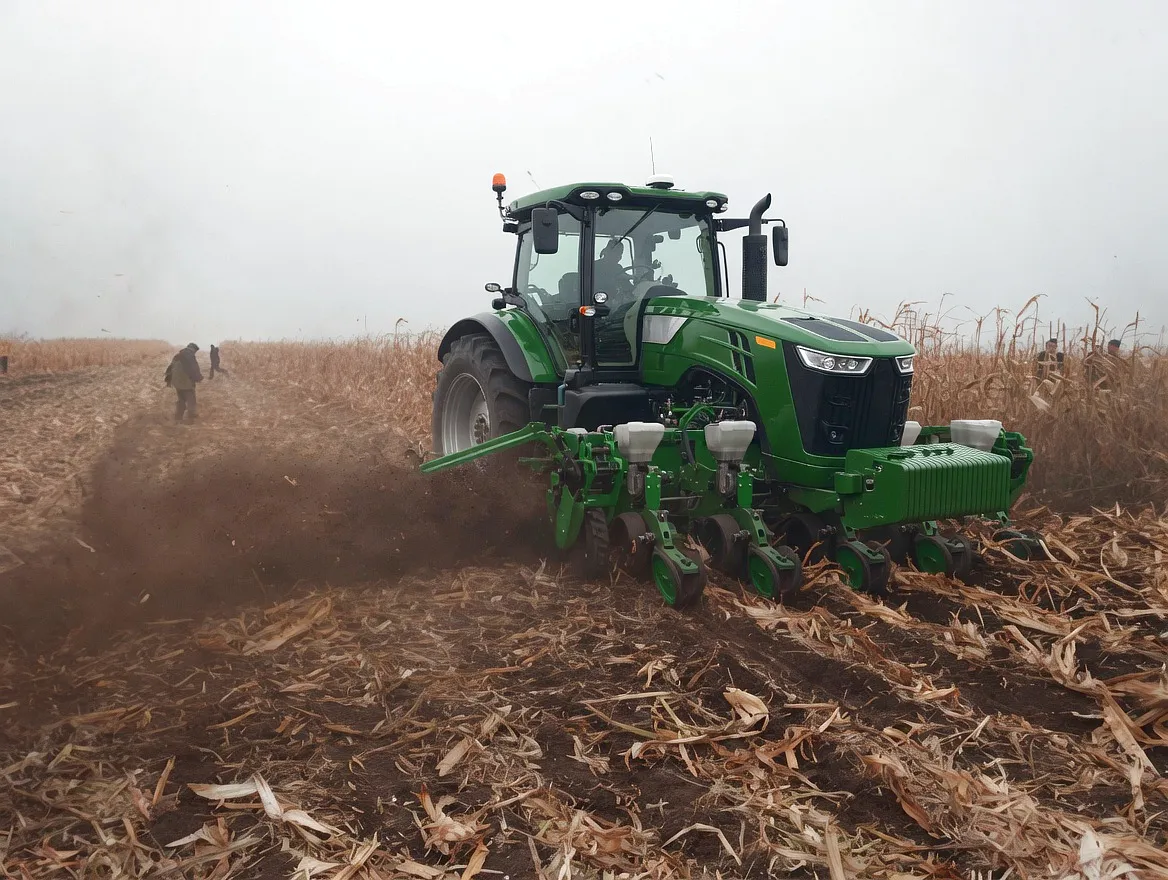
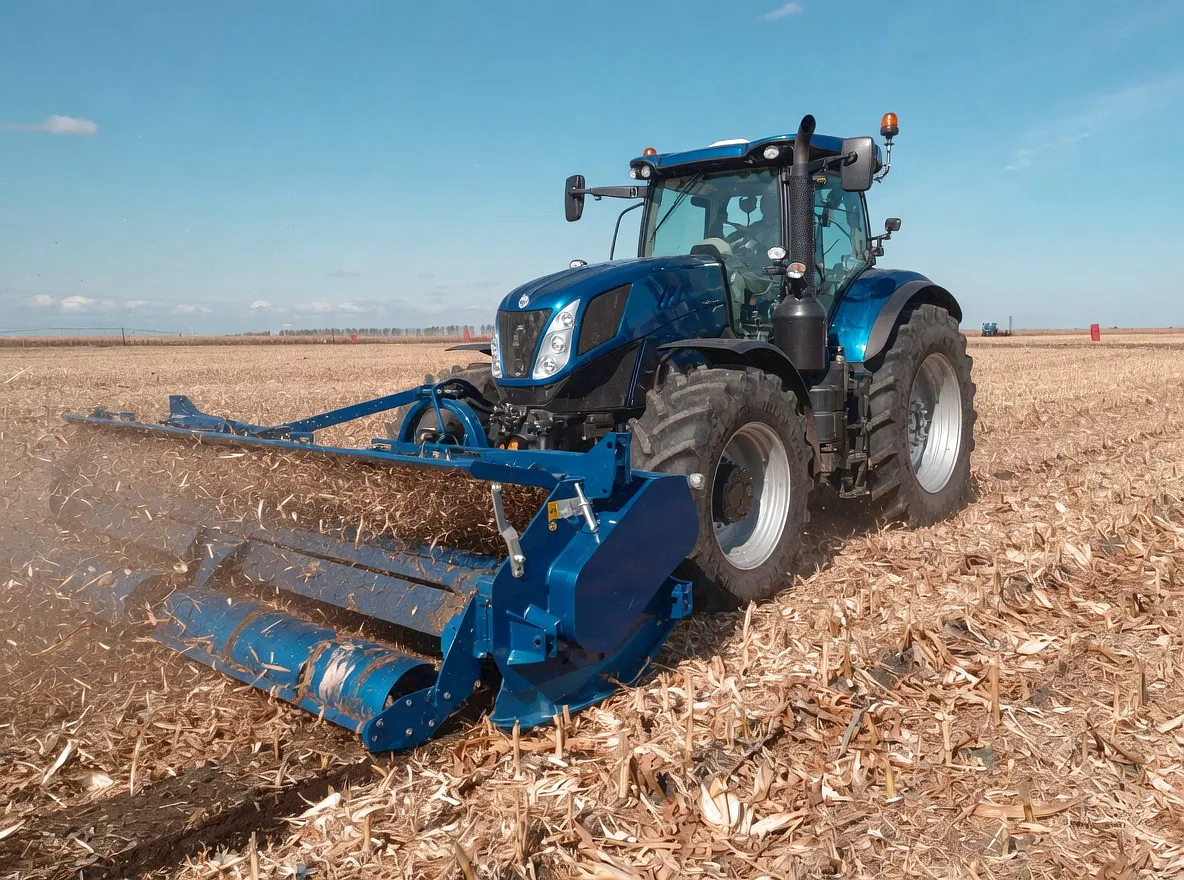
A straw returning machine—also called a straw chopper or residue incorporation unit—has to perform one of the most mechanically violent tasks in modern farming. Rotating blades strike dense, tangled crop stalks at speeds exceeding 1,500 rpm, generating shock torque spikes that can reach eight to ten times the nominal operating torque within milliseconds. Unlike steady-state industrial applications, this machine is also constantly changing direction across uneven ground, deflecting through angles that vary by several degrees with every ridge and furrow. The power take-off (PTO) shaft connecting the tractor to the implement must accommodate all of this simultaneously: angular misalignment, axial displacement, and catastrophic impact loads—all without transferring destructive forces back into the tractor gearbox or forward into the cutting rotor shaft.
How a Cardan Coupling Actually Works Under Shock Torque
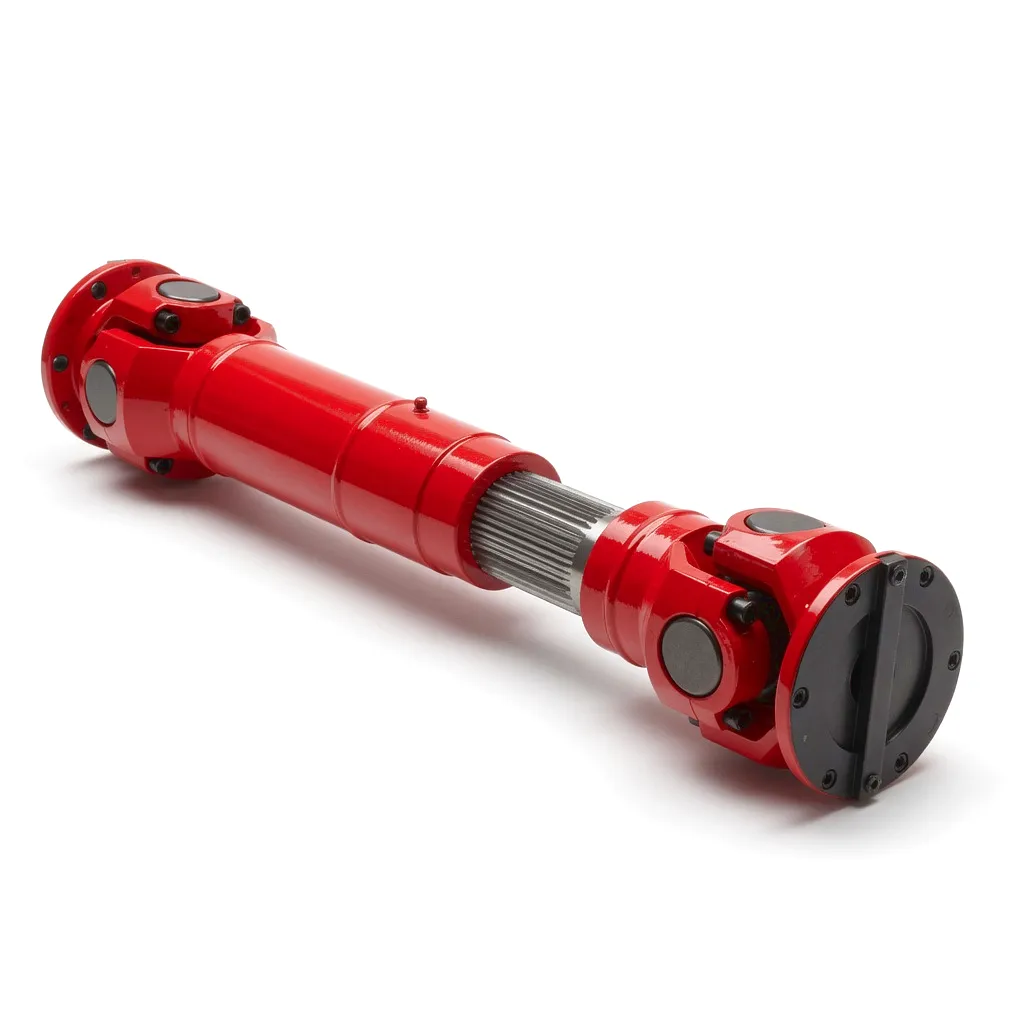
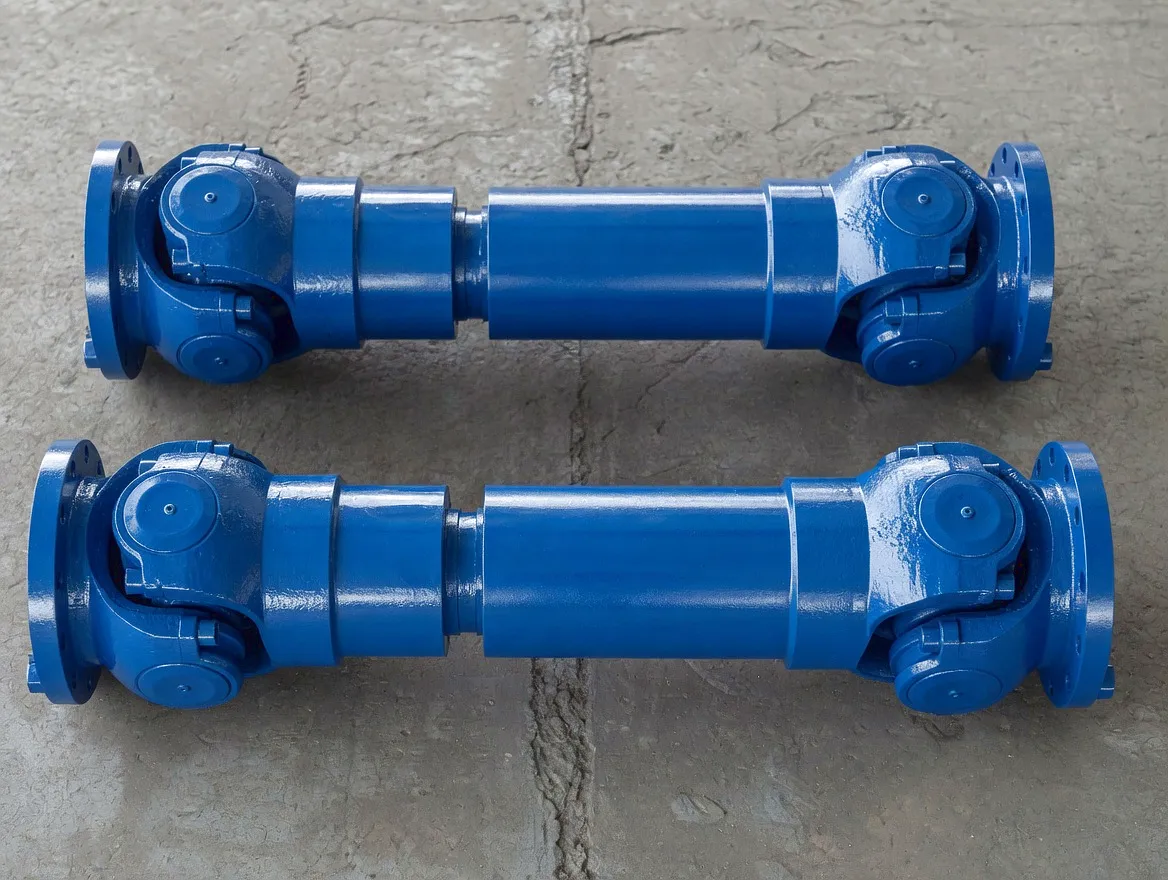
At its core, a cardan coupling—also known as a universal joint coupling or Hooke’s joint assembly—uses two yoke-and-cross-journal assemblies connected by a telescoping intermediate shaft. When the tractor pitches on a headland or the implement drops into a drainage furrow, the joint can flex through a wide angle without binding, maintaining continuous power flow to the blades. The telescoping section handles axial movement—the extend-and-compress cycle that happens dozens of times per minute as the implement follows ground contour independently of the tractor.
What separates an agricultural cardan coupling from a simple prop shaft is the overload protection device mounted in-line with the driveline. In a straw returning machine, this is typically a shear-bolt limiter or, more reliably, a friction-disc torque limiter set to disengage at a calibrated threshold—commonly 1.5× to 2.5× nominal operating torque. When a blade strikes a buried stone, a clump of compacted soil, or a sudden overload of tangled material, the limiter releases within one rotation, preventing that spike from reaching the gearbox, PTO shaft, or tractor transmission. The blades stop accelerating destructively; the tractor keeps moving; the operator resets the limiter and continues.
Materials, Construction, and Why They Matter in the Field
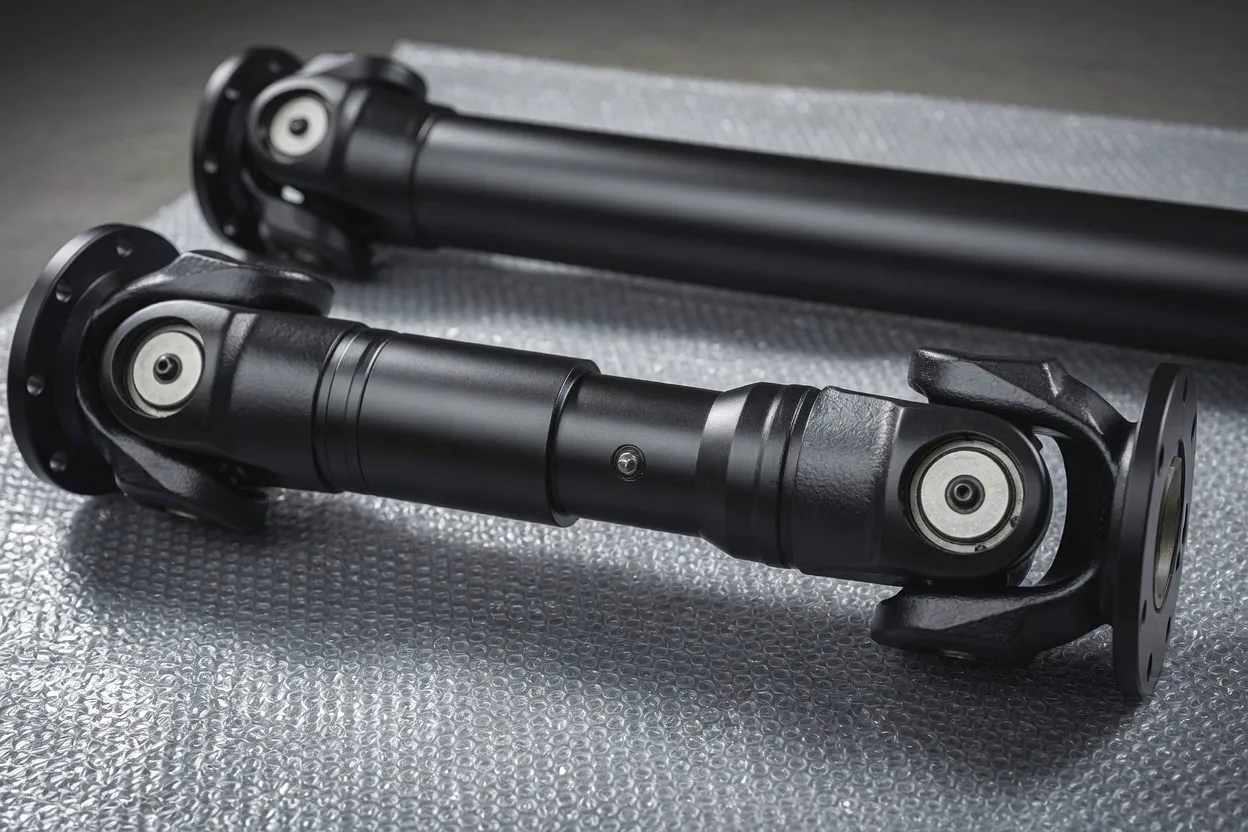
Technical Performance Parameters
| Parameter | Standard Series | Heavy-Duty Series | Notes |
|---|---|---|---|
| Nominal Torque (T_n) | 500 – 8,000 N·m | 3,000 – 35,000 N·m | Continuous rated load |
| Peak Torque (T_peak) | up to 3× T_n | up to 4× T_n with limiter | Impact / shock condition |
| Max Operating Speed | 1,000 rpm (PTO 540) | 1,100 rpm (PTO 1000) | At max working angle |
| Max Working Angle | 25° | 35° | Per single joint |
| Axial Stroke | 100 – 300 mm | 200 – 500 mm | Telescoping range |
| Torque Limiter Type | Shear-bolt (optional friction-disc) | Friction-disc (auto-reset) | Field-adjustable slip torque |
| Bearing Type | Needle roller, sealed | Full-complement needle roller | 40Cr cross material |
| Safety Guard | Plastic cone + tube | Heavy-duty plastic cone + tube | CE / UK PSSR compliant |
| Surface Treatment | Phosphate + paint | Hot-dip galvanise / epoxy | Salt-spray rated 500+ hr |
Application Scenarios: Where the Cardan Coupling Proves Itself
After combine harvest in Cambridgeshire and Suffolk, wheat straw reaches stem densities and moisture contents that create particularly brutal rotor loading. The cardan coupling absorbs repeated impact spikes—protecting the tractor PTO output shaft from fatigue damage that would otherwise develop invisibly over multiple seasons before failing suddenly at the worst moment.
OSR stubble presents a different challenge: the stiff, woody stems resist cutting and wrap aggressively around the rotor, creating sudden torque reversal events as wrapped material releases. A torque limiter calibrated correctly for this crop prevents these reversal shocks from back-driving the gearbox—a failure mode that is surprisingly common where cheap drive couplings are used.
Farms running a rotation of cereals, pulses, and root crops need a single coupling that handles a broad range of residue types without readjustment. Ever Power’s adjustable friction-disc limiter can be re-set on-site to match the slip torque to the crop being processed, giving mixed-arable operators a single versatile unit where previously they needed multiple shafts.
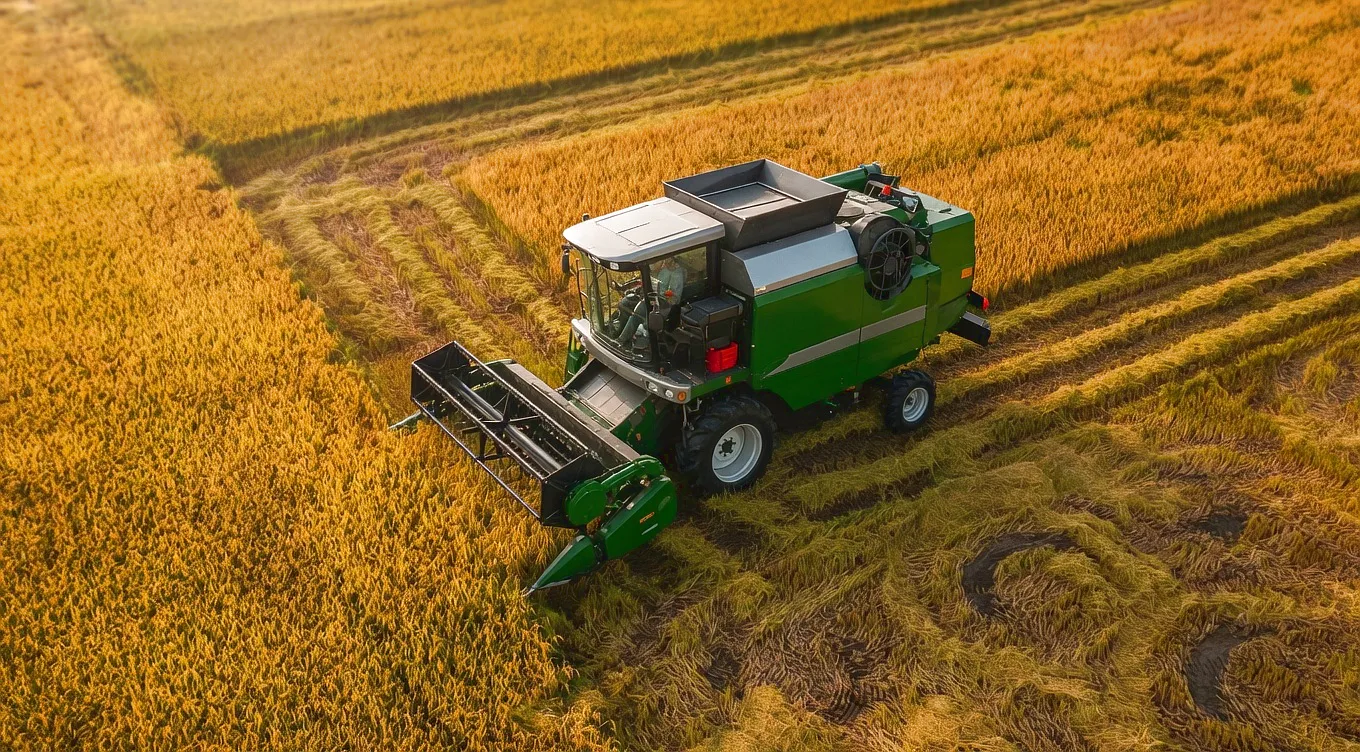
Some modern combine harvesters integrate a residue chopper directly behind the threshing drum, running at 1,000 rpm PTO equivalent speeds with the heaviest loading at the edges of the machine’s capacity. These in-machine cardan shafts must be compact, perfectly balanced, and capable of tolerating the vibration environment inside a working combine—requirements that only purpose-built agricultural cardan couplings meet reliably.

Six Reasons UK Agricultural Engineers Specify Ever Power Cardan Couplings
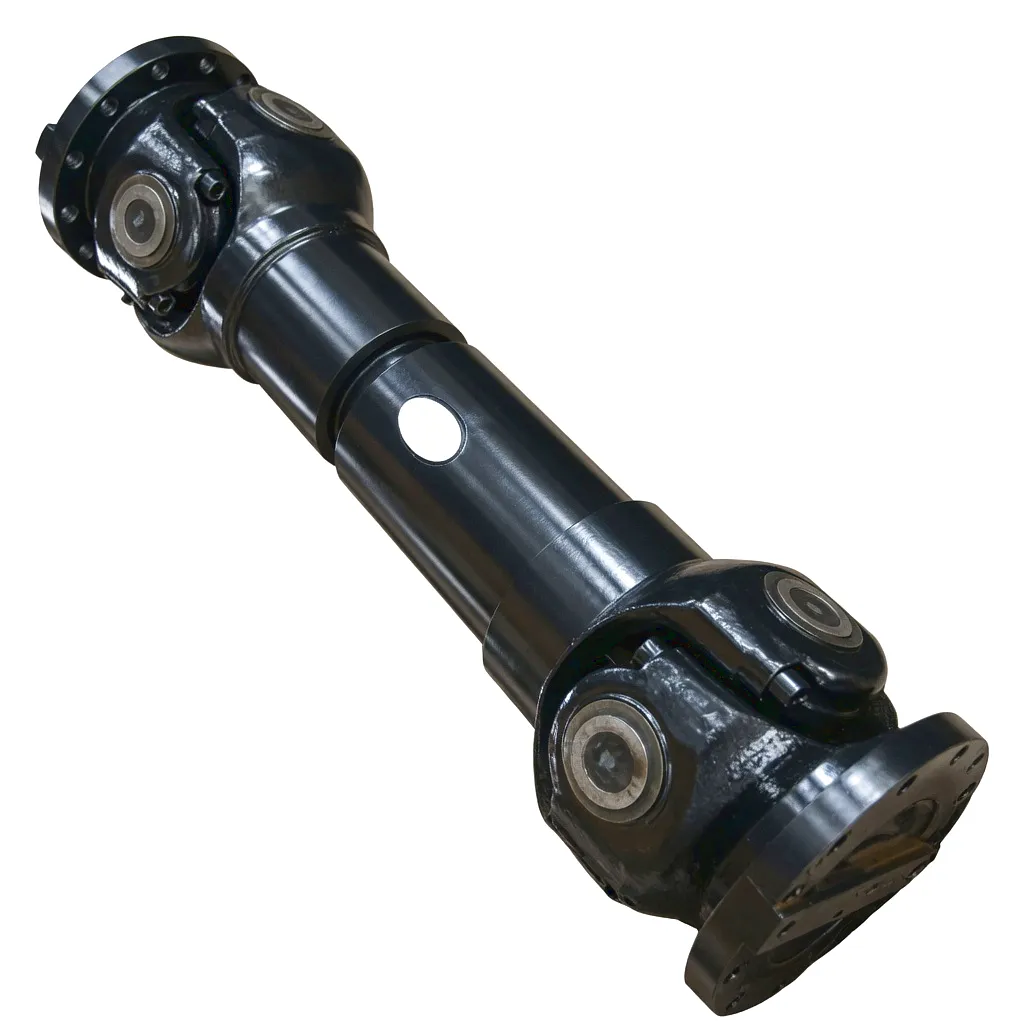
The friction-disc torque limiter does what shear bolts promise but cannot deliver consistently: it engages reliably at the same torque threshold every time, regardless of temperature, wear state, or how recently it last slipped. When you hit a stone at 7 a.m. on the first pass of a field, you will not be walking back to the workshop for a spare bolt.
A straw returning machine does not follow a flat, level track. On undulating English farmland, the implement pitches, rolls, and slides axially relative to the tractor. Every Power’s double-jointed cardan couplings handle both angular compensation at each joint and axial travel through the splined tube—neither the tractor PTO nor the implement gearbox receives any of the misalignment load.
Post-Brexit UK market requirements (UKCA marking) closely mirror the EU Machinery Directive for PTO shaft guarding. Every cardan coupling leaves Ever Power’s production facility with a full plastic safety guard assembly that meets both UKCA and, where relevant, CE requirements—ready for use on UK farms without any additional modification or local sourcing of guards.
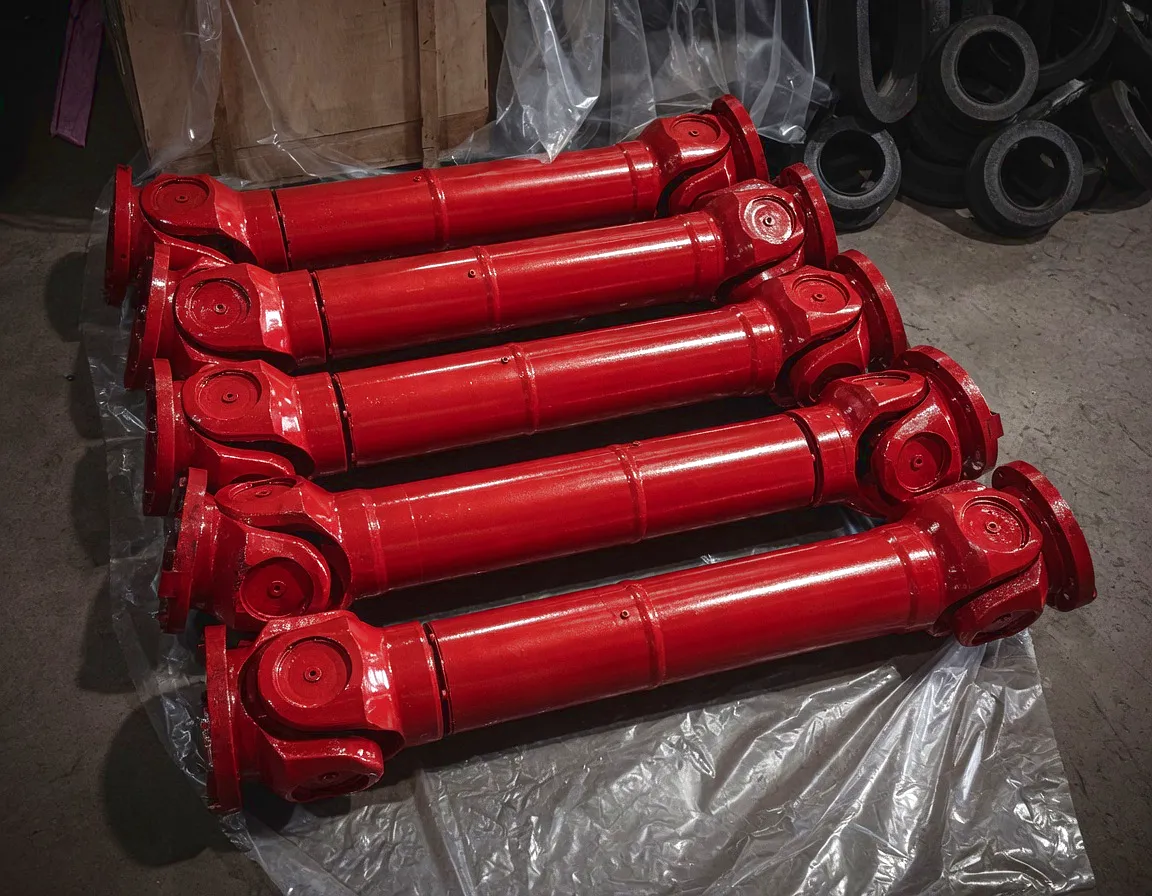
The combination of forged yokes, full-complement bearing crosses, and effective torque limiting means that a correctly specified Ever Power cardan coupling typically outlasts two or three seasons of heavy use on a straw returning machine—compared to the one-season replacement cycle that many UK operators accept as normal with lower-grade units. The purchase price difference vanishes within the first season.
When a cross bearing eventually reaches end-of-life, it should not mean replacing the entire shaft assembly. Ever Power designs its agricultural cardan couplings with standard-size replacement cross kits that are sourced globally, keeping parts cost low and repair time to under an hour with basic hand tools—important for UK farms where harvest windows can be as short as two or three dry days.
John Deere, New Holland, Massey Ferguson, Case IH, Fendt, and Claas tractors all use standard 540 or 1000 rpm PTO outputs with 6-spline, 21-spline, or 20-spline shaft profiles. Ever Power cardan couplings are catalogued with matching PTO yokes for every major brand and can be ordered with non-standard bore sizes or keyway configurations to match OEM implement gearbox inputs.
Customer Success: Lincolnshire Arable Farm Cuts Drivetrain Downtime by 70%
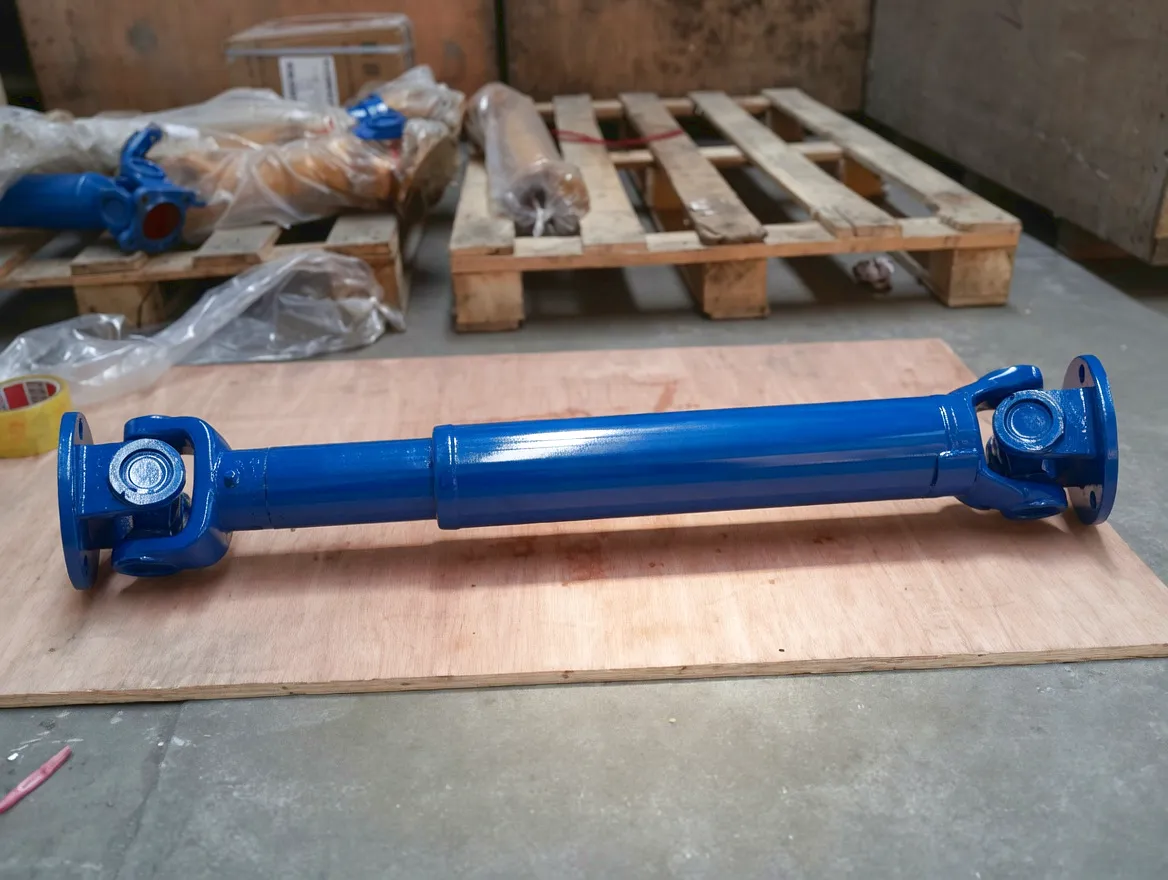 The challenge: Whitfield & Sons had been running a 6-metre straw returning machine behind a 250 hp Fendt 942 Vario for four seasons. Each year they were replacing the PTO shaft twice—once in spring after barley, once in autumn after OSR—and had already rebuilt the implement gearbox input shaft bearings twice. The farm estimated the drivetrain maintenance cost at approximately £4,200 per year, not including downtime.
The solution: After reviewing the application—specifically the high peak torque events during OSR chopping and the significant angular operating range needed to follow the land’s drainage profile—Ever Power’s technical team recommended a Heavy-Duty Series cardan coupling with an auto-reset friction-disc torque limiter set to 6,500 N·m slip torque, matched to the implement gearbox rating.
The result: Eighteen months and three complete harvest cycles later, the coupling has required only one grease service and has not needed any bearing replacement. The farm has experienced zero unplanned drivetrain stoppages attributable to the coupling. Annual drivetrain maintenance cost dropped to under £1,200—a saving of more than £3,000 in the first full year. The gearbox input shaft bearings, which were on an annual replacement schedule, have shown no signs of fatigue at the 18-month inspection.
We had been through four PTO shafts in three seasons on our straw chopper. Since fitting the Ever Power unit with the friction limiter, we have not replaced a single component. The self-resetting function alone has saved us at least a dozen stops during the harvest run.
I specified Ever Power couplings for a fleet of six straw returning machines we supply to East Anglian farms. Lead time was competitive, the documentation was complete for our compliance records, and the torque limiter settings arrived exactly as requested. We have had no warranty claims.
The technical support before ordering was the deciding factor. They asked about my tractor, the implement model, and the field conditions before recommending a size. That kind of application knowledge is not something you get from a catalogue website. The cardan coupling has been faultless through two full seasons.
Custom Engineering: Built Specifically for Your Application
No two straw returning machines are identical. The mounting interface at the tractor PTO stub, the gearbox input bore size on the implement, the maximum working angle dictated by the three-point linkage geometry, and the required overall shaft length all vary between manufacturers and even between model years of the same machine. A standard catalogue unit will compromise on at least one of these parameters—and in a shock-torque application like straw residue incorporation, any compromise in coupling geometry or torque rating translates directly into shortened service life.
Ever Power operates a fully integrated manufacturing facility with forging, machining, heat treatment, assembly, and testing under one roof. This means that custom specifications—non-standard bore sizes, imperial spline profiles for older UK implement gearboxes, extended tube lengths, bespoke torque limiter settings, special surface treatments for particularly corrosive operating environments—are handled in-house rather than subcontracted. Lead times for custom builds typically range from two to four weeks for series production quantities, and prototype units can be expedited where harvest schedules demand it.
Non-standard bore & spline profiles
Custom shaft lengths (300–3,000 mm)
Adjustable friction-disc torque limiters
Hot-dip galvanising for high-humidity ops
OEM drawing review & prototype service
First-article inspection reports included
UK stock options for rapid despatch
Private-label / OEM branding available
Cardan Coupling vs. Alternative Drive Solutions for Straw Returning Machines
| Feature | Cardan Coupling (Cardan Shaft) | Chain Coupling | Rubber Element Coupling | Rigid Coupling |
|---|---|---|---|---|
| Angular Misalignment Tolerance | ✓ Up to 35° | ✗ <5° | ~ 3–8° | ✗ 0° |
| Shock Torque Capacity | ✓ Very High | ~ Medium | ✗ Low | ~ High (transmitted) |
| Integrated Overload Protection | ✓ Yes (torque limiter) | ✗ No | ✗ No | ✗ No |
| Axial Displacement Handling | ✓ Telescoping shaft | ~ Limited | ~ Limited | ✗ None |
| PTO Speed Compatibility | ✓ 540 & 1000 rpm | ~ Low speed only | ✗ Not suitable | ~ Fixed geometry only |
| Service Life in Straw Application | ✓ 3–5+ seasons | ✗ <1 season | ✗ <1 season | ✗ Destroys gearbox |
Practical Maintenance: Keeping Your Cardan Coupling at Peak Performance
A cardan coupling on a straw returning machine operates in one of the harshest environments in agriculture: dust, chopped straw, chaff, soil, moisture, and occasional direct impact from stones. A structured maintenance routine dramatically extends service life and prevents the slow-onset failures that often go unnoticed until a coupling seizes in the middle of a field.
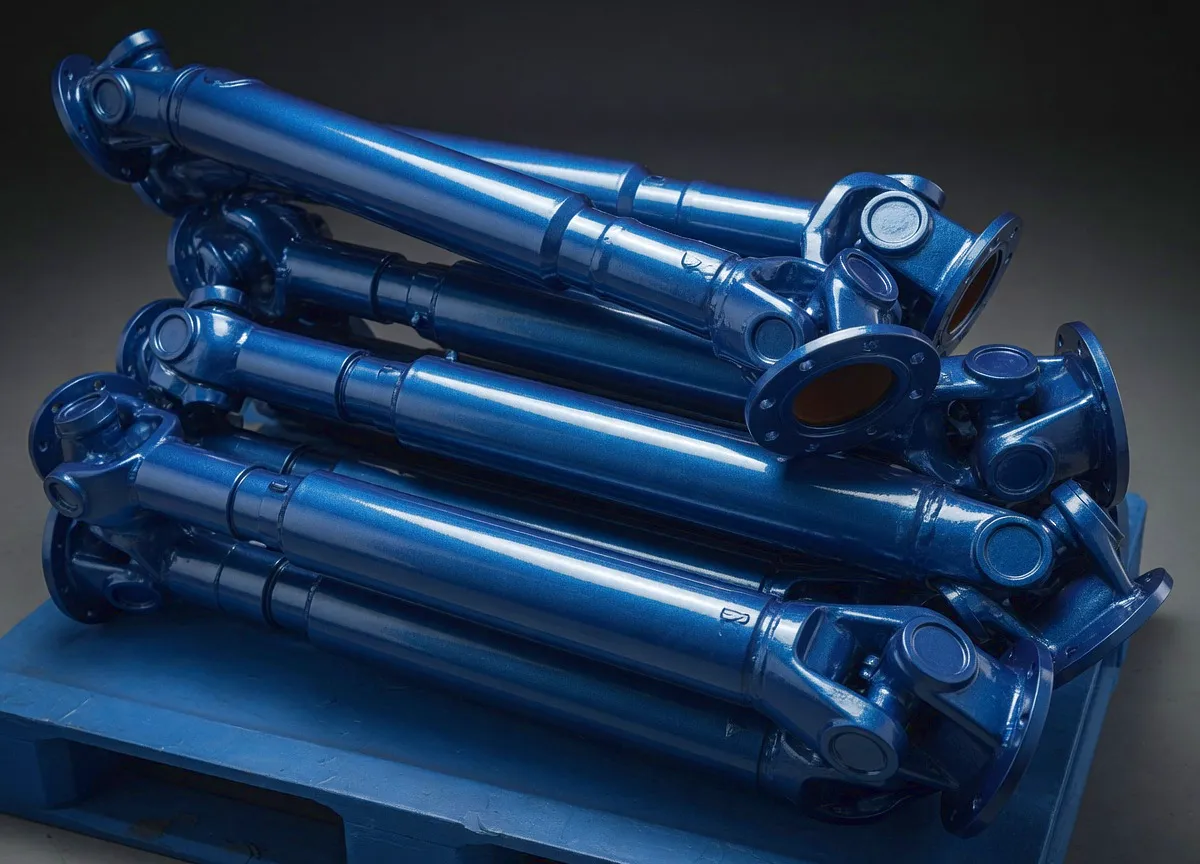
Grease cross bearing nipples (where fitted) with NLGI 2 EP grease. Check guard for damage and ensure it rotates freely. Inspect telescoping tube for chaff accumulation around the sliding zone.
Check all cross bearing cups for radial play—more than 0.5 mm indicates replacement is needed. Verify torque limiter slip setting by applying a calibrated torque wrench to the input end while holding the output. Inspect yoke bores for fretting corrosion.
Disassemble and clean telescoping tube. Replenish or replace sliding liner lubrication. Inspect friction disc stack in torque limiter—replace friction discs if wear exceeds 15% of nominal thickness. Check and retighten all retaining circlips.
Vibration at operating speed that was not present before. Grease leaking from sealed bearing cups (seal failure). Limiter slipping at torques below 80% of set point. Any cracks or deformation visible on yokes or tube. A knocked, loose, or missing safety guard.
Frequently Asked Questions
What is the best cardan coupling for a straw returning machine working in heavy wheat fields in Lincolnshire?+
For heavy wheat straw in Lincolnshire, you need a heavy-duty cardan coupling rated for at least 8,000 N·m nominal torque with a friction-disc torque limiter set to approximately 1.5–2× your implement gearbox rated torque. The auto-reset friction-disc type is strongly preferred over shear-bolt designs because Lincolnshire fields frequently contain buried stones and compressed soil pans that cause multiple overload events per day—each one would require a shear-bolt replacement. Ever Power’s HD Series with a pre-set 6,500 N·m or 9,000 N·m limiter is the most frequently specified configuration for this region and crop type.
How much does a heavy-duty cardan coupling with a torque limiter cost for a UK agricultural straw chopper, and where can I get a quote?+
Pricing for agricultural cardan couplings varies significantly with torque rating, overall length, yoke configuration, and limiter type. As a guide, a standard-series unit suitable for a 3–4 metre straw returning machine will typically fall in the mid-hundreds of pounds, while a heavy-duty unit for a 6–8 metre machine with a full-friction-disc limiter and extended guard will be priced higher. The most accurate way to get a cost for your specific application is to contact Ever Power directly at [email protected] with your tractor model, implement model, working width, and PTO speed. Quotes are provided within one working day and include delivery cost to any UK postcode.
Which type of torque limiter—friction-disc or shear-bolt—should I choose for a straw returning machine working on stony East Anglian farmland?+
On stony East Anglian land, choose the friction-disc limiter without hesitation. Shear-bolt limiters require you to stop the machine, walk to the implement, remove the broken bolt, fit a replacement, and restart—typically 10 to 15 minutes per event. On a field with frequent buried flint or stone inclusions, this happens multiple times per day and erodes the operational window critically during harvest. The friction-disc limiter resets automatically once the overload clears, allowing continuous operation. The slightly higher initial cost is recovered within the first season on virtually any stony East Anglian field.
How do I know when to replace the cross bearings on my agricultural cardan coupling before they fail in the field?+
The three early-warning signs are: (1) a new vibration or driveline tremor that was not present in the previous season, (2) any detectable radial play when you grip the shaft near a joint and try to rock it—more than about 0.5 mm side-to-side movement means the bearings are worn, and (3) grease weeping from the bearing cup seals, which indicates the seal has failed and the bearing is running dry and contaminated. Checking these three indicators before each season and at the mid-season service point will catch more than 90% of bearing failures before they become field breakdowns.
Where can UK agricultural machinery manufacturers find a reliable cardan coupling supplier for OEM straw returning machine production runs?+
Ever Power operates a dedicated OEM supply programme for UK and European agricultural machinery manufacturers. This includes custom cross-section development, prototype build and test, first-article inspection with full dimensional and material certification, and series production with consistent quality control documentation. OEM customers benefit from consignment stock arrangements, private-label options, and a direct technical liaison during the development phase. Contact [email protected] to discuss your production volumes and specification requirements.
What is the correct PTO shaft yoke spline specification for connecting a cardan coupling to a John Deere or Fendt tractor used in UK arable farming?+
For 540 rpm PTO, the standard on virtually all UK-market John Deere and Fendt tractors is a 6-spline 35 mm diameter shaft (conforming to ISO 500). For 1000 rpm PTO, the standard is a 21-spline 35 mm shaft or a 20-spline 35 mm shaft depending on tractor model and generation—John Deere 6R and 7R series use 20-spline 1000 rpm shafts, while Fendt 700 and 900 Vario series have used both configurations depending on year. Ever Power can supply yokes for all these profiles as standard stock items, and non-standard configurations can be machined to order. When enquiring, always provide the tractor model, year, and PTO speed rating to ensure the correct yoke is specified.