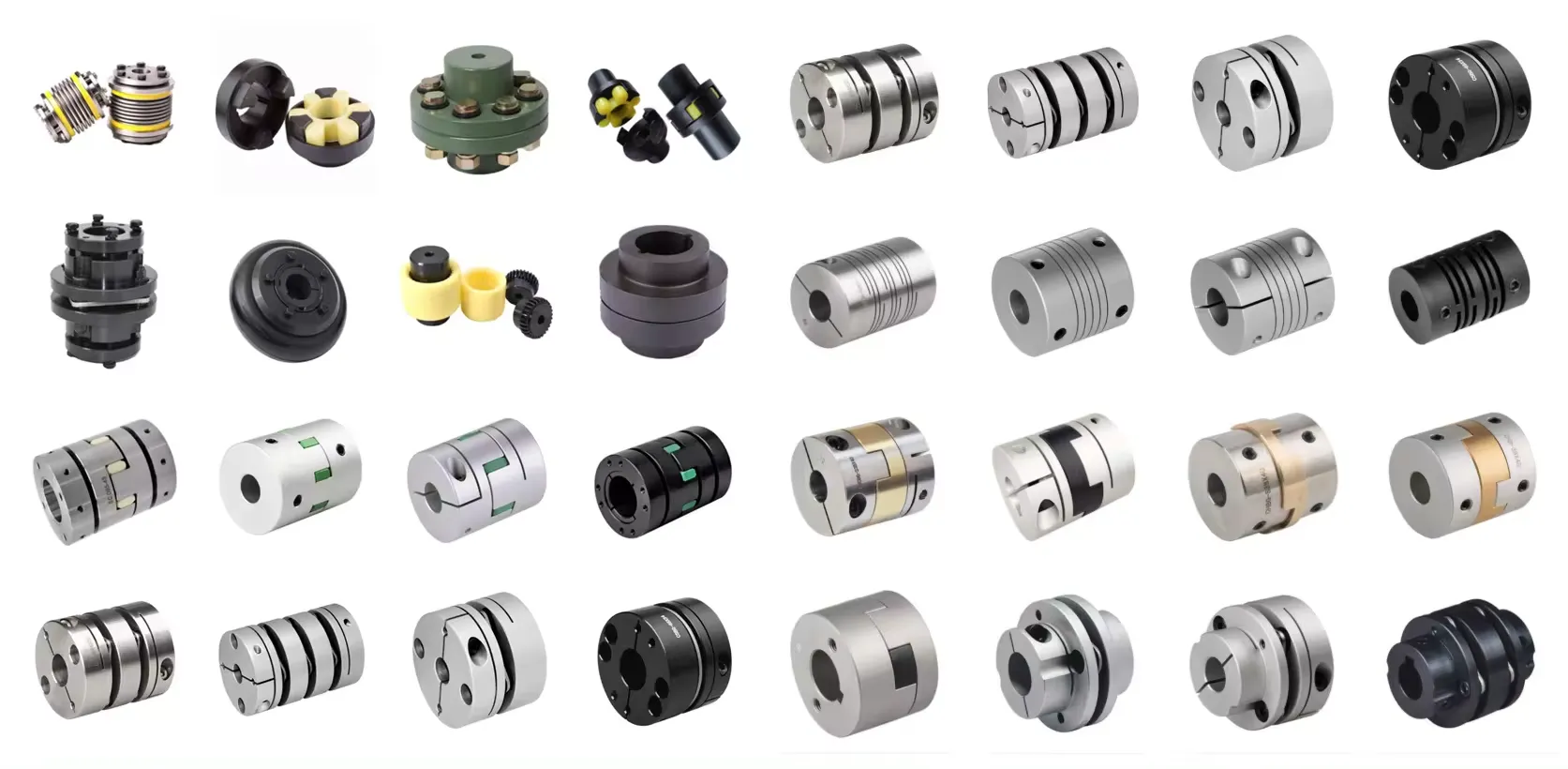
Introduction to Cardan Coupling for Compressors
Keyword Content:
- Cardan coupling
- Compressors
- Product design
- Functionality
- Benefits
- Customization options
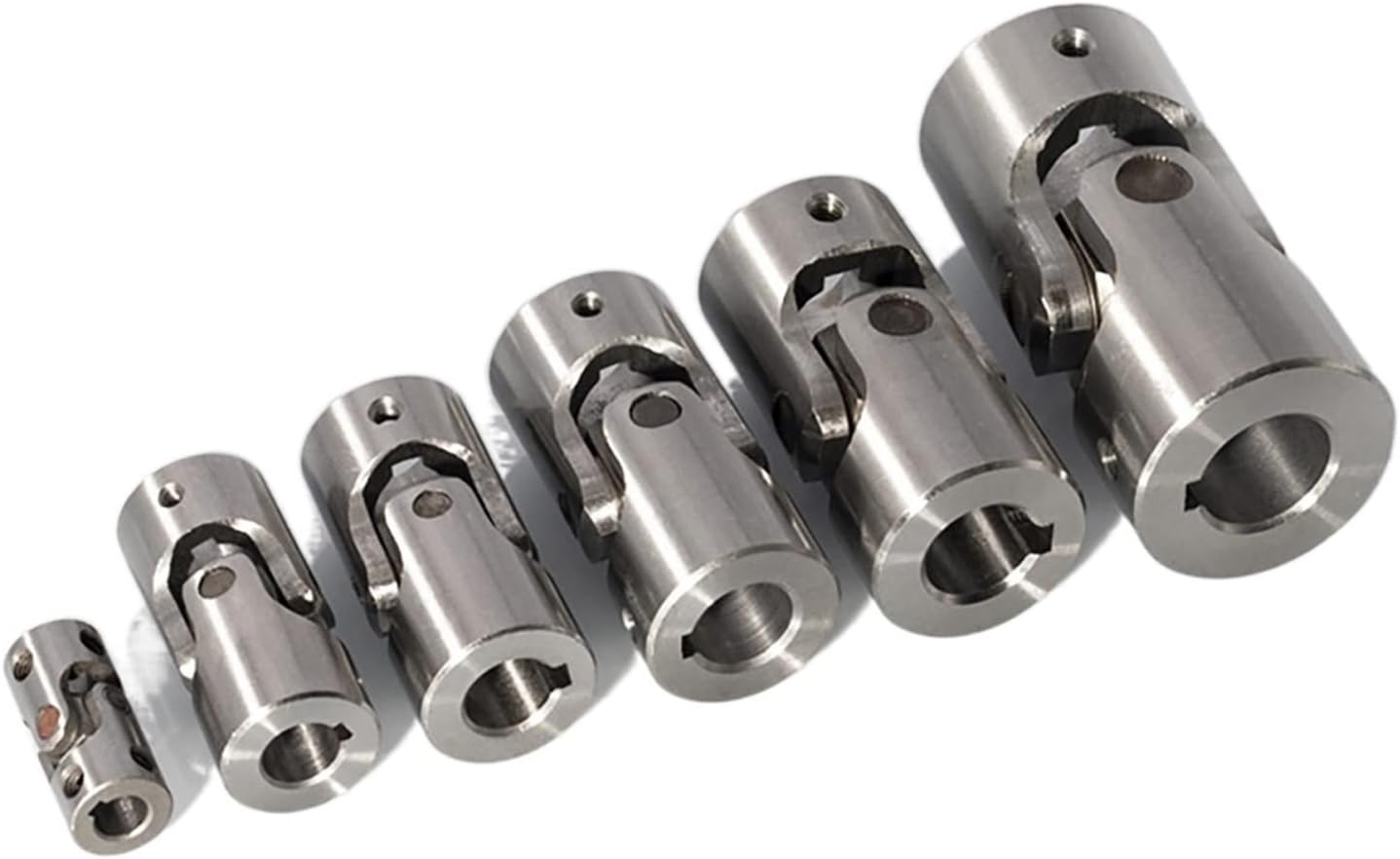
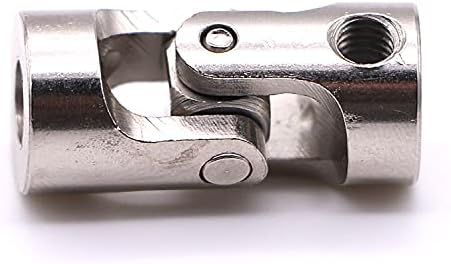
What is Cardan Shaft Coupling?
- Definition: A Cardan shaft coupling is a mechanical device used to transmit torque between two shafts that are not collinear.
- Construction: It consists of a universal joint that allows for angular misalignment between the shafts.
- Application: Commonly used in compressors, pumps, and other industrial machinery.
- Functionality: Enables the smooth transmission of power while accommodating misalignments.
- Benefits: Reduces vibration, noise, and mechanical stress on connected equipment.
What is the Purpose of a Cardan Shaft?
- Transmission: The primary purpose of a Cardan shaft is to transmit torque between two shafts that are not in line with each other.
- Flexibility: It allows for angular misalignment, axial movement, and parallel offset between the shafts.
- Reduction of Stress: Helps in reducing stress on connected equipment by absorbing shocks and vibrations.
- Enhanced Performance: Improves the overall efficiency and performance of machinery by ensuring smooth power transmission.
- Versatility: Can be used in a wide range of applications, including compressors, generators, and industrial machinery.
What is the Purpose of a Double Cardan Joint?
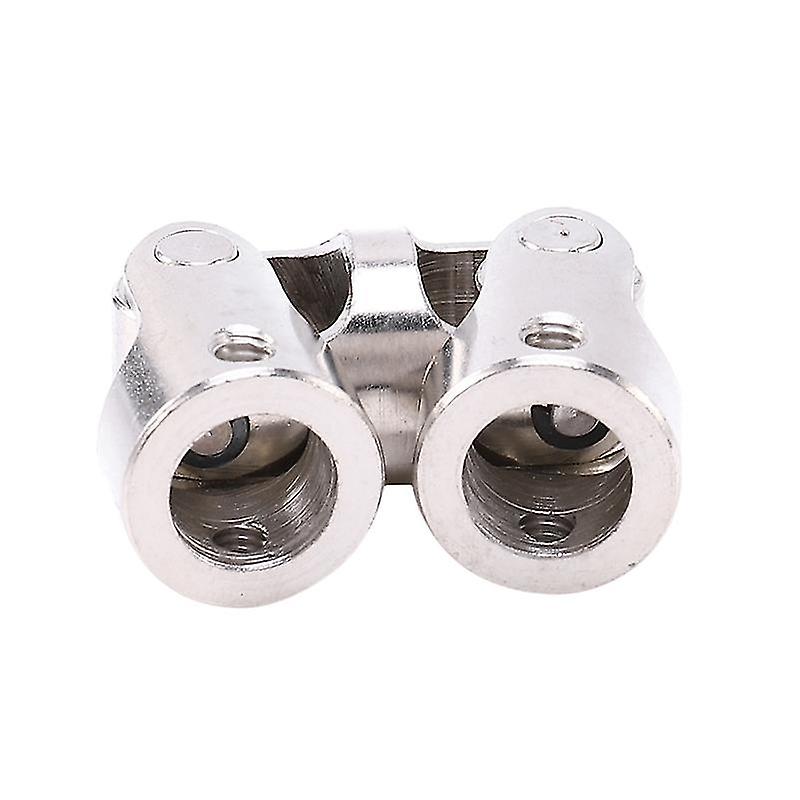
- Eliminate Vibrations: Double Cardan joints are used to eliminate vibrations caused by operating angles in the driveline.
- Increased Durability: They provide increased durability and longevity to the driveline system by reducing wear and tear.
- Improved Efficiency: Double Cardan joints help in maintaining constant velocity through varying angles, leading to improved efficiency.
- Flexibility: They allow for higher operating angles compared to single joints, making them suitable for heavy-duty applications.
- Enhanced Performance: Double Cardan joints contribute to smoother operation and reduced noise levels in the driveline system.
How to Choose the Appropriate Cardan Coupling
- Consider the Application: Determine the specific requirements of the compressor system where the coupling will be used.
- Load Capacity: Choose a Cardan coupling with a load capacity that matches the torque requirements of the compressor.
- Misalignment Capability: Ensure that the coupling can accommodate the angular and parallel misalignments in the system.
- Material Selection: Opt for high-quality materials that offer durability and resistance to corrosion in compressor environments.
- Customization Options: Look for manufacturers who provide customization options to tailor the coupling to your specific needs.
What is the Difference Between a Disc and a Cardan Coupling?
- Design: Disc couplings have a disc-shaped flexible element, while Cardan couplings use universal joints for flexibility.
- Flexibility: Disc couplings offer limited angular misalignment capabilities, whereas Cardan couplings provide greater flexibility.
- Application: Disc couplings are often used in high-speed and high-precision applications, while Cardan couplings are more versatile.
- Cost: Cardan couplings are generally more cost-effective compared to disc couplings, making them a preferred choice in many industrial applications.
- Installation: Disc couplings are easier to install and require less maintenance compared to Cardan couplings.
About HZPT
Our company, HZPT, established in 2006, specializes in the design, development, and production of couplings for various industrial applications. With 16 years of experience, we offer customized solutions to meet the specific requirements of our global customers. Our commitment to quality and customer satisfaction sets us apart in the industry. We provide a wide range of coupling products, including radial elastic couplings, drum gear couplings, and diaphragm couplings, among others. With a focus on innovation and reliability, we ensure that our products meet the highest standards of performance and durability. Choose HZPT for the best quality, service, and competitive prices in the market.