Walk into any well-managed arable farm in East Anglia, the Yorkshire Wolds, or the Scottish Borders during spring planting season and you will hear the rhythmic clatter of a seed drill working a field at pace. Behind that precision — the uniformity of seed placement, the consistency of row spacing, the reliability of metering — lies a component most agronomists never see: the cardan coupling connecting the seeder’s central drive shaft to its metering unit gearbox. When this component is correctly specified, nobody notices it. When it fails, everything stops.
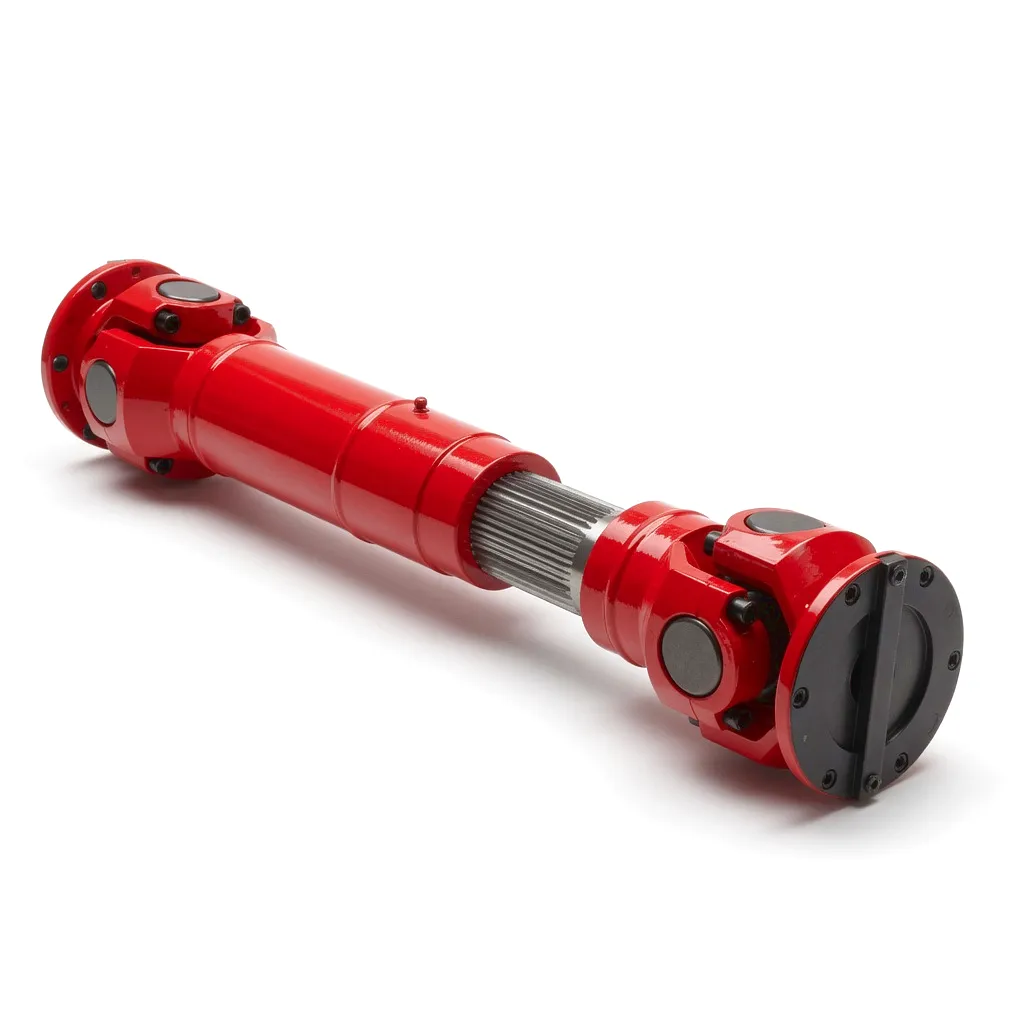
Ever Power Cardan Coupling
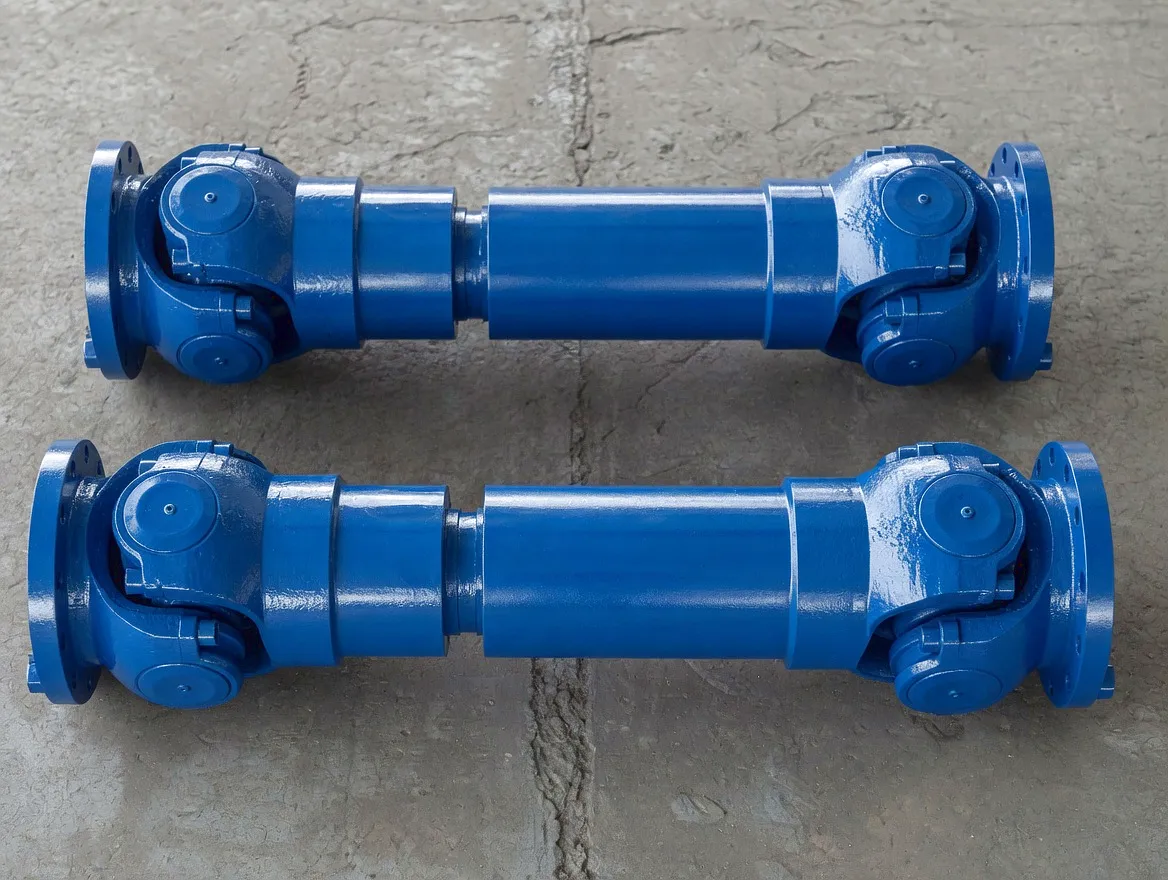
Precision-manufactured universal joint couplings engineered for the demanding duty cycles of UK agricultural seeding machinery — tolerating angular misalignment up to 45° while maintaining constant velocity power transmission.
Why the Central Drive Shaft Is the Seeder’s Most Stressed Component
Modern precision seed drills — whether a 6-metre folding unit pulled behind a 200 hp tractor on a Lincolnshire clay or a compact 3-metre disc drill working along a Northumbrian hillside — share one engineering challenge that no amount of GPS guidance can solve: the drive shaft connecting the tractor PTO to the seeder’s main gearbox must handle highly variable torque loads, constant angular displacement as the machine follows ground contour, and millions of operating cycles across a single season. The central drive shaft of a seeder is simultaneously a power transmission component, a mechanical shock absorber, and a compensator for the geometric errors inherent in any tractor-implement connection.
The coupling sitting at the heart of this system — the cardan coupling, often called a universal joint coupling or Hooke’s joint — determines whether the seeder performs with the precision the farmer paid for. A cardan coupling that is too rigid cracks yoke ears when the tractor turns. One with inadequate torque rating strips splines during a peak-load demand. One manufactured to loose tolerances introduces angular velocity fluctuation that directly corrupts seed spacing. This is not theory: agronomists conducting plant population audits in the UK regularly trace non-uniform emergence back to drive train irregularity rather than metering wheel wear, and the coupling is very often the culprit.

How a Cardan Coupling Actually Works Inside a Seeder Drive Train
A cardan coupling consists of two yokes connected by a cross-shaped spider (journal cross) with needle or plain bearings at each of the four bearing cups. As the input shaft rotates, it drives the cross, which in turn drives the output shaft yoke. When the input and output shafts are collinear, velocity transmission is perfectly constant. When an angle exists between the shafts — as is almost always the case in a tractor-to-implement connection — the cardan coupling introduces a cyclic velocity variation twice per revolution. This well-understood phenomenon is called second-order angular velocity fluctuation, and it is engineered around by either using constant-velocity (CV) arrangements (two cardan joints phased correctly at each end of an intermediate shaft) or by keeping operating angles below the threshold at which the fluctuation becomes agronomically significant.
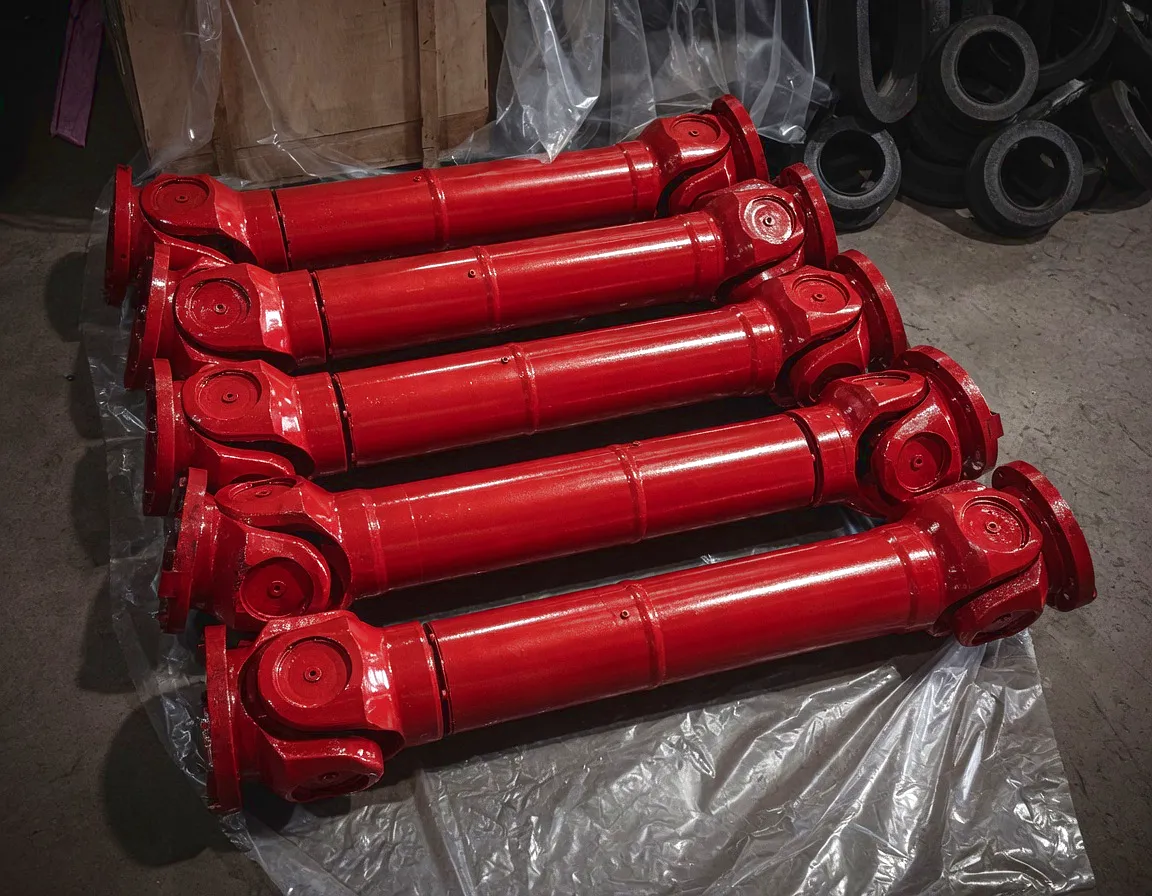 In a seeder’s central drive shaft, the coupling must achieve three things simultaneously. It must transmit the torque demand of the entire metering system — which can spike to three or four times its mean value when a metering wheel encounters a foreign object or when the machine is engaged on a slope. It must accommodate the angular displacement between the PTO output axis and the gearbox input axis, which changes continuously as the implement pitch angle varies over ground. And it must do all this at a rotational speed typically between 540 rpm and 1,000 rpm, across thousands of operating hours over the machinery’s service life, through British weather: mud, moisture, freeze-thaw cycling, and the seasonal grit and chaff that infiltrate any agricultural environment.
Technical Parameters: Ever Power Cardan Couplings for Agricultural Seeder Applications
Selecting the right cardan coupling for a seeder central drive shaft begins with matching the component’s rated torque, operating angle range, and shaft interface to the actual machine demands. The table below covers the principal technical parameters of Ever Power’s agricultural cardan coupling series, as typically applied in UK seed drill and planter installations.
| Parameter | Light Duty (LD) | Medium Duty (MD) | Heavy Duty (HD) |
|---|---|---|---|
| Nominal Torque (Nm) | 250 – 500 | 500 – 1,500 | 1,500 – 6,000 |
| Peak Torque (Nm) | 750 | 4,500 | 18,000 |
| Max Operating Angle (°) | 25 | 35 | 45 |
| Rated Speed (rpm) | 1,000 | 1,000 | 540 / 1,000 |
| Shaft Bore Range (mm) | 20 – 38 | 38 – 65 | 65 – 110 |
| Cross Spider Material | 20CrMnTi alloy steel | 20CrMnTi, case-hardened | 42CrMo4, nitrided |
| Yoke Material | Malleable iron / steel | Forged steel | Forged 40Cr alloy steel |
| Bearing Type | Needle roller bearing | Needle roller bearing | Heavy-duty needle / plain |
| Lubrication | Grease nipple (seasonal) | Grease nipple (seasonal) | Centralised or nipple |
| IP Rating / Sealing | Dust lip seal | Double lip seal, IP54 | Triple lip seal, IP65 |
Material Selection and Construction Quality That Handles the British Agricultural Environment
The material specification of a cardan coupling for seeder applications is not a catalogue decision — it is an engineering calculation grounded in the specific failure modes seen in agricultural service. Yoke ears are the most common fatigue crack initiation sites, and they fail predominantly under combined bending and torsional stress in the bearing bore region. Ever Power specifies forged alloy steel yokes for medium and heavy duty series — forgings eliminate the porosity and micro-segregation defects that plague cast alternatives and produce a consistent, fibrous grain flow that resists fatigue crack propagation. The cross spiders in the MD and HD series are manufactured from 20CrMnTi alloy steel (case-hardened to 58–62 HRC surface, with a tough 30–40 HRC core) or 42CrMo4 with gas nitriding, giving a surface hardness and wear resistance that fundamentally outperforms the soft mild-steel spiders found in budget replacement parts.
Sealing is a topic that UK machinery dealers rarely discuss with farmers but which accounts for a substantial proportion of premature coupling failures. Agricultural environments — planting season especially — expose drive shaft components to soil particles, fertiliser dust, water spray from irrigation or rainfall, and chemical residue from seed treatments. Standard single-lip seals on budget couplings allow fine abrasive particles to enter the needle bearing packs within two or three seasons, producing rapid wear that manifests as increased backlash, elevated vibration, and eventually bearing cage fracture. Ever Power’s triple-lip seal arrangement on HD series couplings, combined with a labyrinth-style external shield, achieves IP65 protection in field conditions — validated through accelerated contamination testing equivalent to 1,200 operating hours in abrasive dust.

Six Engineered Advantages That Set Ever Power Cardan Couplings Apart
High Angular Tolerance
Operating angles up to 45° accommodated without velocity fluctuation penalties that affect metering accuracy — critical when the seeder is working on UK undulating ground or during headland turns where the implement pitch changes rapidly.
Forged Alloy Steel Yokes
Precision-forged and fully machined yoke ears deliver consistent fatigue resistance across millions of torque cycles. Each bore is tolerance-controlled to H7 fit for spline or keyed shaft interfaces — eliminating the fretting corrosion and backlash creep that shortens the life of cast yoke designs.
IP65 Multi-Layer Sealing
Triple lip seals with labyrinth external shields keep fertiliser dust, seed treatment chemicals, and spring rainfall out of needle bearing packs. The HD series seal system survives 1,200 hours of accelerated contamination testing — translating to more than a decade of typical UK arable use without bearing replacement.
Torque Overload Protection
Shear bolt or friction disc overload protection elements are available as integrated options — protecting the seeder gearbox and metering unit from the sudden torque spikes caused by stones or compacted soil slugs encountered during UK spring drilling on heavy land. The coupling absorbs the event; the gearbox survives it.
Custom Length & Interface
Telescopic sliding tubes with plain or spline interfaces allow each shaft assembly to be configured to the exact collapsed and extended lengths required by the seeder model — avoiding the noise and wear of permanently compressed or over-extended shafts that affect standard replacement parts sourced from non-specialist suppliers.
Seed Spacing Consistency
Tight bearing tolerances and precision-balanced components minimise the angular velocity variation inherent in single Hooke’s joint designs — maintaining metering uniformity within ±1.5% CV across the operating speed range, which directly protects yield potential by keeping plant populations within target thresholds.
Where Cardan Couplings Are Used in Seeder and Planting Machinery
The seeder central drive shaft is perhaps the most obvious application, but cardan couplings appear at multiple points throughout the modern precision planting machine’s drive train. Understanding each installation point helps procurement engineers and farm machinery dealers specify the correct coupling for each position rather than defaulting to a single generic part across the entire machine — an approach that frequently leads to over-specification in low-load positions and dangerous under-specification at peak-load points.


| Installation Position | Function | Typical Torque | Recommended Series |
|---|---|---|---|
| PTO to main gearbox | Full power input, high angle, high shock | 800–4,000 Nm | HD Series |
| Gearbox to seed shaft | Central metering drive, steady torque | 200–800 Nm | MD Series |
| Row unit fan drive | Pneumatic conveying, continuous duty | 150–400 Nm | MD Series |
| Fertiliser metering unit | Granular fertiliser dosing, corrosive env. | 80–300 Nm | LD/MD Series |
| Coulter depth adjustment | Low torque, high misalignment, actuator | 30–120 Nm | LD Series |
| Transport folding mechanism | Wing fold drive, intermittent duty | 500–2,000 Nm | HD Series |
Serving the UK Agricultural Machinery Market: From the Fens to the Borders
The United Kingdom’s arable regions present a uniquely demanding set of operating conditions for seeder drive train components. East Anglian Fenland farms running 9-metre pneumatic drills on deep sandy loams demand very different coupling specifications from those needed by a Yorkshire Wolds contractor working chalk downland with a 6-metre disc drill, or a Scottish Borders sheep-and-cereal mixed farm fitting a 4-metre direct drill into tight harvest-to-sowing windows. Ever Power’s technical sales team maintains detailed knowledge of these regional conditions — clay-land compaction risks in the Midlands that cause peak torque spikes during early spring drilling, the stone populations in upland regions that necessitate robust overload protection, and the coastal-adjacent conditions in parts of East Anglia and Aberdeenshire where salt-laden air accelerates corrosion on inadequately sealed couplings.
 UK agricultural machinery dealers — whether specialising in Horsch, Amazone, Lemken, Väderstad, or domestic brands — frequently encounter situations where OEM replacement couplings carry lead times measured in weeks during the critical spring drilling window. An Ever Power cardan coupling specified as a direct replacement or upgrade for a standard OEM part can typically be manufactured, inspected, and dispatched within 10–15 working days for standard configurations, and within 25 working days for custom-length or non-standard interface specifications. For UK distributors serving the machinery dealer network, we maintain stock of the most common LD and MD series configurations at our European logistics hub, allowing same-week despatch for routine replacement orders. Procurement managers at UK agricultural machinery dealerships can contact our technical sales team to discuss stocking agreements and part number cross-referencing.
Ready to Source?
Request a Quote for Your Seeder Application
Provide your torque requirement, operating angle, shaft dimensions, and machine model — our engineers respond within 24 hours.
Manufacturing Capability and Custom Engineering Services
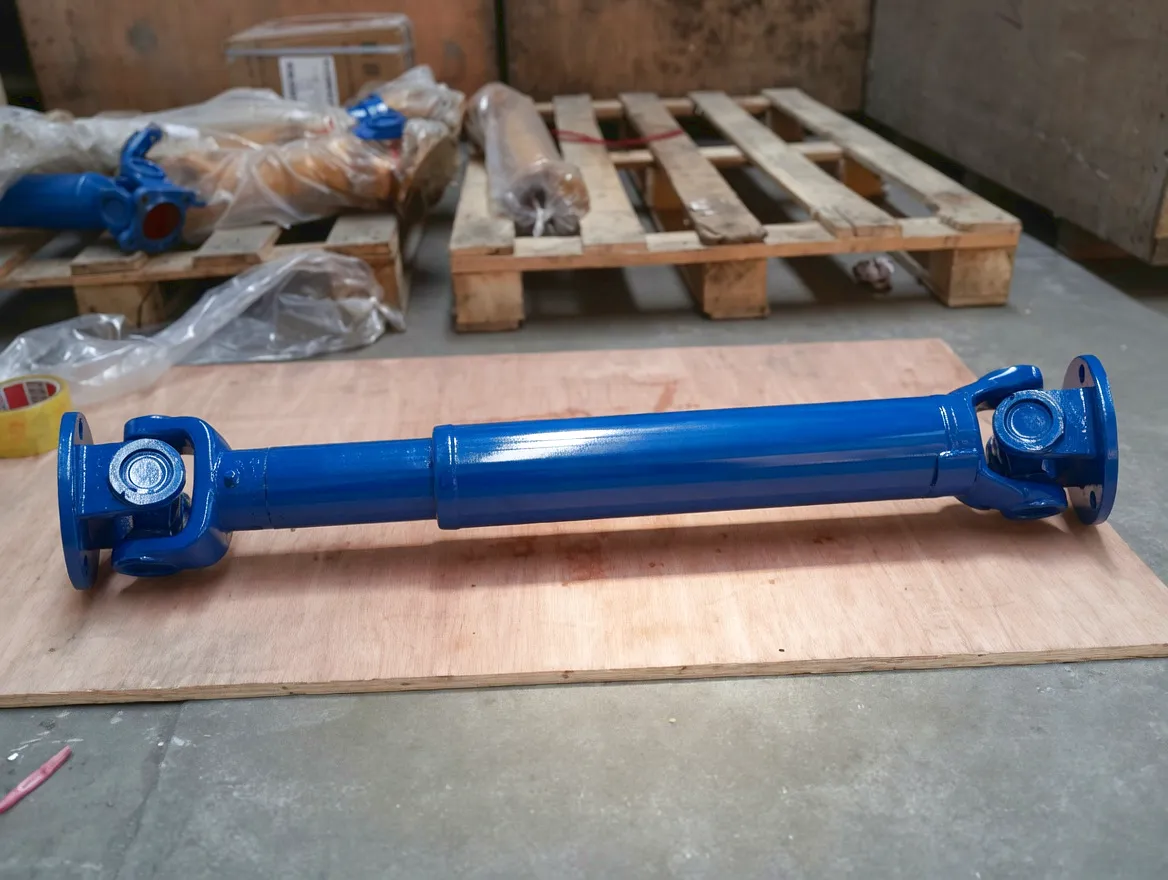 Ever Power operates precision manufacturing facilities with over 120 CNC machining centres dedicated to coupling component production. The factory holds ISO 9001:2015 certification and operates a comprehensive incoming material verification programme — every batch of alloy steel bar and forgings is tested for composition and hardness prior to machining. For yoke ear bores, dimensional tolerances are held to ±0.012 mm using CNC boring centres with in-process gauging, and surface roughness of bearing contact surfaces is controlled to Ra 0.8 µm or better as standard.
Custom Engineering Capabilities
- Non-standard shaft bore diameters and keyway profiles
- Special flange bolt patterns for direct gearbox mounting
- Telescopic shaft assemblies to customer collapsed/extended length
- Overload clutch integration (shear bolt or friction disc)
- Custom surface treatments: zinc-nickel plating, Geomet, hot-dip galvanising
- OEM white-label supply for machinery manufacturers
- Small batch prototype runs from 1 piece minimum order
- Full dimensional reports and material certificates on request
The custom engineering team includes mechanical engineers with backgrounds in agricultural machinery OEM development, and the design process begins with a full review of the customer’s application data — duty cycle, speed, torque profile, installation geometry, and environmental exposure class. Prototypes are typically produced within 15 working days of drawing approval, with full production lead times of 25–35 working days depending on batch size and surface treatment specification. For UK agricultural machinery manufacturers developing new seeder models or seeking to reduce OEM coupling costs without compromising quality, our product development partnership programme offers tooling cost support, engineering collaboration, and volume pricing structures that reward long-term supply relationships.
Client Success Story: Cambridgeshire Arable Contractor, UK
Case Study · East Anglian Arable Contracting · 2024 Season
Eliminating Seasonal Drive Shaft Failures on a 9-Metre Pneumatic Drill Fleet
A contracting operation based near Ely, Cambridgeshire, operates a fleet of three 9-metre folding pneumatic seed drills covering approximately 14,000 hectares of combined cereal and oilseed rape area annually across the Fens and surrounding districts. The operation had been experiencing recurring drive shaft coupling failures — typically two to three per machine per season — concentrated at the PTO-to-gearbox connection. The failures were causing average downtime events of four to six hours each, representing direct labour, parts, and lost contracting revenue costs estimated at £1,800–£2,400 per incident.
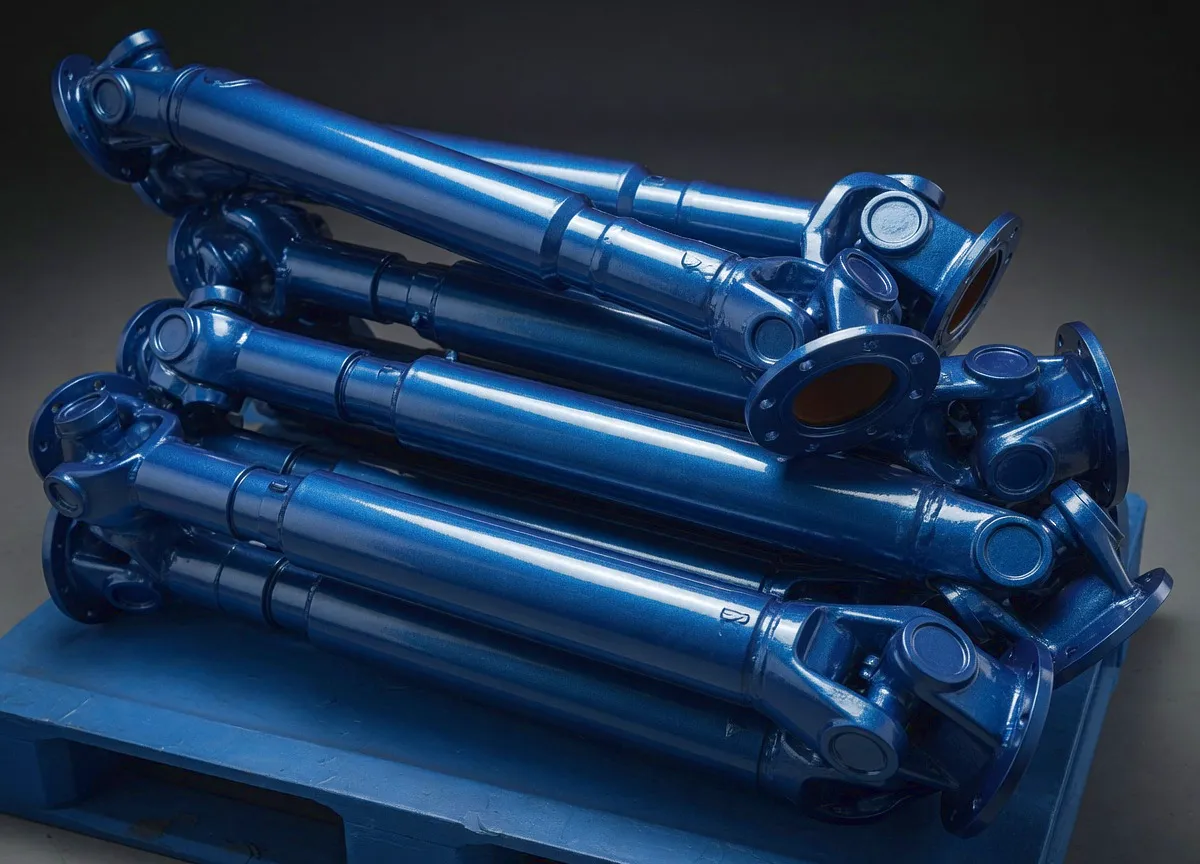 Analysis of the failed components revealed two compounding issues: the standard replacement couplings being sourced from a local agricultural dealer were manufactured with cast iron yokes that were fracturing at the bearing bore radius under the peak torque loads imposed by the heavy Fenland clay soils during early September oilseed rape drilling. Simultaneously, the needle bearing packs were contaminated with mineral fines within a single season, resulting in elevated operating temperatures and accelerated bearing wear that increased system vibration.
Ever Power supplied HD series cardan couplings with 42CrMo4 nitrided cross spiders, forged steel yokes with shot-peened surfaces, and IP65-rated triple lip seals — sized to match the existing shaft interfaces and guard tube dimensions without modification to the machines. Through the 2024 drilling season, covering over 14,000 hectares across all three machines, zero coupling failures were recorded. The contracting business calculated a first-year return on the coupling upgrade cost of approximately 8:1 when failure costs were fully accounted.
What Our Customers Say
“We’d been fitting cheap couplings from the local factor for years and just accepted the annual replacement as a cost of doing business. After switching to Ever Power’s HD series on our Amazone Cirrus drill, we completed the entire 2024 autumn and spring campaign without touching the drive shaft. The price difference from budget parts pays for itself in the first failure you don’t have.”
— Farm Manager, Lincolnshire arable estate (2,800 ha)
“We run a Väderstad Rapid on heavy Yorkshire clay and the standard PTO shaft kept failing at peak drilling depth in autumn. Ever Power’s technical team helped us uprate to an MD series with a friction disc overload element — a modification we couldn’t have done with any standard catalogue part. No failures in two full seasons.”
— Agricultural Machinery Dealer, North Yorkshire
“We manufacture a specialist direct drill for strip tillage and we were looking for a coupling supplier who could provide custom yoke profiles and telescopic tubes to our own drawings. Ever Power turned prototypes around in under three weeks, the dimensional reports were complete and accurate, and the quality has been excellent through our field trials. We’re now in production supply with them.”
— Design Engineer, Agricultural Machinery Manufacturer, Scotland
Practical Selection Guide: Matching the Coupling to the Machine
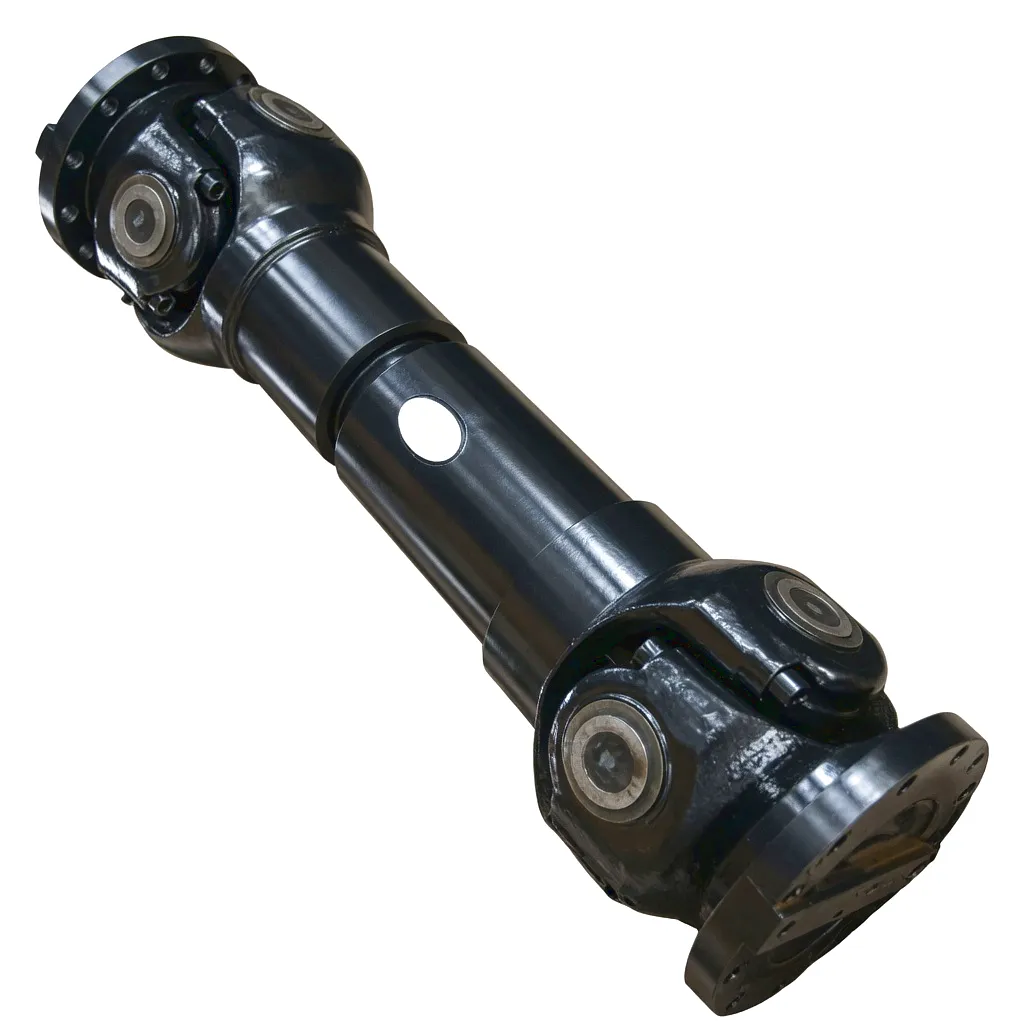 Selecting a cardan coupling without a proper duty analysis is one of the most common mistakes made when sourcing replacement or upgrade parts for seeder drive trains. The nominal PTO power of the tractor — 150 hp, 200 hp, or beyond — is a very poor guide to the actual coupling requirement, because the seeder does not continuously absorb full tractor power. What matters is the peak torque the coupling must transmit without yielding (typically 2.5–4 times mean torque in agricultural duty), the maximum operating angle in service (which must include headland turn conditions, not just straight-line work), and the environmental severity class of the installation.
A practical starting point for specifying a replacement cardan coupling on a seeder central drive shaft is to measure the existing coupling’s collapsed and extended lengths, the shaft bore diameters and keyway dimensions at both ends, and the clearance available between the seeder frame and the tractor lower link arms during full lock and maximum headland lift — this last measurement defines the maximum operating angle the coupling must accommodate. Armed with these four data points and the tractor’s PTO torque at the working speed, an Ever Power application engineer can recommend the correct series and configuration within a single email exchange. The consultation is part of our standard technical service and carries no obligation.
Talk to an Application Engineer
Share your machine make/model, torque requirement, and shaft dimensions.
Response within 24 hours, Monday–Friday. UK-relevant stock available for fast despatch.
Frequently Asked Questions
Ever Power — Precision Cardan Coupling Manufacturer
Serving UK agricultural machinery dealers, OEMs, and arable operations · Enquiries: [email protected]
edit by gzl