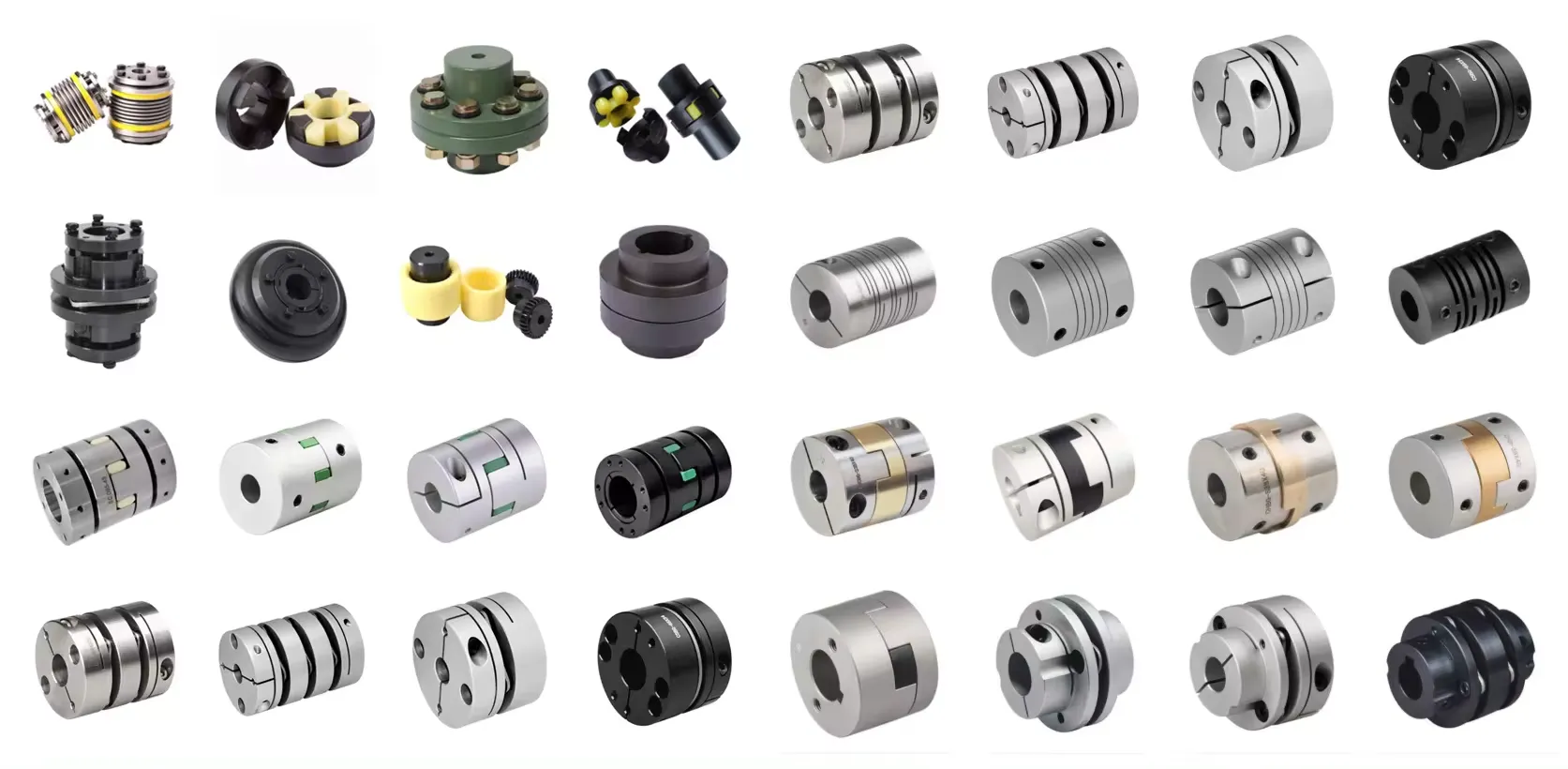
Introducing Cardan Coupling for Photolithography Tools
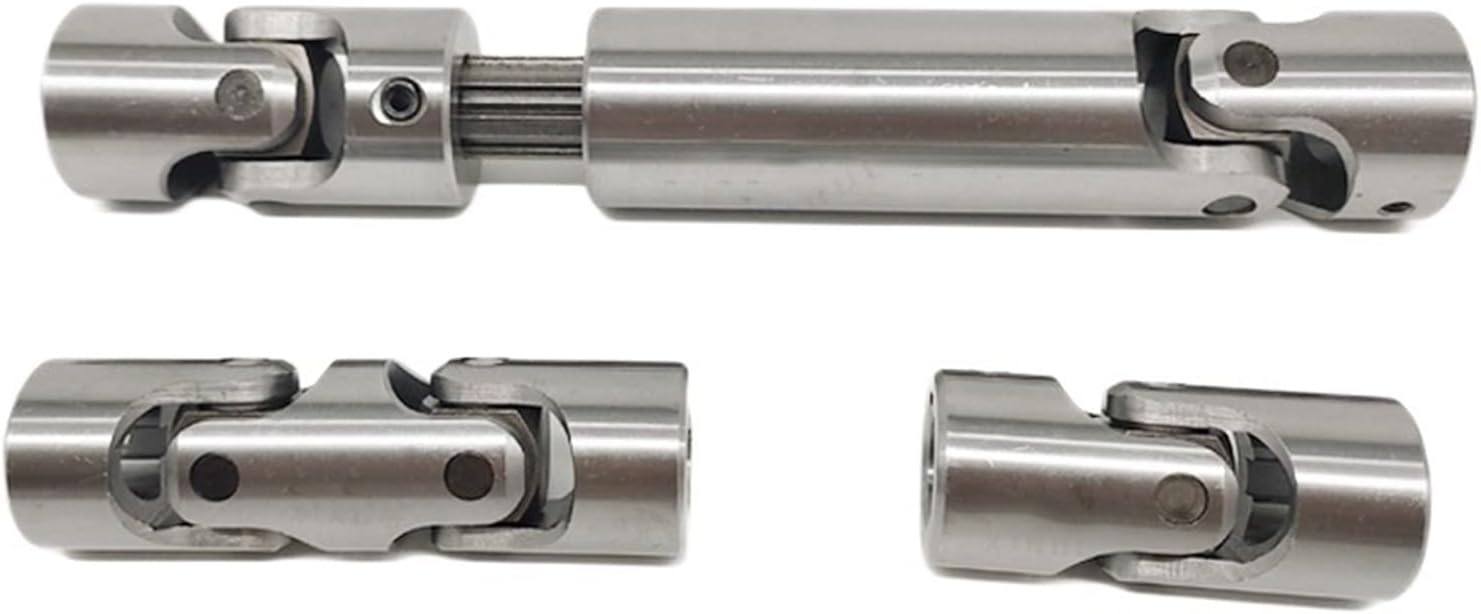
When it comes to ensuring smooth and efficient operation of photolithography tools, a reliable and high-quality Cardan coupling is essential. Let’s dive into the key aspects of what makes the Cardan coupling for photolithography tools a standout choice:
Key Points:
- High Precision Design
- Superior Durability
- Optimal Performance
- Easy Installation
- Cost-Effective Solution
- Customization Options Available
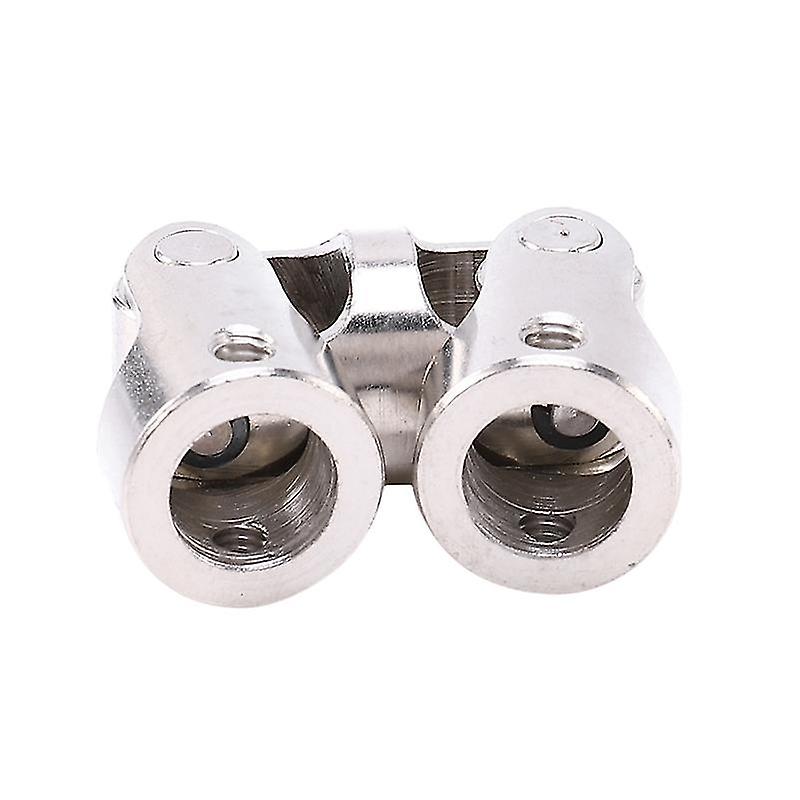
What is Cardan Shaft Coupling?
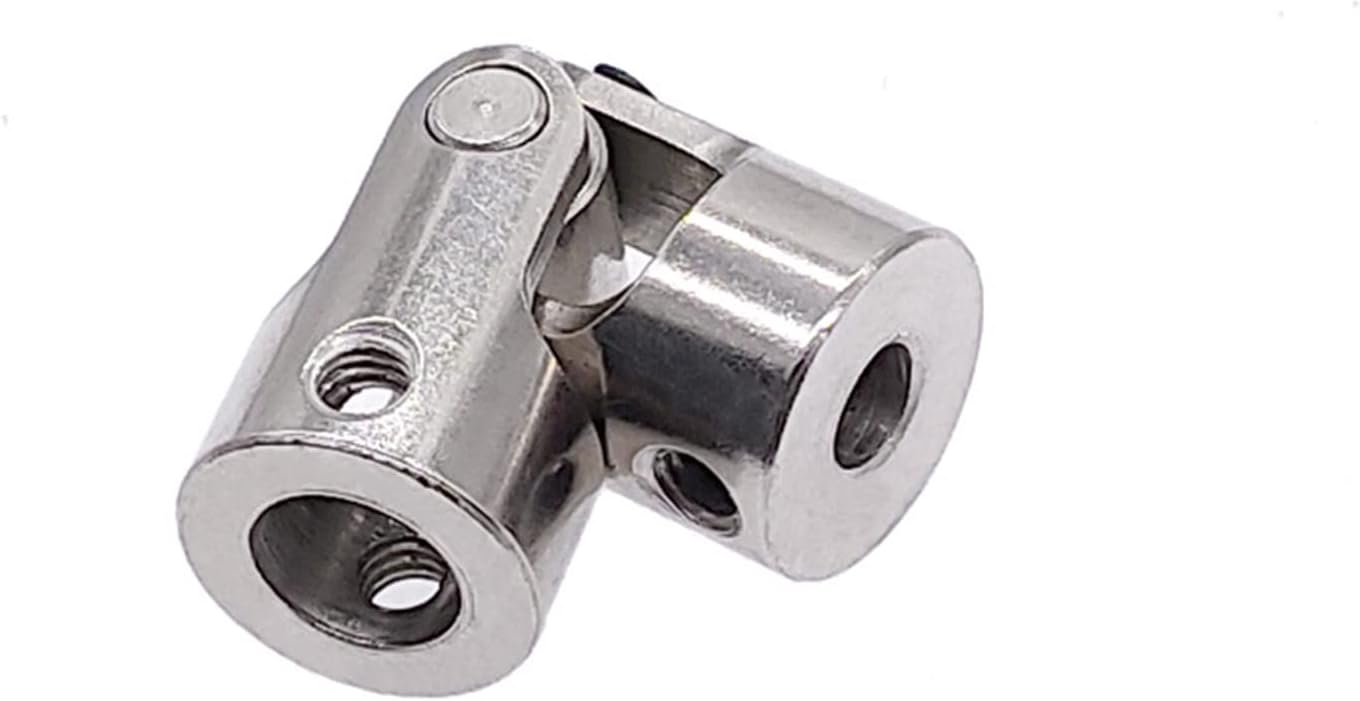
Cardan shaft coupling, also known as universal joint coupling, is a mechanical device used to transmit torque between shafts that are not in a straight line. It consists of a cross-shaped component that allows for angular misalignment while maintaining continuous power transmission. Here are five key aspects of Cardan shaft coupling:
1. Flexibility
The Cardan shaft coupling offers flexibility in various applications, allowing for misalignment between shafts without affecting torque transmission.
2. Torque Transmission
It efficiently transmits torque from one shaft to another, ensuring smooth and continuous power transfer even in challenging operating conditions.
3. Angular Misalignment
With its unique design, the Cardan shaft coupling can accommodate angular misalignment between shafts, reducing stress and wear on connected components.
4. Durable Construction
Constructed from high-quality materials, the Cardan shaft coupling is built to withstand heavy loads and harsh environments, ensuring long-term reliability.
5. Versatile Applications
From industrial machinery to automotive systems, the Cardan shaft coupling is widely used in various applications that require efficient torque transmission and flexibility.
What is the Purpose of a Cardan Shaft?
A Cardan shaft, also known as a propeller shaft or drive shaft, serves a crucial role in transmitting torque from the engine to the wheels or other driven components of a vehicle or machinery. Here are five key aspects of the purpose of a Cardan shaft:
1. Torque Transmission
The primary function of a Cardan shaft is to transmit torque from the engine or motor to the wheels or driven components, enabling motion and power transfer.
2. Angular Misalignment
By accommodating angular misalignment between the transmission and driven components, the Cardan shaft ensures smooth and efficient power transmission.
3. Vibration Damping
The Cardan shaft helps to dampen vibrations and shocks generated during operation, reducing wear and tear on connected components.
4. Flexibility
With its flexible design, the Cardan shaft can adapt to changes in operating conditions, allowing for smooth and continuous power transmission.
5. Maintenance of Constant Velocity
By maintaining a constant velocity between the transmission and driven components, the Cardan shaft helps to optimize performance and efficiency.
What is the Purpose of a Double Cardan Joint?
A Double Cardan joint, also known as a CV joint, is a specialized type of universal joint that offers enhanced flexibility and torque transmission capabilities. Here are five key aspects of the purpose of a Double Cardan joint:
1. Improved Angular Misalignment
The Double Cardan joint can accommodate higher degrees of angular misalignment compared to traditional universal joints, providing greater flexibility in challenging operating conditions.
2. Reduced Vibration
With its unique design, the Double Cardan joint helps to reduce vibration and noise levels during operation, enhancing overall comfort and performance.
3. Enhanced Torque Transmission
By distributing torque more evenly and efficiently, the Double Cardan joint ensures optimal power transfer between shafts, reducing wear and extending component lifespan.
4. Greater Durability
Constructed from high-strength materials, the Double Cardan joint is built to withstand heavy loads and harsh environments, ensuring long-term reliability and performance.
5. Versatile Applications
From automotive drivelines to industrial machinery, the Double Cardan joint is widely used in applications that require superior torque transmission and flexibility.
How to Choose the Appropriate Cardan Coupling
Choosing the right Cardan coupling for your specific application is crucial to ensuring optimal performance and longevity. Here are five key points to consider when selecting a Cardan coupling:
1. Load Capacity
Consider the maximum torque and load requirements of your application to ensure that the Cardan coupling can handle the expected loads without compromising performance.
2. Operating Conditions
Take into account the environmental factors, such as temperature, humidity, and vibration levels, to choose a Cardan coupling that can withstand the conditions of your operating environment.
3. Alignment Needs
Determine the degree of angular misalignment present in your application and select a Cardan coupling that can accommodate the required misalignment while maintaining torque transmission.
4. Maintenance Requirements
Consider the maintenance needs of the Cardan coupling, such as lubrication and inspection intervals, to ensure that it can be easily maintained and serviced for optimal performance.
5. Budget Constraints
Factor in the cost of the Cardan coupling and compare it to your budget constraints to find a balance between quality, performance, and affordability for your specific application.
What is the Difference Between a Disc and a Cardan Coupling?
When it comes to selecting the right coupling for your application, understanding the differences between a Disc coupling and a Cardan coupling is essential. Here are five key aspects that differentiate the two types of couplings:
1. Design
Disc couplings feature a disc-shaped elastomeric element that provides flexibility and damping, while Cardan couplings utilize a cross-shaped component to transmit torque and accommodate misalignment.
2. Torque Transmission
Disc couplings are ideal for high torque applications due to their robust design, while Cardan couplings are preferred for applications requiring flexibility and angular misalignment.
3. Misalignment Capacity
Cardan couplings can handle greater degrees of angular misalignment compared to Disc couplings, making them suitable for applications with varying alignment needs.
4. Maintenance Requirements
Disc couplings may require more frequent maintenance due to wear on the elastomeric elements, while Cardan couplings are known for their durability and minimal maintenance needs.
5. Cost Considerations
While both Disc and Cardan couplings offer unique advantages, the cost of each type can vary based on factors such as material quality, design complexity, and manufacturing processes.
About HZPT
At HZPT, we pride ourselves on being a leading manufacturer and exporter of high-quality couplings for a wide range of applications, including photolithography tools. With 16 years of experience in design and production, we offer customized solutions to meet the unique requirements of our global customers. Our commitment to quality, reliability, and customer satisfaction sets us apart in the industry. Choose HZPT for the best service, highest product quality, and competitive prices. Contact us today to learn more about our products and how we can meet your coupling needs.