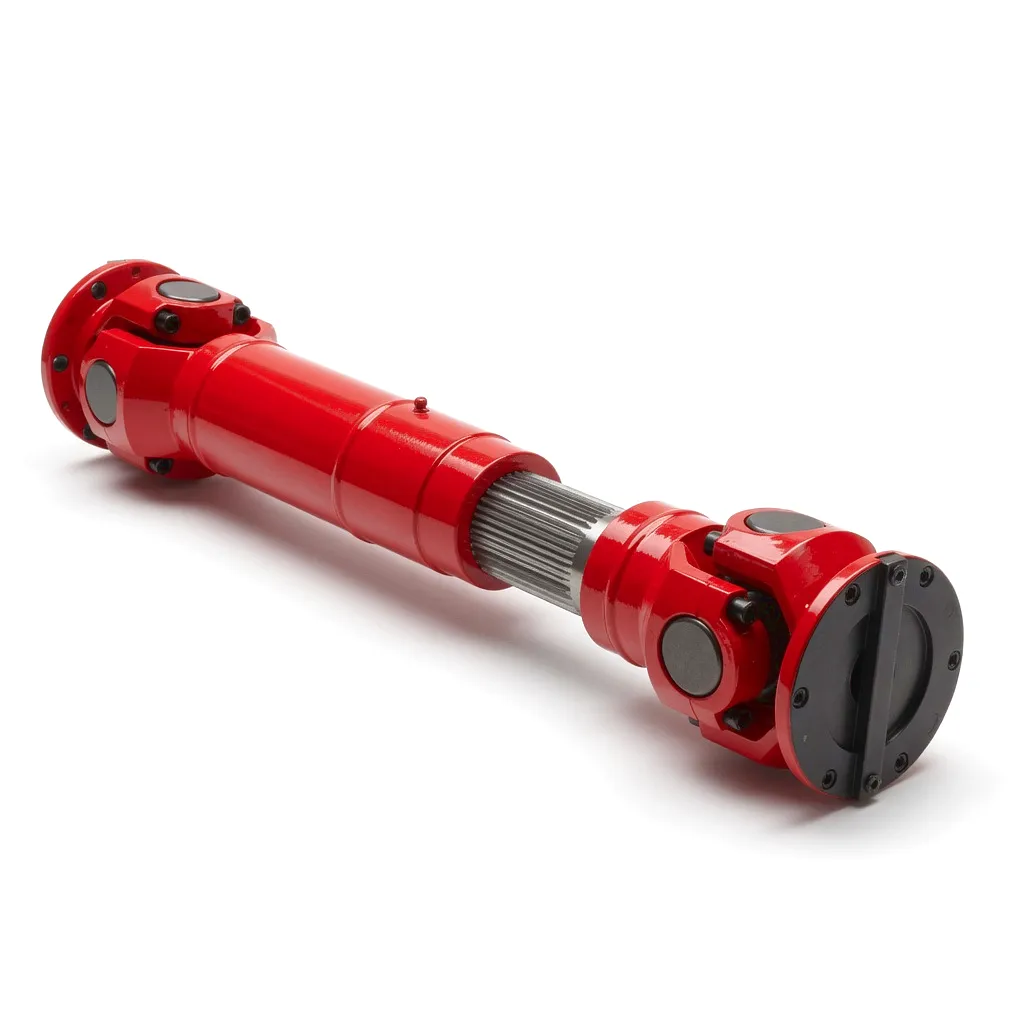
 Walk into any modern UK soft drinks, beer, or dairy filling facility and you will find rotary distribution valves quietly doing one of the most demanding jobs on the line. These valves have to rotate continuously, index with sub-millimetre accuracy, handle fluid pressures that vary with every product changeover, and do it all in a hygienic environment where water and cleaning agents are constantly present. The cardan coupling — sometimes called a universal joint coupling or cross-joint coupling — sits at the heart of this system, transmitting torque through angular offsets that would destroy a rigid shaft within minutes.
What makes this application genuinely challenging is the combination of demands. On one side, the drive motor may sit at an angle to the valve stem because of frame geometry or upstream equipment. On the other, the valve must rotate at a constant, consistent speed to ensure every bottle or can receives exactly the right volume. A conventional cardan coupling introduces a velocity ripple when angles increase — something that becomes a fill-level problem at scale. Getting the engineering right means selecting a cardan coupling that balances angular capacity, hygienic construction, and torsional uniformity in a single unit.
Ever Power has supplied precision cardan couplings to beverage, dairy, and pharmaceutical filling operations across the United Kingdom, Europe, and beyond for over two decades. The experience that has accumulated across those projects — dealing with aggressive CIP chemicals, stainless material specs, and tight installation envelopes — forms the practical backbone of everything discussed in this article
Need a cardan coupling quote for your beverage filling line? Our UK-based engineering team responds within 24 hours.
How Rotary Distribution Valves Work — And Why the Drive Coupling Is Critical
A rotary distribution valve in a beverage filling machine is essentially a precisely timed ported disc or cylinder that rotates to open and close fluid pathways in sync with the movement of containers on the carousel. As each bottle or can arrives at its fill station, the valve rotates to align a product port with the filling nozzle, liquid flows under pressure, and then the valve indexes to the next position. At modern line speeds — commonly 36,000 to 80,000 containers per hour for large UK carbonated drinks producers — that indexing happens dozens of times per minute without pause.
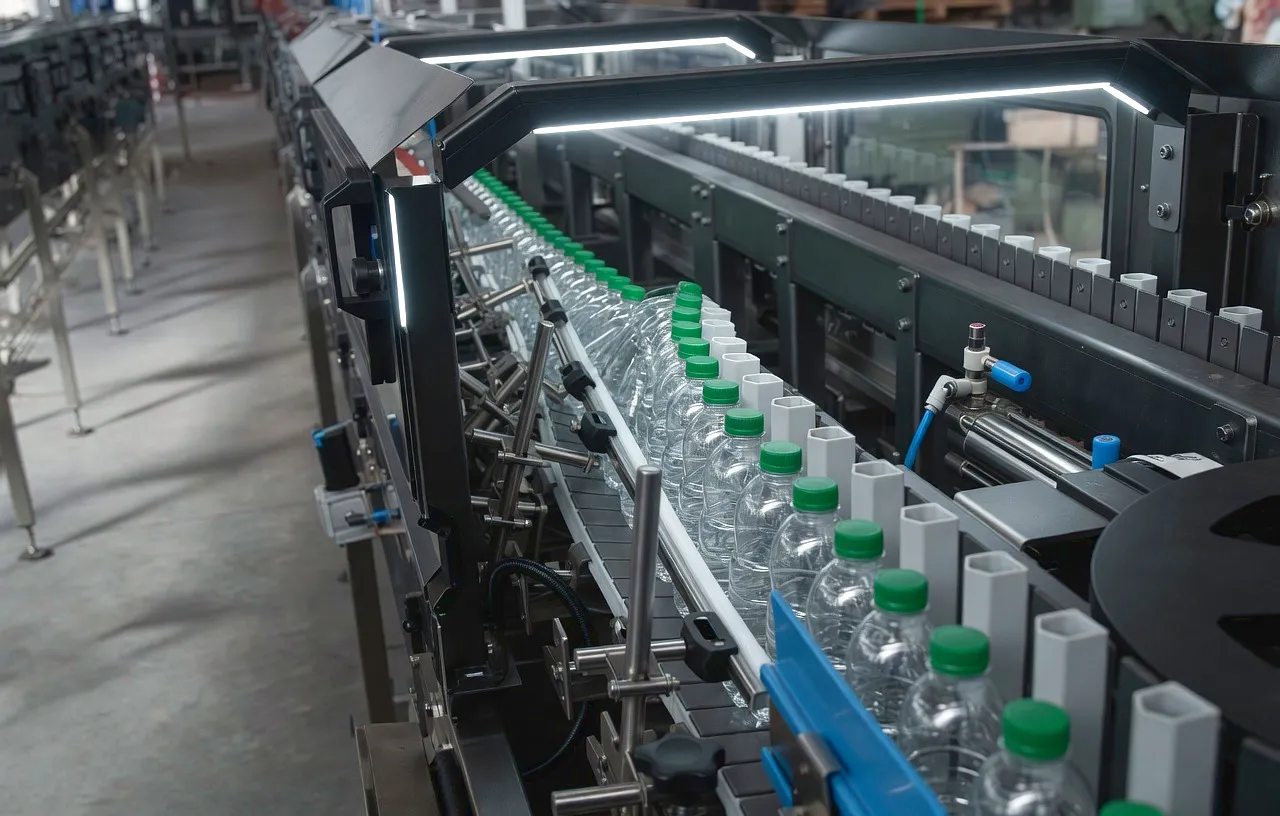
The drive chain delivering rotation to the valve stem almost always involves some angular offset. This comes from gearbox mounting constraints, the need to keep the servo motor away from the product zone, or simply because the machine frame was designed before hygienic access requirements tightened. A standard rigid coupling cannot accommodate this offset. Flexible couplings with elastomeric elements can absorb some misalignment, but they introduce torsional compliance that makes precise indexing unreliable at high speeds. The cardan coupling, by contrast, uses a mechanical cross-joint arrangement to transmit torque through real angular offsets — typically up to 35° in a single-joint unit — while maintaining a direct kinematic link between input and output shafts.
The physics matters here. A single-joint cardan coupling produces a sinusoidal velocity variation at the output when operated at an angle — the output shaft speeds up and slows down twice per revolution by an amount that depends on the working angle. For a rotary distribution valve at, say, 15° working angle, this ripple can be several percent. On a high-speed filler, that velocity ripple translates directly to fill-volume scatter. The solution used by experienced engineers is either a double-joint (constant-velocity) cardan shaft, where two joints cancel each other’s velocity error, or a single joint operating at very low angles where the ripple falls below the fill-volume tolerance. Both approaches are standard in the Ever Power range.
Cardan Coupling in Beverage Filling Applications
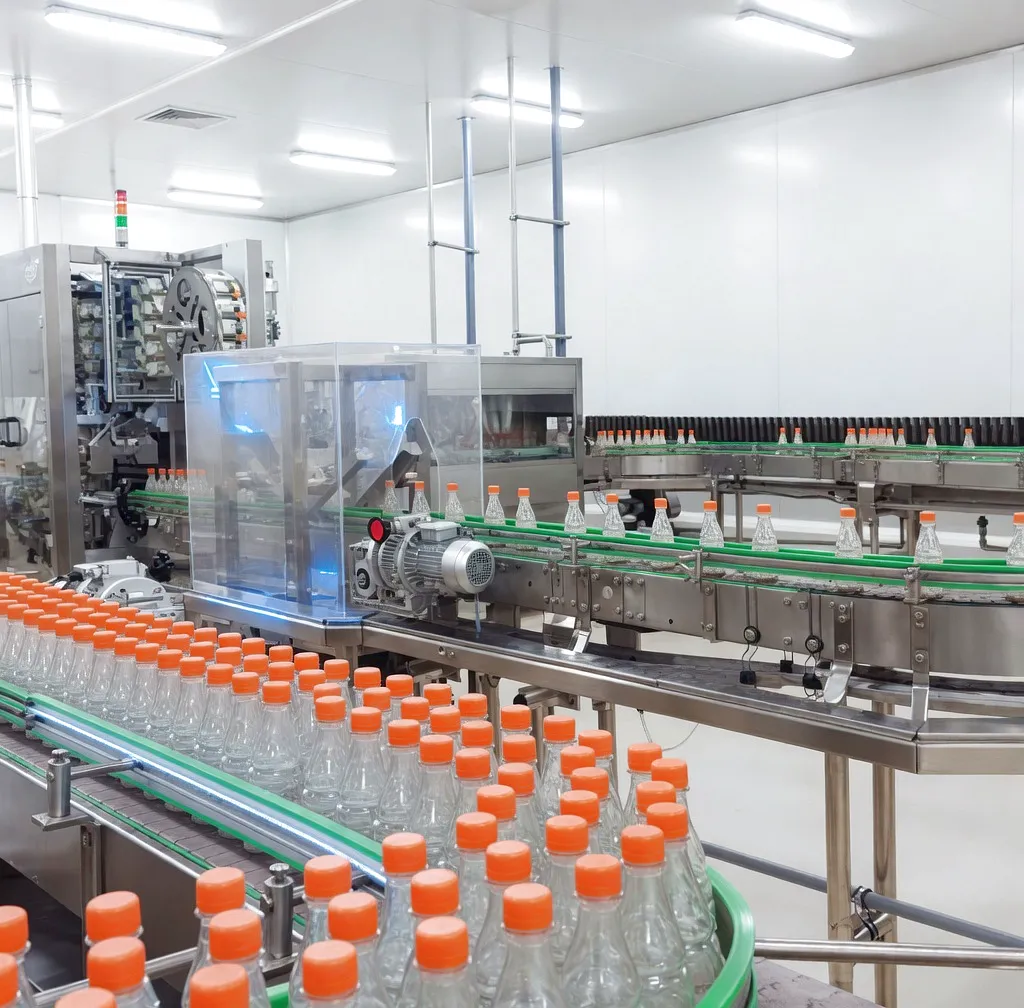
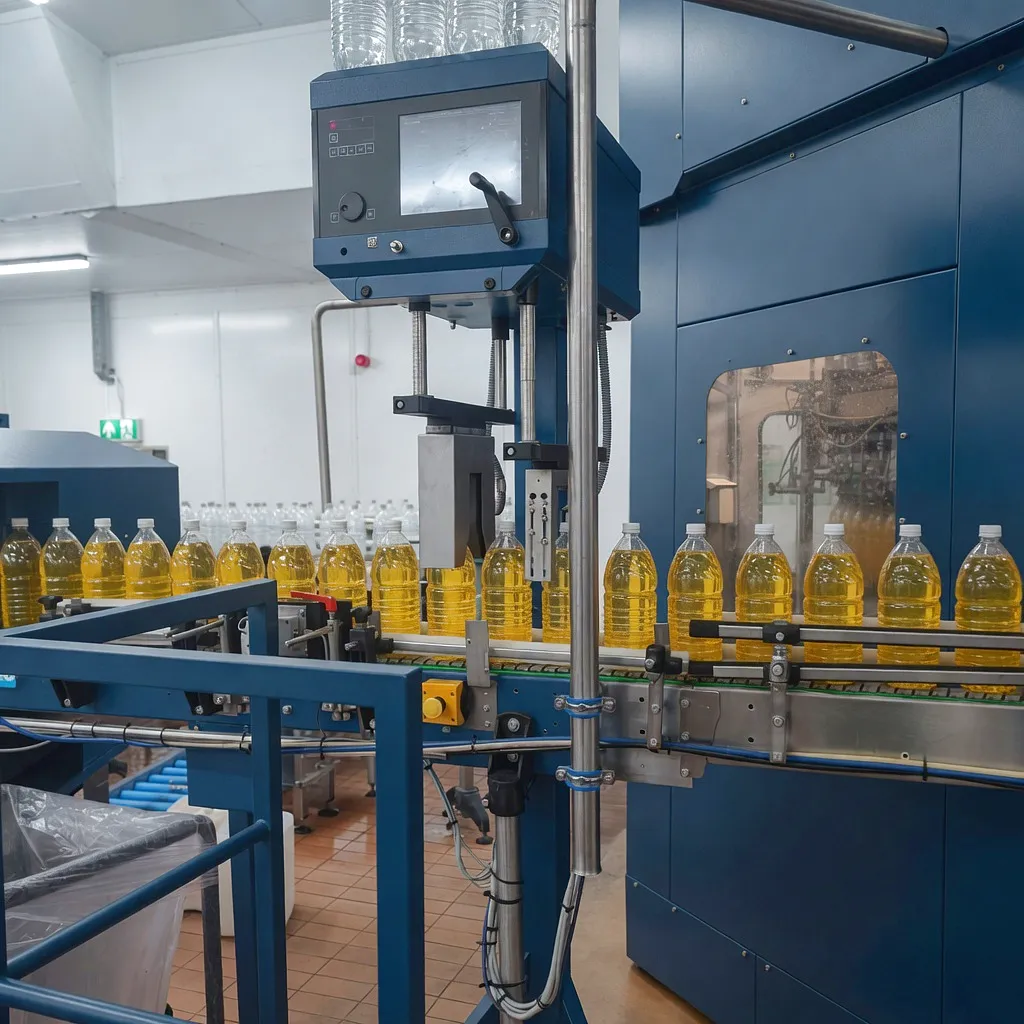
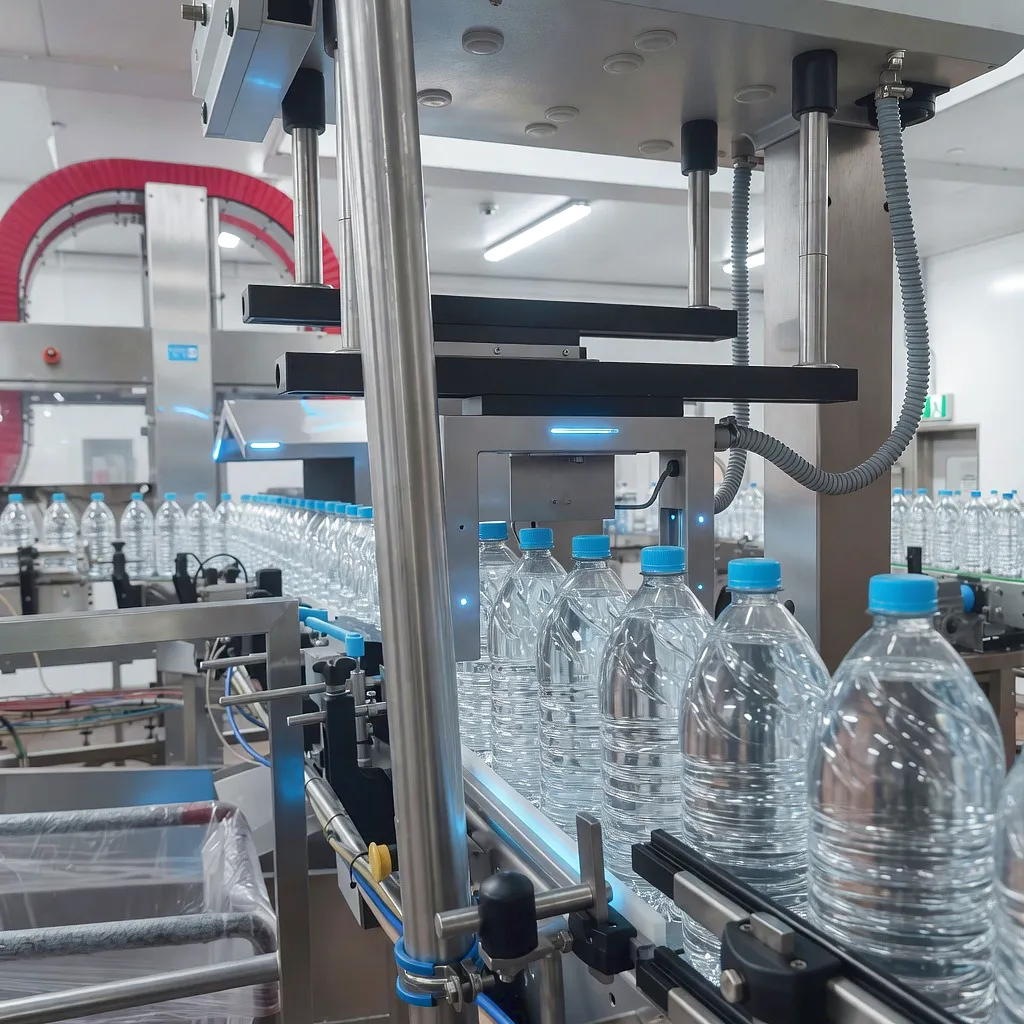
Material Selection and Hygienic Construction Principles
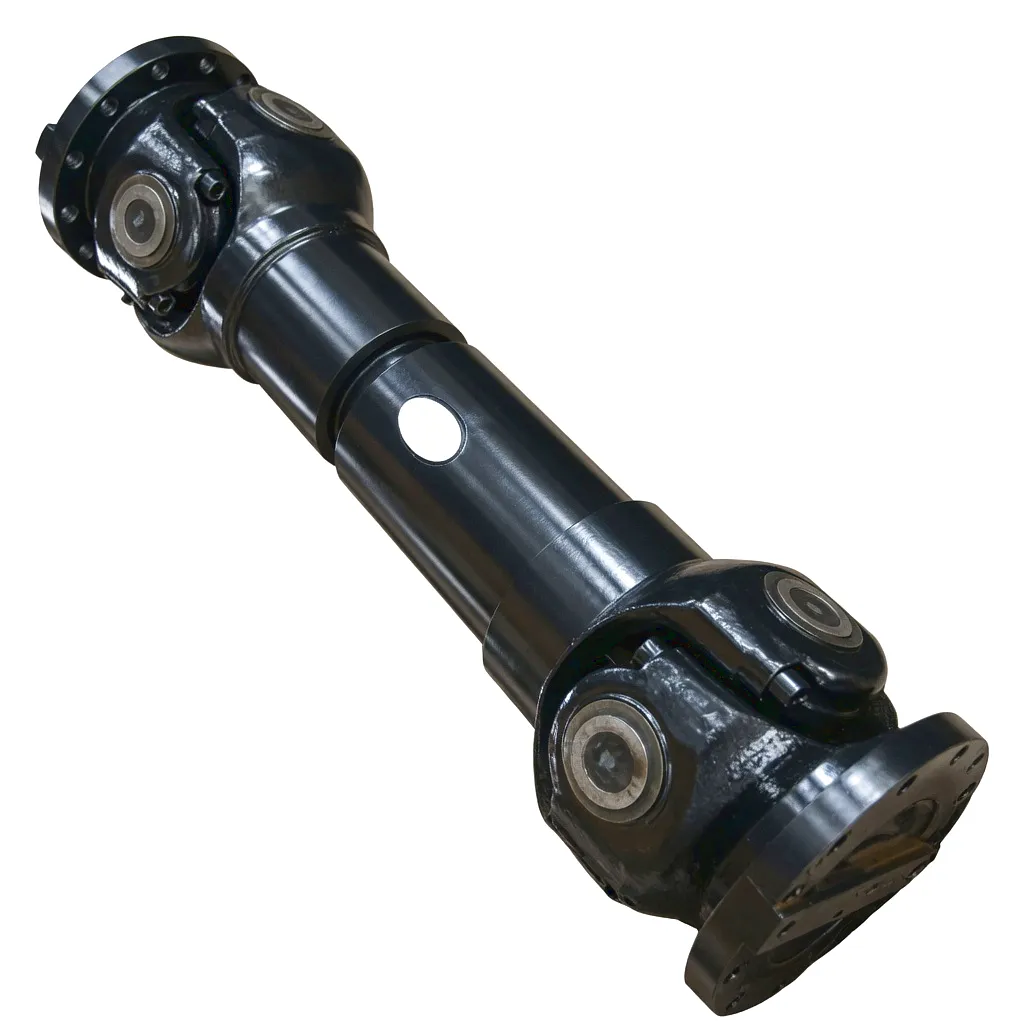 In food and beverage manufacturing, the material specification of every component that enters the production zone is not optional — it is a regulatory and safety requirement. UK beverage producers operating under BRC Global Standard for Food Safety and those supplying major retailers must demonstrate material traceability for any component within the hygienic envelope. The cardan coupling, even when positioned outside the primary product contact zone, is typically subject to these controls because CIP (Clean-In-Place) and SIP (Sterilise-In-Place) spray coverage extends well beyond the immediate valve body.
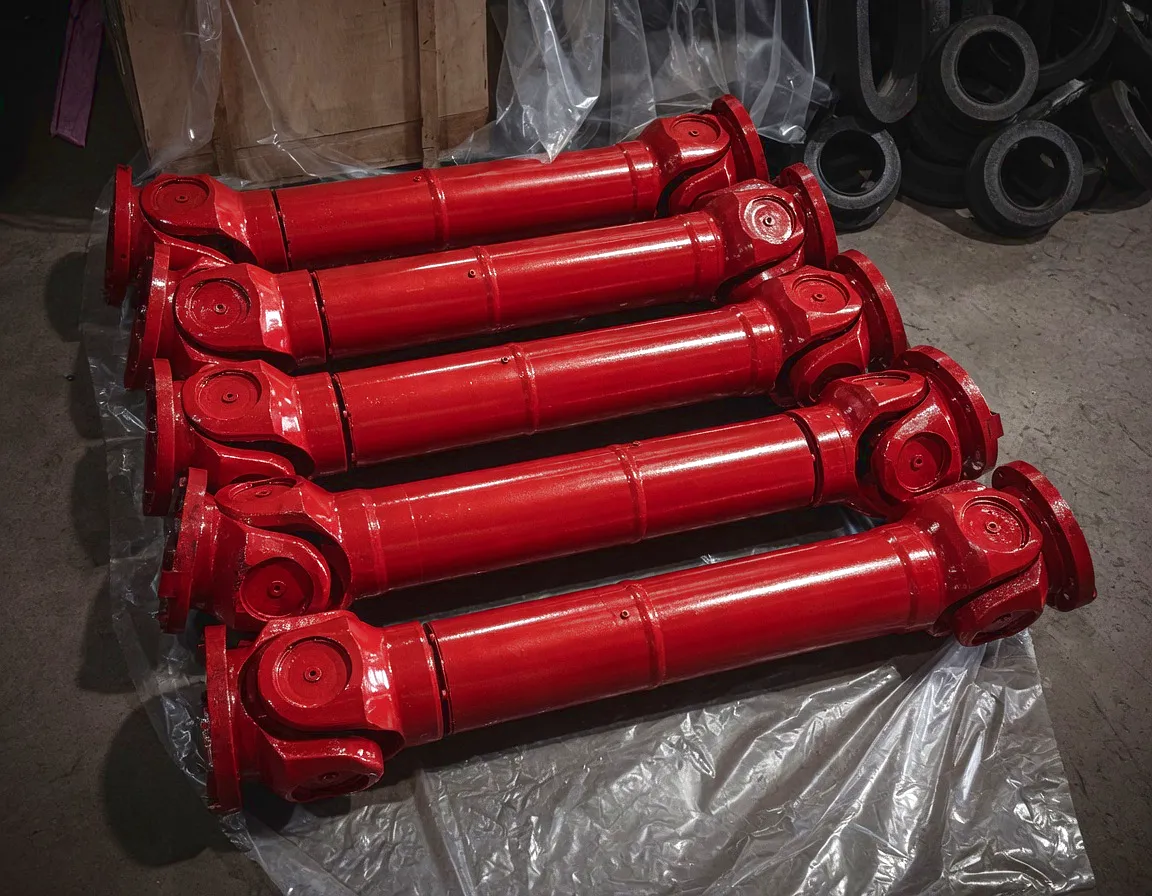
Ever Power’s food-grade cardan coupling range uses 316L stainless steel as the primary structural material for all external surfaces, yokes, and the cross-journal bearing assembly. The choice of 316L over the more common 304 grade is deliberate: the additional molybdenum content in 316L significantly improves resistance to chloride pitting, which is the dominant corrosion mechanism when facilities use sodium hypochlorite or peracetic acid in their cleaning circuits. Internal bearing needles and thrust washers are manufactured from hardened stainless or food-approved polymer composites that pass FDA and EU 10/2011 migration testing. All seals use EPDM or PTFE compounds rated for the full temperature range of CIP cycles — typically 80–95 °C for hot-clean systems.
Surface finish is an area where beverage-grade cardan couplings diverge most sharply from general industrial units. A standard industrial cardan coupling may have a machined external surface with Ra values of 3.2 µm or coarser — perfectly fine for a steel mill or quarry, but completely unacceptable in a hygienic zone where bacteria can colonise surface irregularities. The Ever Power hygienic range specifies external Ra ≤ 0.8 µm on all surfaces within the CIP coverage zone, and critical seal interfaces are polished to Ra ≤ 0.4 µm to prevent micro-crevices at dynamic sealing points.
316L Stainless Steel
Superior chloride resistance. Withstands CIP and peracetic acid cycles without surface degradation.
Ra ≤ 0.8 µm Finish
Hygienic surface finish throughout — eliminates micro-crevices that harbour bacteria during production.
EPDM / PTFE Seals
Rated 80–95 °C for hot CIP. Zero extractable migration — FDA 21 CFR and EU 10/2011 compliant.
Full Material Traceability
Mill certificates and EN 10204 3.1 documentation supplied with every unit. BRC audit-ready.
Technical Performance Parameters
The table below summarises the principal technical parameters of Ever Power’s hygienic cardan coupling range as applied to beverage filling machine rotary distribution valve drives. Custom configurations are available beyond these standard ranges — contact our engineering team for project-specific sizing.
Key Advantages for Beverage Filling Operators
Understanding why a particular cardan coupling outperforms alternatives in this application is not just a purchasing decision — it directly affects line OEE (Overall Equipment Effectiveness), product quality audits, and planned maintenance intervals. The advantages below reflect what experienced maintenance engineers and production managers at UK filling operations have consistently cited when switching to precision cardan coupling drive solutions.
Consistent Fill Accuracy
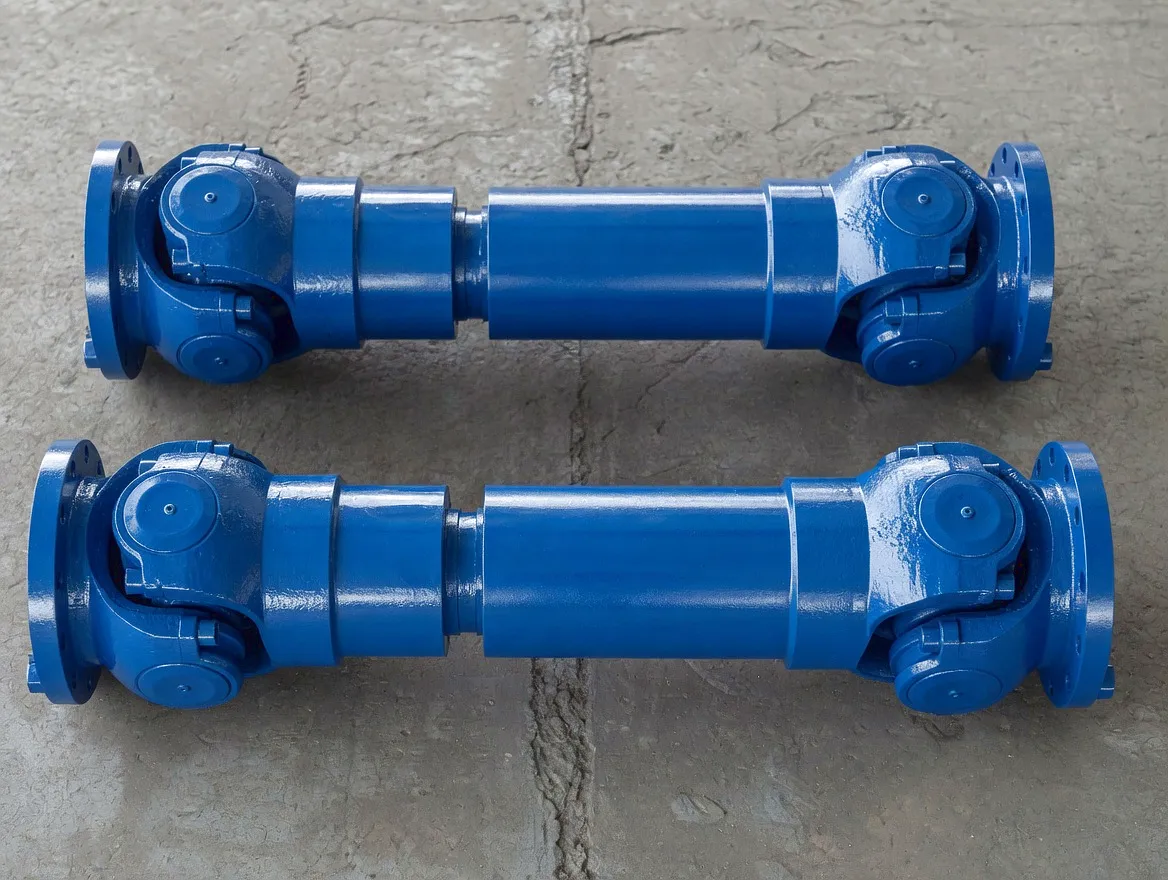
Double-joint constant-velocity design eliminates velocity ripple entirely. At working angles up to 25°, the output shaft speed remains uniform across 360° of rotation. On a 60,000-can-per-hour line, this can reduce fill-volume scatter from ±3.5 ml to under ±0.8 ml — a difference that directly affects compliance with UK weights and measures regulations and reduces product giveaway.
Extended Service Life
Needle-roller bearing cross-journals with sealed grease or food-grade grease nipple fittings deliver calculated service lives exceeding 20,000 operating hours in clean conditions. For a beverage line running three shifts, that translates to more than four years between planned bearing replacements — dramatically longer than elastomeric couplings that need replacement every 8,000–12,000 hours when handling angular offset.
Rapid Changeover Compatibility
Beverage filling lines in the UK routinely switch between container sizes, closure types, and products multiple times per shift. Our cardan coupling designs feature quick-release yoke systems and standardised flange interfaces that allow valve drive removal and reinstallation without specialist tools. The split-clamp yoke option cuts drive changeover time from 45 minutes to under 10 minutes for trained operators.
Misalignment Tolerance Without Vibration
Filling machine frames flex under thermal loading and the weight of full liquid reservoirs. A drive coupling that cannot absorb this real-world misalignment transmits bending loads into the valve stem and gearbox output shaft, causing premature bearing failures on both sides. The cardan coupling handles angular misalignment mechanically, without introducing vibration or reaction forces back into the connected equipment.
Full Regulatory Documentation
Every coupling ships with a complete documentation pack: EN 10204 3.1 material certificates, surface finish inspection report, dimensional conformance record, and — for hygienic-grade units — a Declaration of Material Conformity for FDA and EU 10/2011. This documentation set is specifically structured to satisfy BRC Global Standard auditors and the technical files required under UK Machinery Regulations 2008.
Low Noise at High Speed
Precision-ground cross-journals with needle-roller bearings in a close-clearance housing produce typical noise levels below 72 dB(A) at 1,000 rpm and nominal torque. For UK employers complying with the Control of Noise at Work Regulations 2005, this matters at the system level — a quieter drive train reduces cumulative noise exposure on the filling floor without costly acoustic enclosures.
Application Scenarios Across the Beverage Sector
The rotary distribution valve drive is not confined to one type of filling machine or one category of beverage. Across the UK’s food and drink manufacturing sector — from the large carbonated soft drink factories in the South East to craft brewery operations in Yorkshire, Scotland, and the West Midlands — the specific demands differ enough to make coupling selection a genuinely engineering-intensive decision. What follows is a breakdown of the primary application contexts and the coupling configurations typically selected for each.
Customer Success: UK Beverage Manufacturer Case Study
Real results from a production environment similar to yours
Case Study — Midlands UK Soft Drinks Producer
Eliminating Fill-Volume Drift on a 60,000 BPH Filler
A regional soft drinks producer based in Leicestershire was experiencing fill-volume scatter on their primary 60,000-bottle-per-hour PET line. Statistical process control data showed ±3.8 ml scatter on a 500 ml bottle — nearly double the tolerance specified by their retailer customer. Root-cause analysis by their maintenance engineering team identified velocity ripple in the rotary distribution valve drive as the primary contributor. The existing coupling — a standard elastomeric jaw coupling — was being run at a 12° working angle, generating significant output speed variation twice per revolution.
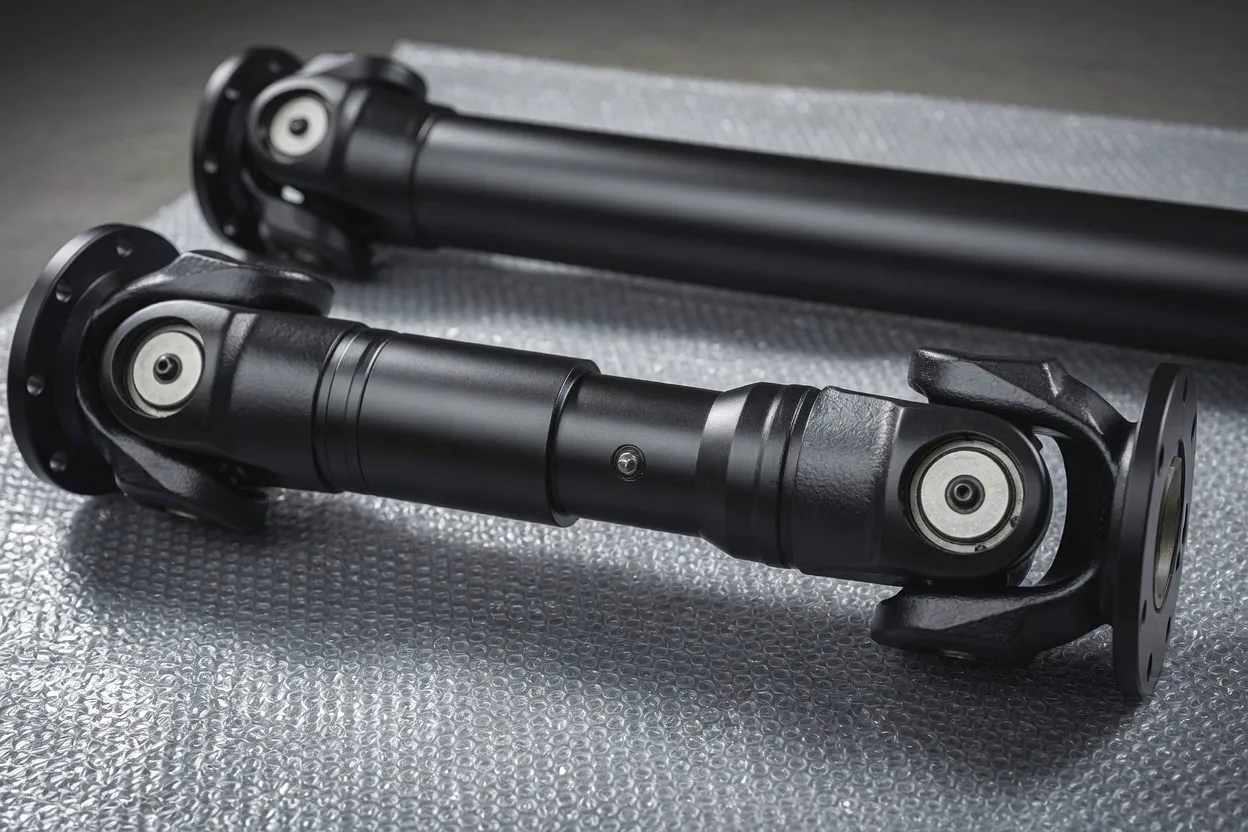
Ever Power supplied a double-joint constant-velocity cardan shaft, sized for 380 Nm nominal torque at 180 rpm, with a working angle capacity of 25° per joint. The shaft featured 316L stainless yokes, sealed food-grade bearings, and a quick-release clamp interface at both ends to fit the existing gearbox output flange and valve stem dimensions without modification. Installation took four hours during a scheduled weekend shutdown — no structural changes to the machine frame were required.
Post-installation SPC data collected over four weeks of production showed fill-volume scatter reduced to ±0.7 ml — an 82% improvement. Annualised product giveaway reduction was calculated at approximately £38,000, and the line passed its subsequent retailer technical audit without comment on the fill-volume process capability.
82%
Fill-volume scatter reduction
£38k
Annual giveaway saving
4 hrs
Installation — no structural changes
✓
Retailer technical audit passed
❝
We had been chasing fill-level complaints for eight months before someone finally pointed at the coupling. Ever Power diagnosed the issue from our torque data within a day, and the replacement shaft was on-site within a week. The improvement was immediate and measurable.
— Engineering Manager, Yorkshire Brewery, UK
❝
We specified the hygienic cardan coupling for our new UHT juice line as part of the initial machine build. The 316L finish and sealed-bearing cross-joint gave us what we needed for SIP validation without any modifications. Documentation was complete and BRC-ready from day one.
— Process Equipment Manager, Scottish Dairy Producer, UK
❝
The price was competitive, the lead time was three weeks which worked with our planned shutdown, and the coupling has been running faultlessly for fourteen months. The quick-release yoke makes our format change between 250 ml and 500 ml bottles noticeably faster. Good engineering all round.
— Maintenance Supervisor, South East England Water Bottling Site, UK
Custom Engineering and Manufacturing Capability
A standard catalogue cardan coupling solves the majority of beverage filling machine applications, but the reality of food production engineering is that machines get modified, extended, and adapted over their lifetime. New drive motors get retrofitted, machine frames get extended, hygienic zone boundaries change after factory expansions, and new filling products introduce requirements that were not envisaged when the machine was first commissioned. Ever Power’s engineering and manufacturing capability is built specifically to address the non-standard — and in the food and beverage sector, non-standard is more common than people acknowledge.
Our manufacturing facility operates CNC turning and milling centres capable of producing cross-journal housings, yoke forgings, and shaft assemblies to tolerances of ±0.005 mm. Custom bore diameters, unusual flange bolt patterns, extended shaft lengths for deep-frame installations, and integrated protective shrouds for IP69K-rated washdown environments are all within standard production scope. Customers provide a drawing or a sample part; our engineers produce a GA drawing for approval within five working days and can deliver first-article samples in two to four weeks depending on material availability.
For UK machine builders and OEMs designing new filling lines, Ever Power offers a collaborative engineering service: we review your drive train layout, calculate working angles and torque requirements, recommend the optimal cardan coupling configuration, and provide 3D CAD models in STEP format for integration into your machine design. There is no charge for this engineering review for OEM development projects — it is part of how we build long-term supply partnerships with UK beverage machinery manufacturers.
Custom Bore & Flange
Any bore diameter, keyway, spline, or clamping interface. Fits existing machine flanges without adaptor plates.
Special Lengths
Extended or telescopic shaft assemblies for deep-frame machines or where access space constrains standard lengths.
IP69K Washdown
Fully enclosed housings and redundant seal systems for high-pressure washdown environments.
Free OEM Review
Full engineering review and 3D STEP file for OEM machine builders — no charge for development projects.
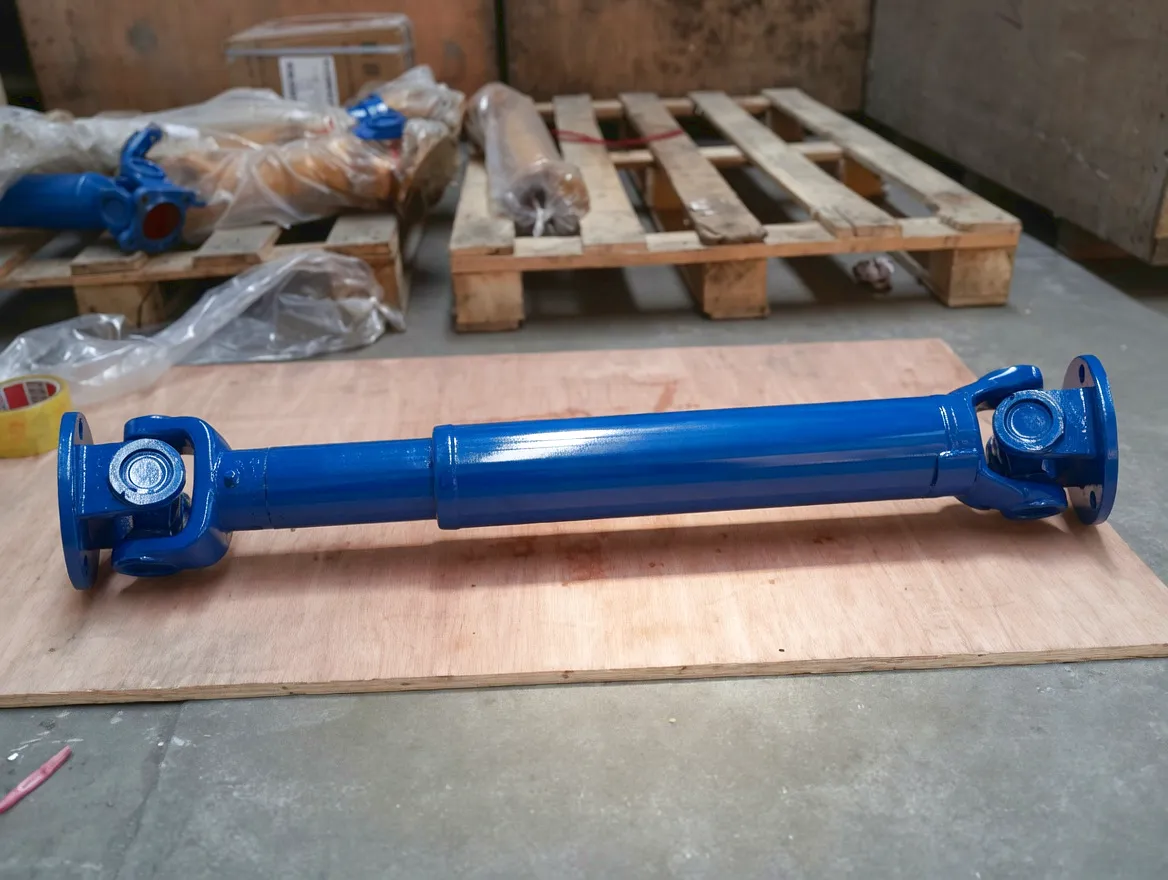
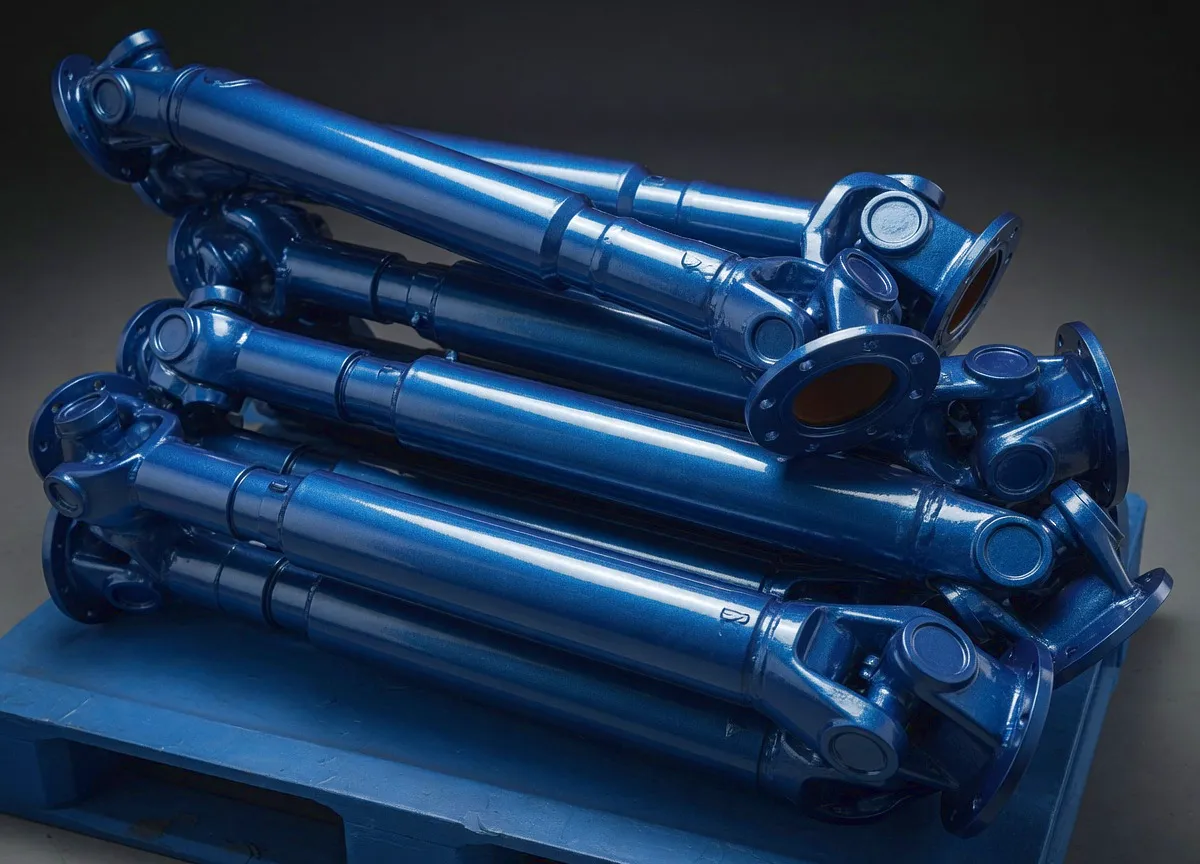
Ever Power cardan coupling range — from compact 20 Nm units to heavy-duty 10,000 Nm shafts
Cardan Coupling vs Alternative Drive Solutions
When selecting a drive coupling for a rotary distribution valve, engineers typically evaluate three to four options. The comparison below reflects field experience across UK beverage applications — not manufacturer claims. Each option has a legitimate use case, and the right choice depends on your specific working angle, speed, hygiene zone classification, and maintenance philosophy.
How to Select the Right Cardan Coupling for Your Application
Selecting a cardan coupling for a beverage filling machine rotary distribution valve does not have to be complicated, but skipping the sizing step is a common source of failures in the field. The following process is what our application engineers use when evaluating a new project — the same logic applies whether you are designing a new machine or replacing a coupling on an existing line.
Measure the Working Angle
With the machine at operating temperature and fully loaded, measure the angle between the motor/gearbox output centreline and the valve stem centreline. Use this — not the cold installation angle — as your design angle. Add 20% safety margin.
Calculate Peak Torque
Peak torque during valve indexing can be 2–3x the continuous running torque. If you have motor current data, use it to calculate peak torque. If not, apply a service factor of KA = 2.0 to the nominal motor torque for servo-driven indexing applications.
Determine Fill-Volume Tolerance
If your working angle exceeds 8° and fill-volume tolerance is tight, specify a double-joint CV shaft. For angles below 8° with typical filling tolerances, a single-joint unit at the correct torque rating is usually sufficient and lower cost.
Confirm Hygiene Requirements
Confirm whether the coupling is inside or adjacent to the hygienic zone, what CIP chemicals and temperatures are used, and what IP rating the coupling must achieve. These answers determine material grade, surface finish specification, and seal compound selection.
Frequently Asked Questions
Real questions from beverage equipment engineers, production managers, and maintenance teams across the UK
Ready to Solve Your Rotary Valve Drive Challenge?
Our engineering team has helped beverage producers across the UK eliminate fill-volume drift, reduce maintenance costs, and pass food safety audits. Tell us your application and we will recommend the right cardan coupling — no obligation.
Get a Quote — [email protected]
Ever Power · Industrial Drive Solutions · Serving the UK food and beverage sector
edit by gzl