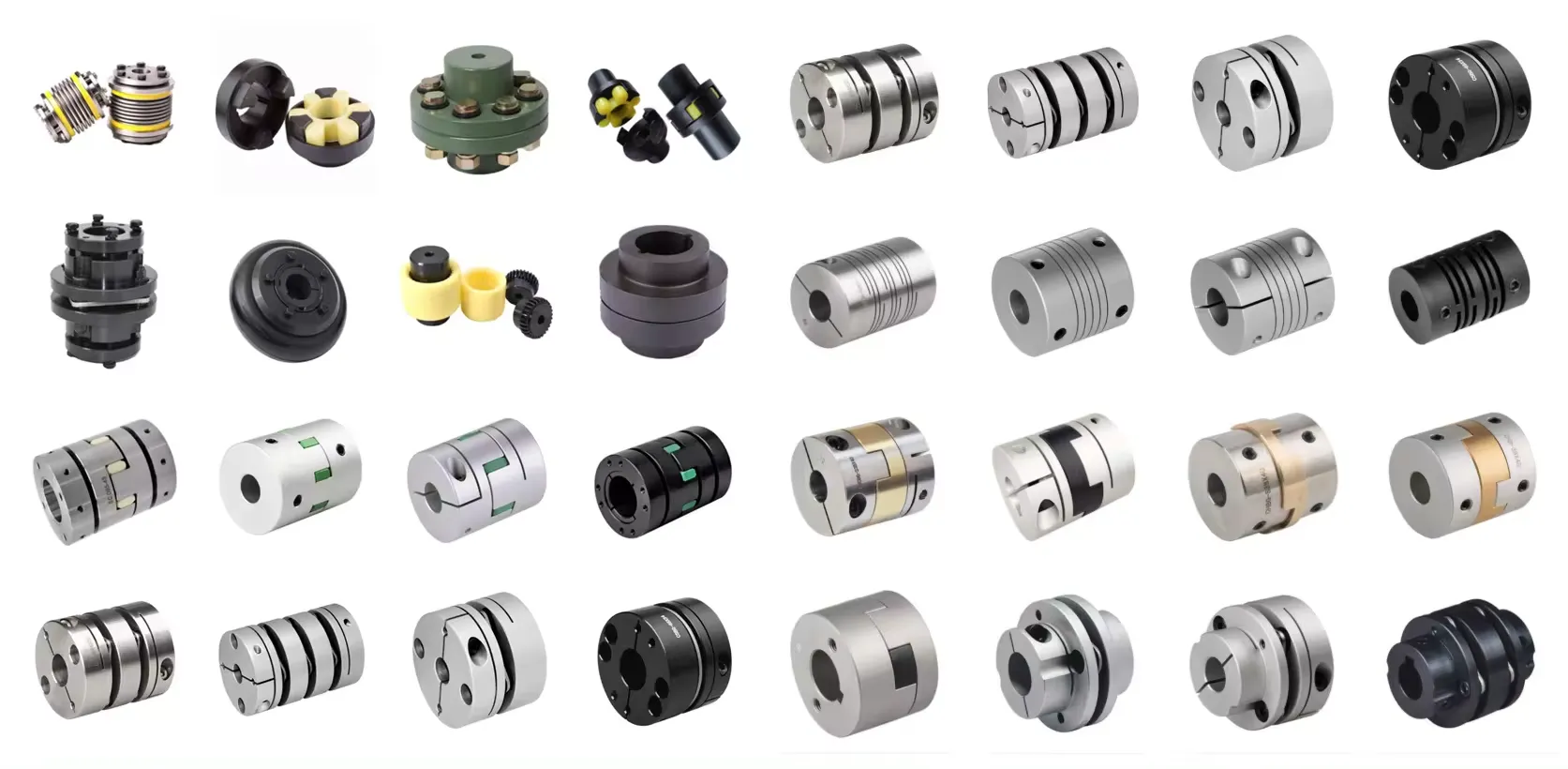
Introduction to Cardan Coupling for Driving Simulators
Keyword Content:
- Cardan coupling
- Driving simulators
- Product features
- Benefits of using Cardan coupling in driving simulators
- Choosing the right Cardan coupling
- Difference between Cardan coupling and other types of couplings
What is Cardan Shaft Coupling?
1. Definition
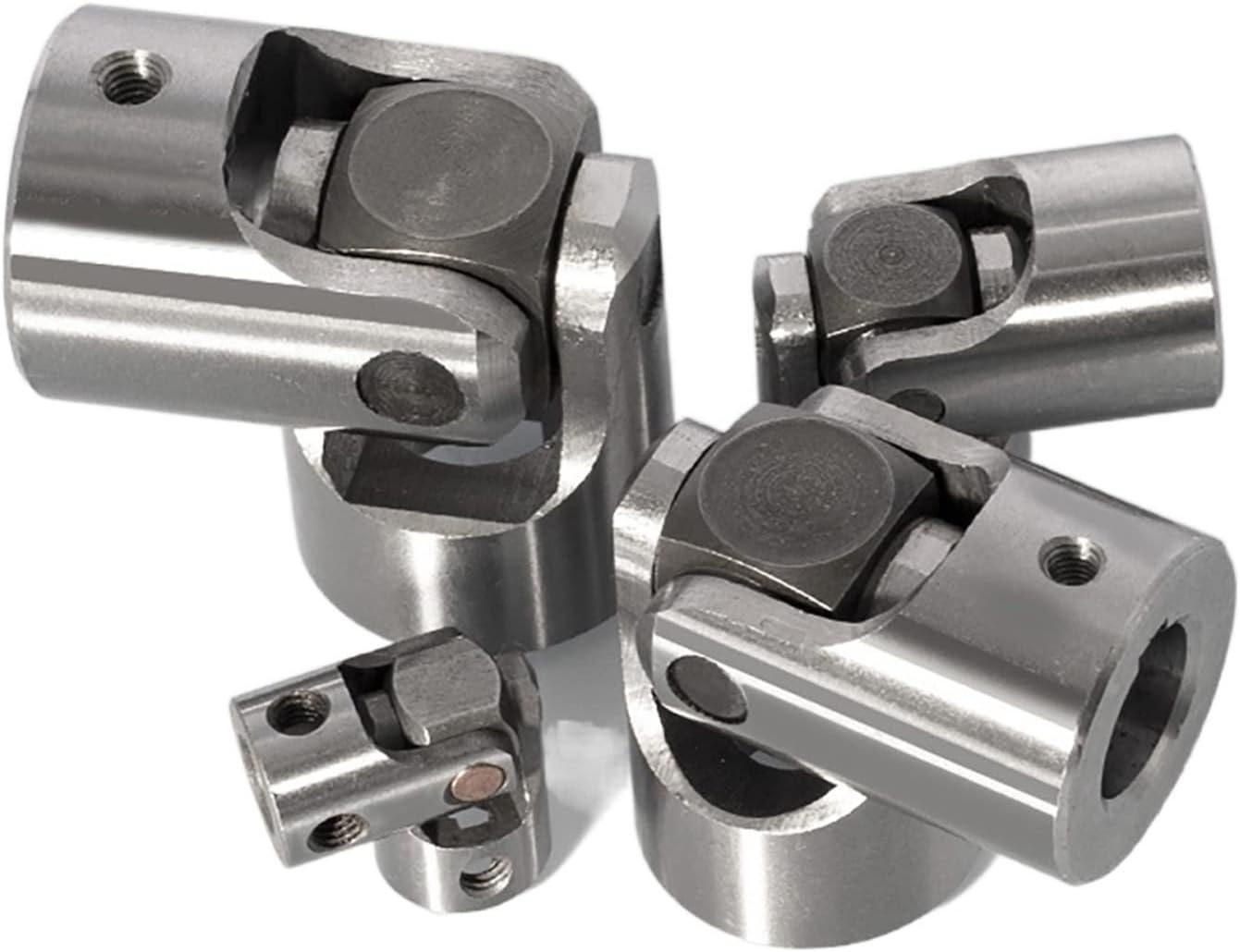
A Cardan shaft coupling is a mechanical device used to transfer torque between two shafts that are not collinear. It consists of a universal joint fixed to each shaft end and connected by a third shaft called the intermediate shaft.
2. Function
The primary function of a Cardan shaft coupling is to transmit rotary motion and torque between two shafts that are at an angle to each other. This allows for flexibility and smooth operation even when the shafts are not aligned.
3. Application
Cardan shaft couplings are commonly used in driving simulators to transfer power from the motor to the wheels while allowing for flexibility in the shaft alignment. This ensures a realistic driving experience for the simulator user.
4. Design
The design of a Cardan shaft coupling includes universal joints with needle bearings to handle high torque loads and angular misalignment. The intermediate shaft is usually made of high-strength steel to ensure durability.
5. Benefits
Using a Cardan shaft coupling in driving simulators allows for smooth power transfer, reduced vibration, and increased flexibility in shaft alignment. This results in a more realistic and reliable simulation experience.
What is the Purpose of a Cardan Shaft?
1. Torque Transmission
A Cardan shaft is used to transmit torque between two shafts that are not collinear, allowing for flexibility and smooth operation in various applications.
2. Angular Misalignment Compensation
Cardan shafts can compensate for angular misalignment between shafts, reducing stress on the machinery and ensuring smooth power transmission.
3. Vibration Reduction
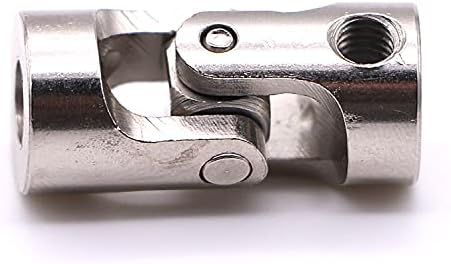
By absorbing vibrations and shocks during operation, Cardan shafts help reduce wear and tear on the machinery, leading to increased durability.
4. Power Transfer Efficiency
Cardan shafts are designed to efficiently transfer power from the motor to the driven components, ensuring optimal performance and energy efficiency.
5. Versatility in Applications
Cardan shafts are versatile and can be used in a wide range of industries and applications, including driving simulators, automotive, industrial machinery, and more.
What is the Purpose of a Double Cardan Joint?
1. Increased Angular Misalignment Capacity
Double Cardan joints can accommodate higher angles of misalignment between shafts compared to single universal joints, providing greater flexibility in shaft alignment.
2. Improved Torque Transmission
Double Cardan joints offer enhanced torque transmission capabilities, making them ideal for applications requiring high torque loads and smooth power transfer.
3. Reduced Noise and Vibration
By incorporating two universal joints, Double Cardan joints can effectively reduce noise and vibration during operation, enhancing overall performance and user experience.
4. Enhanced Durability
Double Cardan joints are known for their durability and reliability, making them a popular choice for demanding applications where strength and longevity are essential.
5. Versatile Application
Double Cardan joints can be used in a variety of industries and machinery, including automotive, aerospace, marine, and more, thanks to their robust design and performance capabilities.
How to Choose the Appropriate Cardan Coupling
1. Torque Capacity
Consider the torque requirements of your application and choose a Cardan coupling with a suitable torque capacity to ensure efficient power transmission.
2. Shaft Misalignment
Determine the degree of angular misalignment between shafts and select a Cardan coupling that can accommodate the required alignment for smooth operation.
3. Operating Speed
Take into account the operating speed of your machinery and choose a Cardan coupling that can handle the rotational speed without compromising performance or safety.
4. Environmental Conditions
Evaluate the environmental conditions in which the Cardan coupling will operate, such as temperature, humidity, and exposure to contaminants, and choose a coupling that is suitable for these conditions.
5. Maintenance Requirements
Consider the maintenance needs of the Cardan coupling and choose a design that is easy to install, inspect, and maintain to ensure long-term reliability and performance.
What is the Difference Between a Disc and a Cardan Coupling?
1. Design
A Disc coupling consists of two flexible discs connected by a spacer, while a Cardan coupling includes universal joints with an intermediate shaft for torque transmission.
2. Flexibility
Disc couplings offer limited flexibility in shaft misalignment, while Cardan couplings provide greater angular misalignment capacity due to the universal joint design.
3. Torque Transmission
Cardan couplings are better suited for high torque applications due to their robust design and ability to handle significant loads compared to Disc couplings.
4. Vibration Damping
Disc couplings are known for their superior vibration damping capabilities, while Cardan couplings are more focused on torque transmission and angular misalignment compensation.
5. Application
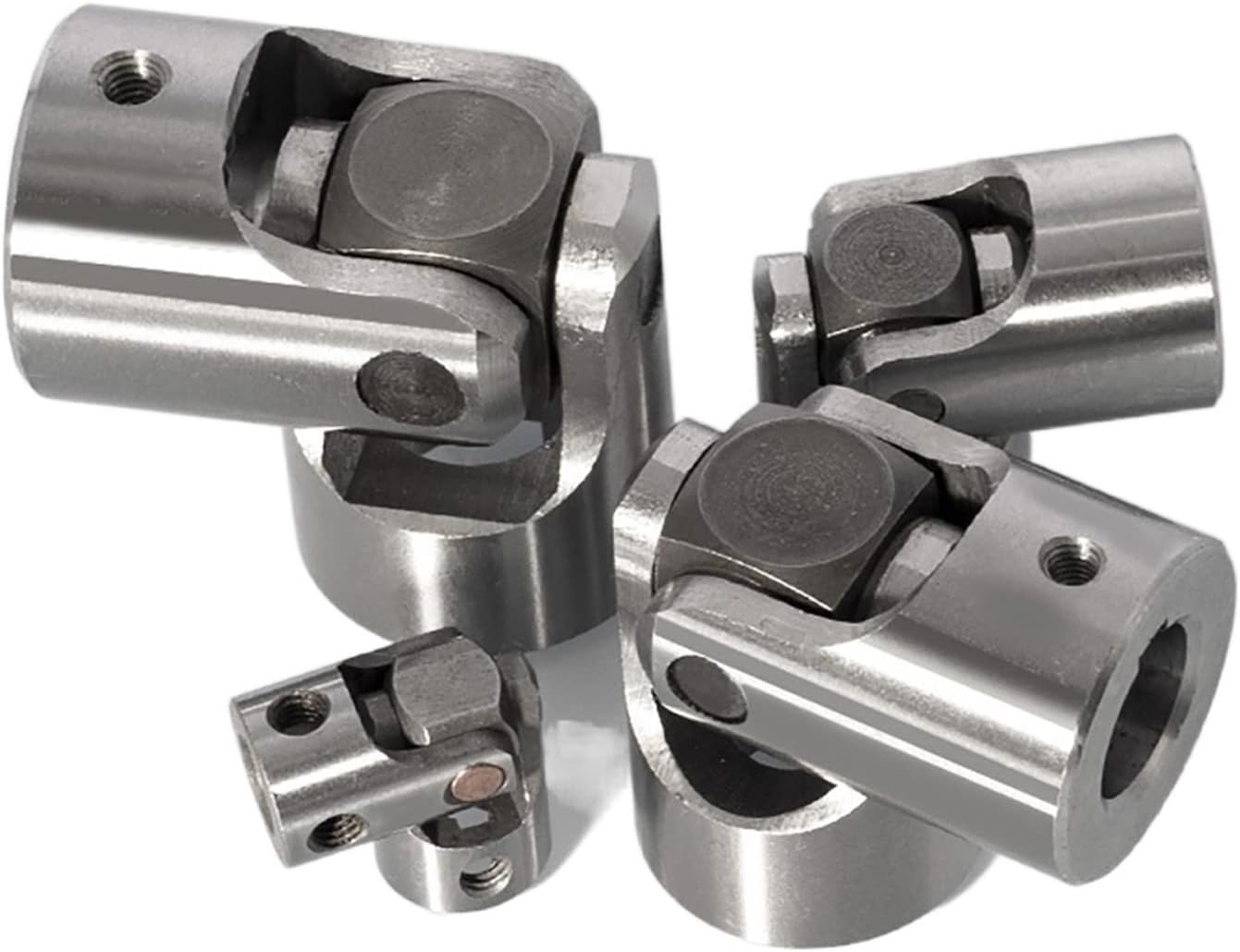
Disc couplings are commonly used in applications requiring high precision and minimal backlash, while Cardan couplings are preferred for applications with variable shaft alignment and high torque requirements.
About HZPT
Our company, HZPT, established in 2006, is a leading manufacturer and exporter specializing in couplings for various industries, including driving simulators. With 16 years of experience, we offer high-quality products, customized solutions, and exceptional customer service. We are dedicated to customer satisfaction and strive to provide the best products at competitive prices.