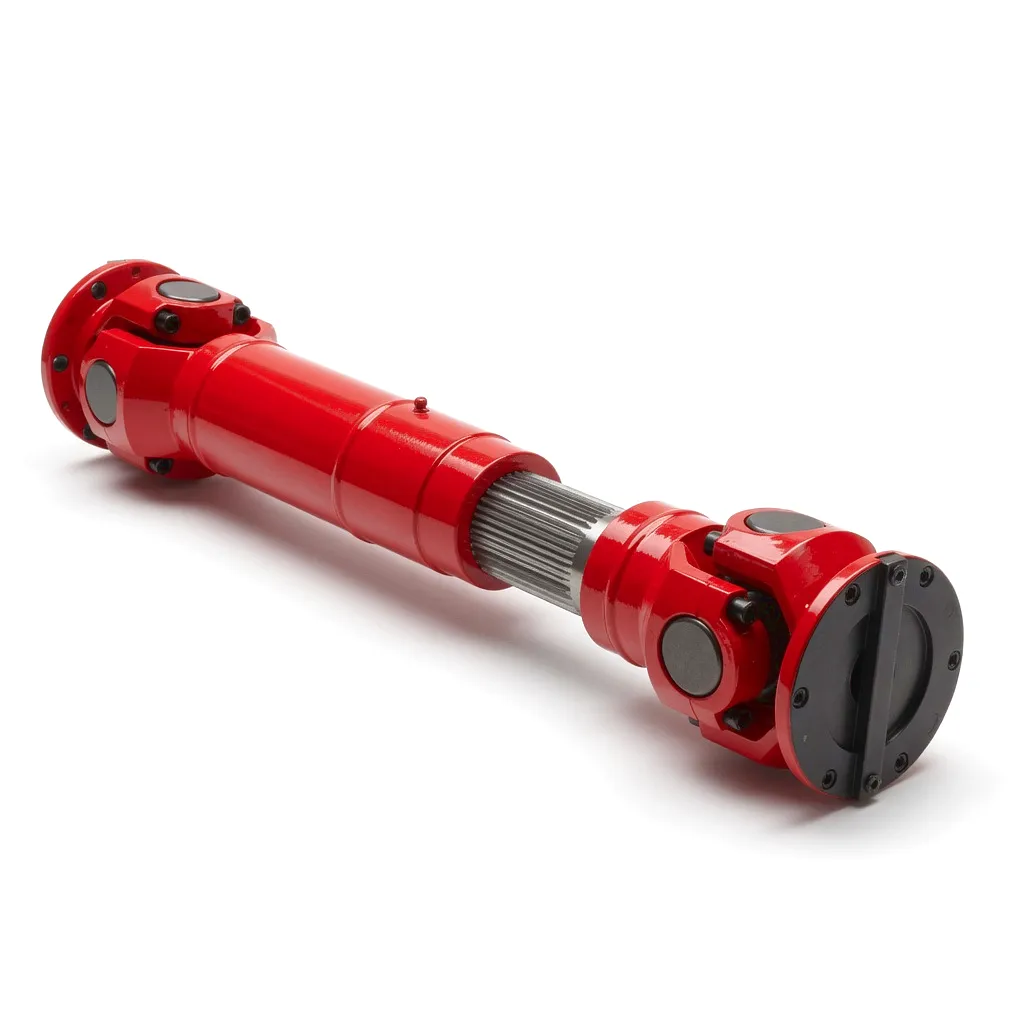
 Walk the production floor of any high-volume drinks factory — sparkling water lines in Yorkshire, carbonated soft drinks in the East Midlands, premium spirits filling in Scotland — and the rotary distribution valve is almost always the quiet bottleneck nobody talks about until it fails. At its heart, this valve indexes a manifold through a precise angular position dozens of times every minute, directing product flow to the correct filling head with sub-millimetre repeatability. The component connecting the servo motor output to that valve spindle is the cardan coupling, and the engineering choices made at that interface have a measurable impact on line efficiency, cleaning cycle duration, and long-term maintenance cost.
This article is written from more than eighteen years of hands-on application work — specifying, troubleshooting, and optimising drive couplings across filling technology in the food and beverage sector. The aim is not to sell you something on the first paragraph. The aim is to give you enough technical grounding to make a genuinely informed purchase decision, whether you are retrofitting a legacy rotary filler or commissioning a new hygienic line from scratch.
What Actually Happens Inside a Rotary Distribution Valve Drive
A rotary distribution valve in a beverage filling machine operates by rotating a central disc or spool through indexed positions, aligning ports that direct pressurised liquid product — still water, carbonated beverages, juices, dairy drinks — to individual filling nozzles. The drive system must deliver torque smoothly, tolerate minor angular misalignment between the motor shaft and valve spindle (which shifts slightly as the machine frame heats and expands during production runs), and do all of this in an environment regularly washed down with caustic cleaning agents, steam, and high-pressure water jets.
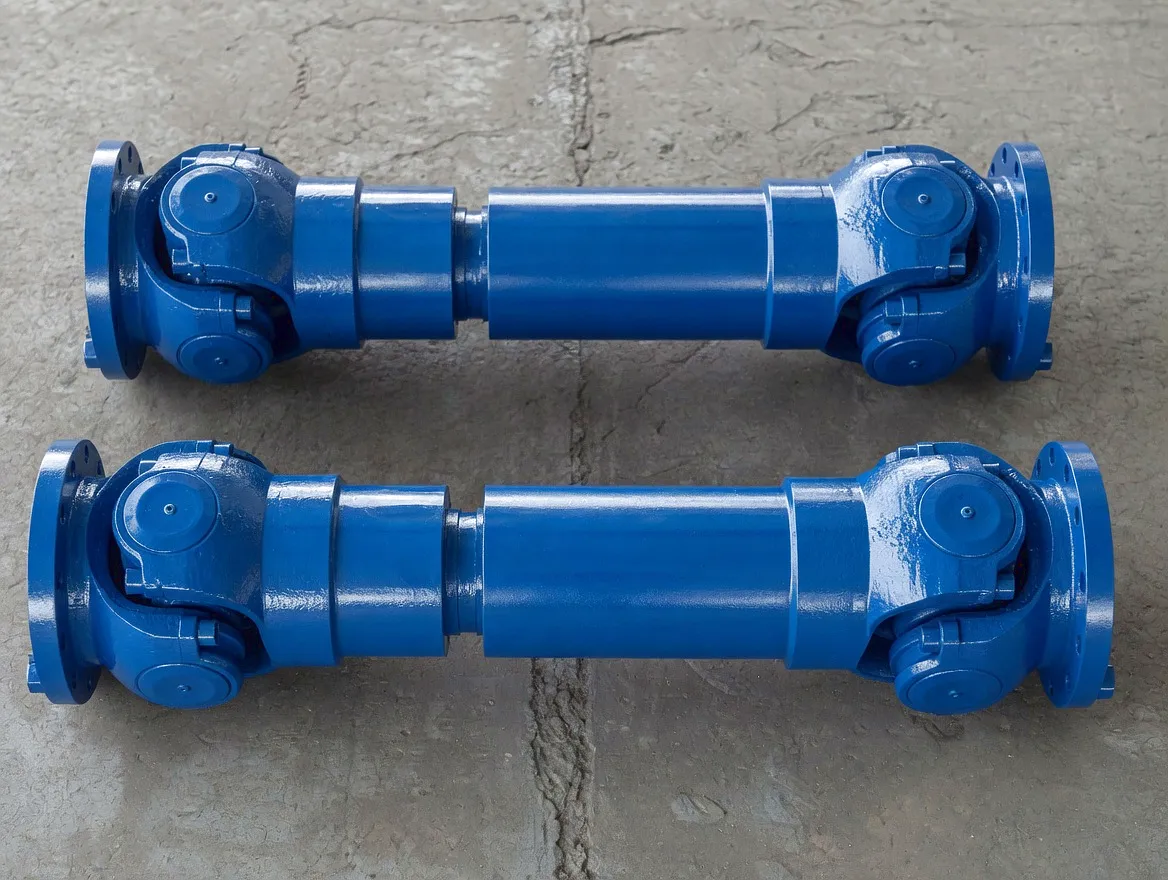
A cardan coupling — also called a universal joint coupling or Hooke’s joint coupling in British engineering practice — transmits rotary motion through a cross-journal assembly. Two yokes connected by a central spider allow the coupling to operate across angular misalignments typically between 1° and 25°, depending on the series. Crucially, unlike a flexible disc coupling, a cardan coupling does not rely on an elastomeric element that degrades in the presence of cleaning chemicals or elevated temperatures. This makes it inherently more suited to the harsh wash-down reality of hygienic filling environments.
Spider & Journal Assembly
The hardened cross-pin spider transmits torque through four needle or plain bearing journals. In hygienic-grade units, sealed bearings prevent lubricant migration into the product zone while resisting ingress from cleaning media.
Misalignment Compensation
Thermal expansion of a stainless-steel filling machine frame over a 12-hour production run can shift shaft centrelines by 0.3–0.8 mm. A single-joint cardan coupling absorbs angular offset; a double-joint (double Cardan) arrangement handles both angular and parallel offset simultaneously.
Hygienic Surface Design
Crevice-free external geometry, electropolished 316L stainless steel bodies, and FDA-compliant internal greases eliminate biological harbouring points — a non-negotiable requirement under UK Food Standards Agency regulations and BRC Global Standard for Food Safety Issue 9.
Where Cardan Couplings Fit in Beverage Filling Lines
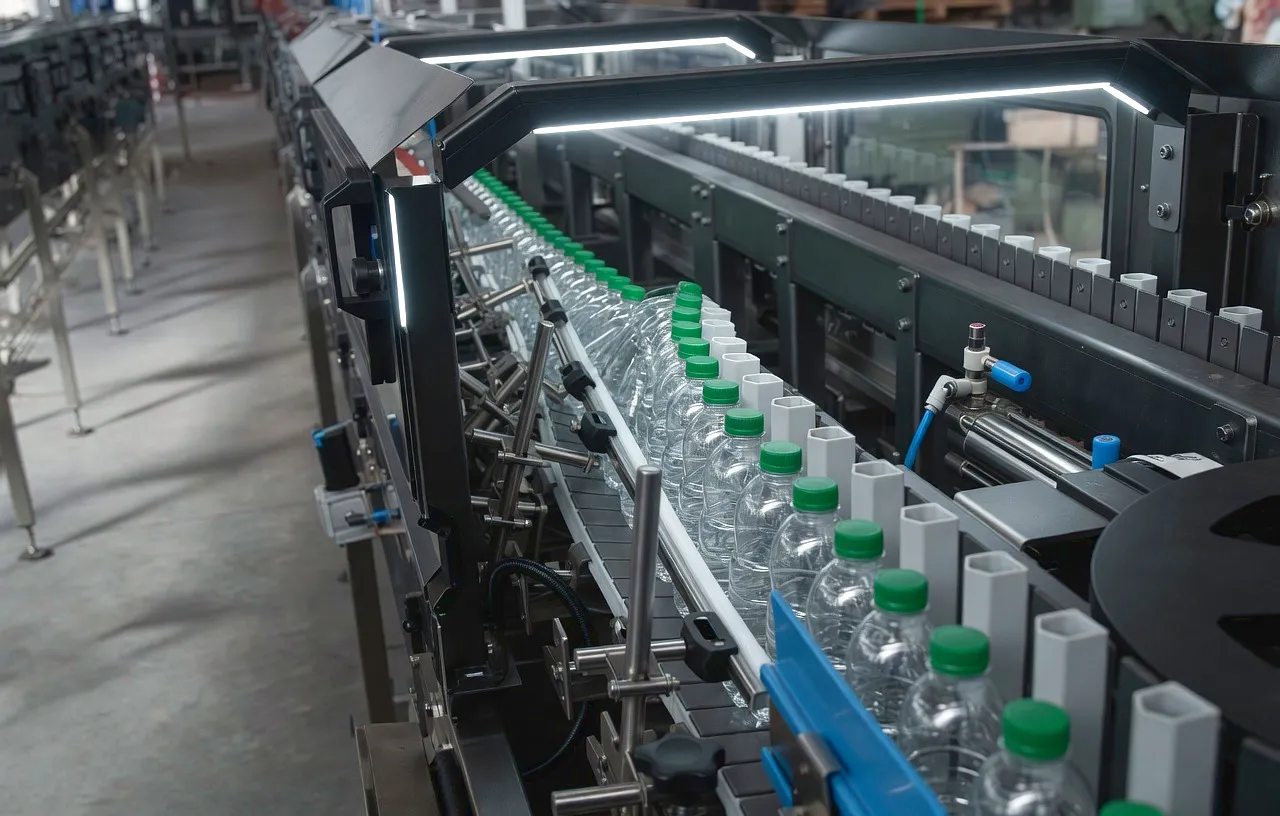
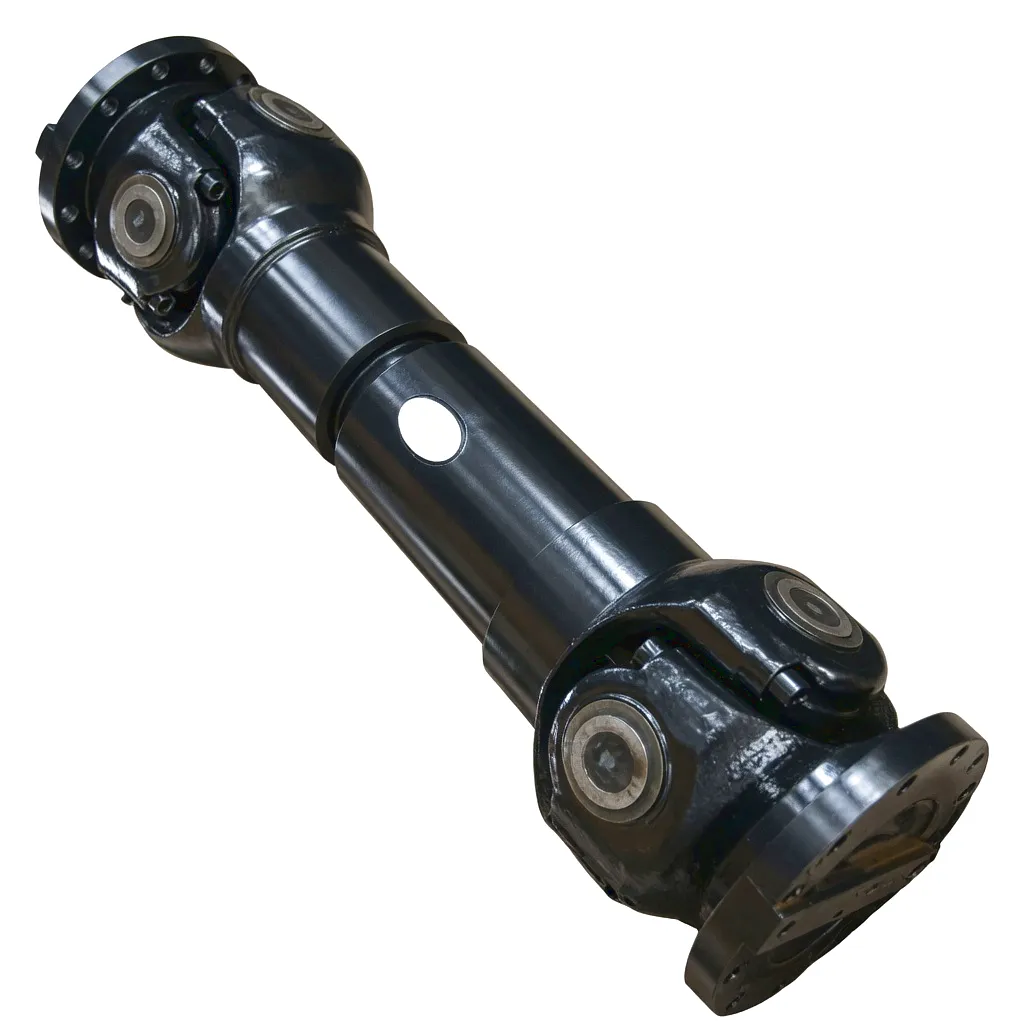 The rotary distribution valve is not the only location inside a beverage filler where cardan couplings deliver value. Understanding the full map of application points helps maintenance engineers specify the right coupling family for each position rather than applying a one-size-fits-all approach. Across the typical linear or rotary filling machine, cardan-type universal joints appear in at least five distinct drive positions, each with different torque, speed, misalignment, and hygiene demands.
The valve drive itself — which is the primary focus of this article — sits between the indexing servo and the valve manifold spindle. Adjacent to this, the rinser carousel drive, the capper head drive, and the conveyor transfer starwheel drives all routinely use cardan or universal joint arrangements. In newer high-speed PET bottle lines running at 30,000 BPH or above, the dynamic loads become significant enough that only a properly engineered universal joint coupling with rated fatigue life can maintain the index accuracy demanded by modern vision inspection systems placed immediately downstream.
Rotary Distribution Valve Drive
Primary application — indexing servo to valve spindle. Demands precision angular tolerancing and wash-down resistance.
Rinser Carousel Drive
Continuous rotation at variable speed. Misalignment compensation essential due to carousel bearing wear over time.
Capper Head Spindle
High cyclic torque spikes during cap application. Cardan joint absorbs angular offset between planetary gearbox and cap head.
Transfer Starwheel Drive
Synchronised indexing between filler and labeller. Requires zero backlash coupling to maintain bottle registration accuracy.
Technical Performance Data — Hygienic Cardan Coupling Series
The performance table below represents the core specification range for hygienic-series cardan couplings as supplied for beverage industry rotary distribution valve applications. Values given reflect nominal ratings at ambient temperature (20°C); consult the detailed data sheet for elevated-temperature de-rating when operating in hot-fill or steam-clean environments above 80°C.
Materials, Construction Principles, and Why They Matter in a Wet Zone
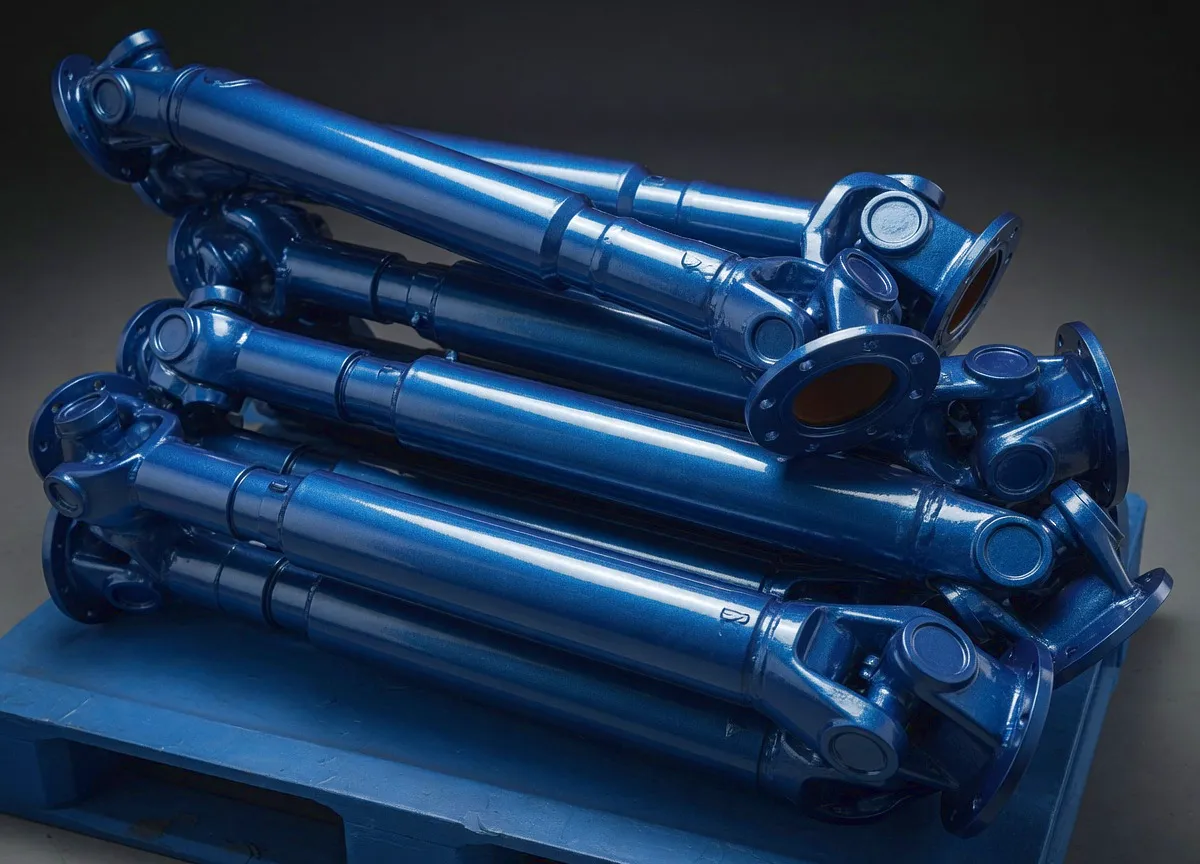
The choice of 316L stainless steel over the more common 304 grade is not cosmetic — it is the difference between a coupling that survives three years of daily CIP (Clean-In-Place) cycles and one that begins pitting within six months. The “L” designation indicates a low-carbon austenitic alloy with molybdenum content of 2.0–2.5%, which dramatically improves resistance to chloride-induced pitting corrosion. In the UK beverage industry, CIP chemicals routinely include sodium hypochlorite concentrations and phosphoric-acid-based sanitisers that would rapidly degrade standard 304 components.
The internal spider and bearing pins are manufactured from 17-4 PH stainless (precipitation-hardened) in our medium and heavy series, giving surface hardness up to 38 HRC without sacrificing corrosion resistance. Needle bearings used in lighter-duty configurations are replaced with sintered PTFE-lined plain bearings in the fully hygienic variant — eliminating grease points that could harbour contaminants while simultaneously providing self-lubrication for the oscillatory motion profile typical of indexing applications.
Key Material Specifications
316L SS body · 17-4PH spider · PTFE-lined or sealed needle bearings · FDA H1 lubricant · Electropolished Ra ≤ 0.8 µm · IP67/IP69K sealing · EC 1935/2004 compliant
Six Reasons UK Beverage Engineers Switch to Hygienic Cardan Couplings
No Elastomer Degradation
Caustic soda, peracetic acid, and high-pressure steam degrade rubber and polyurethane spider elements within months. A steel cardan joint has no polymer components to fail — service life extends to 3–5 years in typical filling line conditions.
High Angular Capacity
Up to 25° continuous working angle makes installation easier when space constraints force offset motor mounting — a common challenge in retrofit applications on older monoblock fillers with congested drive zones.
Torque Peaks Without Damage
Indexing servo drives generate short torque spikes of 2.5–3× nominal at every valve position change. The cardan coupling’s steel-to-steel load path transmits these peaks without hysteresis loss or progressive element fatigue.
Compact Envelope
Our single-joint hygienic series starts at 48 mm outside diameter — enabling installation in the tight drive galleries of compact monoblock machines from OEMs including KHS, Sidel, and Krones-format equivalents without machine modification.
Regulatory Compliance Built-in
CE marking, EC 1935/2004 food contact compliance, FDA food-grade materials declarations, and EHEDG design principles are standard with every hygienic series order — cutting audit preparation time significantly for UK retailers’ approval processes.
Custom Bore & Interface
Standard keyed bores, DIN 5480 spline interfaces, hydraulic shrink-fit hubs, and clamping disc connections are all available. Our engineering team can match the output interface of virtually any servo motor or gearbox brand used in beverage filling — without requiring machine modification.
Specific Beverage Filling Scenarios and Coupling Selection Logic
Carbonated Soft Drink Lines — Counter-Pressure Filling
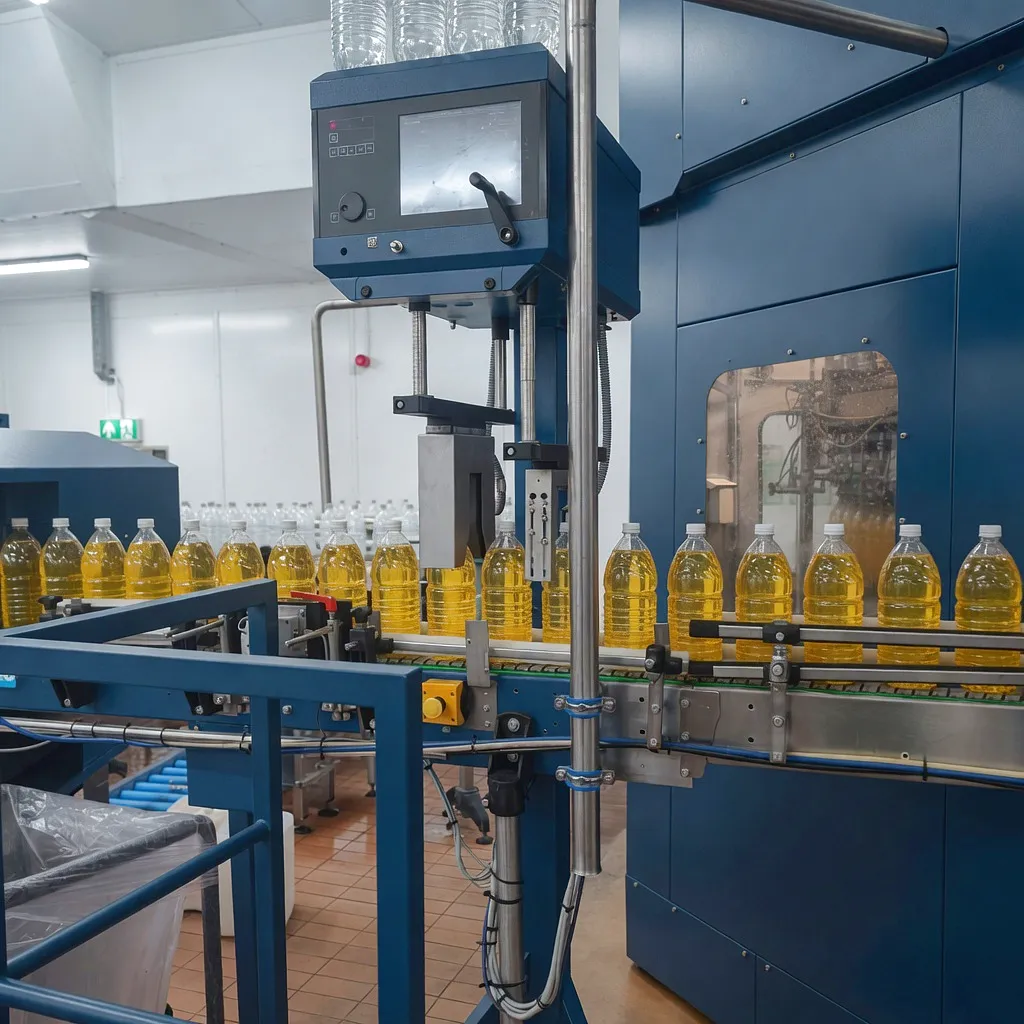
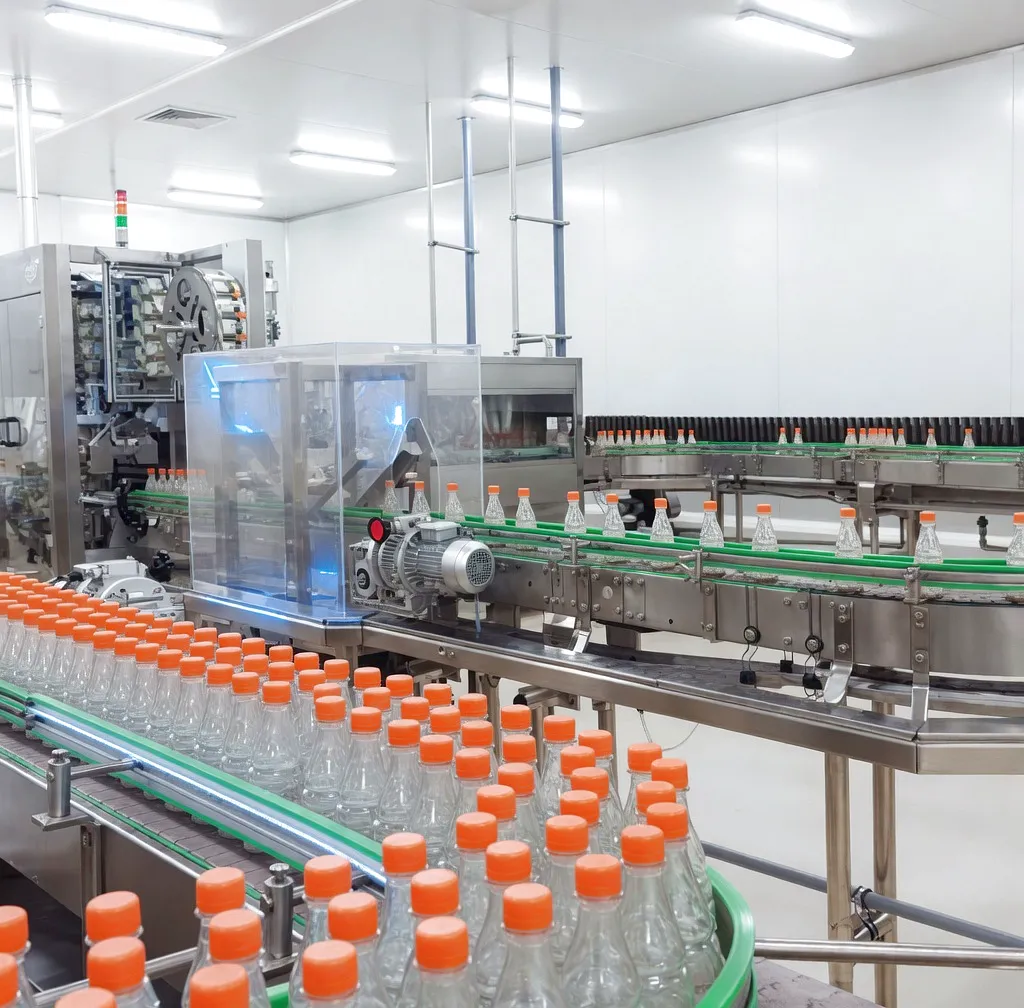
Counter-pressure filling valves for CSD (carbonated soft drinks) operate under 5–8 bar internal pressure and must index rapidly to maintain line speed. The valve drive experiences sudden load reversal each time the rotary manifold reverses pressure direction between pre-pressurisation and filling phases. A cardan coupling’s rigid steel joint transmits these load reversals without the angular compliance error that a flexible jaw coupling would introduce — angular compliance errors that accumulate into fill-volume variation and trigger the net content inspection system.
For CSD applications, we recommend the MS (medium series) single-joint cardan coupling with sealed needle bearings and DIN 5480 spline output to match standard servo motor shaft profiles from Siemens, Beckhoff, and Bosch Rexroth — the three most commonly encountered servo brands in UK soft drink production facilities.
Dairy and Plant-Based Drink Lines — Aseptic Filling
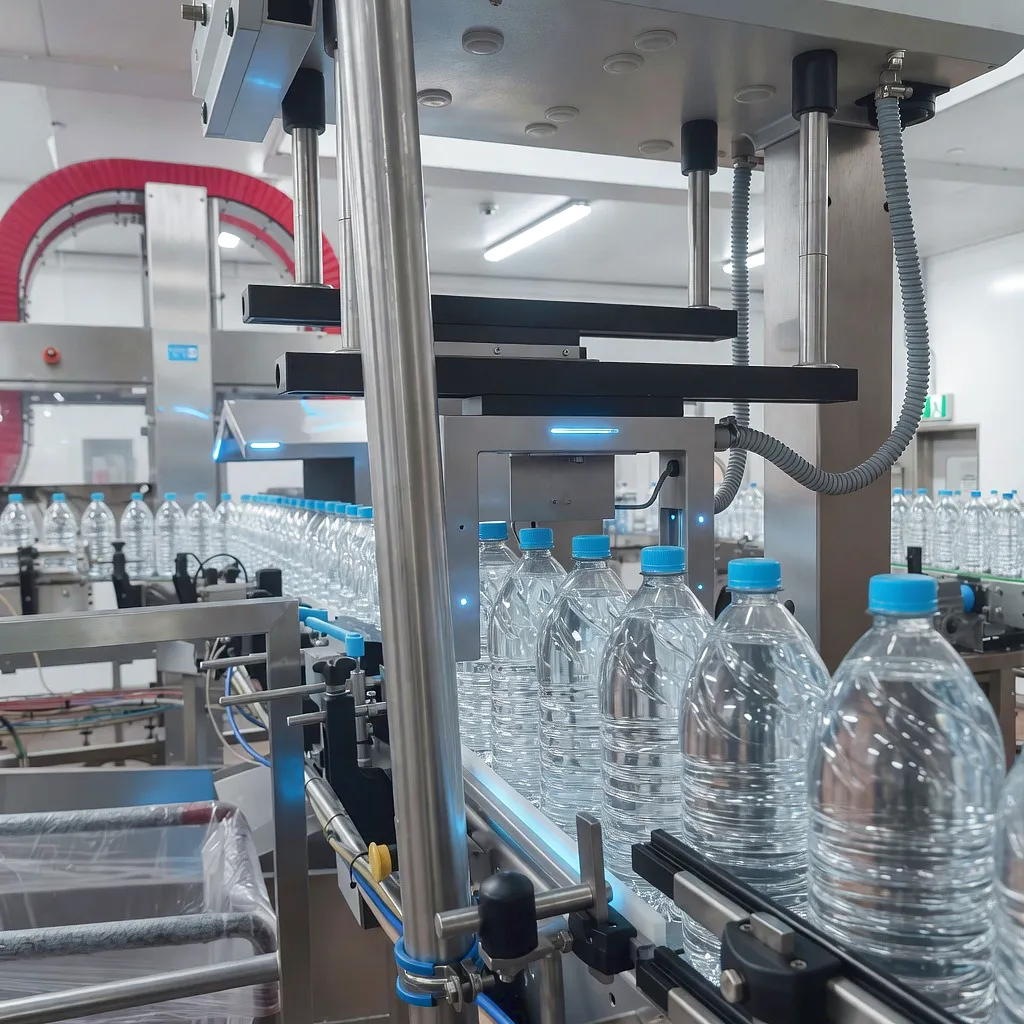 Aseptic filling is the harshest environment cardan couplings encounter in the beverage sector. The sterilisation cycle for the valve zone involves superheated steam at 135–143°C flowing through the entire filling enclosure before production begins. Every mechanical component in the zone must tolerate this thermal shock without dimensional change that would affect seal integrity. Our HS (heavy series) coupling uses 316L with 17-4PH internal components and PTFE-sealed journals that are dimensionally stable across the full -30°C to +150°C range — a range wider than any elastomeric coupling can match.
Aseptic dairy lines in the UK — notably those producing extended shelf life (ESL) and ultra-heat-treated (UHT) products for supermarket own-label contracts — typically specify IP69K wash-down rating and peracetic acid resistance as minimum requirements. These are standard features in our aseptic-grade cardan coupling range, not premium add-ons.
Spirits and Alcoholic Beverage Lines — ATEX Zone 2
Distilled spirits at filling strength (typically 40–70% ABV) create a flammable atmosphere in and around the filling enclosure, classifying the space as ATEX Zone 2 under DSEAR (Dangerous Substances and Explosive Atmospheres Regulations 2002). The coupling must not produce spark sources from metal-to-metal impact under fault conditions. Our HS ATEX-rated cardan coupling incorporates spark-quenching bronze-coated journal ends and earthing braid provisions — meeting the UK’s Provision and Use of Work Equipment Regulations (PUWER) requirements for Zone 2 certification. For Scottish whisky distillers and English gin producers retrofitting existing bottling lines, this eliminates the need for separate explosion-protection measures at the coupling position.
Custom Engineering Capability — Built for What You Actually Need
Standard catalogue couplings solve perhaps 60% of real-world filling line challenges. The other 40% — unusual bore dimensions from legacy gearboxes, non-standard flange patterns from Italian or Japanese OEM valves, dual-output configurations feeding two valve manifolds from a single motor — require engineering that goes beyond catalogue selection. Ever Power’s manufacturing facility operates a complete in-house machining capability: CNC turning centres capable of 800 mm swing, 5-axis machining centres for complex yoke geometry, surface grinding to Ra 0.4 µm where required, electropolishing baths sized for components up to 600 mm length, and dedicated CMM (Coordinate Measuring Machine) inspection to BS EN ISO 10360 standards.
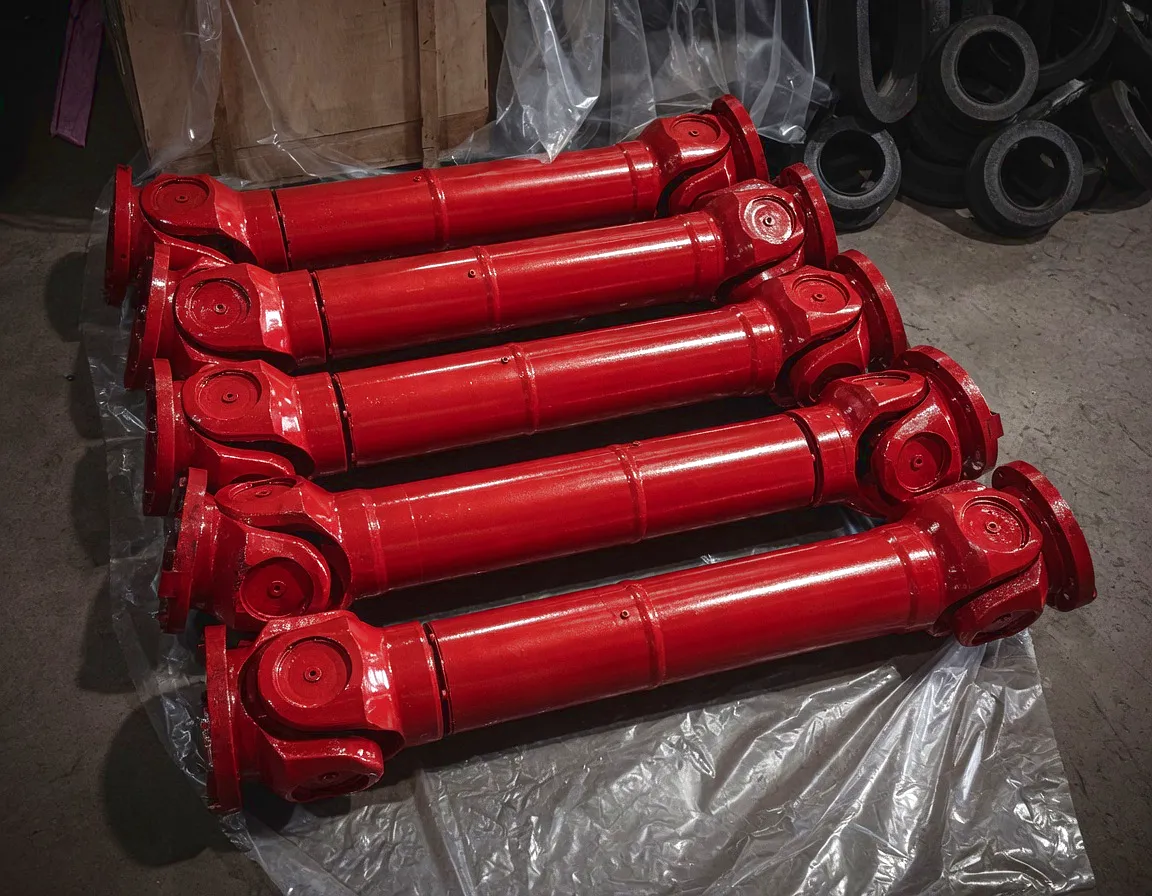
What this means practically: if you send us a drawing — or simply a photo and a torque requirement — our application engineers can produce a DXF proposal and 3D model within 48 hours, and a prototype within 10 working days for most configurations. Minimum order quantities for custom designs start at a single piece, which matters for maintenance engineers who need a replacement for a discontinued OEM coupling without committing to a stocking programme. Lead times for standard hygienic series to UK addresses are 3–5 working days from our UK forwarding stock; for custom engineered variants, typical manufacturing lead time is 4–6 weeks ex-works.
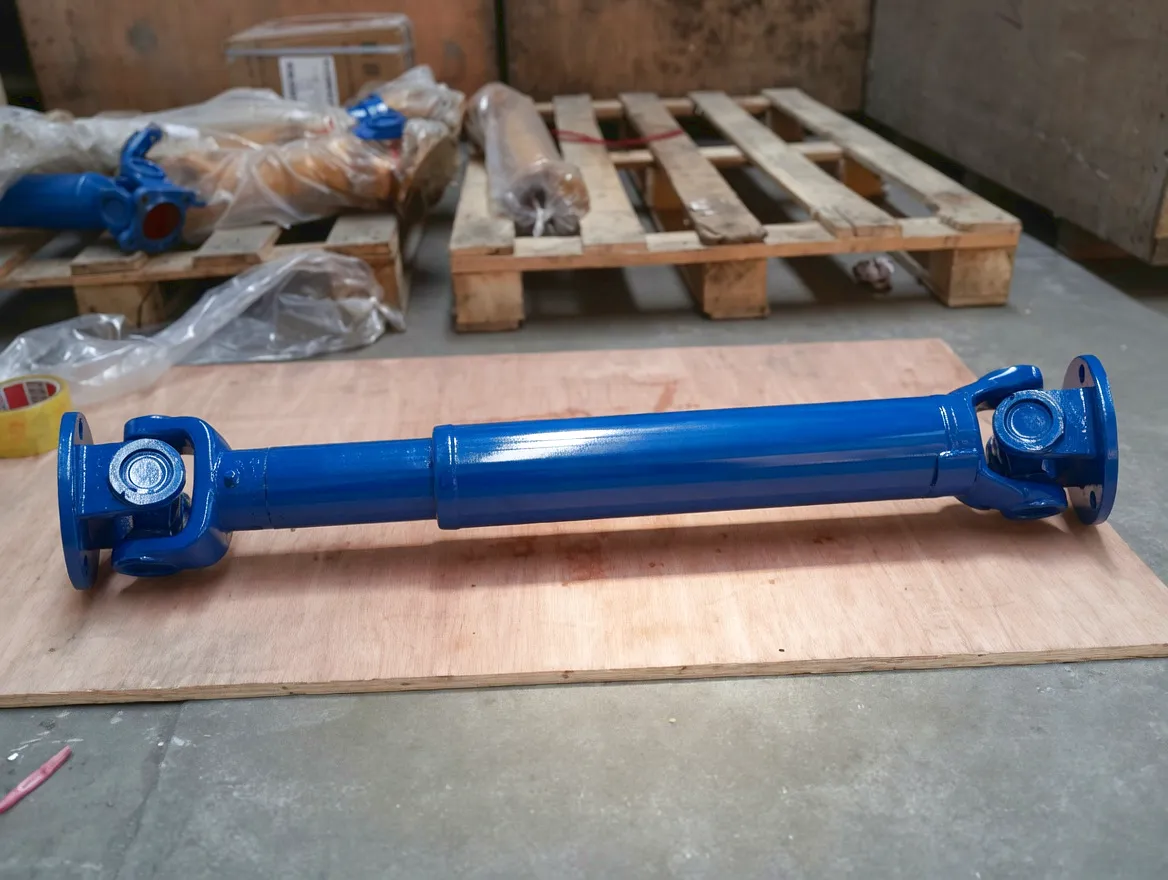
Custom Bore Profiles
Keyway, spline, polygonal, shrink-fit — matched to your existing shaft
Non-Standard Angles
Beyond catalogue: operating angles up to 35° on request for difficult layouts
OEM Flange Matching
Direct-fit replacements for Alfa Laval, GEA, Krones, Sidel, KHS valve interfaces
48h Proposal Turnaround
Technical drawing and 3D model within two working days from your brief
Customer Success Cases
CASE STUDY
UK · East Midlands
Soft Drinks Producer
From 3 Coupling Replacements a Year to Zero Unplanned Downtime
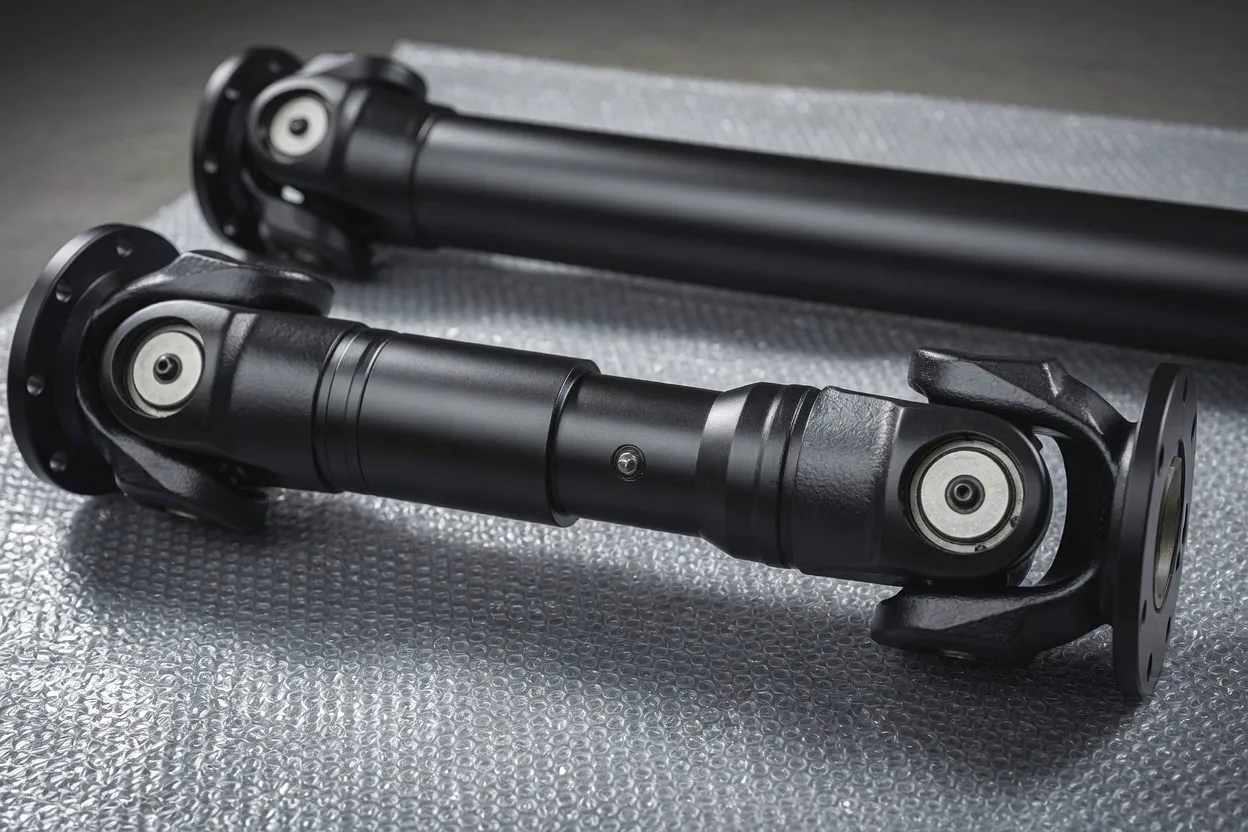 A mid-scale carbonated drinks producer near Leicester was running a 20,000 BPH PET bottle line with flexible jaw couplings on the rotary distribution valve drive. The polyurethane spider elements were failing every 3–5 months, each failure taking the line down for 4–6 hours while the drive zone was accessed, cleaned, and reassembled. Over 18 months this represented approximately 22 hours of unplanned production loss — at an estimated £4,200 per hour line rate, the replacement programme was costing over £90,000 annually in lost output plus parts and labour.
After switching to our MS-Series 316L cardan coupling with PTFE-lined journals and DIN 5480 spline output (matched to their Siemens 1FK7 servo motor shaft), the line ran a full 14 months without any coupling-related intervention. The total investment in the cardan coupling was recovered in under two months of avoided downtime. The plant engineering manager has since specified the same coupling series across three additional filling lines at the same site.
Result: +14 months uninterrupted operation · ROI achieved in < 60 days
We’d tried two different European coupling suppliers before Ever Power. The design team here actually looked at our servo data and recommended a double-joint variant we hadn’t considered — it solved the velocity non-uniformity problem that was causing fill weight variation. The technical support before purchase was what sold us.
James H.
Maintenance Engineering Manager · Juice & Smoothie Manufacturer, Yorkshire, UK
Getting a custom coupling to match an old Italian valve manifold bore pattern is not something every supplier will take on. Ever Power had a 3D drawing to us within 24 hours and the parts arrived in 5 weeks. Our BRC audit the following month had zero non-conformances related to the drive zone — the surface finish documentation they provided was exactly what the auditor needed.
Rachel T.
Technical Director · Dairy Filling Operations, Shropshire, UK
We run ATEX Zone 2 on two of our gin bottling lines. Finding a cardan coupling with the right combination of Zone 2 certification, IP69K, and a bore that fits our legacy gearbox was genuinely difficult. Ever Power came through with an ATEX-certified HS series unit in six weeks. Price was competitive and the certification documentation was thorough — our DSEAR assessment passed first time.
Andrew M.
Plant Operations Engineer · Craft Spirits Distillery, Hampshire, UK
Coupling Selection Guide — Beverage Filling Application Matrix
Different beverage filling applications impose different combinations of demands on the cardan coupling at the valve drive position. This selection matrix maps the primary application characteristics to the recommended coupling series and configuration, drawing on typical specifications encountered across UK beverage production sites.
Frequently Asked Questions
Ready to Specify the Right Cardan Coupling for Your Filling Line?
Our application engineering team in the UK speaks your language — fill volumes, servo specs, CIP protocols, BRC audits. Send us your requirements and receive a technical recommendation and commercial quote within 24 hours.
Get a Quote — [email protected]
Ever Power · Hygienic Drive Technology · United Kingdom B2B Supply · cardancoupling.top · edit by gzl