
 Combine harvesters rank among the most mechanically complex machines in modern agriculture. During a single harvest window — often compressed into just a few weeks across Britain’s unpredictable autumn weather — these machines must operate continuously, transferring enormous torque from diesel powertrains through cutting headers, threshing drums, grain conveyors, and straw walkers. Every single power transfer point in that chain represents a potential failure. And in a sector where a single day of downtime during peak harvest can cost a farming operation upwards of £15,000, the choice of coupling technology is far from trivial. The cardan coupling — specifically the heavy-duty dual cardan joint engineered for variable-angle operation — has become the backbone of reliable power transmission in combine harvester drivetrains. Unlike rigid couplings that fracture under angular misalignment or elastomeric designs that degrade under sustained high loads, a properly specified cardan coupling absorbs the constant shifting geometry between the harvester’s cutting platform and its processing core. This article draws on nearly two decades of hands-on application engineering to explain why cardan couplings matter so much in harvesting equipment, how to specify them correctly, and what real-world performance looks like when you get the selection right.
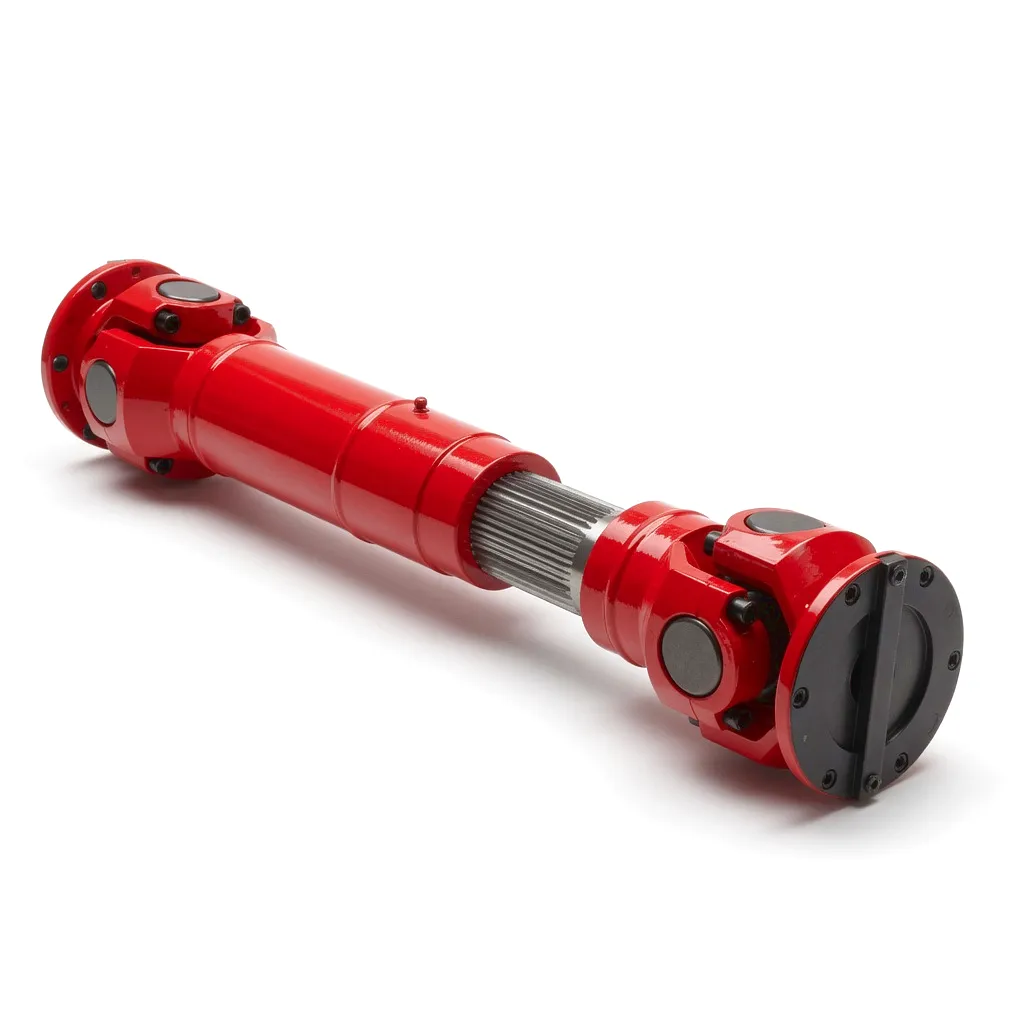
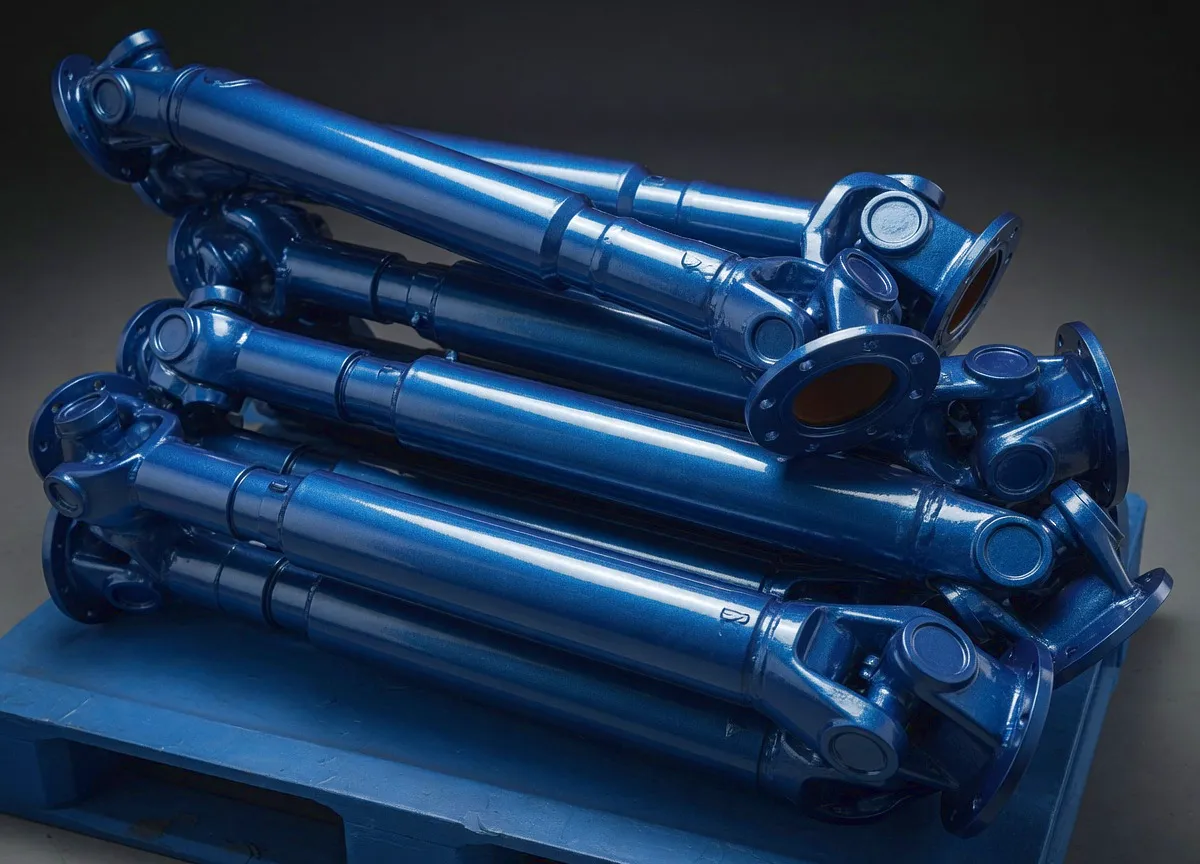
Ever Power heavy-duty cardan coupling — engineered for agricultural power transmission
Why Power Transmission Engineering Determines Harvest Outcomes
A modern combine harvester generates between 250 and 600 horsepower, depending on the model and field conditions. That power must reach the cutting header, the feeder house, the threshing rotor, the cleaning shoe, and the grain-handling system — simultaneously. The complication is geometry: the cutting header operates on a floating platform that pitches, rolls, and yaws as the machine traverses uneven terrain. Fields in East Anglia might appear flat to the casual observer, yet even a gentle undulation creates angular displacement between the header drive shaft and the main gearbox. In hillier regions — the Yorkshire Wolds, the South Downs, parts of the Scottish Borders — that angular variation becomes even more pronounced. A cardan coupling handles this dynamic misalignment without interrupting torque delivery. The dual cardan joint configuration is especially valuable because it cancels out the velocity fluctuation inherent in a single universal joint. When the input and output shafts operate at differing angles, a single-joint cardan coupling introduces cyclic speed variation. Pair two joints in a phased arrangement, and those fluctuations cancel — producing constant-velocity output even as the header pitches through angle changes of up to 15 degrees during normal field operation. This is not merely a convenience; it protects downstream components from the fatigue damage caused by pulsating torque loads.
Operating Principle of the Dual Cardan Joint
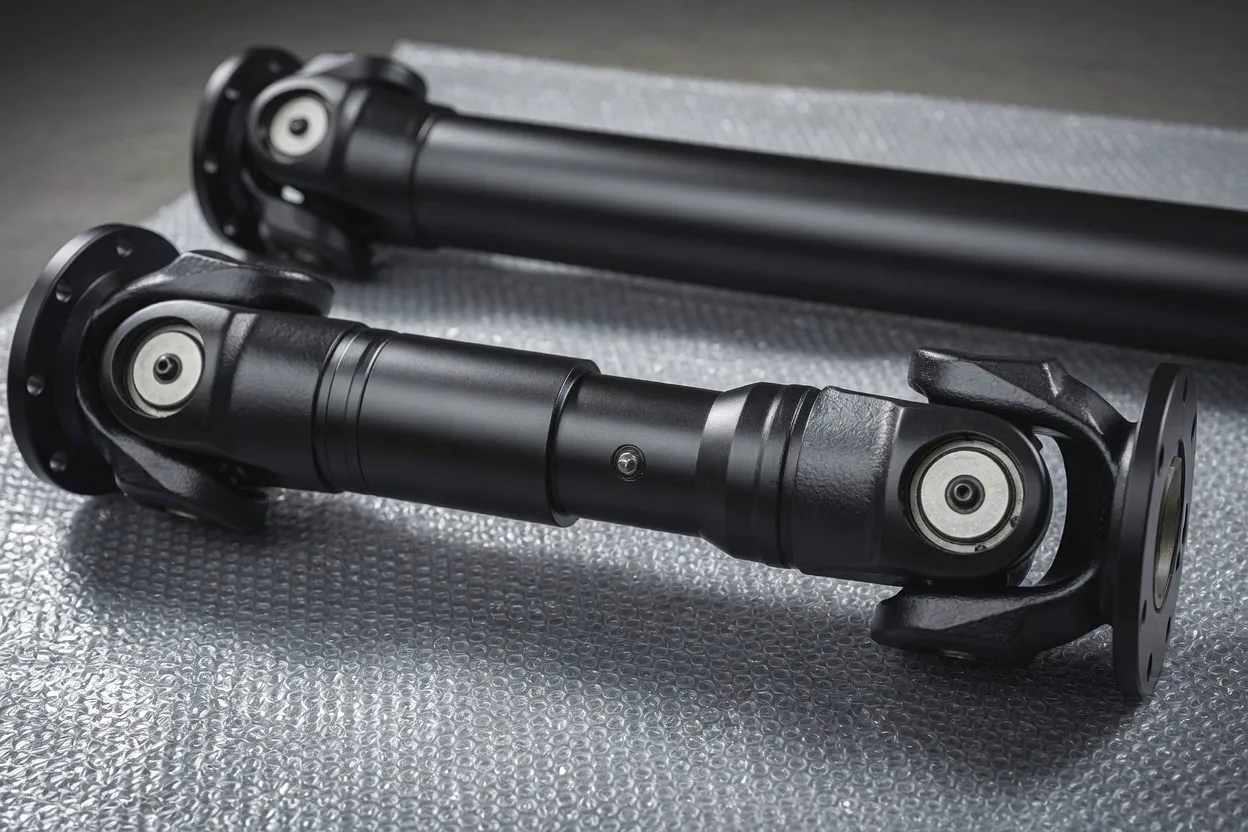
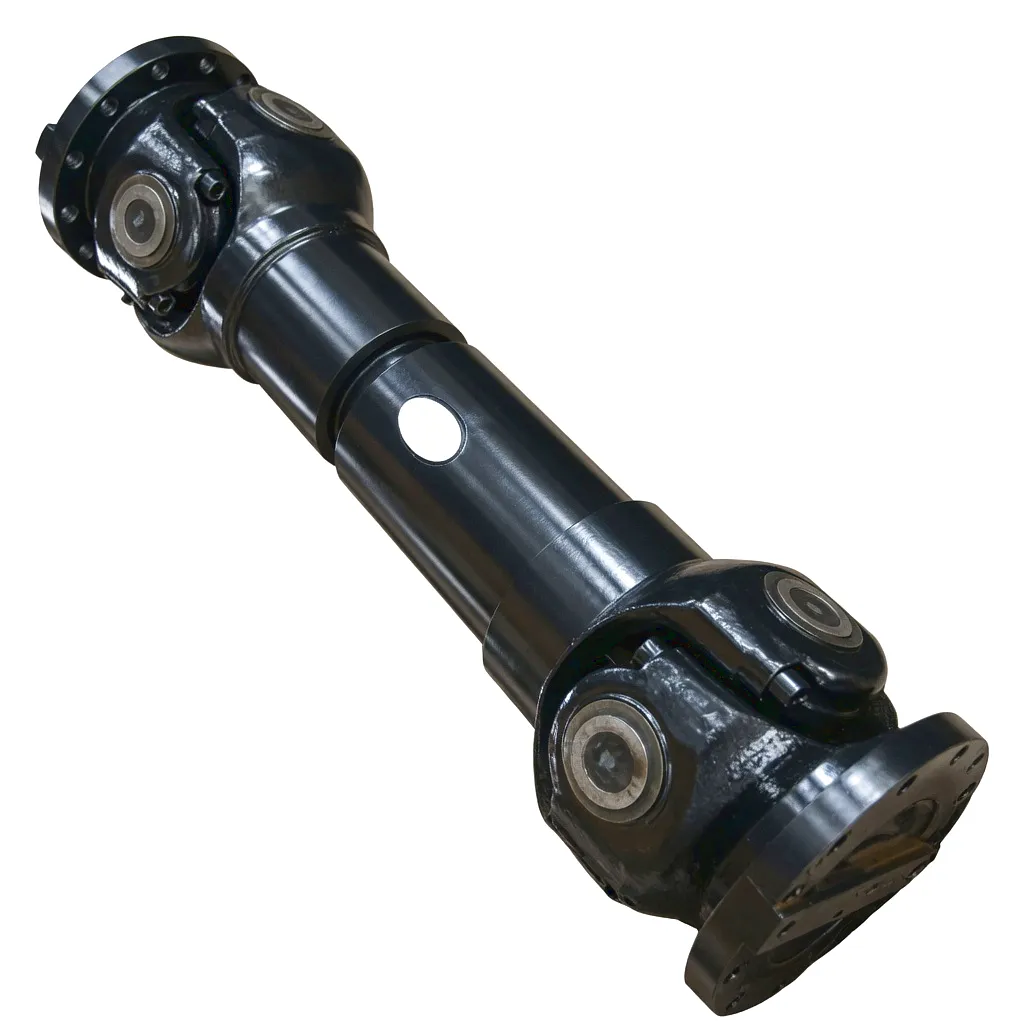
The operating principle behind a dual cardan joint is both elegant and mechanically straightforward. Two Hooke-type universal joints are connected by a short intermediate shaft, with the joints phased 90 degrees apart. When torque enters the first joint and the input shaft sits at an angle relative to the intermediate shaft, the rotational velocity of that intermediate shaft fluctuates sinusoidally — speeding up and slowing down twice per revolution. The second joint, oriented at the complementary angle and phased correctly, introduces an equal and opposite fluctuation. The net result at the output shaft is smooth, constant rotational velocity. For combine harvesters, this matters enormously. The threshing drum operates at tightly controlled speeds — typically between 800 and 1,500 RPM depending on the crop. Any pulsation in that speed causes uneven threshing, increased grain damage, and higher losses into the straw. By maintaining velocity constancy across the angular range encountered during field work, the dual cardan coupling directly contributes to grain quality and harvest efficiency. The bearing crosses at each joint are the critical wear components. These needle-roller bearings carry the radial load generated by torque transmission at an angle. In agricultural applications, they must withstand not just the static torque but also significant shock loads — think of the impact when a header strikes a hidden stone or the machine transitions abruptly from flat ground to a slope.
Material Selection and Construction Quality
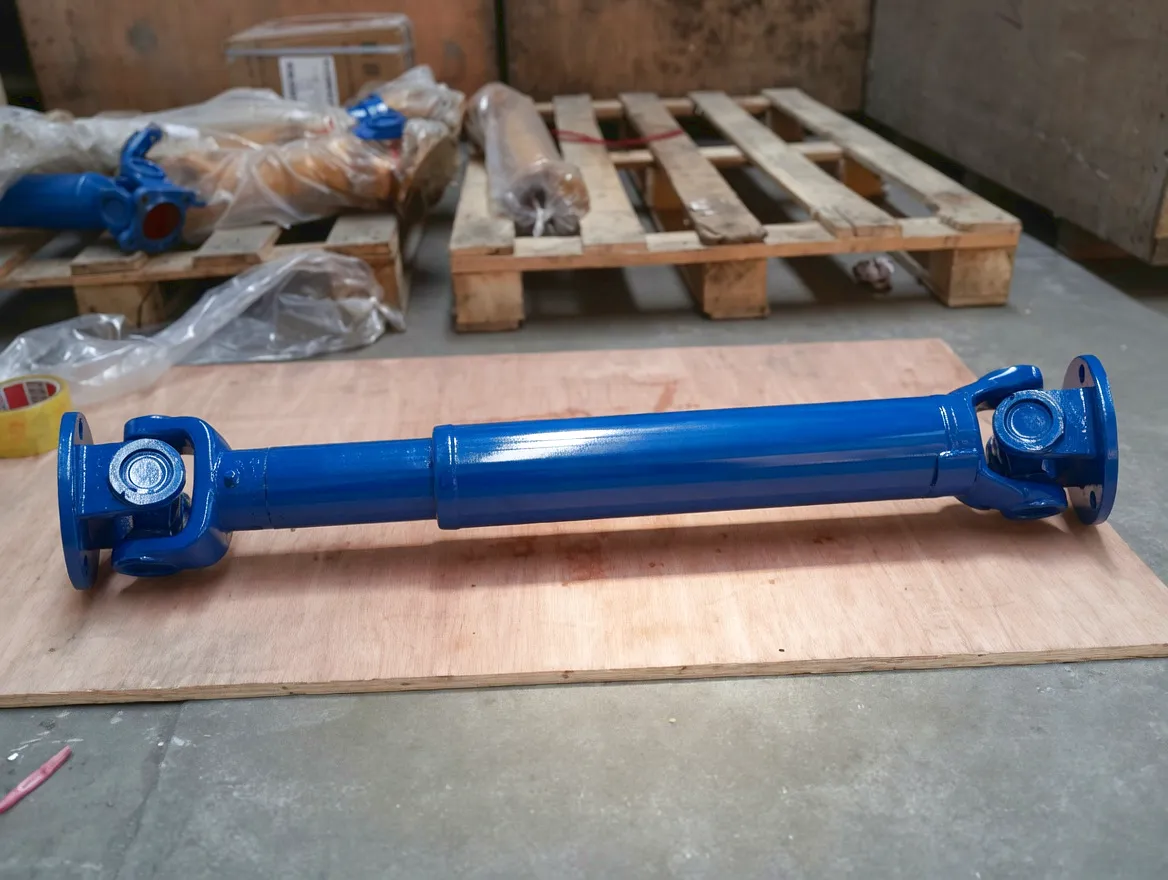
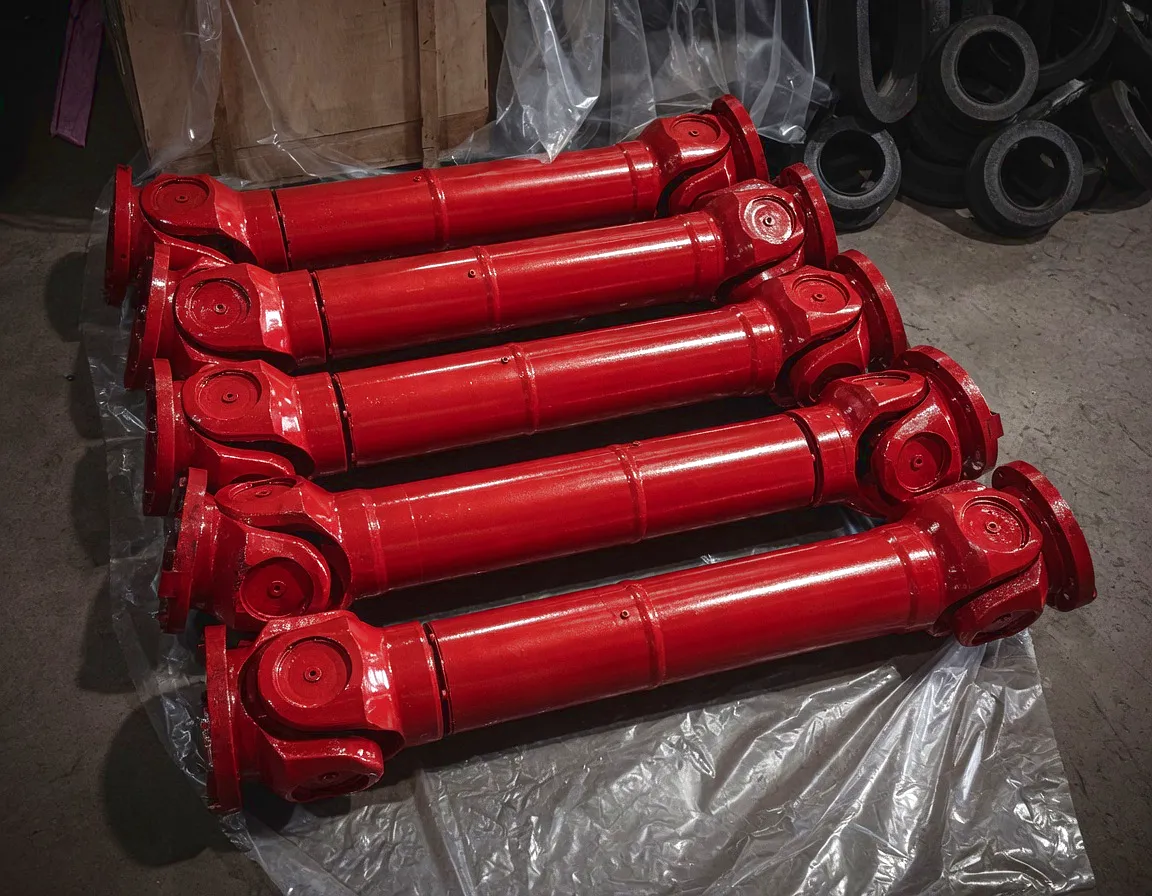 Material choices in a cardan coupling designed for combine harvester service must reflect the brutal operating environment. The yokes — the forked components that grip the bearing crosses — are typically forged from medium-carbon alloy steel such as 42CrMo4 (EN 10083), chosen for its combination of tensile strength, fatigue resistance, and toughness at low temperatures. This last property matters more than most engineers initially realise: UK harvest season runs from late July through October, and early-morning starts often mean equipment operating at ambient temperatures near freezing, especially in Scotland and northern England. Bearing crosses themselves use case-hardened chromium steel, heat-treated to achieve a surface hardness of 58–62 HRC while retaining a tough core. The needle rollers within each bearing cup are precision-ground to Grade 2 or better, ensuring uniform load distribution. Sealing is perhaps the most under-appreciated aspect of agricultural cardan coupling design. Crop dust, chaff, soil particles, and moisture assault every exposed surface of a working combine. Multi-lip seals with integrated dust excluders keep contaminants away from the needle bearings, while grease reservoirs within each bearing cup provide sustained lubrication between service intervals. Ever Power uses proprietary seal geometries that have demonstrated a 40% improvement in contaminant exclusion compared to standard commercial seals during independent bench testing.
Technical Specifications — Heavy-Duty Dual Cardan Coupling
| Parameter | Specification | Notes |
|---|---|---|
| Nominal Torque Capacity | 2,800 – 18,500 Nm | Rated at continuous duty |
| Peak Torque (Intermittent) | Up to 27,000 Nm | Short-duration shock loads |
| Maximum Operating Angle | 15° per joint (30° total) | Continuous rotation |
| Maximum Speed | 3,500 RPM | Dynamically balanced |
| Yoke Material | 42CrMo4 Forged Alloy Steel | EN 10083 compliant |
| Bearing Cross Material | Case-Hardened Cr Steel (58–62 HRC) | Precision needle rollers |
| Seal Type | Multi-Lip with Dust Excluder | Enhanced contaminant exclusion |
| Operating Temperature | -30°C to +120°C | Full-range UK climate suitability |
| Lubrication Interval | 250 operating hours (standard) | Extended-life grease option available |
| Service Life (Nominal) | 8,000+ hours | Under recommended maintenance |
| Weight Range | 12 – 85 kg | Depending on series and shaft size |
Key Advantages in Combine Harvester Service
⚙️ Vibration Reduction
The dual cardan joint arrangement eliminates the speed pulsation inherent in single-joint designs. In field measurements on combine header drives, vibration amplitudes dropped by over 60% compared to single universal joint configurations. Lower vibration translates directly to reduced bearing wear throughout the drivetrain and quieter cab environments for operators working 14-hour harvest days.
🔩 High Torque Density
Modern combine engines produce substantial torque — often exceeding 2,000 Nm at the PTO — and that torque must pass through a compact space between the feeder house and the main body. The cardan coupling achieves a remarkably high torque-to-size ratio, enabling power transmission that would otherwise require a significantly larger and heavier coupling assembly. Weight savings at the header interface also improve the machine’s ground-following response.
🌾 Contamination Resilience
Harvest environments are exceptionally hostile to mechanical components. Airborne chaff, grain dust, soil particles, and moisture create an abrasive slurry that attacks seals and bearings. The enhanced sealing system used in Ever Power cardan couplings prevents contaminant ingress far more effectively than standard designs, resulting in bearing service lives that consistently exceed 8,000 operating hours when maintenance schedules are followed.
🔄 Adaptability to Variable Angles
A combine header follows the ground contour through a hydraulic suspension system, constantly altering the angle between the header drive and the main gearbox. The cardan coupling accommodates these dynamic angular changes — up to 15 degrees per joint — without any degradation in torque transmission or increase in wear rate. This continuous adaptability is what makes the cardan coupling fundamentally superior to rigid or semi-flexible alternatives in harvesting applications.
Engineering Challenges Specific to UK Harvesting Conditions
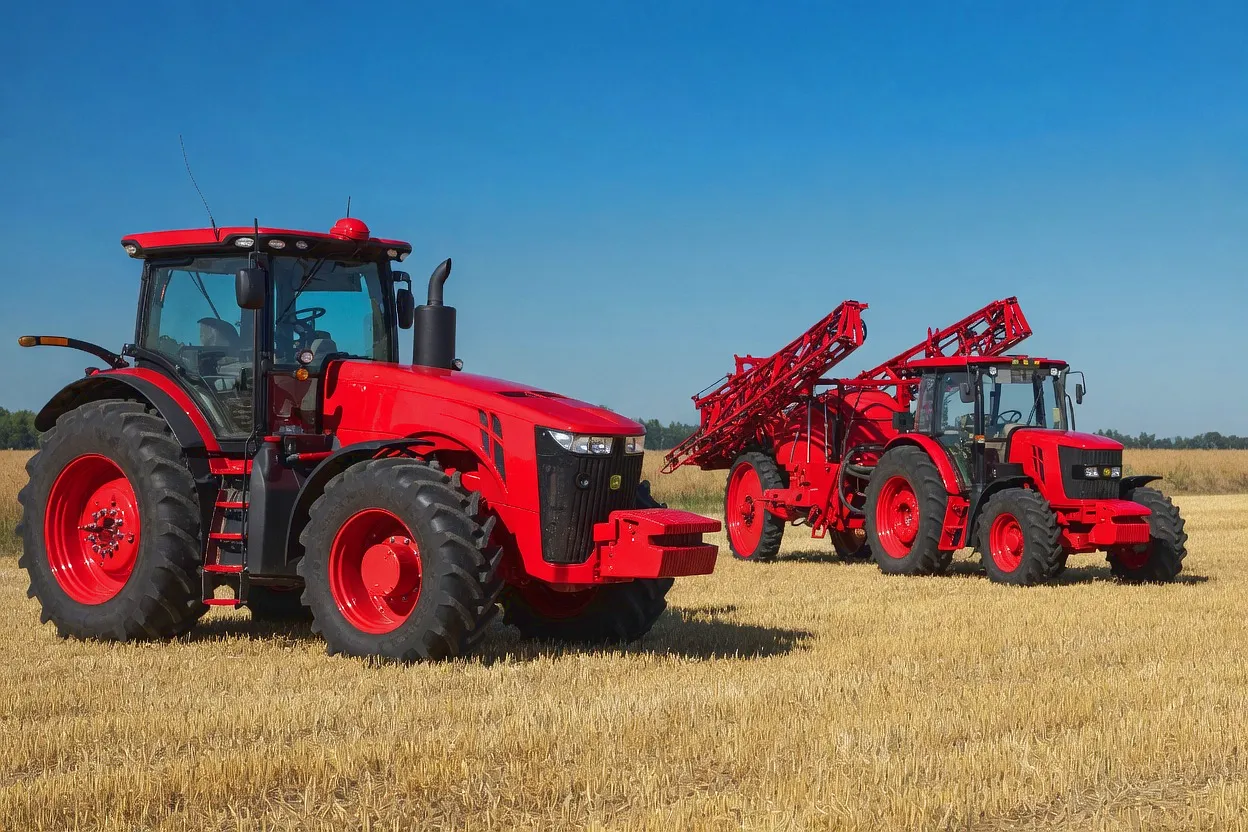
British agriculture presents a unique combination of challenges for cardan coupling engineering. The maritime climate means high humidity throughout the harvest season, accelerating corrosion on exposed steel surfaces. Frequent rain interruptions cause machines to sit idle — sometimes for days — before resuming operation, creating start-up conditions where rust-induced bearing seizure becomes a realistic concern. The crop mix across the UK further complicates matters. Oilseed rape, a major British crop, produces a fine, oily dust that is far more penetrating than cereal chaff. Barley awns are notoriously abrasive and tend to wrap around rotating shafts, building up against seals. Wheat straw, especially in drought-stressed crops, can be extraordinarily tough, generating higher-than-expected loads on the threshing system and, by extension, on the cardan coupling driving it. Field conditions in the UK also vary dramatically. The heavy clay soils of the Midlands create a different set of vibration and shock-load profiles than the lighter, stonier soils of East Anglia or the chalky downlands of Hampshire and Wiltshire. An application engineer worth their salt specifies the cardan coupling not just for the machine model but for the predominant operating terrain and crop type. Ever Power’s engineering team in the UK works directly with agricultural dealers and end users across every region, from the Fens to the Highlands, ensuring each coupling selection matches the actual operating envelope.
Selecting the Right Cardan Coupling for Your Combine
Coupling selection for a combine harvester is not a catalogue exercise — it requires careful analysis of several interrelated factors. The starting point is always the continuous torque requirement, derived from the engine’s maximum PTO output and the gear ratio through to the coupling installation point. Peak torque must account for shock loads: industry practice applies a service factor of at least 1.5 for agricultural machinery, and experienced application engineers often use 1.8 to 2.0 for combines operating in heavy crops or stony ground. Angular misalignment must be mapped across the full operating range of the header suspension. This involves measuring the geometric relationship between the header drive shaft centreline and the main gearbox input shaft at the maximum raised, fully lowered, and mid-travel positions. The coupling must accommodate the worst-case angle with margin. Rotational speed determines whether dynamic balancing is required — generally necessary above 1,500 RPM — and influences the selection of bearing cup retention method. Higher speeds favour snap-ring retention over staked-type, as the latter can creep under centrifugal loading. Space constraints often dictate the coupling series. The distance between the feeder house throat and the threshing gearbox is fixed by the machine design. A competent application engineer will confirm fitment against the OEM installation drawing before committing to a coupling size, avoiding the costly mistake of specifying a coupling that physically does not fit.
Application Scenarios Within the Combine Harvester
Header-to-Feeder House Drive
The primary cardan coupling application in a combine connects the header gearbox to the feeder house drive shaft. This is the most demanding installation point because it experiences the greatest angular variation — typically 8 to 15 degrees during normal field operation — combined with high torque loads from the cutting mechanism. The coupling here must handle continuous torque from the header’s knife drive, auger, and reel systems while absorbing the shock loads that occur when the knife encounters obstructions. A heavy-duty dual cardan joint rated at a minimum service factor of 2.0 is standard practice for this position, with bearing cup seals specified for maximum contaminant exclusion given the direct exposure to crop material.
Threshing Rotor Drive
Axial-flow combines use a large-diameter rotor spinning at closely controlled speeds. The cardan coupling in this drive line operates at lower angular misalignment — typically 3 to 5 degrees — but must transmit the highest sustained torque of any coupling on the machine. Rotational speed control is critical: even minor velocity fluctuations affect threshing efficiency and grain damage rates. The dual cardan joint’s constant-velocity output makes it particularly well-suited here. Coupling selection for the rotor drive prioritises torque capacity and dynamic balancing over angular range, and the bearing crosses are sized for maximum fatigue life under continuous loading.
Grain Unloading Auger Drive
The grain unloading system swings through a wide arc when deploying and folding the discharge auger. The cardan coupling at the base of this system operates at moderate torque but must accommodate the full sweep of the auger’s travel — a geometric challenge that demands precise joint phasing and adequate angular capacity. Speed requirements are lower, but reliability is paramount: a coupling failure during unloading means grain cannot leave the tank, halting the entire harvesting operation until the repair is completed.
Customer Success: Fenland Grain Cooperative, Lincolnshire
Agricultural — Arable Farming | Fleet: 12 Combine Harvesters | Location: South Lincolnshire, UK
The Fenland Grain Cooperative operates a fleet of twelve combine harvesters across approximately 14,000 acres of arable land in South Lincolnshire, harvesting wheat, barley, oilseed rape, and beans. By 2023, recurring coupling failures on their header drives had become a serious operational bottleneck. The existing aftermarket couplings — sourced from a generic drivetrain supplier — were lasting an average of just 1,800 operating hours before bearing failure, and three machines experienced mid-harvest breakdowns during the 2022 season, resulting in a combined 11 days of lost harvesting capacity. The cooperative’s fleet manager contacted Ever Power’s UK application engineering team in early 2023. After a comprehensive review of each machine’s operating parameters — including torque measurements taken directly from the PTO, angular displacement surveys across the header’s full range of motion, and an analysis of the predominant crop types and soil conditions on their specific fields — Ever Power specified a custom-phased dual cardan coupling with enhanced contaminant seals and an extended-life grease formulation. The couplings were installed across the fleet before the 2023 harvest. After two complete harvest seasons totalling approximately 4,200 operating hours on the hardest-worked machines, not a single coupling has required replacement. Bearing wear measurements taken during routine winter servicing showed less than 15% of the available wear margin consumed, projecting a service life well beyond 10,000 hours. The cooperative estimated total savings of approximately £42,000 over the two-season period, accounting for eliminated breakdown costs, reduced spare parts inventory, and decreased servicing labour.
What Our Customers Say
“
We ran through two sets of aftermarket couplings every season before switching to Ever Power. Going into our third harvest now with the original set still performing perfectly. The engineering support we got during selection was miles ahead of what we experienced with other suppliers.
— Robert Aldridge
Fleet Manager, Fenland Grain Cooperative, Lincolnshire
“
I manage agricultural spare parts for dealers across the Home Counties and Surrey. The feedback from our workshop technicians on Ever Power cardan couplings has been consistently positive — straightforward to fit, solid construction, and the sealing is genuinely a step above what we were getting from our previous supplier. Warranty returns have essentially stopped.
— Helen Cartwright
Parts Director, South East Agricultural Engineering Ltd, Kent
“
We’ve been farming 3,500 acres near Inverness for three generations. Harvest windows up here are brutally short, and the terrain is not kind to equipment. Since fitting Ever Power dual cardan couplings on both our header drives and the rotor drive in 2024, we have not had a single unplanned stop related to coupling wear. That reliability is worth more than any cost saving on paper.
— Callum Mackenzie
Farm Director, Highland Harvest Estates, Inverness-shire, Scotland
Maintenance Practices That Maximise Coupling Life
Getting the maximum service life from a cardan coupling in combine harvester duty requires attention to a few critical maintenance practices — none of which are complex, but all of which are frequently neglected under the time pressure of harvest. Greasing is the most important single maintenance action. Each bearing cross must receive fresh grease at the intervals specified by the coupling manufacturer — typically every 250 operating hours for standard grease, or up to 500 hours with extended-life formulations. The grease must be pumped through until clean grease purges from the seal periphery, confirming that the old, contaminated grease has been displaced. Using the wrong grease type — particularly mixing lithium-complex and polyurea-based greases — creates a compatibility problem that can destroy bearing surfaces within a few hundred hours. Visual inspection of seal condition should occur at every greasing interval. A damaged or displaced seal allows contaminants to reach the bearing surfaces, and once abrasive particles are embedded in the roller tracks, the damage accelerates rapidly. Catching a seal issue early is the difference between a quick replacement and a complete coupling failure during harvest. Flange bolt torques should be checked at the start of each season and at the mid-point of a long harvest. Vibration and thermal cycling cause bolts to lose preload, and a loose flange introduces misalignment beyond the coupling’s design envelope.
Ever Power — Custom Cardan Coupling Engineering
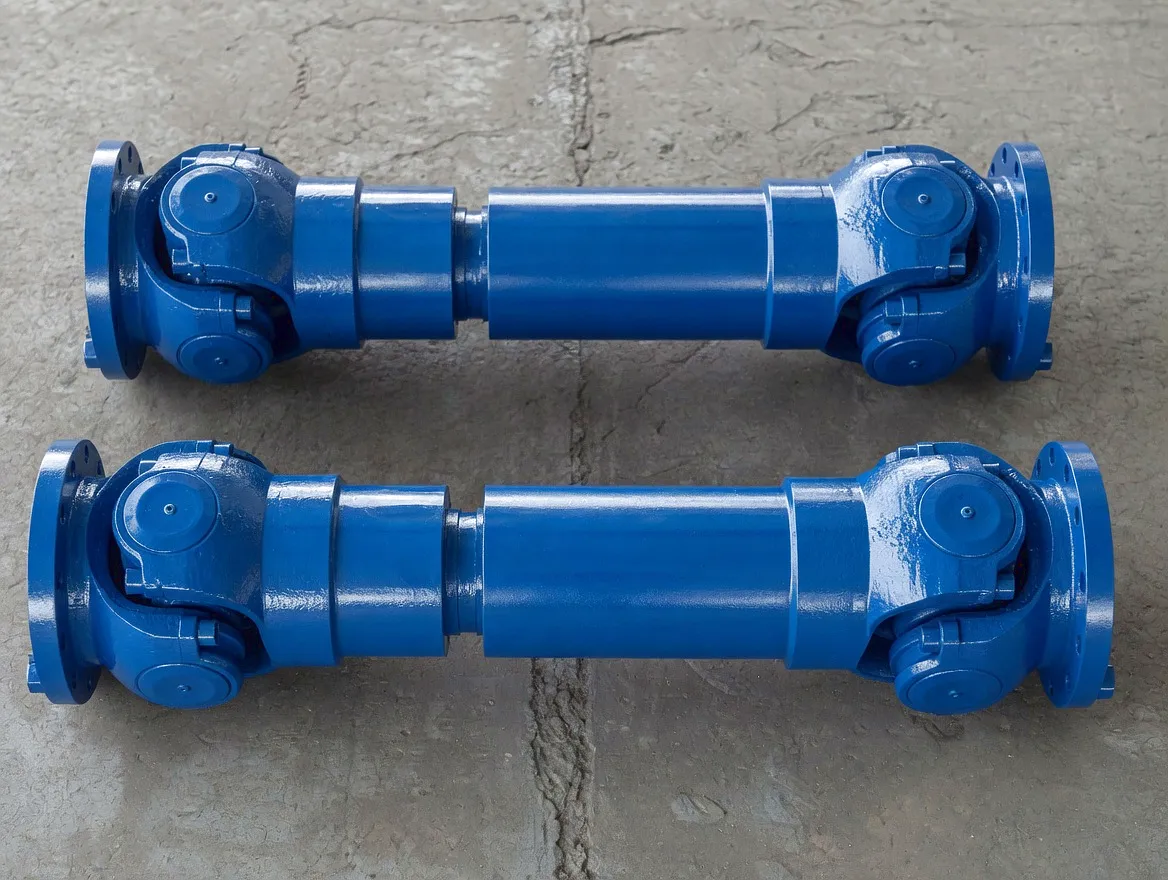
Ever Power operates a vertically integrated manufacturing facility with complete in-house capabilities spanning forging, CNC machining, heat treatment, precision grinding, and assembly. This vertical integration enables something that many coupling suppliers simply cannot offer: genuine customisation on commercial timescales. For agricultural OEMs and large fleet operators in the UK, this means cardan couplings can be specified with non-standard yoke configurations, modified spline profiles to match specific gearbox outputs, custom shaft lengths to suit unique machine modifications, and tailored seal designs for particular crop or climate conditions. The company’s application engineering team collaborates directly with customers during the specification process. Rather than simply pulling a standard part number from a catalogue, Ever Power engineers analyse the complete operating envelope — torque, speed, angle, environment, maintenance access, expected service life — and develop a coupling specification that meets or exceeds every requirement. Minimum order quantities for custom configurations are considerably lower than industry standard, making bespoke solutions accessible even for smaller operations and specialist agricultural dealers serving niche markets across the United Kingdom. From initial enquiry through design, prototyping, and volume production, Ever Power maintains full traceability and quality documentation in accordance with ISO 9001:2015, supporting the due diligence requirements of UK agricultural equipment distributors and end users alike.
Performance Across UK Crop Types
| Crop | Typical Header Torque | Contamination Risk | Recommended Service Factor |
|---|---|---|---|
| Winter Wheat | 1,800 – 2,400 Nm | Moderate | 1.8 |
| Spring Barley | 1,400 – 2,000 Nm | High (abrasive awns) | 2.0 |
| Oilseed Rape | 1,600 – 2,200 Nm | Very High (oily dust) | 2.0 |
| Field Beans | 2,200 – 3,200 Nm | Moderate | 2.0 – 2.2 |
| Oats | 1,200 – 1,800 Nm | Low | 1.5 |
Beyond the Combine: Cardan Couplings Across Agricultural Machinery
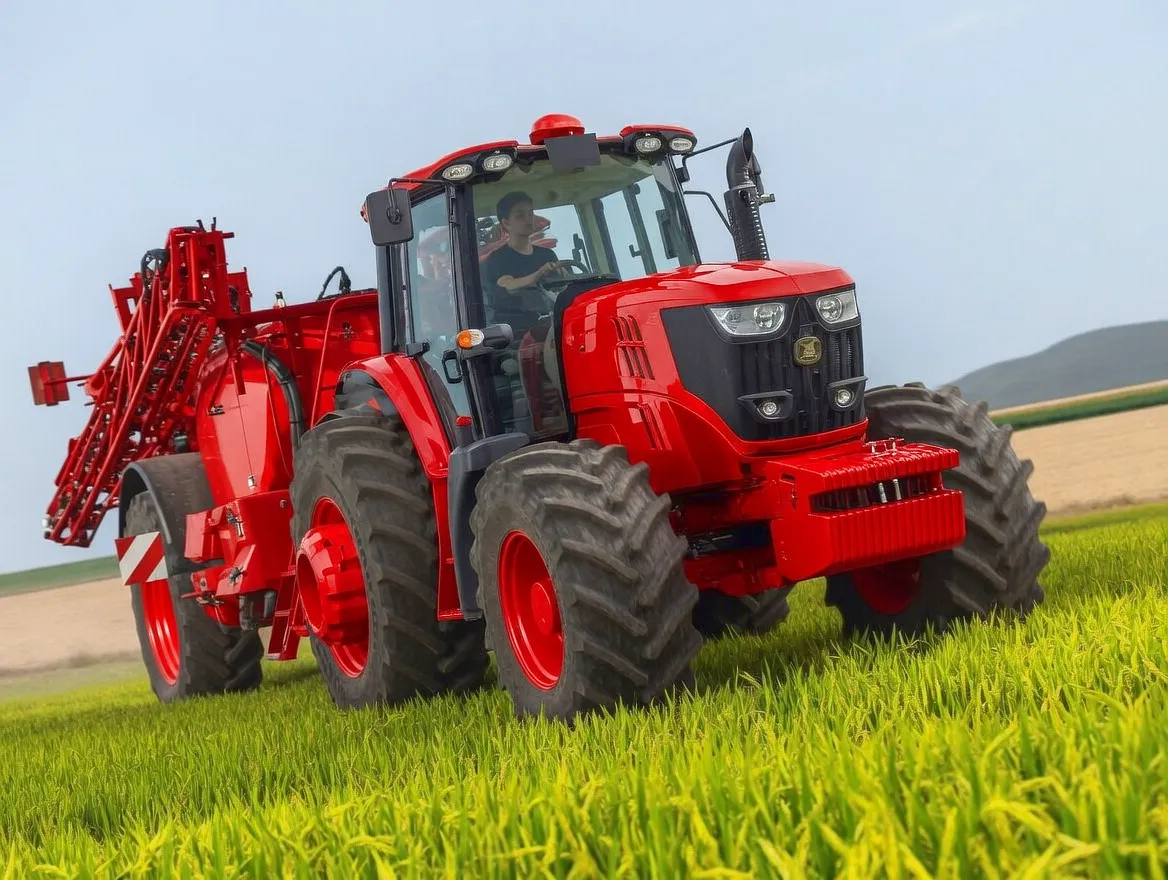
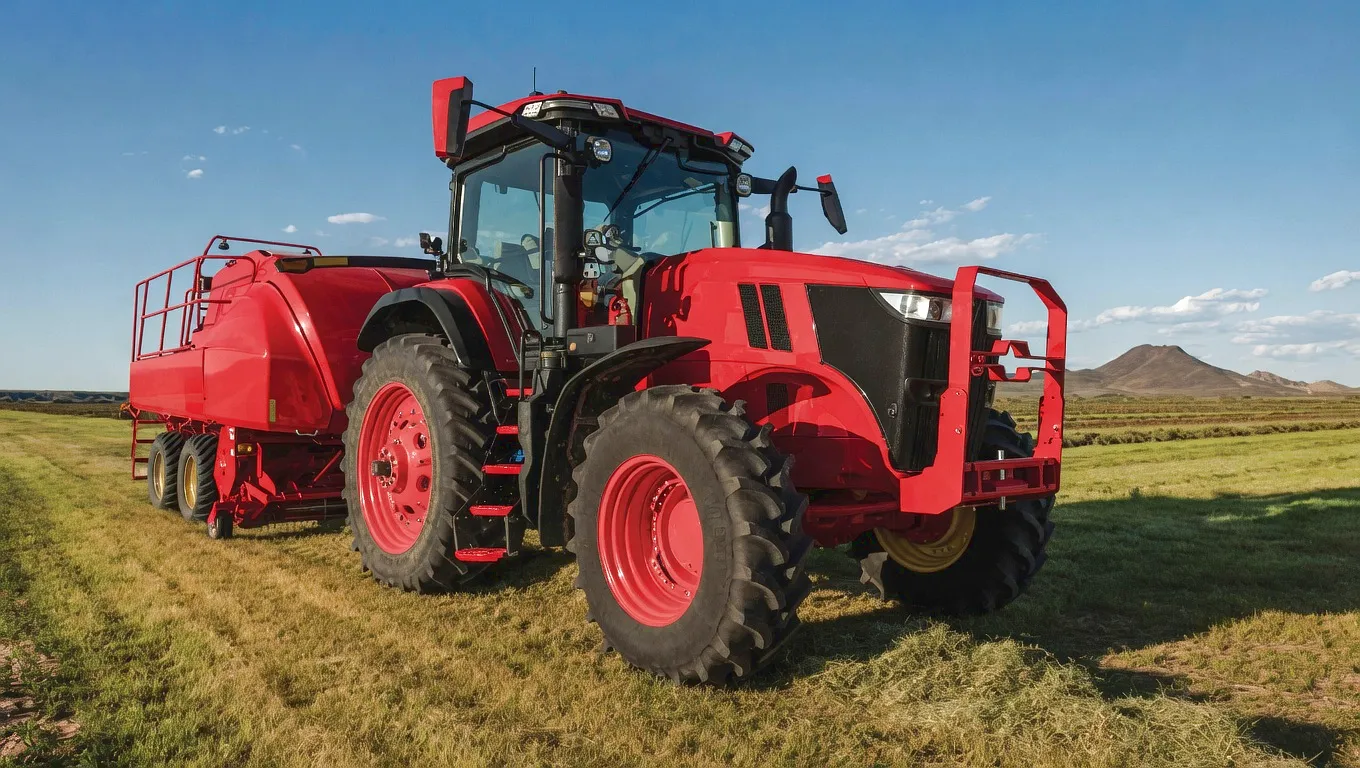
While the combine harvester represents the most technically demanding agricultural application for cardan couplings, the technology plays a critical role across the full range of farm machinery used in British agriculture. Forage harvesters — machines that chop grass or maize into silage — subject cardan couplings to extreme torque spikes when the chopping drum encounters dense or tangled crop material. Large square and round balers require cardan joints at the PTO connection and within the baler’s internal drive system, where angular changes occur as the machine traverses undulating ground. Muck spreaders, slurry tankers, and grain drills all rely on cardan coupling technology at various points in their drivetrains. In every case, the fundamental engineering considerations remain the same: torque capacity, angular accommodation, contaminant resistance, and appropriately specified maintenance intervals. The versatility of Ever Power’s manufacturing capability means that the same depth of application engineering support available for combine harvester applications extends to every category of agricultural implement. Whether specifying a coupling for a forage wagon driven across the steep terrain of Devon or a precision seed drill operating in the light soils of Norfolk, the engineering methodology is identical — and the commitment to getting the selection right is unwavering.
Serving Agricultural Operations Across the United Kingdom
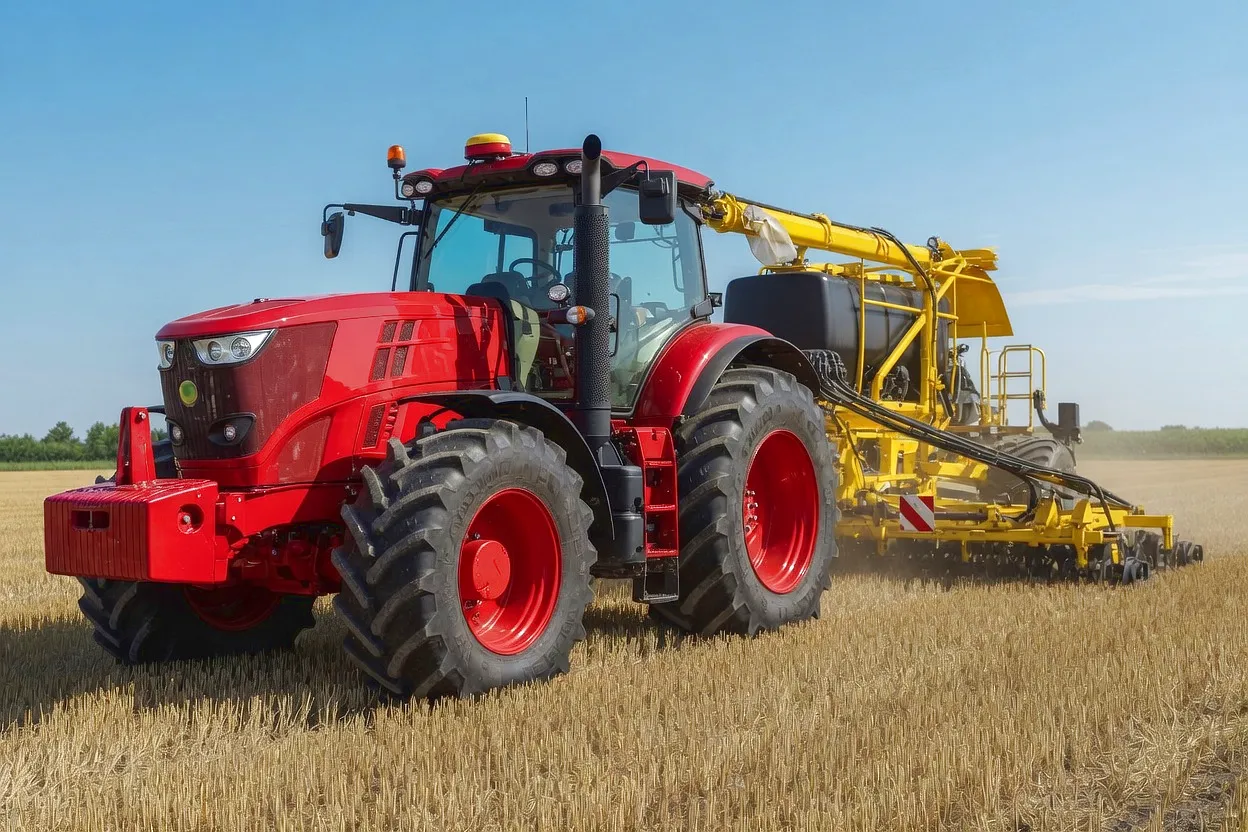
Ever Power supplies cardan couplings to agricultural equipment dealers, OEMs, and end-user farming operations throughout the United Kingdom. The company maintains dedicated stock holdings for the most common combine harvester coupling specifications, enabling rapid dispatch to agricultural merchants from Cornwall to Caithness. Stocked product lines cover the coupling requirements of all major combine harvester brands operating in the UK market. For dealers in England’s major arable regions — Lincolnshire, East Anglia, Hampshire, the East Midlands — same-day or next-day delivery is standard for in-stock items. Scottish and Welsh customers benefit from established logistics partnerships that keep delivery times competitive even to remote farming communities. The company’s support network extends beyond product supply. Ever Power’s application engineering team is available for on-site consultation, coupling specification reviews, and fleet-wide optimisation assessments. For agricultural dealers, this translates into a parts supplier that actively helps close the technical sale — not one that simply ships boxes. Enquiries from anywhere in the United Kingdom can be directed to the engineering team at [email protected], and initial application assessments are provided at no charge.
Frequently Asked Questions
What is the price of a heavy-duty cardan coupling for a combine harvester in the UK?
Pricing for heavy-duty dual cardan couplings varies based on torque rating, shaft size, and customisation requirements. For combine harvester header drives in the UK, typical pricing ranges from £180 to £650 per unit depending on the series. Ever Power provides detailed quotations tailored to your specific machine model and operating requirements — contact [email protected] for a free, no-obligation quote delivered within 24 hours.
Where can I find a reliable cardan coupling supplier for agricultural machinery near Lincolnshire?
Ever Power supplies cardan couplings directly to farming operations and agricultural dealers across Lincolnshire and the wider East Midlands region, with same-day dispatch available for in-stock items. The company maintains dedicated agricultural coupling inventory covering all major combine harvester brands. Contact the team at [email protected] for availability and delivery scheduling.
How often should I replace the cardan coupling on my combine harvester header drive?
With proper maintenance — regular greasing every 250 operating hours, seal inspections, and flange bolt torque checks — a quality dual cardan coupling should deliver upwards of 8,000 operating hours before replacement. Ever Power couplings in UK combine harvester service routinely exceed this figure. Replacement should be based on condition monitoring rather than a fixed schedule, with bearing play and seal integrity as the primary inspection criteria.
Which type of cardan coupling is best for high-torque harvesting equipment used in Scottish farmland?
For high-torque harvesting applications on Scottish terrain — where slopes, shorter harvest windows, and lower ambient temperatures add extra demands — a heavy-duty dual cardan joint with forged alloy yokes (42CrMo4), case-hardened bearing crosses, and enhanced cold-weather seal compounds is the recommended specification. Ever Power engineers can tailor the specification to your exact machine, crop type, and geographic conditions.
How do I get a custom cardan coupling quote for my specific combine harvester model in the UK?
Contact Ever Power’s application engineering team at [email protected] with your machine make, model, year, and the specific drive position requiring the coupling. The team will request any additional measurements if needed and return a fully specified quotation, typically within one business day. On-site consultations are available across England, Scotland, and Wales for fleet-scale projects.
What causes a cardan coupling to fail prematurely on a combine harvester during harvest season?
Premature cardan coupling failure in combine harvesters most commonly results from inadequate lubrication, seal damage allowing contaminant ingress, misalignment beyond the coupling’s rated angular capacity, or the use of undersized couplings that lack sufficient torque margin for shock loads. Crop debris — especially barley awns and oilseed rape dust — accelerates bearing wear dramatically if seals are compromised. Specifying a coupling with the correct service factor and maintaining the recommended greasing schedule prevents the vast majority of in-season failures.
Can I order a cardan coupling with next-day delivery to East Anglia for an urgent harvest repair?
Ever Power maintains in-stock inventory of the most commonly specified combine harvester cardan couplings and offers same-day dispatch for orders placed before 2pm. Delivery to East Anglia, Lincolnshire, and the broader eastern arable regions is typically next-business-day. For urgent mid-harvest requirements, contact [email protected] or call the engineering team directly to confirm stock availability and arrange priority shipping.
Ready to Upgrade Your Combine Harvester Drivetrain?
Contact Ever Power’s application engineering team for a free, no-obligation coupling specification and quotation — tailored to your machine, your crops, and your operating conditions across the UK.
edit by gzl