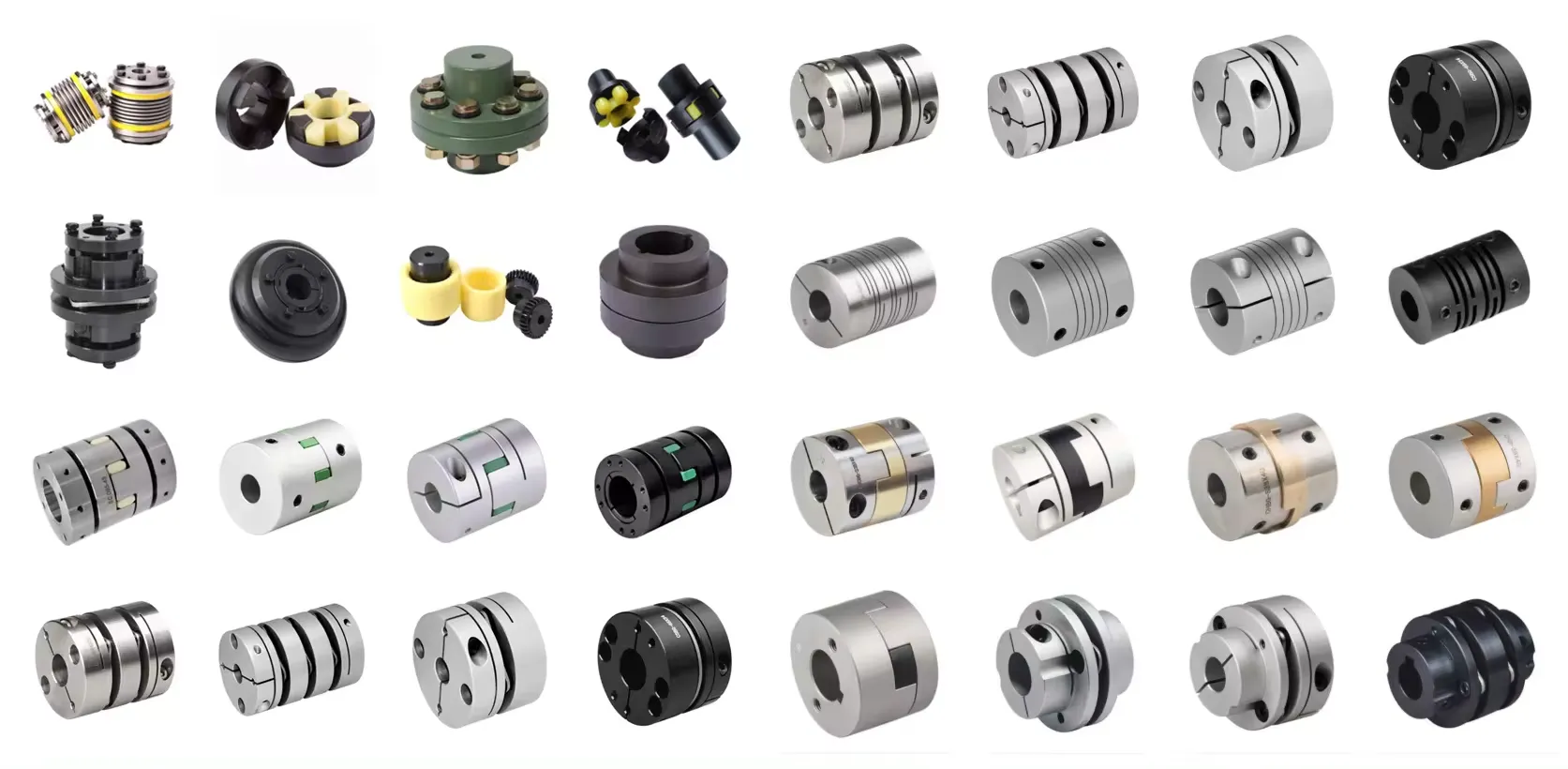
Introduction to Cardan Coupling for Material Handling Systems
Keyword: Cardan Coupling
A Cardan coupling, also known as a universal joint, is a mechanical device that allows for the transmission of power between two shafts that are not in a straight line. It provides flexibility and smooth rotation, making it ideal for material handling systems that require movement in multiple directions.
Functionality
The Cardan coupling enables the transfer of torque while compensating for misalignment between shafts, reducing vibration and extending the life of machinery in material handling systems.
Design
Typically consisting of two yokes and a cross-shaped center piece, the Cardan coupling is designed to accommodate angular misalignment and provide a constant velocity ratio between shafts.
Benefits
By allowing for axial, radial, and angular misalignment, the Cardan coupling improves the efficiency and reliability of material handling systems, reducing maintenance costs and downtime.
Applications
Cardan couplings are commonly used in conveyor systems, cranes, packaging machinery, and other material handling equipment where flexibility and smooth operation are essential.
Maintenance
Regular inspection and lubrication of the Cardan coupling are crucial to ensure optimal performance and longevity of material handling systems.
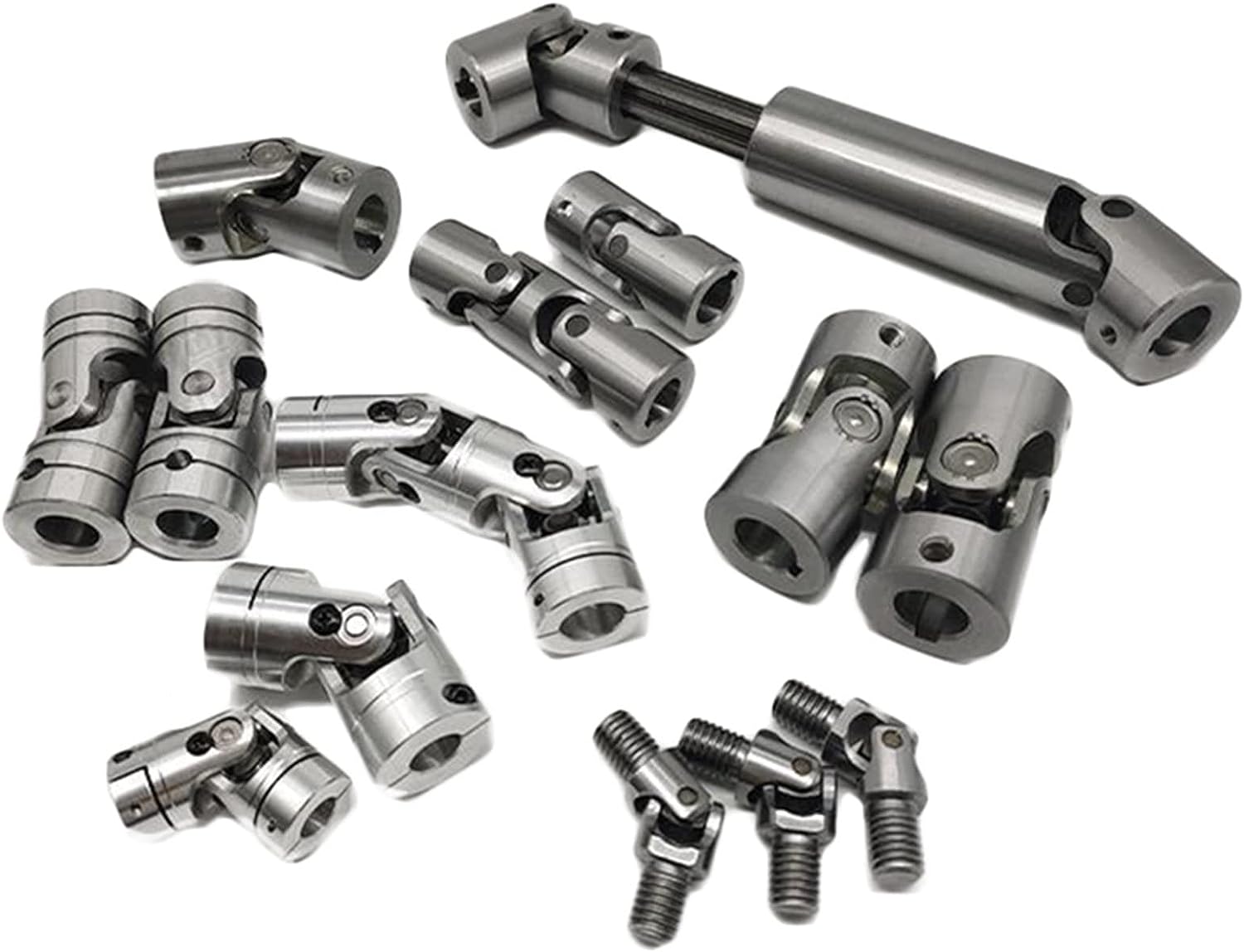
What is Cardan Shaft Coupling?
Definition
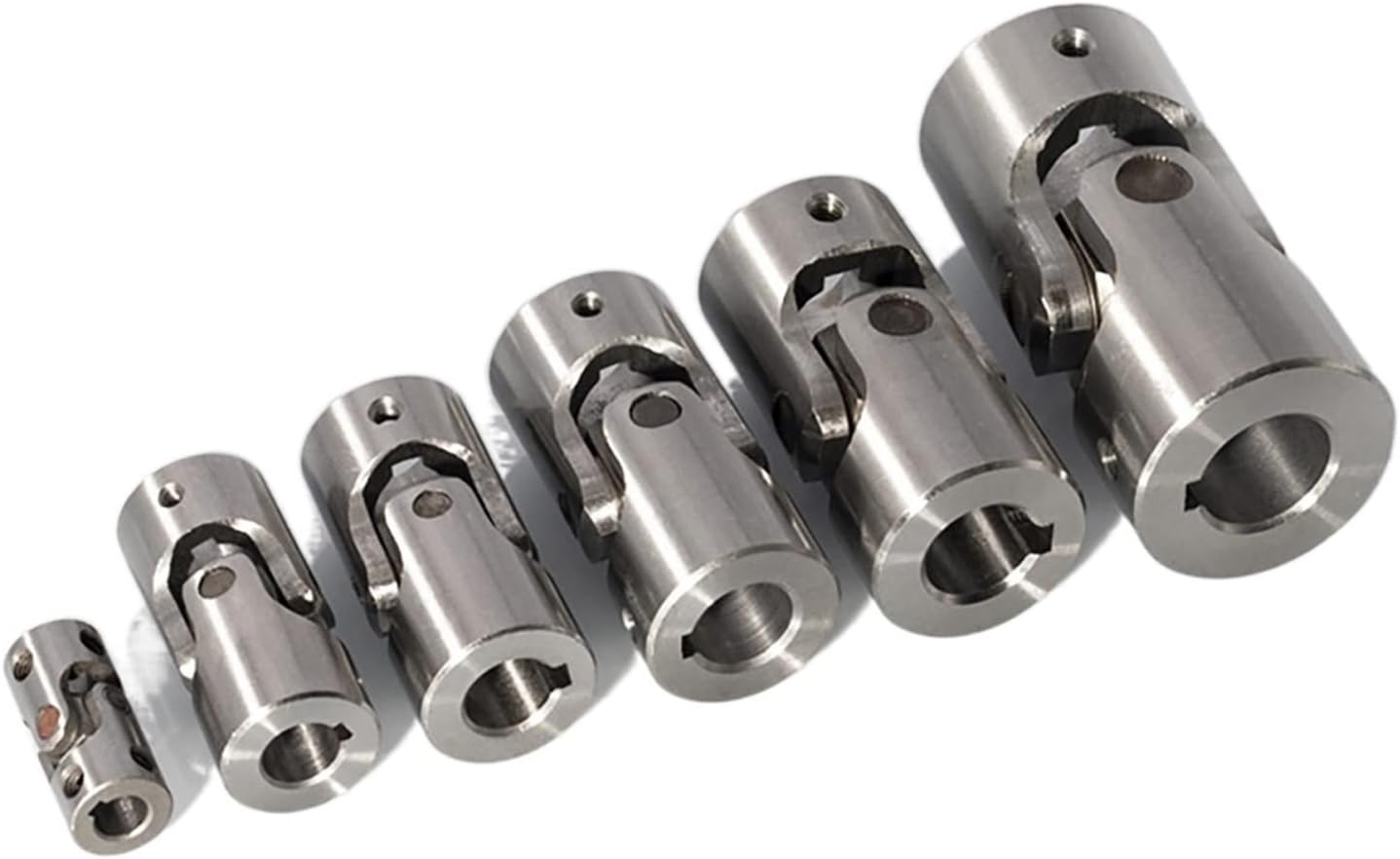
A Cardan shaft coupling, also known as a universal joint shaft, is a mechanical component that connects two shafts at an angle to transmit torque between them.
Structure
Consisting of a cross-shaped center piece and two yokes, the Cardan shaft coupling allows for angular misalignment and compensates for shaft misalignment.
Function
The primary function of a Cardan shaft coupling is to transfer torque between non-collinear shafts while accommodating misalignment and minimizing vibration.
Benefits
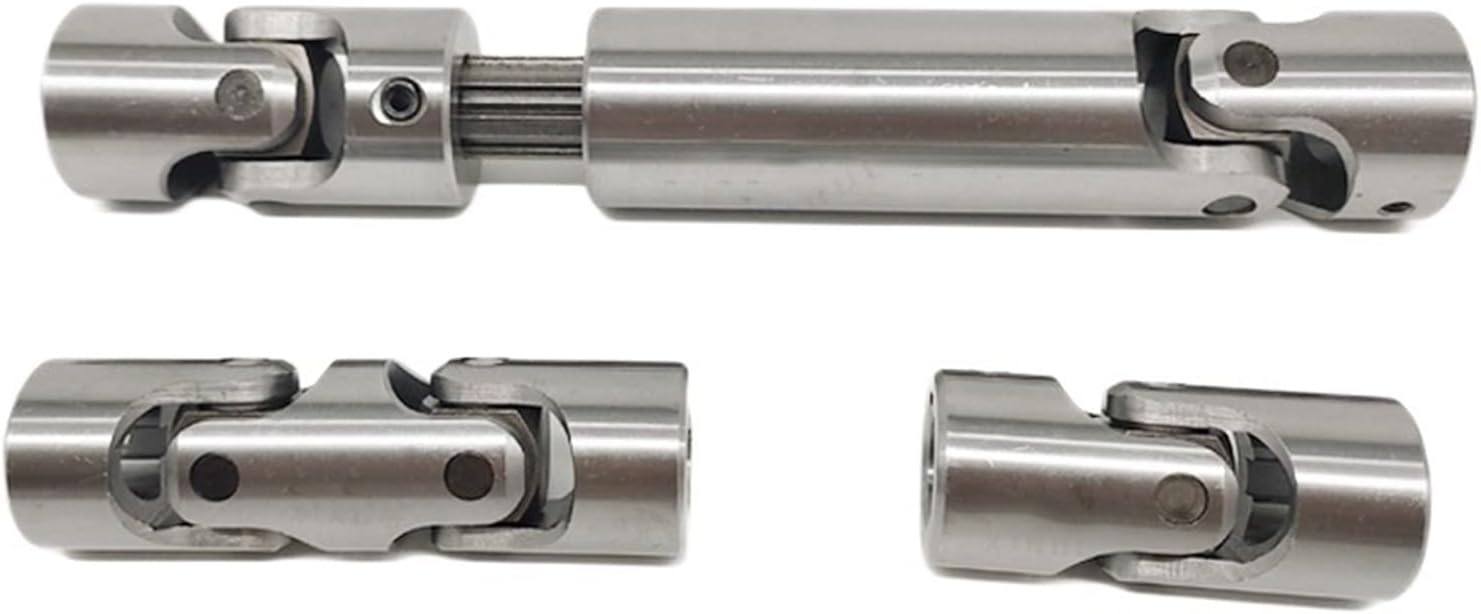
Cardan shaft couplings are versatile, durable, and efficient, making them ideal for a wide range of applications, including material handling systems.
Applications
Cardan shaft couplings are commonly used in industrial machinery, automotive drivetrains, agricultural equipment, and other systems that require smooth power transmission.
What is the Purpose of a Cardan Shaft?
Power Transmission
The primary purpose of a Cardan shaft is to transmit power between two shafts that are not in alignment, allowing for flexibility and smooth operation in various mechanical systems.
Misalignment Compensation
Cardan shafts compensate for angular misalignment, axial misalignment, and parallel offset between shafts, reducing stress and wear on the connected components.
Vibration Reduction
By providing a constant velocity ratio between shafts, Cardan shafts minimize vibration and improve the overall performance and efficiency of machinery.
Enhanced Flexibility
Cardan shafts allow for smooth rotation and movement in material handling systems, ensuring reliable operation and preventing damage to equipment.
Longevity and Reliability
With proper maintenance and lubrication, Cardan shafts can significantly extend the lifespan of machinery and reduce the risk of downtime and costly repairs.
What is the Purpose of a Double Cardan Joint?
Angular Misalignment
A double Cardan joint, also known as a constant velocity joint, allows for greater angular misalignment between shafts, providing smoother power transmission in complex mechanical systems.
Vibration Dampening
Double Cardan joints reduce vibration and noise in machinery, enhancing the overall comfort and efficiency of material handling systems.
High Torque Transmission
By distributing torque evenly and efficiently, double Cardan joints can handle higher loads and provide reliable performance in heavy-duty applications.
Improved Durability
Double Cardan joints are designed for increased durability and longevity, making them suitable for demanding environments and extended use in industrial settings.
Enhanced Flexibility
With the ability to accommodate multiple angles of misalignment, double Cardan joints offer enhanced flexibility and smooth operation in material handling systems.
How to Choose the Appropriate Cardan Coupling
Application Requirements
Consider the specific needs of your material handling system, including torque transmission, shaft misalignment, and operating conditions, to select a Cardan coupling that meets your requirements.
Size and Compatibility
Ensure that the Cardan coupling is the correct size and compatible with the shaft diameters and configurations in your machinery to prevent installation issues and performance problems.
Material and Quality
Choose a Cardan coupling made from high-quality materials such as stainless steel or alloy steel to ensure durability, reliability, and resistance to corrosion and wear.
Load Capacity
Determine the maximum torque and load capacity required for your material handling system to select a Cardan coupling that can handle the demands of your applications without failure.
Maintenance and Serviceability
Consider the ease of maintenance, lubrication, and replacement of components in the Cardan coupling to minimize downtime and ensure optimal performance and longevity of your machinery.
What is the Difference Between a Disc and a Cardan Coupling?
Design and Structure
A disc coupling consists of two hubs with a flexible disc in between, while a Cardan coupling has a cross-shaped center piece and two yokes to transmit torque between shafts.
Misalignment Compensation
Disc couplings can accommodate parallel misalignment, while Cardan couplings can handle angular misalignment, making them suitable for different types of shaft misalignment.
Flexibility and Smoothness
Cardan couplings provide smoother rotation and flexibility in multiple directions, ideal for material handling systems, whereas disc couplings offer more rigidity and precision in alignment.
Applications
Disc couplings are commonly used in high-speed and high-precision applications, while Cardan couplings are preferred in machinery that requires flexibility and torque transmission.
Cost and Maintenance
Disc couplings are generally more expensive but require less maintenance, while Cardan couplings are more cost-effective and versatile but may need regular lubrication and inspection.
About HZPT
Our company, HZPT, established in 2006, is a leading manufacturer and exporter specializing in the design, development, and production of high-quality couplings for various industries, including material handling systems.
With a dedicated design and R&D team with 16 years of experience, we can customize products to meet the specific requirements of our global customers, ensuring superior performance and reliability.
At HZPT, we prioritize customer satisfaction and quality, offering CE and TUV certified products, factory-direct sales, ODM and OEM services, and 24-hour customer support to meet the needs of our customers in Europe and the United States.
Choose HZPT for the best service, highest product quality, competitive prices, and a wide range of coupling options to enhance the performance of your material handling systems.