
Walk any arable farm in England, Scotland, or Wales and you will find a rotary tiller — often called a rotavator — doing the hard work of seed-bed preparation, weed incorporation, or cover-crop termination. What most operators take for granted is the unassuming shaft spinning between the tractor’s PTO stub and the tiller gearbox. That component is a cardan coupling, technically known as a universal joint driveshaft or PTO propshaft, and its engineering quality directly determines how much power actually reaches the working rotor versus how much is lost to vibration, heat, or catastrophic failure mid-field. This guide breaks down every aspect of cardan coupling selection and application for rotary tillers operating across British agricultural conditions.
What Exactly Is a Cardan Coupling and Why Does It Matter on a Rotary Tiller?
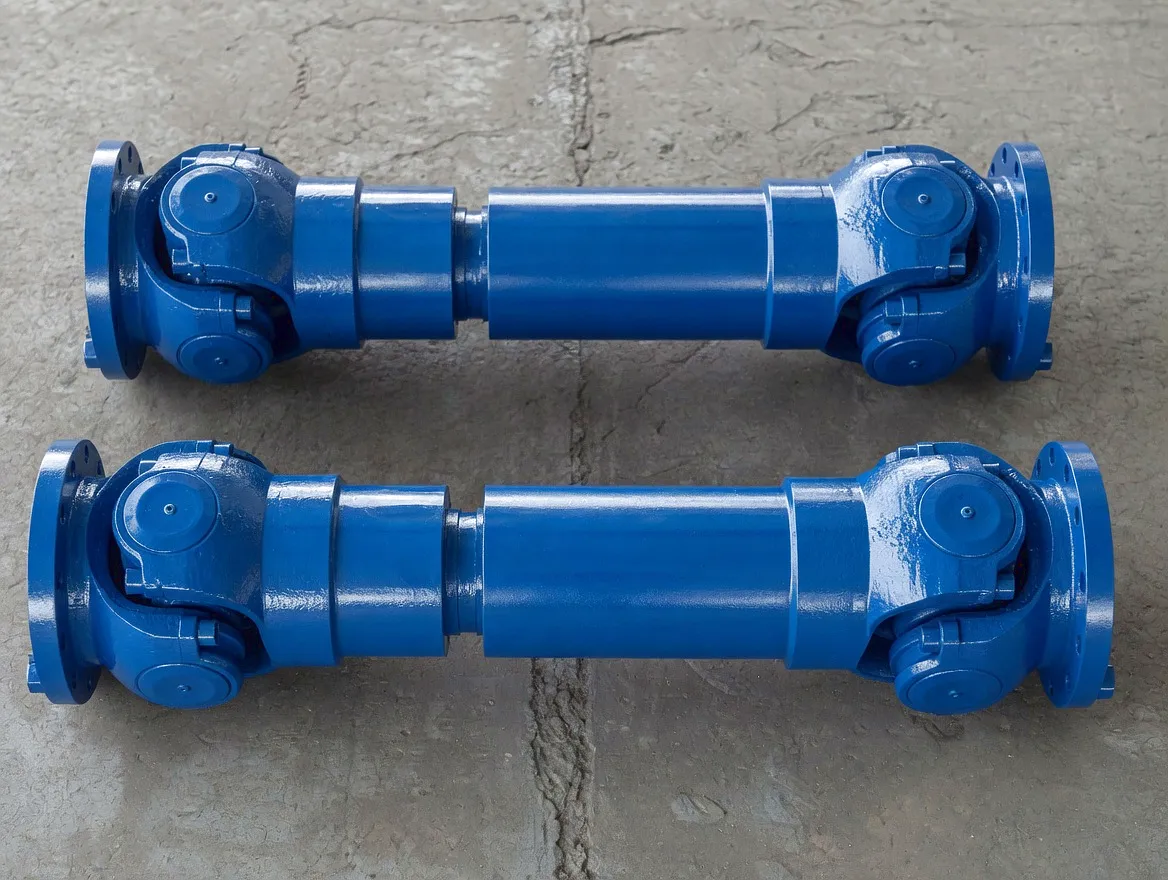
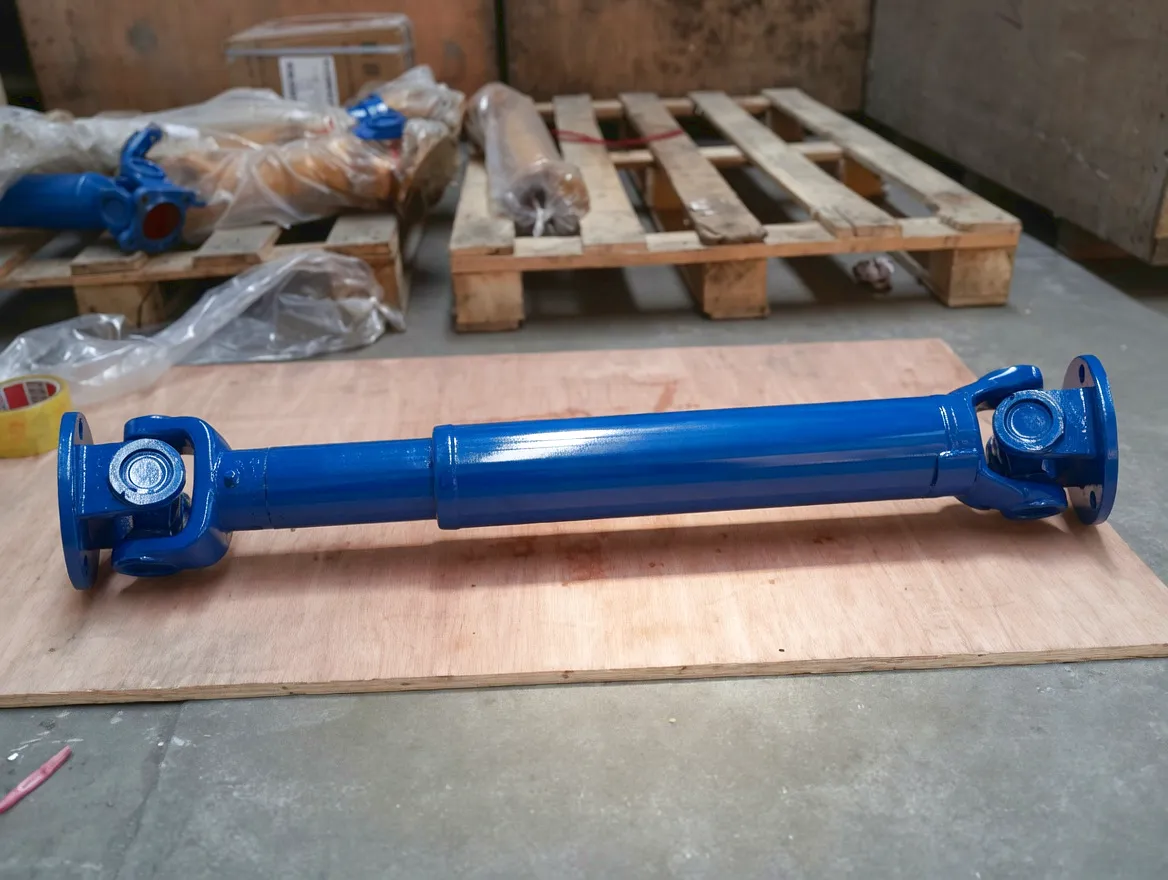
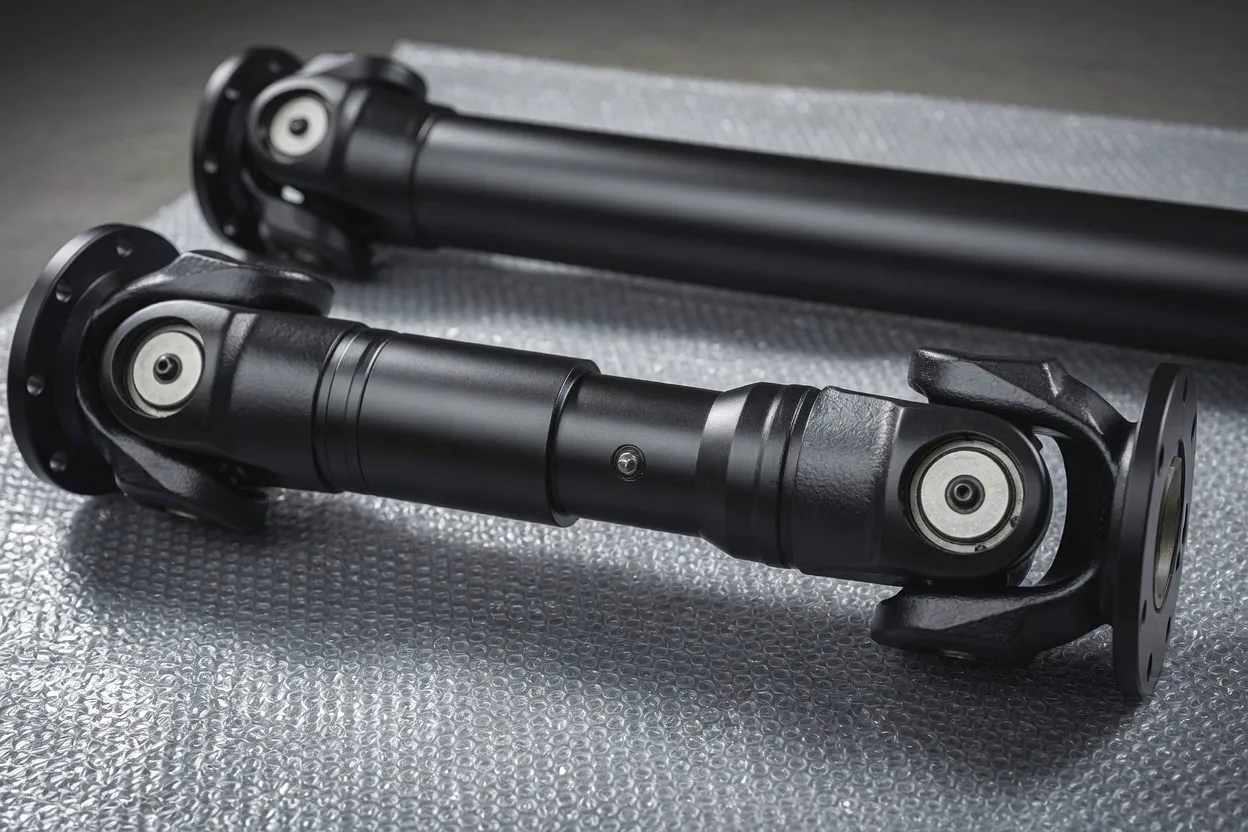
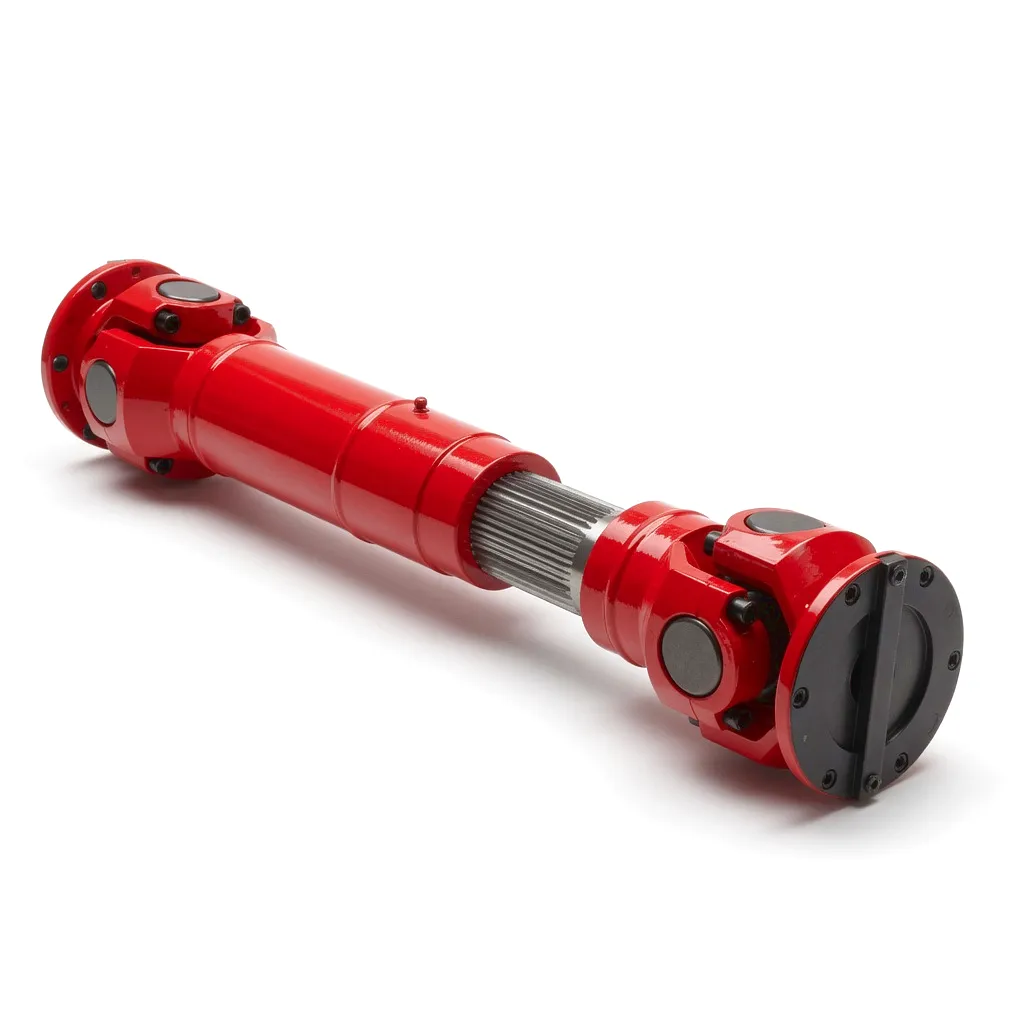 A cardan coupling — named after the 16th-century Italian mathematician Gerolamo Cardano, who studied its geometry — is a mechanical joint that transmits rotary motion between two shafts whose axes are not perfectly aligned. In its modern agricultural form, it consists of two yokes, a cross-shaped trunnion bearing assembly (the universal joint), a telescoping shaft section for length variation, and a slip clutch or shear-bolt overload device. The whole assembly bridges the gap between the tractor’s rear PTO output shaft, turning at either 540 rpm or 1,000 rpm, and the input shaft of the rotary tiller, which sits at a variable horizontal and vertical angle depending on ground contour, attachment linkage geometry, and wheel-to-soil penetration depth.
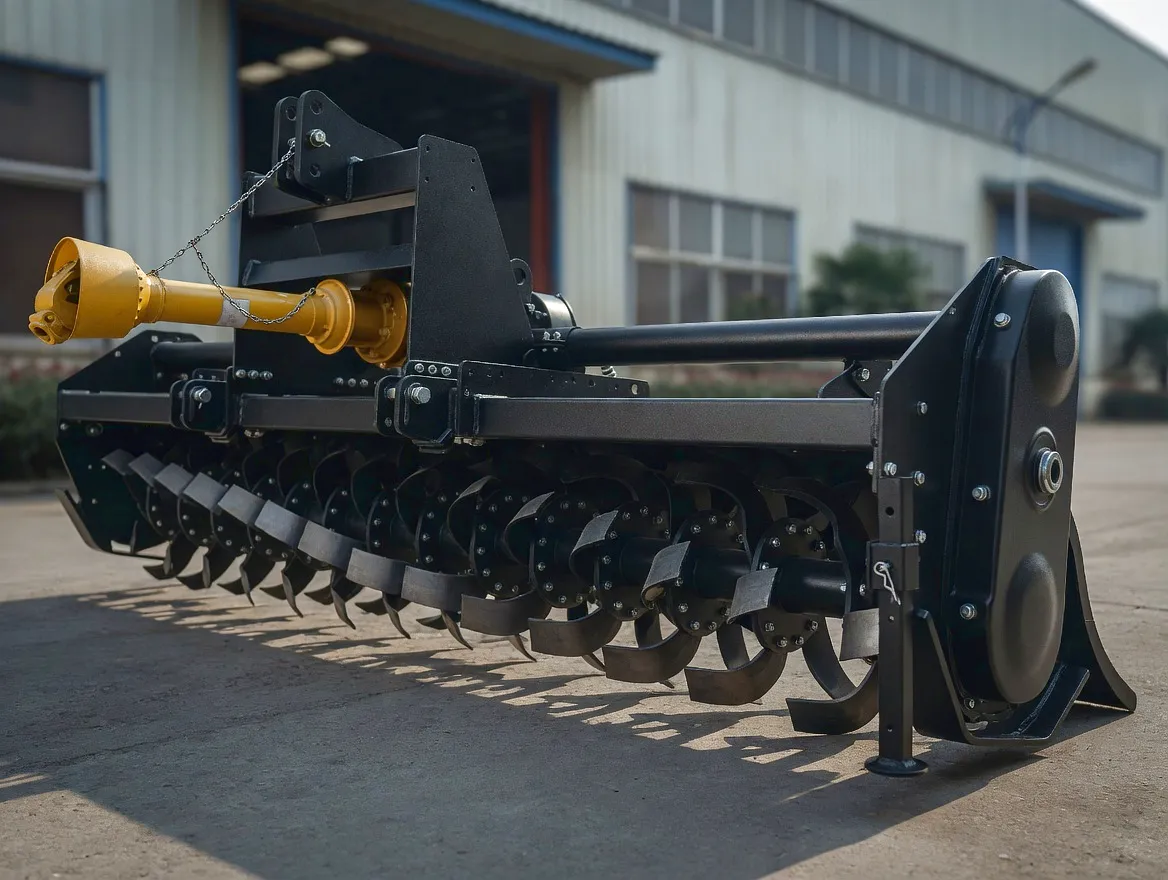
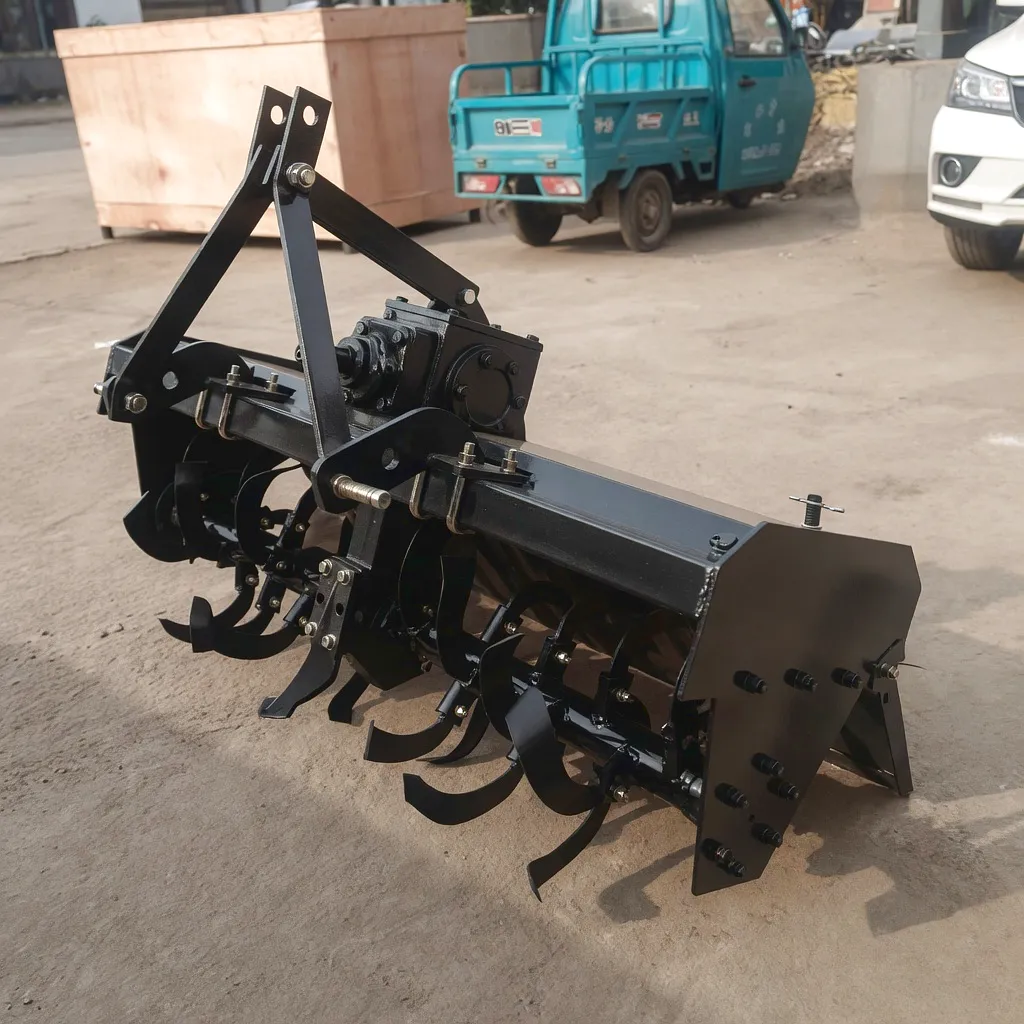
On a rotary tiller specifically, the demands placed on a cardan coupling are intense. Unlike a simple grass mower, a rotary tiller hammers blade assemblies into dense clay soils, compacted headlands, and stone-laden ground across British farms — particularly in the heavy clay belts of East Anglia, the Midlands, and the clay vales of the South East. Each time a blade hits a buried stone, a torque spike travels back through the driveshaft at many times the nominal transmission load. Without a properly rated cardan coupling with an integrated overload protection mechanism, that spike destroys gearbox internals, shears PTO stub shafts, or fractures the coupling itself. Understanding the engineering behind the cardan coupling is therefore not academic — it is a practical cost-control and safety imperative for any UK farm operator.
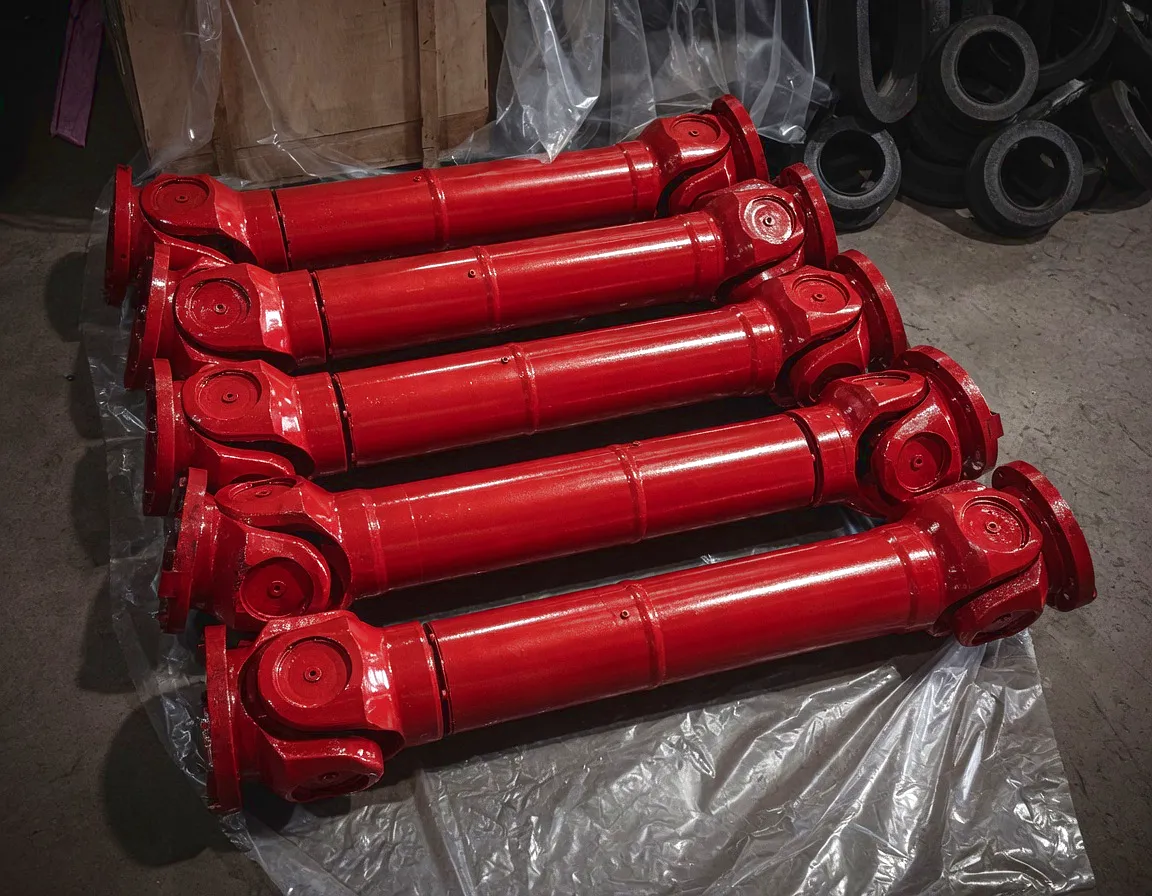
Core Components of a PTO Cardan Coupling
- ✓Universal Joint (U-Joint Cross): The heart of the assembly; allows angular misalignment up to 80° in specialist designs, typically 15–25° in standard PTO service.
- ✓Telescoping Shaft: Accommodates length changes as the implement rises and falls on the three-point linkage. Splined profile allows axial sliding without disengagement.
The Engineering Principles Behind PTO Power Transmission
The fundamental operating principle of a cardan coupling rests on the geometry of the Hooke’s joint, where a cruciform trunnion connects two yoke assemblies at right angles. When the input yoke rotates through 360°, the output yoke completes the same rotation but does so with a cyclic velocity variation whenever an angular offset exists between the two shaft axes. This velocity fluctuation — known as secondary couple — generates vibration, bearing fatigue, and power loss that increase rapidly with joint angle. At 0° misalignment, transmission is perfectly uniform. At 15°, the output shaft speed oscillates ±6% twice per revolution. At 30°, that oscillation exceeds ±25%, which is why manufacturers specify maximum continuous operating angles for agricultural driveshafts.
Technical Performance Parameters — Agricultural PTO Cardan Couplings
| Parameter | Light Duty (Series 4) | Medium Duty (Series 6) | Heavy Duty (Series 8) |
|---|---|---|---|
| Nominal Torque (Nm) | 360 – 480 | 640 – 960 | 1,200 – 1,800 |
| Max PTO Speed (rpm) | 540 / 1,000 | 540 / 1,000 | 540 / 1,000 |
| Max Joint Angle (°) | 25° | 25° | 25° |
| Tractor HP Range | 25 – 55 HP | 55 – 110 HP | 110 – 180 HP |
| Slip Clutch Setting (Nm) | 400 – 600 | 700 – 1,100 | 1,300 – 2,000 |
| Shaft Profile | 1-3/8 in 6-spline | 1-3/8 in 6 or 21-spline | 1-3/4 in 20-spline |
| Cross Bearing Material | Case-hardened alloy steel | Chromoly steel, sealed needle rollers | Forged chromoly, triple-lip sealed |
Material Selection and Construction Standards That Make the Difference
Forged Alloy Steel Yokes
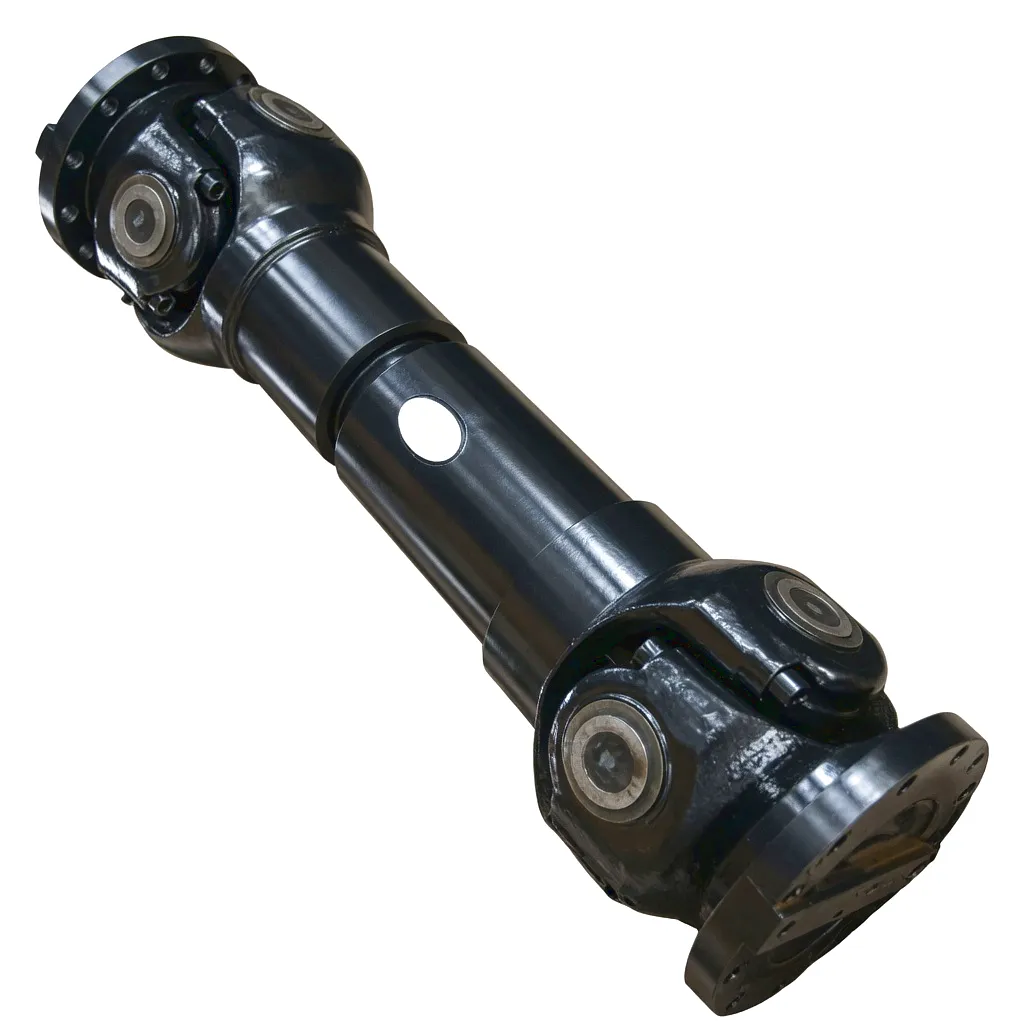
Drop-forged from SAE 1045 or equivalent EN8 steel, machined to close tolerances and shot-peened for surface fatigue resistance. Forging rather than casting gives the yokes a grain structure aligned with load paths, providing substantially higher fatigue life under the repeated shock loads typical of rocky British soils and stone-heavy ground.
Sealed Needle Roller Bearings
The cross-trunnion bearing positions are filled with needle rollers retained in precision-machined cups. Triple-lip sealing prevents the ingress of soil particles, water, and crop residue — conditions that are constant realities in British field operations through autumn and spring. Lubrication intervals are typically 8–10 hours under grease nipple servicing, or sealed-for-life on premium grades.
Splined Telescoping Tube
The inner and outer tubes are splined with profiles conforming to ISO 500 standards. A nylon or bronze bearing ensures smooth axial sliding without metal-to-metal contact. Overtravel stops prevent full disengagement when the implement is raised to transport height. For UK conditions where headland turns often require full linkage lift, this detail matters enormously to operational safety and component longevity.
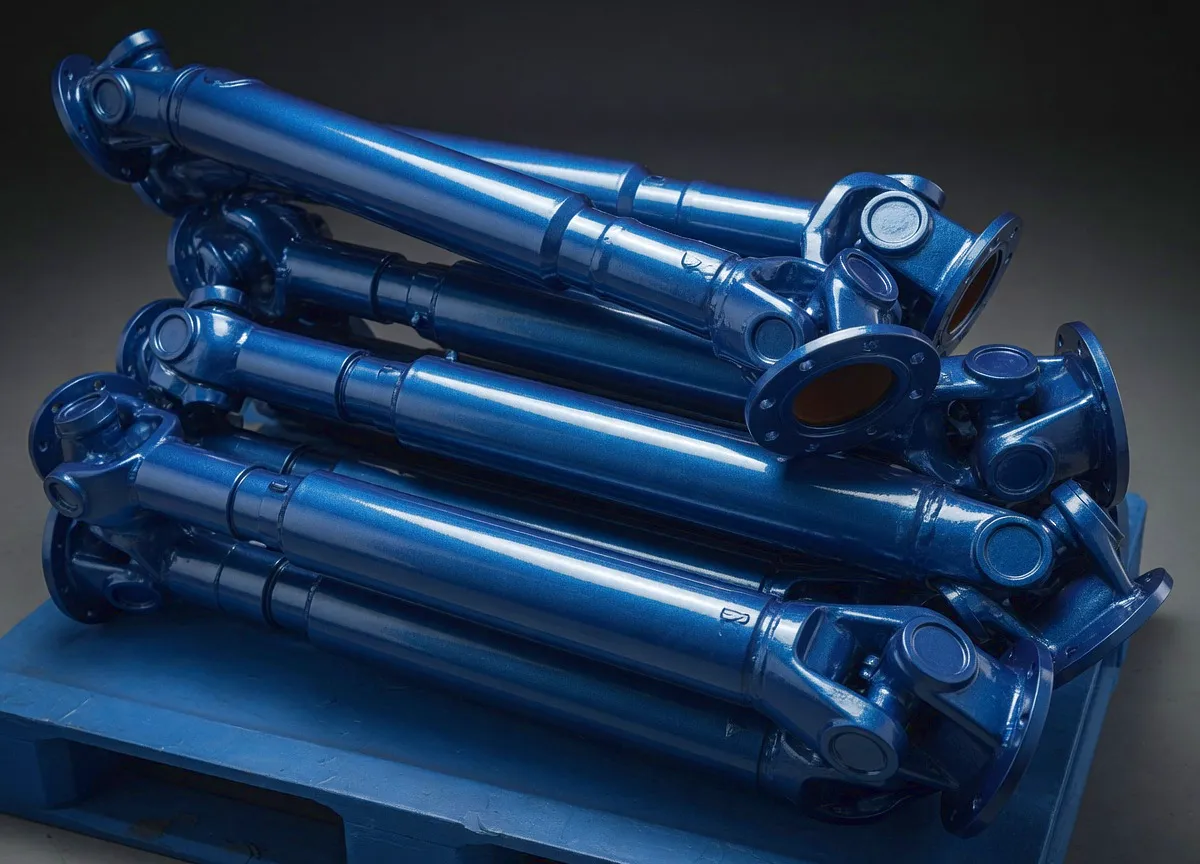
Where UK Farms Actually Use These Components: Real-World Application Scenarios
Britain’s varied agricultural landscape creates a remarkable diversity of cardan coupling applications, even within the single category of rotary tiller PTO work. Understanding these scenarios in detail helps buyers select the right series and specification rather than defaulting to the nearest available part.
Autumn Seedbed Preparation — East Anglia
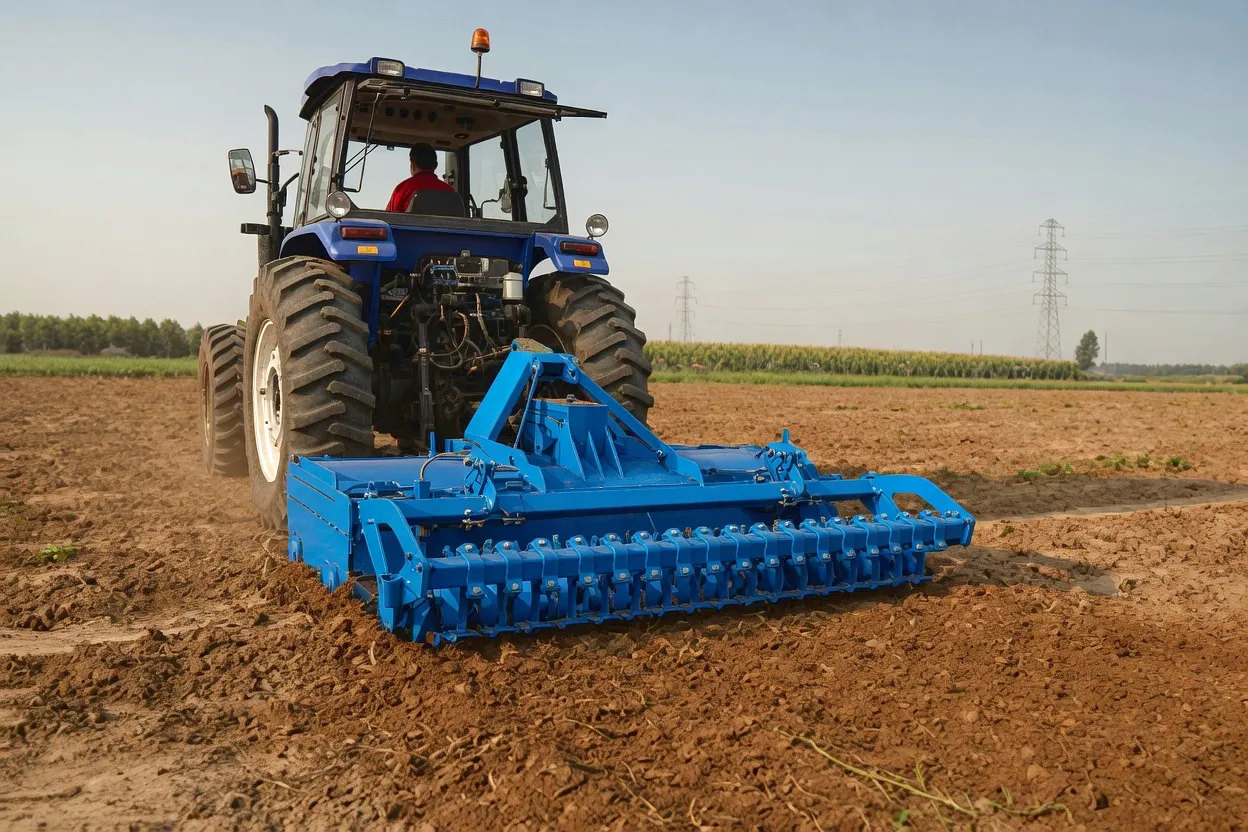
On the heavy clays and silty soils of Cambridgeshire, Norfolk, and Suffolk, autumn rotavating after cereal harvest requires driveshafts capable of handling sustained high torque through dense, moist, sticky soil. Series 6 and Series 8 cardan couplings with slip clutch torque limiters set to 850–1,200 Nm are the standard specification for tractors in the 80–130 HP bracket. The overload protection becomes especially critical when autumn-lifted sugar beet ground is being cleared, as beet residue and compacted wheelings create massive resistance spikes that would otherwise destroy gearbox internals.
Horticultural Bed Preparation — Kent & Lincolnshire
Market gardeners and vegetable growers in the Garden of England and the Lincolnshire Fens operate compact rotary tillers on smaller tractors, typically 25–55 HP, using Series 4 cardan couplings at 540 rpm PTO. The precision required for raised-bed formation means the driveshaft must run smoothly without vibration, as any secondary couple-induced oscillation introduces inconsistency in rotor speed and bed surface finish. Double-cardan constant-velocity designs are increasingly specified for this application.
Cover Crop Incorporation — National Farm Network
The growing adoption of cover crops across UK arable farming — supported by Countryside Stewardship and ELMS schemes — has driven new demand for PTO driveshafts suited to light green-matter incorporation passes. These operations typically use 40–80 HP tractors at controlled depth, but frost-damaged brassica cover crops or dense grass-clover mixes can still generate torque spikes when bunching occurs. Medium-duty Series 6 couplings with correctly calibrated slip clutches provide ideal protection without nuisance triggering on normal working loads.
Why Precision-Engineered Cardan Couplings Outperform Generic PTO Shafts
The agricultural machinery parts market is flooded with low-cost PTO shafts that share the same visual appearance as precision components but diverge dramatically in manufacturing quality. The differences are not cosmetic — they affect field reliability, safety, and total cost of ownership in ways that become painfully visible mid-season.
Extended Service Life
Precision-ground needle rollers running in hardened cups achieve bearing lives of 500–1,500 working hours depending on maintenance regime, versus 100–250 hours on economy components. Over a 5-year life, this translates directly to fewer replacement cycles and less downtime during critical planting and harvest windows.
Effective Overload Protection
A precisely calibrated slip clutch protects tractor PTO stub shafts — which can cost £800–£2,500 to replace on modern tractors — as well as expensive tiller gearboxes. Shear-bolt systems offer lower per-incident cost but require interruption of work and field-side bolt replacement. Premium slip clutch mechanisms allow continuous slip without component replacement, re-engaging automatically once the overload clears.
Vibration Reduction
Dynamically balanced shafts — a standard feature on premium cardan couplings — reduce transmitted vibration to the tractor and implement by 40–70% compared to unbalanced economy shafts. Lower vibration means reduced operator fatigue, less structural stress on tractor bodywork, and reduced wear rates throughout the driveline — benefits that compound over an entire season of intensive cultivation work.
Regulatory Compliance
UK farms are subject to PUWER 1998 and HSE guidance on agricultural machinery guarding. Premium cardan couplings ship with CE-marked plastic protective guards that meet EN ISO 4254-1 requirements. Agricultural inspections by HSE following accidents consistently identify missing or damaged PTO shaft guards as a contributing factor — proper guarding is not optional and premium suppliers build compliance into the product, not as an afterthought.
Customer Success Story: Lincolnshire Arable Farm
Ridgemont Agricultural Ltd.
Location: Sleaford, Lincolnshire, UK
Operation: 1,800-acre mixed arable, potatoes & wheat
Equipment: 4× Fendt tractors (100–180 HP), 3× tine tillers & 1× rotary power harrow
The Challenge
Ridgemont was experiencing PTO shaft failures at the rate of 2–3 cross-joint replacements per season across their rotary tillage fleet. The heavy clay soils in their eastern fields, combined with stone-heavy headlands from historical gravel extraction, were generating torque spikes that generic PTO shafts could not absorb reliably. Each failure cost an average of £340 in parts plus 3–4 hours downtime during peak planting windows.
The Solution — Ever Power Cardan Couplings
Following technical consultation with Ever Power’s UK agricultural engineering team, Ridgemont transitioned all four rotary tillage implements to Series 6 and Series 8 cardan couplings with heavy-duty slip clutch overload protection. The units were custom-specified with extended telescoping stroke to accommodate Ridgemont’s linkage geometry on their older Fendt 716 tractors, and all guard profiles were sized to the existing shaft covers to avoid replacing the implement-side guarding brackets.
After two full cultivation seasons, Ridgemont recorded zero cross-joint failures and only one slip clutch service event following an exceptional flint-band encounter. The farm manager calculated a direct saving of over £2,200 in part costs and approximately 28 working hours recovered — equivalent to roughly 7 acres of additional cultivation capacity at peak season rates.
Result Summary
What Customers Say About Our PTO Cardan Couplings
We fitted four of the Series 6 units to our Amazone tillers after a terrible autumn with three shaft failures. Two seasons later, not a single cross bearing has needed replacing. The slip clutch has saved the gearbox on our KE3001 at least twice from what sounded like serious rock strikes. Money genuinely well spent.
James Hartley
Farm Manager — Lincs / Notts border, UK
I was sceptical about ordering PTO shafts directly from a specialist supplier rather than through the dealer. The custom length and spline profile matching was exactly what we needed for a non-standard Maschio tiller. Delivery was fast, the guarding fit first time, and the shaft has handled two potato seasons without complaint — which for our stone-heavy Cambridgeshire ground is no small thing.
Sarah Redmayne
Owner-Operator — Ely, Cambridgeshire, UK
As a machinery dealer covering Scotland, I’ve sourced cardan couplings from several suppliers over the years. The build quality from Ever Power stands out — particularly the precision of the slip clutch engagement and the quality of the guard mouldings. Our farming customers in the Lothians and Angus have had consistently good results, especially those running 1,000 rpm PTO configurations on heavier ground work.
Duncan McAllister
Parts Director — Agricultural Machinery Dealer, Perth, Scotland
Ever Power: Custom Cardan Coupling Manufacturing for UK Buyers
Standard catalogued PTO shafts cover the majority of common tractor-implement combinations, but British agriculture is defined by its diversity of equipment — older tractors with non-standard spline counts, imported implements with metric inputs, bespoke linkage geometries on custom-built market garden machines, and contracted operators running non-OEM combinations that catalogue shafts simply do not accommodate. This is where Ever Power’s custom manufacturing capability becomes the decisive factor for serious buyers.
Custom Length & Stroke
Telescoping tubes manufactured to specified compressed and extended lengths, accommodating any non-standard linkage geometry. Minimum order quantities apply for fully bespoke lengths.
Non-Standard Spline Profiles
We machine yokes for metric, imperial, and non-standard spline patterns including older Italian implement profiles and Eastern European tractor outputs frequently found in UK second-hand machinery markets.
Torque Rating Adjustment
Slip clutch assemblies can be factory-set to customer-specified trigger torque values, removing the need for field calibration and ensuring consistent protection settings across a fleet of identical machines.
OEM Supply Programs
UK implement manufacturers looking for a reliable cardan coupling supply partner can work with Ever Power on private-label and OEM supply arrangements with consistent quality standards and agreed delivery schedules across production runs.
How to Select the Right Cardan Coupling for Your Rotary Tiller — A Practical Guide for UK Operators
Selecting the correct acoplamento cardan for a given tractor-rotary tiller combination requires working through a logical sequence of technical decisions. Getting the specification right at the outset prevents premature failures, ensures regulatory compliance, and protects both tractor and implement from torque damage. Here is the decision sequence that ever Power’s engineering team recommends for UK buyers.
| Step | Decision Factor | Practical Action |
|---|---|---|
| 1 | Tractor HP & PTO Speed | Check tractor spec sheet for rated PTO horsepower at 540 or 1,000 rpm. This determines the minimum series (4/6/8) required. |
| 2 | Tractor Spline Profile | Check stub shaft dimensions: 1-3/8 in 6-spline (most pre-1990 tractors), 1-3/8 in 21-spline, or 1-3/4 in 20-spline (high-torque >80 HP). |
| 3 | Implement Input Spline | Measure or refer to implement documentation for input shaft profile. Italian and French implements frequently use non-ISO profiles. |
| 4 | Shaft Length | Measure the distance from tractor PTO face to implement input face with implement at mid-working height. Compressed length should not exceed 2/3 of maximum extended length. |
| 5 | Ground Conditions | Stone-heavy, clay, or grassland renovation ground demands the next series up from the HP-calculated minimum. Upgrade also if the field has historical stone-burial from gravel working. |
| 6 | Overload Device Type | Slip clutch for high-frequency stone environments (no downtime for bolt replacement). Shear bolt for lower-frequency overloads where cost-per-event is acceptable. |
⚠ Important UK Safety Note: All PTO driveshafts used on UK farms must be fitted with CE-marked guarding conforming to EN ISO 4254-1. Unguarded or damaged PTO shafts are among the most common causes of serious farm accidents investigated by the Health and Safety Executive. When replacing PTO shafts, always verify that the replacement guard profile matches the original and provides full coverage of the rotating shaft and both yoke ends.
Frequently Asked Questions
Ready to Upgrade Your Rotary Tiller’s PTO Driveshaft?
Tell us your tractor model, implement, and ground conditions. Our engineering team will recommend the right cardan coupling specification for your UK farm operation.
edit by gzl