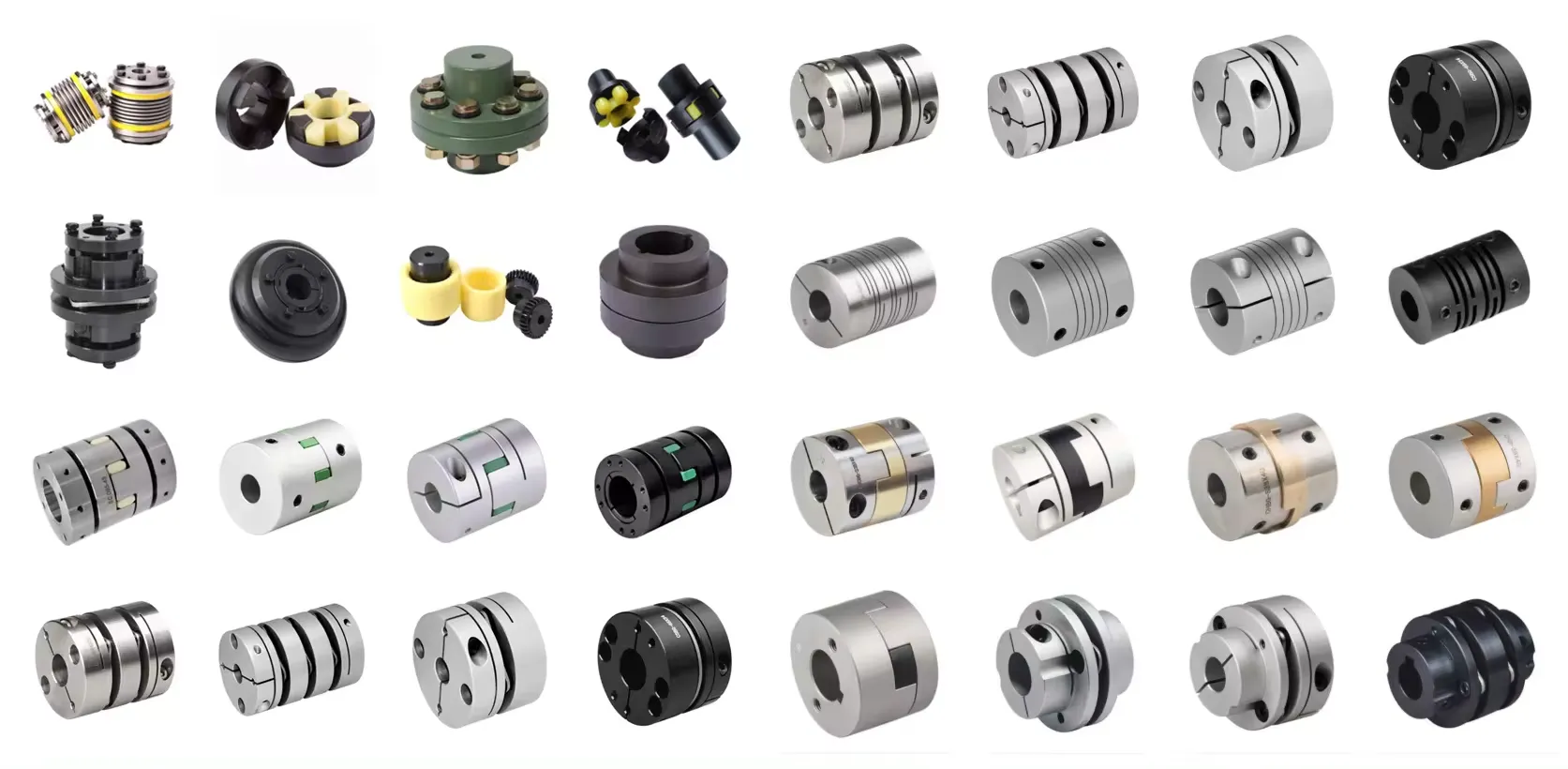
Introduction to Cardan Coupling for Antenna Alignment Tools
Cardan couplings are essential components used in antenna alignment tools to ensure precise and accurate alignment of antennas. These couplings play a crucial role in transmitting torque and motion between the components of the antenna alignment system. Let’s delve into the details of what Cardan shaft couplings are and their significance in antenna alignment tools.
What is Cardan Shaft Coupling?
1. Definition
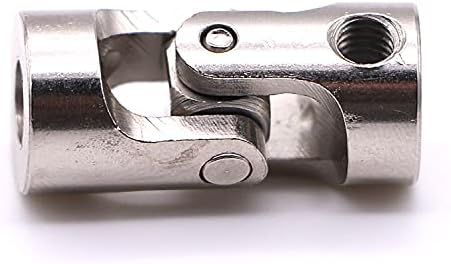
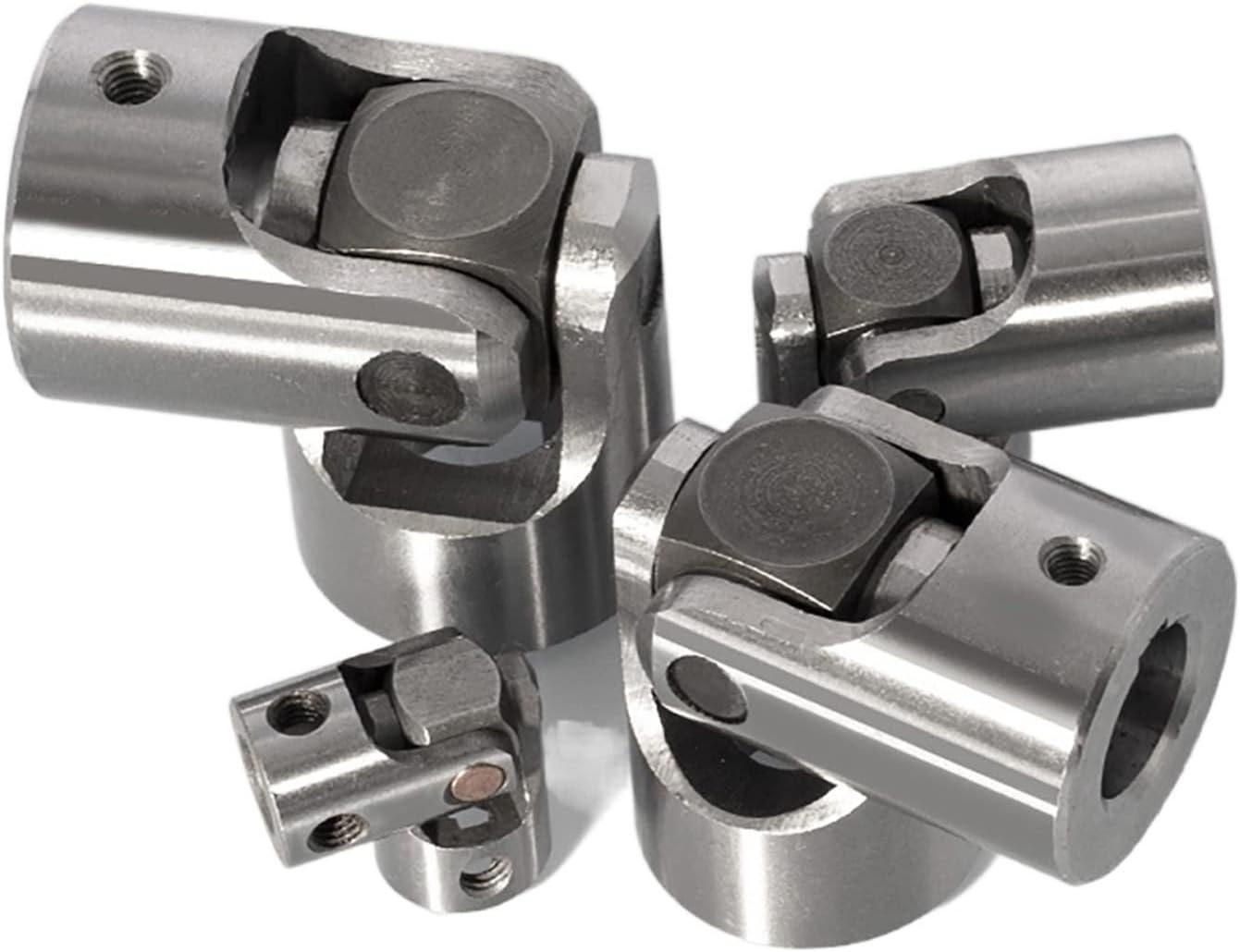
A Cardan shaft coupling, also known as a universal joint coupling, is a mechanical device used to connect two shafts at an angle that allows for the transmission of torque and rotational motion. It consists of a cross-shaped intermediate member with journal bearings at the ends that allow for flexibility in the alignment of shafts.
2. Function
The primary function of a Cardan shaft coupling is to transmit torque and motion between two shafts that are not aligned on the same axis. This allows for flexibility in the connection and compensates for misalignment, making it ideal for antenna alignment tools where precise adjustments are required.
3. Types
There are various types of Cardan shaft couplings, including single Cardan joints and double Cardan joints. Single Cardan joints consist of two yokes connected by a cross while double Cardan joints have an additional intermediate shaft to reduce vibration and improve alignment.
4. Applications
Cardan shaft couplings are widely used in various industries, including automotive, aerospace, and machinery. In antenna alignment tools, these couplings are essential for ensuring accurate positioning and alignment of antennas for optimal signal reception.
5. Advantages
Some advantages of Cardan shaft couplings include their ability to compensate for misalignment, high torque transmission capacity, and durability. These features make them ideal for applications where precision and reliability are crucial.
6. Maintenance
Proper maintenance of Cardan shaft couplings is essential to ensure optimal performance and longevity. Regular inspection, lubrication, and alignment checks are necessary to prevent wear and tear and ensure smooth operation of the antenna alignment tool.
What is the Purpose of a Cardan Shaft?
1. Torque Transmission
The primary purpose of a Cardan shaft is to transmit torque between two shafts that are not aligned. This allows for flexibility in the connection and compensates for misalignment, making it ideal for antenna alignment tools.
2. Angular Misalignment Compensation
Cardan shafts can accommodate angular misalignment between shafts, ensuring smooth transmission of motion and torque even when the shafts are not perfectly aligned.
3. Vibration Reduction
Double Cardan joints, in particular, are known for their ability to reduce vibration and improve alignment by incorporating an intermediate shaft. This feature is beneficial in antenna alignment tools where stability is crucial.
4. Versatility
Cardan shafts are versatile components that can be used in a wide range of applications, including antenna alignment tools, due to their flexibility, durability, and high torque transmission capacity.
5. Precision Alignment
By allowing for precise adjustment and alignment of antennas, Cardan shafts play a vital role in ensuring optimal signal reception and performance of antenna alignment tools.
What is the Purpose of a Double Cardan Joint?
1. Enhanced Stability
Double Cardan joints provide enhanced stability and vibration reduction compared to single Cardan joints, making them ideal for applications where precise alignment and smooth operation are crucial.
2. Improved Angular Misalignment Compensation
With the addition of an intermediate shaft, double Cardan joints can accommodate greater angular misalignment between shafts, ensuring smooth transmission of motion and torque in antenna alignment tools.
3. Reduced Wear and Tear
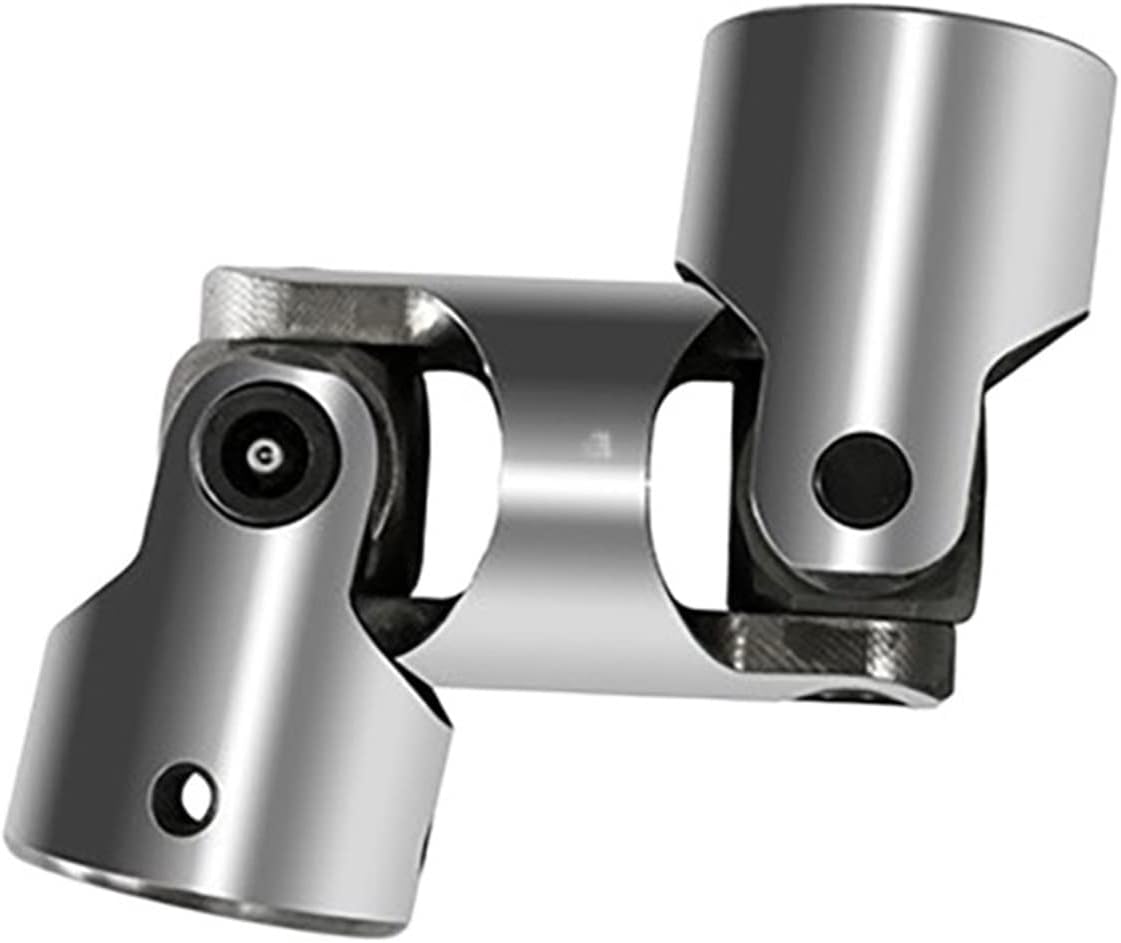
The design of double Cardan joints helps reduce wear and tear on the components, resulting in increased durability and longevity of the antenna alignment tool.
4. Optimal Performance
By incorporating a double Cardan joint in the antenna alignment tool, users can expect optimal performance, precision alignment, and reliable operation even in challenging conditions.
5. Versatile Applications
Double Cardan joints are versatile components that can be used in various industries and applications, including antenna alignment tools, where stability, precision, and durability are essential.
How to Choose the Appropriate Cardan Coupling
1. Torque Capacity
When selecting a Cardan coupling for antenna alignment tools, consider the torque capacity required for the application to ensure efficient transmission of motion and torque.
2. Misalignment Compensation
Choose a Cardan coupling that can accommodate the angular misalignment between shafts in the antenna alignment tool to ensure smooth operation and precise alignment.
3. Vibration Damping
For applications where vibration reduction is crucial, opt for a Cardan coupling, such as a double Cardan joint, that can effectively dampen vibrations and improve stability.
4. Durability and Maintenance
Consider the durability and maintenance requirements of the Cardan coupling to ensure long-term reliability and optimal performance of the antenna alignment tool.
5. Compatibility and Customization
Ensure that the chosen Cardan coupling is compatible with the antenna alignment tool and offers customization options to meet specific requirements and applications.
What is the Difference Between a Disc and a Cardan Coupling?
1. Design
Disc couplings consist of flexible disc elements that allow for angular misalignment compensation, while Cardan couplings use a cross-shaped intermediate member with journal bearings for flexibility in shaft alignment.
2. Torque Transmission
Disc couplings are known for their high torque transmission capacity and compact design, whereas Cardan couplings are versatile and can accommodate misalignment between shafts.
3. Vibration Damping
Cardan couplings, especially double Cardan joints, are effective in reducing vibration and improving stability, while disc couplings focus on efficient torque transmission without vibration dampening.
4. Applications
Disc couplings are commonly used in high-speed and high-torque applications, while Cardan couplings are preferred for applications requiring flexibility, misalignment compensation, and vibration reduction.
5. Maintenance
Disc couplings are relatively low maintenance and require periodic inspection, while Cardan couplings may need lubrication, alignment checks, and regular maintenance to ensure optimal performance.
About HZPT
HZPT, established in 2006, is a reputable manufacturer and exporter specializing in the design, development, and production of high-quality couplings, including Cardan couplings for antenna alignment tools. With 16 years of experience, our company has a dedicated design and R&D team that can customize products to meet global customer requirements. We have a comprehensive quality inspection system in place, ensuring that all our products have CE and TUV certificates.
Our company prioritizes customer satisfaction and aims to establish successful business relationships with new customers worldwide. We offer a wide range of couplings, including radial elastic couplings, drum gear couplings, and diaphragm couplings, used in various machinery industries. Our commitment to quality, competitive pricing, and excellent service sets us apart in the market.