
Home › Blog › Cardan Coupling Applications › Beverage Filling Machine Rotary Distributor Valve
Walk through any large-scale beverage factory in the UK — a carbonated soft drinks plant in Yorkshire, a craft beer bottling hall in Manchester, or a dairy processing facility in Somerset — and the heart of the filling line is almost always the same component: the rotary distributor valve. This is the spinning, indexing hub that routes liquid from a central manifold into individual filling heads as containers move around the carousel. It rotates continuously under pressure, it handles aggressive CIP (clean-in-place) chemical cycles, and it must stay perfectly synchronised with the rest of the machine at speeds that can reach 40,000 containers per hour. Getting the drive right is not a small engineering detail — it is the difference between a line that runs profitably and one that haemorrhages downtime costs.
The coupling that connects the motor gearbox output to the distributor valve shaft is under enormous mechanical stress. It must tolerate angular and parallel misalignment caused by thermal expansion of the filler carousel, vibration from the indexing mechanisms, and the occasional shock load when a container jams. At the same time, because the coupling sits inside or immediately adjacent to a hygienic zone, it cannot shed particles, cannot trap liquid, and must survive repeated washdowns with caustic soda and peracetic acid without corroding or deforming. Standard industrial couplings — flexible jaw types, tyre couplings, chain couplings — simply do not meet this combination of demands. The cardan coupling does.
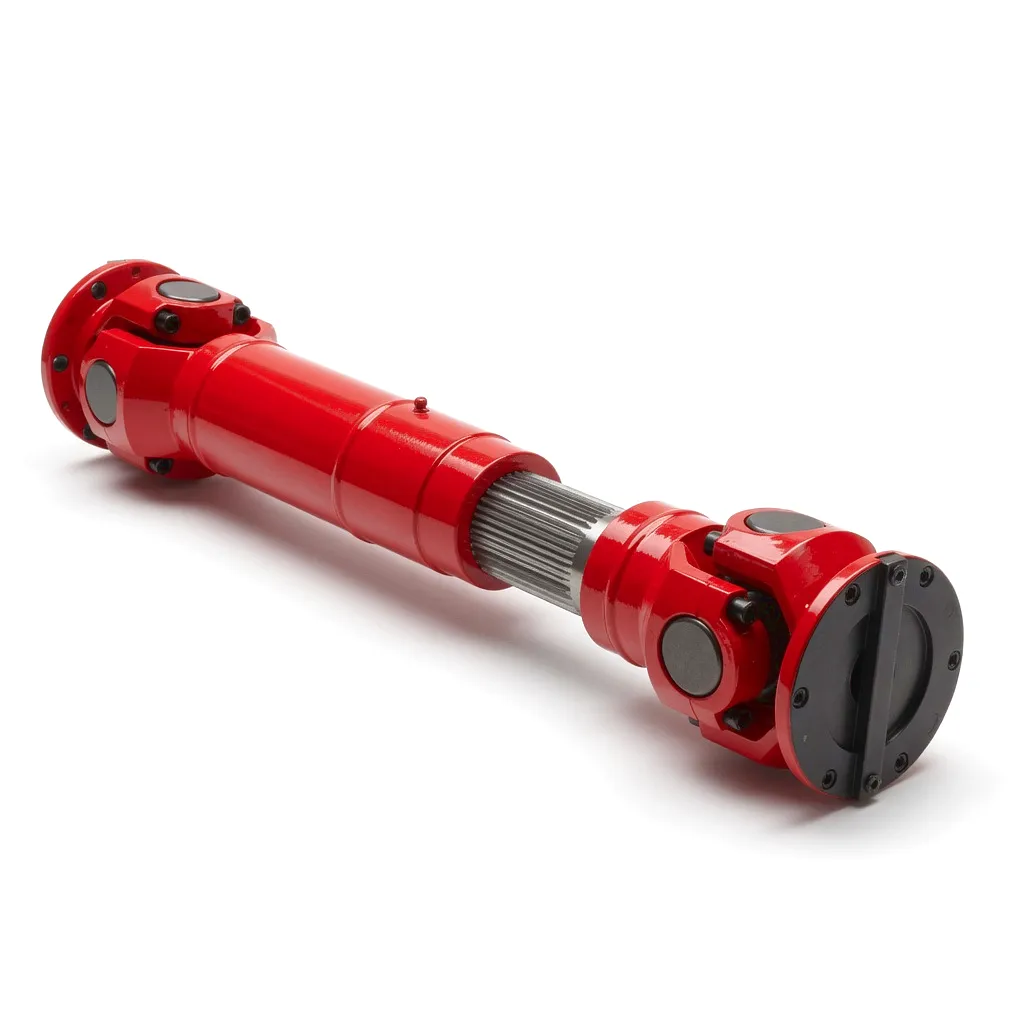
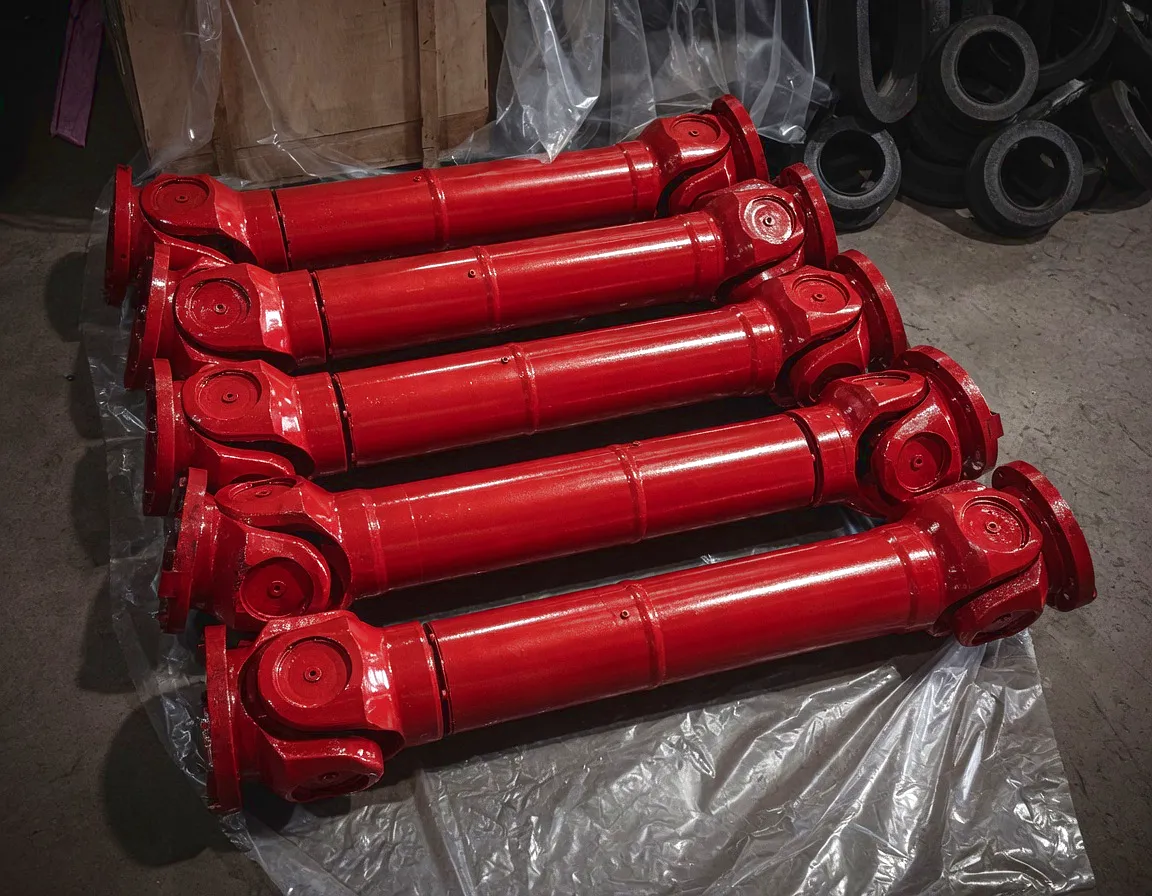
Ever Power hygienic cardan coupling — purpose-built for food & beverage drive systems
Need a hygienic cardan coupling for your filling line?
Custom shaft sizes, stainless steel construction, and CE-marked documentation available.
Why the Rotary Distributor Valve Drive Is So Demanding
The rotary distributor valve in a beverage filling machine is exposed to a combination of mechanical conditions that would challenge almost any coupling design. Understanding why this application is so demanding helps clarify why cardan couplings have become the preferred solution in modern high-speed bottling and canning lines across the United Kingdom and Europe.
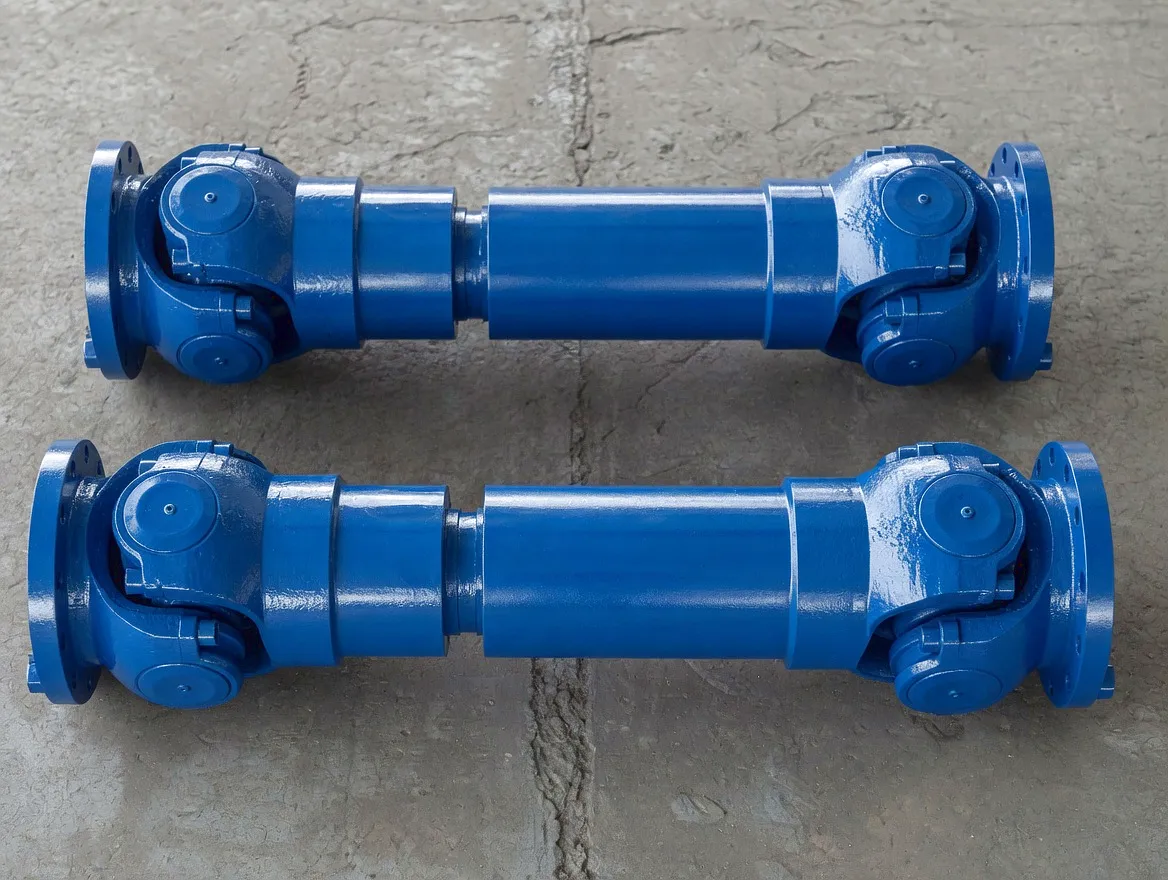
Continuous Rotation Under Load
Unlike intermittent-duty applications, the distributor valve rotates non-stop during production. At 36,000–44,000 bph on a modern rotary filler, the coupling sees millions of load cycles every single shift. Fatigue resistance is not optional.
Thermal Expansion Misalignment
Large carousel fillers heat up significantly during production — the rotating table can expand radially by 0.5–1.2 mm over a typical 8-hour shift. This induces parallel and angular misalignment in the drive shaft that a rigid coupling cannot absorb without transferring enormous side loads onto bearings and seals.
CIP/SIP Chemical Exposure
Clean-in-place cycles spray caustic soda (1–3% NaOH), nitric acid, and peracetic acid at temperatures up to 85 °C. Any coupling with carbon steel components, unsealed joints, or polymer elastomers in the spray zone will degrade rapidly. The drive components inside a hygienic zone must be fully resistant.
Food Safety Compliance
UK and EU food safety regulations (including Regulation EC 1935/2004 and associated BRCGS standards) require that all materials in contact with or near food and beverages be non-toxic, non-shedding, and cleanable. Coupling yokes, crosses, and bearing caps must be manufactured from food-grade or at minimum food-safe materials.
The Engineering Principle Behind Cardan Coupling Performance
A cardan coupling — also called a universal joint coupling or Hooke’s joint coupling — transmits torque between two shafts that are not perfectly aligned. At its core, the mechanism consists of two yoke forks connected by a cross-shaped journal (the spider), with needle roller bearing assemblies at each arm of the cross. This geometry allows the coupling to transmit rotation smoothly through angular offsets typically up to 8–12° per joint, and through axial displacement when a sliding spline is included in the shaft assembly.
What makes this particularly valuable in a rotary distributor valve drive is the combination of constant-velocity torque transmission and misalignment accommodation. When two cardan joints are arranged in a double-joint configuration (with the two joints phased correctly), the velocity variation that a single joint would introduce is cancelled out, resulting in smooth, constant output speed at the valve shaft. This matters enormously in precision filling — even small speed fluctuations in the distributor valve can cause fill-level variation and product spillage.
The needle roller bearings at the cross journal provide low rolling friction, which translates to low heat generation — a critical advantage in hygienic zones where temperature control affects both product quality and seal integrity. Sealed bearing units with food-grade grease or, in full-wash-down configurations, with grease-free PTFE-lined bearings, are available from Ever Power specifically for beverage line applications operating in the UK and Continental European markets.
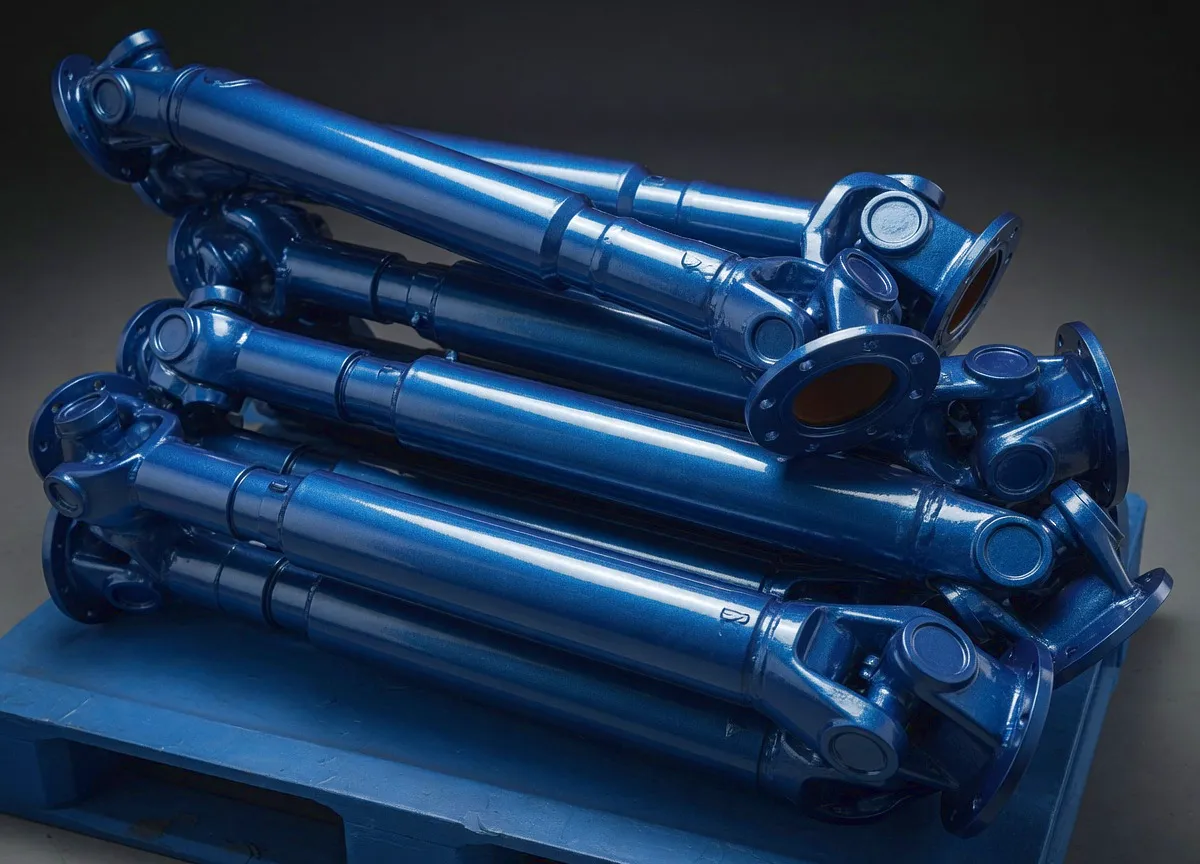
Cross Joint
Precision-ground 20CrMnTi alloy steel or 316L stainless; case-hardened to 58–62 HRC surface; needle roller assemblies rated for 500 M+ cycles
Yoke Forks
Drop-forged or CNC-machined from EN19 / 42CrMo4 or 304/316 stainless; phosphate-coated or electropolished for food-zone corrosion resistance
Sealing System
PTFE-lined or NBR/FKM sealed bearing caps; optional full IP69K encapsulation; compatible with 85 °C CIP wash and high-pressure spray cleaning
Spline Shaft
Telescoping spline allows 10–80 mm axial float; involute spline profile; grease-retaining cap or sealed boot; compensates carousel thermal expansion without bearing overload
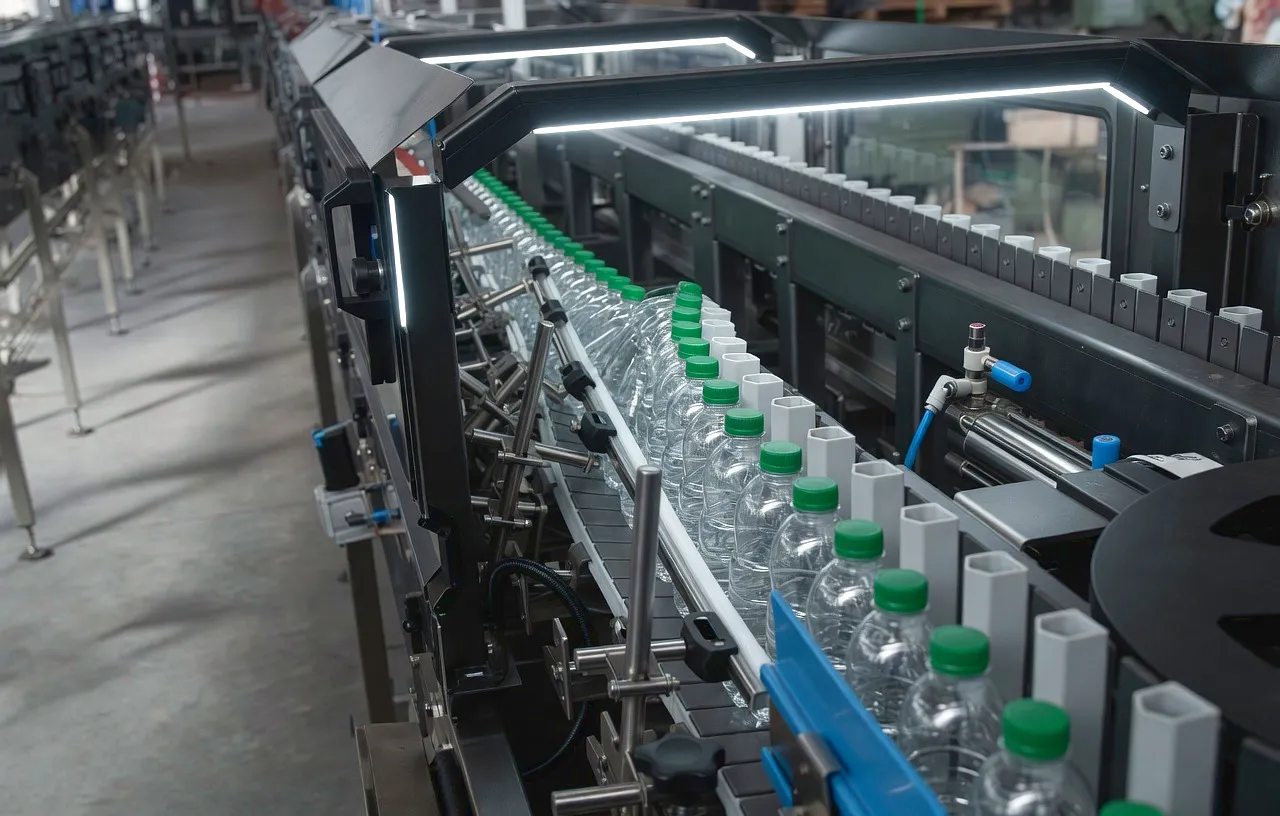
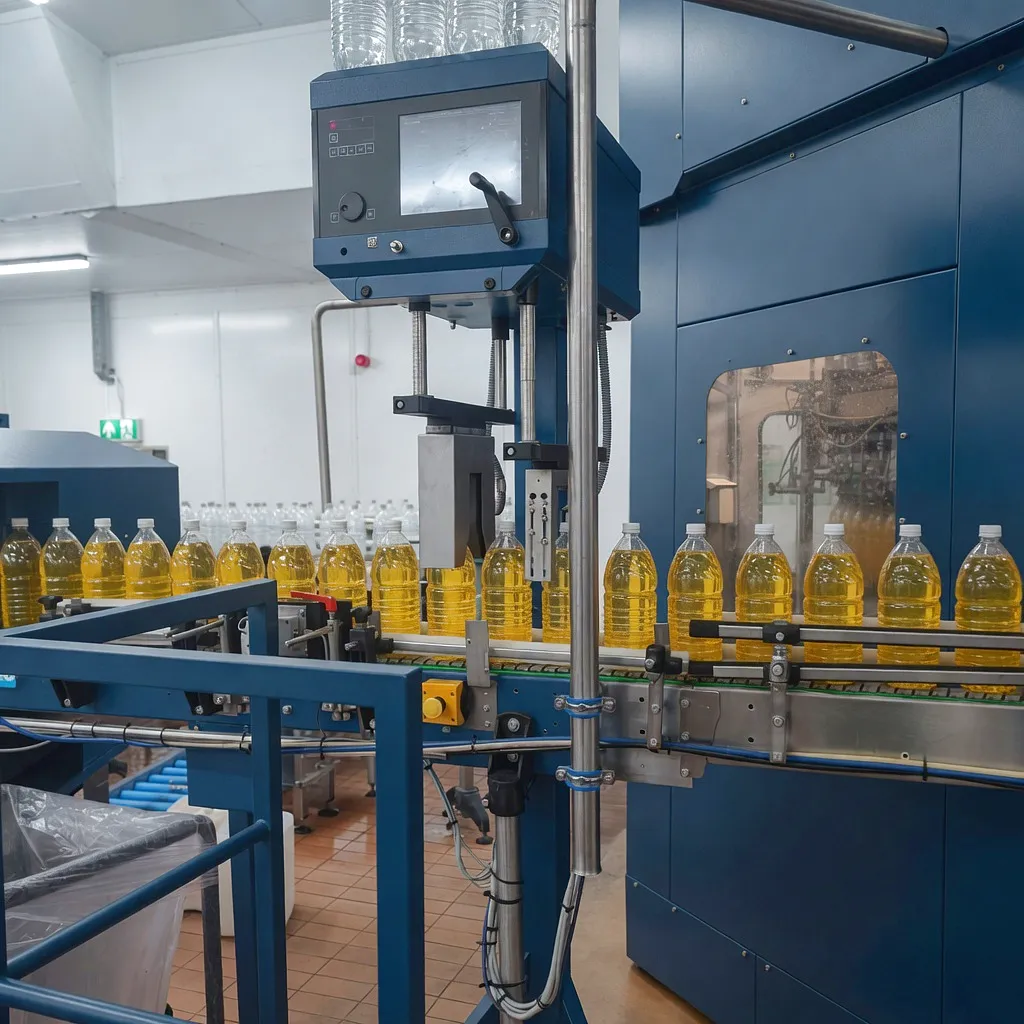
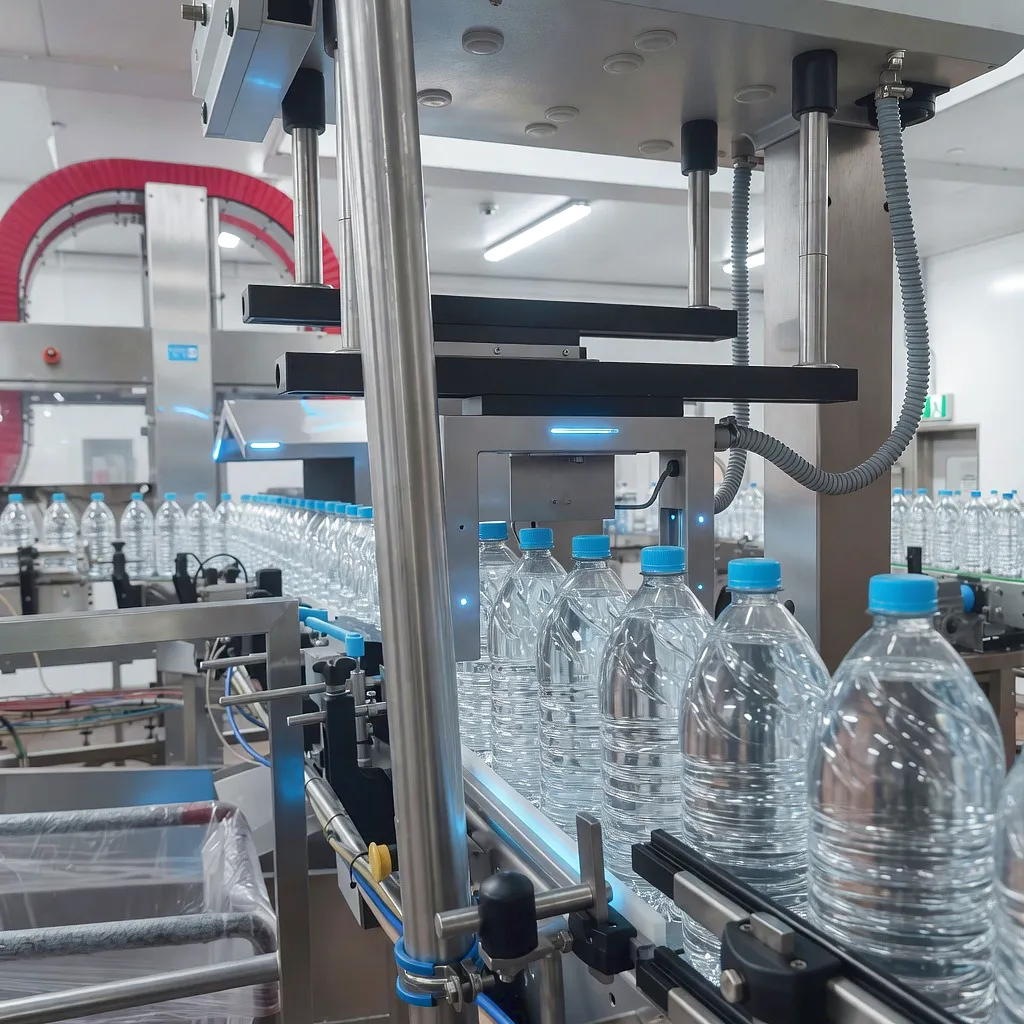
Cardan Coupling in Action — Beverage Filling Applications
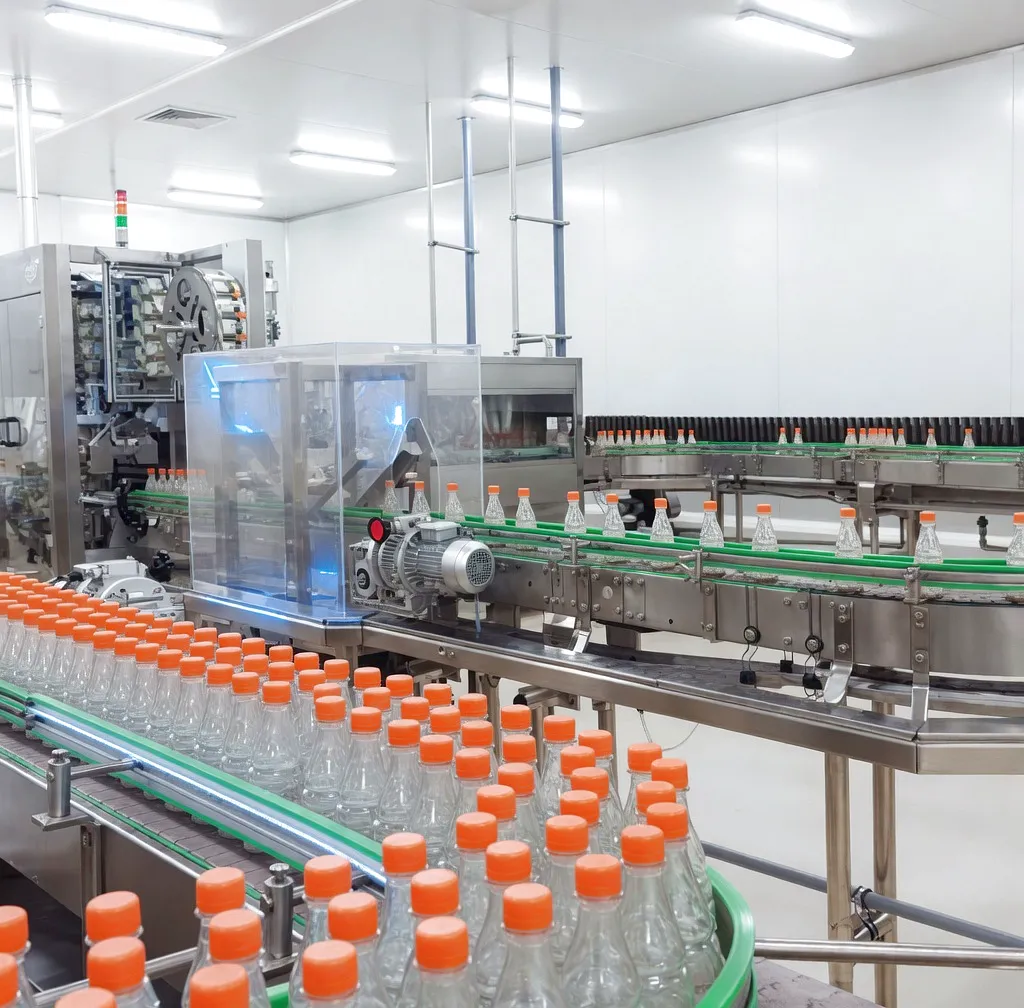
Technical Specification — Hygienic Cardan Coupling Series
The table below reflects the standard performance parameters of Ever Power’s hygienic cardan coupling range as applied to beverage filling machine rotary distributor valve drives. Custom designs — including extended shaft lengths, solid bore yokes, and non-standard cross journal sizes — are available on request.
| Parameter | SH-055 | SH-080 | SH-120 | SH-160 |
|---|---|---|---|---|
| Nominal Torque (Nm) | 55 | 180 | 560 | 1,250 |
| Peak Torque (Nm) | 110 | 360 | 1,120 | 2,500 |
| Max Speed (rpm) | 4,500 | 3,800 | 2,800 | 1,800 |
| Max Angular Misalignment (°/joint) | ±8° | ±10° | ±10° | ±12° |
| Axial Float (mm) | ±15 | ±25 | ±40 | ±60 |
| Cross Journal Material | 20CrMnTi / 316L SS | 20CrMnTi / 316L SS | 42CrMo4 / 316L SS | 42CrMo4 / 316L SS |
| Surface Finish (yoke) | Ra ≤0.8 µm EP | Ra ≤0.8 µm EP | Ra ≤0.8 µm EP | Ra ≤0.8 µm EP |
| CIP Temp. Resistance (°C) | up to 95 | up to 95 | up to 95 | up to 95 |
| IP Rating | IP67 / IP69K (opt.) | IP67 / IP69K (opt.) | IP67 / IP69K (opt.) | IP67 / IP69K (opt.) |
| Bore Range (mm) | 12–28 | 20–48 | 35–75 | 55–110 |
EP = Electropolished. SS = Stainless Steel. Custom torque ranges, shaft configurations, and lengths available on request.
Why Ever Power Cardan Couplings Outperform the Alternatives
Procurement teams and maintenance engineers at UK beverage plants frequently ask the same question: why specify a cardan coupling when a flexible jaw coupling or a bellows coupling is cheaper and easier to source? The answer lies in the cumulative cost of misalignment, the regulatory risk of material contamination, and the hidden productivity cost of premature coupling failure during peak production periods — such as the pre-Christmas run or summer peak in soft drinks.
Zero Elastomer in the Drive Path
Unlike jaw couplings with polyurethane spiders or tyre couplings with rubber elements, a cardan coupling transmits torque entirely through metal-to-metal rolling contact. There is nothing to fatigue, crack, or shed particulate into a hygienic zone. When the spider wears — over millions of cycles — it does so gradually and measurably, not catastrophically. This predictable wear pattern makes planned maintenance straightforward: a simple cross journal replacement restores the coupling to new specification without replacing the yoke assembly.
True Misalignment Capacity — Not Just Compliance
Bellows and disc couplings accommodate misalignment by flexing their own body — generating parasitic bending loads on connected shafts and bearings in proportion to the offset. A cardan coupling accommodates misalignment through geometric articulation of its joints, so the transmitted bearing loads remain almost entirely torsional. This distinction is what prevents premature failure of the distributor valve shaft bearings and seals — components that are costly and time-consuming to replace on a large rotary filler.
Extended Service Life in Wash-Down Environments
Field data from UK beverage plants indicates that a correctly specified and sealed hygienic cardan coupling routinely achieves 18,000–24,000 operating hours before cross journal replacement is needed. Comparable flexible jaw couplings in the same application typically require element replacement every 4,000–6,000 hours — and often fail unscheduled when the elastomer degrades after a heavy acid wash cycle. The whole-life cost advantage of the cardan coupling is substantial when calculated across a five-year production plan.
Constant-Velocity Double-Joint Design
Single universal joints introduce a sinusoidal velocity variation of 2·sin²(θ/2)·ω at each rotation — a pulsation that causes fill-level variation and increases vibration in the filler carousel. Ever Power’s double-joint cardan coupling eliminates this by phasing two joints in opposition, delivering a clean constant velocity output that matches the precision requirements of modern level-sensitive filling applications including aseptic dairy, carbonated water, and fruit juice lines.
Material Selection: The Difference Between a Good Coupling and a Food-Safe Coupling
In a standard industrial cardan coupling, carbon steel alloys like 20CrMnTi or 40Cr are the default choice for yoke forgings and cross journals. These deliver excellent fatigue strength and are perfectly appropriate for steel mill drives, agricultural machinery, and general manufacturing. In a beverage plant, however, the picture is more complex. Any coupling component that sits within a designated hygienic zone — typically defined as the volume within 300 mm of any product contact surface — must either be manufactured from food-safe materials or be isolated behind a sealed enclosure that prevents contact between coupling wear debris and the production environment.
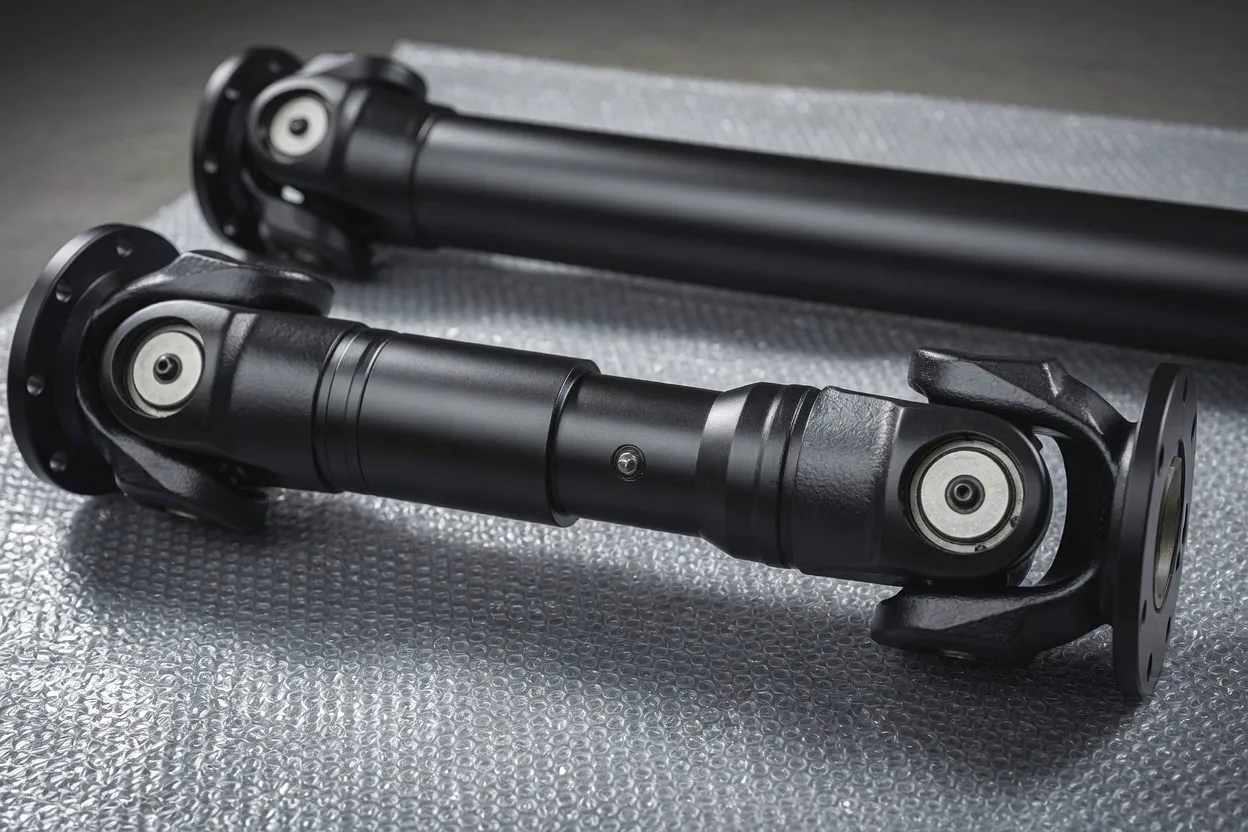
Ever Power’s hygienic cardan coupling series uses 316L stainless steel for all external components: yoke bodies, bearing caps, shaft clamps, and fasteners. The cross journal body is available in 316L for applications where it may be directly exposed, or in 20CrMnTi with sealed bearing cups where the cross is enclosed. All electropolished surfaces achieve Ra ≤ 0.8 µm, complying with the EHEDG (European Hygienic Engineering & Design Group) guideline for cleanability of mechanical components.
Where Cardan Couplings Are Used Across the Beverage Industry
The rotary distributor valve is the most demanding application for a cardan coupling in the beverage sector, but it is far from the only one. Understanding the breadth of applications helps machine builders and end-users identify where the same coupling solution can be standardised across a production line — simplifying spare parts management, maintenance procedures, and supplier relationships.
| Application | Beverage Type | Key Requirement | Recommended Series |
|---|---|---|---|
| Rotary distributor valve drive | CSD, water, juice, beer, dairy | Constant velocity, CIP resistance, hygienic zone compliance | SH-080 / SH-120 (double joint) |
| Capping / seaming head drive | Cans, bottles, PET, glass | Angular misalignment compensation, shock load tolerance | SH-055 / SH-080 |
| Bottle rinsing carousel drive | All container types | IP69K washdown, stainless steel, moderate torque | SH-055 SS full wash-down |
| Labeller star-wheel drive | Bottles, cans | Precision indexing, low backlash, compact length | SH-055 compact |
| Pasteuriser conveyor drive | Beer, juice, dairy | High temperature (up to 95 °C), high thermal expansion, heavy load | SH-160 heavy duty |
| Aseptic filling isolator drive | UHT milk, aseptic juice, baby food | SIP (steam-in-place) compatibility, zero lubricant release, traceable material certs | SH-080 SIP-rated |
Customer Success: How a UK Soft Drinks Manufacturer Cut Coupling-Related Downtime by 74%
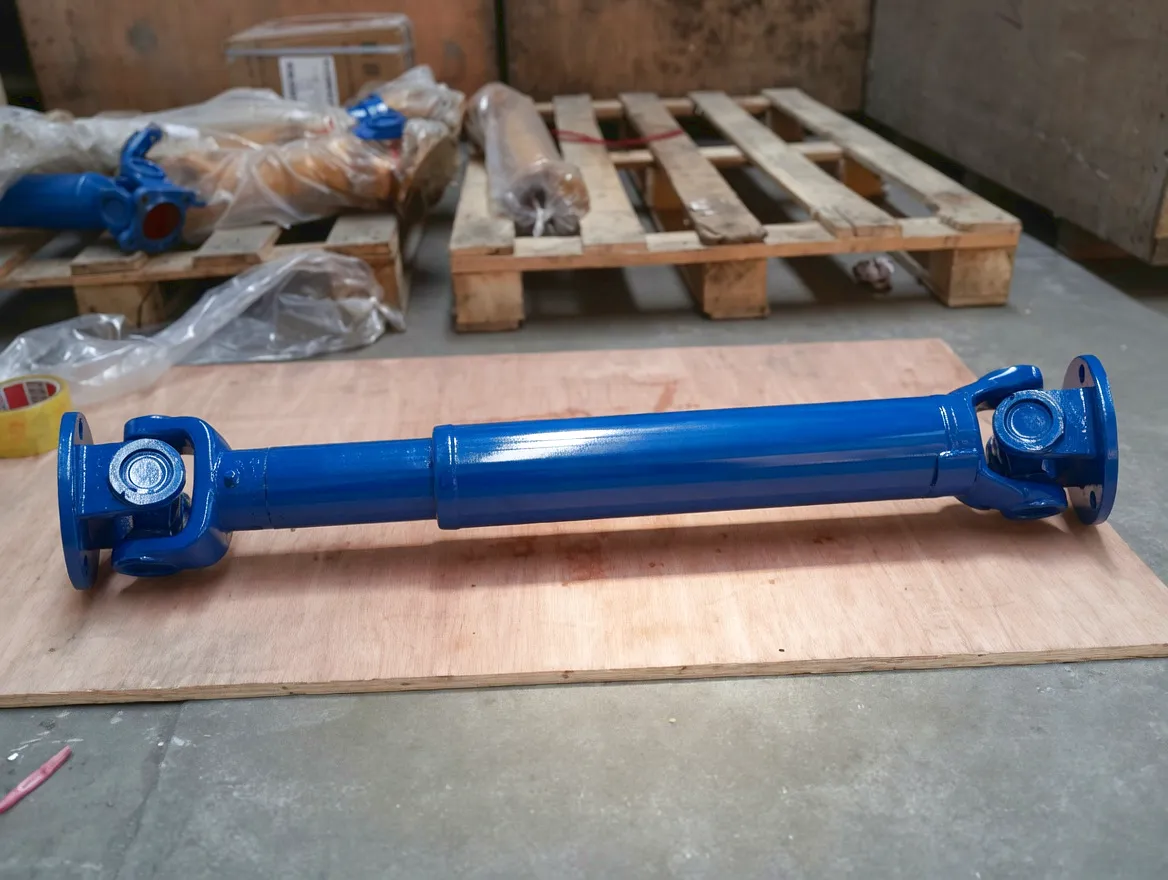
Case Study — West Midlands, UK · Carbonated Soft Drinks · 2023–2024
Meridian Drinks Group: Rotary Filler Reliability Programme
Meridian Drinks Group operates three rotary filling lines at its West Midlands site, producing carbonated soft drinks in 330 ml and 500 ml PET bottles for major UK retail clients. The distributor valve drives on two of the three lines had been using polyurethane jaw couplings sourced from a domestic supplier, with mean time between replacement running at just under 4,200 operating hours. On both lines, coupling failures were consistently the second-largest source of unplanned downtime, accounting for approximately 6.4 hours of lost production per line per month.
The maintenance manager contacted Ever Power after reading a technical case study comparing coupling options in hygienic drive applications. Following a site survey and shaft measurement, Ever Power supplied SH-120 double-joint cardan couplings in 316L stainless with IP69K sealed bearing cups and food-grade PTFE-lined cross journals. Installation was completed during a scheduled 48-hour maintenance window in Q1 2023.
Over the following 14 months of continuous production, neither coupling required unplanned replacement. The first scheduled inspection at 12,000 hours confirmed minimal wear on the cross journals — well within service limits. Planned replacement was rescheduled to the 20,000-hour mark. Total coupling-related downtime across both lines dropped from an average of 12.8 hours per month to 3.4 hours — a 74% reduction. At the site’s production rate and product margin, this translated to an estimated annual saving of £148,000 in recovered production capacity, significantly exceeding the coupling acquisition cost in the first year alone.
What Engineers Say
We’d been through three different coupling suppliers in five years on our distributor valve drive. Ever Power’s cardan coupling was the first solution that actually survived our CIP schedule without degrading. Fourteen months in and we’ve not touched it. For a site running 24/5 that kind of reliability is priceless.
The custom bore size and shaft key dimensions were matched exactly to our existing Krones filler without any re-engineering on our side. Ever Power’s technical team sent detailed CAD files within 48 hours of our enquiry. Lead time to site in Scotland was under three weeks. That level of responsiveness from a specialist supplier is not easy to find.
We specified Ever Power cardan couplings across the distributor valve drives on all four of our new aseptic filling lines during the 2024 site expansion. The SIP-rated version with PTFE-lined bearings met our validation requirements without modification. Material traceability certificates and EHEDG compliance documentation were supplied as standard — that’s what our quality team needed to sign off the installation.
Custom Design Capability: From Drawing to Delivered in Weeks, Not Months
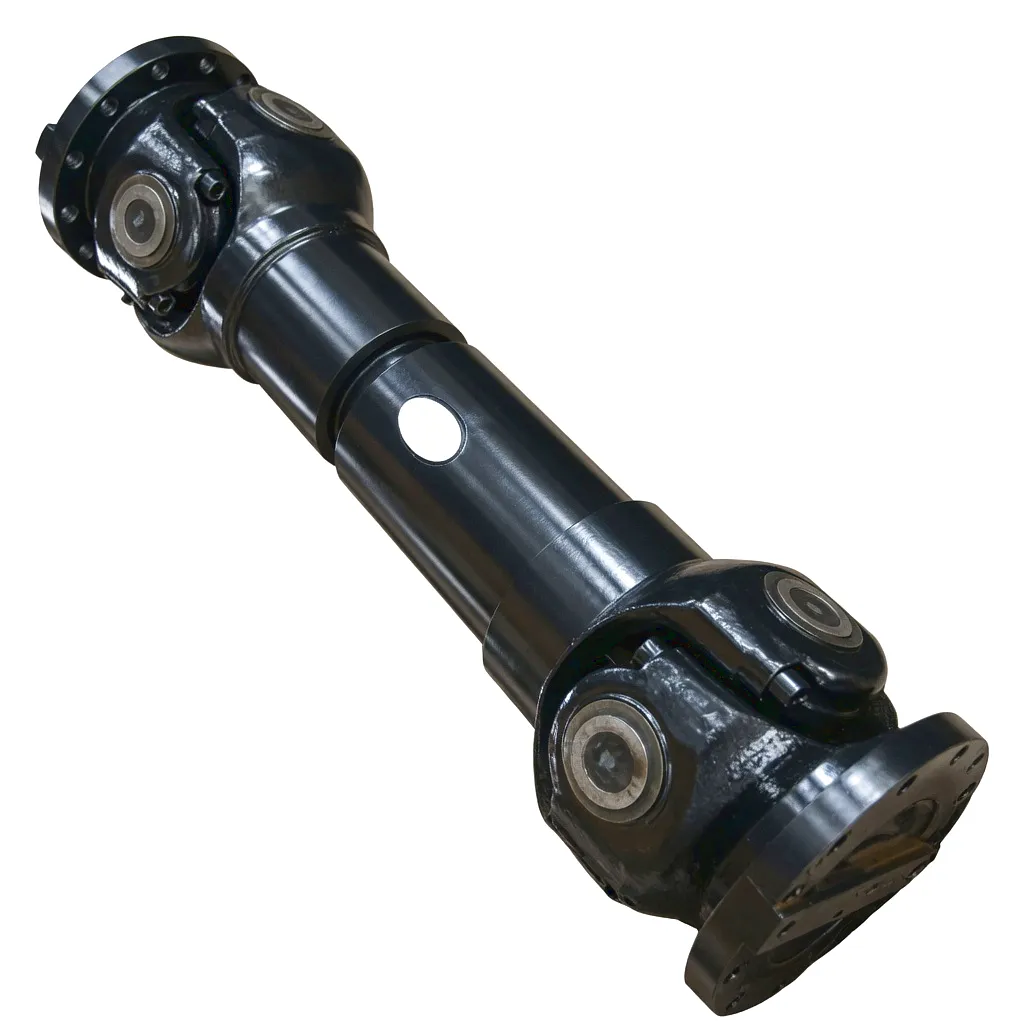 Standard catalogue coupling sizes cover the majority of rotary distributor valve drive applications, but beverage filling machinery — particularly on older lines from OEMs such as Krones, KHS, Serac, and Procomac — often uses non-standard shaft diameters, unusual keyway configurations, or specific flange patterns that require a custom-designed coupling assembly. Ever Power’s in-house engineering team operates CNC turning and milling centres, CNC gear cutting, and internal heat treatment, allowing the company to design, machine, heat treat, and assemble a fully custom cardan coupling from raw billet in a controlled, traceable process that would take a typical catalogue distributor months to replicate.
Custom services available to UK beverage plant operators and filling machine OEMs include: non-standard cross journal sizes machined to drawing; solid-bore or split-clamp yoke configurations; extended shaft tubes for drive-through applications; integrated torque-limiting overload protection; custom flange patterns (SAE, ISO, DIN); and full material traceability documentation with heat batch certificates, hardness test reports, and dimensional inspection records. Electropolishing, passivation, and laser marking of component serial numbers can be included as standard or optional services depending on the quality plan.
Installation, Alignment, and Maintenance in a Beverage Production Environment
Installing a cardan coupling on a rotary distributor valve drive is not a complicated procedure, but it does require attention to alignment quality and the specific constraints of a hygienic production zone. Incorrect installation — particularly insufficient angular pre-alignment or overtightened shaft clamps — is the primary cause of premature failure in applications that would otherwise run for years without issue.
1. Pre-Installation Alignment Check
Measure angular and parallel offset between the gearbox output flange and the distributor valve shaft stub at cold (ambient) conditions. The measured offset should not exceed 50% of the coupling’s rated misalignment capacity — this reserve is needed to absorb thermal growth during production without overloading the cross journal bearings.
2. Shaft Retention and Torque
Yoke shaft clamps should be tightened to the specified bolt torque using a calibrated torque wrench — do not use impact tools. In hygienic applications, use A4-grade stainless fasteners only. Check that keyways are engaged fully and that retaining circlips are seated before rotating the coupling under power.
3. First-Run Inspection
Run the drive at low speed (25–30% of rated output) for 15–20 minutes, then stop and check the temperature of the bearing cups by touch. Mild warmth is normal. Hotspots above ambient +15 °C at the bearing cup indicate misalignment or incorrect grease quantity and should be investigated before production speed is reached.
4. Scheduled Maintenance Intervals
In sealed, food-grade-grease versions, the first inspection is recommended at 8,000–10,000 hours. Check for axial play in the cross journal (should be less than 0.05 mm), and check for angular play (should feel firm, not sloppy). If the cross journal is within wear limits, clean, re-grease if applicable, and reinstall. Full journal replacement is a 30-minute task requiring only standard tools.
Frequently Asked Questions
Real questions from beverage plant engineers and procurement managers in the UK.
Ready to Specify the Right Cardan Coupling for Your Filling Line?
Tell us your shaft dimensions, torque requirement, and operating environment. Our technical team will respond within 24 hours with a product recommendation and dimensional drawing for your review — at no obligation.
Get a Quote — [email protected]
UK & Global Supply · Custom Designs Welcome · CE Documentation Available
© Ever Power Industrial Co. — Cardan Coupling Specialists. All product specifications subject to change without notice. Custom design capability available — contact sales team for current lead times and minimum order requirements. edit by gzl