
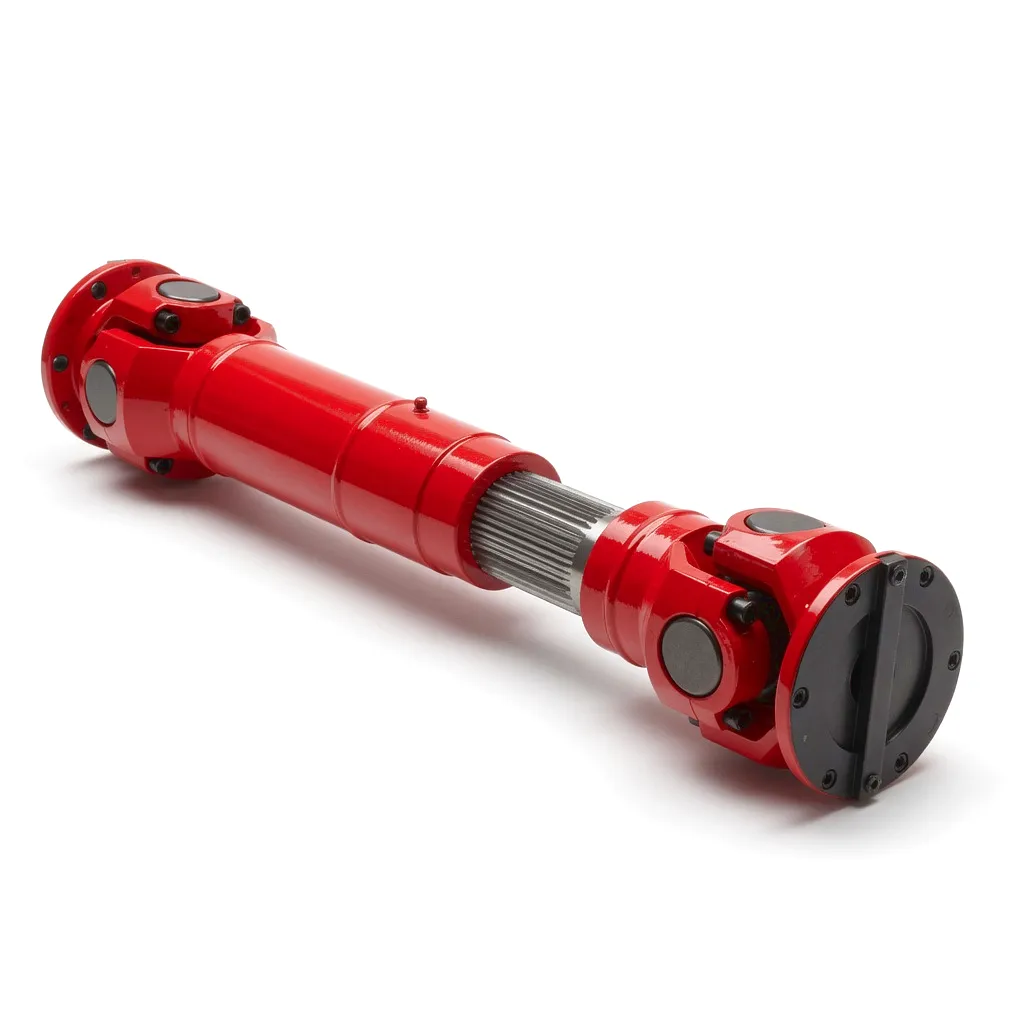
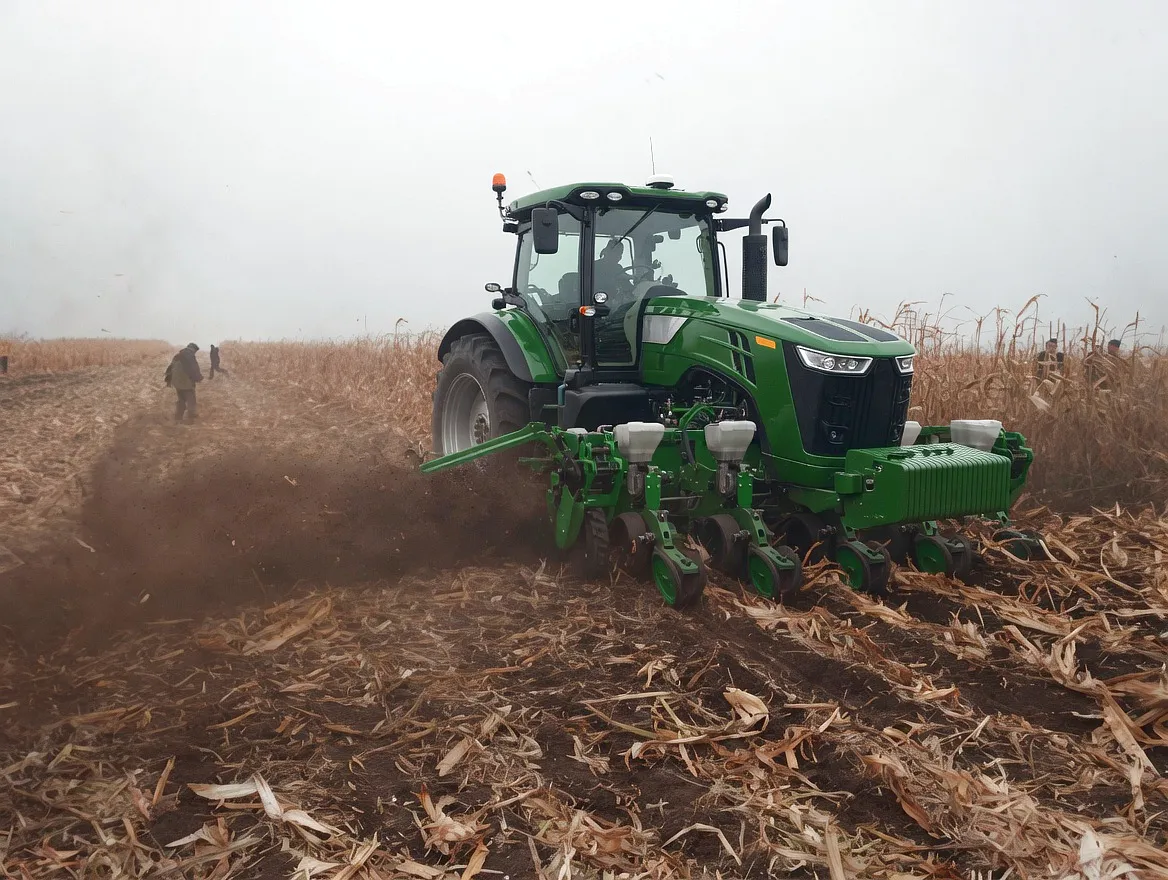
 Straw returning machines — sometimes called straw choppers or mulching tillers — are among the most mechanically aggressive implements ever put behind a tractor. Their job is straightforward: shred harvested crop residue and incorporate it back into the soil. The execution, though, is anything but gentle. Rotating blades powered through a PTO shaft encounter soil clods, buried stones, compacted root mats, and sudden changes in crop density dozens of times per minute. Each encounter delivers a hammer-blow of inertial energy directly into the drivetrain. Over a single working season across the flatlands of East Anglia or the rolling arable fields of Yorkshire, that cumulative punishment destroys ordinary shaft couplings within weeks — sometimes days.
This is precisely where the cardan coupling earns its place as the preferred transmission component for the application. A well-specified cardan coupling — particularly one paired with a heavy-duty torque overload limiter — acts simultaneously as a flexible power transmitter, a misalignment compensator, and a shock-absorption buffer. Understanding why requires looking at both the engineering of the machine and the physics of the impact event itself.
Why Impact Torque — Not Rated Torque — Is the Design Parameter That Matters
When a straw-returning blade set strikes a dense obstacle, instantaneous torque routinely peaks at four to six times the machine’s rated operating torque. Undersized couplings shear, slip clutches overheat, and gearboxes crack — all within milliseconds of that first overload event.
The torque spike from a blade impact rises in under 40 milliseconds. Electronic protection systems and mechanical slip clutches designed for slower overload profiles simply cannot respond fast enough. Only a correctly rated torque-limiting cardan coupling can absorb or interrupt that energy before it reaches the gearbox.
UK agricultural tractors operate PTO shafts at either 540 or 1000 RPM. Straw returning machines overwhelmingly use the 1000 RPM standard to achieve the blade tip speeds necessary for efficient mulching. At that rotational speed, the angular momentum stored in the rotor transforms every hard impact into a very serious transmission event.
The single most important lesson from 18 years of specifying drivetrain components for harvesting machinery is this: never select a cardan coupling for a straw returning machine based solely on its torque rating at continuous duty. The relevant engineering specification is the dynamic overload capacity — specifically, how much torque the coupling assembly can transmit, absorb, or cleanly interrupt at the moment of peak impact, without plastic deformation of the cross joint, spalling of the bearing cups, or structural yielding of the tube assembly. Machines that ignore this specification pay for it in field downtime, replacement parts costs, and in the worst cases, catastrophic drivetrain failures that can endanger operators.
How a Cardan Coupling Manages Shock Loads in Straw Returning Applications
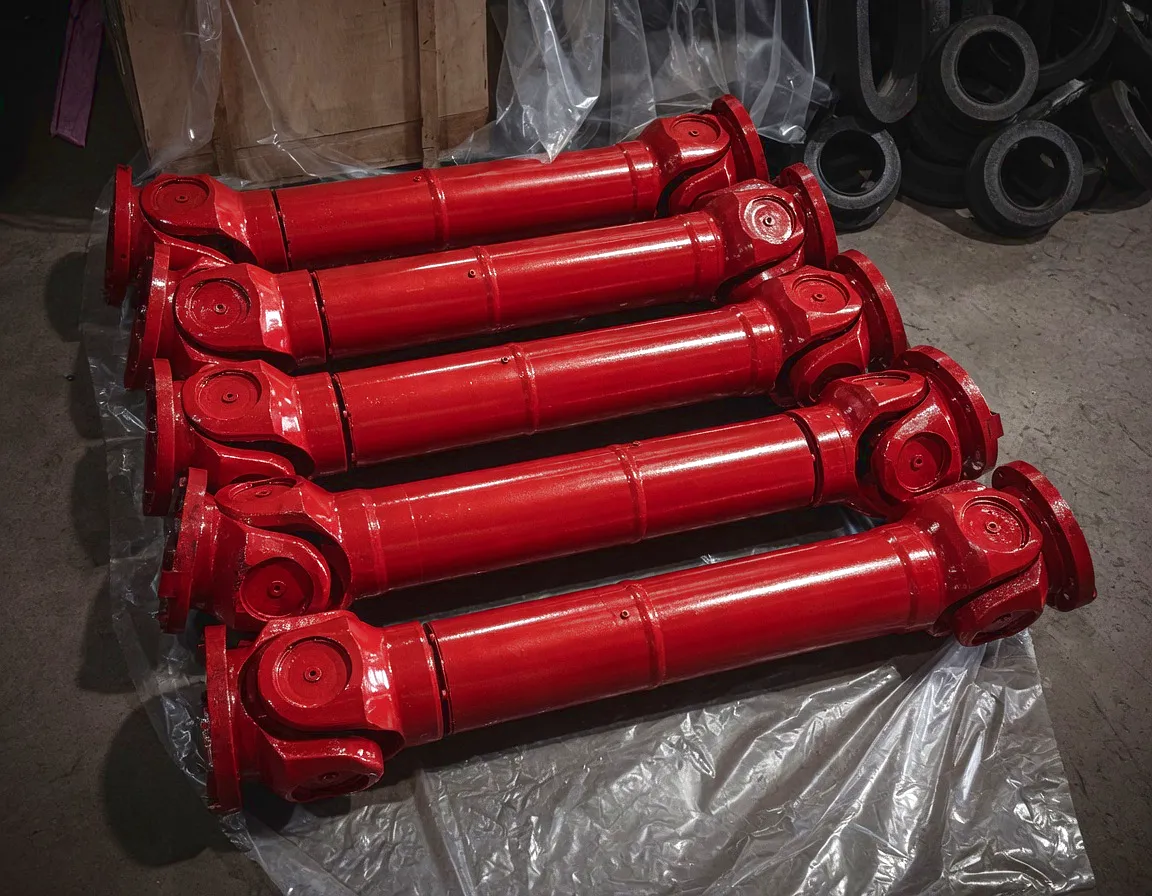
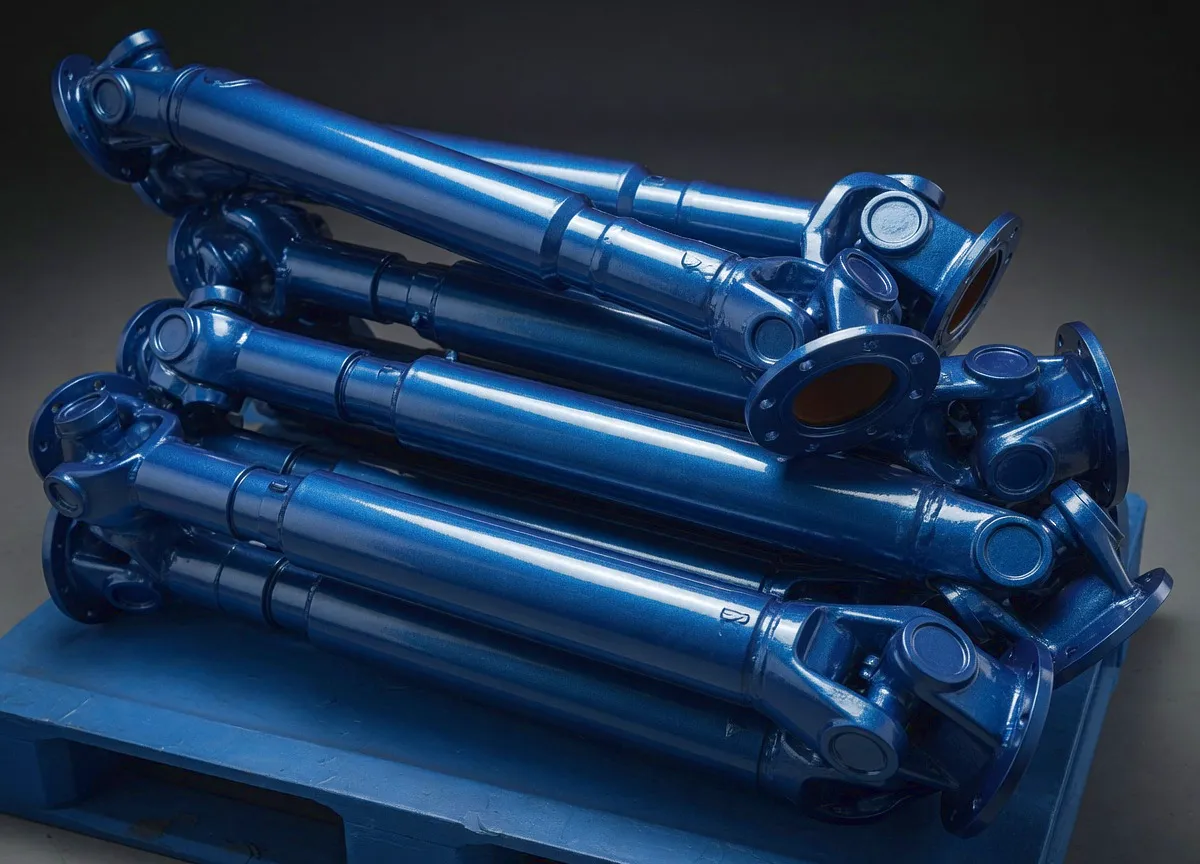
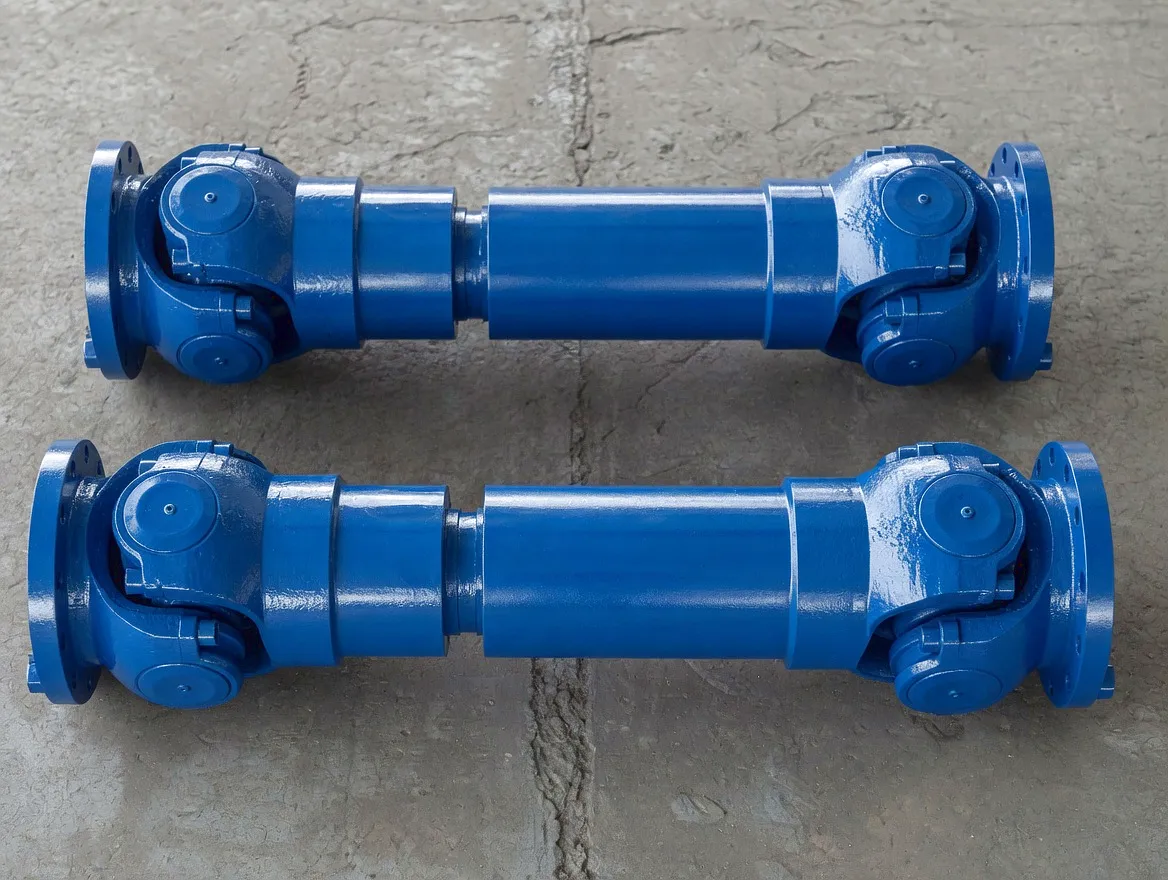
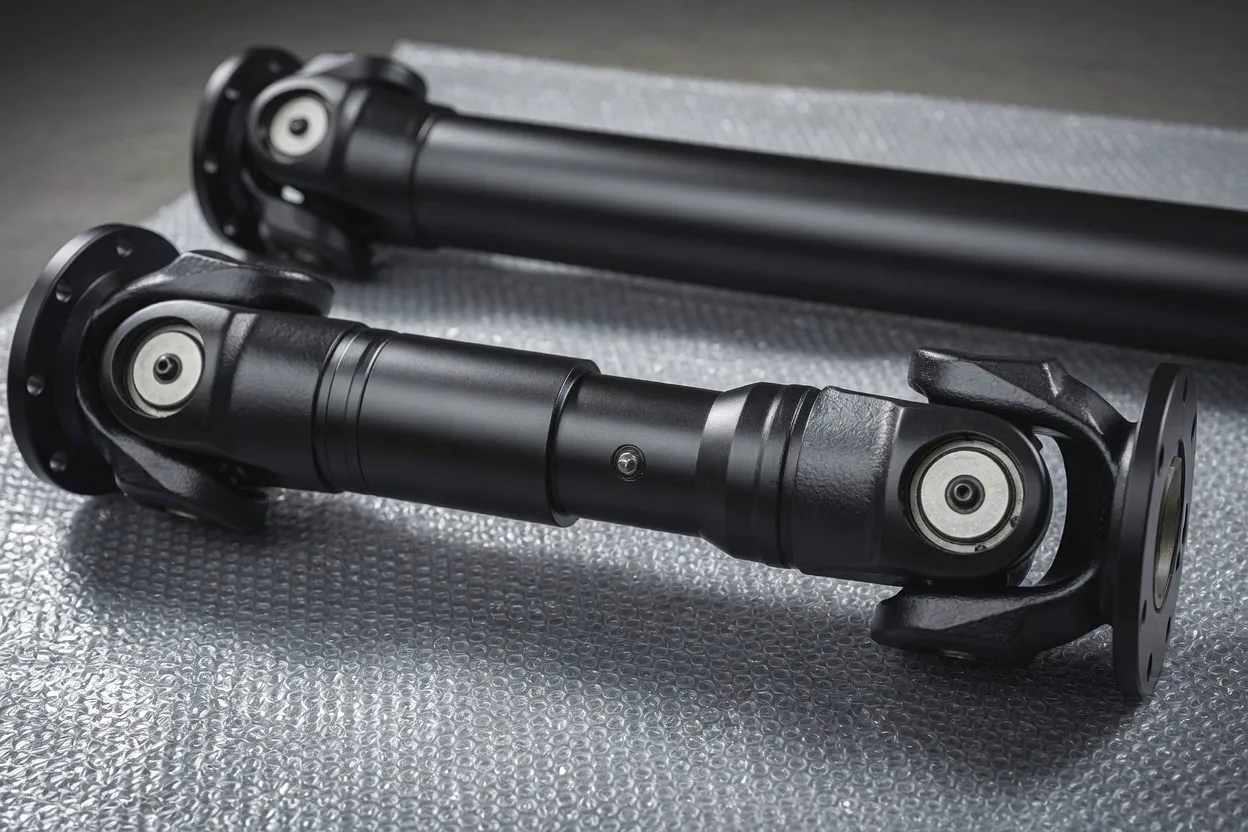
A cardan coupling — often called a universal joint shaft or Hooke’s joint assembly — transmits torque between two shafts that are not perfectly aligned, both angularly and axially. In an agricultural PTO drivetrain, the tractor’s output shaft and the gearbox input of the straw returning machine are almost never in perfect axial alignment: ground undulations, three-point linkage geometry changes, and implement flexing under load all create continuous, dynamic misalignment that a rigid coupling cannot accommodate. The cardan coupling handles this through its cross-journal design, which allows angular displacement at each universal joint while maintaining continuous torque transmission.
What makes the assembly genuinely suited to straw returning duty is the integration of a friction-disc or cam-and-ball torque overload limiter into the coupling assembly — positioned between the tractor yoke and the outer tube, or between the inner tube and the implement-side yoke. When blade impact drives the instantaneous torque above the preset threshold, the limiter slips or disengages within milliseconds, allowing the tractor-side of the drivetrain to continue rotating while the load-side decelerates. Once the overload condition passes, the limiter re-engages automatically (in cam-and-ball types) or requires a brief manual reset (in friction-disc types). Either way, the gearbox, input bearings, and rotor hub are protected from forces that would otherwise crack or fatigue them.
The cross-journal bearings in a high-quality agricultural cardan coupling are needle-roller type, sealed with dual-lip nitrile seals, and grease-nipple fed via a centralised lube fitting on the yoke. In straw returning operations, particularly through the wet autumn season typical of UK harvest conditions, the ingress of fine chaff, silica dust from soil, and moisture into bearing cavities is the primary failure mode for lower-quality couplings. The bearing seal design, combined with grease purge capacity (the ability to push contaminated grease out through the seal lip by over-greasing), is therefore as important to service life as the raw load capacity figures.
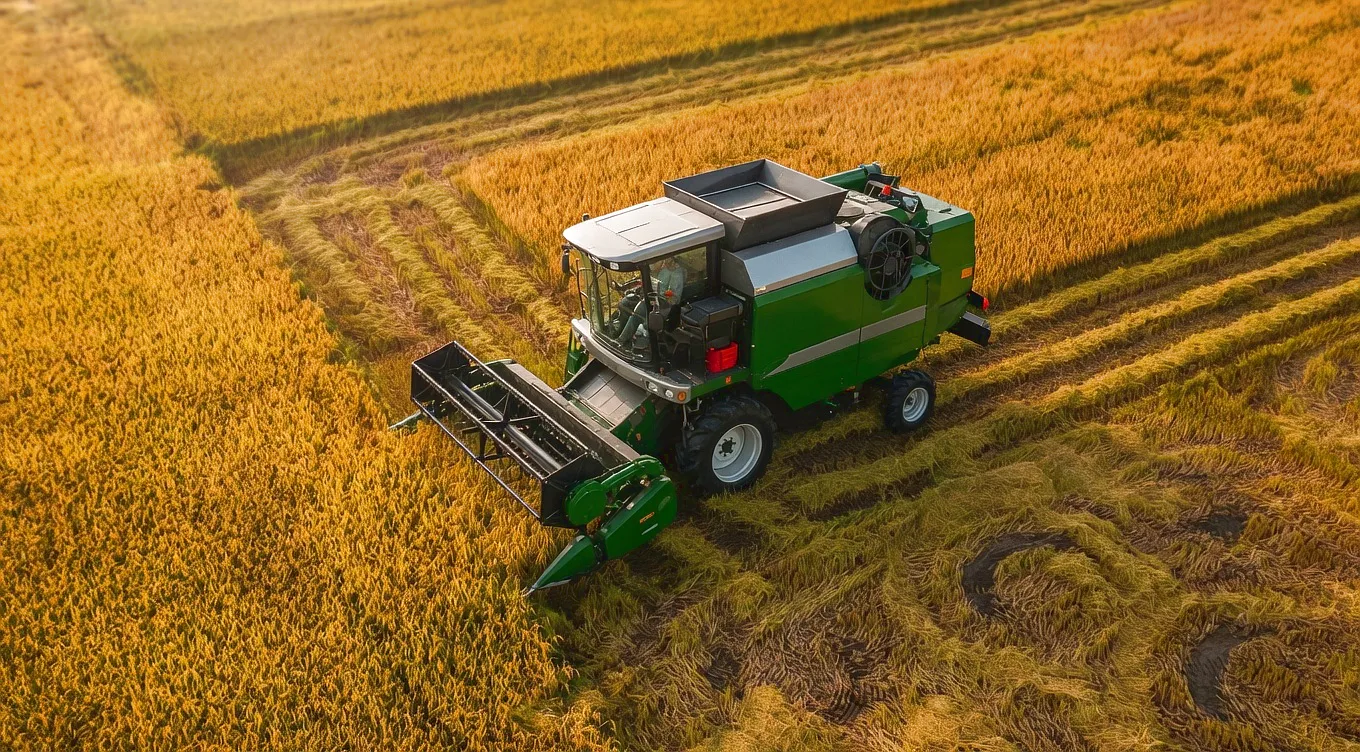
High-impact straw mulching operations in UK arable fields demand the most robust cardan coupling assemblies available.
Technical Performance Parameters
The table below summarises the key technical parameters relevant to cardan coupling selection for straw returning machine applications. Values shown reflect the range available from Ever Power’s agricultural series, which is designed specifically for high-shock PTO driveline duty. Machines operating in UK conditions — heavier soils, higher stone content, longer working seasons than many European comparisons — should be specified toward the upper end of each range.
| Parameter | Light Duty Series | Heavy Duty Agricultural | Heavy-Shock / Straw Return |
|---|---|---|---|
| Nominal Torque (Nm) | Up to 1,500 | 1,500 – 5,000 | 5,000 – 12,000+ |
| Peak Impact Torque Capacity | 3× nominal | 4× nominal | Up to 6–8× nominal |
| Max Operating Angle (deg) | 15° | 20° | 25° (constant velocity variant) |
| Torque Limiter Type | Friction disc | Friction disc / cam-ball | Cam-ball auto-reset, oversized |
| Limiter Trigger Accuracy | ±20% | ±15% | ±8% (factory-calibrated) |
| Cross-Joint Bearing Type | Needle roller, single-lip seal | Needle roller, dual-lip seal | Needle roller, triple-lip + purge |
| Tube Material | Cold-drawn steel | Seamless alloy steel | Seamless 42CrMo4, quenched & tempered |
| Surface Protection | Painted | Powder-coated | Hot-dip galvanised + epoxy topcoat |
Materials, Construction, and Why They Matter for UK Agricultural Conditions
Precision-forged from 20CrMnTi case-hardening steel, then carburised and quenched to achieve a surface hardness of 58–62 HRC over a tough, fatigue-resistant core. The combination of hard surface and soft core is essential for absorbing repeated impact loading without crack propagation — exactly what the straw-returning environment demands. Yoke bores are finish-bored to H7 tolerance to ensure bearing cup retention integrity even under sustained shock.
The inner and outer profile tubes — typically six-spline or lemon-profile cross-section — are manufactured from seamless 42CrMo4 chromoly steel and heat-treated to 28–32 HRC throughout the tube wall. This material choice provides the torsional rigidity needed for clean power transmission at 1000 RPM while retaining enough ductility to avoid brittle fracture under shock. A nylon inner bushing on the sliding interface reduces metal-to-metal wear during the constant axial movement that results from implement bounce over uneven ground.
In the straw-returning application, a cam-and-ball automatic-reset torque limiter is strongly preferred over a friction-disc type. When an impact trips the cam-ball mechanism, it disengages in <20 ms and automatically re-engages once the overload clears — critical because blade-impact events occur continuously and a manually reset friction-disc type would require the operator to stop the tractor many times per hour. The limiter body on Ever Power’s agricultural series is sized one to two grades above the coupling’s nominal torque rating, ensuring that the limiter’s internal components do not experience wear-accelerating partial slippage during routine operation.
Designed for the Field, Not the Test Bench
Ever Power’s straw-returning series cardan couplings are validated under field simulation protocols that replicate the actual duty cycle of UK cereal harvest operations — not just static proof-load tests. Each assembly is dynamically tested through 50,000 simulated impact cycles at 6× nominal torque before leaving the factory. The grease nipple arrangement is recessed and guarded to prevent clogging by chaff, and all external surfaces receive hot-dip galvanising followed by an agricultural-grade epoxy topcoat rated for 1,000 hours in a salt-spray environment per ISO 9227 — important for the wet autumn and winter conditions common across eastern England.
Key Advantages of Choosing the Right Cardan Coupling for Straw Return Duty
The cam-ball limiter disengages in under 20 ms — faster than any hydraulic or electronic safeguard. Gearbox and rotor hub are protected from every single impact event, not just those that exceed a slow-response threshold.
No operator intervention required after each trip. The limiter re-engages automatically, allowing continuous operation across a full working day without constant stops — critical when working to tight harvest windows in UK autumn conditions.
Triple-lip bearing seals with grease-purge capability keep crop chaff and silica-laden moisture out of needle-roller bearing cavities. The primary cause of agricultural cardan coupling failure is bearing contamination — this design directly addresses it.
Operating angles up to 25° (constant-velocity variant) accommodate the full geometry range of PTO attachment during field operation on uneven terrain, without inducing velocity fluctuation in the blade shaft that causes vibration and premature wear.
PTO shaft profile, yoke bore size, limiter trip torque, tube length, and surface treatment can all be specified to match your machine’s exact OEM interface requirements — no adapters, no compromise in the driveline geometry.
Application Scenarios Where This Cardan Coupling Configuration Performs Best
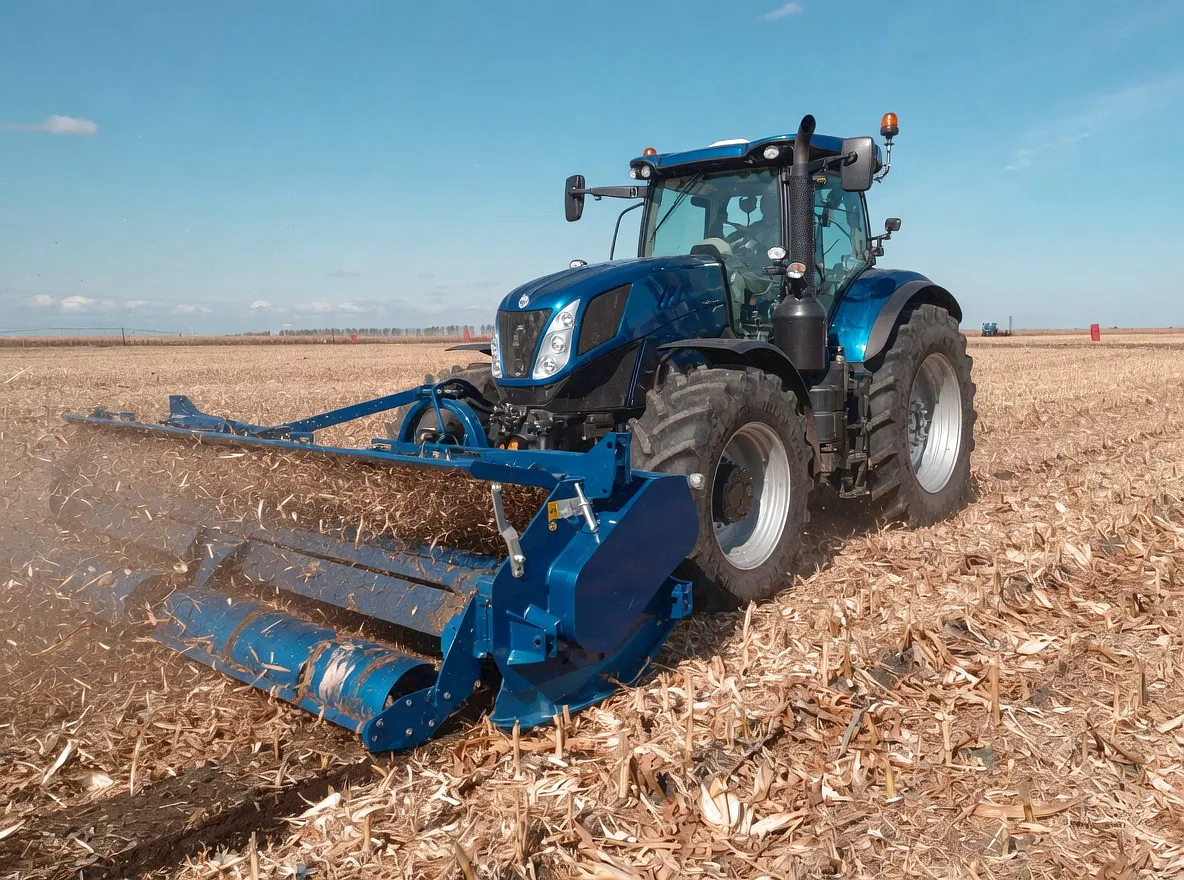
The straw returning machine is the most demanding application in the agricultural PTO drivetrain spectrum, but it is not the only one where this style of heavy-shock cardan coupling delivers superior performance. The configuration described here — 42CrMo4 tube, oversized cam-ball limiter, triple-lip sealed needle bearings — is equally well suited to several adjacent applications that share the same fundamental challenge of severe, unpredictable torque spikes.

Customer Success: Lincolnshire Arable Contractor Cuts Coupling Failures by 94%
| Client: | Fenland Agri Services Ltd |
| Location: | Spalding, Lincolnshire, England |
| Operation: | Arable contracting, post-harvest straw incorporation |
| Machines: | 4× trailed straw returning machines (wheat & oilseed rape) |
| Season: | Autumn 2023 – ongoing |
| Soil Type: | Heavy silt/clay mix, high stone content |
Prior to switching to Ever Power couplings, Fenland Agri Services was replacing cardan coupling assemblies on average every 180 operating hours per machine — often as frequently as three times per autumn season. The Lincolnshire silt fields around Spalding contain dense buried stone deposits from glacial activity, and the combination of heavy post-harvest root mats and stone strike events was destroying friction-disc limited couplings from an alternative European supplier at an alarming rate. The company estimated it was spending over £14,000 per season on coupling parts and, more critically, an average of 22 hours of combined machine downtime per season across the four-machine fleet — time that directly cost them contracted acreage.
After consulting with Ever Power’s UK technical sales team, Fenland specified the WN6-1000 heavy-shock agricultural cardan coupling across all four machines. Crucially, the limiter was specified at one grade above the manufacturers’ nominal recommendation for their horsepower class — a decision based on the specific stone-impact duty cycle of Lincolnshire silt ground. The cam-ball auto-reset mechanism eliminated the stop-restart cycle that had added to downtime with their previous friction-disc units. Coupling length was custom-specified to match the exact PTO-to-gearbox distance on their trailed machines without requiring adapters.
What Our Customers Say
We’ve been running the Ever Power couplings for two full seasons now on our straw choppers across some very rough Lincolnshire ground. In 26 years of contracting I’ve never had coupling assemblies last this long in that kind of work. The auto-reset limiter is a genuine game changer — we just keep working.
The custom shaft length and bore specification was sorted within a week. Our agricultural engineer was impressed by the bearing quality when we stripped one for inspection at the 800-hour mark — no contamination, seals intact, grease still clean. We’ll be ordering the same spec for the rest of our mulcher fleet.
We supply cardan coupling assemblies to three UK agricultural machinery dealers and have been sourcing from Ever Power for four years. Lead times are consistent, the calibration documentation for the torque limiters is thorough, and we’ve had zero warranty claims on the agricultural series. That’s the kind of reliability a dealer can build a reputation on.
Factory Capabilities & Custom Engineering for UK Agricultural Requirements
Ever Power operates a dedicated manufacturing campus with in-house forging, heat treatment, CNC machining, bearing assembly, and dynamic testing facilities. The capability to control every stage of production — from raw steel billet to final assembly — is what allows us to hold tight tolerances on limiter calibration (±8%) and deliver consistent quality across large batch orders for OEM supply and dealer stock programmes.
For UK agricultural customers — whether you are an OEM assembler, a dealer stocking service exchange units, or a large arable contracting business with specific machine requirements — our engineering team works directly with you to produce a coupling specification that matches your exact interface geometry, operating load profile, and maintenance regime. This means you are not adapting a catalogue product to your machine; you are receiving a component that was engineered for it from the start.
Customisation options available for the straw returning machine application include: PTO spline profile (1-3/8 inch 6-spline, 1-3/8 inch 21-spline, 1-3/4 inch 20-spline, metric equivalents); yoke bore diameter and keyway to match any implement gearbox input; tube collapsed and extended length to the millimetre; torque limiter trip point from 500 Nm to 15,000 Nm; limiter type selection (friction disc, cam-ball auto-reset, shear-bolt single-use for maximum protection); and surface treatment specification including full hot-dip galvanising with epoxy topcoat, or chrome-free conversion coating for environmentally sensitive specifications.
Standard catalogue agricultural cardan couplings are available from stock for orders of 1+ units. Custom-specified assemblies typically carry a 3–4 week engineering and production lead time from approved drawing. Sample units can be supplied for fitment trial within 2 weeks for UK customers.
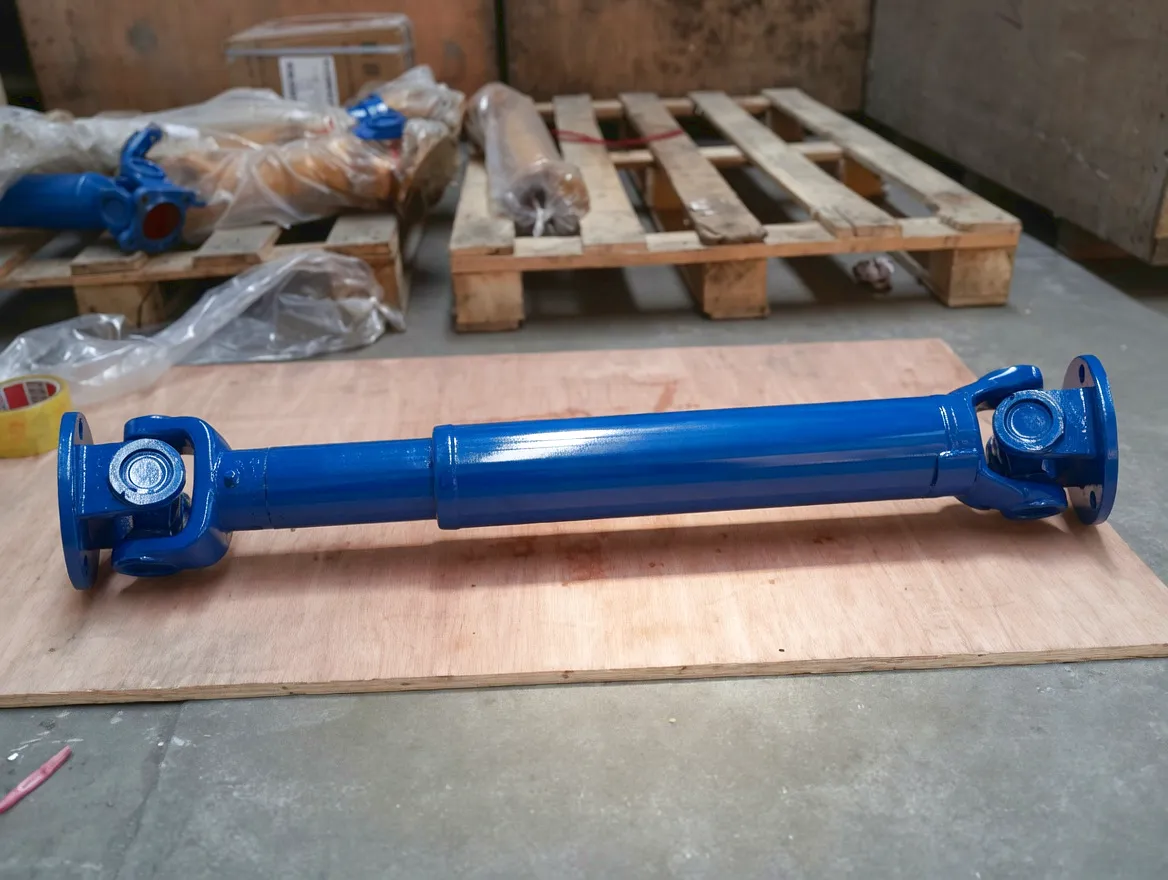
- ✓ PTO spline profile matching (imperial & metric)
- ✓ Custom tube length (collapsed & extended)
- ✓ Limiter trip torque factory-calibrated to spec
- ✓ Limiter type: friction disc / cam-ball / shear-bolt
- ✓ Surface treatment: galvanised, powder-coat, epoxy
- ✓ CE marking documentation for EU/UK market
- ✓ OEM white-label supply available
How to Select the Right Cardan Coupling for Your Straw Returning Machine
The selection process for a straw-returning machine cardan coupling differs from standard drivetrain component selection in one critical respect: the nominal torque rating of the coupling is a starting point, not a conclusion. The following table sets out the primary selection parameters and how each should be approached when specifying for this application type. UK-based buyers should note that soil classification — sandy/silty, clay, stony upland — significantly affects the appropriate limiter rating for a given tractor power class.
| Selection Parameter | Data Required | Specification Guidance |
|---|---|---|
| Tractor PTO power | PTO kW at rated engine speed | Calculate nominal torque: T(Nm) = (Power kW × 9549) ÷ RPM. Use this as the base; never select a coupling rated at exactly this figure. |
| Application shock factor | Operating condition assessment | Straw returning: apply shock factor of 2.5–3.0 to calculated nominal torque. Limiter trip torque should be 1.5–2× the resulting value. |
| Soil classification | Field survey or USDA/SSEW soil map | Stony upland soils (e.g. Cotswolds limestone brash, Wolds chalk) require limiter rated 20–30% higher than heavy clay equivalents at same PTO power. |
| PTO shaft speed | Machine specification plate | 1000 RPM operation requires lower coupling mass (for NVH management) but higher dynamic torque rating than 540 RPM equivalent. Specify accordingly. |
| Maximum operating angle | Measure at maximum 3-point linkage deflection | If measured angle exceeds 15°, select wide-angle or constant-velocity joint variant. Do not operate a standard cross-joint at angles above its rated maximum — fatigue life drops exponentially. |
| Limiter type preference | Operator workflow, frequency of impact events | For continuous-impact duty (straw returning, flail mowing): cam-ball auto-reset. For lower-frequency severe overload (stone-burst risk): shear-bolt for maximum positive protection. |
Ready to Specify the Right Cardan Coupling for Your Straw Returning Machine?
Send us your machine specifications and operating conditions. Our engineering team will recommend the correct coupling model, limiter setting, and surface treatment — and provide a competitive price. UK agricultural customers can expect a response within one working day.
Get a Quote — [email protected]
Ever Power · Cardan Coupling Specialists · Serving UK Agricultural OEMs, Dealers & Contractors · edit by gzl