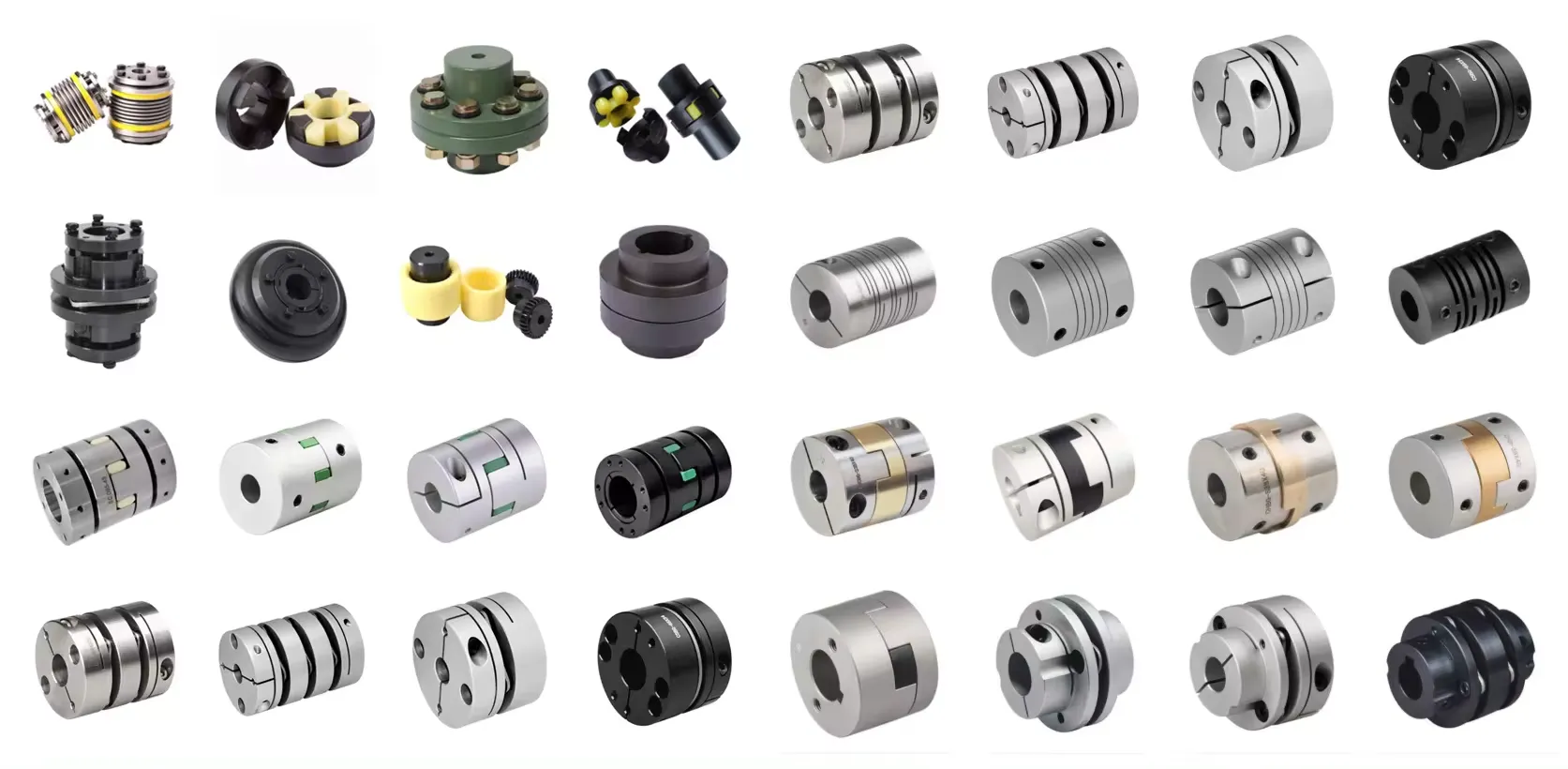
Introduction to Cardan Coupling
When it comes to transmitting torque between two shafts that are not collinear, a cardan coupling is the go-to solution. Let’s delve into the details of this versatile coupling:
1. Flexibility
A cardan coupling provides flexibility in transmitting torque between shafts that are not aligned. It allows for angular misalignment, axial misalignment, and even a combination of both.
2. Torque Transmission
With its unique design, a cardan coupling efficiently transmits torque from one shaft to another, ensuring smooth and reliable power transfer even in challenging applications.
3. Durability
Known for their robust construction, cardan couplings are built to withstand heavy loads, high speeds, and harsh operating conditions, making them a durable choice for various industrial applications.
4. Maintenance
Cardan couplings are relatively low maintenance, requiring periodic inspection and lubrication to ensure optimal performance. This makes them a cost-effective solution for long-term use.
5. Application
From automotive to industrial machinery, cardan couplings find applications in a wide range of industries where torque transmission between misaligned shafts is required.
6. Design Options
Cardan couplings come in different designs and sizes to suit specific application requirements. Whether it’s a standard coupling or a custom-designed one, there’s a cardan coupling for every need.
What is Cardan Shaft Coupling?
1. Definition
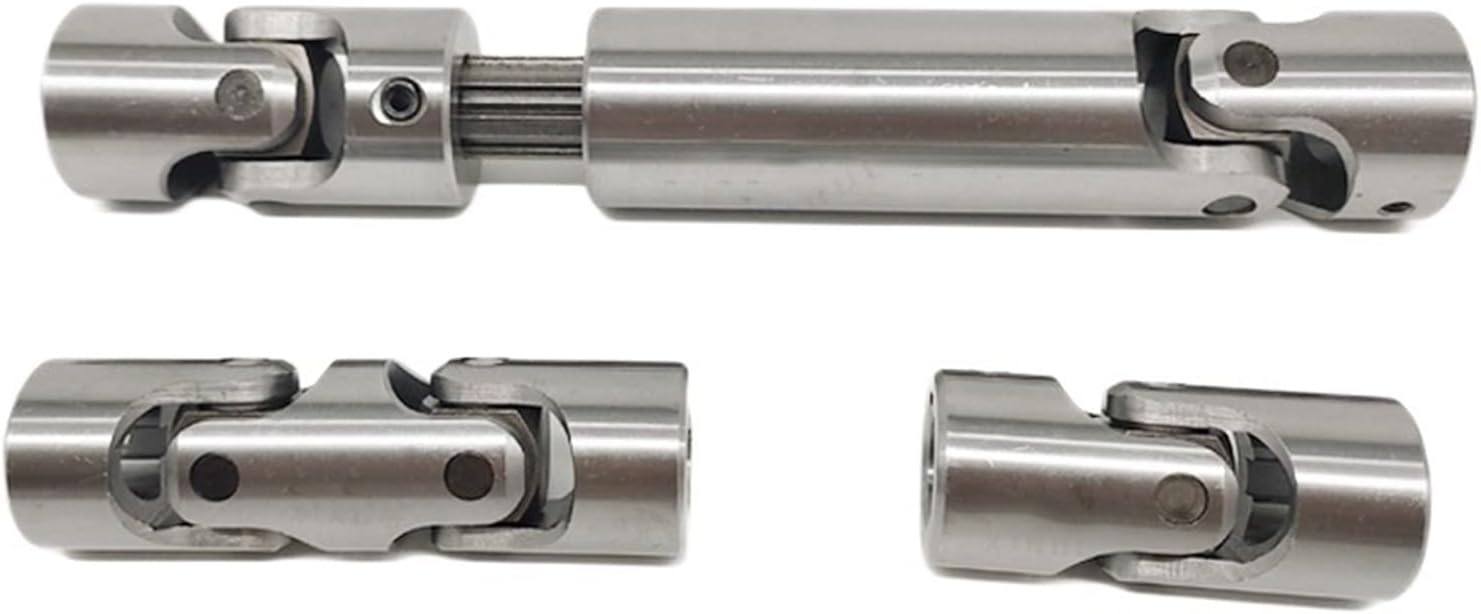
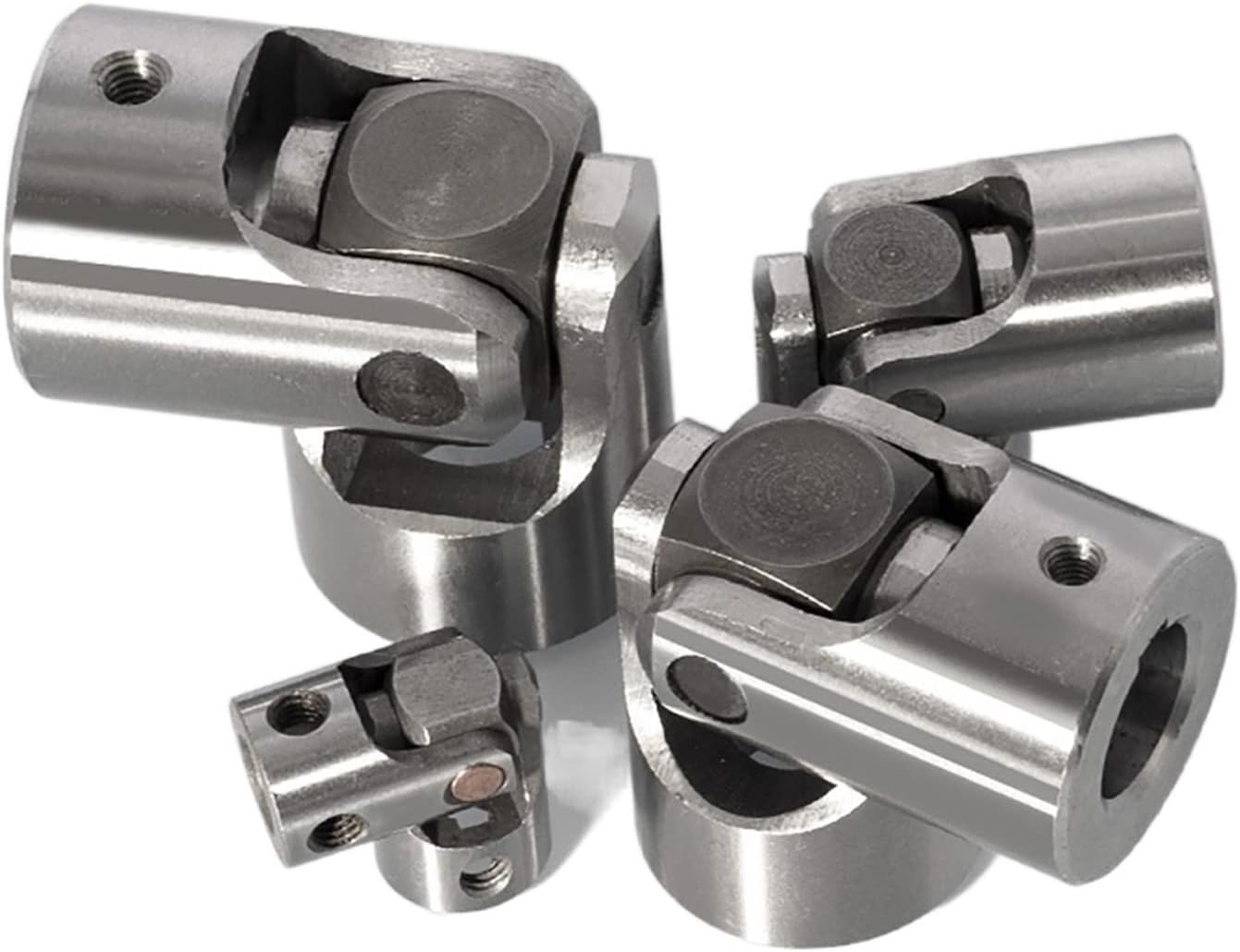
A cardan shaft coupling is a mechanical device used to transmit torque between two shafts that are not collinear. It consists of a universal joint at each end connected by a shaft, allowing for angular misalignment.
2. Function
The primary function of a cardan shaft coupling is to transmit torque from one shaft to another while accommodating angular misalignment, axial misalignment, and a combination of both. This ensures smooth and efficient power transfer in various applications.
3. Components
A typical cardan shaft coupling consists of two universal joints and a shaft connecting them. The universal joints allow for movement in multiple planes, enabling the coupling to compensate for misalignment between the shafts.
4. Working Principle
When the input shaft rotates, it transfers the torque to one universal joint, which then transmits it to the other universal joint and, eventually, to the output shaft. This mechanism allows for torque transmission even when the shafts are not aligned.
5. Applications
Cardan shaft couplings are commonly used in automotive drivetrains, industrial machinery, marine applications, and agricultural equipment where torque transmission between misaligned shafts is essential for operation.
What is the Purpose of a Cardan Shaft?
1. Torque Transmission
A cardan shaft serves the purpose of transmitting torque between two shafts that are not collinear, ensuring efficient power transfer in various applications.
2. Angular Misalignment Compensation
By accommodating angular misalignment between the shafts, a cardan shaft helps prevent premature wear and damage, ultimately prolonging the lifespan of the equipment.
3. Flexibility
With its ability to flex and bend, a cardan shaft offers flexibility in torque transmission, making it suitable for applications where shaft alignment may vary.
4. Smooth Operation
By providing a smooth and continuous transfer of power, a cardan shaft helps reduce vibration, noise, and operational stress on the connected components, enhancing overall performance.
5. Versatility
Due to its design and functionality, a cardan shaft can be used in a wide range of industries and applications, making it a versatile component in mechanical systems.
What is the Purpose of a Double Cardan Joint?
1. Enhanced Torque Transmission
A double cardan joint serves the purpose of improving torque transmission efficiency by reducing velocity fluctuations and minimizing power loss in the drivetrain.
2. Reduced Vibrations
By incorporating two universal joints, a double cardan joint helps offset angular misalignment more effectively, resulting in reduced vibrations and smoother operation.
3. Increased Durability
The dual universal joint design of a double cardan joint enhances its durability and longevity, making it a reliable choice for demanding applications.
4. Improved Steering Response
In automotive applications, a double cardan joint can enhance steering response and handling by maintaining consistent torque transfer between the steering column and the wheels.
5. Versatile Applications
Due to its advanced design and performance benefits, a double cardan joint is used in various industries, including automotive, industrial machinery, and aerospace, where precision torque transmission is critical.
How to Choose the Appropriate Cardan Coupling
1. Operating Conditions
Consider the operating conditions, such as torque requirements, speed, temperature, and environmental factors, to choose a cardan coupling that can withstand the specific demands of the application.
2. Shaft Misalignment
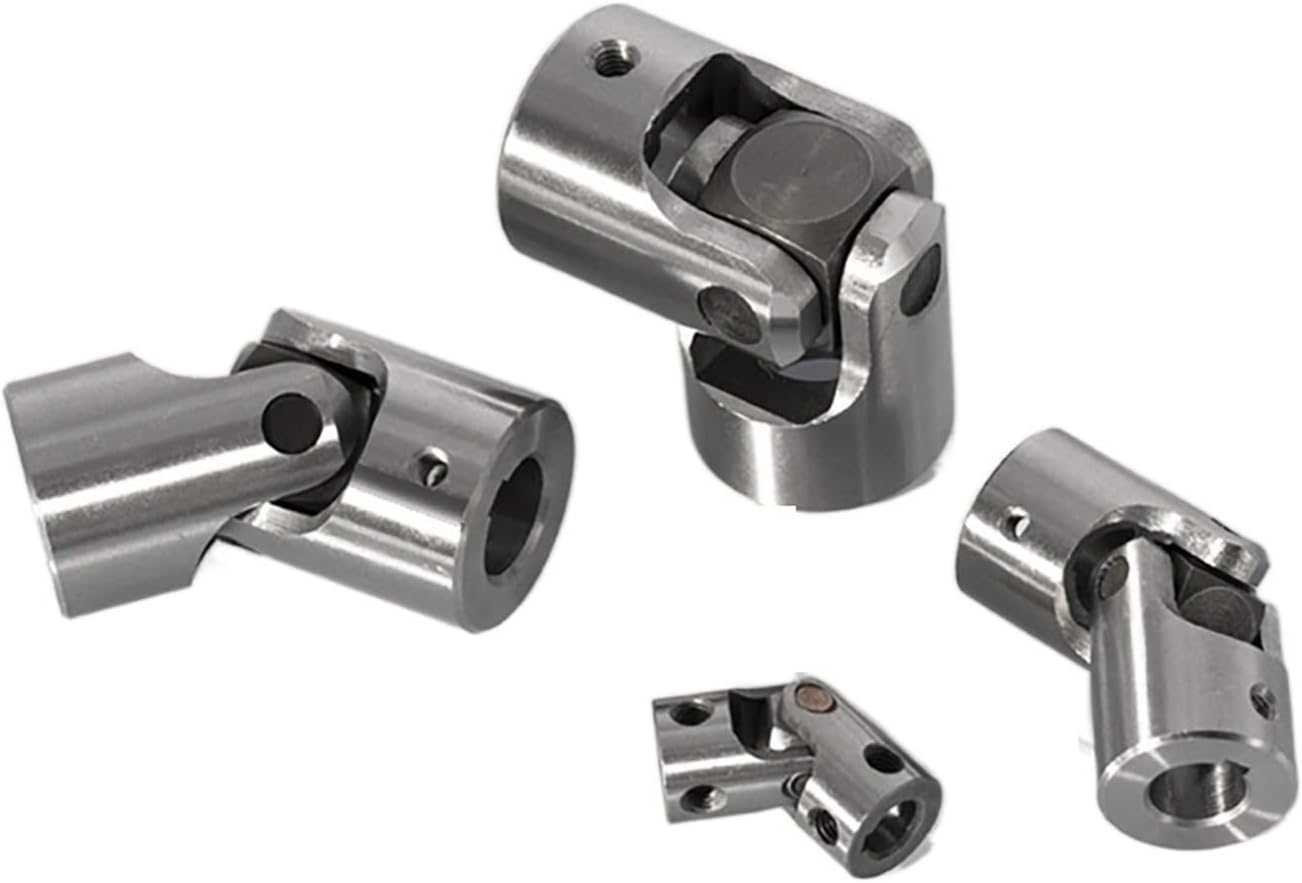
Determine the degree of angular and axial misalignment between the shafts to select a cardan coupling with the appropriate flexibility and range of motion to accommodate the misalignment.
3. Size and Design
Choose a cardan coupling with the right size and design that fits the shaft dimensions, power transmission needs, and installation requirements of the equipment or machinery.
4. Maintenance and Serviceability
Consider the maintenance requirements and accessibility of the cardan coupling for inspection, lubrication, and potential repairs to ensure smooth operation and longevity of the coupling.
5. Compatibility and Interchangeability
Ensure that the selected cardan coupling is compatible with the existing shafts, bearings, and other components in the system, and that it can be easily replaced or interchanged if needed.
What is the Difference Between a Disc and a Cardan Coupling?
1. Design
A disc coupling consists of two hubs with a thin metal disc connecting them, while a cardan coupling features two universal joints connected by a shaft, allowing for angular misalignment.
2. Flexibility
Disc couplings offer limited flexibility and are primarily used for high-speed applications, whereas cardan couplings provide greater flexibility and are suitable for transmitting torque between misaligned shafts.
3. Torque Transmission
While both couplings are designed to transmit torque, a disc coupling is more rigid and efficient in transferring power, whereas a cardan coupling can accommodate misalignment but may have slightly lower efficiency.
4. Applications
Disc couplings are commonly used in high-speed rotating machinery and precision applications where alignment is critical, while cardan couplings are preferred for applications with angular misalignment requirements.
5. Maintenance
Cardan couplings require periodic inspection and lubrication due to their moving parts and design complexity, whereas disc couplings are relatively low maintenance and offer long-term reliability with minimal upkeep.
About HZPT
Founded in 2006, HZPT is a leading manufacturer and exporter specializing in couplings for various industries. With a dedicated design and R&D team, we offer customized solutions to meet global customer requirements.
Our comprehensive quality inspection system ensures that all products meet CE and TUV standards, guaranteeing reliability and performance. At HZPT, customer satisfaction is our top priority, and we strive to provide the best service and product quality at competitive prices.
With over 20 years of ODM and OEM experience, we offer 100% testing before shipment, 24-hour customer service, and the use of premium materials in our products. Our commitment to innovation and customer-centric approach sets us apart in the industry.
Choose HZPT for your coupling needs and experience the difference in quality, service, and reliability. We look forward to building successful partnerships with customers worldwide.