Introducing Cardan Coupling for Geological Survey Equipment
Keyword Content Introduction:
- Cardan Coupling
- Geological Survey Equipment
- High Quality
- Customizable
- CE and TUV Certificates
- Manufacturer and Exporter
What is Cardan Shaft Coupling?
1. Functionality:
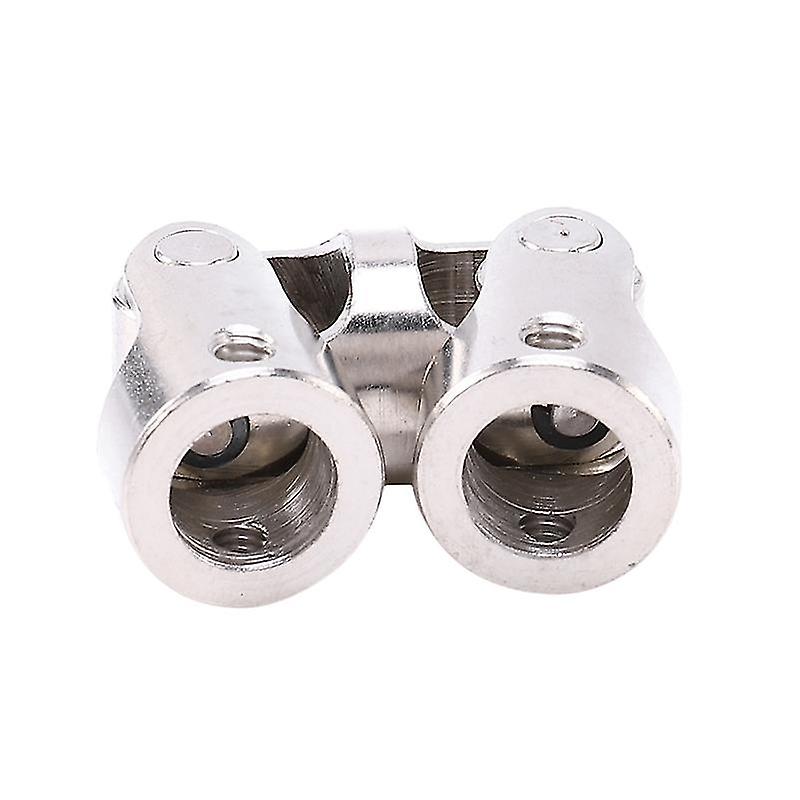
A Cardan shaft coupling is a mechanical device used to transfer torque between two shafts that are not collinear. It allows for the transmission of power at various angles and distances.
2. Design:
Cardan shaft couplings are typically made up of two shafts connected by a cross-shaped intermediate component called the spider. This design allows for flexibility and reduces vibration.
3. Applications:
These couplings are commonly used in industrial machinery, automotive applications, and geological survey equipment to transmit power efficiently and smoothly.
4. Benefits:
Cardan shaft couplings provide high torque transmission capacity, are easy to install, and require minimal maintenance, making them ideal for various applications.
5. Customization:
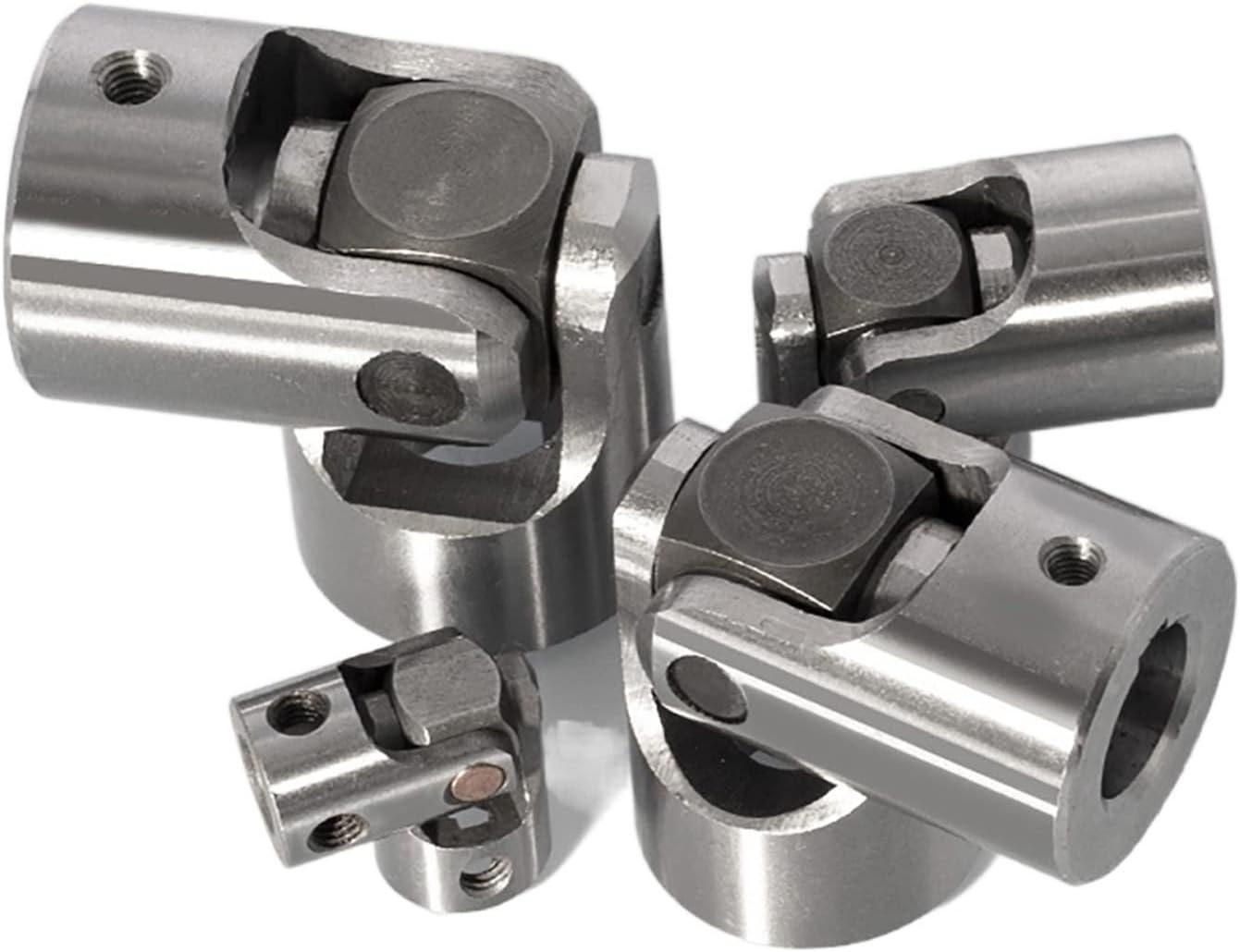
Manufacturers like HZPT offer customizable cardan shaft couplings to meet specific requirements, ensuring a perfect fit for different machinery and equipment.
6. Certification:
Cardan shaft couplings from reputable manufacturers like HZPT come with CE and TUV certificates, ensuring quality and compliance with international standards.
What is the Purpose of a Cardan Shaft?
1. Torque Transmission:
A Cardan shaft is designed to transmit torque between two non-collinear shafts, providing flexibility and efficiency in power transfer.
2. Angular Misalignment Compensation:
It helps compensate for angular misalignments between shafts, allowing for smooth operation and reduced wear on machinery components.
3. Vibration Reduction:
By absorbing and reducing vibrations, a Cardan shaft contributes to the overall stability and performance of the equipment it is used in.
4. Power Transmission Efficiency:
Cardan shafts ensure efficient power transmission by maintaining constant velocity between the connected shafts, minimizing energy loss.
5. Versatile Applications:
From industrial machinery to automotive and geological survey equipment, Cardan shafts play a crucial role in various applications that require reliable torque transmission.
What is the Purpose of a Double Cardan Joint?
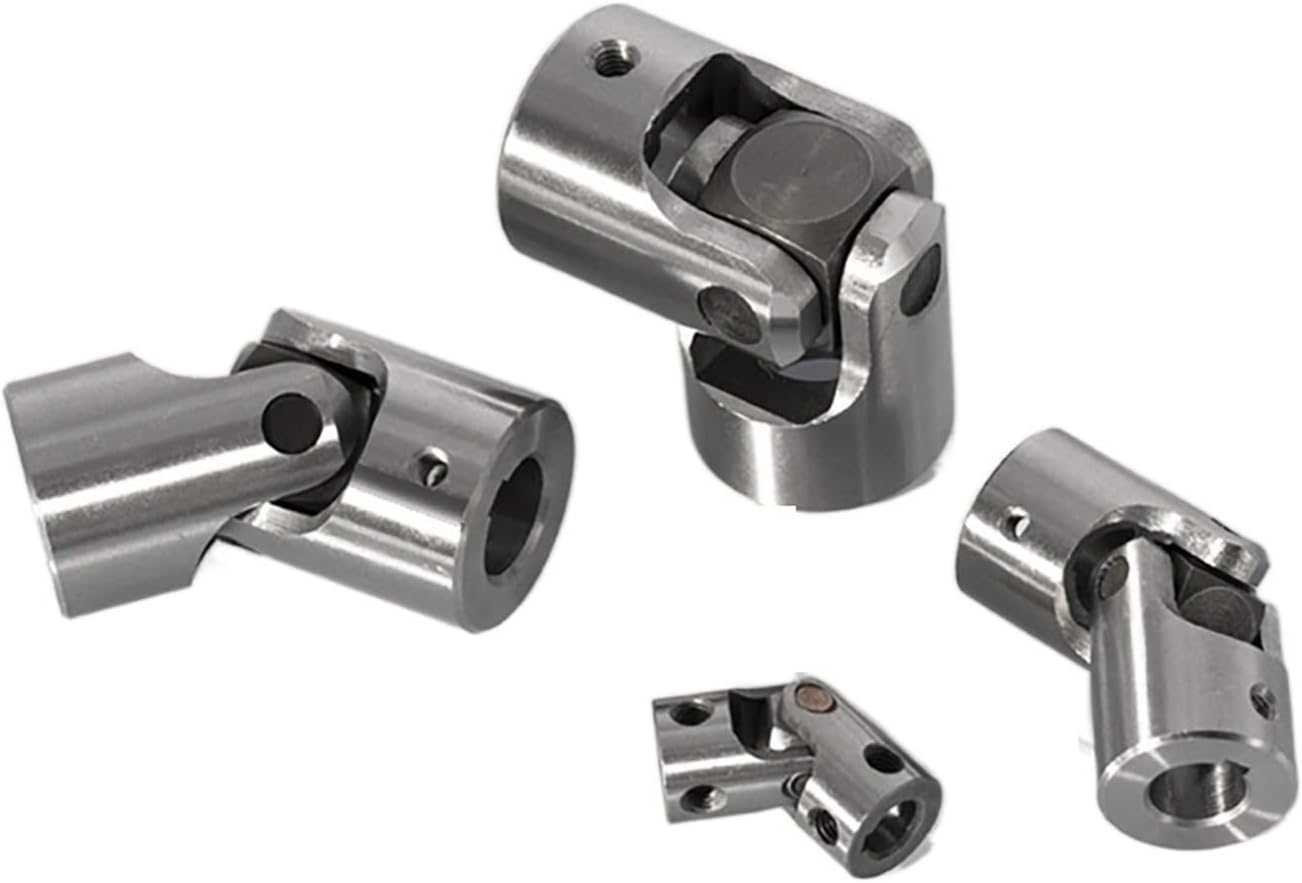
1. Enhanced Flexibility:
A double Cardan joint offers increased flexibility in torque transmission, allowing for smoother operation in complex machinery setups.
2. Reduced Angular Misalignment:
By incorporating two universal joints, a double Cardan joint minimizes angular misalignments between shafts, improving overall performance.
3. Improved Torque Transmission:
With its unique design, a double Cardan joint can handle higher torque loads compared to single Cardan joints, making it suitable for heavy-duty applications.
4. Vibration Dampening:
Double Cardan joints help reduce vibrations and noise in machinery, enhancing user comfort and prolonging the lifespan of equipment.
5. Versatile Applications:
From off-road vehicles to industrial equipment, double Cardan joints are widely used in applications that require reliable and efficient torque transfer.
How to Choose the Appropriate Cardan Coupling
1. Torque Capacity:
Consider the maximum torque requirements of your machinery to ensure the selected cardan coupling can handle the load effectively.
2. Shaft Misalignment:
Assess the angular misalignment between shafts and choose a cardan coupling that can compensate for the required degree of misalignment.
3. Environmental Conditions:
Take into account the operating environment, including temperature, humidity, and exposure to chemicals, to select a cardan coupling with suitable material and coating.
4. Installation Space:
Determine the available space for installation and choose a cardan coupling that fits within the constraints of your machinery setup.
5. Maintenance Requirements:
Consider the maintenance needs of the cardan coupling, such as lubrication intervals and inspection frequency, to ensure long-term reliability and performance.
What is the Difference Between a Disc and a Cardan Coupling?
1. Design:
A disc coupling consists of thin metal discs stacked together, providing flexibility, while a Cardan coupling uses universal joints to transmit torque.
2. Flexibility:
Disc couplings offer higher torsional flexibility, allowing for misalignments in multiple directions, whereas Cardan couplings are better suited for angular misalignments.
3. Torque Transmission:
Cardan couplings are ideal for transmitting high torques at various angles, while disc couplings are more compact and efficient in transferring lower torques.
4. Vibration Dampening:
Disc couplings excel in dampening vibrations and reducing backlash, making them suitable for applications that require precise motion control, while Cardan couplings are better at handling angular misalignments.
5. Applications:
Disc couplings are commonly used in high-speed rotating machinery, while Cardan couplings are preferred for applications with angular misalignments and varying torque loads.
About HZPT
Our company, HZPT, established in 2006, specializes in designing, developing, and producing couplings for various industries, including geological survey equipment. With 16 years of experience, we offer high-quality, customizable products with CE and TUV certificates. Our commitment to customer satisfaction, competitive pricing, and superior product quality has earned us a strong reputation among customers in Europe and the United States. Choose HZPT for reliable couplings and exceptional service.