Introducing Cardan Coupling for Dental Drills
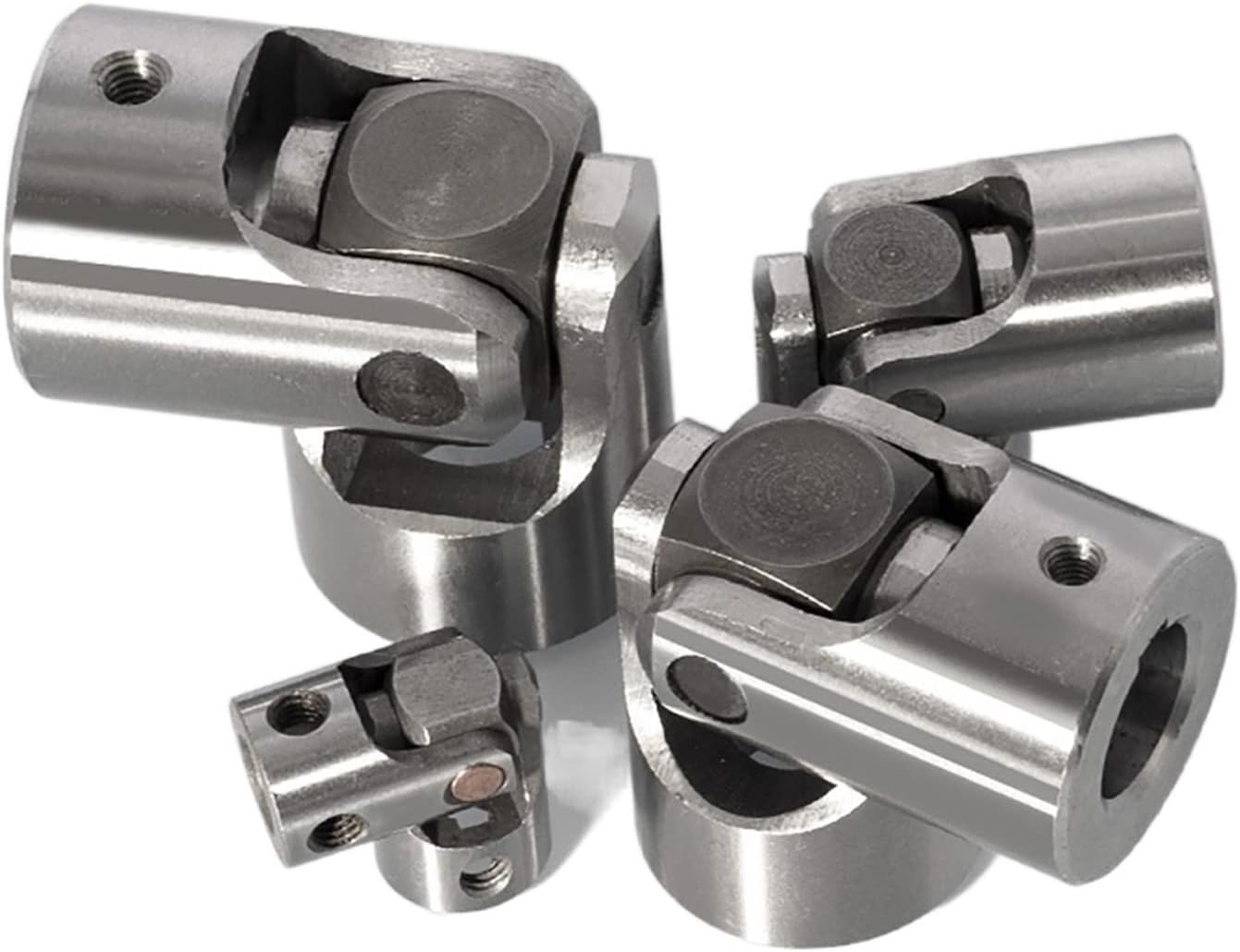
When it comes to choosing the right coupling for dental drills, the Cardan coupling stands out as a reliable and efficient option. Let’s delve into the details of what makes the Cardan coupling ideal for dental drill applications:
1. Flexible Design
The Cardan coupling for dental drills features a flexible design that allows for smooth and efficient power transmission, reducing vibration and ensuring precision during dental procedures.
2. High Durability
Constructed from high-quality materials, the Cardan coupling for dental drills is built to withstand the rigors of daily use in dental practices, ensuring long-lasting performance and reliability.
3. Easy Maintenance
With a simple and straightforward maintenance process, the Cardan coupling for dental drills allows for quick and easy servicing, minimizing downtime and ensuring continuous operation in dental settings.
4. Precise Power Transmission
The Cardan coupling ensures precise power transmission, delivering consistent and reliable performance for dental drills, enabling dentists to work with accuracy and confidence.
5. Noise Reduction
Equipped with noise-reducing features, the Cardan coupling for dental drills helps create a quiet and comfortable working environment for both the dentist and the patient, enhancing the overall dental experience.
6. Compatibility
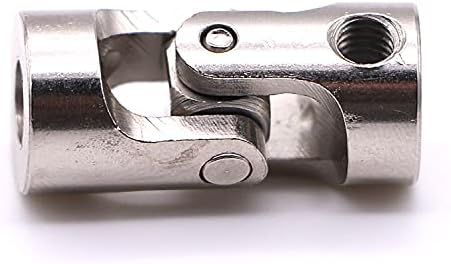
The Cardan coupling for dental drills is designed to be compatible with a wide range of dental drill models, making it a versatile and practical choice for dental professionals looking for a reliable coupling solution.
What is Cardan Shaft Coupling?
When it comes to understanding the Cardan shaft coupling, it’s essential to consider the following aspects:
1. Definition
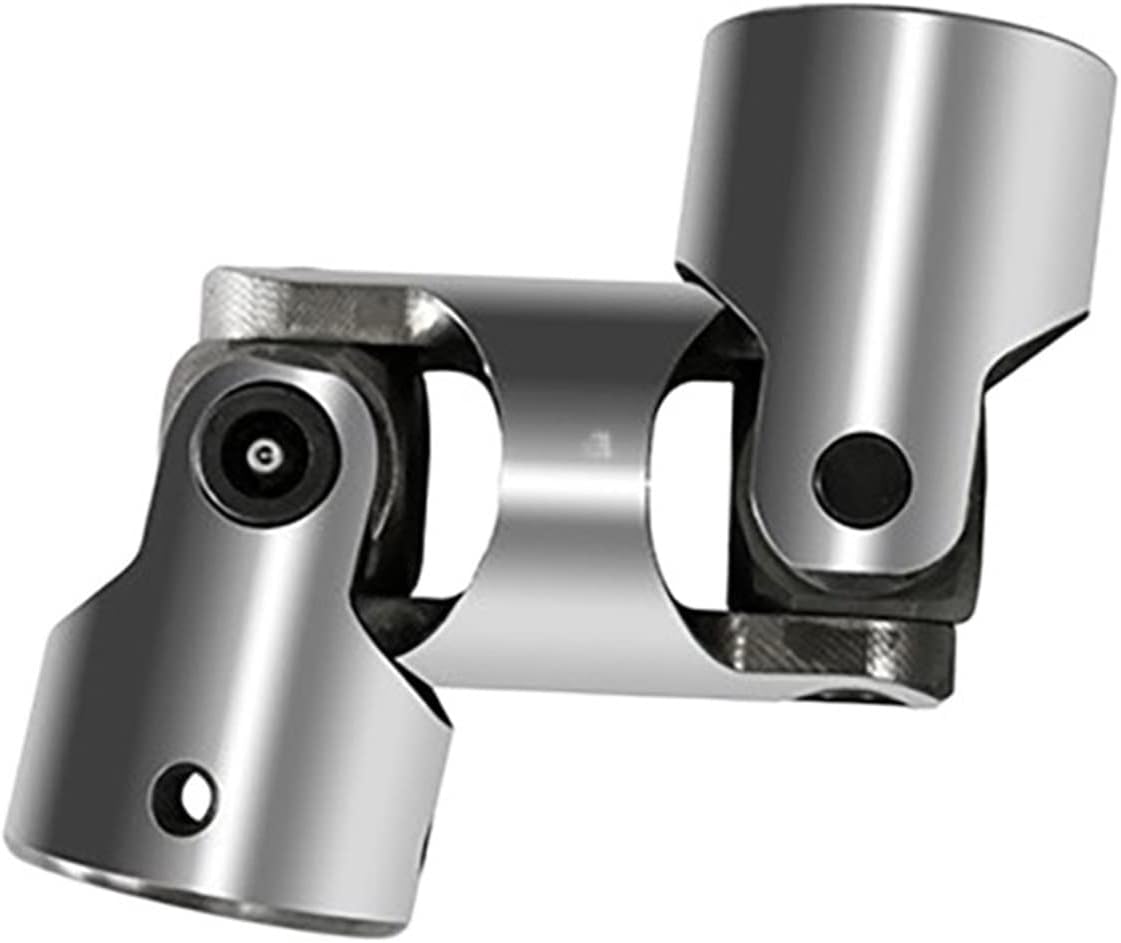
A Cardan shaft coupling, also known as a universal joint, is a mechanical component used to transmit torque between two shafts that are not in a straight line. It consists of a cross-shaped intermediate piece that allows for angular misalignment between the shafts.
2. Function
The primary function of a Cardan shaft coupling is to transmit rotational motion between two misaligned shafts while allowing for angular deflection. This flexibility in movement helps to reduce stress on the connected components and ensures smooth operation.
3. Construction
Cardan shaft couplings typically consist of two yokes connected by a cross-shaped intermediate piece, which contains needle bearings to facilitate smooth rotation. The design allows for angular misalignment and compensates for any offset between the shafts.
4. Applications
Cardan shaft couplings are commonly used in various industries, including automotive, aerospace, and industrial machinery, where the transmission of torque between misaligned shafts is required. They are also widely used in agricultural equipment and construction machinery.
5. Benefits
The key benefits of using a Cardan shaft coupling include its ability to transmit torque efficiently between misaligned shafts, reduce vibration and noise, and improve the overall performance and longevity of the connected components.
What is the Purpose of a Cardan Shaft?
Understanding the purpose of a Cardan shaft involves considering the following aspects:
1. Torque Transmission
A primary purpose of a Cardan shaft is to transmit torque between two shafts that are not in line with each other, allowing for angular misalignment while maintaining efficient power transmission.
2. Flexibility
The flexibility of a Cardan shaft allows for angular deflection and compensates for misalignment between the connected components, reducing stress and wear on the shafts and improving overall performance.
3. Vibration Dampening
By absorbing and dampening vibration during operation, a Cardan shaft helps minimize noise and ensure smooth and stable performance, particularly in applications where precision is essential, such as dental drills.
4. Maintenance of Constant Speed
With its ability to maintain constant speed and transmit torque smoothly between misaligned shafts, a Cardan shaft ensures consistent and reliable operation of the connected components, enhancing overall efficiency.
5. Versatility
Due to its versatile design and compatibility with a wide range of applications, a Cardan shaft serves as a practical and efficient solution for transmitting power and motion between non-aligned shafts in various industries.
What is the Purpose of a Double Cardan Joint?
When it comes to understanding the purpose of a double Cardan joint, it’s essential to consider the following aspects:
1. Improved Angular Deflection
A double Cardan joint offers enhanced angular deflection capabilities compared to a single Cardan joint, allowing for greater flexibility in transmitting torque between misaligned shafts.
2. Reduced Vibration
By incorporating two Cardan joints, a double Cardan joint helps reduce vibration and noise during operation, ensuring smooth and stable performance, particularly in applications where precision and accuracy are crucial.
3. Enhanced Durability
The double Cardan joint design distributes the load more evenly across the components, reducing wear and tear and extending the lifespan of the joint, making it a reliable and long-lasting solution for power transmission.
4. Increased Power Transmission
With its improved torque transmission capabilities, a double Cardan joint can handle higher loads and power requirements, making it suitable for demanding applications that require efficient and reliable power transfer.
5. Versatility
Due to its versatility and compatibility with a wide range of industrial applications, a double Cardan joint serves as a practical and efficient solution for transmitting power and motion between misaligned shafts, ensuring consistent and reliable performance.
How to Choose the Appropriate Cardan Coupling
Choosing the right cardan coupling for your specific application requires careful consideration of the following key points:
1. Load Capacity
Consider the maximum torque and load requirements of your application to ensure that the selected cardan coupling can handle the intended workload effectively and safely.
2. Misalignment Tolerance
Determine the degree of angular misalignment between the shafts in your system and choose a cardan coupling that can accommodate this misalignment while maintaining efficient power transmission.
3. Operating Speed
Take into account the operating speed of your machinery and select a cardan coupling that can maintain constant speed and transmit torque smoothly at the desired RPM range.
4. Environmental Conditions
Consider the environmental factors, such as temperature, humidity, and exposure to chemicals or contaminants, to choose a cardan coupling that can withstand the specific conditions of your application without compromising performance.
5. Installation and Maintenance
Ensure that the selected cardan coupling is easy to install and maintain, with accessible lubrication points and a straightforward servicing process to minimize downtime and ensure continuous operation.
What is the Difference Between a Disc and a Cardan Coupling?
When comparing a disc coupling and a Cardan coupling, several key differences set them apart:
1. Flexibility
A disc coupling offers limited angular misalignment capabilities compared to a Cardan coupling, which provides greater flexibility in compensating for misalignment between shafts.
2. Torque Transmission
A disc coupling transmits torque efficiently but may be more prone to misalignment issues, while a Cardan coupling can handle greater angular deflection and maintain reliable power transmission.
3. Vibration Dampening
While both couplings help dampen vibration during operation, a Cardan coupling typically offers superior noise reduction and smoother performance, particularly in precision applications like dental drills.
4. Maintenance Requirements
Disc couplings may require more frequent maintenance due to their design complexity, while Cardan couplings are often easier to service and maintain, reducing downtime and ensuring continuous operation.
5. Application Suitability
Disc couplings are suitable for applications with moderate misalignment requirements, while Cardan couplings are preferred for applications that demand higher flexibility and precision in power transmission between non-aligned shafts.
About HZPT
At HZPT, we pride ourselves on being a leading manufacturer and exporter of high-quality couplings, including the Cardan coupling for dental drills. Established in 2006, we have 16 years of experience in design, development, and production, with a dedicated R&D team to customize products according to global customer requirements.
Our comprehensive quality inspection system ensures that all our products meet the highest standards, with CE and TUV certificates for added assurance. We are committed to customer satisfaction and offer 24-hour service, OEM and ODM packaging options, and competitive pricing to meet your needs.
Choose HZPT for superior quality, reliability, and performance in couplings, and experience the difference our products can make in your applications. Contact us today to discuss your requirements and discover the benefits of partnering with a trusted industry leader.