
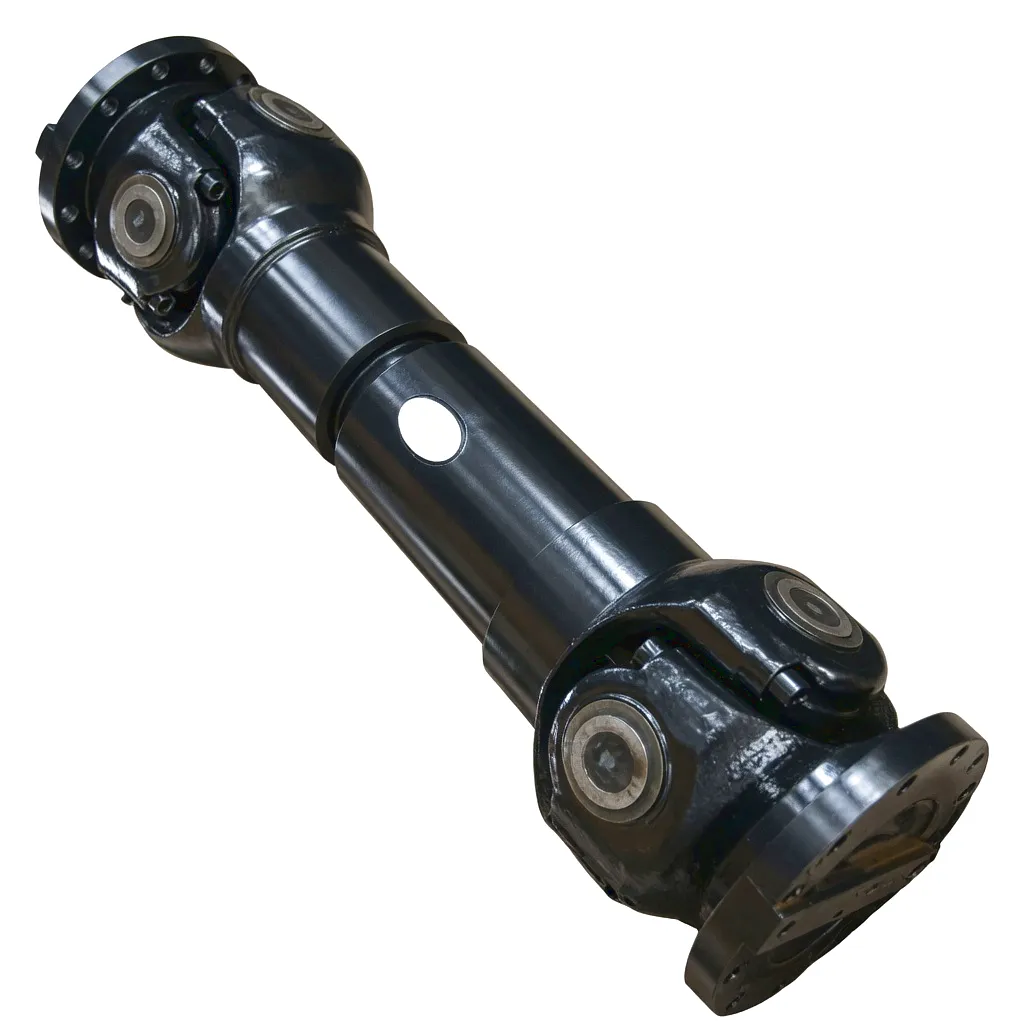
 Walk through any high-output beverage filling hall in the UK — whether it’s a craft ale producer in Yorkshire, a carbonated soft drinks plant in the Midlands, or a dairy bottling facility in Scotland — and you’ll find one mechanical challenge that never goes away: how do you transmit rotary motion through misaligned shafts inside a rotary distributor valve without contaminating the product, without generating excessive heat, and without stopping the line every few weeks for maintenance? The answer, more often than not, comes down to the right cardan coupling.
A rotary distributor valve — sometimes called a rotary filling valve or indexing turret drive — sits at the heart of every carousel-type filling machine. It receives liquid from a fixed feed pipe, routes it through a spinning distributor head, and delivers exact volumes into containers moving at up to 60,000 bottles per hour. The drive shaft powering that spinning head rarely runs in perfect axial alignment with the gearbox output. Thermal expansion, frame deflection under load, and the deliberate angular offset built into many compact machine designs all create a misalignment problem that rigid couplings simply cannot absorb. That is where a properly specified cardan coupling — also known as a universal joint or U-joint coupling — earns its place on the production line.
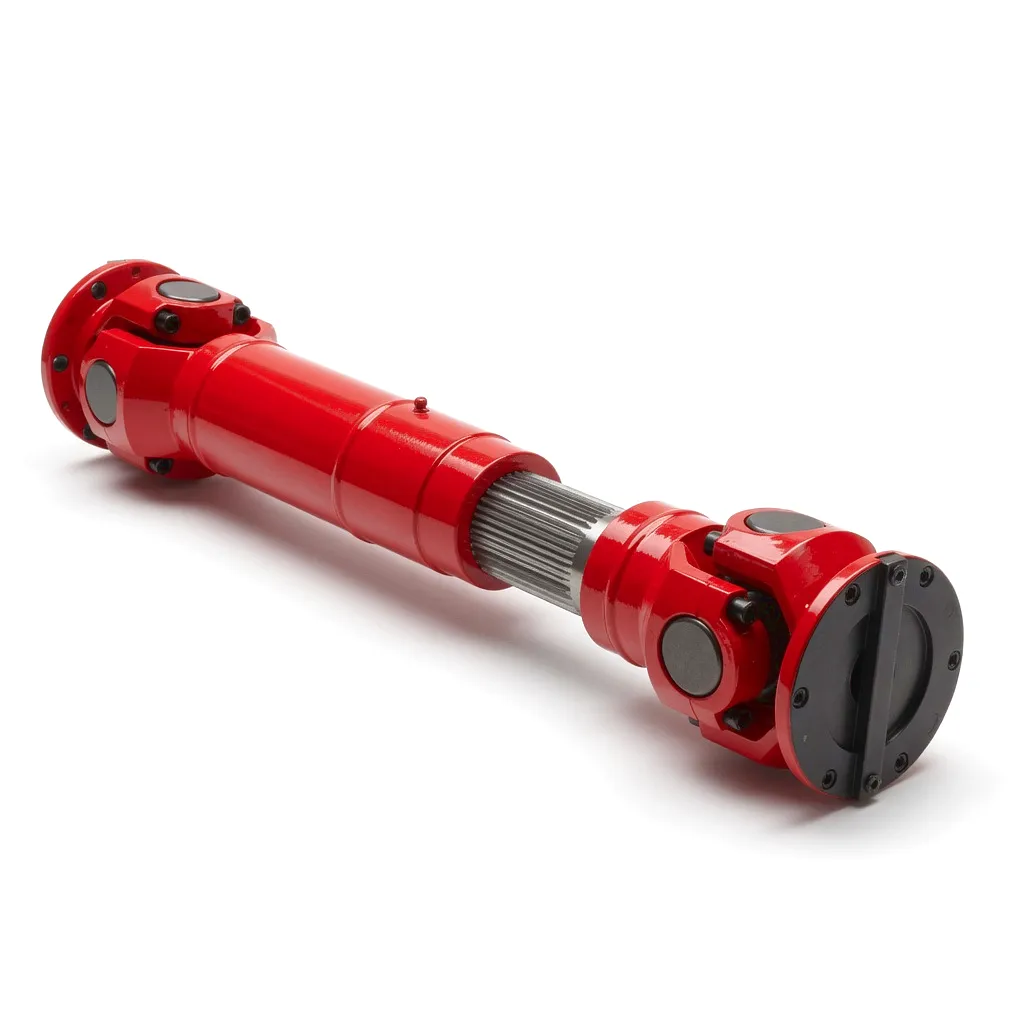
Need a hygienic cardan coupling for your filling line?
Ever Power supplies custom-engineered universal joints with full dimensional drawings, material certificates, and hygienic surface treatment — ready for UK and EU food-grade compliance.
Why Rotary Distributor Valves Are Mechanically Punishing
Constant Angular Misalignment
Filling machine frames flex as container weight changes during a run. The rotary valve’s central shaft can drift 0.5° to 3° from the gearbox centreline. Without a cardan coupling to absorb this, rigid connections generate bending moments that destroy seals and bearings within weeks, causing unplanned downtime at the worst possible moment in a production schedule.
Temperature Cycling
CIP (clean-in-place) cycles expose the coupling to 85–90 °C wash water, then the system returns to ambient temperature for cold-fill products like chilled juices or beer. Thermal expansion differences between the stainless drive shaft and the gearbox housing can add another 0.2–0.8 mm of axial displacement. A well-designed double-jointed cardan coupling handles all of this without complaint.
Hygienic Zone Proximity
The coupling operates immediately below or adjacent to the filling valve bowl. Any lubricant escape, corrosion particles, or bacteria harbouring in crevices puts the product — and the manufacturer’s BRC or SALSA certification — at immediate risk. This is why hygienic-grade cardan couplings must use food-safe grease or be completely dry-running, with smooth-bore surfaces and full stainless-steel construction that passes EHEDG guidelines.
High-Cycle Fatigue
A modern rotary filling machine running at 36,000 bottles per hour is cycling its indexing drive continuously. The cardan coupling yoke crosses and re-crosses its articulation angle 60–100 times per minute, every minute, for 16–20 production hours per day. Over a year, that adds up to hundreds of millions of stress cycles. Only precision-forged yokes with hardened needle-bearing journals can survive this duty — cheap cast copies fail catastrophically, often damaging expensive filling heads in the process.
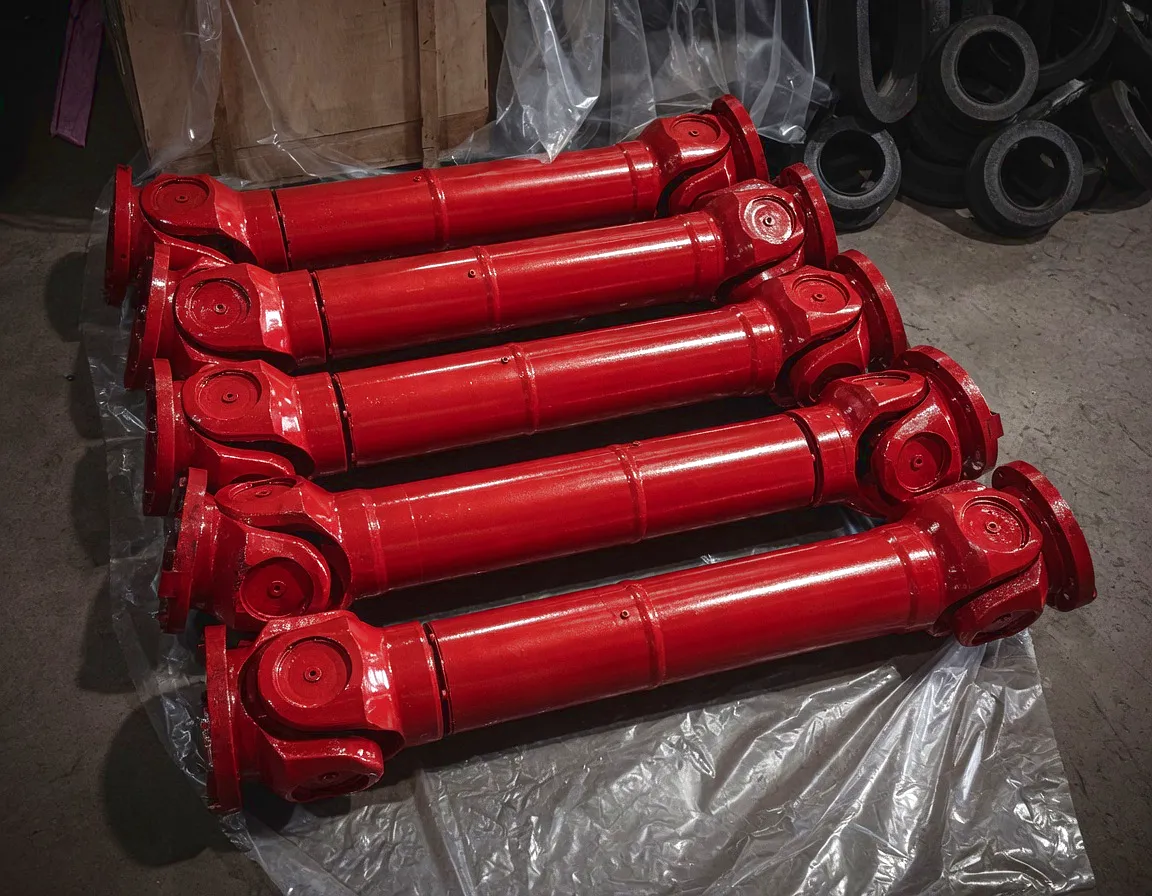
How a Cardan Coupling Works Inside a Filling Valve Drive
At its core, a cardan coupling consists of two yokes connected by a cross-shaped trunnion block equipped with needle or plain bearings at each of the four trunnion journals. When the input yoke rotates, it drives the cross, which in turn drives the output yoke — even when the two shafts are not parallel. The articulation angle at each joint typically ranges from 0° to 35°, and a double-jointed (double cardan) arrangement can deliver a constant-velocity output up to combined angles of 50° or more, depending on geometry.
In a filling machine rotary distributor, the input shaft runs from the machine’s central gearbox and the output connects directly to the valve bowl’s central spindle. Because the gearbox is fixed to the base frame and the filling bowl sits above on a height-adjustable column — which changes position when switching between 330 ml cans and 750 ml bottles — the shaft angle changes with every format changeover. A cardan coupling handles that changeover without any realignment procedure, cutting changeover time from 45 minutes to under 10 minutes on well-engineered lines.
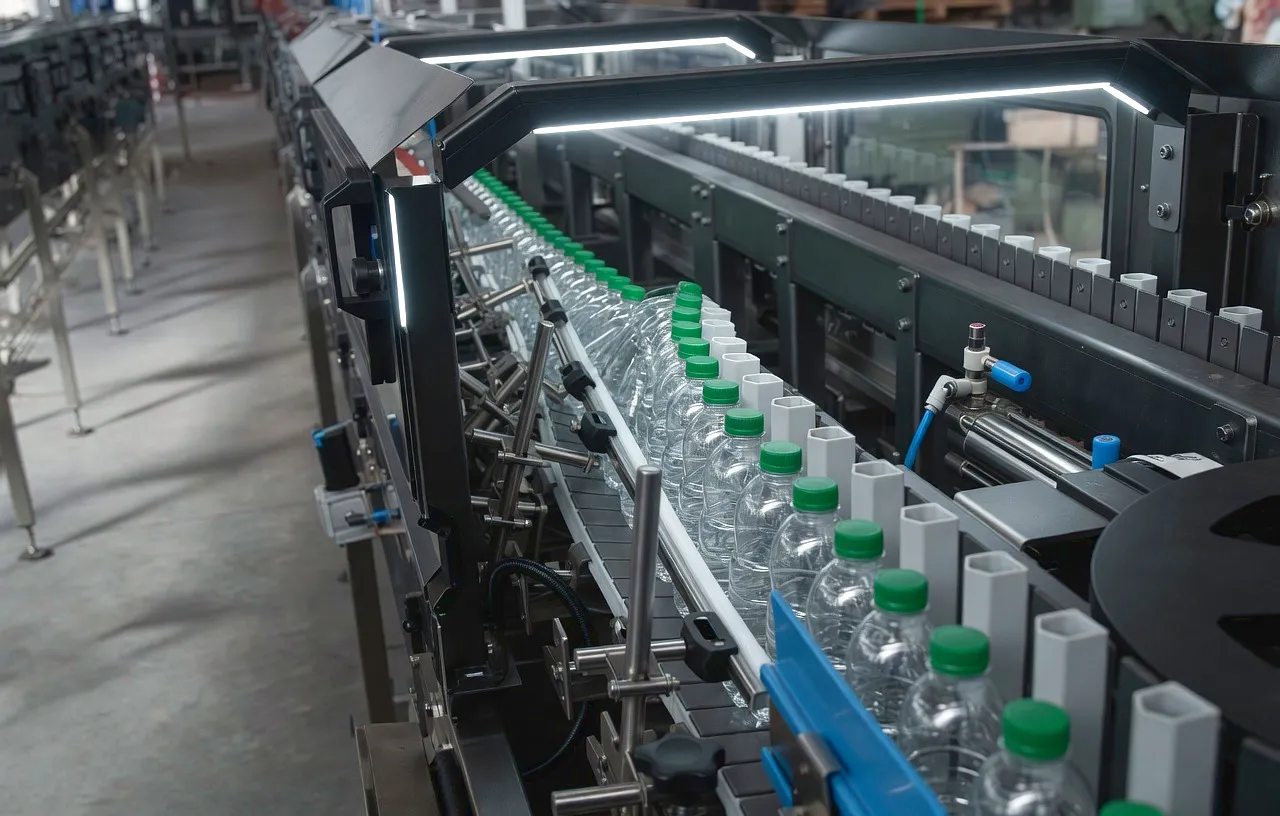
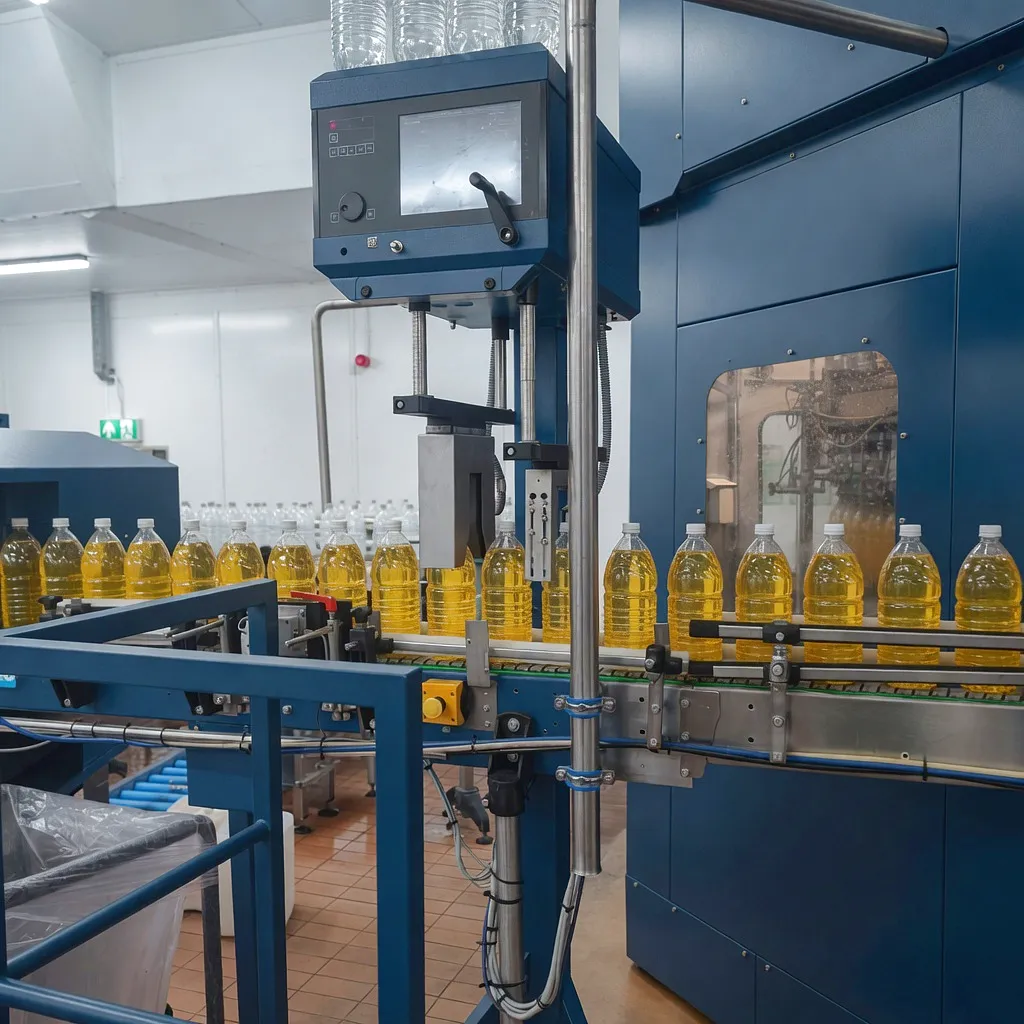
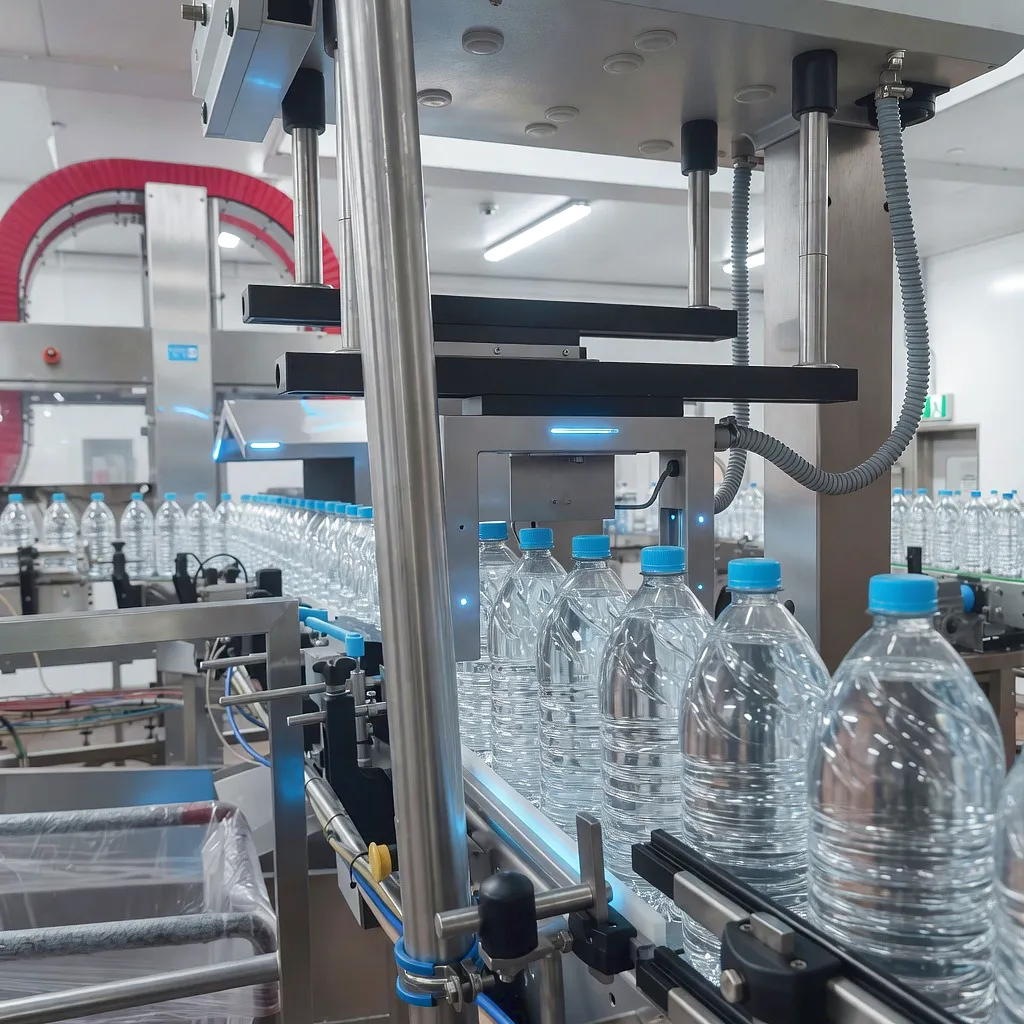
Real-World Application Environments
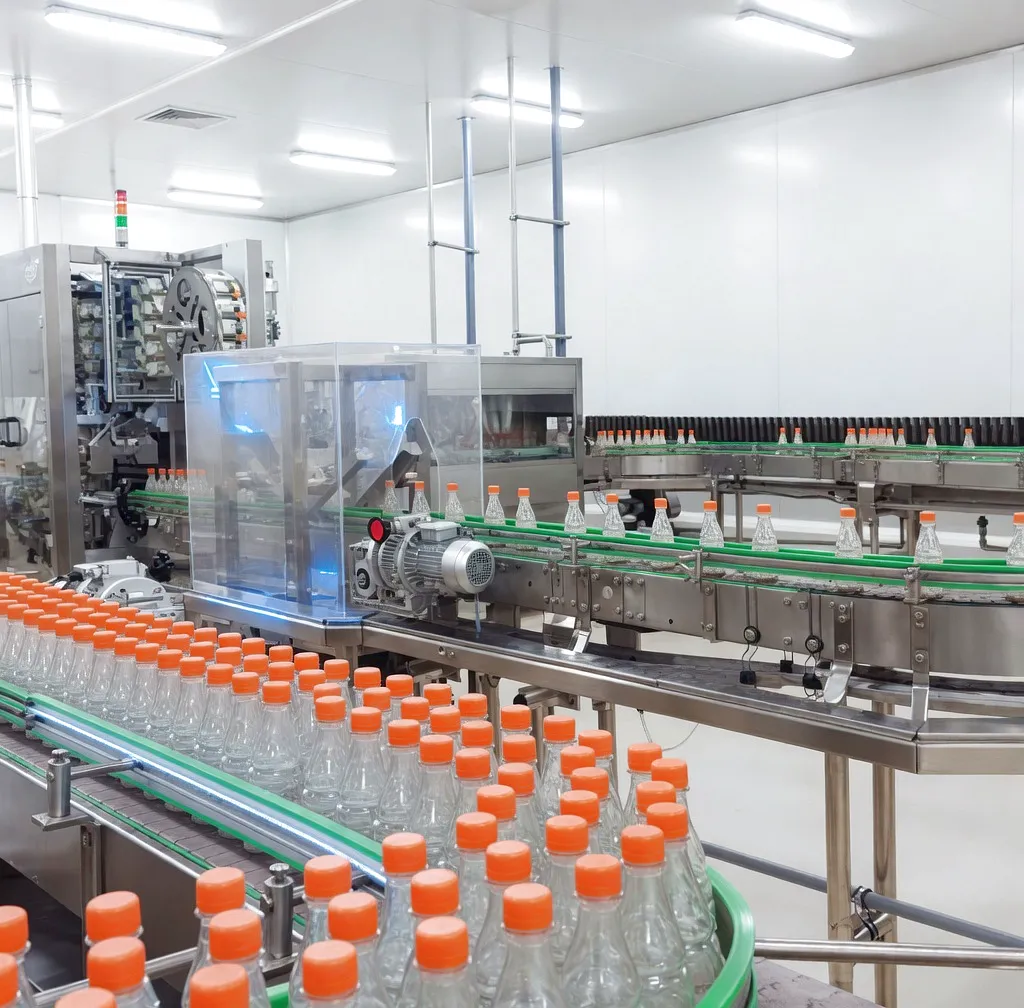
Materials and Construction: What Separates a Hygienic Cardan Coupling
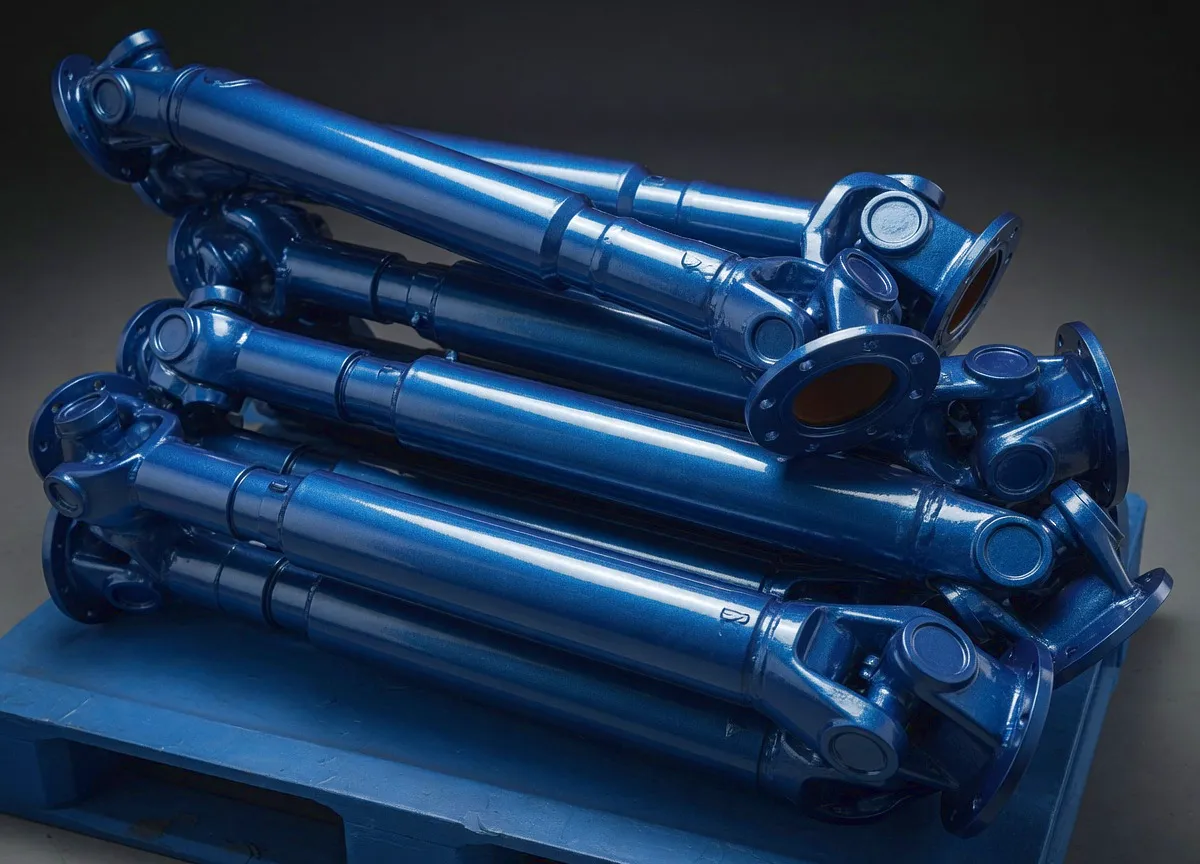
The construction of a cardan coupling destined for food and beverage service differs significantly from a standard industrial universal joint. Spending 18 years specifying these components across UK and Continental European filling lines has taught me that the difference between a trouble-free component and a persistent headache almost always traces back to three factors: the base material, the surface finish, and the bearing lubrication strategy. Getting all three right simultaneously is harder than it sounds, and many catalogue-standard couplings fail at least one of these criteria.
316L Stainless Steel Body
AISI 316L offers superior chloride resistance compared to 304, essential because CIP chemicals — including hypochlorite-based sanitisers used in most UK beverage factories — attack 304 stainless over time. The “L” (low carbon) grade prevents carbide precipitation at welds, which is a common initiation point for crevice corrosion in food processing environments.
Ra ≤ 0.8 µm Surface Finish
EHEDG and 3-A Sanitary Standards both require product-contact surfaces to achieve Ra ≤ 0.8 µm (equivalent to a 32 µin finish). For non-product-contact surfaces in the splash zone — like the exterior of the coupling yokes — Ra ≤ 1.6 µm is generally accepted. Electropolishing after mechanical finishing not only achieves these values but also removes surface inclusions that act as corrosion initiation sites.
NSF H1 Lubricant or Dry Running
Needle-bearing-equipped versions use grease approved to NSF H1 (incidental food contact). Some designs for ultra-hygienic zones use PEEK or UHMW-PE plain bushings that run dry — completely eliminating lubricant escape risk. The choice between the two depends on operating torque, speed, and temperature; Ever Power’s application engineers assess all three parameters before making a recommendation.
Crevice-Free Geometry
Traditional industrial cardan couplings have retention caps, circlips, and snap rings that create dirt traps impossible to clean by CIP alone. Hygienic designs replace these with continuous-bore trunnion blocks, sealed end faces, and smooth external profiles. Where bolted connections are necessary, recessed socket-head cap screws with washers flush to the surface maintain cleanability without sacrificing structural integrity.
Engineering Insight
“The single most common cause of premature cardan coupling failure on filling lines isn’t the torque loading — it’s inadequate surface finish on the trunnion bearing seats. When the finish is too rough, abrasive wear begins within weeks, and the resulting metallic particles are a direct contamination risk. We’ve seen lines lose their allergen-control accreditation because of this.”
— Application Engineering Note, Ever Power Cardan Solutions
Technical Performance Parameters
The table below summarises typical performance data for Ever Power’s hygienic cardan coupling series designed for beverage filling machine rotary distributor valves. Custom configurations are available for torque requirements outside these ranges — contact our applications team for a detailed sizing calculation based on your specific filling head inertia and rotational speed.
| Parameter | Compact Series | Standard Series | Heavy Duty Series |
|---|---|---|---|
| Nominal Torque (Nm) | 50 – 250 | 250 – 1,200 | 1,200 – 5,000 |
| Max. Speed (rpm) | 3,000 | 2,000 | 1,200 |
| Max. Articulation Angle | 35° (single joint) | 35° per joint | 25° per joint |
| Body Material | 316L SS | 316L SS | 316L SS / Duplex |
| Surface Finish (Ra) | ≤ 0.8 µm | ≤ 0.8 µm | ≤ 0.8 µm |
| Operating Temperature | -20 °C to +120 °C | -20 °C to +120 °C | -20 °C to +150 °C |
| Lubrication | NSF H1 / Dry | NSF H1 / Dry | NSF H1 |
| CIP Compatibility | Full | Full | Full |
| Bore Range (mm) | 10 – 40 | 30 – 80 | 60 – 160 |
Why Engineers Across UK Beverage Facilities Choose Ever Power
Measurable advantages backed by 18+ years of food-grade drive system design
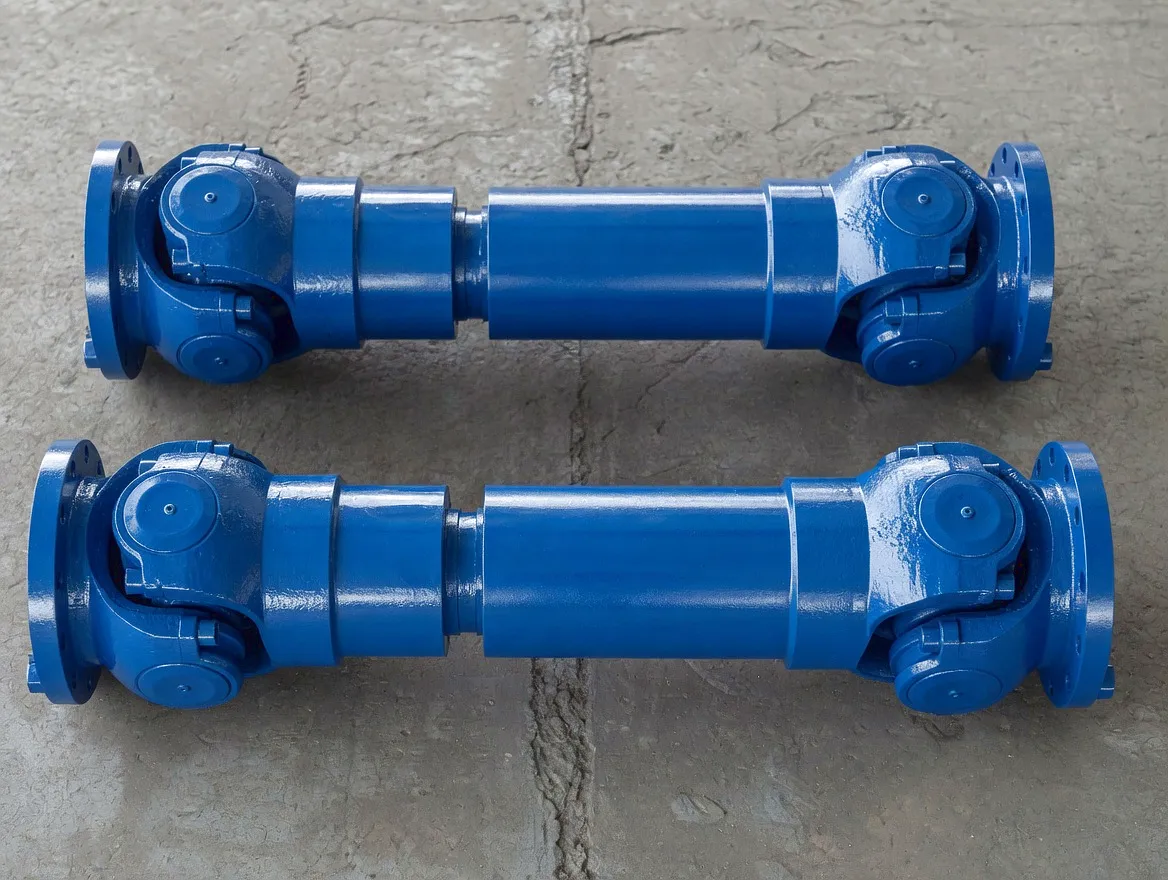
Extended Service Intervals
Precision-ground needle bearings with forged yokes achieve rated L10 bearing life exceeding 20,000 operating hours in the filling valve environment — compared to 3,000–6,000 hours for catalogue-grade alternatives. Fewer bearing changes means fewer planned stoppages and no unscheduled downtime.
Full Dimensional Customisation
Every filling machine has slightly different shaft diameters, keyway dimensions, and flange bolt circles. Ever Power manufactures to customer drawings with tolerances held to h6/H7 fits as standard. We supply full dimensional inspection reports and 3D STEP files for integration into machine simulation models — reducing installation errors to near zero.
Constant-Velocity Output
A double cardan (double-joint) configuration with correctly phased yokes delivers constant angular velocity at the output shaft regardless of the operating angle. This matters enormously in rotary distributor valves, where output velocity variation causes fill-weight scatter. Constant-velocity cardan couplings reduce fill-weight standard deviation by up to 40% compared to single-joint designs at angles above 5°.
Regulatory Compliance Documentation
Ever Power supplies a full compliance pack with every hygienic coupling order: material certificates (EN 10204 3.1), surface roughness measurement reports, NSF H1 lubricant data sheets, and a Declaration of Conformity for Machinery Directive 2006/42/EC. These documents are accepted by all major UK food safety auditors and speed up BRC Global Standard approvals.
Fast UK Delivery
Standard series couplings ship within 7–10 working days from our logistics hub direct to UK addresses. Custom-engineered hygienic versions typically require 4–6 weeks depending on material lead times. We also maintain emergency stock of the most common bore sizes for beverage industry customers who cannot wait for a full manufacturing cycle.
Low Vibration Transmission
Dynamic balance to ISO 1940 G2.5 as standard on all shafts above 100 mm. At filling machine speeds of 100–300 rpm, residual unbalance causes measurable vibration in the valve bowl, leading to fill-weight variation and accelerated seal wear. Balanced cardan coupling assemblies deliver vibration levels below 1.8 mm/s RMS at rated speed — well within the ISO 10816 zone A limit for precision machinery.
Application Scenarios Across the UK Beverage and Liquid Food Sector
While the rotary distributor valve on a linear or carousel filling machine is the primary use case that drives most of our UK beverage industry enquiries, the same hygienic cardan coupling principles apply across a much wider range of liquid food and drink processing machinery. Understanding where else these couplings fit helps plant engineers and OEM designers get more value from a single component specification.
🍺 Brewery Keg Filling Lines
UK craft breweries and national lager producers alike run rotary keg filling carousels where the coupling must handle high misalignment from keg-lifting cylinder deflection. The cardan coupling also isolates vibration from the CO2 purging system, reducing noise levels on the production floor — a benefit valued highly in new-build facilities requiring planning permission near residential areas in cities like Sheffield, Bristol, and Edinburgh.
🥛 Dairy Bottling Plants
Dairy processing runs at lower speeds than carbonated drink lines but demands particularly thorough CIP cycles with alkaline and acidic wash alternation. The coupling must maintain its bearing integrity through hundreds of thermal and chemical shock cycles per year. Many UK dairy processors in counties such as Somerset, Cheshire, and Shropshire have moved to Ever Power dry-running PEEK bushing designs that eliminate grease relubrication entirely from their planned maintenance schedules.
🧃 Juice and Soft Drinks Lines
Hot-fill juice lines run product temperatures of 85–92 °C to achieve commercial sterility. The cardan coupling sees these temperatures repeatedly as the valve bowl heats and cools. Standard-grade couplings with polymer retaining elements fail rapidly in this environment. Ever Power’s all-metal hot-fill series uses hardened steel bearing cups and stainless snap-ring replacements to maintain dimensional stability at temperature.
💧 Water Bottling and Spring Water
Natural mineral water bottling lines in Wales, the Lake District, and Scottish Highlands process extremely pure water under stringent microbiological controls. Any contamination from coupling lubricant represents an immediate product recall risk. Dry-running cardan couplings with UHMW-PE bushings are the only acceptable choice for these applications, and several UK mineral water brands have adopted them as standard on all new filling machine procurement specifications.
🧂 Sauce and Condiment Filling
High-viscosity products like tomato ketchup, salad dressing, and malt vinegar require higher torque from the filling valve drive because the product itself loads the valve mechanism. Cardan couplings for condiment lines are selected for peak torque 2.5× the nominal running torque to handle start-up inertia and product-slug loading. Our Heavy Duty series is rated specifically for this pattern of torque demand, with hardened yoke bores and oversized trunnion blocks.
🏭 OEM Machine Builder Integration
UK-based filling machine OEMs building lines for export to EU, Middle East, and Asian markets frequently specify Ever Power hygienic cardan couplings as the standard drive component for their rotary valve assemblies. We work directly with OEM design teams in Midlands engineering parks and Scottish manufacturing centres to develop custom yoke-flange interfaces that integrate cleanly with their proprietary gearbox and shaft standards — often replacing two or three catalogue parts with a single purpose-built assembly.
Customer Success Case Study
A representative project from our UK beverage industry portfolio
Eliminating Repeated Filling Head Failures on a 24,000 BPH Carousel Line
Background: A regional craft brewery based in North Yorkshire operated a 24,000 bottles-per-hour keg and bottle filling carousel commissioned in 2019. From early 2021, the engineering team began experiencing recurring failures in the rotary distributor valve drive — specifically, the lower bearing of the valve spindle was failing every 8–12 weeks, causing two to four hours of downtime per failure event. The original coupling was a standard cast-iron industrial universal joint that had been selected by the machine integrator based on torque rating alone, with no consideration of hygienic requirements or dynamic balance.
Root Cause: On-site vibration analysis by Ever Power’s UK regional applications partner revealed that the coupling was generating 4.7 mm/s RMS vibration at the valve bowl — more than 2.5× the acceptable limit. The cast-iron yoke’s weight asymmetry created a residual unbalance of over 100 g·mm, and the catalogue needle bearings had no seal against CIP water ingress. Every CIP cycle was washing the grease out and accelerating bearing wear. The spindle bearing was being destroyed by coupling vibration, not by the filling duty itself.
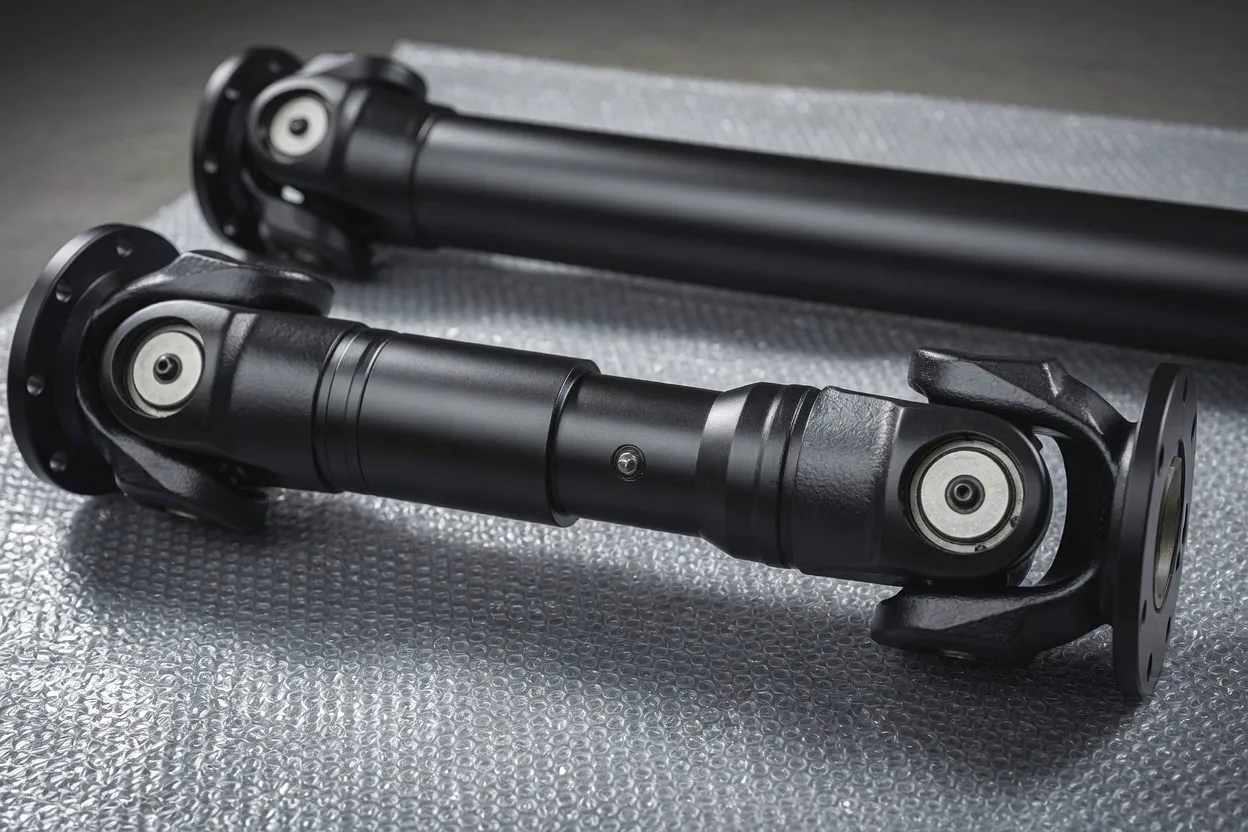
Solution & Outcome: Ever Power supplied a double-jointed hygienic cardan coupling in 316L stainless, balanced to G2.5, with sealed NSF H1-lubricated needle bearings and a bespoke 38 mm hexagonal bore to match the existing spindle profile. After installation in April 2022, vibration dropped to 1.3 mm/s RMS. The valve spindle bearing is now inspected every 26 weeks and shows no measurable wear at 24 months. Unplanned downtime on this line fell by 94% in the 18 months following the retrofit, equating to approximately £80,000 in recovered production value for the brewery.
Results at a Glance
What Our Customers Say
We had been fighting coupling-related spindle bearing failures on our Krones filler for nearly three years. The Ever Power replacement went in during a scheduled shutdown and we have not touched the drive since. The documentation pack they provided passed our BRC audit without a single query from the auditor. Genuinely impressed.
We design filling systems for export to the GCC and Southeast Asia, and our customers’ food safety requirements are extremely demanding. Ever Power’s ability to supply to exact OEM drawings with 3D model files and EN 10204 3.1 certs means we can get new machines through factory acceptance testing without the usual coupling-related complications. The lead times are realistic and the quality is consistent batch to batch.
We run three hot-fill juice lines at our facility in Scotland and had persistent failures with our previous coupling supplier’s product at the high CIP temperatures. Ever Power recommended their all-metal hot-fill series and supplied a test piece before we committed to all three lines. The test coupling ran for six months without issue, so we retrofitted the whole site. That was two years ago and we have had zero drive failures since.
Ready to Specify the Right Cardan Coupling for Your Filling Line?
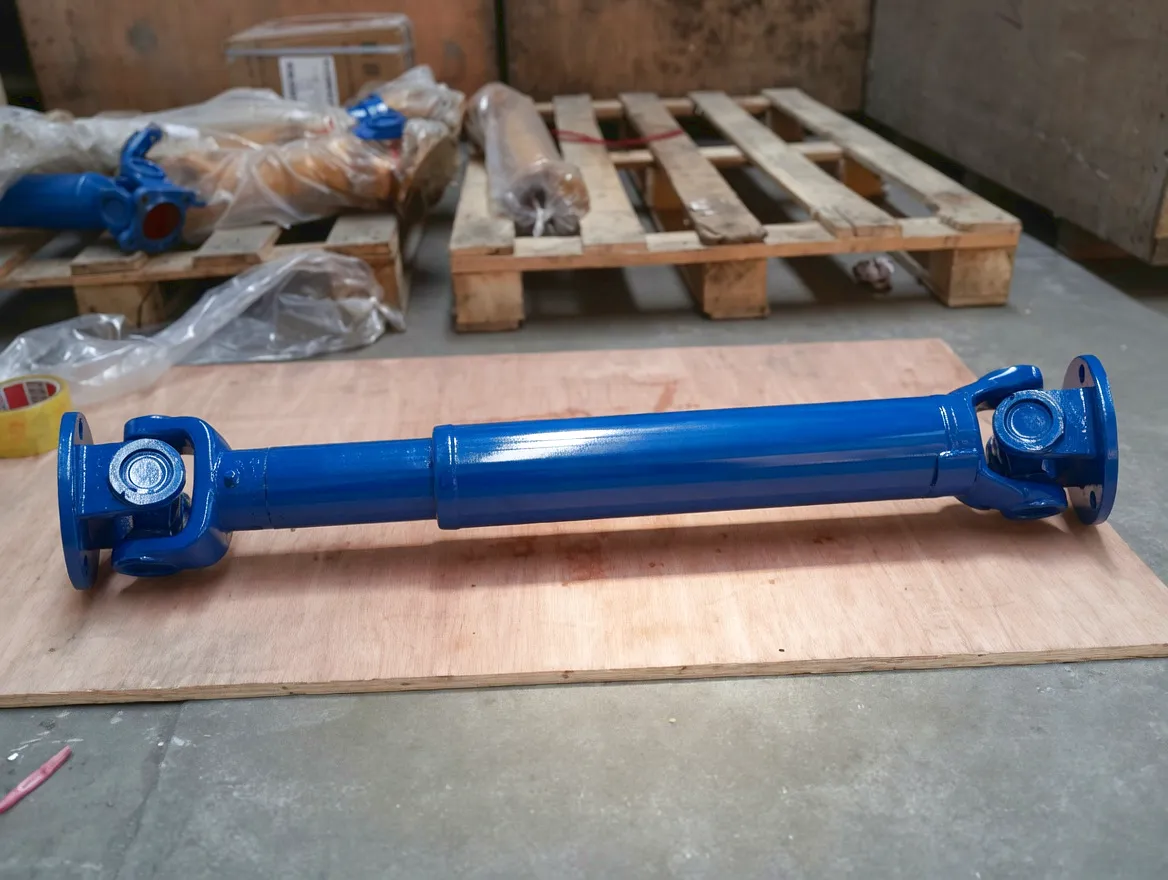
Ever Power’s application engineers work with UK food and beverage manufacturers, OEM filling machine builders, and maintenance engineering teams to specify, design, and supply hygienic cardan couplings that outlast the competition. Whether you need a direct replacement for a failing coupling or are designing a new line from scratch, we offer full customisation — from bore dimensions and keyway profiles to surface finish level and compliance documentation.
Our factory holds ISO 9001:2015 certification and every hygienic-grade coupling is subject to dimensional inspection before shipment, with the report included in your delivery documentation. We welcome visits from UK engineers for factory audits — contact us to arrange a visit.
Frequently Asked Questions
Common questions from UK beverage and food industry engineers
Ever Power Cardan Solutions · Supplying UK Food & Beverage Industry
Get a Quote: [email protected]
edit by gzl