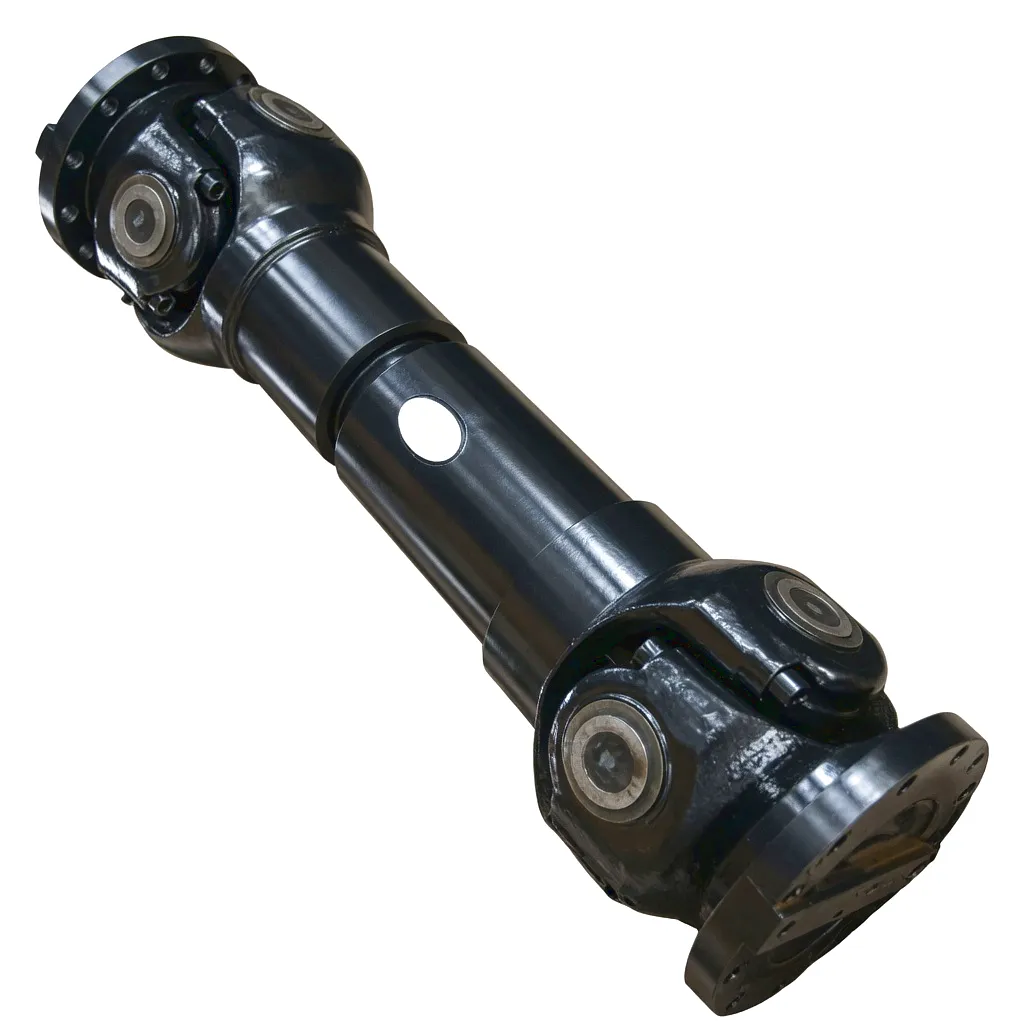
 Walk through any rolling mill in Scunthorpe, step into a drivetrain testing bay in Coventry, or visit an offshore platform lifting assembly in Aberdeen, and you will almost certainly find a cardan coupling carrying torque across a misaligned or oscillating shaft pair. The universal joint — sometimes called a Hardy Spicer coupling or propshaft cross-joint — has been a cornerstone of heavy industrial power transmission for well over a century. Its cross-spider geometry allows rotary motion to travel through angular offsets that would destroy a rigid flange coupling within minutes. Yet, for all its mechanical elegance, a cardan coupling is only as dependable as the alloys from which it is forged.
Material selection is the single decision with the greatest leverage over service life, maintenance intervals, and total cost of ownership. Choose the wrong grade and you face micro-fatigue cracks in the spider journals within months. Choose wisely — matching the alloy to the torque spectrum, operating temperature, lubrication regime, and corrosion environment — and the same cardan coupling will outlast two or three machinery overhauls. This guide is written for UK plant engineers, procurement managers, and OEM design teams who need a rigorous, practically grounded framework for making that choice. We cover working principles, steel and alloy grades, full performance tables, sector-by-sector application notes, and the customisation process at Ever Power, whose engineering team supplies cardan couplings to heavy industries across the UK and Europe.
Technical Foundation
How a Cardan Coupling Transmits Torque
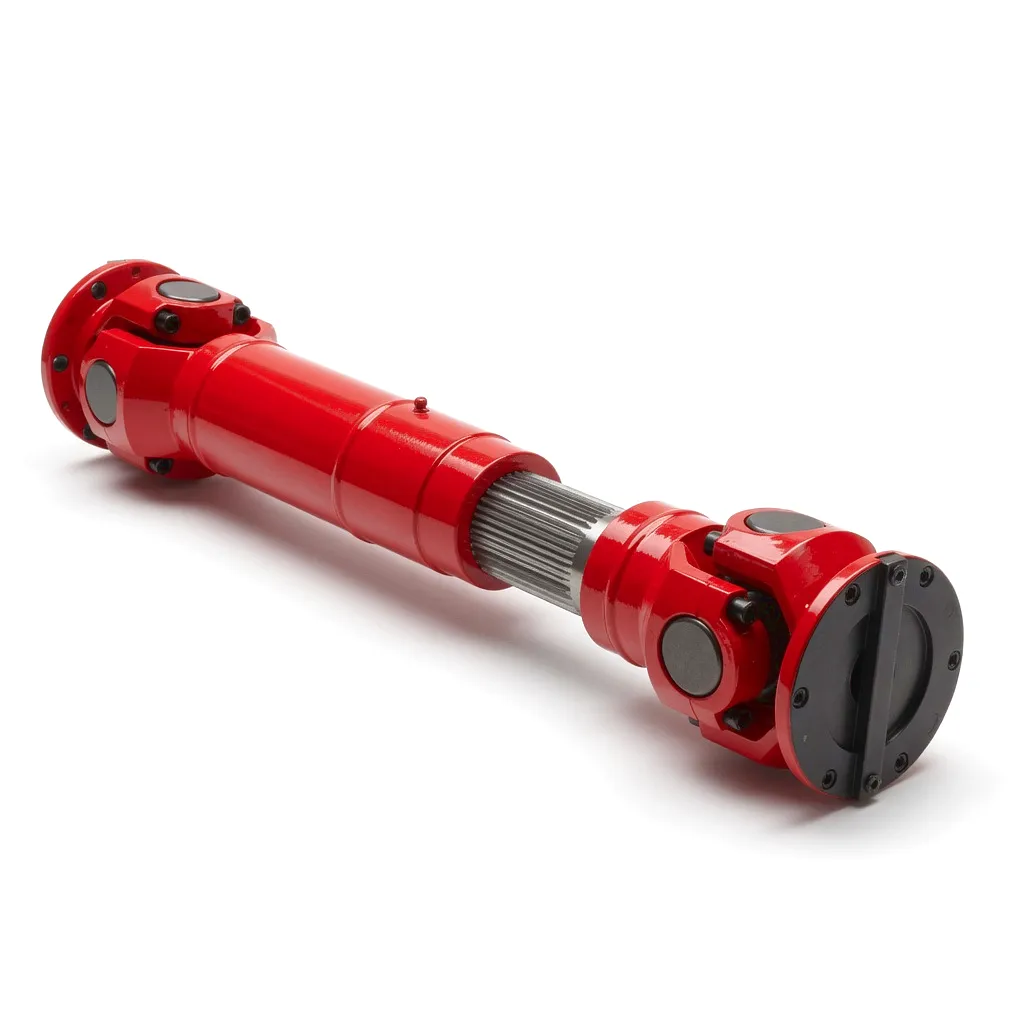
The operating principle of a cardan coupling rests on the Hooke’s joint kinematics first described rigorously by Robert Hooke in the seventeenth century, though the geometry had been employed by Italian engineer Gerolamo Cardano even earlier. Two yokes, each fixed to a shaft, are connected through a cross-piece — commonly called the spider — whose four trunnion pins seat inside needle-roller or plain bearings in each yoke arm. As the driving shaft rotates, it forces the spider to rotate about the axis of the driven yoke at exactly the same angular velocity averaged over a full revolution, but with a periodic velocity variation whose amplitude increases with joint angle. This variation, which appears as an oscillating speed ripple at twice the rotational frequency, is the fundamental kinematic signature of a single-joint Hooke coupling.
In practice, heavy industrial drives arrange two identical cardan couplings in series with a telescoping intermediate shaft, with the yoke phasing tuned so that the velocity error of the first joint is exactly cancelled by the equal and opposite error of the second. The result is a constant-velocity characteristic that allows the drivetrain to accommodate parallel offset, angular misalignment up to ±15° in standard designs, and axial float — all simultaneously, and all without transmitting bending moments into adjacent bearings. It is this capacity for compound misalignment correction, combined with high torque density and field-repairability, that makes the cardan coupling the transmission element of choice across rolling mill main drives, hoisting machinery, marine propulsion systems, and large-scale wind turbine yaw drives.
Core Knowledge
Why the Alloy Grade Changes Everything
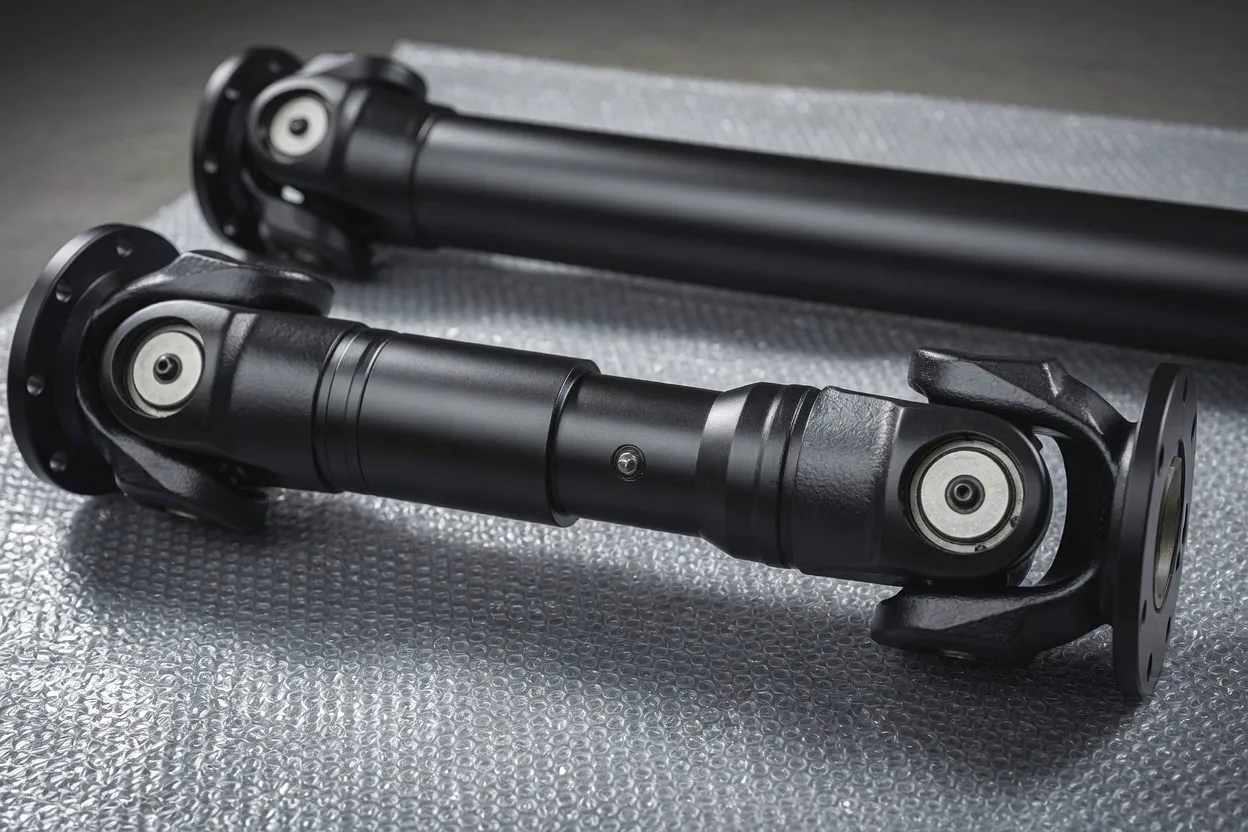 A cardan coupling spider experiences a cyclical bending stress at every trunnion root every time the joint passes through its articulation plane. At 1,500 RPM and a 6° operating angle, each trunnion root sees roughly 25 stress reversals per second. Over a planned 30,000-hour service interval that accumulates to more than 2.7 billion load cycles — firmly within the high-cycle fatigue regime where even a small reduction in yield strength or surface hardness translates into a disproportionate reduction in life. This is why the material conversation is not an academic exercise: it is the primary engineering lever available to the designer. The five material families below represent the main options deployed in UK heavy industry, listed in order of increasing performance and cost.
HRC 28–34 surface
Medium carbon steel is the everyday workhorse of the cardan coupling world. At around 0.45% carbon, it achieves a satisfying balance of machinability, moderate toughness, and sufficient surface hardness after induction or flame hardening to resist the Hertzian contact stresses at trunnion-needle interfaces. In Britain’s light-to-medium industrial sector — packaging lines in Leeds, food processing conveyors across East Yorkshire, aggregate handling plants in the Peak District — C45 spiders are often entirely adequate. The grade machines cleanly, heat-treats predictably, and is commercially available from stockholders throughout the UK, meaning that a replacement spider can be manufactured locally and on short notice. The limitation appears when peak torque spikes exceed 150% of rated load repeatedly: at that point, micro-crack initiation at the trunnion fillet accelerates and service intervals shorten.
HRC 32–40 after H&T
42CrMo4 — the EN 10083-3 designation — is the most widely specified alloy for heavy-duty cardan coupling spiders in the UK market. The addition of roughly 1% chromium and 0.2% molybdenum to the medium carbon base transforms the hardenability profile dramatically: large cross-sections can be through-hardened uniformly, ensuring that fatigue crack initiation does not simply relocate from the surface to the core. Rolling mill main drives at Tata Steel in Port Talbot and Scunthorpe, as well as the large crane drive shafts used in Teesside steel handling facilities, regularly specify 42CrMo4 as the minimum acceptable grade. After quench-and-temper heat treatment to the 900–1,100 MPa band, combined with shot-peening of the trunnion fillets to introduce beneficial compressive residual stresses, a 42CrMo4 spider will comfortably achieve the high-cycle fatigue life required by ISO 10300 and BS 7608 fatigue assessment methodologies.
HRC 58–62 case
Where the application demands both an ultra-hard contact surface and a tough, notch-resistant core — a combination that quench-and-temper alone cannot deliver — 18CrNiMo7-6 (equivalent to the obsolete BS 820M17 designation) is the standard choice for mill-duty cardan coupling components. The material is carburised to a case depth of 0.8–1.5 mm, typically in a sealed atmosphere batch furnace running at 920 °C, then quenched and tempered. The result: a trunnion surface at HRC 58–62 that resists the sub-surface shear stresses induced by needle roller loading, combined with a core tensile strength that prevents the kind of brittle through-fracture that would be catastrophic in a powered roller table or a plate mill drive spindle. Gear manufacturers at Renold’s Stoke-on-Trent plant and cross-shaft suppliers to British offshore wind nacelle assemblers both use this grade when cardan joints must handle the heaviest dynamic torques.
PREN > 33 (2205)
Austenitic 316L offers adequate corrosion resistance for mild marine or food-grade chemical environments, but its relatively low yield strength means it cannot match the torque density of chromoly steels in identical joint envelopes. The real game-changers for the North Sea supply chain and for offshore wind installation vessels operating out of ports like Aberdeen and Humberside are the duplex and super-duplex grades — 2205 and 2507 respectively. With a pitting resistance equivalent number (PREN) exceeding 40 for 2507 super-duplex, these alloys shrug off chloride-induced pitting that would perforate a 316L yoke within a single winter’s operation. Moreover, 2507 achieves yield strengths above 550 MPa without heat treatment, giving designers a cardan coupling that is simultaneously strong, tough, and inherently resistant to stress corrosion cracking — a property that austenitic grades cannot guarantee in high-chloride, high-temperature environments.
Weight-sensitive builds
Spheroidal graphite (SG) iron remains a cost-effective yoke body material in medium-duty applications where casting complexity or volume economics justify it, though its fatigue strength is roughly half that of 42CrMo4 and it demands careful attention to section modulus at the yoke arms. Titanium alloy Ti-6Al-4V has emerged in aerospace test-rig and motorsport applications — including Formula Student teams at UK universities — where the specific strength (strength-to-weight ratio) of steel is simply insufficient. Carbon-fibre reinforced polymer intermediate shafts paired with steel end fittings are growing in adoption for high-speed, large-diameter cardan coupling assemblies in test-stand and marine drive systems where critical shaft speed would be a limiting constraint with an equivalent steel tube. Ever Power evaluates and procures all of these materials for specialist customer programmes.
Process Engineering
Heat Treatment Routes and Surface Enhancement
The as-forged mechanical properties of any cardan coupling alloy are only a starting point. Heat treatment multiplies the value of metallurgical investment by restructuring the grain morphology, dissolving segregation bands, and establishing the hardness profile that will actually interact with the needle rollers and yoke bores in service. For 42CrMo4, the standard production route begins with normalising at 870–900 °C, followed by austenitising at 850 °C, oil quenching, and tempering at a temperature between 550 °C and 650 °C depending on the target strength band. Higher tempering temperatures yield greater toughness and better impact resistance — the preferred choice for shock-loaded mining cardan couplings in Yorkshire and Welsh longwall operations — while lower tempering temperatures preserve higher hardness for abrasion-intensive environments.
Induction hardening of the trunnion journals deserves special mention because it is one of the most cost-effective life-extension strategies available. By selectively heating only the trunnion surface to above the austenitising temperature with an induction coil, then quenching with a water-polymer mixture, a hardened layer of 1.0–2.5 mm depth at HRC 55–62 can be produced without affecting the toughness of the main body. The induced compressive residual stress at the hardened surface layer directly opposes the tensile fatigue stresses generated in service, effectively doubling or tripling the high-cycle fatigue endurance compared to an unhardened component at the same bulk hardness. Shot peening — compressed air projecting 0.3–0.6 mm steel or ceramic shot at the trunnion fillet radii — amplifies this effect further and is routinely specified by Ever Power for cardan coupling spiders destined for rolling mill and heavy crane service.
Specifications
Cardan Coupling Performance & Material Data Table
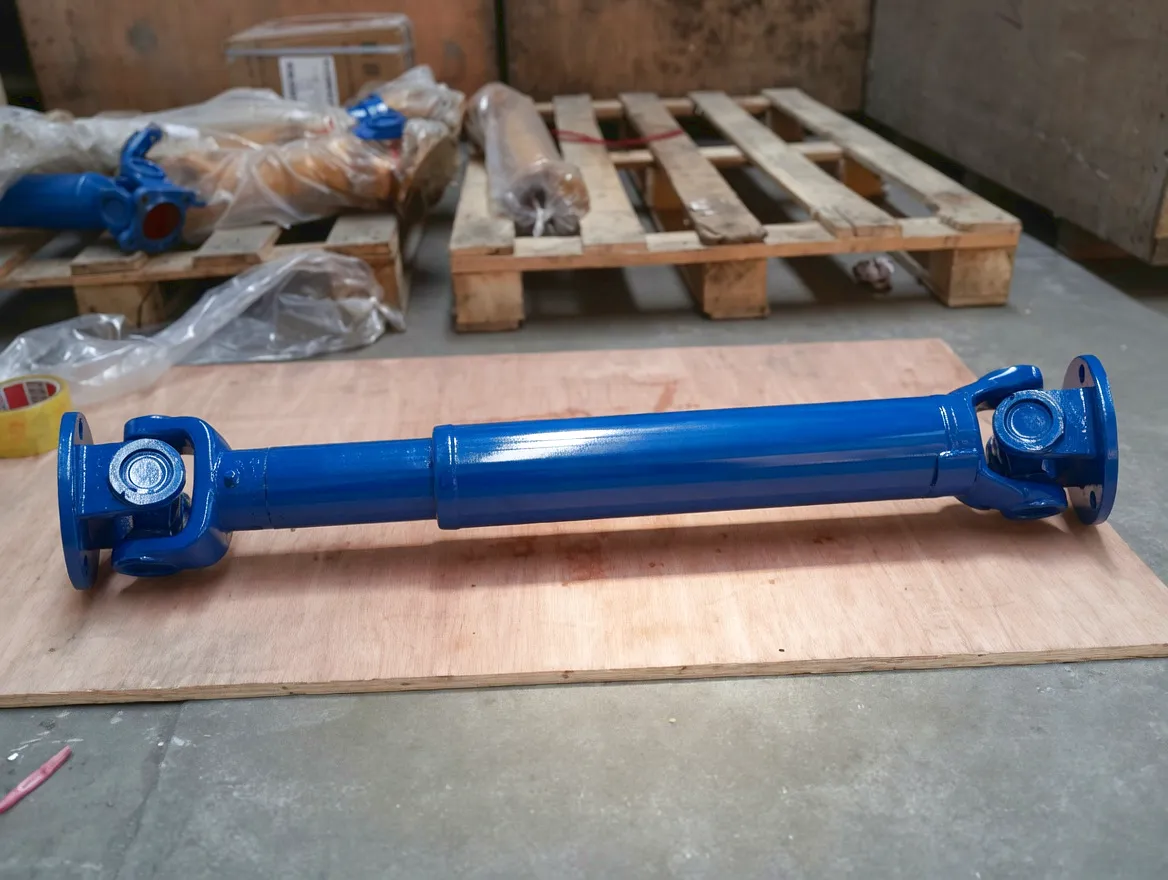
The following table summarises the key material and performance parameters across the five primary cardan coupling alloy grades, correlating UTS, fatigue limit, hardness, temperature range, and typical UK application domains. All fatigue limits cited at 10³ cycles (R = -1) per ISO 1143 rotating bending methodology.
| Grade | UTS (MPa) | Yield Rp0.2 (MPa) | Fatigue Limit (MPa) | Surface HRC | Max. Op. Temp. (°C) | Max. Torque (kN·m, indicative) | Typical UK Application |
|---|---|---|---|---|---|---|---|
| C45 / S45C | 620–850 | 430–580 | 280–360 | 28–34 | 180 | Up to 25 | Packaging, light conveyors, food processing |
| 42CrMo4 / 4140 | 900–1,100 | 750–950 | 430–520 | 32–40 | 250 | 25–400 | Rolling mills, crane drives, mining, Scunthorpe / Teesside |
| 18CrNiMo7-6 | 1,100–1,300 (core) | 850–1,000 | 520–600 | 58–62 (case) | 180 | 400–2,000+ | Heavy plate mills, wind nacelle drives, Stoke-on-Trent gear OEMs |
| 2205 Duplex SS | 620–760 | 450–550 | 280–340 | 28–32 (solution ann.) | 300 | 15–80 | Offshore platforms, marine vessels, Aberdeen supply chain |
| 2507 Super-Duplex | 730–900 | 550–700 | 320–400 | 30–36 | 300 | 10–60 | North Sea subsea handling, Humberside offshore wind O&M |
| SG Iron (GGG50) | 500–700 | 320–420 | 200–260 | 24–28 | 200 | Up to 15 | Agricultural PTO, light pump drives, mid-volume cast yoke bodies |
Value Proposition
Technical Advantages of a Well-Specified Cardan Coupling
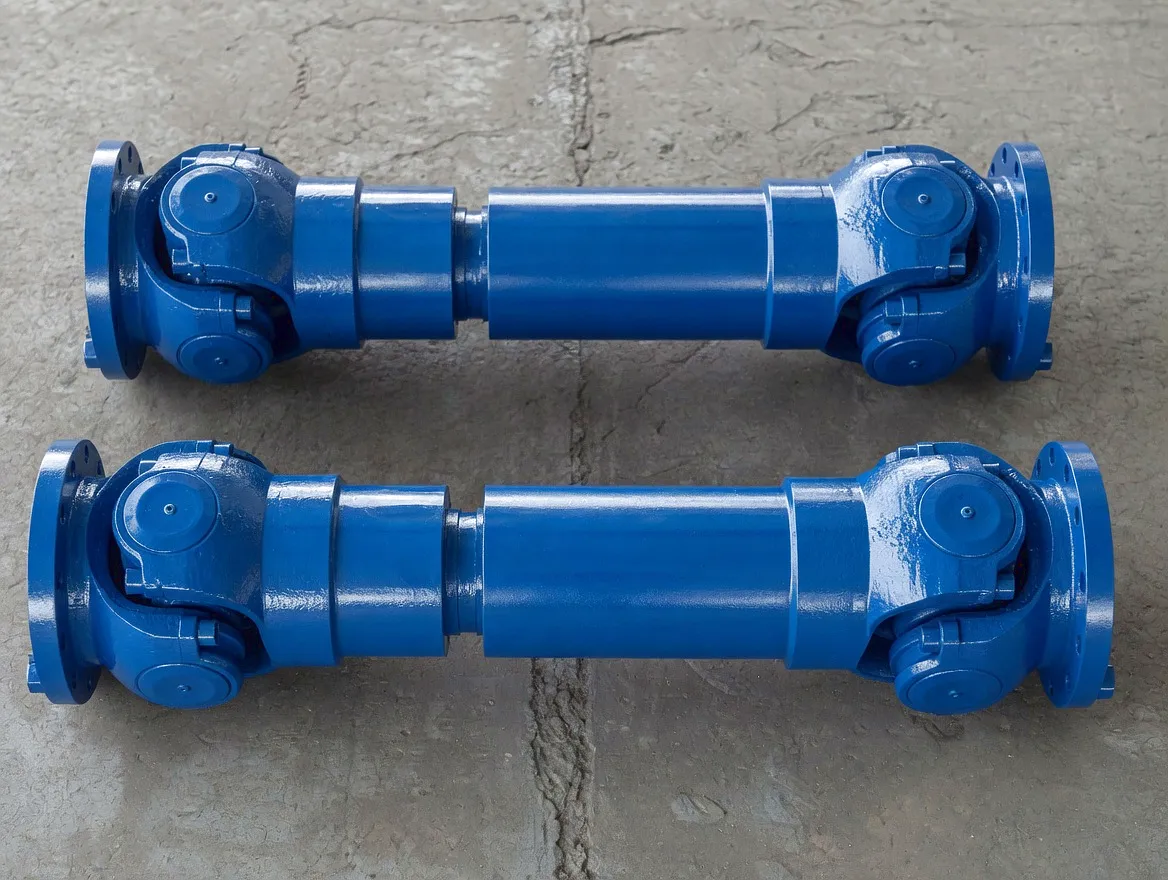
Handles angular, parallel, and axial offset simultaneously — eliminating the need for precision-aligned bases and greatly reducing civil engineering costs at installation sites.
A properly materialised cardan coupling in 18CrNiMo7-6 delivers more torque per unit weight than virtually any flexible element coupling, making it the correct choice for space- and weight-constrained heavy drives.
Spiders and bearing kits can be replaced in-situ without removing shafts from their mounts. At a Sheffield rolling mill, a trained maintenance team can complete a spider swap in under two hours, returning the mill to production quickly.
Depending on lubrication and seal selection, a cardan coupling can operate from -40 °C in cold-store dock handling to above 250 °C in proximity to hot-rolling furnace drives — a range no elastomeric coupling can match.
The needle bearing joints in a well-engineered cardan coupling absorb impulsive torque reversals — a critical property in reversing drives, impact crushers, and emergency braking scenarios where rigid couplings would fracture or fatigue rapidly.
Unlike flexible disc or rubber element couplings that degrade asymptotically and fail unexpectedly, a metallic cardan coupling with a grease analysis monitoring programme gives clear early warning of trunnion wear, enabling planned maintenance scheduling.
UK Sectors
Material-Led Application Selection Across UK Industry
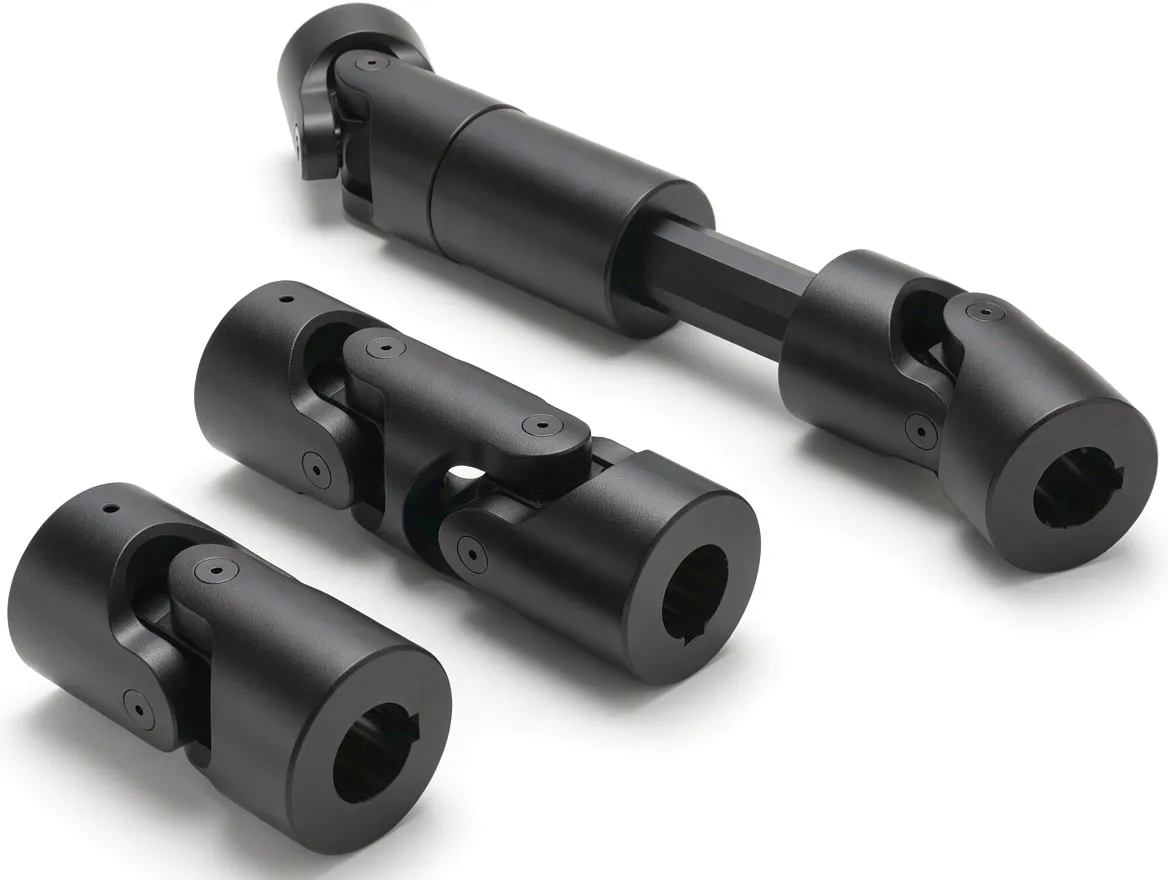
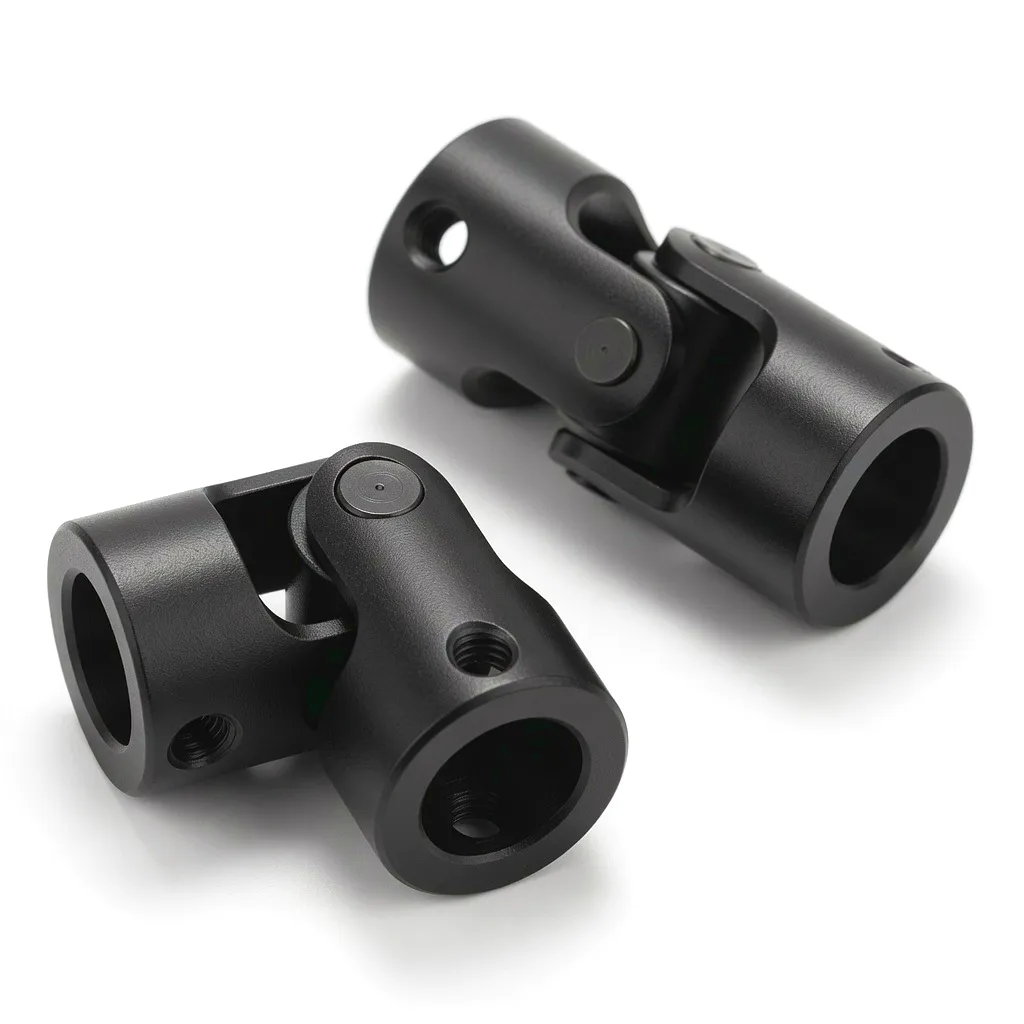
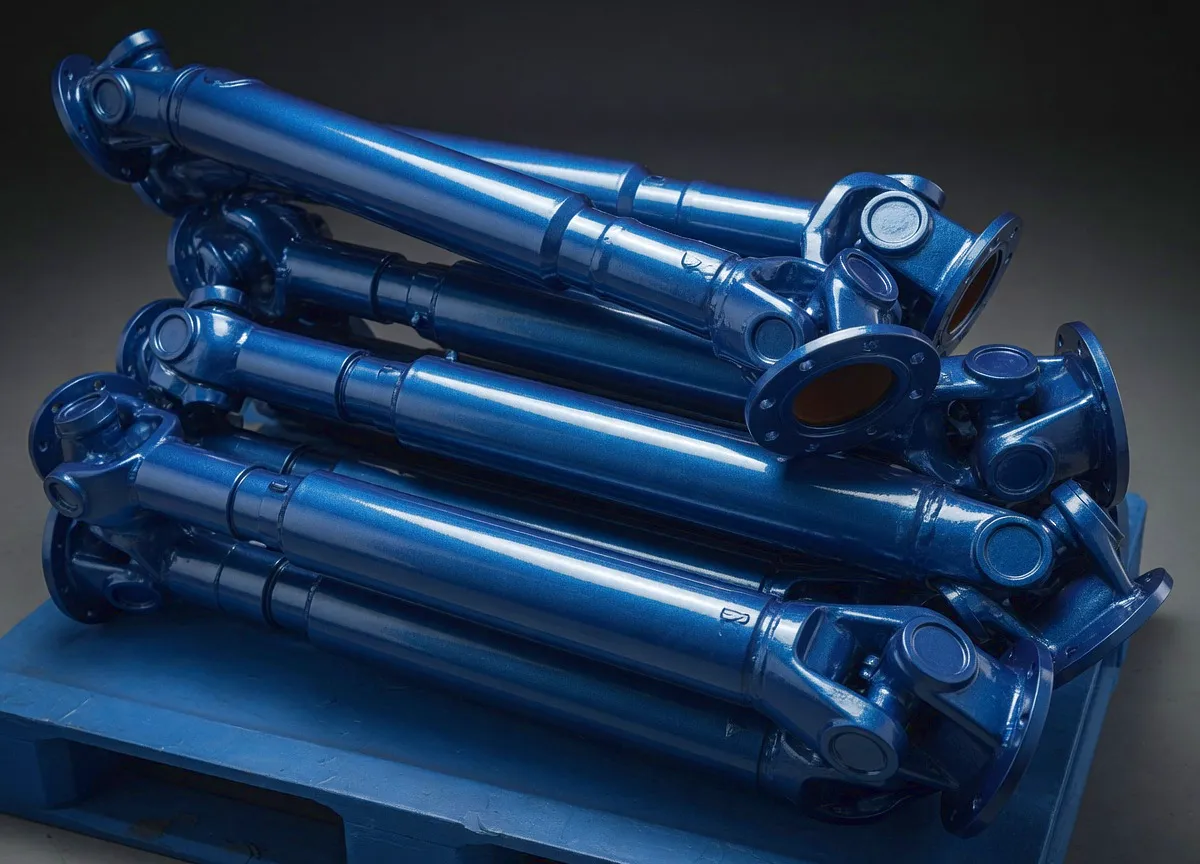 Each UK industrial sector imposes a distinct combination of torque profile, speed regime, environmental exposure, and maintenance culture. The consequence for cardan coupling material specification is that no single grade is universally optimal; every application warrants a structured selection exercise. The overview below maps the six principal sectors to their recommended alloy choices and explains the reasoning behind each recommendation.
Case Study
From Quarterly Failures to 22-Month Continuous Run: Tinsley Wire, Sheffield
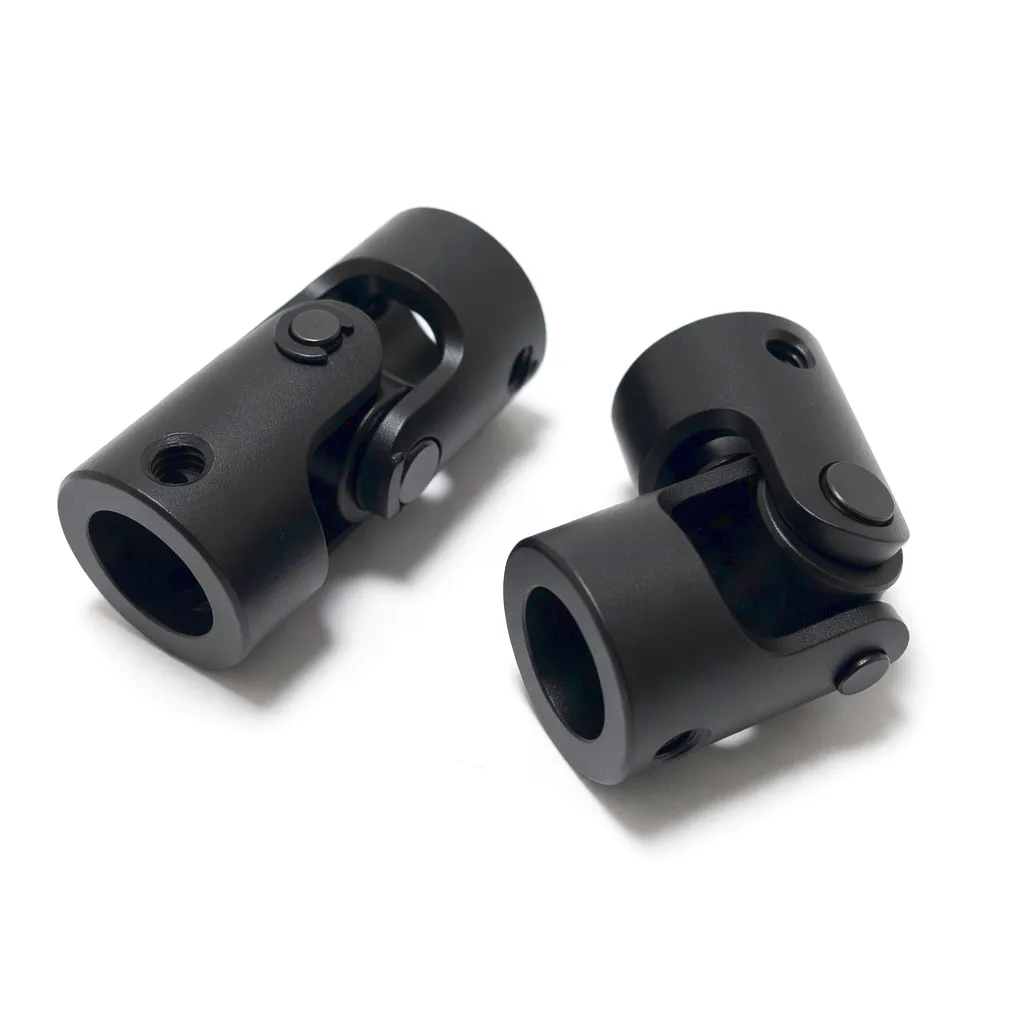
Tinsley Wire’s Sheffield rod mill operates a continuous high-speed wire rod finishing block that runs drawn steel wire through a cascade of rolling passes at speeds up to 85 m/s. The intermediate shaft connecting the third-pass gearbox output to the fourth-pass entry pinion houses a cardan coupling spanning a fixed 7° operating angle imposed by the rolling mill’s original 1987 layout — a geometry that cannot be altered without a multi-million-pound civil relocation of the gearbox. The original cardan joint spiders were manufactured from a plain C45 grade, surface hardened to HRC 30–34. Under normal scheduling, production planning had absorbed a spider replacement every 11–14 weeks as a routine maintenance event — approximately four to five changes per year, each requiring a 6–8 hour mill shutdown with an estimated production loss of £38,000 per event.
Ever Power’s field engineering team conducted a failure mode analysis on returned spiders over a three-month sample period. Scanning electron microscopy of fractured trunnion surfaces revealed a classic rotating bending fatigue fracture pattern initiating at the base of the trunnion fillet radius — consistent with inadequate fillet geometry and insufficient compressive residual stress. The sub-surface hardness traverse showed that the original induction hardening process had achieved a case depth of only 0.6 mm, insufficient to contain the maximum shear stress generated by the needle roller loading at the 7° operating angle. At that geometry, the contact patch migrates toward the trunnion shoulder, concentrating stress precisely where the shallow case terminated and toughness dropped sharply. The root cause was not the alloy selection per se, but the combined effect of insufficient case depth, inadequate fillet radius, and no shot-peening — three deficiencies that reinforced one another.
Ever Power redesigned the spider in 18CrNiMo7-6, carburised to a 1.4 mm effective case depth, quench-hardened, and low-temperature tempered to HRC 60 surface. Trunnion fillet radii were increased from 1.5 mm to 3.0 mm — a change requiring a revised yoke bore geometry to maintain correct needle bearing seating — and all trunnion fillet faces were shot-peened to a coverage of 100% at Almen intensity 0.22A. The revised cardan coupling was installed in March 2023. As of January 2025, the mill had run 22 consecutive months without a single spider replacement, exceeding the previously accepted service life by a factor of more than eight. The maintenance team at Tinsley Wire calculated a direct saving exceeding £190,000 in avoided production downtime plus £24,000 in avoided replacement parts — a total of over £214,000 in the first 22 months alone.
Customer Reviews
“We had written off the 7° shaft geometry as an immovable limitation. Ever Power’s metallurgical re-spec of the spider completely transformed our maintenance picture. The 18CrNiMo7-6 joint has been in service nearly two years without a single bearing change — that was simply inconceivable under the previous arrangement.”
“Our North Sea platform handling crane runs 24 hours in all weathers. When we upgraded to Ever Power’s 2507 super-duplex cardan coupling on the slewing ring drive, the difference in corrosion resistance compared to the previous 316L assembly was visible within the first inspection interval. No pitting, no seal weeping. Exactly what we need at that environment.”
“Our EV motor test rig in Solihull demanded a dynamically balanced, low-inertia cardan coupling for NVH measurements. Ever Power came back within five days with a full CAD model of a bespoke 42CrMo4 assembly, dynamic balance calculation, and prototype lead time. That kind of responsive engineering support is genuinely rare at the custom level.”
FAQ
Frequently Asked Questions
Practical answers for UK plant engineers and procurement teams
For a reversing rolling mill in Sheffield, 18CrNiMo7-6 carburised to a 1.2–1.5 mm effective case depth is the industry standard. The combination of HRC 58–62 surface with a tough 1,000 MPa core handles both the steady rolling torque and the impulsive reversal loads that destroy softer grades. Pricing varies significantly with spider size, but a direct-replacement spider in 18CrNiMo7-6 for a medium-scale bar mill typically falls in the £800–£3,500 range ex-works, depending on bore size and trunnion diameter. Ever Power can provide a firm quotation within 24 hours of receiving your spider drawing or part number.
For North Sea offshore wind yaw drive applications, 2205 duplex stainless steel is the minimum recommendation for yoke bodies and flanges, with 2507 super-duplex used wherever operating temperatures exceed 60 °C or chloride concentration is elevated. Both grades carry a PREN above 33, providing adequate resistance to crevice corrosion under packed bearing cups in spray-saturated atmospheres. Ever Power supplies duplex-grade cardan coupling assemblies to offshore operators through its UK logistics partners, with standard lead times of four to six weeks for non-stock items.
Operating angle has a direct and non-linear effect on trunnion fatigue loading. Beyond approximately 3°, the contact patch between the needle rollers and trunnion journal migrates progressively toward the trunnion shoulder, increasing the bending moment at the fillet. At 7°, the stress concentration factor at the fillet can be 40–60% higher than at 2°. This means that a joint that performs adequately on C45 at 3° may require a full upgrade to 42CrMo4 at 7°, and to 18CrNiMo7-6 beyond 10°. Practical maximum angles for continuous duty heavy-duty cardan coupling assemblies are typically ±15° for standard designs and up to ±25° for specialist slow-speed configurations, with a corresponding torque de-rating applied above ±10°.
A reliable engineering quotation for a custom cardan coupling typically takes 24–48 hours from a qualified manufacturer, provided you supply the minimum technical dataset: nominal torque (kN·m), peak shock torque, rotational speed (RPM), operating angle, bore size and connection type (keyway, spline, flange), shaft-to-shaft distance, and operating environment (temperature, corrosive exposure). Ever Power accepts dimensional drawings, worn part samples, or even clear photographs and the machine nameplate as a starting point. Send your details to [email protected] and our engineers will respond with a full technical review and priced proposal.
On a like-for-like basis, a 42CrMo4 quench-and-tempered spider will typically cost 30–55% more than a C45 induction-hardened equivalent. For a genuinely medium-duty conveyor operating below 60% of the coupling’s rated torque with no shock loading, C45 remains the economically rational choice and the additional spend on 42CrMo4 carries a long payback. The upgrade becomes clearly justified when any of the following conditions apply: operating torque exceeds 75% of catalogue rating; significant shock or reversing loads are present; maintenance intervals are constrained by production scheduling; or the coupling is located in a difficult-to-access area where unplanned downtime costs are disproportionate. Ever Power’s application engineers will assess your specific case without charge.
For heavy-duty applications requiring full material traceability — common in rail, offshore, nuclear, and defence supply chains — you should expect a minimum documentation package comprising: EN 10204 3.1 material test certificate for all principal alloy components; dimensional inspection report (CMM or manual) with results against nominal and tolerance; heat treatment records specifying furnace temperatures, hold times, and quench medium; and, for railway-supply work, Type Approval certification and the relevant ITP. Ever Power provides this complete package as standard for heavy-duty cardan coupling orders. Contact [email protected] to discuss specific documentation requirements for your industry.
On a heavy rolling mill drive with properly specified 18CrNiMo7-6 spiders, planned replacement intervals typically fall between 18 and 36 months depending on operating angle, load factor, and lubrication quality. The earliest detectable precursor of trunnion wear is a change in grease colour and consistency — from the normal pale to mid-brown colour toward a gritty dark-grey or black contamination, often accompanied by increased grease consumption. Vibration monitoring on the output shaft will show a growing 2× running speed component as trunnion clearances increase. Audible indication — a slight click or knock at low speeds — indicates that clearances have reached a critical level and replacement should be scheduled within the next planned maintenance window, not deferred. Ever Power supplies matched spider and bearing kit assemblies pre-lubricated and ready for direct installation.