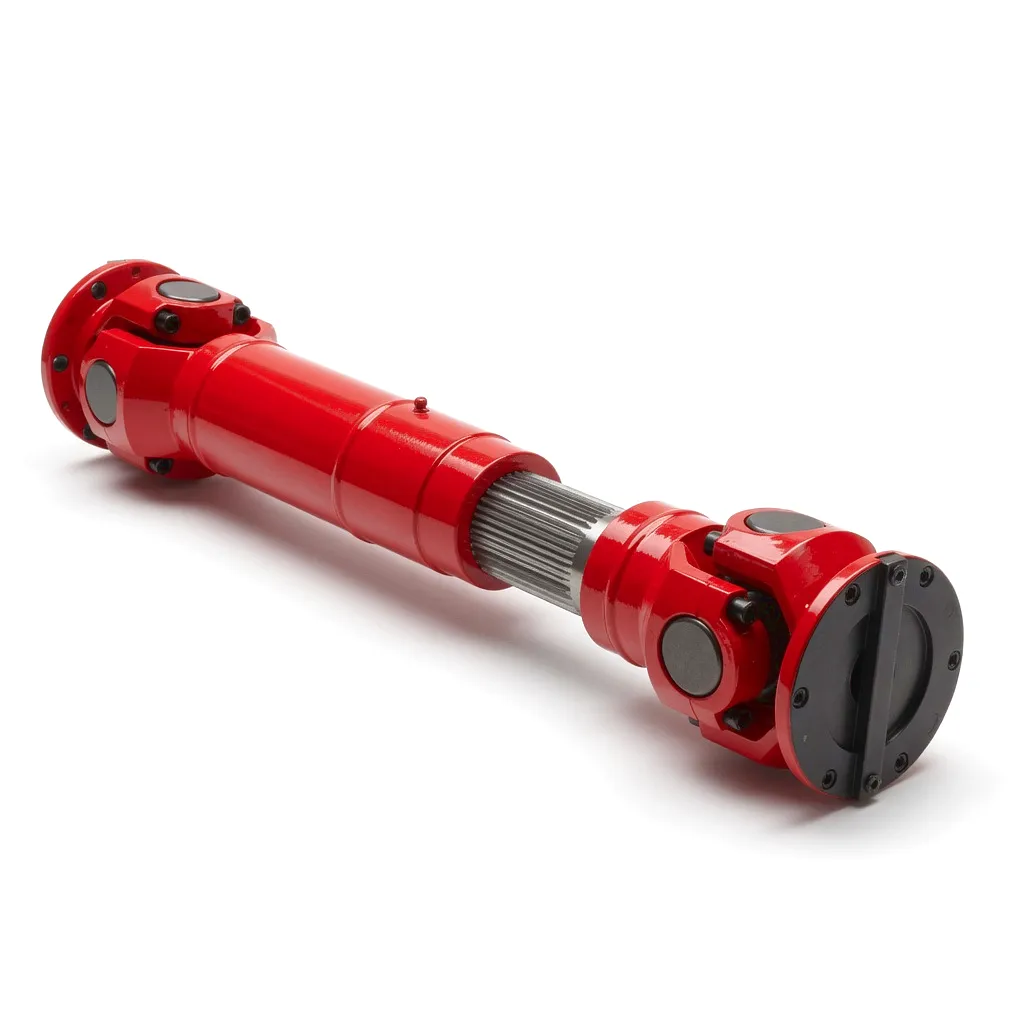
 Wind turbines are among the most mechanically demanding machines ever built for civilian energy infrastructure. A single offshore wind turbine operating in the North Sea off the coast of Yorkshire endures wind speed fluctuations from near-zero to storm-force gusts within minutes, all while the entire drivetrain — from rotor hub to generator — must absorb these shock loads without failing. The cardan coupling, more formally called a universal joint coupling or Hooke’s joint assembly, sits at the very heart of this challenge. It provides the critical mechanical link between the main shaft and the gearbox input, tolerating angular misalignment, dampening torque spikes, and protecting downstream components from loads that would otherwise cause catastrophic fatigue failure.
For over eighteen years, I’ve specified, tested, and troubleshot cardan couplings in power generation applications — from 500 kW onshore turbines in the Scottish Highlands to 12 MW offshore platforms in the Irish Sea. What I can tell you from that experience is simple: the quality of this one component can make the difference between a turbine that runs for 25 years with scheduled maintenance and one that requires costly gearbox replacement inside eight years. Choosing the right cardan coupling for wind turbine drivetrain duty is not an afterthought — it is an engineering imperative.
Ever Power Engineering
Heavy-Duty Cardan Couplings, Engineered for Renewable Energy
From bespoke flange configurations to full OEM drivetrain packages — Ever Power supplies cardan coupling solutions to wind energy operators and turbine manufacturers across the United Kingdom and Europe.
What Exactly Is a Cardan Coupling in Wind Energy Context?
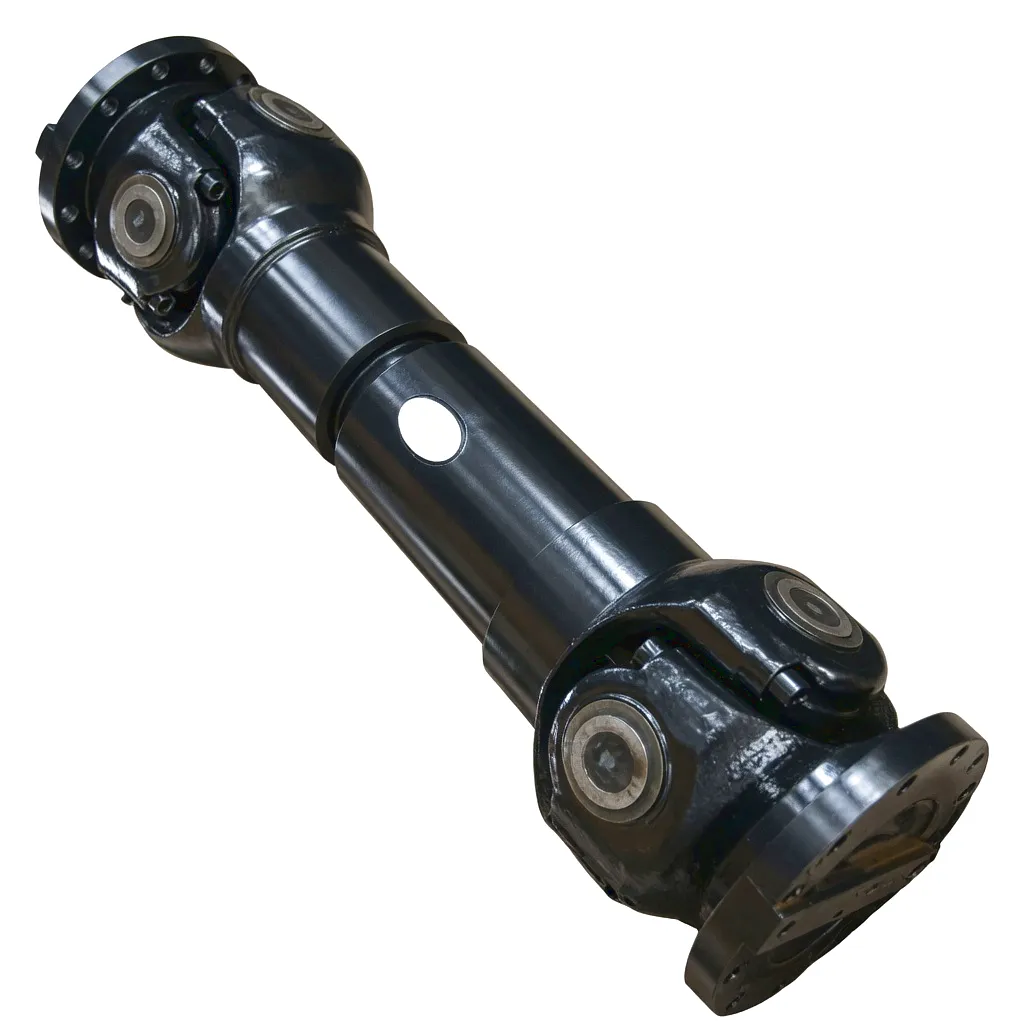 A cardan coupling — sometimes called a universal joint coupling, cross-joint coupling, or simply a cardan shaft — is a mechanical device that transmits rotational torque between two shafts whose centrelines are not perfectly aligned. In wind turbine drivetrain engineering, this alignment deviation is not an installation error; it is a designed operating condition. The rotor main shaft sits on its own bearing arrangement and experiences continuous bending loads from rotor weight and aerodynamic forces. The gearbox, mounted separately on the nacelle bedplate, moves slightly relative to the main shaft under these loads. The cardan coupling accommodates this relative motion while transmitting the full rated torque — which in a modern 5 MW turbine can exceed 4,000 kNm at the low-speed shaft.
The operating principle relies on a cross-shaped trunnion assembly — the “spider” — fitted between two yokes. As the angle between the two shafts changes, the spider pivots within needle roller bearings seated in the yoke bore. The precision of these bearings, the quality of the seal system protecting them from moisture and contamination, and the geometry of the phasing arrangement between the two crosses all determine the coupling’s long-term durability under the brutal conditions of turbine operation. When specified correctly, a quality cardan coupling for wind turbine use should complete the full 25-year design life of the turbine with bearing inspection intervals of 24–36 months and grease replenishment every 6–12 months, depending on operating environment.
It is worth noting that cardan couplings in wind turbines appear in more than one location. The primary application is the main drivetrain — linking the rotor shaft to the gearbox — but they also appear in yaw drive systems that rotate the entire nacelle to face the wind, in pitch actuators that adjust blade angle, and in generator cooling fan drives. Each of these applications has its own load profile, duty cycle, and environmental exposure, and each demands a coupling specification tailored to those conditions rather than a generic off-the-shelf assembly.

Why Cardan Coupling Selection Defines Wind Turbine Reliability
 The wind energy sector in the United Kingdom has seen remarkable growth over the past decade, with offshore capacity alone surpassing 14 GW as of 2024. Behind every megawatt of that capacity is a drivetrain under continuous mechanical stress. Gearbox failure remains one of the most expensive and operationally disruptive events in a turbine’s life — industry data consistently shows gearbox repair or replacement as the single largest unplanned maintenance cost category, often exceeding £200,000 per incident for large offshore turbines once crane vessel hire, lost generation revenue, and parts costs are accounted for. A significant proportion of gearbox failures trace back to load transmission issues in the input coupling stage — meaning that a cardan coupling that improperly transmits shock loads or induces parasitic radial forces into the gearbox input bearing is not merely a coupling problem; it is a gearbox failure waiting to happen.
This is the core reason why engineers with real-world wind energy experience take cardan coupling specification seriously. The coupling must handle peak torques that can reach 2.5 to 3 times the rated steady-state torque during grid fault events or emergency stops. It must accommodate angular misalignment of typically 1° to 3°, combined with axial displacement caused by thermal expansion of the shaft system. In offshore environments, it must resist salt spray, condensation, and the temperature cycling between North Sea winters and nacelle summer heat soak. And it must do all of this while transmitting power smoothly enough that high-frequency torque oscillations — which could excite resonance in the gearbox planetary stages — remain damped below critical thresholds.
Selecting a cardan coupling on price alone, without examining these performance criteria, is an approach that invariably produces higher total cost of ownership. The coupling that saves £3,000 at procurement but fails inside five years, requiring nacelle crane access for replacement, has cost the operator fifty times that saving in direct and indirect costs. The right cardan coupling, properly specified and installed, pays for itself many times over across the turbine’s operational life.
Performance Advantages
Why Wind Engineers Choose Ever Power Cardan Couplings
High-Torque Capacity
Rated torque outputs from 500 Nm to over 500,000 Nm. Full shock load capability at 3× rated torque for grid fault and emergency stop events without permanent deformation.
Angular Misalignment Tolerance
Single-joint units accept up to 3° continuous angular offset. Double-joint (double cardan) configurations provide constant velocity at up to 7°–10°, eliminating the secondary couple vibration that plagues single-joint designs at larger angles.
Marine-Grade Sealing
IP67-rated seal assemblies standard on offshore variants. Multi-lip contact seals with labyrinth backup protect needle roller bearings from salt water ingress — the primary failure mode in offshore drivetrain couplings.
Precision Balancing
Dynamic balancing to ISO 1940 Grade G2.5 as standard, with G1.0 available for high-speed shaft and generator coupling applications. Eliminates residual imbalance vibration that degrades bearing life across the entire drivetrain.
OEM Custom Engineering
Ever Power’s in-house design team works directly from customer drivetrain drawings. Custom flange bolt circles, spline profiles, shaft bore dimensions, and material grades — all manufactured to your exact specification with full dimensional inspection reports.
UK-Ready Stock and Supply
Standard sizes held in UK-accessible warehousing for rapid dispatch to wind farm operators from Scotland to the English Channel. Critical replacement couplings available for next-day delivery to minimise unplanned downtime costs.
Technical Specifications — Wind Turbine Cardan Coupling Series
The following table summarises the key performance parameters for Ever Power’s wind energy cardan coupling range. Values represent standard catalogue offerings; all parameters are available in custom configurations to match specific drivetrain requirements. Contact our engineering team for application-specific sizing calculations.
| Parameter | WD-Light Series | WD-Medium Series | WD-Heavy Series |
|---|---|---|---|
| Rated Torque (Nm) | 500 – 12,000 | 12,000 – 120,000 | 120,000 – 500,000+ |
| Peak Torque (3× rated) | 1,500 – 36,000 | 36,000 – 360,000 | 360,000 – 1,500,000 |
| Max Operating Speed (rpm) | 1,000 – 2,500 | 300 – 1,200 | 10 – 400 |
| Max Angular Misalignment (°) | 3° (single) / 7° (double) | 3° (single) / 8° (double) | 2° (single) / 6° (double) |
| Spider/Cross Material | 42CrMo4 alloy steel | 42CrMo4 / 20CrMnTi | 34CrNiMo6 alloy steel |
| Surface Treatment | Zinc phosphate + oil | Hot-dip zinc or epoxy coat | Marine epoxy (2-coat) |
| Bearing Type | Needle roller, caged | Needle roller, full-complement | Needle roller, hardened race |
| Seal Rating | IP54 | IP65 | IP67 |
| Dynamic Balancing Grade | G6.3 | G2.5 | G2.5 / G1.0 (optional) |
| Greasing Interval (offshore) | 12 months | 12 months | 6 months (auto-lube option) |
Materials, Construction and Operating Principles
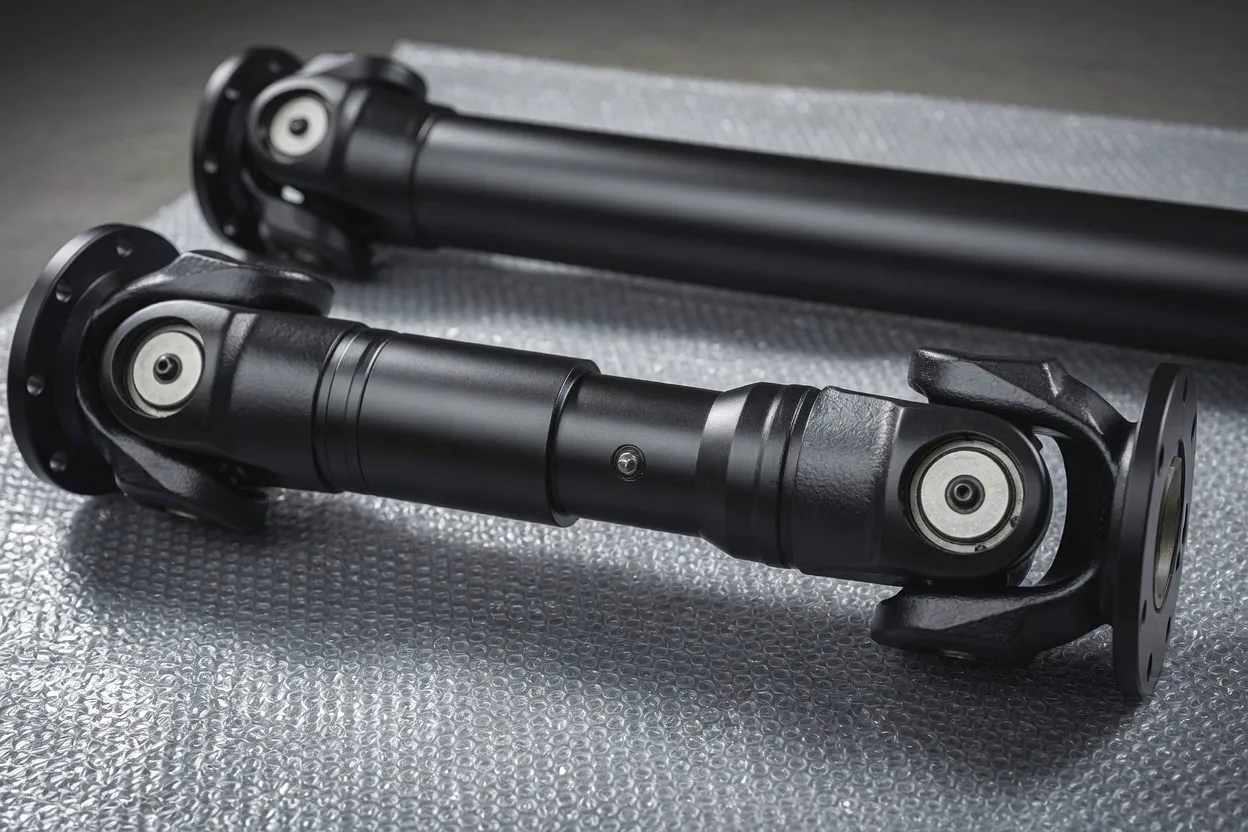
The spider assembly — the cross-shaped trunnion at the heart of every cardan coupling — is the most critically stressed component in the entire assembly. In wind turbine drivetrain applications, the spider must withstand not only the continuous rated torque but also the high-cycle fatigue loading imposed by rotor once-per-revolution (1P) and three-per-revolution (3P) excitation frequencies, combined with grid-induced transient overloads. Ever Power manufactures its wind-grade spider assemblies from 42CrMo4 or 34CrNiMo6 through-hardened alloy steel, machined to tolerances of ±0.008 mm on trunnion diameter, and case-hardened to 58–62 HRC at the needle bearing running surface while maintaining a tough core below 42 HRC. This dual-hardness profile is non-negotiable for long fatigue life — a uniformly hard spider is brittle and prone to sudden fracture under shock loading.
The yoke bodies are typically manufactured from GGG70 nodular cast iron for medium-duty applications, transitioning to forged 42CrMo4 for heavy drivetrain duty. Forged yokes offer superior fatigue strength at the bore and flange interface, which are the locations where bending stress concentration peaks under combined torque and angular displacement loading. All forged components are 100% ultrasonically tested for internal defects before machining, and finished parts carry a full material traceability certificate — a requirement increasingly demanded by UK wind energy operators and their insurance providers.

The needle roller bearings seated in each trunnion bore are selected from long-life, full-complement designs for large drivetrain couplings, where the absence of a cage allows more rollers to be packed into the bore and thus distributes load over a greater contact area. Bearing rings are manufactured from 100Cr6 bearing steel, through-hardened, with controlled surface roughness to Ra 0.2 µm. The assembled bearing stack in each trunnion receives a carefully calculated grease volume at initial assembly — typically a lithium-calcium complex grease with EP additive, rated for –40°C to +150°C, ensuring performance through Scottish Highland winters and summer nacelle heat soak alike.
Corrosion protection is treated with equal seriousness. Offshore turbines operating in the Irish Sea, the North Sea, or along the Scottish east coast face salt spray conditions at nacelle height that would rapidly corrode inadequately protected couplings. Ever Power’s offshore series applies a two-coat marine epoxy system — zinc-rich primer followed by a polyurethane topcoat — achieving a minimum dry film thickness of 250 µm and salt spray resistance exceeding 1,000 hours to BS EN ISO 9227. Sealing is provided by double-lip contact seals with a backup labyrinth groove in the yoke bore machining, tested to IP67 against water ingress under continuous immersion conditions.

Cardan coupling connecting rotor main shaft to gearbox — the critical torque transmission point in a modern onshore wind turbine nacelle.
Application Scenarios Across the Wind Turbine System
The cardan coupling does not appear just once in a modern wind turbine — it serves multiple functions across the complete machine, each with its own load characteristics and maintenance requirements. Understanding where and why these couplings are used helps operators make more informed maintenance planning decisions and assists OEM engineers in selecting the right specification at the design stage.
Main Shaft to Gearbox Input
This is the primary and most demanding cardan coupling application in the turbine. The low-speed shaft rotates at 5–20 rpm in most modern designs, carrying enormous torque. Angular misalignment between 0.5° and 2° is typical in normal operation, increasing to 2.5°–3° during rotor bending under high thrust load. Ever Power’s WD-Heavy Series is specifically engineered for this position, with bore sizes from 250 mm to 650 mm and optional shrink disc connection for tool-free removal during scheduled gearbox change.
Yaw Drive System
Yaw drives rotate the nacelle to maintain alignment with wind direction, and they operate through a ring gear driven by multiple motor-gearbox units. Cardan couplings between the yaw motor output shaft and the yaw gearbox input accommodate the slight angular and parallel misalignment that arises from thermal movement and manufacturing tolerance accumulation in the nacelle bedplate structure. The duty cycle is intermittent but the torque per engagement is high, making shock load capacity and seal integrity the critical selection criteria in this position.
Pitch Actuator Drive
Blade pitch control adjusts each blade’s angle of attack to regulate power output and protect the turbine from overspeed. Hydraulic or electric pitch actuators drive through gearboxes mounted inside the rotating hub, an environment that imposes centrifugal loading on all rotating parts including the coupling. Cardan couplings in pitch drive systems must withstand both the operating torque of pitch adjustment and the centrifugal acceleration loads of hub rotation — typically 0.5–1.5 g at the coupling centreline in a three-bladed turbine at rated speed.
High-Speed Shaft (Gearbox Output to Generator)
Where a conventional doubly-fed induction generator (DFIG) is employed, the gearbox output shaft connects to the generator input at speeds of 1,000–1,800 rpm. At these speeds, dynamic balancing quality becomes critical — even small residual imbalance produces significant centrifugal force that damages generator bearings. Cardan couplings on this shaft must be balanced to G1.0 or better, and coupling selection must account for the torsional stiffness requirements of the generator’s electrical control system, which uses shaft twist angle as part of its power regulation feedback loop.
Ever Power’s Custom Manufacturing Capability
Ever Power operates dedicated manufacturing facilities equipped with five-axis CNC machining centres, vertical turning lathes capable of processing components up to 1,200 mm diameter, and a precision gear grinding workshop. Our in-house design office works in SolidWorks and ANSYS FEA, providing customers with stress analysis reports and torsional vibration studies as part of the standard custom engineering package — at no additional charge for qualified orders.
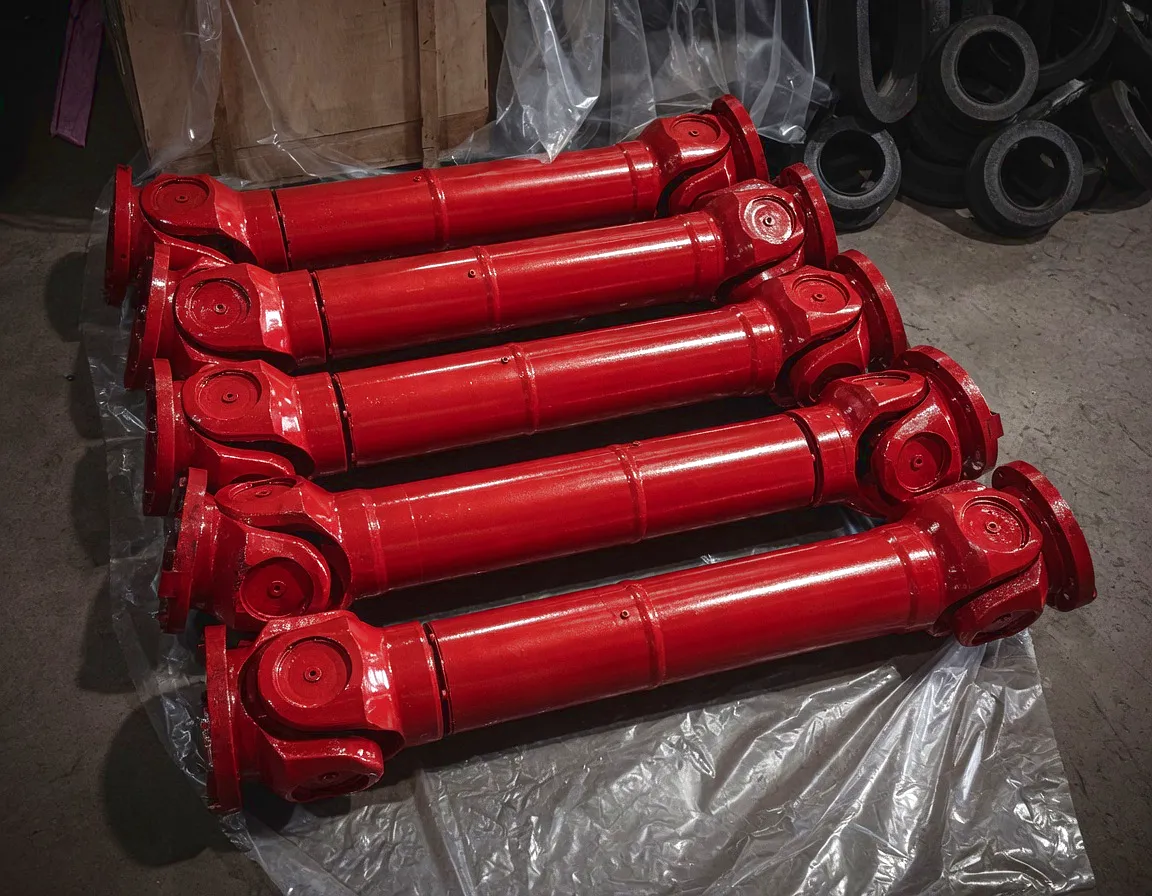
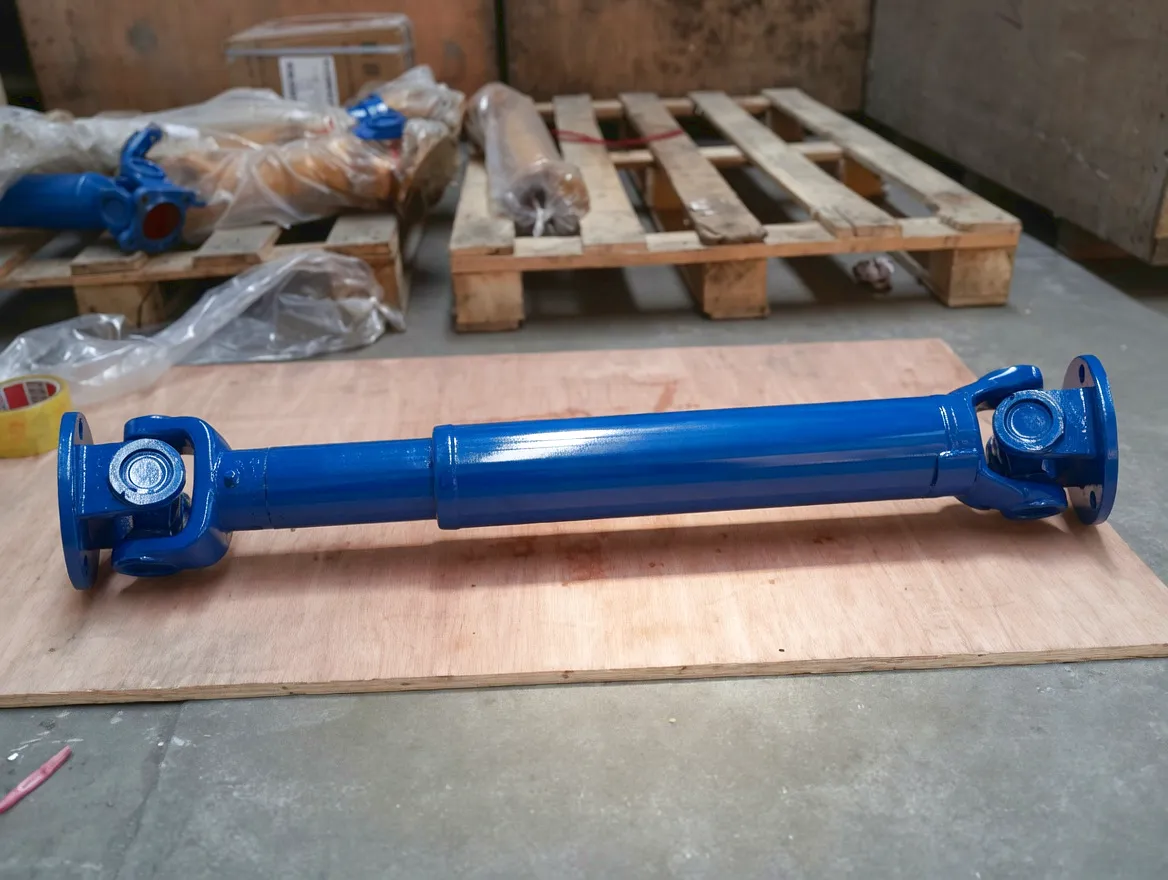
For UK wind turbine operators and OEM manufacturers, this customisation capability translates directly into engineering freedom. Whether you need a cardan coupling with a proprietary flange bolt pattern to match an existing gearbox interface, a non-standard shaft bore with keyway to accommodate a retrofit installation, or a complete cardan shaft assembly with intermediate tube and slide element for compensation of thermal axial movement — Ever Power can deliver from drawing to finished product within 4–8 weeks for most custom configurations.
Quality documentation supplied with every order includes a material certificate to EN 10204 3.1 standard, dimensional inspection report, dynamic balance certificate, hardness test record, and, where specified, non-destructive testing records (UT, MPI). This documentation package satisfies the QA requirements of all major UK certification bodies including Lloyd’s Register, DNV, and Bureau Veritas, making Ever Power couplings a straightforward choice for certified offshore wind projects.
Serving the UK Wind Energy Sector — From Scotland to the South Coast
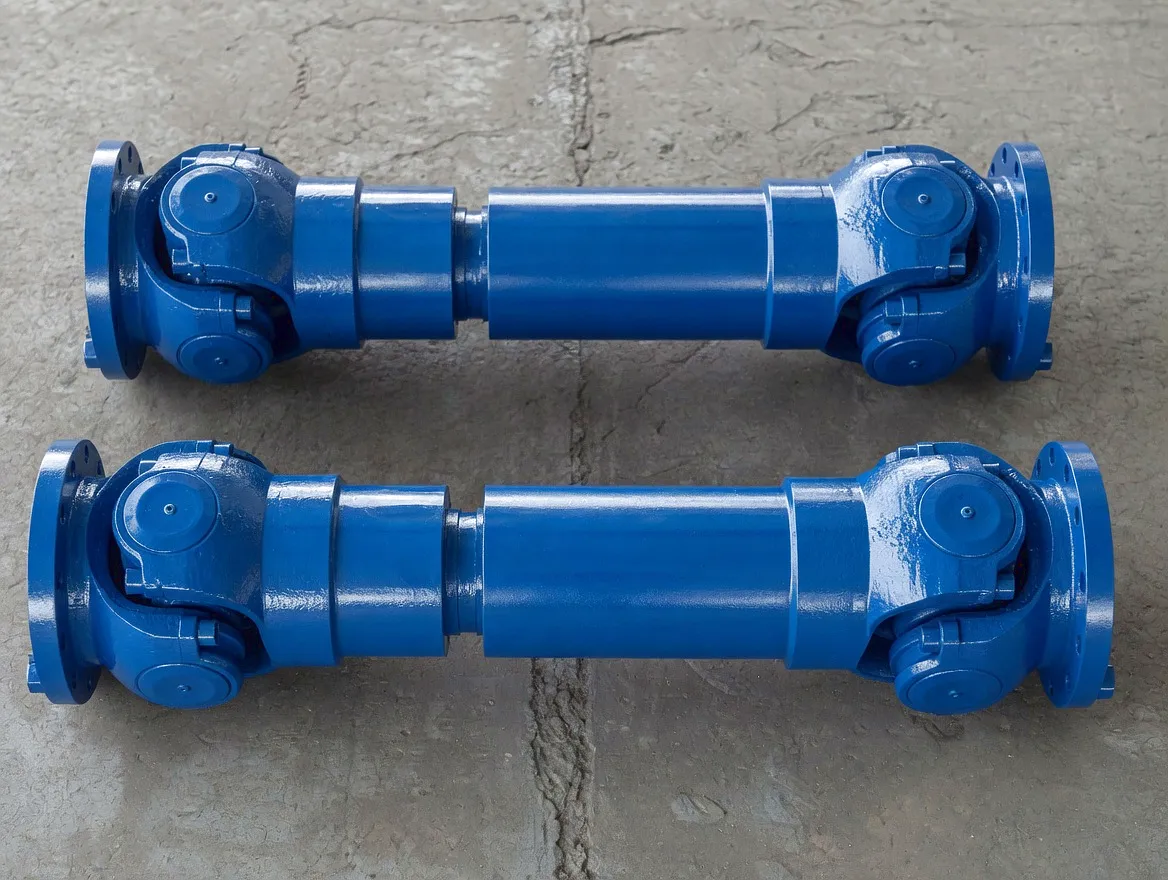 The United Kingdom is home to some of the world’s most extensive and ambitious wind energy infrastructure. The Hornsea offshore wind complex in the North Sea, Dogger Bank — which will ultimately be the world’s largest offshore wind farm — the Beatrice Offshore Wind Farm north of Scotland, and the many onshore wind farms across Wales, Northern Ireland, and the Scottish Highlands all represent active deployment environments where cardan coupling reliability is a direct factor in project economics. With offtake agreements running to 15–20 years and contract for difference (CfD) revenue streams depending on maximising availability, operators in these projects cannot afford to treat drivetrain couplings as commodity consumables.
Ever Power maintains supply relationships with maintenance contractors, O&M (operations and maintenance) service providers, and turbine OEMs operating across all of these UK environments. Our stock profile is aligned to the drivetrain coupling sizes used in the most prevalent turbine platforms in UK service — including models from Siemens Gamesa, Vestas, GE Renewable Energy, and Enercon — with application data available from our engineering team on request. When a cardan coupling fails unexpectedly on an offshore turbine, access for repair requires expensive jack-up vessel deployment or helicopter service — a minimum of 48–72 hours even under favourable weather windows. Having the correct replacement coupling available for rapid supply from Ever Power’s UK-accessible warehouse can be the difference between a brief planned intervention and a week-long unplanned outage costing tens of thousands of pounds in lost generation alone.
Onshore operators face different but equally real pressures. Planning restrictions limit nacelle crane availability at many UK wind farm sites, making drivetrain component life — and the ability to schedule any necessary replacement work within planned annual maintenance windows — particularly important. We work with site engineers to provide coupling inspection guidance and to schedule replacement intervals based on operating data, so that maintenance can be aligned to planned downtime rather than forced by unplanned failure.
Customer Success
Real Results from Wind Energy Operators
Beatrice Offshore Wind Farm — North Sea, Scotland
84-turbine offshore facility · 588 MW installed capacity · Operating since 2019
The O&M contractor responsible for Beatrice’s drivetrain maintenance programme encountered premature bearing wear in a batch of third-party main shaft cardan couplings during the facility’s third year of operation. Vibration monitoring data showed elevated 2P frequency components in the main shaft accelerometer readings, consistent with angular velocity variation from a coupling operating at or near the limit of its angular misalignment specification under dynamic rotor loading conditions. Failure analysis confirmed that the original couplings had been specified with insufficient angular capacity and inadequate trunnion bearing load ratings for the actual operating loads measured in service.
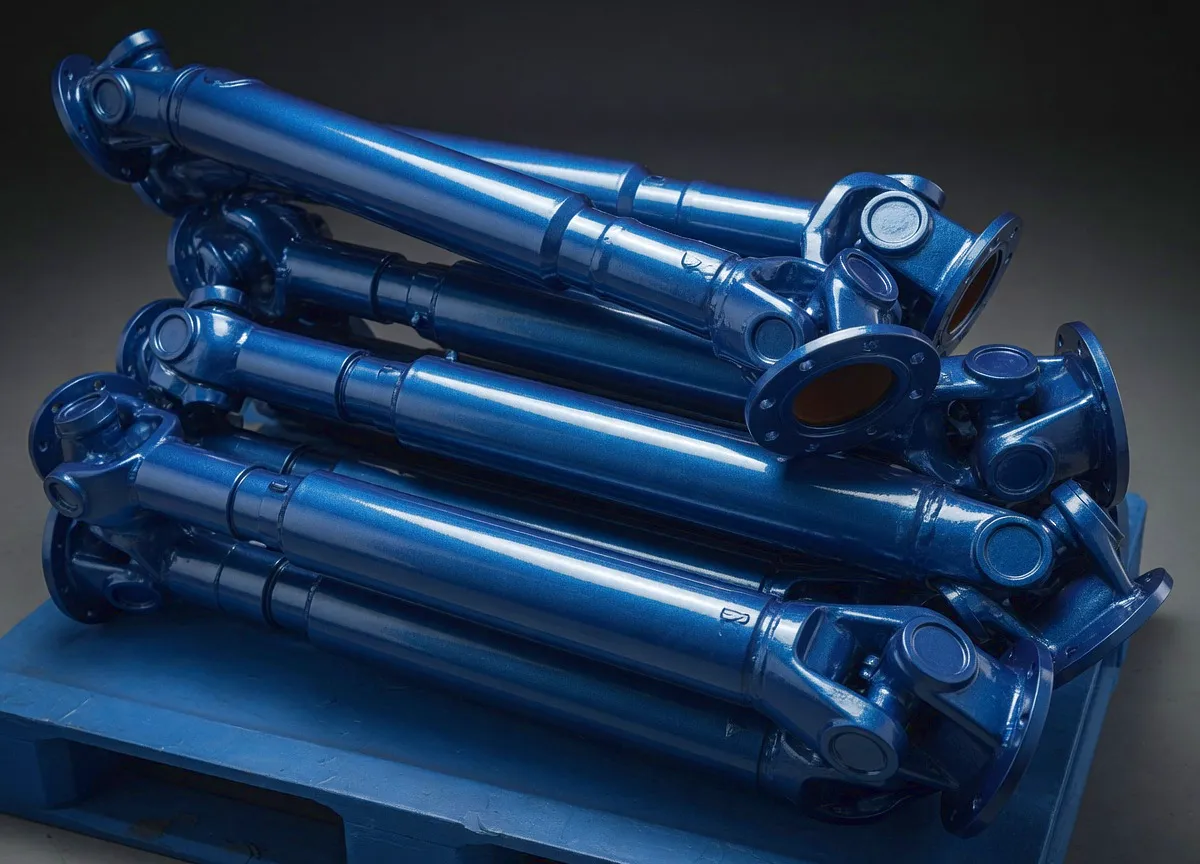
Ever Power was engaged to provide a full replacement solution. Working from the original turbine OEM drivetrain drawings and actual site load data provided by the O&M contractor, our application engineering team redesigned the coupling specification with increased angular capacity, upgraded full-complement needle roller bearings, and enhanced IP67 sealing. Fourteen replacement assemblies were manufactured and delivered within six weeks. Post-installation vibration monitoring confirmed elimination of the 2P anomaly. The replacement couplings have now operated for over three years without maintenance intervention beyond scheduled greasing.
Outcome
Eliminated unplanned gearbox access events · Reduced coupling maintenance cost by approximately 60% vs original specification · Full documentation package accepted by DNV certification review
“We’ve been sourcing main drivetrain couplings from Ever Power for our North Sea O&M contracts for the past four years. Their engineering team genuinely understands the load environment — they don’t just sell you a product, they analyse your application. Lead times are consistent and the documentation package is complete every time.”
James Whitfield
Drivetrain Engineering Manager · Offshore Wind O&M Provider, Aberdeen, Scotland
“We used Ever Power for a retrofit coupling project on our Welsh onshore wind portfolio — twelve turbines that had recurring yaw drive coupling failures due to environmental moisture ingress. The IP67 sealed replacement design has performed without issues through two complete Welsh winters. Price was competitive and the custom flange dimensions were executed exactly to our drawing.”
Claire Ogilvie
Asset Integrity Engineer · Renewable Energy Operator, Cardiff, Wales
“As a turbine component OEM integrator supplying to the UK market, we need coupling suppliers who can match our production schedule and deliver full material traceability without chasing certificates. Ever Power does this consistently. Their 3.1 mill cert and inspection report standard is exactly what our Lloyd’s Register certification requires. Thoroughly recommend their custom engineering service.”
Michael Rae
Technical Procurement Director · Wind Turbine Integration Company, Hull, East Yorkshire
Frequently Asked Questions
Ready to Specify a Cardan Coupling for Your Wind Turbine Project?
Ever Power’s application engineers are ready to review your drivetrain specification and recommend the correct cardan coupling solution — with pricing, documentation, and lead time committed upfront. No generic catalogues, no wait-and-see.
[email protected] · cardancoupling.top · UK Wind Energy Supply · edit by gzl