High-precision Cardan Coupling for heavy-duty industrial drives — Ever Power Manufacturing
What Is a Cardan Coupling — and Why Does It Matter?
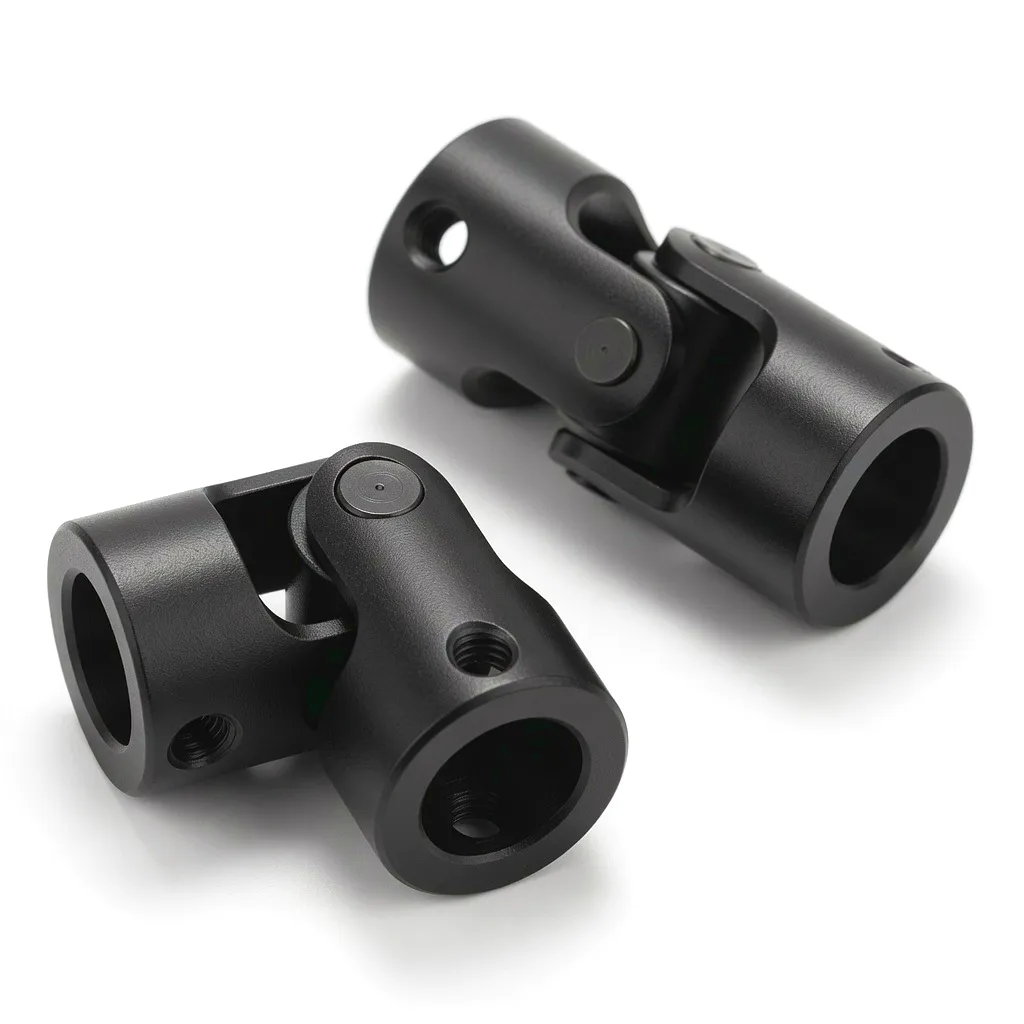
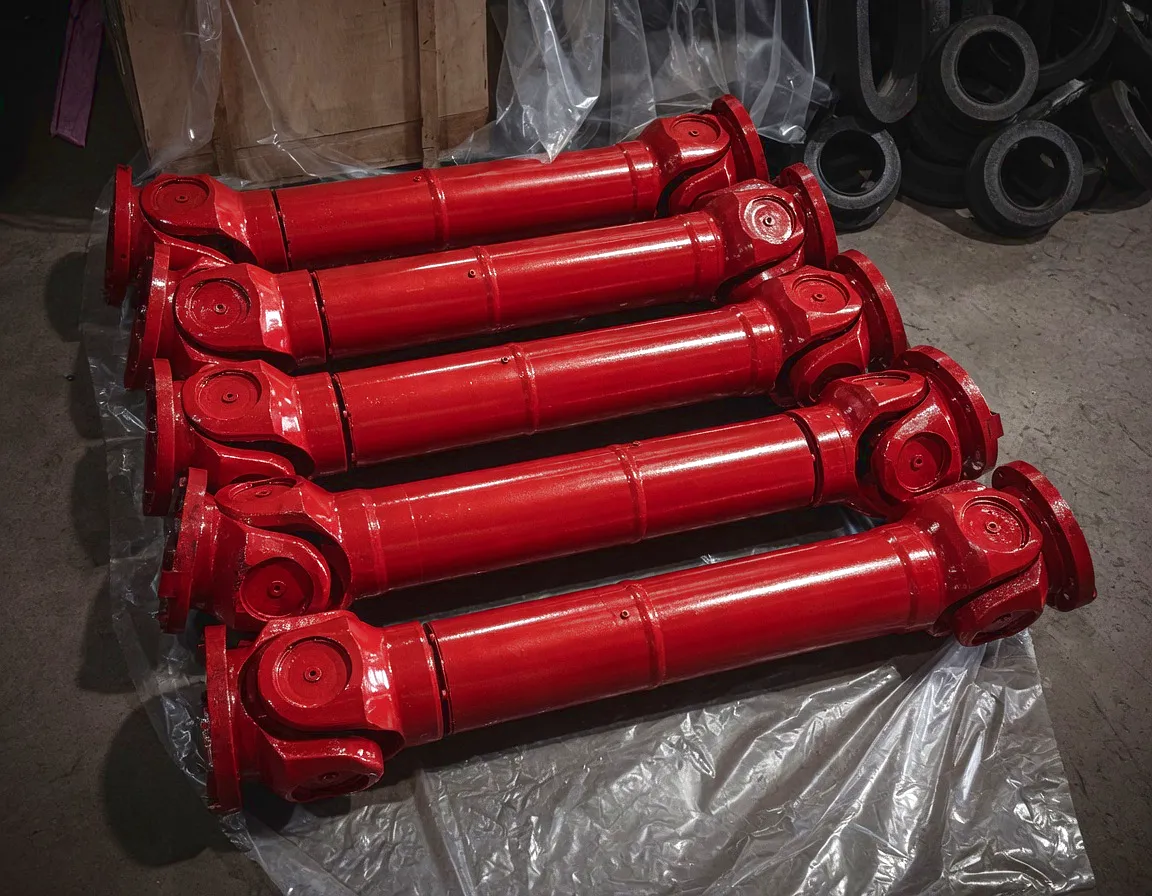 Step inside almost any heavy manufacturing facility in Birmingham, Sheffield, or the wider Midlands industrial corridor, and you will find a cardan coupling working quietly at the core of a critical rotating drive. Known by several interchangeable names — universal joint coupling, cardan joint, or cardan shaft coupling — this mechanical device does something deceptively elegant: it transmits torque and rotational motion between two shafts that are not in perfect axial alignment. The misalignment may be angular, parallel, or a combination of both, and the cardan coupling absorbs and accommodates it continuously while maintaining smooth, reliable power transmission.
The name traces back to Gerolamo Cardano, a 16th-century Italian mathematician and engineer whose published writings described mechanical joints of this kind. Over the centuries that followed, engineers refined and industrialised the concept until it became the backbone of rolling mill drives, mining conveyors, paper machines, marine propulsion systems, and wind turbine drivetrains. What distinguishes a purpose-built industrial cardan coupling from simpler universal joints is the engineering that goes into every dimension: hardened alloy steel yoke forgings, precision-machined trunnion bores, replaceable spider crosses, heavy-duty sealed needle bearings, and optional telescoping tubes for axial float compensation.
For engineers, plant managers, and procurement specialists across the UK evaluating drive components, having a clear, technically grounded understanding of how a cardan coupling works, which materials define its performance, and how to interpret its specification parameters is the essential starting point for confident purchasing decisions. This guide addresses each of those areas in depth — drawing on real industrial application data and performance benchmarks that reflect current UK market standards.
How a Cardan Coupling Works: The Core Mechanical Principle
The operating principle of a cardan coupling is based on what mechanical engineers call the Hooke’s joint mechanism — named after Robert Hooke, the English scientist who formalised its mathematical analysis in the 17th century. At its structural heart, a standard single cardan coupling consists of two forked yokes: one fixed to the driving shaft, one to the driven shaft. These yokes are connected by a central cross-shaped component called the spider or trunnion cross. The four arms of the cross rotate freely within needle or roller bearings pressed into the yoke ears, allowing the assembly to pivot simultaneously in two perpendicular planes. This geometry is the fundamental reason a cardan coupling can transmit torque across an angular offset that would bind or immediately destroy a rigid coupling.
⚙ Single Cardan Joint
One pair of yokes connected via a single spider cross. Effective at low operating angles where slight cyclic velocity variation is acceptable. Widely used in agricultural PTO shafts, vehicle propshafts, and general light-to-medium industrial drives. The simpler configuration makes assembly and maintenance straightforward.
⚙ Double Cardan Joint
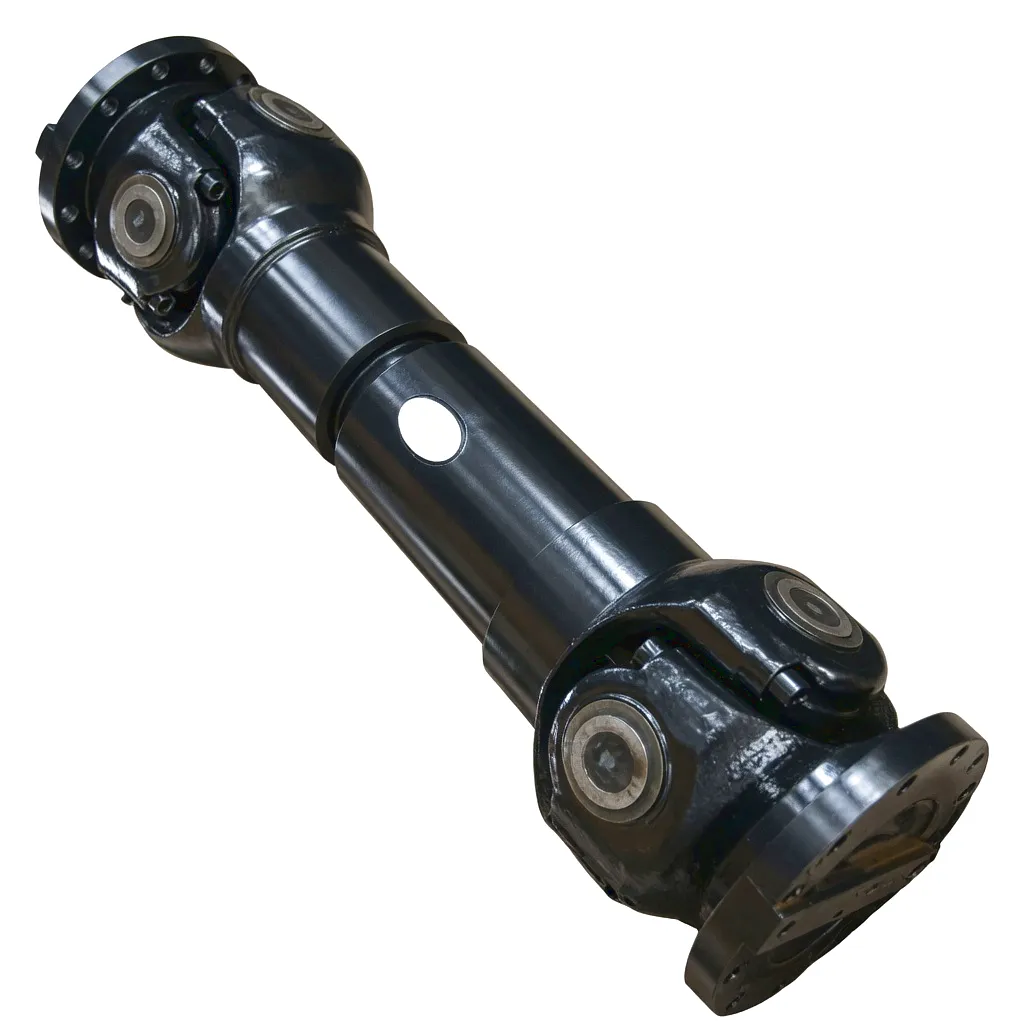
Two single joints connected through a precision-centring socket and ball mechanism. The second joint mathematically cancels the velocity fluctuation produced by the first, delivering a true constant-velocity output regardless of operating angle. The preferred configuration for rolling mill main spindle drives, high-speed precision machinery, and offshore wind turbine drivetrains.
One critical characteristic that engineers must account for when specifying a cardan coupling is the velocity fluctuation inherent in a single joint. When a single cardan joint transmits rotation across a misalignment angle, the output shaft speed cycles twice per revolution — varying by a factor determined by the cosine of the operating angle. At small angles (below approximately 5°) this variation is negligible. At larger angles it introduces torsional vibration, accelerated bearing fatigue, and dynamic load imbalance that can progressively damage connected equipment. This is precisely why double cardan shaft couplings are specified for high-speed applications, and why rolling mill finishing stands, precision paper machine sections, and wind turbine gearbox connections almost invariably use double-joint configurations. Understanding this distinction early in the design or procurement process prevents costly misspecification.
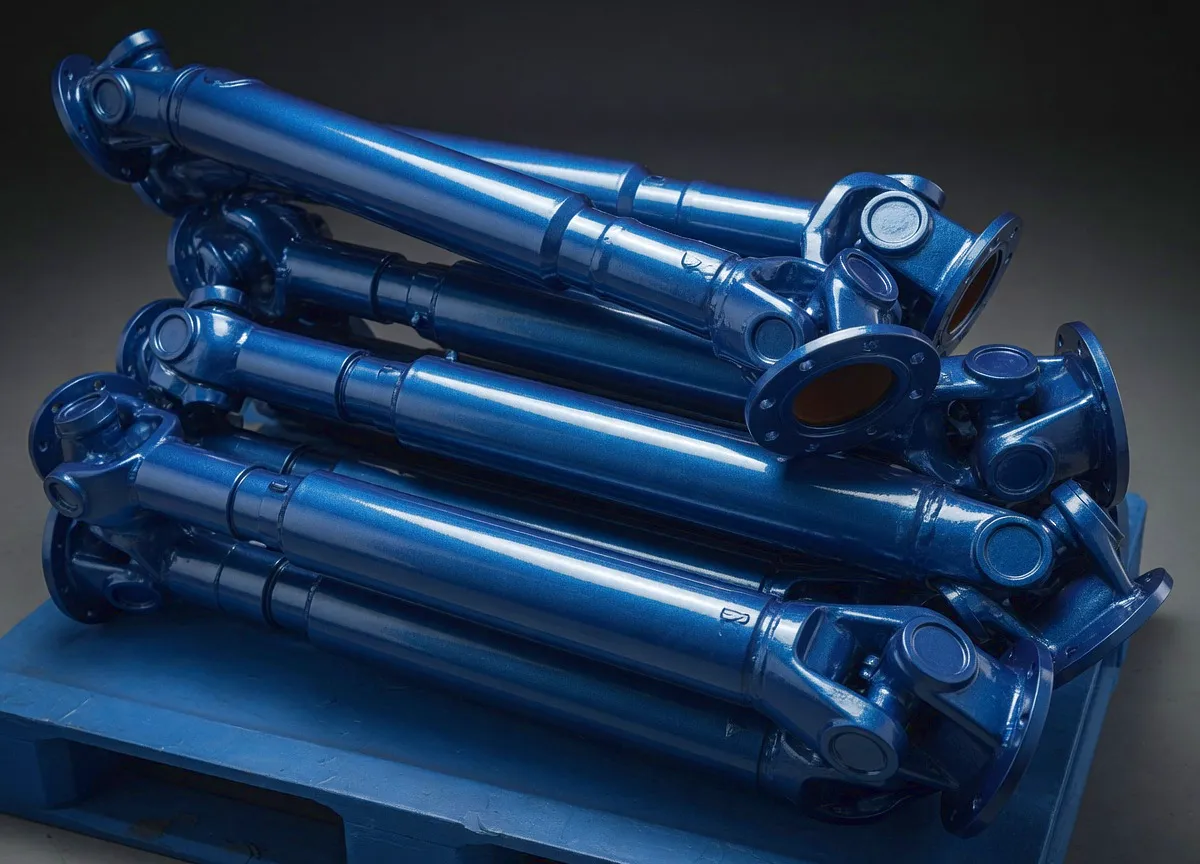
Internal view of a heavy-duty cardan coupling showing the spider cross and needle-bearing trunnion assembly
Core Manufacturing Materials: What Goes Into a Quality Cardan Coupling
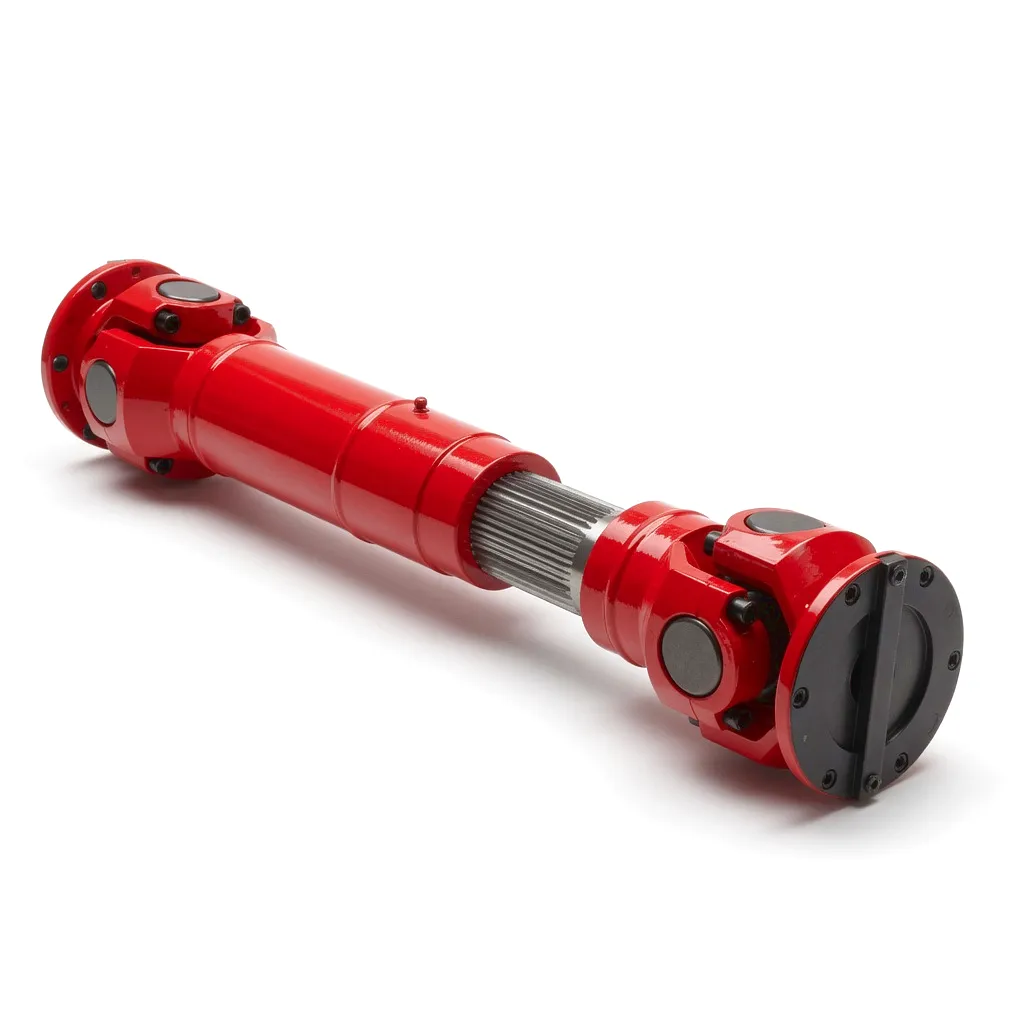 The performance envelope of any cardan coupling — its torque rating, maximum operating speed, service life, and resistance to environmental degradation — is largely determined by the materials selected at the design stage. A cardan joint operating on a hot rolling mill floor in Sheffield faces conditions radically different from one installed on an offshore wind turbine platform in the North Sea: temperature extremes, vibration spectrum, contamination type, lubrication interval, and corrosion exposure all diverge sharply. Modern cardan coupling manufacturing draws on a carefully chosen selection of alloy grades, forging routes, and surface treatment processes to match each application precisely.
🔫 42CrMo4 Alloy Steel
The industry standard material for yokes, spider crosses, and shaft sections in heavy-duty cardan couplings. After quenching and tempering, this chromium-molybdenum alloy achieves tensile strength in the 900–1,100 MPa range combined with excellent fatigue resistance and reliable toughness at elevated temperatures. It is the go-to specification for rolling mill main drive couplings, forge press transmissions, and mining equipment drives across UK facilities.
🔫 40Cr / 45# Carbon Steel
Medium-carbon and medium-alloy grades used for standard-duty cardan couplings where the torque and speed demands are moderate. These materials machine cleanly, respond well to heat treatment for surface hardness, and offer a cost advantage over higher-alloy steels. They are a practical and well-proven choice for agricultural PTO drives, conveyor transmissions, and light plant equipment operating in less aggressive conditions.
🔫 Stainless Steel 304 / 316L
Specified when a cardan coupling must operate in corrosive environments: food and beverage processing, chemical plant drives, water treatment pump stations, and offshore installations. Grade 316L’s molybdenum addition provides superior resistance to chloride-induced pitting corrosion — making it the preferred grade for coastal and North Sea-adjacent applications along the UK’s Eastern industrial zone. Stainless cardan couplings are supplied with EN 10204 3.1 material certificates as standard.
🔫 Spheroidal Graphite Iron (GGG50)
Used for large flanged housings and intermediate tube bodies in low-to-medium-speed cardan coupling assemblies where weight and machinability matter. Ductile iron’s spheroidal graphite microstructure provides significantly better impact resistance and ductility compared with conventional grey cast iron, making it suitable for drives with intermittent loading, reverse operation, or shock inputs such as slab-handling conveyor gearboxes.
Why Engineers Choose the Cardan Coupling: Core Technical Advantages
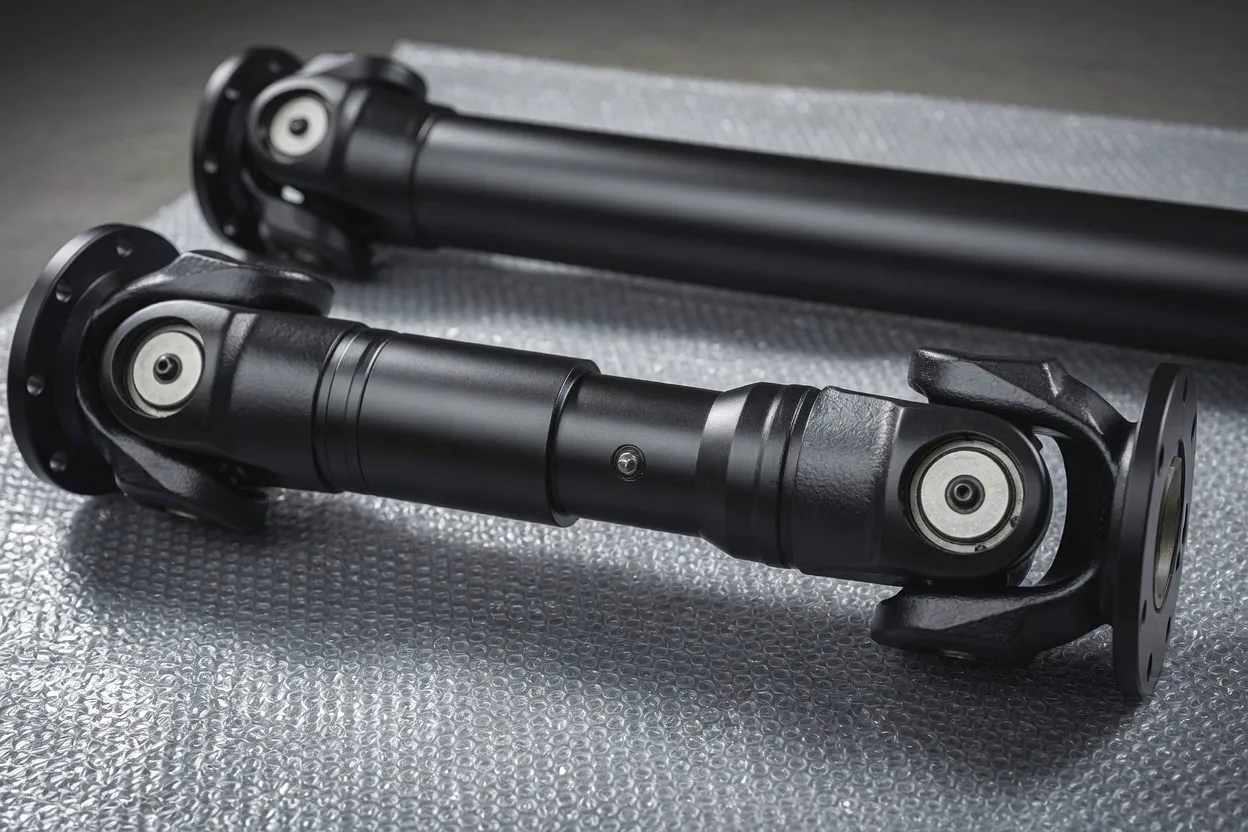
Evaluated objectively against other drive coupling families — gear couplings, jaw couplings, disc pack couplings, or tyre-type flexible couplings — the cardan coupling consistently proves the superior choice in scenarios that combine high torque, significant angular offset, and demanding continuous duty. The six advantages detailed below capture what experienced mechanical engineers and plant maintenance managers actually value when specifying a cardan joint for a new design or a critical drive retrofit.
01 — High Angular Misalignment Capacity
A standard cardan coupling handles angular misalignment from 3° up to 25° per joint, with specialised heavy-duty designs reaching 35° in a double-joint arrangement. No other compact mechanical coupling achieves this angular range without adding complex multi-element intermediate shafts or universal joint clusters, making the cardan coupling uniquely space-efficient in real plant environments.
02 — Vast Torque Transmission Range
Cardan couplings scale from approximately 250 Nm for light machinery to well over two million Nm for the main drive spindles of heavy steel rolling mills. This extraordinary torque range — across which the same fundamental mechanical architecture applies — means that specifiers working in virtually every heavy industry sector, from paper milling to offshore energy, can find a cardan coupling solution appropriate for their duty cycle.
03 — Integrated Axial Compensation
When fitted with a sliding spline or telescoping intermediate tube, a cardan shaft coupling absorbs axial displacement arising from thermal expansion, shaft end float, or machine frame movement during operation. This eliminates the need to redesign or reposition connected equipment to accommodate growth, a significant advantage in retrofit installations inside existing plant buildings where moving heavy machinery foundations is neither practical nor affordable.
04 — Extended Service Life in Harsh Conditions
Sealed needle-bearing trunnions, precision-machined yoke bores, and robust protective coatings allow correctly specified cardan couplings to operate for tens of thousands of hours in environments involving heat, mill scale, dust, water spray, and shock loading — all of which are routine in UK forge shops, steel processing lines, and quarrying operations. The sealed bearing design significantly extends relubrication intervals and resists contamination ingress that would rapidly destroy exposed open-race bearing arrangements.
05 — Field-Serviceable Design
Unlike welded or interference-fitted drive components, a cardan coupling disassembles in the field using standard maintenance tooling. Worn trunnion cross assemblies and needle bearing cup kits can be replaced without disturbing connected machinery, dramatically reducing planned maintenance downtime. This serviceability is particularly valued by plant engineers managing ageing equipment in UK manufacturing sites where long production campaigns must be protected.
06 — Extensive Customisation Options
Shaft bore size, yoke flange bolt circle, tube length between joint centres, spline standard, sealing arrangement, material grade, and surface treatment can all be independently configured to match a specific OEM drawing or retrofit requirement. This design flexibility makes the cardan coupling the preferred choice for equipment designers creating bespoke machines and for maintenance engineers who need a made-to-measure replacement that matches the original perfectly.
Technical & Performance Parameters: Cardan Coupling Specification Reference
Reference data for standard and heavy-duty cardan coupling series. Ever Power offers bespoke specifications beyond all ranges listed below. Contact our engineering team for detailed load calculations, assembly drawings, and a custom quotation.
| Parameter | Standard Range | Heavy-Duty / Custom | Unit / Note |
|---|---|---|---|
| Nominal Torque (Tn) | 250 – 200,000 | Up to 2,000,000+ | Nm |
| Angular Misalignment | 3° – 20° per joint | Up to 35° (double joint) | degrees |
| Max Operating Speed | 500 – 1,500 | Up to 4,000 (light series) | RPM |
| Shaft Bore Diameter | 20 – 200 mm | Up to 450 mm | mm |
| Flange Outer Diameter | 80 – 600 mm | Up to 1,200 mm | mm |
| Primary Material | 42CrMo4, 40Cr, 45# Steel | 316L SS, Duplex 2205, High-alloy | Q&T heat-treated |
| Surface Treatment | Zinc plating, Industrial paint | Phosphating, Nickel plating, Powder coat | — |
| Operating Temperature | -30°C to +120°C | Up to +200°C (high-temp grease) | °C |
| Dynamic Balance Grade | G6.3 | G2.5 / G1.0 on request | ISO 1940-1 |
| Keyway / Spline Standard | DIN 6885 / ISO 14 | ANSI B92.1, SAE, bespoke | — |
Industrial Application Scenarios: Where Cardan Couplings Deliver Results
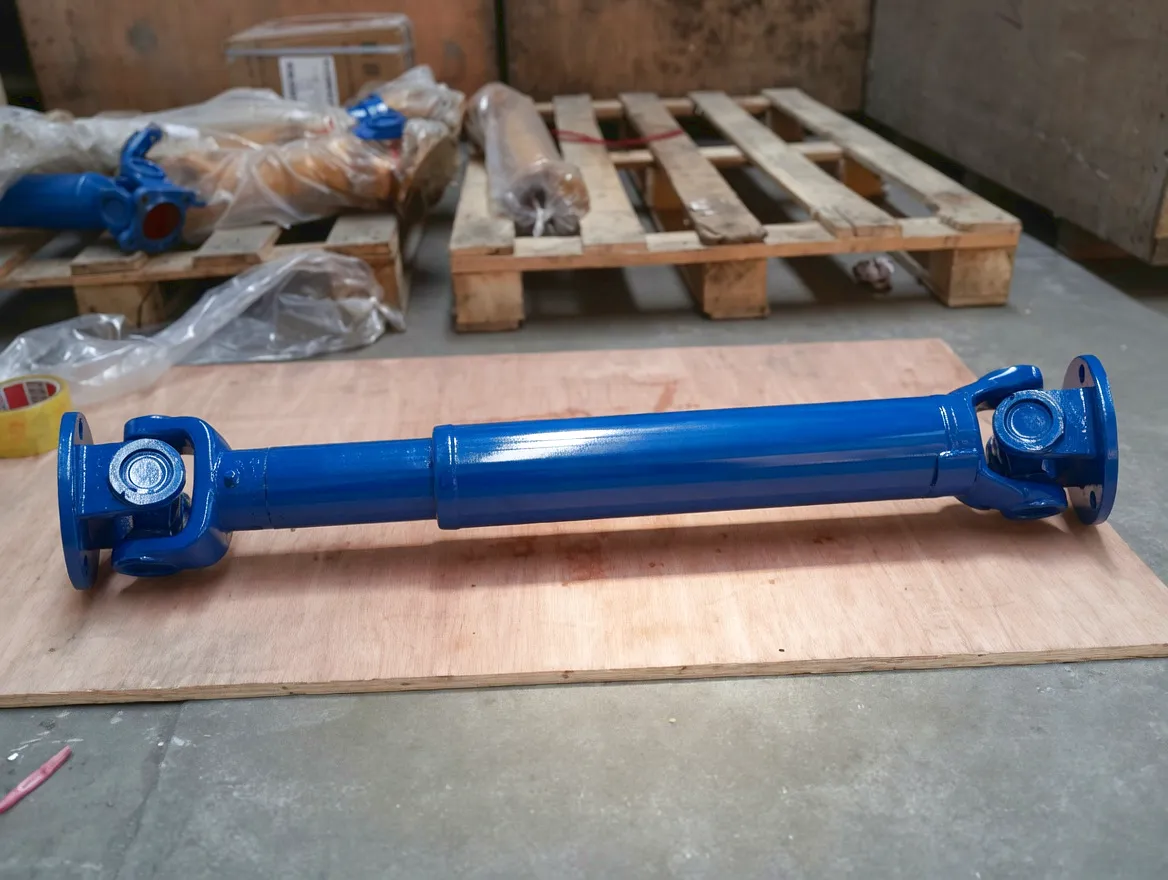
The combination of high torque capacity, generous angular tolerance, axial float compensation, and long-service robustness has given the cardan coupling a presence across a remarkable range of industries. From Sheffield’s steel rolling heritage to the modern offshore wind farms being built off the East Yorkshire coastline, cardan shaft couplings are embedded in the machines that keep UK heavy industry productive. The six scenarios below illustrate the most significant application sectors, along with the specific performance characteristics that make a cardan coupling the right choice in each case.
Ever Power: Precision Cardan Coupling Manufacturing & Customisation
Trusted by Mechanical Engineers Across the UK and International Markets
Ever Power has built its manufacturing reputation on one straightforward principle: every cardan coupling that leaves our facility must exceed the demands placed on it, not merely meet them on paper. Our production plant operates precision CNC turning and machining centres capable of achieving bore tolerances at H7/h6 and surface finishes of Ra 0.8 µm as a standard deliverable — not a premium option. Heat treatment is carried out on-site through fully documented induction hardening, through-hardening, and carburising processes, ensuring complete metallurgical traceability for every batch of yokes, crosses, and shaft components.
What sets Ever Power apart from standard catalogue suppliers is the depth and flexibility of our customisation capability. The reality of industrial mechanical engineering is that specific applications — a particular rolling mill spindle drive in Sheffield, a bespoke test rig gearbox in Cambridge, a retrofit coupling for an ageing extruder line in Manchester — often call for dimensions, connection standards, or material grades that fall outside any standard product listing. Our engineering team engages directly with your designers, reviews your application load data and installation geometry, and develops a cardan coupling specification that is genuinely optimised for your actual duty cycle. We do not sell the nearest available standard product and call it a custom solution.
Supply chain reliability is as important as manufacturing precision. Ever Power maintains strategic stock holdings of trunnion crosses, needle bearing assemblies, yoke forgings, and intermediate tube sections across a comprehensive range of sizes, allowing fast-track delivery of both standard and customised cardan coupling assemblies. For UK clients, standard stock orders typically despatch within 7–15 working days ex-works, with expedited handling available where production urgency demands it. Every shipment is accompanied by dimensional inspection records, EN 10204 3.1 or 3.2 material certificates, and dynamic balance reports where specified — documentation standards that match the expectations of major UK plant engineering teams.
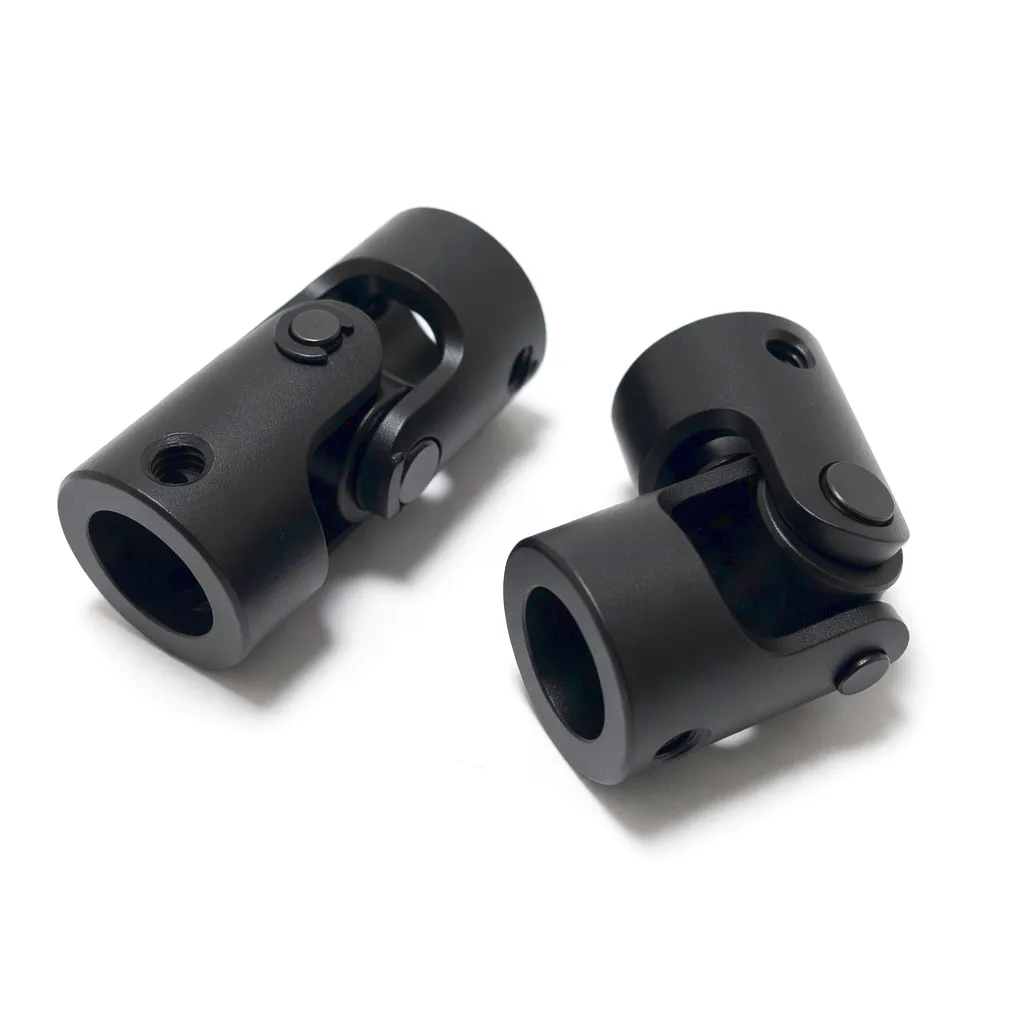
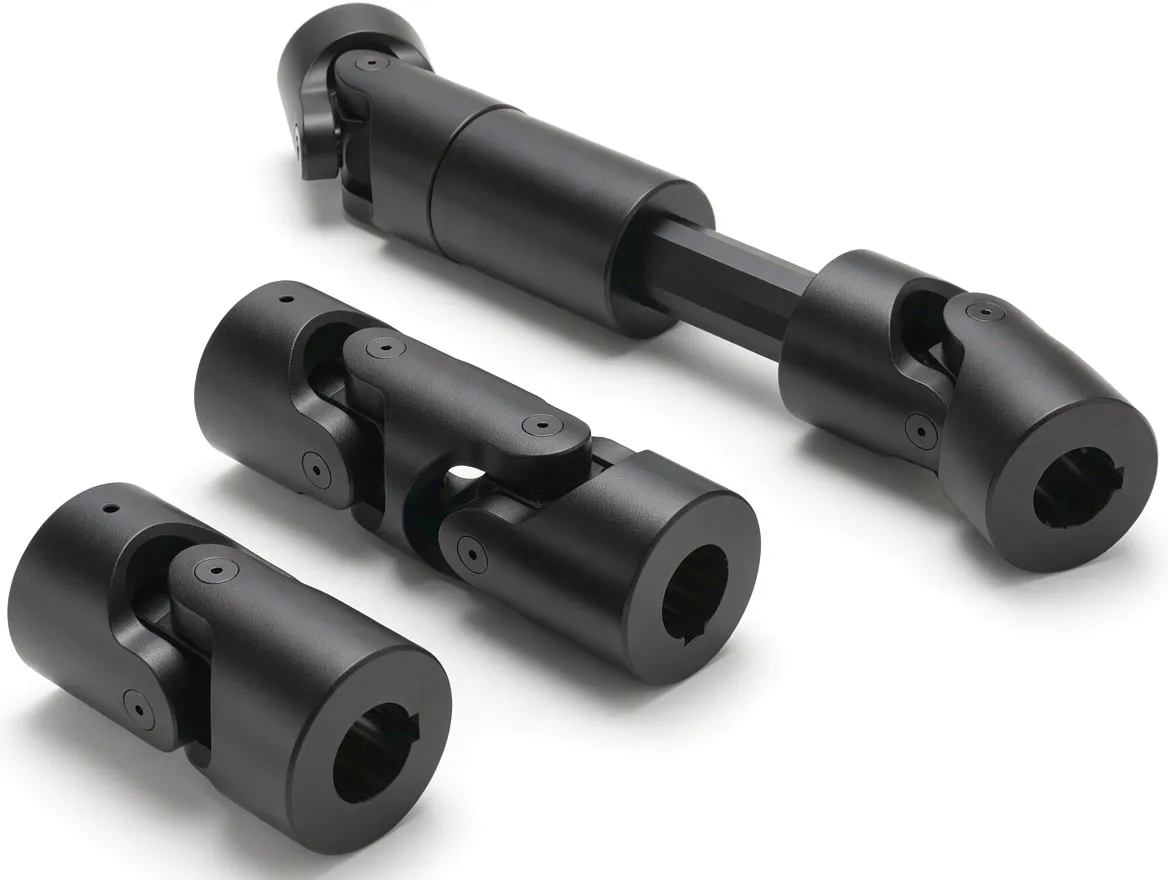
Need a Custom Cardan Coupling for Your Drive System?
Share your shaft dimensions, operating angle, torque, and speed data. Our engineers respond within 24 hours with a detailed technical proposal and commercial quotation.
Customer Success Story: Eliminating Drive Failures at a Sheffield Precision Forge
Case Study · Sheffield, South Yorkshire · Heavy Precision Forging Industry
“Twelve unplanned coupling failures per year reduced to zero over an eighteen-month period following Ever Power’s custom cardan coupling installation.”
 A precision forging company operating in Sheffield’s Lower Don Valley had been running a 2,500-tonne closed-die forging press for over a decade. The main drive used a pair of universal joint couplings to connect the flywheel shaft to the eccentric drive — a necessary arrangement because the shaft centres were slightly offset by the press frame geometry as originally designed. Over years of operation, as the press frame settled under the accumulated impact loading and the alignment deviation gradually increased, the existing couplings began showing accelerated bearing wear. Trunnion cross failures occurred multiple times per year, each one requiring an unplanned production stoppage for replacement.
The plant’s maintenance manager contacted Ever Power after searching for a cardan coupling specialist with genuine engineering capability rather than a catalogue sales operation. Our application team reviewed the press assembly drawings, took direct measurements of the angular and axial offset under operating load, and identified a critical problem: the original couplings had been under-specified for the peak impact torque generated when forging 350mm diameter alloy steel billets. The solution was a double cardan shaft coupling in 42CrMo4 material with a nominal torque rating 40% higher than the original, upgraded sealed needle bearing assemblies rated for the actual temperature measured in the drive bay, and a fitted labyrinth seal arrangement to exclude the abrasive forge-scale dust that had been contaminating and destroying the original bearings long before their calculated service life was reached.
The Ever Power cardan couplings were installed during a scheduled maintenance window. Over the following eighteen months of production, the press recorded zero unplanned stoppages related to coupling failure — an outcome the maintenance director described as transformative for production planning reliability and team morale. The annual saving from eliminated emergency repair costs, avoided production losses, and the removal of expensive expedited spare parts procurement was independently assessed at more than £180,000. Ever Power now supplies this Sheffield facility with an annual preventative maintenance kit — trunnion cross assemblies and bearing cups despatched within 48 hours of order placement — ensuring the drive continues to perform across future production campaigns.
What UK Engineers Say About Ever Power Cardan Couplings
★★★★★
“We have been running Ever Power’s heavy-duty cardan couplings on our No. 3 hot rolling mill for two full production years without a single trunnion bearing failure. The dimensional accuracy of their custom yokes matched our legacy shaft exactly — no shimming, no adaptation plates. Genuinely impressed by both the product quality and the responsiveness of their technical support when we needed alignment guidance during installation.”
— James R., Maintenance Director, Hot Strip Mill, Rotherham
★★★★★
“We contacted Ever Power for a stainless steel cardan coupling for a new wastewater treatment pump drive in Birmingham. The lead time was competitive, the 316L stainless specification came with full material certification, and the dynamic balance report was included without us having to request it separately. It is rare to find a coupling manufacturer that handles documentation with the same professionalism as the engineering.”
— Sandra T., Procurement Manager, Municipal Infrastructure, Birmingham
★★★★★
“Our offshore wind nacelle prototype required a double cardan shaft coupling with G2.5 balance rating and a modified yoke geometry to clear an internal structural member. Ever Power’s engineers turned around a design proposal within 24 hours of receiving our drawings and delivered the finished units ahead of our commissioning schedule. For this level of bespoke customisation, the pricing was genuinely competitive compared with traditional UK industrial coupling sources.”
— Dr. Alec M., Lead Drivetrain Engineer, Offshore Wind OEM, Aberdeen
Frequently Asked Questions: Cardan Couplings for UK Industrial Applications
Ready to Specify Your Next Cardan Coupling?
Ever Power’s engineering team is ready to help you select, customise, and deliver the right cardan coupling for your exact application — with full technical documentation and fast UK-targeted despatch.
📩 Contact Ever Power: [email protected]
Response within 24 hours · Custom specifications welcome · EN 10204 certification available · Fast UK despatch
edit by gzl