Introducing Cardan Coupling for Agricultural Machinery
Keyword Content:
- Cardan coupling
- Agricultural machinery
- Cardan shaft
- Double cardan joint
- Choosing the appropriate cardan coupling
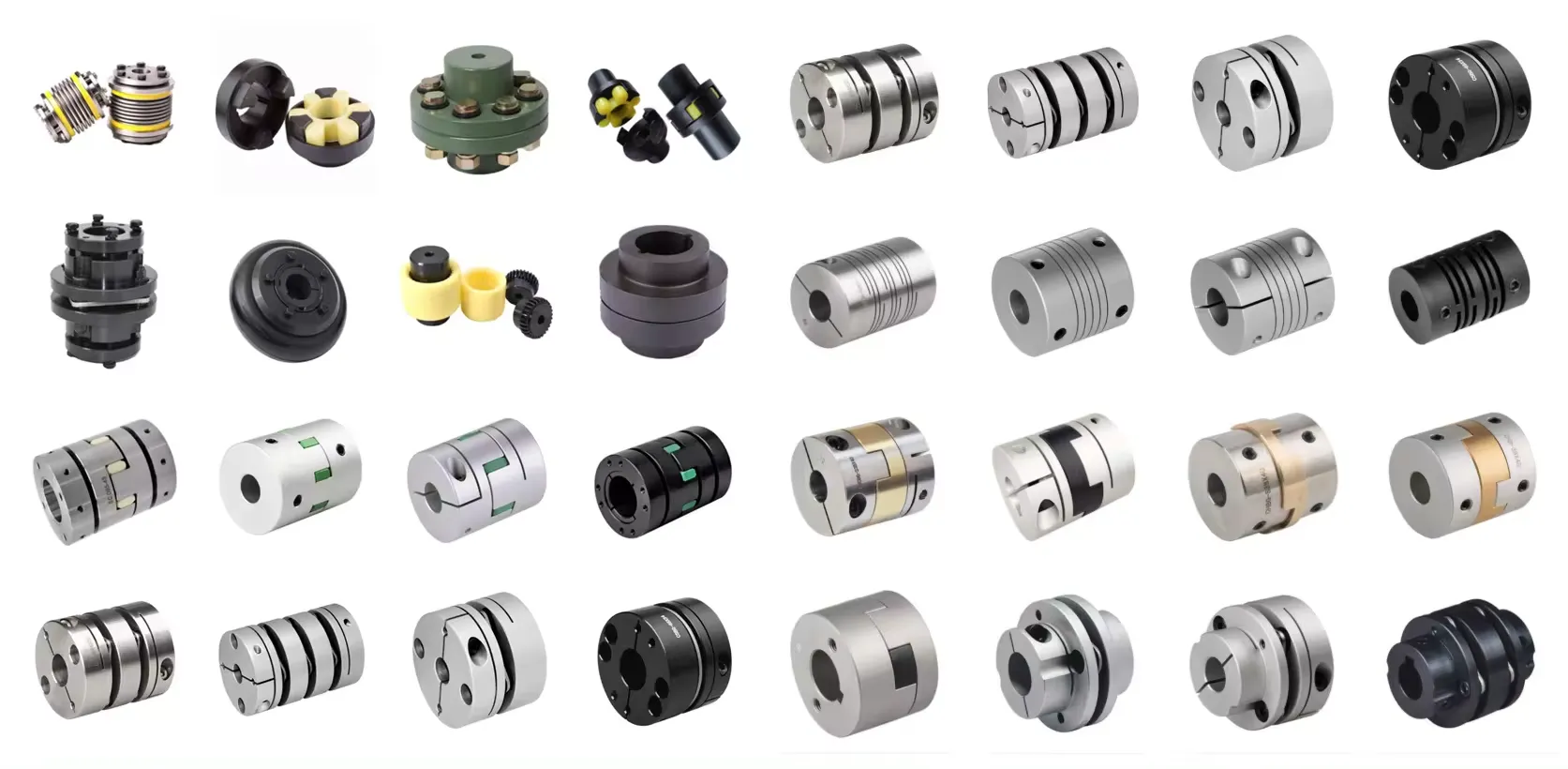
- Difference between disc and cardan coupling
What is Cardan Shaft Coupling?
1. Definition
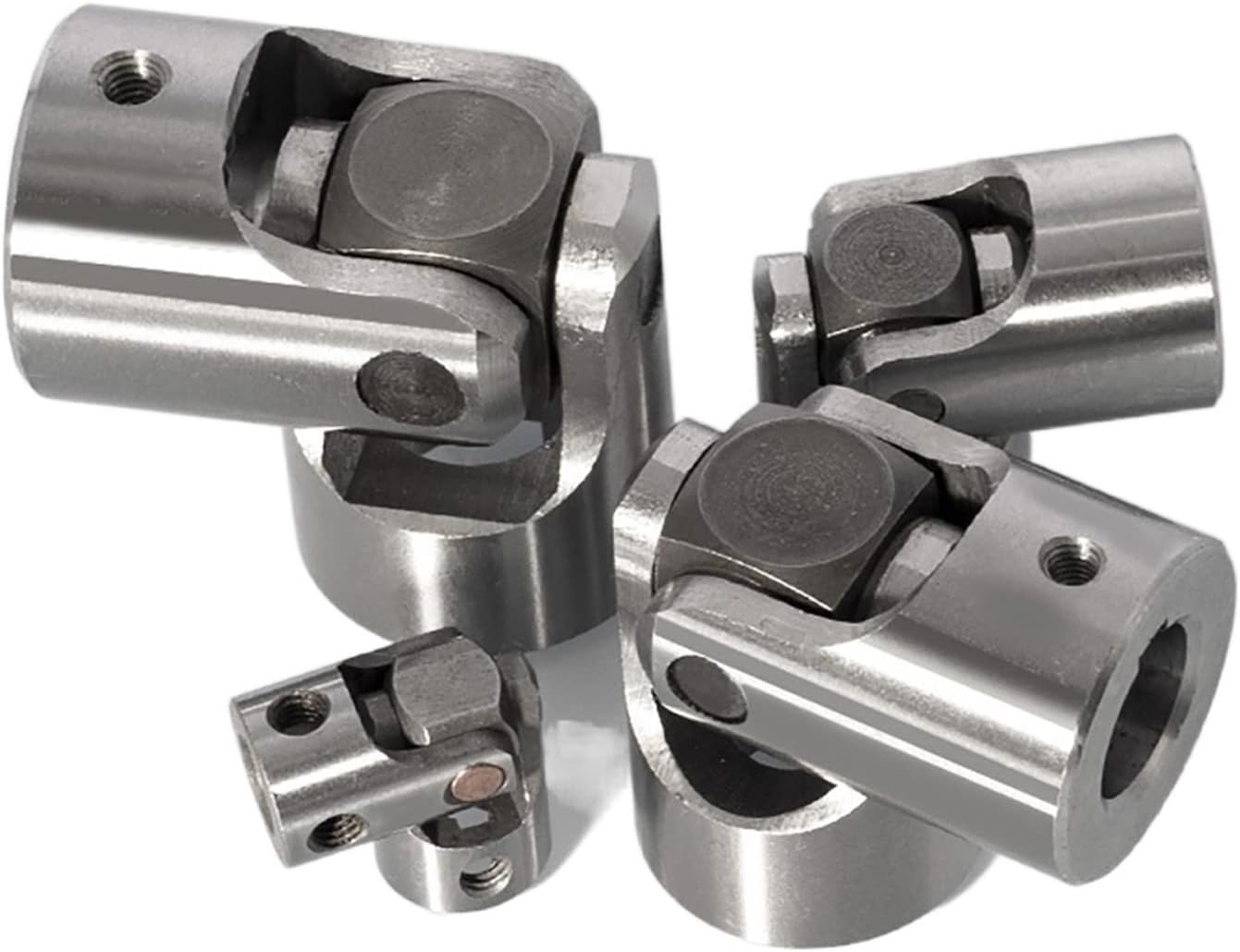
A Cardan shaft coupling is a mechanical device used to transmit torque between two shafts that are not collinear. It consists of a universal joint, a shaft, and supporting bearings.
2. Function
The primary function of a Cardan shaft coupling is to allow for the transmission of power between two shafts that are at an angle to each other.
3. Components
The main components of a Cardan shaft coupling include the yoke, universal joint cross, and bearing cap.
4. Applications
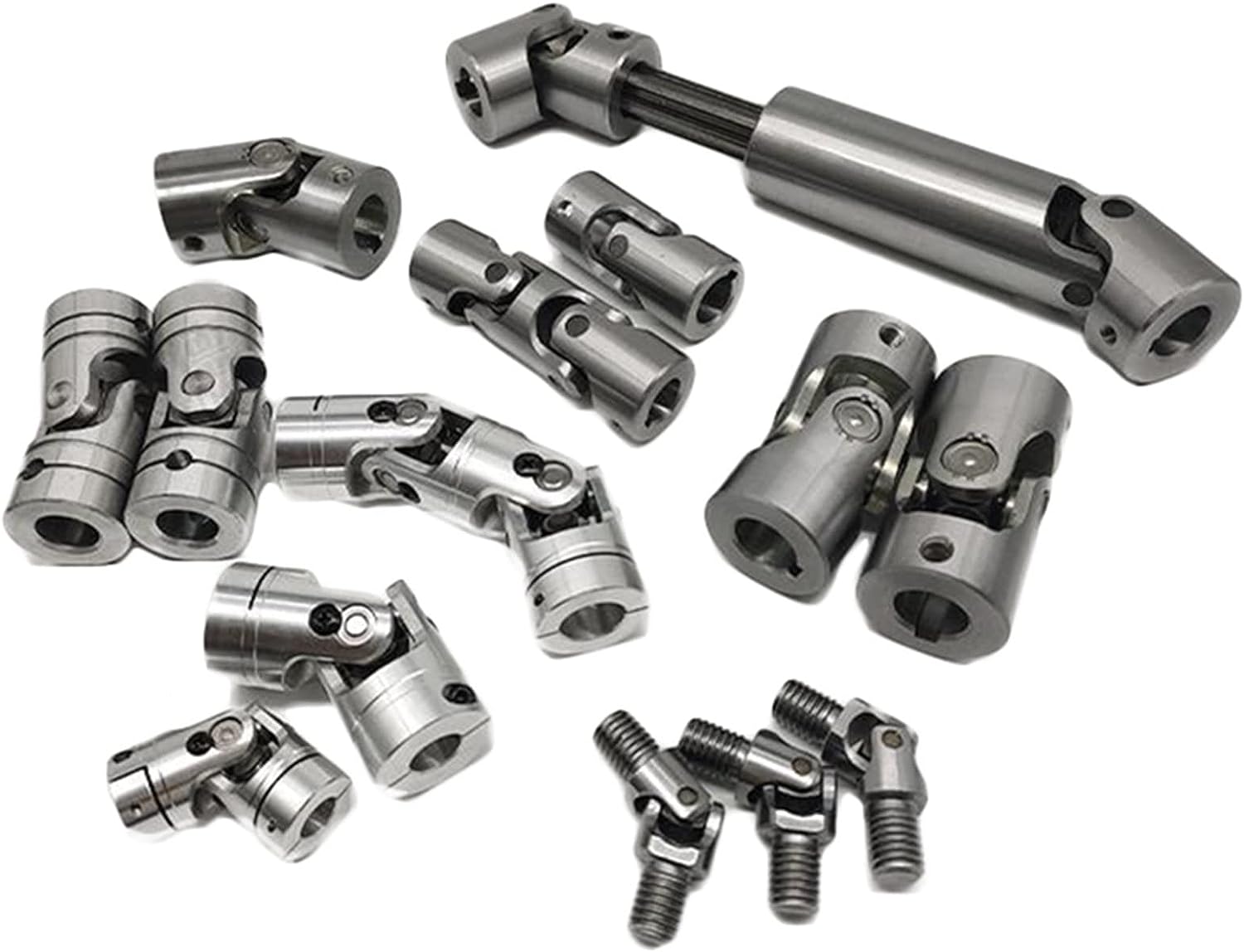
Cardan shaft couplings are commonly used in agricultural machinery, industrial equipment, and automotive applications.
5. Benefits
Some of the benefits of using a Cardan shaft coupling include its ability to transmit power efficiently, its durability, and its ability to accommodate misalignment.
6. Maintenance
Regular inspection and lubrication are essential for maintaining the performance and longevity of a Cardan shaft coupling.
What is the Purpose of a Cardan Shaft?
1. Torque Transmission
A Cardan shaft is designed to transmit torque between two shafts that are not collinear, allowing for power to be transferred efficiently.
2. Angular Misalignment Compensation
One of the key purposes of a Cardan shaft is to compensate for angular misalignment between the driving and driven shafts.
3. Vibration Damping
Cardan shafts can help dampen vibrations that may occur during operation, leading to smoother performance.
4. Power Transmission Efficiency
By minimizing power loss and ensuring efficient transfer of power, Cardan shafts help improve overall system performance.
5. Versatile Applications
Cardan shafts are versatile and can be used in a wide range of industries and applications, making them a popular choice for many machinery systems.
What is the Purpose of a Double Cardan Joint?
1. Improved Angular Misalignment Compensation
A double cardan joint offers enhanced flexibility in compensating for angular misalignment between shafts, providing smoother operation.
2. Reduced Vibration
Due to its design, a double cardan joint can help reduce vibration and noise levels, contributing to a quieter and more efficient system.
3. Enhanced Durability
Double cardan joints are known for their durability and reliability, making them suitable for heavy-duty applications.
4. Greater Torque Capacity
With its construction, a double cardan joint can handle higher torque loads compared to a single universal joint, ensuring robust performance.
5. Versatility
Double cardan joints are versatile components that can be used in various machinery systems, offering flexibility and adaptability.
How to Choose the Appropriate Cardan Coupling
1. Consider Operating Conditions
Assess the operating conditions, including torque requirements, speed, misalignment, and environmental factors, to determine the right cardan coupling.
2. Select the Correct Size
Choose a cardan coupling that matches the shaft sizes and specifications of the machinery to ensure proper fit and function.
3. Evaluate Material Quality
Check the material quality of the cardan coupling to ensure durability, corrosion resistance, and overall performance under various conditions.
4. Review Maintenance Requirements
Consider the maintenance needs of the cardan coupling, including lubrication and inspection schedules, to ensure long-term reliability.
5. Seek Expert Advice
If unsure, consult with coupling experts or manufacturers to get recommendations on the most suitable cardan coupling for your specific application.
What is the Difference Between a Disc and a Cardan Coupling?
1. Design
A disc coupling consists of two hubs with a thin metal disc in between, while a Cardan coupling is made up of a universal joint, shaft, and supporting bearings.
2. Flexibility
Disc couplings offer high torsional stiffness and are suitable for precision applications, while Cardan couplings provide flexibility and accommodate misalignment.
3. Torque Transmission
Cardan couplings are better suited for applications requiring torque transmission at angles, while disc couplings are ideal for straight shafts.
4. Vibration Damping
Disc couplings are known for their excellent vibration damping properties, while Cardan couplings may provide some vibration reduction but are more focused on misalignment compensation.
5. Applications
Disc couplings are commonly used in high-speed and high-precision machinery, while Cardan couplings are preferred for applications with angular misalignment requirements.
About HZPT
At HZPT, we specialize in designing, developing, and producing high-quality couplings for various industries, including agriculture. With over 16 years of experience, we offer customized solutions to meet our global customers’ needs. Our products undergo rigorous quality inspections and have CE and TUV certifications, ensuring reliability and performance. We pride ourselves on customer satisfaction and provide 24-hour service, competitive prices, and superior product quality. Choose HZPT for all your coupling needs and experience excellence in engineering.