
Engineering Principles of Cardan Couplings in Rotary Tiller PTO Drive Shaft Systems: A Complete Reference for UK Agricultural Applications
From field performance to precision torque transfer — how universal joint cardan couplings define the reliability backbone of modern rotary tiller applications across UK and European farms.
🌎 UK & Europe
🔗 B2B Industrial
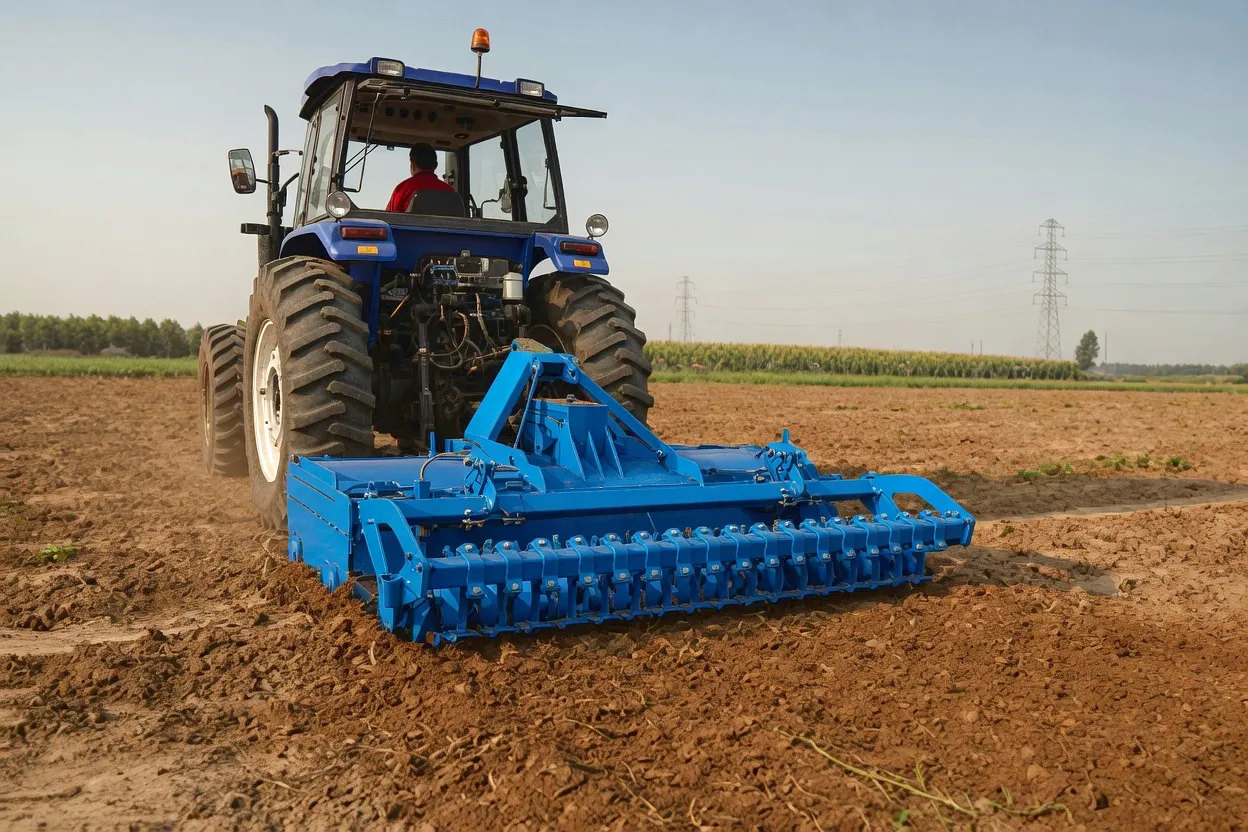
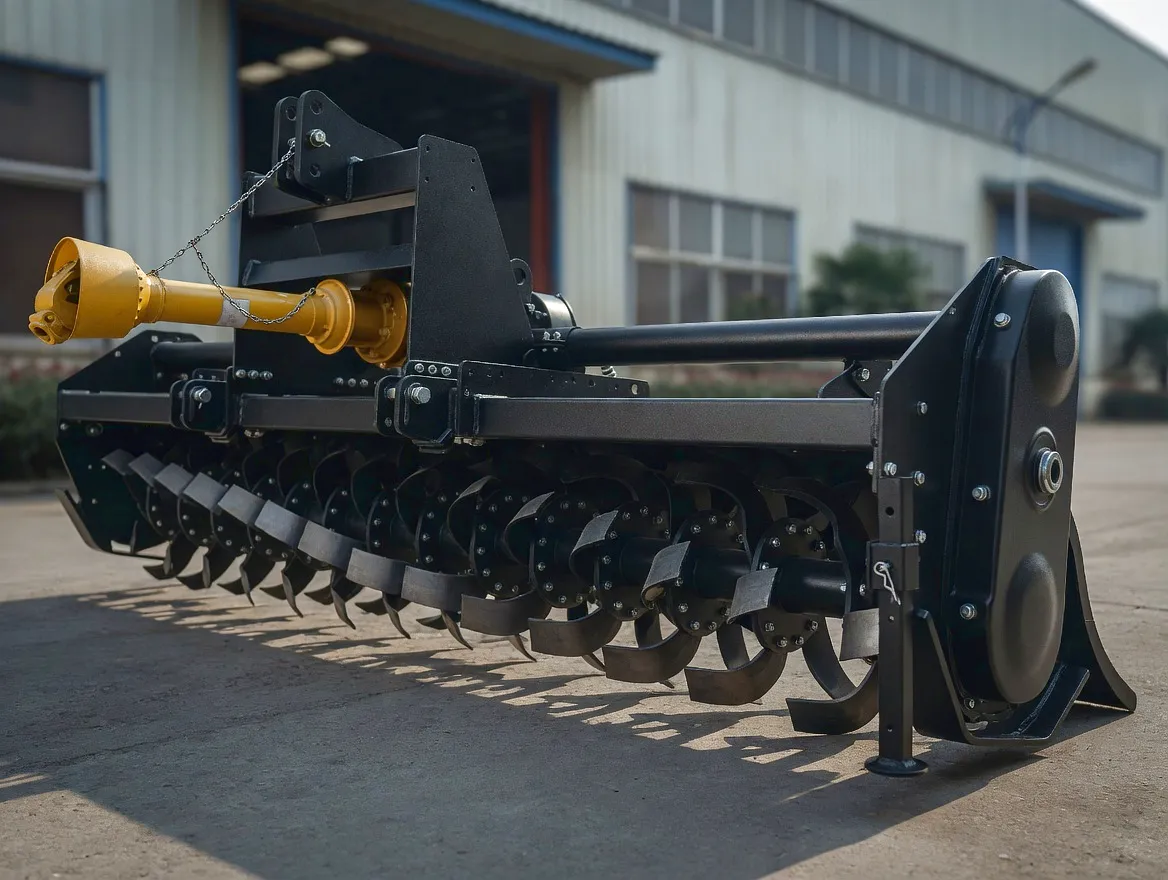 Walk across virtually any arable farm in Yorkshire, the East Midlands, or the Scottish Lowlands during spring cultivation, and you will see the same scene repeated: a tractor working steadily up the field, its rotary tiller churning the soil behind it, connected to the tractor’s rear PTO shaft by a robust, spinning drive shaft with distinctive round yoke ends. That shaft — the cardan coupling PTO drive shaft — is doing far more mechanical work than it appears to. It is simultaneously transmitting full engine torque, accommodating the angular misalignment caused by three-point hitch geometry, absorbing shock loads as the tiller blades strike stones, and doing all of this continuously for hundreds of hours each season. Its engineering deserves serious attention, yet it is often the last component a machinery buyer considers when specifying a rotary tiller.
This guide is written for agricultural machinery dealers, farm managers, OEM procurement engineers, and workshop technicians across the United Kingdom who need a thorough technical and commercial understanding of cardan couplings in rotary tiller applications. We cover the mechanical principles, material science, key performance parameters, selection criteria, common failure modes, and procurement considerations — drawing on over eighteen years of hands-on application engineering in power transmission.
Why Cardan Couplings Lead in PTO Applications
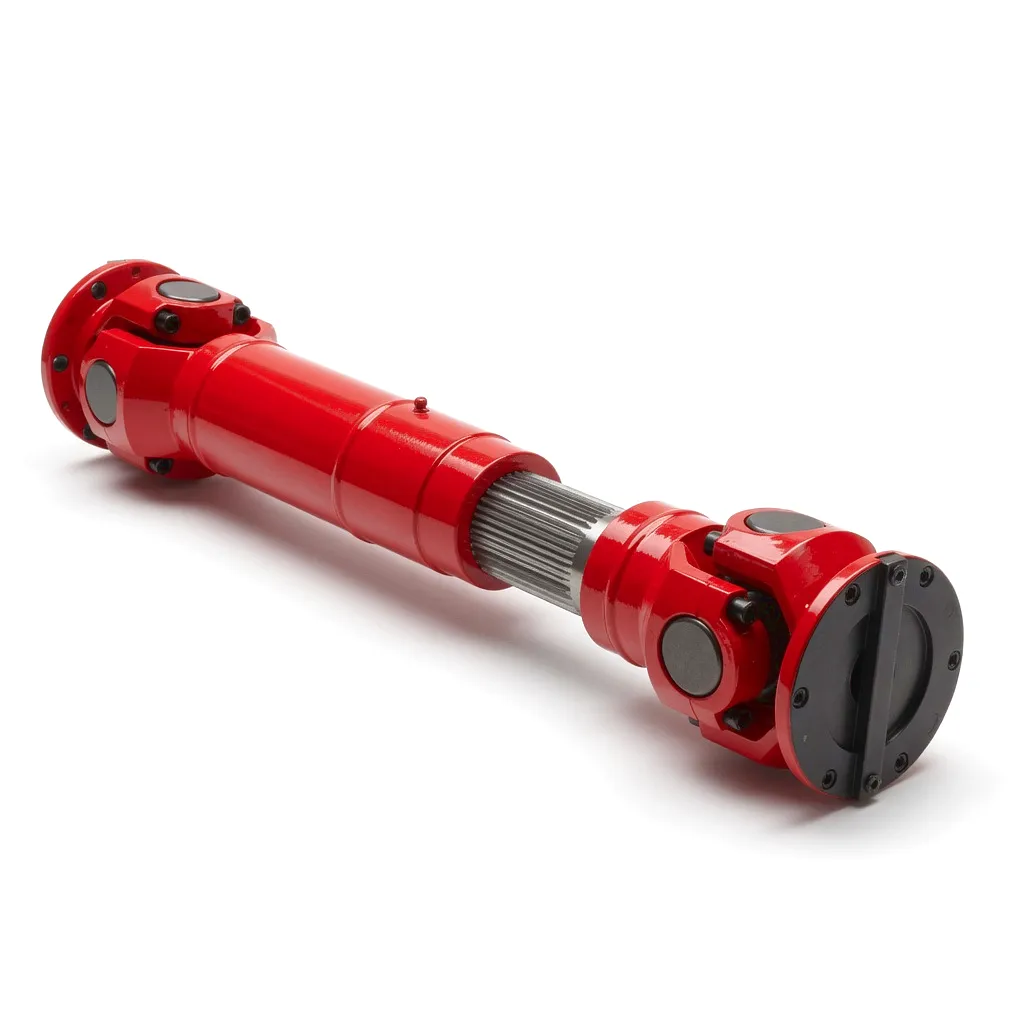
The geometry of a three-point hitch linkage means the PTO drive shaft must operate at working angles typically between 6° and 20° depending on tractor height, implement weight distribution and ground conditions. A rigid coupling would shatter instantly under these conditions; a simple flexible coupling cannot handle the torque density. The cardan coupling — a double universal joint arrangement — is the only practical solution that combines genuine angular flexibility with the torque capacity demanded by rotary tiller gearboxes running at 540 or 1000 RPM PTO speeds.
The engineering elegance of the cardan joint lies in its four-point cross bearing assembly. Load is distributed across needle roller bearing cups, the cross journal absorbs misalignment through rotation, and the yoke geometry converts angular deviation into smooth rotational output — all without meaningful power loss.
📧 Get a Quote — [email protected]
Response within 24 hours · Custom specifications welcome
How a Cardan Coupling Actually Works in a Rotary Tiller Drive System
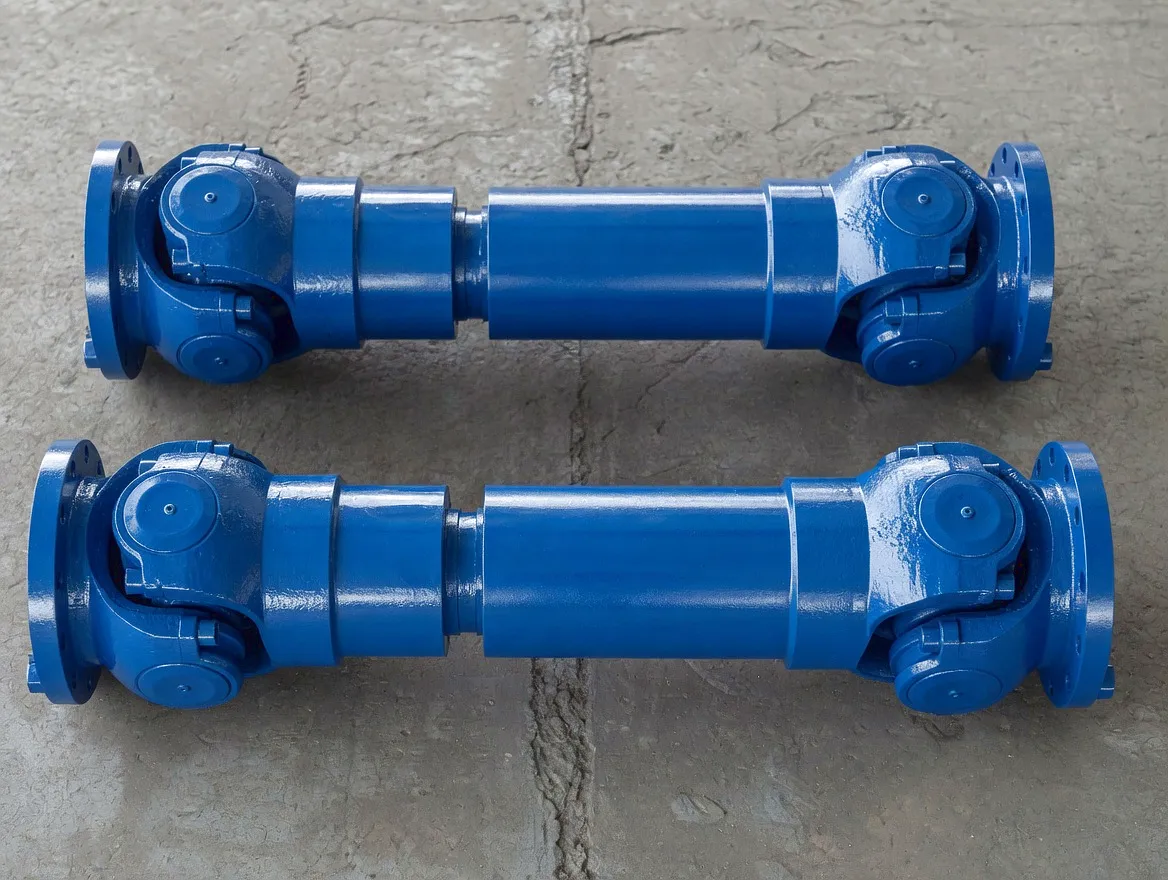
The term “cardan coupling” refers to a mechanical joint using two universal joints (Hooke’s joints) phased at 90° to each other and connected by an intermediate shaft. This double-joint arrangement is critical because a single universal joint produces a non-uniform velocity output when operating at any angle — the driven shaft accelerates and decelerates twice per revolution at a rate proportional to the square of the operating angle. At 15° working angle on a 540 RPM PTO shaft, this velocity variation is perceptible and places significant cyclic stress on gearbox components. By pairing two joints in the correct phase relationship, the cardan assembly produces a constant velocity (CV) output, provided both joints operate at equal and opposite angles. This is why the correct installation geometry — ensuring the tractor PTO shaft axis and the implement gearbox input shaft axis are parallel (even if offset vertically) — is so important for both performance and component longevity.
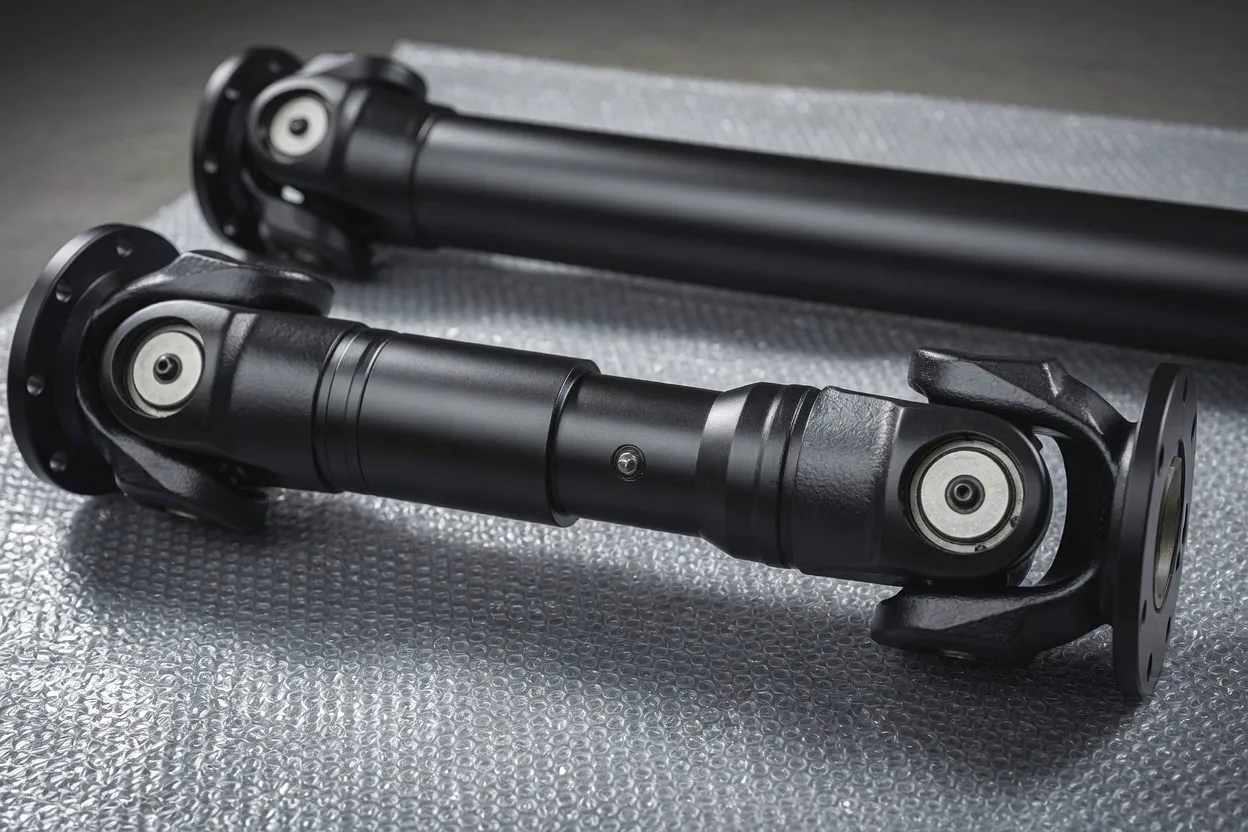
In practice, the rotary tiller PTO drive shaft assembly consists of: an inner telescoping tube (typically square or hexagonal profile) with an outer tube to accommodate length changes as the implement raises and lowers on the three-point linkage; a safety guard assembly covering the rotating shaft; and a universal joint yoke at each end. The tractor end connects to the splined PTO stub shaft (typically 1-3/8″ 6-spline or 1-3/8″ 21-spline for category II tractors), while the implement end connects to the rotary tiller gearbox input. The entire assembly rotates as a rigid-body torque transmission element while simultaneously accommodating angular misalignment and length variation.
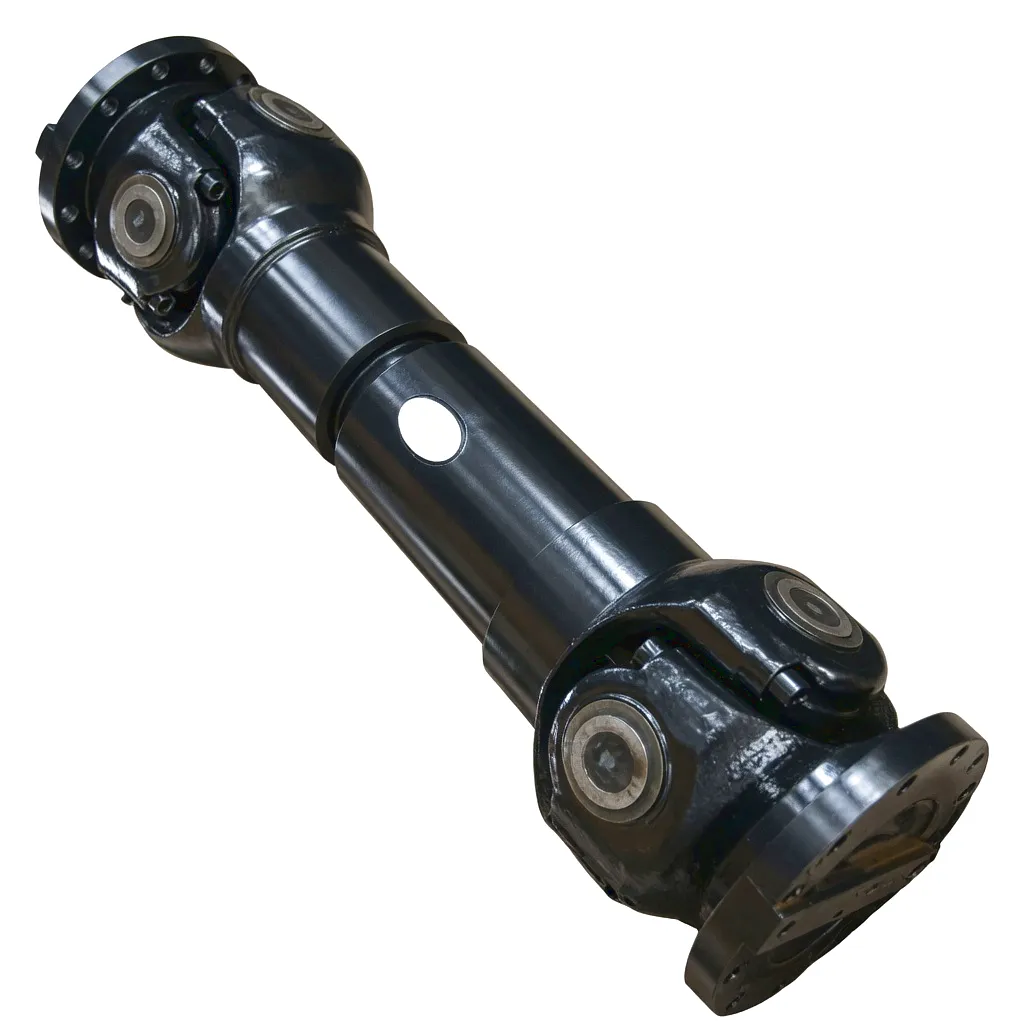
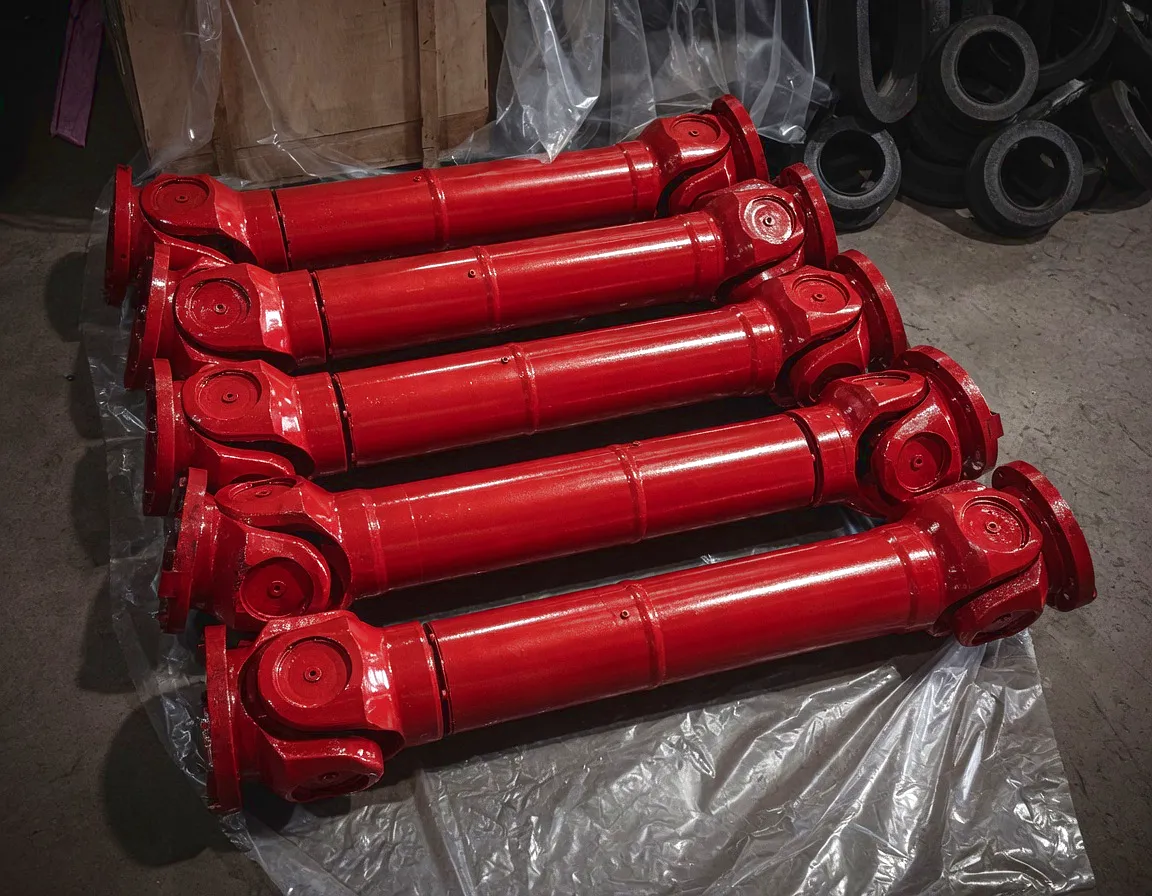 The cross and bearing assembly at the heart of each universal joint deserves particular attention. The cross (also called the spider or journal cross) is typically forged from case-hardening steel such as 20CrMo or 20CrMnTi, carburised and quenched to achieve a surface hardness of HRC 58–64 with a tough core. The bearing cups contain needle roller bearings running on the precision-ground journals of the cross, with grease retained by lip seals. The bearing cup is retained in the yoke bore by circlips, pressed caps, or weld-on retainers depending on the series and application. Under load, the needle rollers distribute contact stress across a large surface area, limiting Hertzian stress to acceptable levels even at full rated torque.
Technical Performance Parameters
Key specifications for agricultural PTO cardan coupling series selection
*Peak torque values based on 3x rated torque safety factor typical for agricultural PTO applications. Contact Ever Power for exact specifications and custom series availability.
Materials, Construction & Manufacturing Standards
Cross & Spider Journal
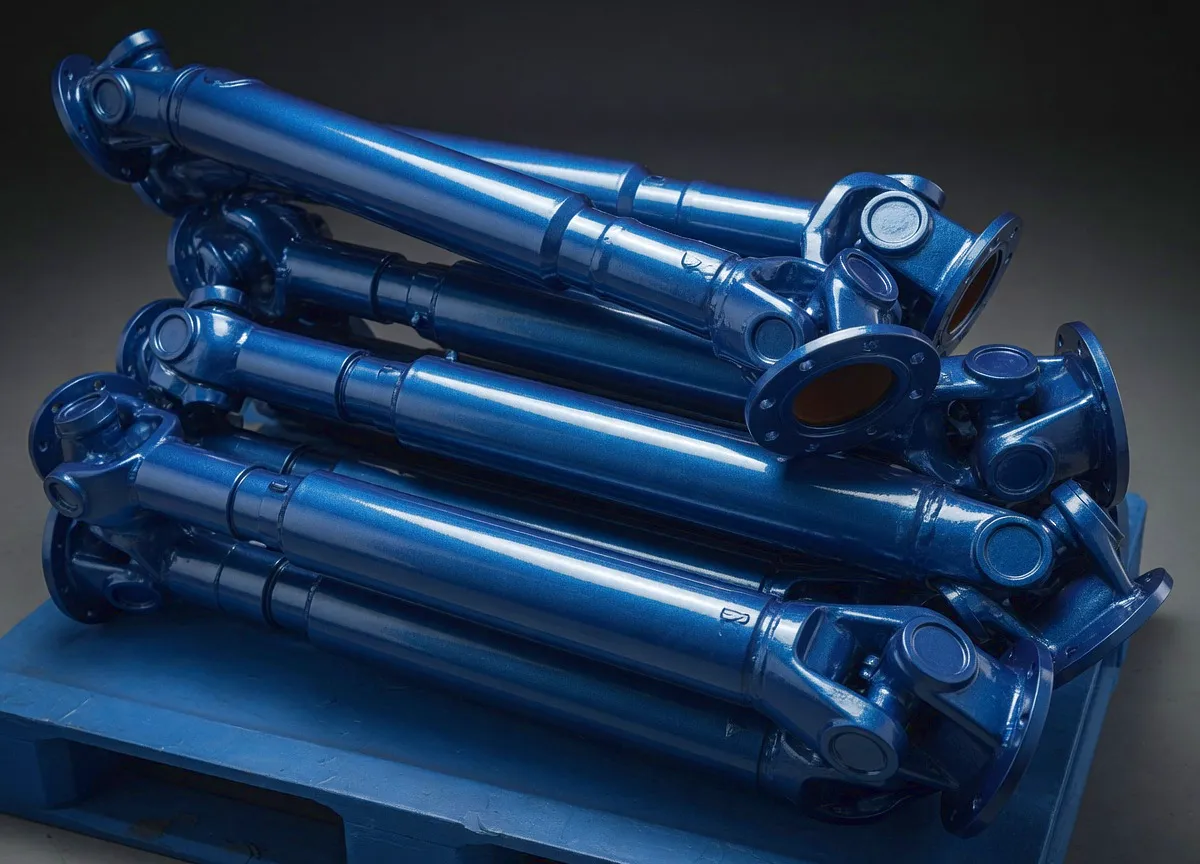
20CrMo / 20CrMnTi alloy steel. Carburised and quenched. Case depth 0.8–1.4 mm. Surface hardness HRC 58–64. Precision-ground journal ODs to tolerance h6.
Yoke & Flange
Q345B / 40Cr steel forgings. Die-forged for grain flow alignment. Normalised and tempered. Machined bores to H7 for bearing cup press fit. Shot-peened surfaces for fatigue enhancement.
Telescoping Tube Profile
Square or hexagonal section, cold-drawn seamless steel tube. Inner/outer tube clearance ground for smooth sliding under load. Nylon or bronze profile liners available for noise reduction and corrosion resistance.
Safety Guard & Protection
Polyethylene or ABS plastic cone guards and funnel guards mounted on bearings to remain stationary while shaft rotates. Mandatory under EN 12965 standard for agricultural PTO shafts in the EU and UK market.
The combination of forged steel yokes, precision-ground cross assemblies, and needle roller bearing cups is not arbitrary — it results from decades of refinement driven by hard field experience. Agricultural PTO drive shafts encounter conditions that would destroy lighter-duty couplings: sudden overloads when the tiller hits buried rocks, vibration from blade imbalance, water and abrasive soil contamination, and the seasonal cycle of long idle periods followed by intensive use. The material stack-up described above, properly manufactured and assembled, delivers a service life typically measured in thousands of operating hours rather than seasons, provided grease nipples are serviced and guards maintained intact.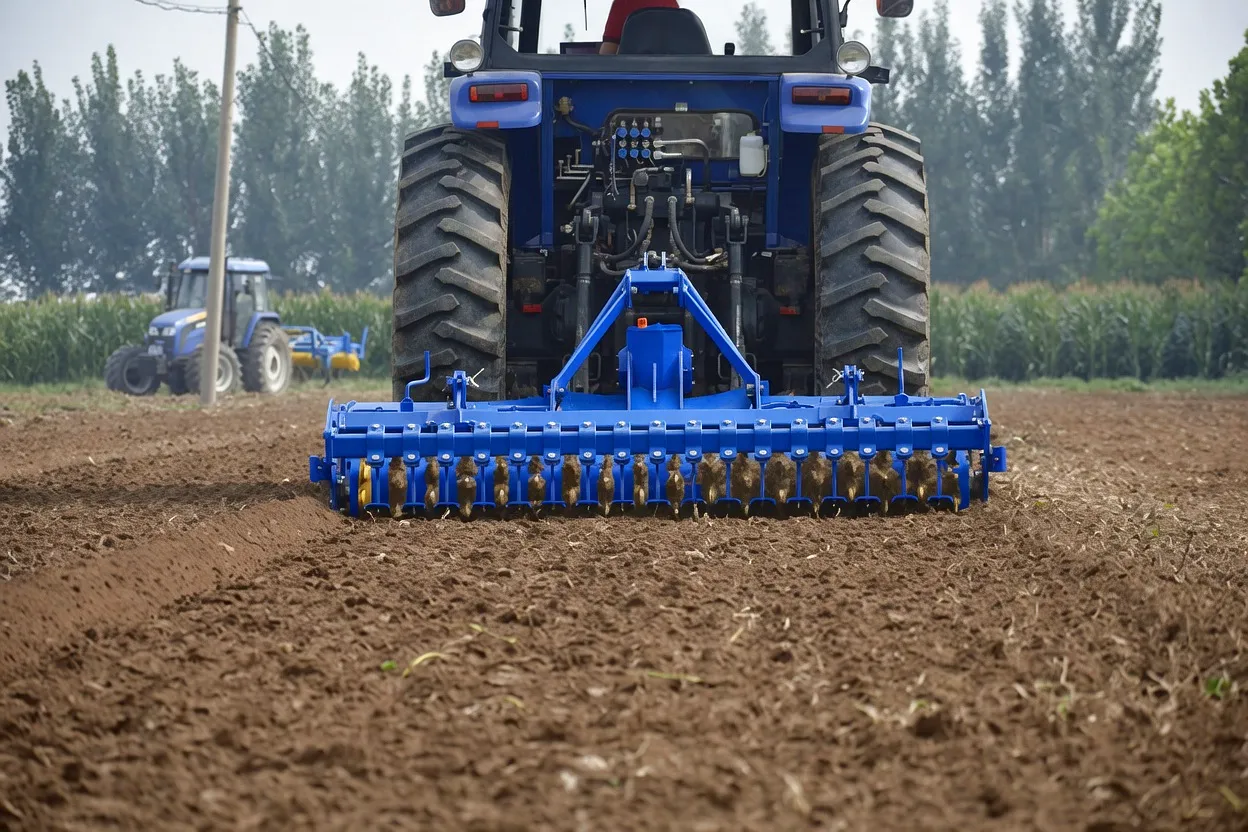
Key Advantages of Using a Quality Cardan Coupling in Rotary Tiller Systems
The double-joint phased arrangement eliminates the velocity variation inherent in single universal joints, protecting gearbox internals and preventing resonance-driven fatigue in the tiller blade shaft at typical 540 RPM PTO operating speeds.
Forged alloy steel construction delivers rated torques from 460 Nm to over 1400 Nm in assemblies weighing just 4–18 kg, an essential advantage on three-point-hitch implements where rear weight distribution affects tractor front axle loading.
Agricultural series cardan coupling assemblies are available with integrated shear bolt hubs, slip clutches, or ratchet torque limiters at the implement end, providing automatic overload protection when tiller blades strike buried obstacles — preventing expensive gearbox damage.
Cross and bearing assemblies are replaceable in the field with standard tools, without the need to remove the tractor or disassemble the implement. Grease nipples on each journal allow routine maintenance between seasons, dramatically extending service intervals.
Standard series operate continuously at up to 25° per joint; wide-angle CV joint assemblies reach 80°, enabling use on steep terrain, front-mounted implements, and compact tractor configurations where standard geometry cannot be maintained.
CE-marked assemblies manufactured to EN 12965 (Power take-off drive shafts and their guards — safety requirements) are required for sale in the UK and EU markets. Properly certified cardan coupling PTO shafts protect both operators and manufacturers from liability exposure.
Application Scenarios: Where Cardan Couplings Drive Agricultural Value
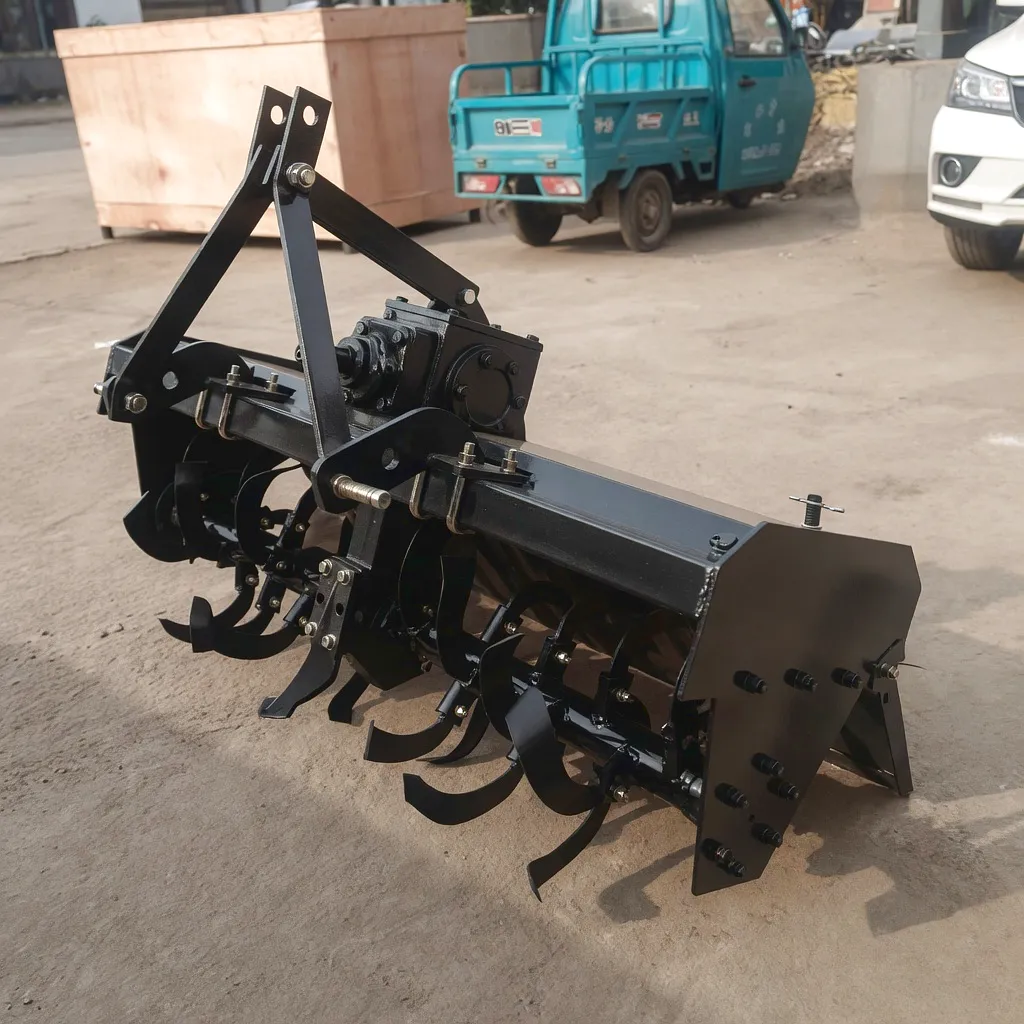
The rotary tiller is the headline application, but the cardan coupling is the unsung transmission hero across an enormous range of PTO-driven implements. Understanding the breadth of applications helps dealers specify the correct series and helps OEM engineers design for worst-case torque events.
How to Select the Right Cardan Coupling Series for Your Rotary Tiller
Selection of the correct cardan coupling series for a rotary tiller installation is a multi-variable engineering problem that is frequently reduced in practice to “what fits the PTO and gearbox.” That shortcut is the cause of a disproportionate number of premature failures seen in agricultural workshops across England and Wales. Proper selection requires consideration of at minimum: tractor engine torque at rated PTO speed; implement gearbox reduction ratio and input torque requirement; maximum operating angle under worst-case geometry (typically implement at maximum lift on level ground with minimum PTO shaft extension); required shaft length at minimum, nominal, and maximum telescope extension; PTO speed (540 or 1000 RPM); and the presence or absence of an integrated overload device.
As a practical starting point, the rated torque of the cardan coupling series should be selected to at least match the stall torque of the tractor PTO at the operating speed, multiplied by the service factor for the application. Rotary tillers in typical UK arable conditions carry a service factor of 2.0–2.5 for smooth ground and 3.0 or above for stony ground. At a service factor of 2.5, a 90 HP (67 kW) tractor producing approximately 1180 Nm at 540 RPM PTO requires a coupling rated at a minimum of 2950 Nm — which maps to a T8 or equivalent heavy-duty series rather than the T6 that might appear adequate based on nominal tractor power alone.
Understanding Failure Modes — and How to Prevent Them
The failure analysis data from agricultural machinery repair workshops in the UK, Germany, and France consistently points to the same root causes. Understanding them is the fastest path to reducing running costs and downtime on rotary tiller operations.
Cross Bearing Spalling
Root cause: lubrication neglect. Grease nipples on cross assemblies must be greased every 8–10 operating hours or after each major rain event. Using incorrect grease (non-EP NLGI 2 high-temperature grease) degrades rapidly under field conditions and causes premature spalling.
Yoke Fatigue Fracture
Root cause: undersized series selection or operation without overload protection on stony ground. Impact torques from rock strikes can reach 5–8x rated torque. A quality cardan coupling that appears visually intact may have developed subsurface fatigue cracks after cumulative overload events.
Telescoping Tube Seizure
Root cause: soil contamination of the inner/outer tube profile and lack of lubrication. When the tube seizes, the angular articulation demand is borne entirely by the universal joints at angles they were not designed to accommodate, rapidly accelerating bearing wear.
Guard Damage & Entanglement
Root cause: mechanical damage from contact with tractor linkage components or ground obstacles, or loss of the retention chain. A damaged guard that begins rotating with the shaft is a serious safety hazard and indicates the guard bearings have failed. Guards must be inspected at every grease interval.
Ever Power Manufacturing — Precision Engineering & Custom Cardan Coupling Solutions
Ever Power has manufactured cardan couplings and PTO drive shafts for over two decades, supplying OEM agricultural machinery manufacturers, aftermarket distributors, and specialist dealers across the United Kingdom, Germany, France, Italy, and Scandinavia. Our manufacturing base encompasses a 38,000 m² facility with complete in-house forging, machining, heat treatment, and assembly capability — allowing us to maintain quality control at every process step rather than relying on external sub-contractors for critical components.
What genuinely sets Ever Power apart in the competitive PTO shaft market is our custom design and engineering service. A significant portion of our annual output is bespoke — drive shafts engineered to customer-specific geometry, torque rating, overload protection setting, spline profile, tube length, and connection interface. Agricultural machinery OEMs designing new implements or upgrading existing platforms benefit from our rapid prototyping capability: from technical specification to first-article sample, our engineering team typically delivers within 15–20 working days. For series production, our minimum order quantities are structured to serve both volume OEM buyers and smaller specialist manufacturers.
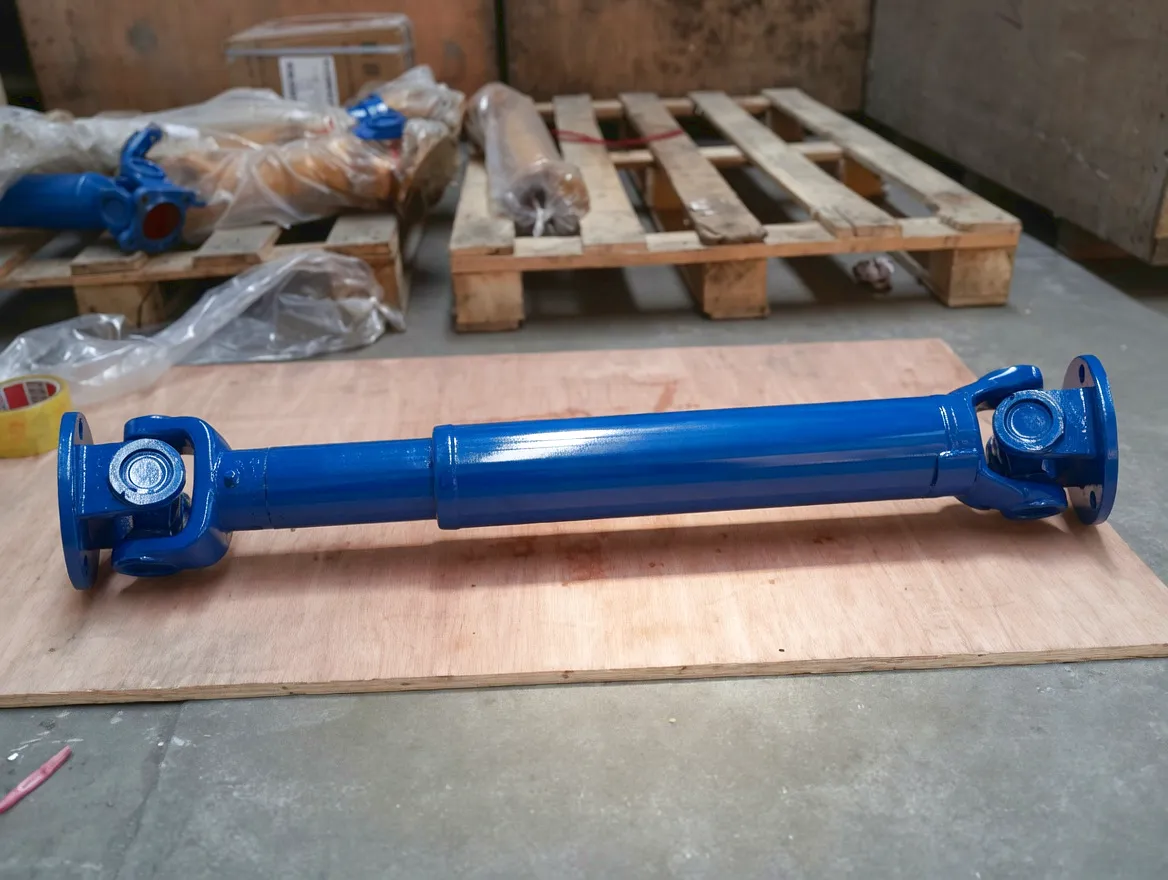
🔧 Custom Engineering Capability
- OEM series from T4 to T10 equivalent
- Custom spline profiles & bore sizes
- Bespoke torque limiter settings
- Wide-angle CV joint variants
- Special coatings (epoxy, Geomet, zinc)
- Rapid prototyping 15–20 days
- Minimum order from 10 units
Serving the UK Agricultural Machinery Market: East Midlands, Yorkshire, East Anglia & Beyond
 The United Kingdom operates some of the most sophisticated arable farming systems in Europe. The large combinable crop enterprises of Lincolnshire and Cambridgeshire, the intensive vegetable and salad production of Norfolk and Suffolk, the mixed arable and livestock operations of the Yorkshire Wolds and Humber plain, and the challenging upland cultivation in parts of Scotland and Wales all generate demand for cardan coupling PTO drive shafts across a wide performance range. UK soil conditions — from the chalk soils of the South Downs to the heavy clays of the Vale of Trent — impose quite different demands on rotary tiller PTO shafts, with heavier soils requiring higher continuous torque ratings and stony soils demanding robust overload protection.
Agricultural machinery dealers and repair workshops across England, Scotland, and Wales can source Ever Power cardan coupling PTO shaft assemblies either direct from our UK distribution partner or through our export sales team with typical delivery lead times of 5–10 working days for standard range items and 3–5 weeks for custom specifications. Parts support for legacy implement series is available through our comprehensive cross-reference database covering common agricultural PTO shaft series from major European and North American implement manufacturers.
For agricultural machinery OEMs based in the UK who are developing new rotary tiller or other PTO-driven implement designs, Ever Power’s UK-market knowledge includes familiarity with the relevant supply chain requirements, AHDB equipment guides, and the technical preferences of UK tractor brands including JCB Fastrac, AGCO brands, and the full range of mainstream European manufacturers supplied into the UK market.
Customer Success Stories
Real results from agricultural machinery businesses across Europe
Meridian Farm Machinery Ltd — Lincolnshire, England
Agricultural OEM Manufacturer
Meridian Farm Machinery, a specialist manufacturer of heavy-duty cultivation equipment based in Louth, was experiencing a consistently high warranty return rate on PTO drive shaft assemblies supplied by their previous European supplier. The primary failure mode was cross bearing spalling occurring within the first 150–200 operating hours on their 3.0 m and 4.0 m wide rotary tillers, which are widely used on the heavy boulder clay soils common across parts of Lincolnshire and Nottinghamshire. The economic impact was significant: warranty replacement costs, technician time, and reputational damage with their regional dealer network were collectively costing the business an estimated £65,000 per year.
After switching to Ever Power T8 series kardan bağlantısı assemblies with integrated ratchet torque limiters set to 2800 Nm, Meridian’s warranty return rate for PTO shaft related failures fell by over 80% within the first full season. The Ever Power engineering team conducted a detailed torque demand analysis of Meridian’s tiller gearbox, identifying that the previous T7-equivalent assemblies were routinely operated at or near their peak torque rating on clay soils, whereas the T8 series provided a genuine 40% headroom above typical working torques. The cost of upgrading to the heavier series was recovered within the first season through warranty cost reduction alone.
“The Ever Power team understood immediately what was happening in our application. Their T8 series is simply built to a different standard than what we had been using, and the technical support during the transition was exactly what we needed.”
— James Hargreaves, Technical Director, Meridian Farm Machinery Ltd
“We switched our entire rotary tiller spare parts range to Ever Power cardan couplings three years ago. The quality improvement over our previous supplier was immediately obvious — the cross assemblies are visibly more precisely manufactured, and we have had virtually zero warranty issues since the changeover.”
Henrik Larsen, Parts Manager
Scandinavian Agricultural Parts, Denmark
“Our power harrow production line requires cardan coupling shafts in twelve different configurations. Ever Power handles all twelve from a single production programme and has consistently met our delivery schedule requirements over four years of supply partnership. The custom torque limiter setting service is genuinely useful for a machine builder.”
Marco Ferretti, Procurement Director
Agrimec S.r.l., Emilia-Romagna, Italy
“As an agricultural engineering workshop in the Scottish Borders, we work on everything from compact tractors to large-scale arable equipment. Ever Power’s PTO shaft cross and bearing kits are the best we have used — the fit is consistent, the needle rollers are manufactured to tighter tolerances than the cheap alternatives, and the difference shows in longevity on farm.”
Angus McAllister, Senior Engineer
Border Agricultural Engineering, Jedburgh, Scotland
Ready to Specify Cardan Couplings for Your Rotary Tiller Application?
Share your tractor HP, tiller working width, and soil type — our engineers will recommend the right series within 24 hours.
Frequently Asked Questions
Voice-search friendly answers from agricultural engineers
Written by Ever Power Application Engineering Team
Over 18 years of hands-on experience in cardan coupling and PTO drive shaft application engineering across agricultural, industrial, and mobile equipment sectors in Europe and globally.
edit by gzl