 There are few components in mechanical power transmission that combine geometric flexibility, high torque capacity, and genuine field-serviceability as effectively as the Cardan Coupling. Known by several names depending on engineering tradition — universal joint, Hardy-Spicer coupling, Cardan joint, or simply UJ in workshop shorthand — this deceptively compact mechanism has been at the heart of industrial drive systems since the nineteenth century and shows absolutely no signs of becoming obsolete. If anything, the design envelope that the modern Cardan Coupling is expected to fill has expanded considerably, driven by higher machine speeds, tighter alignment tolerances, and the relentless economic pressure to extend planned maintenance intervals.
Across Britain’s industrial regions — from the specialist steel processors in Sheffield’s Don Valley and the automotive tier suppliers threaded through Birmingham’s manufacturing corridor to the offshore wind installations off the Yorkshire and Scottish coasts — the Cardan Coupling quietly handles workloads that would defeat most alternative coupling technologies. The engineering principles that underpin it are elegantly simple; the precision required to build one that genuinely lasts in demanding service is anything but. This guide covers both in depth: the physics of how a Cardan joint transmits torque across an angular offset, the materials science that determines service life, the technical parameters that separate an adequate coupling from an exceptional one, and the industrial sectors where the design is most heavily relied upon — with particular focus on the UK manufacturing landscape.
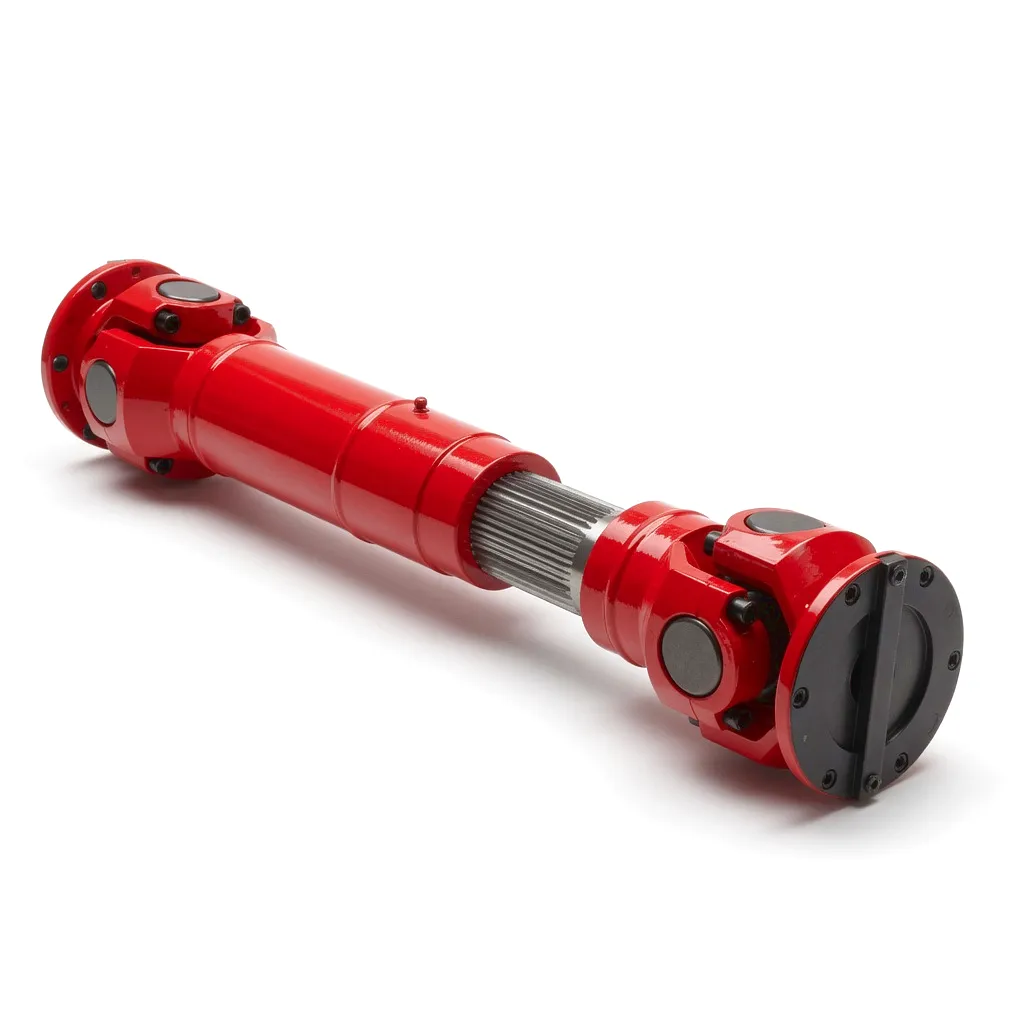
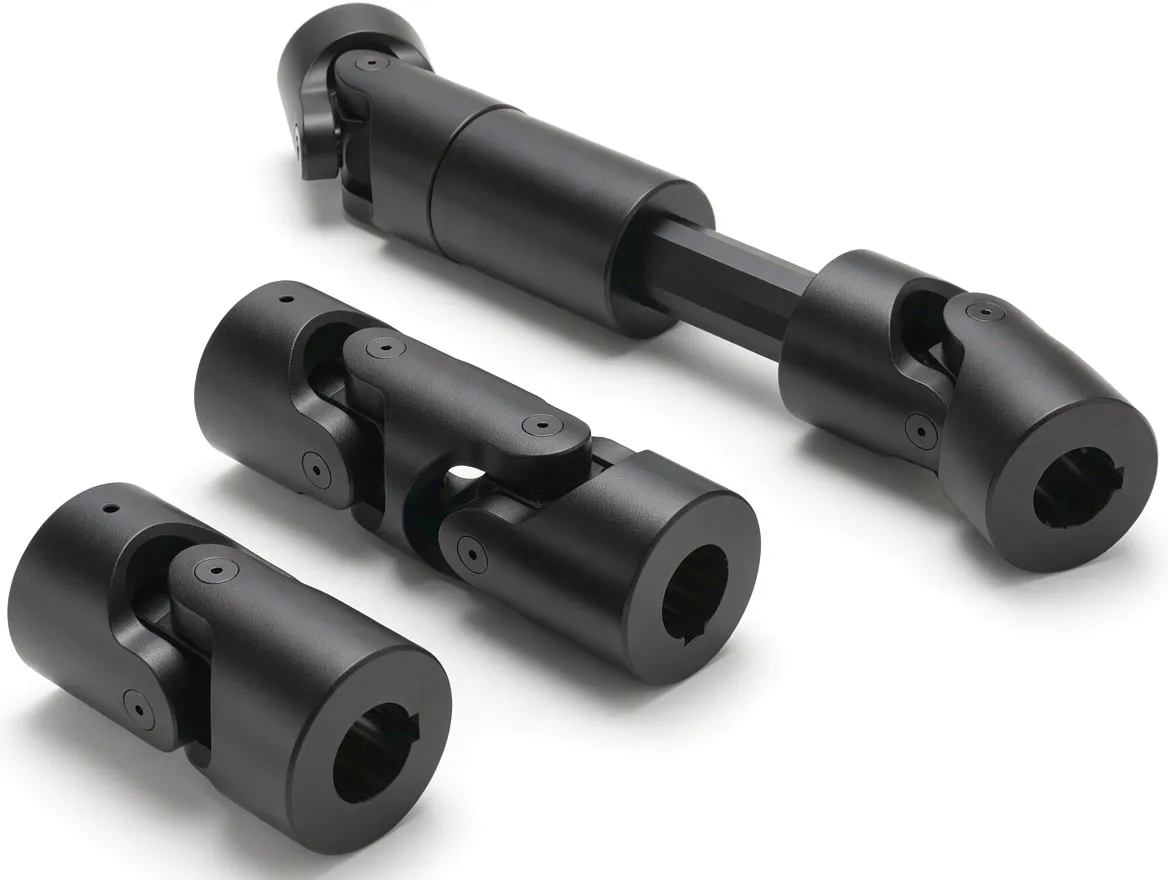
Ever Power Heavy-Duty Cardan Coupling — precision-forged 42CrMo4 yokes, CNC-ground cross journals, sealed needle-roller bearing packs
The Engineering Behind the Cardan Coupling: How the Cross-and-Yoke Mechanism Actually Works
 At its structural core, a Cardan Coupling consists of two yokes — each rigidly attached to a rotating shaft — and a central cross-shaped member known as the spider or journal cross that links them. Each of the four arms of this cross (called trunnions) fits into a needle-roller bearing cup housed within one ear of a yoke, creating four bearing contact points arranged at precise 90° intervals. Because the two yoke planes are themselves at 90° to each other, the assembly can articulate freely in two perpendicular planes simultaneously while transmitting continuous rotational torque. The geometry is deceptively simple; the result is a mechanism that can transfer drive between shafts at significant angular offsets without any interruption in power flow.
A well-documented kinematic characteristic of the single universal joint is velocity non-uniformity: when the two shafts are at an angle, the output shaft experiences a cyclic speed variation twice per input revolution, even though the input rotates at perfectly constant speed. The magnitude of this velocity fluctuation is a direct function of the operating angle — negligible below approximately 3°, noticeable at 10°, and potentially significant at 20° or more. In applications where this velocity variation introduces unacceptable vibration or dynamic loading, the standard engineering solution is the double Cardan configuration: two single joints connected in series via a short intermediate shaft or centering socket, phased at 180° to each other. This arrangement cancels the velocity non-uniformity completely, delivering constant-velocity output at any angle within the coupling’s rated range — typically up to 45° for heavy-duty double-joint assemblies.
 Contemporary precision-manufactured Cardan Couplings incorporate design refinements that were unachievable in earlier production generations. Induction-hardened cross journal trunnions, sealed needle-roller bearing packs with integral lip seals and pre-packed grease charge, and CNC-ground yoke bores held to H7 tolerance or better all contribute to dramatically improved service life compared with couplings produced even twenty years ago. When a cross journal is ground to a trunnion diameter tolerance of ±0.006 mm rather than ±0.025 mm, the dynamic load distribution across all four bearing cups is markedly more even — and uneven load distribution is one of the primary root causes of premature needle-bearing fatigue in service. For maintenance engineers at UK rolling mills and high-production machining centres, this precision translates directly into longer bearing replacement intervals and lower total cost of ownership.
Single Cardan Joint
Compact and cost-effective. Suitable for small angles (<5° continuous) or applications where velocity fluctuation is acceptable. Maximum single-joint continuous angle typically 25–30°.
Double Cardan (CV) Configuration
Two joints in series with a centering socket. Eliminates velocity fluctuation entirely. Preferred for servo drives, high-speed lines, and angles above 8° in continuous operation.
Mill-Duty Spindle Coupling
Engineered specifically for rolling mill roll-pass drives. Heavy forged yokes, over-sized needle bearings, grease-purge provisions. Handles torques of 50,000 Nm to 1,500,000+ Nm.
Materials Science and Metallurgy in Cardan Coupling Manufacturing
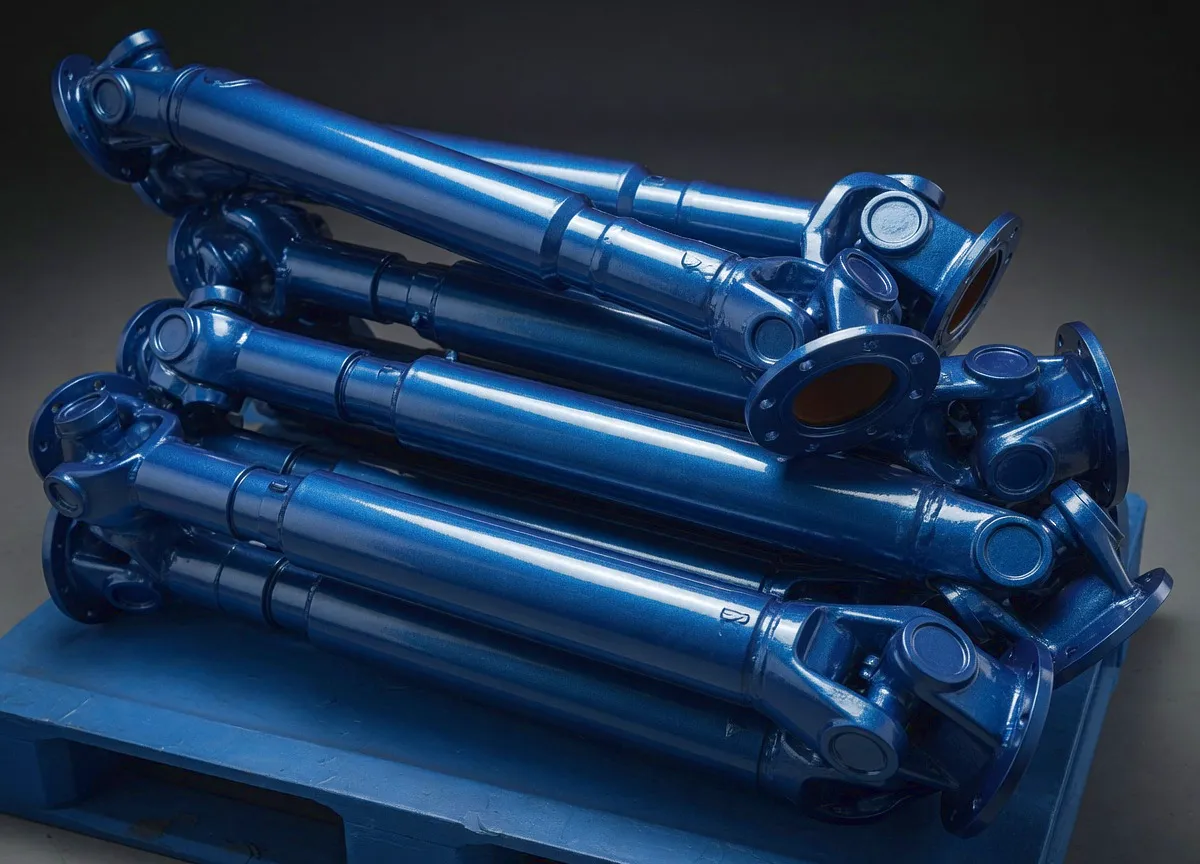 The performance ceiling of any Cardan Coupling is fundamentally determined by the materials from which it is manufactured. As design engineers continue to push for higher torque density and longer service intervals, material selection and processing decisions have become genuinely strategic rather than routine. The dominant material for yokes and flanges in heavy-duty and mill-duty grade couplings is 42CrMo4 chromium-molybdenum alloy steel, per EN 10083-3 — or its SAE equivalent, grade 4140. In the quenched and tempered condition, this alloy achieves a tensile strength of 900–1,100 MPa combined with good notch toughness, excellent fatigue resistance under reversed torsional loading, and sufficient machinability to allow precision CNC finishing of bore, keyway, and flange features. These properties are exactly what is needed when a yoke must transmit hundreds of kilonewton-metres of torque through millions of operating cycles without fatigue crack initiation at stress-concentrating features.
The cross journal is arguably the most critically stressed component in the entire assembly, and its metallurgical specification demands particular care. The standard bearing-steel grade 100Cr6 (EN ISO 683-17) is almost universally used for cross journals intended for general industrial service. Through-hardened to 60–64 HRC, this steel provides the contact-fatigue resistance needed to survive millions of needle-roller load cycles. For larger cross journals where through-hardening creates unacceptable brittleness risk in the core, gas-carburised and case-hardened 18CrNiMo7-6 steel offers a hard outer shell (58–62 HRC) over a tough, ductile core that resists shock loads without risk of brittle fracture — a combination particularly valuable in rolling mill applications where sudden roll-jam events can generate transient torques many times the nominal operating level.
● 42CrMo4 Alloy Steel
Yoke and flange material for HD and mill-duty grades. Quenched & tempered to 900–1,100 MPa UTS. Excellent cyclic torsional fatigue life. EN 10083-3 compliant.
● 100Cr6 Bearing Steel
Through-hardened cross journals and needle rollers, 60–64 HRC. Superior contact fatigue life for high-cycle industrial applications. ISO 683-17 standard.
● 316L Stainless Steel
For food processing, pharma, marine, and coastal UK industrial applications. Molybdenum addition resists chloride pitting; fully passivated for maximum corrosion protection.
● Surface Treatments
Zinc plating, phosphating, heavy nickel, hot-dip galvanising, hard chrome, shot-peening. Custom surface specification available from Ever Power on request.
For UK process industry buyers — particularly along Teesside’s chemical complex and around Grangemouth in Scotland — the demand for stainless-grade Cardan Couplings has grown markedly as plant operators seek to reduce corrosion-driven maintenance overhead. Grade 316L stainless steel, with its molybdenum content raising pitting resistance equivalent (PRE) values to 24–26, delivers measurably better chloride resistance compared with standard 304. Ever Power manufactures its stainless range on the same CNC grinding and CMM inspection lines as the alloy steel variants, ensuring that the corrosion resistance of the material is not purchased at the expense of dimensional accuracy — a compromise that, unfortunately, remains common among lower-tier suppliers.
Core Technical Advantages of the Modern Cardan Coupling
When design engineers evaluate flexible coupling technologies — comparing the universal joint against gear couplings, jaw couplings, disc-pack couplings, or tyre couplings — the Cardan Coupling consistently earns its specification on several technical grounds that alternatives cannot replicate. These advantages are quantifiable and should be understood precisely when making drive system design decisions for UK industrial applications.
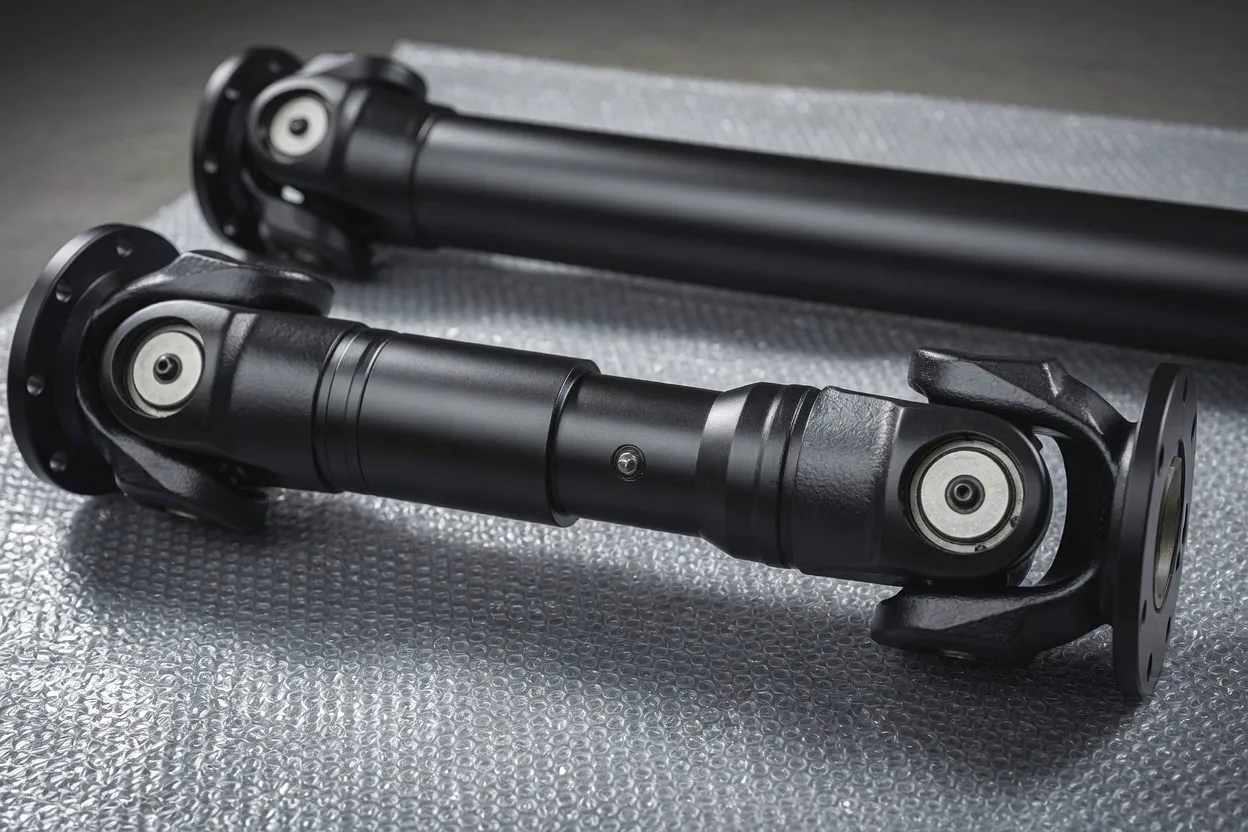
High Angular Misalignment Capacity
Single-joint configurations handle continuous angular misalignment up to 25–30°; double Cardan assemblies extend this to 45°. No alternative rigid-shaft coupling type matches this range without sacrificing torque capacity. This makes the Cardan Coupling the only viable choice for roll-pass spindles, articulated driveshafts, and dynamic linkage systems.
Exceptional Torque Density
Forged-steel Cardan Couplings achieve torque-to-weight ratios that outperform most elastomeric alternatives under heavy-duty continuous service. Production grades span from 100 Nm for light instrumentation drives up to 1,500,000+ Nm for main mill-line spindle service — a torque range breadth unmatched by any other single coupling family.
Field-Serviceable Bearing Design
Unlike disc or membrane couplings where any element damage requires a complete coupling replacement, the needle-roller bearing pack in a Cardan Coupling is designed for field replacement without shaft removal. Maintenance technicians at Sheffield steel plants and Birmingham machining centres routinely re-needle a coupling on-shift, restoring full performance without disrupting the drive train.
Axial Displacement Accommodation
When configured with a slip yoke or splined intermediate shaft, a Cardan Coupling assembly readily absorbs axial movement from thermal expansion, shaft deflection, or foundation settlement. This is critical for long-shaft installations in paper mills, extruder lines, and shipboard auxiliary drives — conditions where thermal growth routinely reaches 5–15 mm over operating temperature range.
Wide Operating Temperature Range
Steel Cardan Couplings perform reliably from −40°C to above +200°C with appropriate grease selection. This range covers cold-store logistics operations (common in UK food distribution) through to hot-strip steel mill environments and glass manufacturing — conditions that would rapidly degrade any rubber or polymer flexible coupling.
Compact Radial Envelope
A Cardan Coupling delivers its torque capacity within a radial envelope significantly smaller than an equivalent curved-tooth gear coupling, making it particularly valuable in retrofit projects where lateral space is constrained by existing structural steelwork, machinery bases, or guarding systems — a common challenge in older UK factory installations.
Product Technical & Performance Specification Table
The table below summarises key performance parameters for Ever Power’s standard Cardan Coupling product range. Figures represent typical values for each grade; actual ratings depend on duty cycle, angular offset, lubrication interval, and temperature. For applications at or near rated limits, Ever Power’s engineering team will conduct a full duty analysis at no charge. Contact [email protected] for technical support and custom specification review.
| Grade | Torque Range (Nm) | Max Angle (°) | Speed (RPM) | Bore Range (mm) | Material | Surface |
|---|---|---|---|---|---|---|
| Light Duty (LD) | 100 – 500 | Up to 25° | 500 – 3,000 | 10 – 40 | Carbon Steel | Zinc Plated |
| Medium Duty (MD) | 500 – 5,000 | Up to 30° | 200 – 2,000 | 30 – 90 | 40Cr Alloy Steel | Phosphated |
| Heavy Duty (HD) | 5,000 – 200,000 | Up to 35° | 50 – 500 | 80 – 220 | 42CrMo4 Forged | Heavy Nickel / Hot-Dip Zn |
| Mill Duty (Rolling Mill) | 50,000 – 1,500,000+ | Up to 20° | 10 – 120 | 150 – 500+ | 42CrMo4 + Case-Hd Cross | Heavy Nickel |
| Precision (PR) | 100 – 2,000 | Up to 15° | Up to 5,000 | 10 – 60 | Alloy Steel, CNC Ground | Bright / Hard Chrome |
| Stainless (SS) | 100 – 8,000 | Up to 25° | 100 – 2,000 | 12 – 80 | 304 / 316L Stainless | Polished / Passivated |
ⓘ All data indicative. Actual performance subject to specific duty cycle, alignment, lubrication, and installation conditions. Full engineering review available from Ever Power on request.
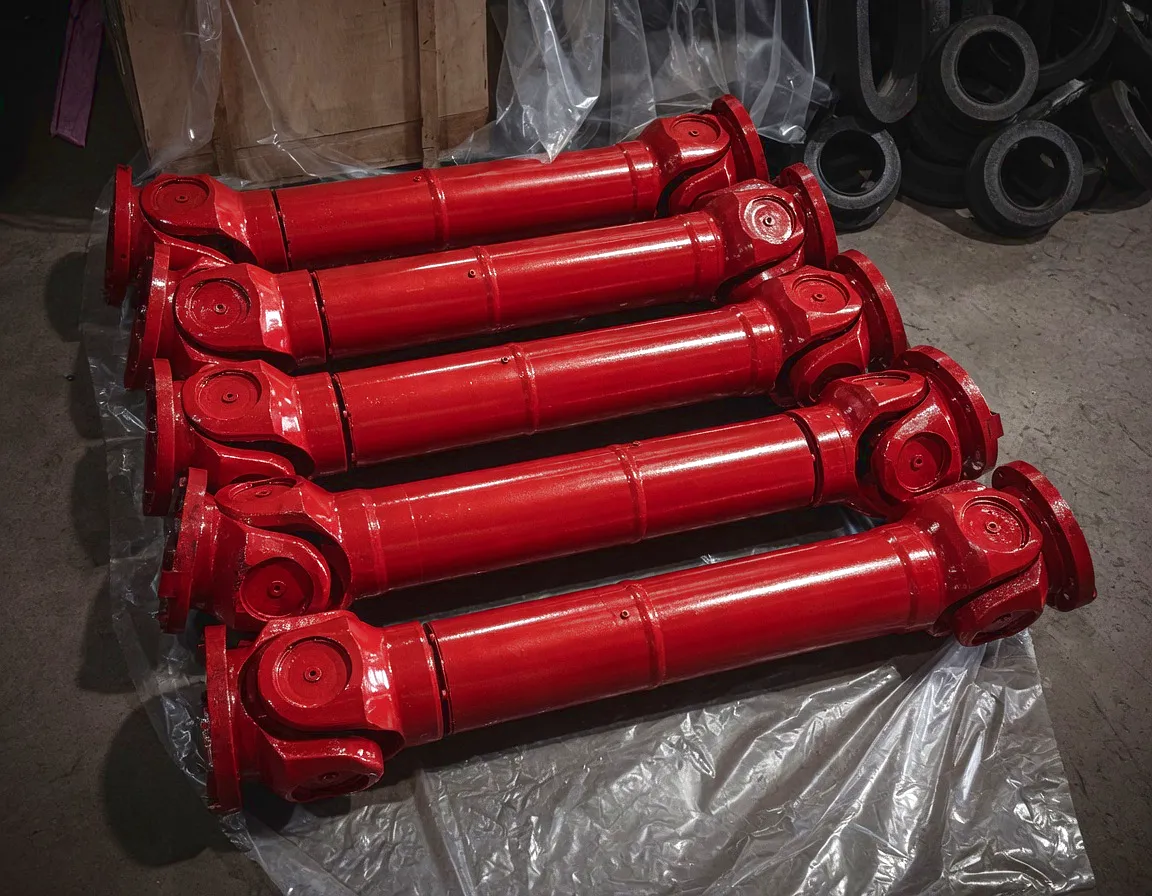
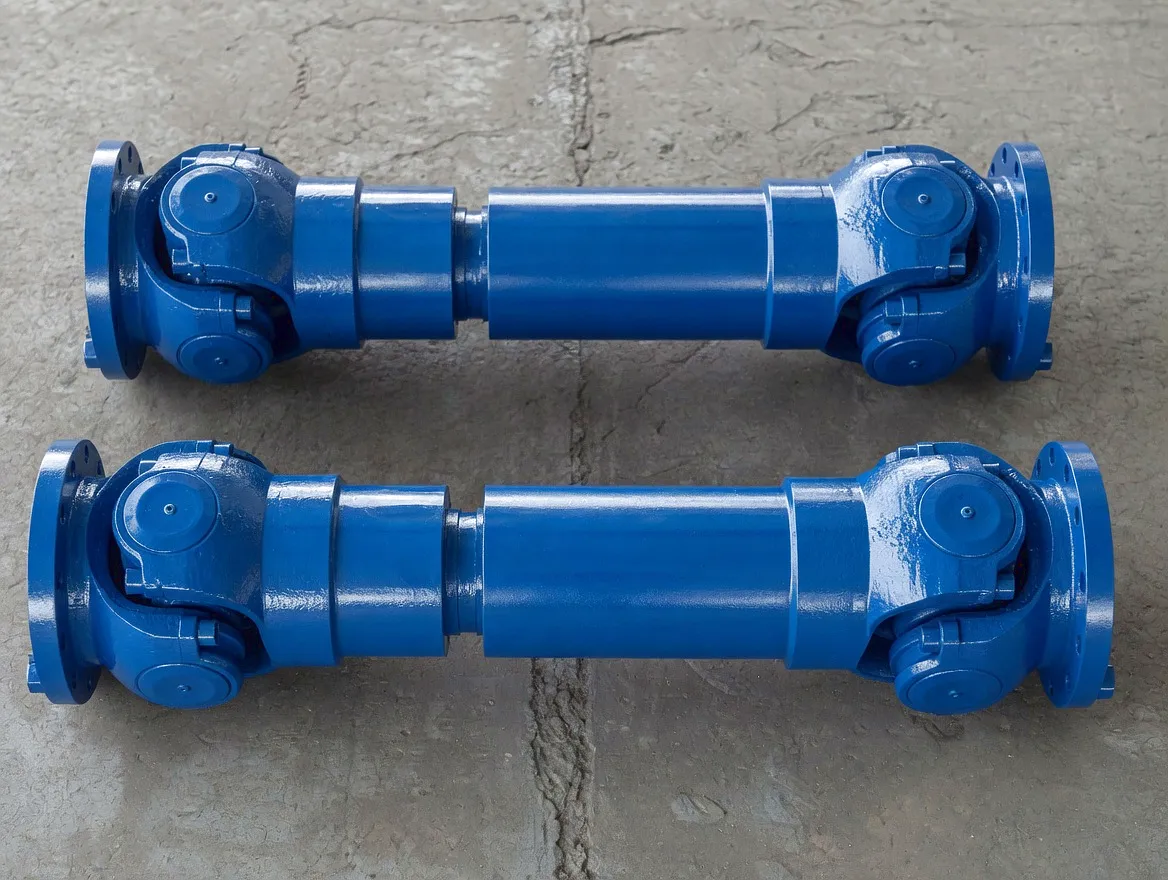
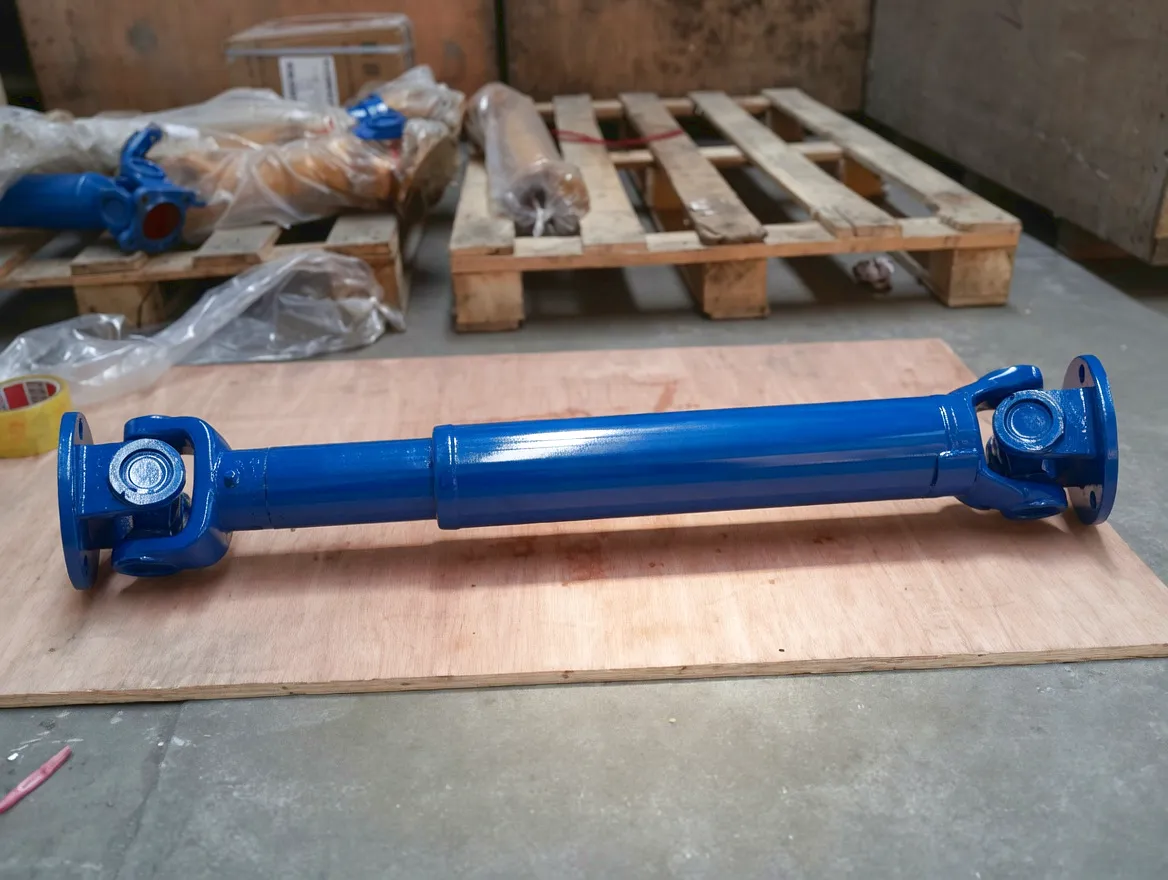
Product Gallery — Ever Power Cardan Coupling & Universal Joint Range
Industrial Application Scenarios: Where the Cardan Coupling Proves Its Worth
The breadth of industries that depend on the Cardan Coupling for safe, reliable power transmission is a direct reflection of the design’s mechanical versatility. In the United Kingdom alone, these couplings are active in virtually every sector of heavy and medium manufacturing — quietly transmitting drive torque in conditions ranging from the radiant heat of rolling mills to the salt spray of offshore wind platforms. The following profiles cover the six application sectors where Cardan Coupling specification is most technically demanding and most commercially significant.
Ever Power: Precision Manufacturing and Custom Cardan Coupling Engineering
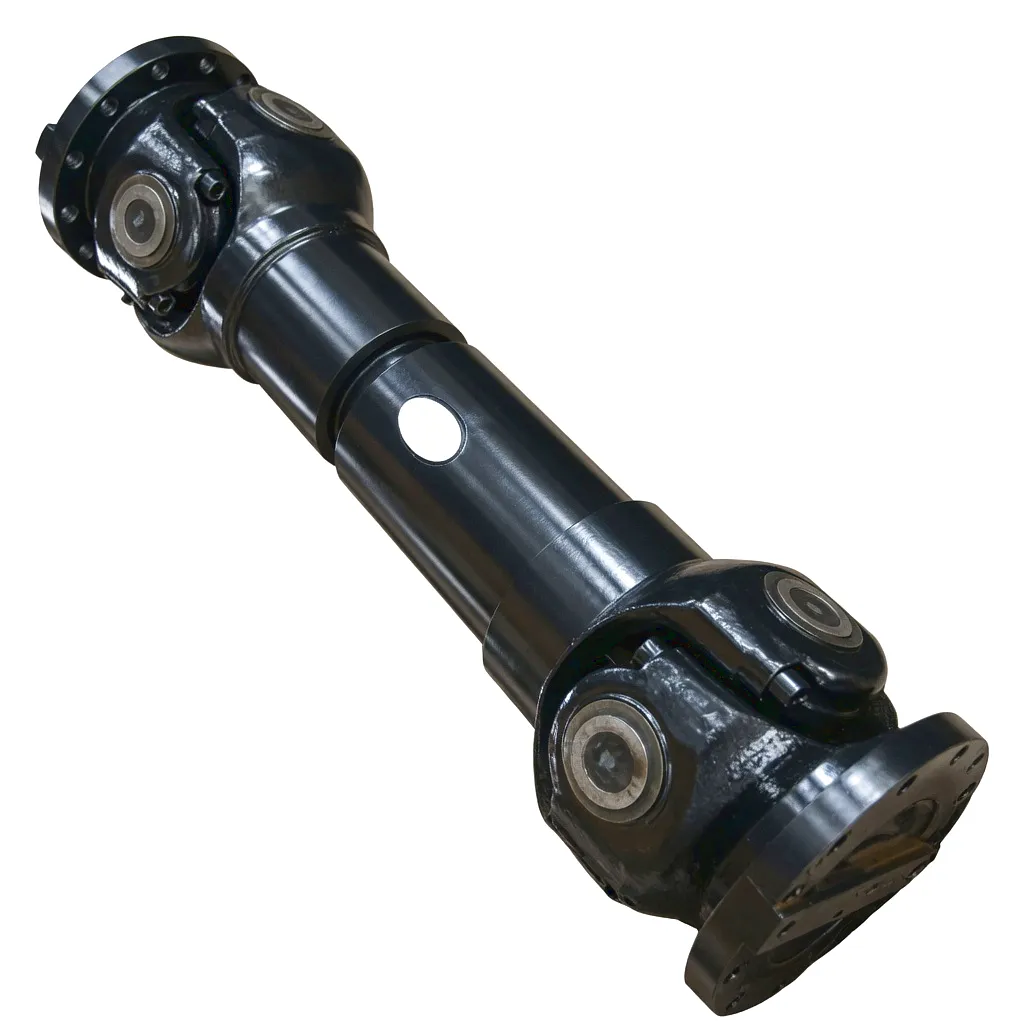
Ever Power has spent over two decades building a track record in the global industrial drive coupling market that rests on one fundamental commitment: engineering accuracy that industrial buyers can verify, backed by a manufacturing infrastructure that can translate a custom specification into a delivered, tested, and fully documented assembly within the lead times that modern supply chains actually require. Our Cardan Coupling production facility operates a suite of CNC turning and milling centres, dedicated cylindrical grinding equipment for cross journal trunnion surfaces, and automated coordinate measuring machines (CMM) that verify critical dimensions to 0.005 mm as a standard production step — not an optional premium service. Every coupling leaves the factory with a dimensional inspection report as part of its standard documentation pack.
Custom engineering capability is the area where Ever Power’s offering is most distinctly differentiated. Standard catalogue products adequately cover perhaps 60% of real-world industrial applications; the remaining 40% involve a specification requirement that no off-the-shelf product satisfies. Non-standard flange bolt-circle diameters, unusual keyway configurations, extended intermediate shaft lengths for wide-spacing drive arrangements, modified yoke geometries for tight installation envelopes, specialised coatings for aggressive chemical or thermal environments — Ever Power’s engineering team handles these requirements as routine. Every custom project begins with a no-charge technical consultation. Detailed engineering drawings produced during the design phase are submitted for customer approval before production commences, eliminating the expensive surprises that too often arise when custom components are manufactured without an approval stage.
For UK buyers, Ever Power’s logistics programme provides regular consolidated sea-freight shipments to UK ports, with DDP (Delivered Duty Paid) Incoterms available as standard. This means there are no hidden customs charges or import fees arriving after delivery — a consistent point of frustration that UK procurement teams frequently report when sourcing from suppliers less familiar with UK import requirements. Emergency air-freight options are available for breakdown replacement situations, and Ever Power’s rapid-response team has proved its value on multiple occasions for British rolling mills and automated distribution centres where every hour of production downtime carries a measurable financial cost.
📧 Request a Custom Engineering Quote
[email protected] — Typical response within 1 business day
🛠 CNC 5-Axis Precision Machining
Cylindrical grinding to 0.005 mm tolerance on all bearing contact surfaces; full CNC turning and milling for yoke, flange, and bore features.
📊 100% CMM Dimensional Verification
All heavy-duty and custom-grade couplings 100% CMM-inspected before despatch. Full dimensional reports, material certificates, and hardness test records issued with every order.
🌐 UK-Optimised Logistics
Regular consolidated sea-freight to UK ports; DDP Incoterms available; emergency air-freight for breakdown replacement. Tracking provided from despatch to delivery.
📄 Custom Engineering Service
Free technical consultation; DXF/DWG customer drawing approval before manufacture; special bore, keyway, flange, intermediate shaft length, and surface finish options.
✅ ISO 9001:2015 Quality System
Full quality management system to ISO 9001:2015. Documented process controls, supplier qualification, and corrective action procedures. Audit available on request for approved customers.
Customer Success Story: Eliminating Recurring Drive Failures at a Sheffield Specialist Steelworks
Special Sections Steel Processing
Result: +68% Service Life Extension
Zero Unplanned Downtime Post-Installation
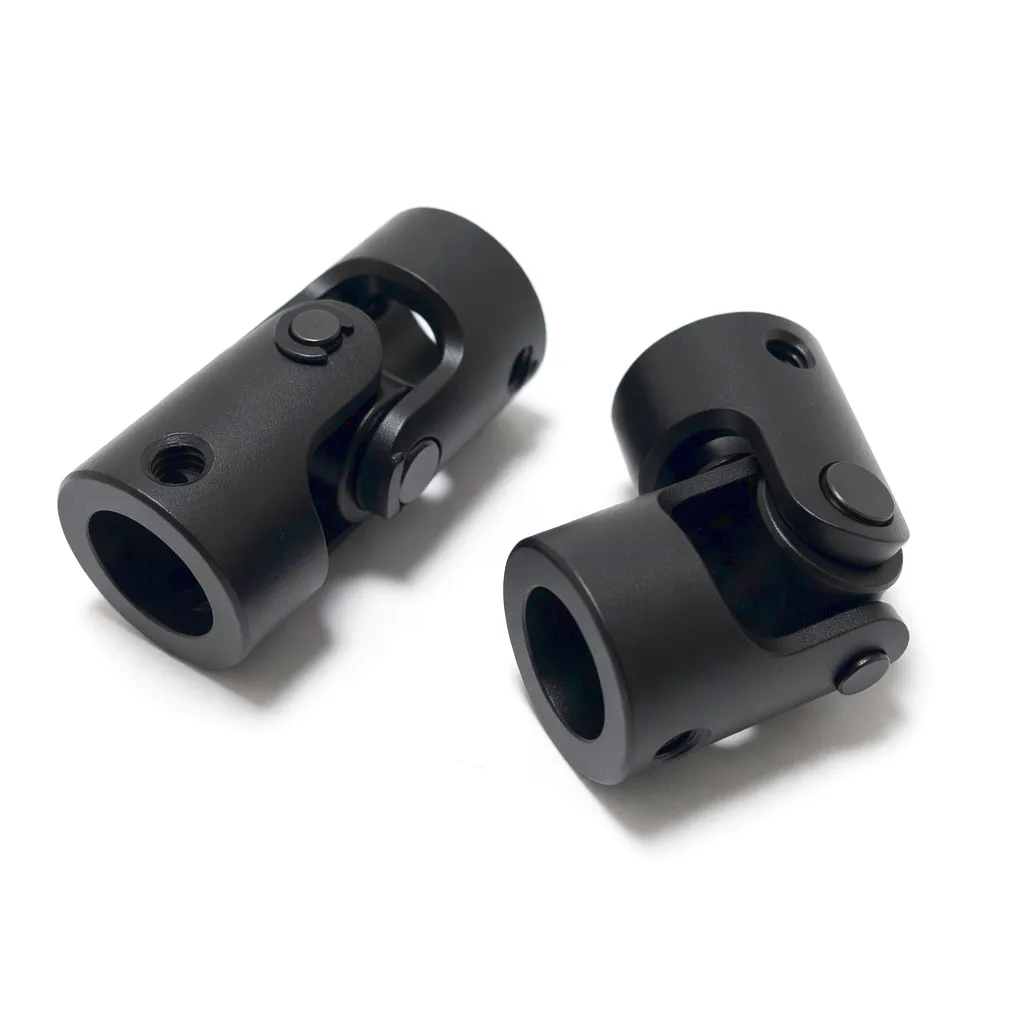 Thornfield Precision Sections — a specialist producer of hot-rolled steel profiles serving the UK construction and rail infrastructure sectors, operating two rolling lines from their facility in Sheffield’s Lower Don Valley industrial district — approached Ever Power in spring 2023 facing an escalating and costly maintenance crisis. Their existing universal joint assemblies on the No. 3 continuous section mill were failing at a rate of approximately one bearing change every 11 weeks per spindle. Over the preceding 12 months, this translated into 34 hours of unplanned production downtime, a maintenance parts and labour bill exceeding £40,000, and a growing frustration among shift engineers who felt they were managing symptoms rather than solving a root-cause problem. Attempts to realign the roll-pass drive geometry had produced only marginal and temporary improvement.
Ever Power’s applications engineering team conducted a detailed on-paper review of the drive arrangement, examining the mill’s roll-pass geometry, the existing coupling’s yoke configuration, operating angle measurements at each spindle position, and the dimensional wear data gathered during the most recent bearing change. The analysis identified two compounding failure mechanisms. The cross journals in the existing supply had been manufactured to a tolerance band approximately three times wider than optimal for the combination of operating angle and torque level, creating uneven load distribution across the four bearing cups. Simultaneously, the yoke bores had worn out-of-round through fretting driven by an undersized interference fit specification that was marginal at installation and deteriorated progressively under operating loads.
A custom specification was developed: 42CrMo4 forged yokes with reinforced wall sections, cross journals precision-ground to a trunnion-diameter tolerance of ±0.006 mm (versus the original ±0.020 mm), heavy-section needle-roller bearing assemblies with an 18% increase in dynamic load rating compared with the originals, and yoke bores machined to a tightened H6 fit instead of the previous H7. The intermediate splined slip shafts were redesigned with a new spline geometry providing better axial load distribution under thermal cycling. Following installation, the mill ran for eight full months before the first scheduled bearing inspection — which confirmed negligible measurable wear and returned to service without part replacement. Annualised maintenance intervals extended from 11 weeks to 32+ weeks per spindle: a service-life improvement of over 68%. Unplanned downtime attributable to Cardan Coupling failure in the 12 months following installation was zero.
What UK Engineers Say About Ever Power
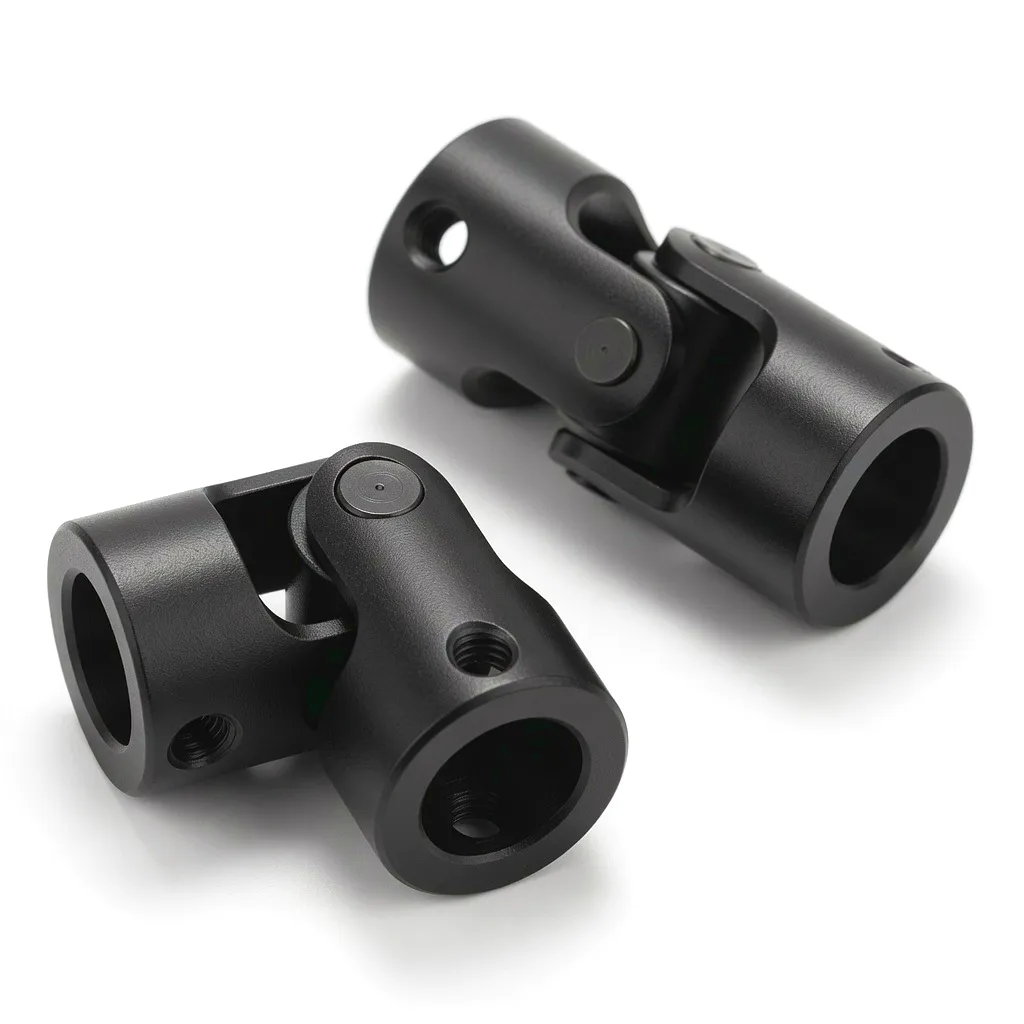
“We’ve sourced Cardan Couplings from Ever Power for three years now. The dimensional accuracy of the cross journals and yoke bores is consistently better than we achieved from previous European suppliers, and the custom bore size turnaround has never once held up our production schedule. When we asked for reinforced yoke sections during a recent mill upgrade, they had drawings back to us within 48 hours.”
Engineering Manager — Thornfield Precision Sections, Sheffield
“We had a Saturday afternoon breakdown on a paper winder at our Lancashire facility — a Cardan Coupling needle-bearing failure on a critical roll-drive. Ever Power organised emergency air freight the same day, and the replacement was on-site by Monday morning. That kind of response is genuinely rare from any technical supplier, and it saved us a full week’s production delay.”
Plant Services Director — Ribble Valley Converting Ltd, Lancashire
“What set Ever Power apart during our wind turbine yaw-drive re-specification was their pre-production drawing review process. They spotted a potential interference problem with our nacelle subframe that we’d completely missed in-house, and redesigned the flange geometry accordingly — at no additional charge. That kind of collaborative approach to custom engineering is exactly what you need from a specialist coupling supplier.”
Chief Mechanical Engineer — Caledonian Wind Services, Edinburgh
Frequently Asked Questions
Questions we regularly receive from UK-based engineers, procurement managers, and maintenance professionals — answered in plain engineering language.
© Ever Power Industrial Coupling Solutions — [email protected] — All technical data indicative; subject to engineering review. edit by gzl