
Heavy-Duty Double Cardan Joint for Combine Harvester Power Transmission: The Complete Engineering Guide
Published by Ever Power Engineering Team | Cardan Coupling Solutions for UK Agriculture
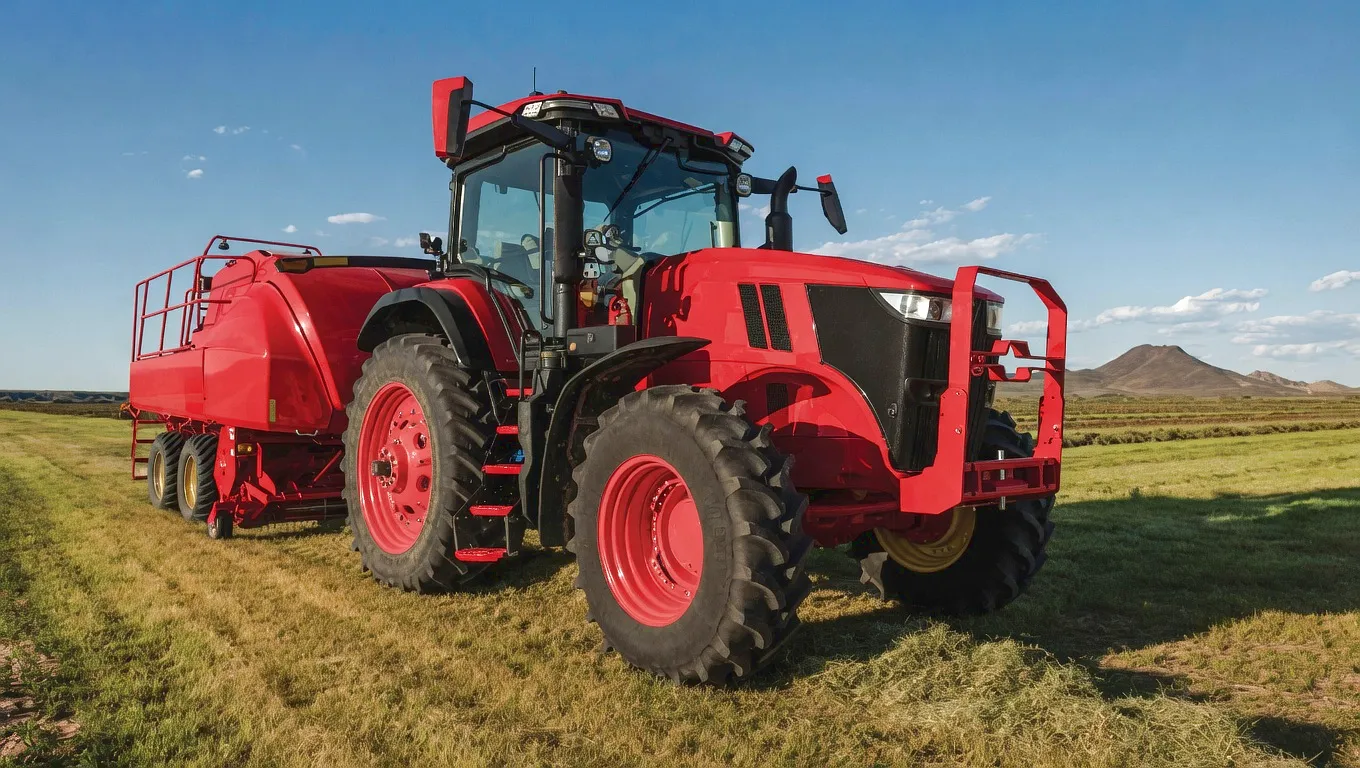
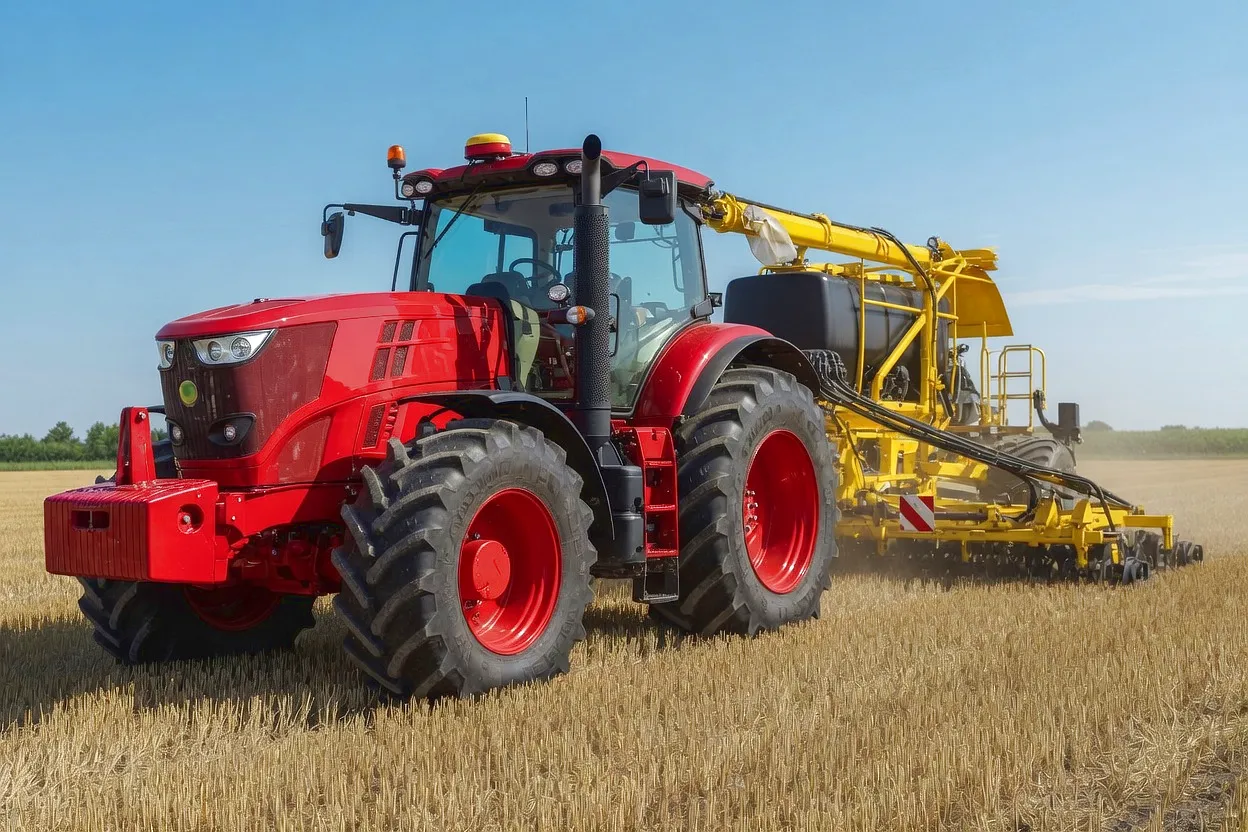
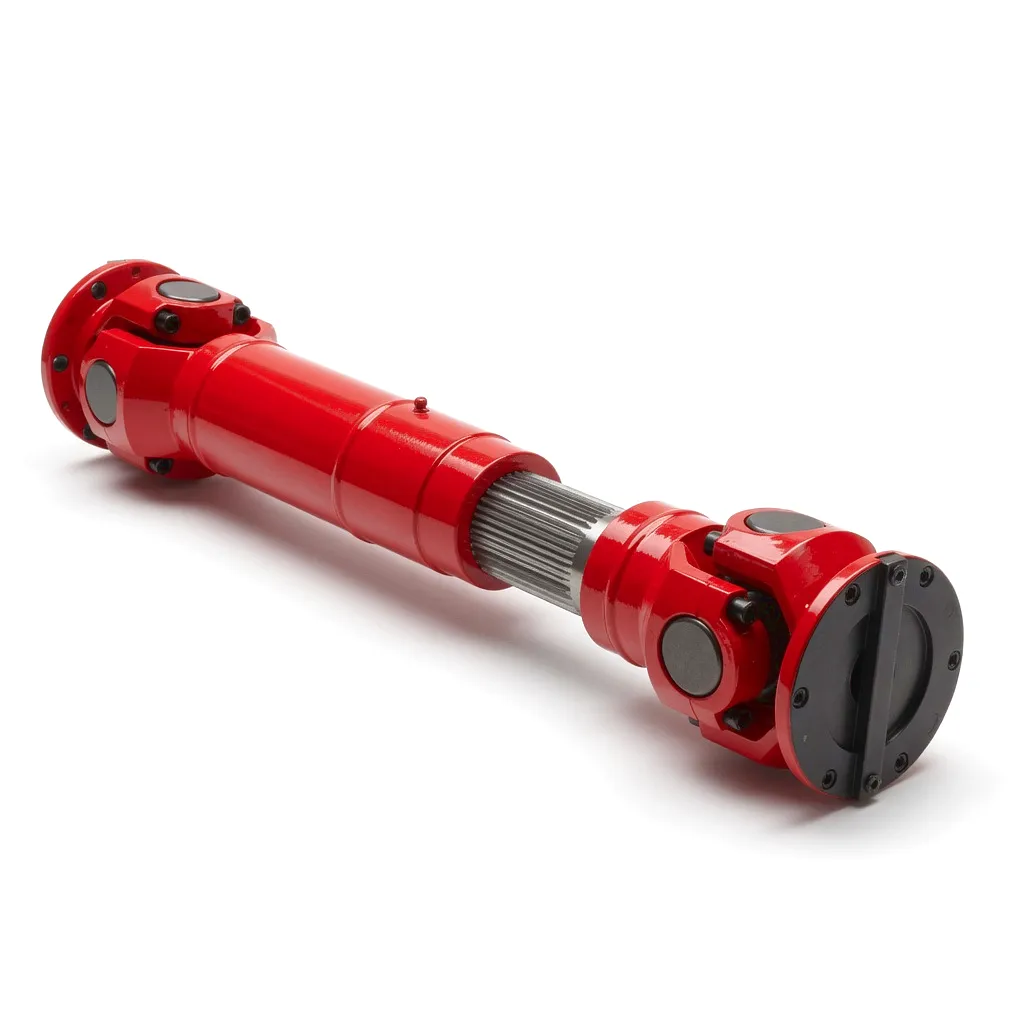 Every autumn, as golden wheat fields stretch across Lincolnshire, East Anglia, and the Scottish Borders, thousands of combine harvesters roll out to bring in the grain harvest. These machines represent some of the most demanding mechanical environments in modern agriculture — engines producing upwards of 400 horsepower, cutting headers spanning twelve metres, and drivetrains subjected to violent load spikes as crop density changes from one metre to the next. At the heart of every combine harvester sits a component that rarely makes headlines but determines whether the entire machine runs or grinds to a halt: the cardan coupling.
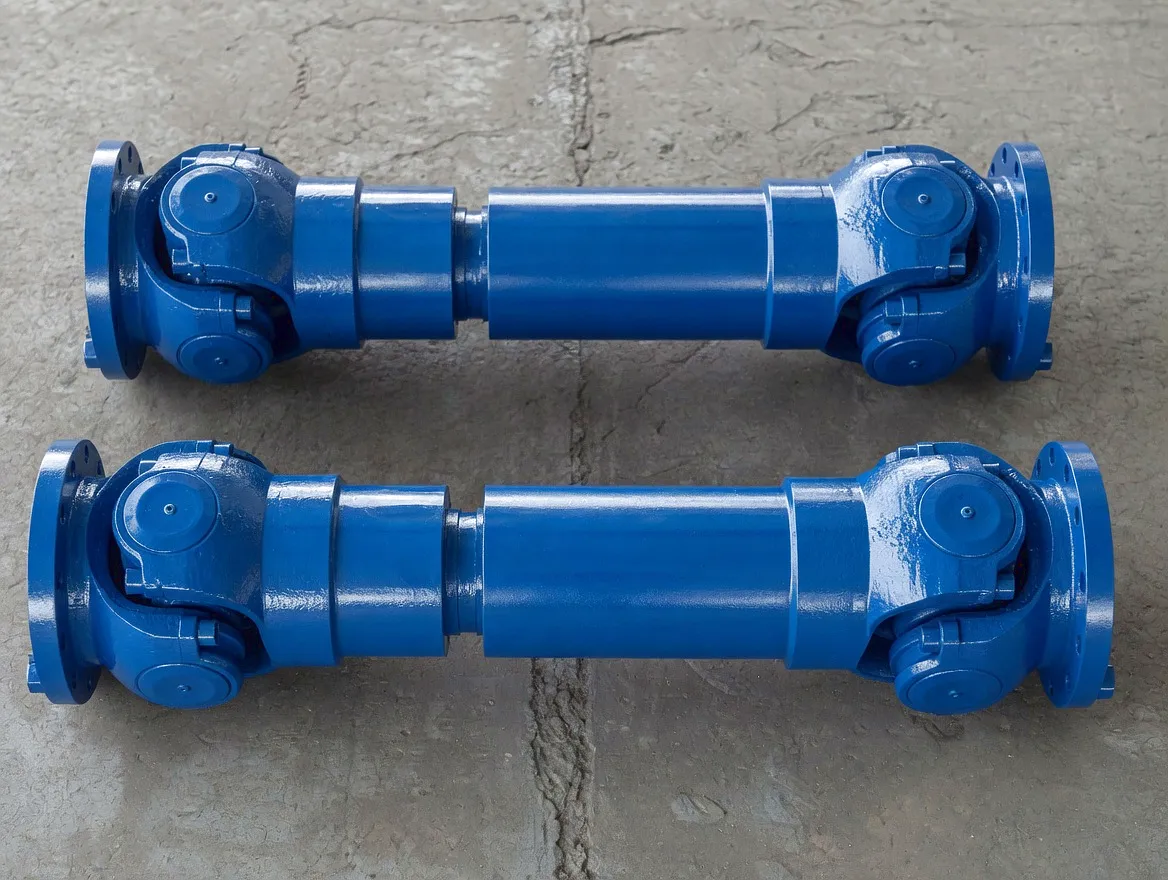
More specifically, the heavy-duty double cardan joint for variable angle operation has become the drivetrain solution of choice for modern harvesters working across Britain’s uneven agricultural terrain. Unlike single universal joints, which introduce cyclical speed variations that damage downstream bearings and gearboxes, the double cardan joint delivers constant-velocity power transfer even as the cutting header rises and falls over ridges, ditches, and cambered field edges. This article examines — from an engineering perspective built on nearly two decades of field application experience — why this particular cardan coupling configuration matters so much, how it works, what materials and manufacturing processes define its performance, and how UK agricultural operators can specify the right unit for their fleet.
Ever Power Heavy-Duty Double Cardan Joint — Engineered for Harvester Drivetrains
Why Combine Harvesters Place Extreme Demands on Drivetrain Couplings
A combine harvester is not a machine that runs at a constant speed over a flat surface. Imagine the typical harvest day on a 500-hectare arable farm in Norfolk or the Yorkshire Wolds. The machine might start on a well-drained hilltop field, drop down a 6-degree slope into a valley bottom where overnight dew has softened the soil, cross a headland ridge left by years of ploughing, and then climb back up the opposite slope — all while maintaining a consistent cut height and feeding crop into the threshing drum at the correct rate. The cutting header must articulate continuously, and the driveline connecting the engine to the header, feederhouse, rotor, and straw chopper must accommodate angular changes of up to 15 degrees while transmitting the full engine torque without interruption.
This is where conventional flexible couplings fall short. Elastomeric couplings absorb small misalignments but cannot handle the large angular displacements typical in harvester drivetrains. Gear couplings work well in fixed industrial installations but suffer rapid wear when subjected to the continuous angular oscillation of field work. The cardan coupling — specifically the heavy-duty double cardan joint — solves both problems simultaneously. It accommodates large operating angles while delivering smooth, nearly vibration-free torque transmission at shaft speeds ranging from 540 to 1,000 RPM, the standard PTO operating range for British agricultural equipment.
Operating Principle: How the Double Cardan Joint Achieves Constant-Velocity Power Transfer
The fundamental limitation of a single universal joint (also known as a Hooke’s joint) is well documented in mechanical engineering literature: when the input shaft rotates at a constant angular velocity and the joint operates at an angle, the output shaft speeds up and slows down twice per revolution. This speed fluctuation, governed by the tangent function of the operating angle, creates torsional vibration that accelerates bearing wear, fatigues splined connections, and generates noise. At a 15-degree operating angle — not unusual in a combine harvester header drive — the output speed varies by approximately 3.5% from the mean, producing significant cyclic loading on every downstream component.
The double cardan joint eliminates this problem through a beautifully simple geometric principle. Two single universal joints are connected by a short intermediate shaft, and the yokes at each end are phased — aligned so that the speed fluctuation introduced by the first joint is exactly cancelled by the second. The result is true constant-velocity output, regardless of operating angle, provided the input and output shafts remain parallel (or nearly so) and the two joints operate at equal angles. In combine harvester applications, the intermediate centering yoke with a ball-and-socket support maintains this geometric relationship automatically as the header articulates, making the assembly effectively self-correcting during field operation.
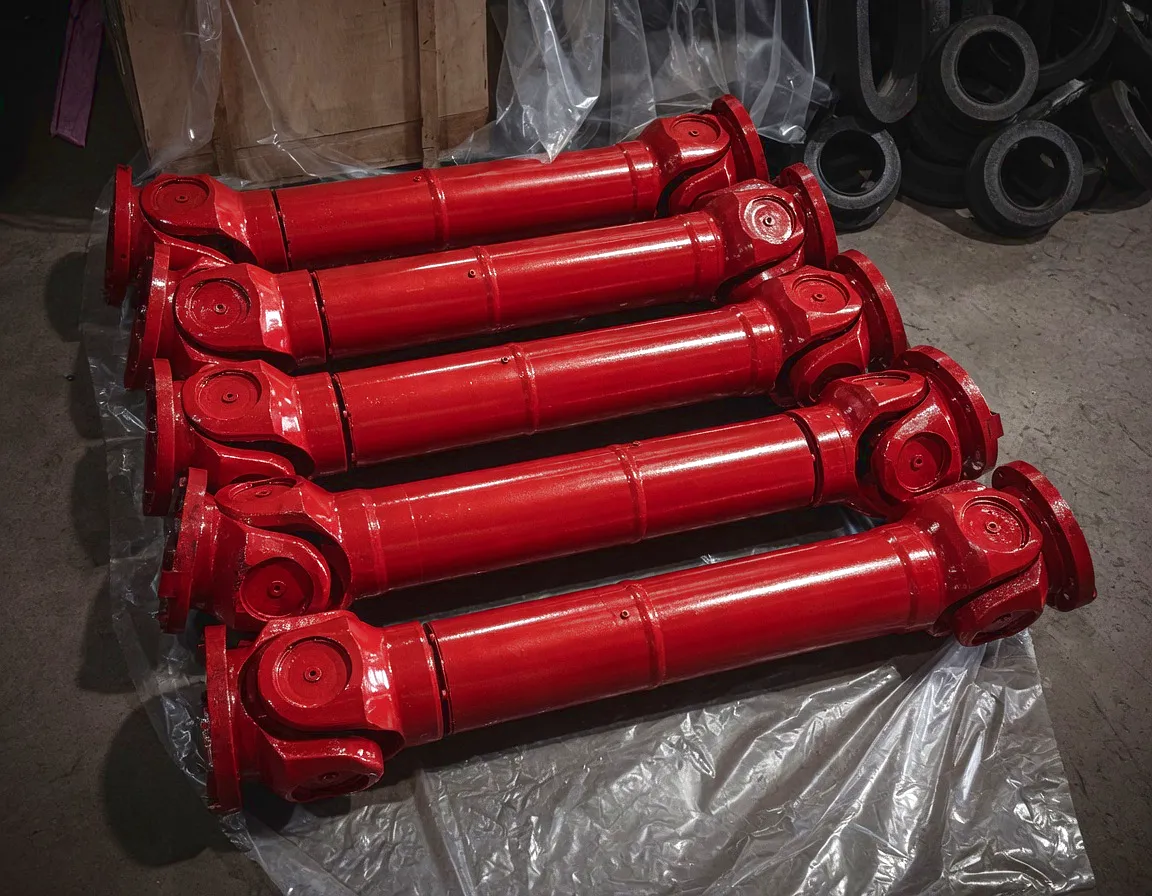
Cross-section view of Ever Power heavy-duty double cardan joint assembly
Materials, Construction, and What Separates a Reliable Cardan Coupling from a Failure Waiting to Happen
Not every cardan coupling on the market can survive a British harvest season. The combination of high torque, continuous angular variation, crop residue contamination, and exposure to rain, dust, and clay soil creates an environment that punishes any weakness in materials or manufacturing. Having worked with agricultural operators from Cornwall to Caithness, the patterns of premature failure almost always trace back to the same root causes: insufficient bearing quality, poor seal design, or yokes manufactured from cast iron rather than forged steel.
The yoke — the U-shaped component that connects the cross-journal to the shaft — bears the entire transmitted torque load and must resist both static stress and fatigue. Forged alloy steel (typically 42CrMo4 or equivalent) delivers a fatigue strength roughly 40% higher than cast alternatives, which is the margin that separates a coupling that lasts three harvest seasons from one that cracks mid-campaign. The cross-journal itself must be case-hardened to 58-62 HRC on the bearing surfaces while maintaining a tough, ductile core that resists impact loading when the harvester encounters a stone or a particularly dense crop mass. Needle roller bearings — not plain bushings — are essential at each of the four trunnion positions, as they distribute the radial load across dozens of rolling elements rather than concentrating it on a single sliding surface.
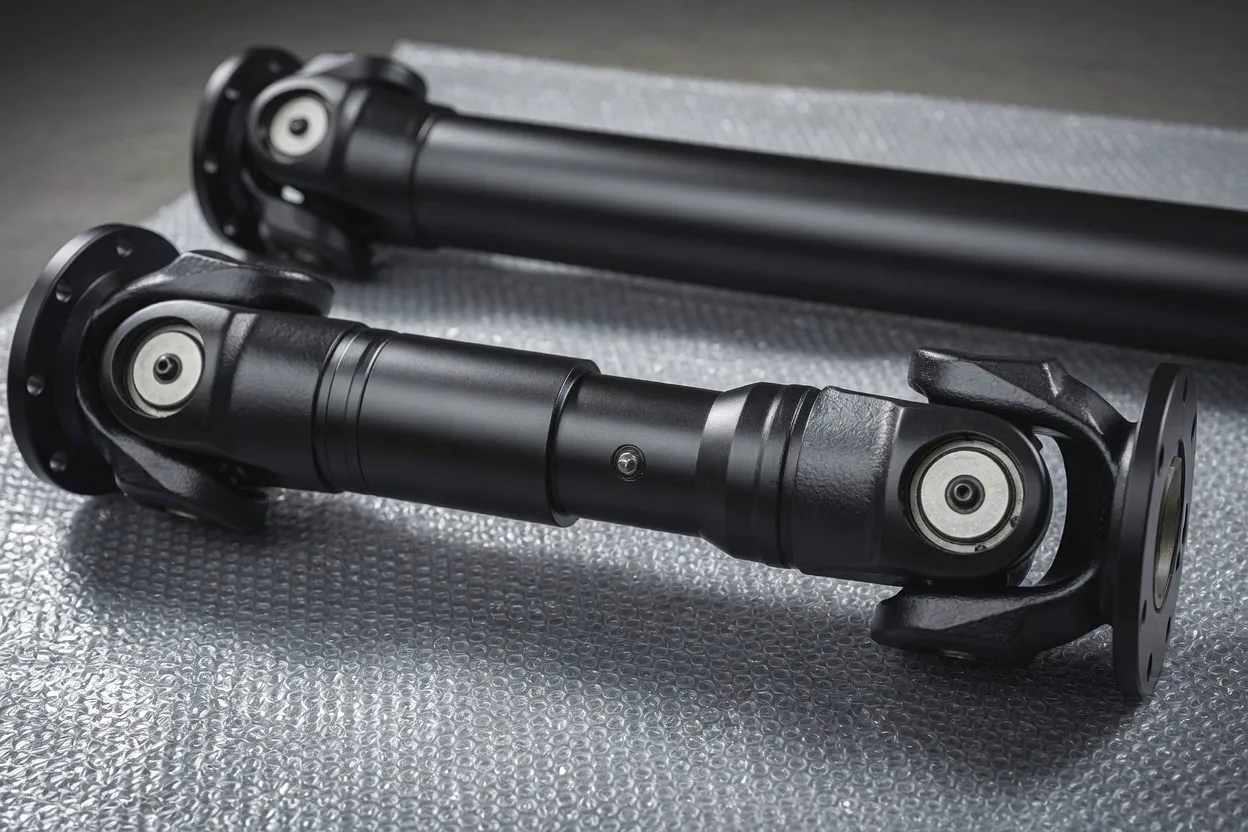
Sealing deserves particular attention in harvester applications. Crop residue — chopped straw, chaff, grain dust, and occasionally mud — works its way into every gap and crevice on the machine. A cardan coupling with inadequate seals will ingest abrasive particles into the needle bearings within hours of operation, initiating spalling damage that progressively worsens throughout the season. Multi-lip seals with integrated dust shields, combined with grease nipples positioned for easy access during daily maintenance, are non-negotiable features for any coupling destined for combine harvester service. Ever Power addresses this challenge with a proprietary triple-seal bearing cap design that has demonstrated bearing life improvements exceeding 60% compared to standard single-seal configurations in controlled field trials across East Anglia grain farms.
Technical Specifications: Ever Power Heavy-Duty Double Cardan Joint Range
| Parameter | EP-DC 60 | EP-DC 80 | EP-DC 100 | EP-DC 120 |
|---|---|---|---|---|
| Continuous Torque (Nm) | 12,000 | 22,000 | 35,000 | 45,000 |
| Peak Torque (Nm) | 18,000 | 33,000 | 52,000 | 67,500 |
| Max Operating Angle | 25° | 25° | 22° | 20° |
| Max Speed (RPM) | 1,800 | 1,500 | 1,200 | 1,000 |
| Cross Journal Size (mm) | 30.2 x 92 | 38.0 x 10⁸ | 47.6 x 135 | 57.0 x 152 |
| Bearing Type | Precision Needle Roller with Triple-Seal Cap | |||
| Yoke Material | Forged 42CrMo4 Alloy Steel, Normalised | |||
| Surface Treatment | Zinc Phosphate + Epoxy Primer (ISO 12944 C4) | |||
| Weight (kg) | 8.5 | 14.2 | 22.8 | 31.5 |
| Lubrication | Grease-filled, Zerk fittings at each bearing cap | |||
Key Advantages of the Heavy-Duty Double Cardan Joint in Harvester Applications
◆ Constant-Velocity Output
The phased double-joint geometry eliminates the torsional pulsation inherent in single universal joints. This protects gearboxes, chains, and sprockets downstream from cyclic fatigue damage that shortens component life and increases maintenance costs during the critical harvest window.
◆ High Torque Density
Compact enough to fit within the tight packaging constraints of a harvester feederhouse, yet capable of transmitting the full torque output of diesel engines producing 300 to 600 horsepower. The forged steel construction delivers exceptional strength-to-weight ratio, keeping rotating mass low and mechanical efficiency high.
◆ Vibration Reduction
Measured vibration levels in harvesters fitted with double cardan joints are consistently 40-55% lower than those using single-joint configurations. Reduced vibration translates directly to longer bearing life throughout the drivetrain, fewer unplanned stops, and improved operator comfort during 14-hour harvest days.
◆ Large Angular Capacity
Operating angles up to 25 degrees accommodate the full range of header articulation encountered in British field conditions — from flat Fenland fields to rolling Cotswold terrain. This margin ensures the coupling never operates near its geometric limits, where wear accelerates and efficiency drops.
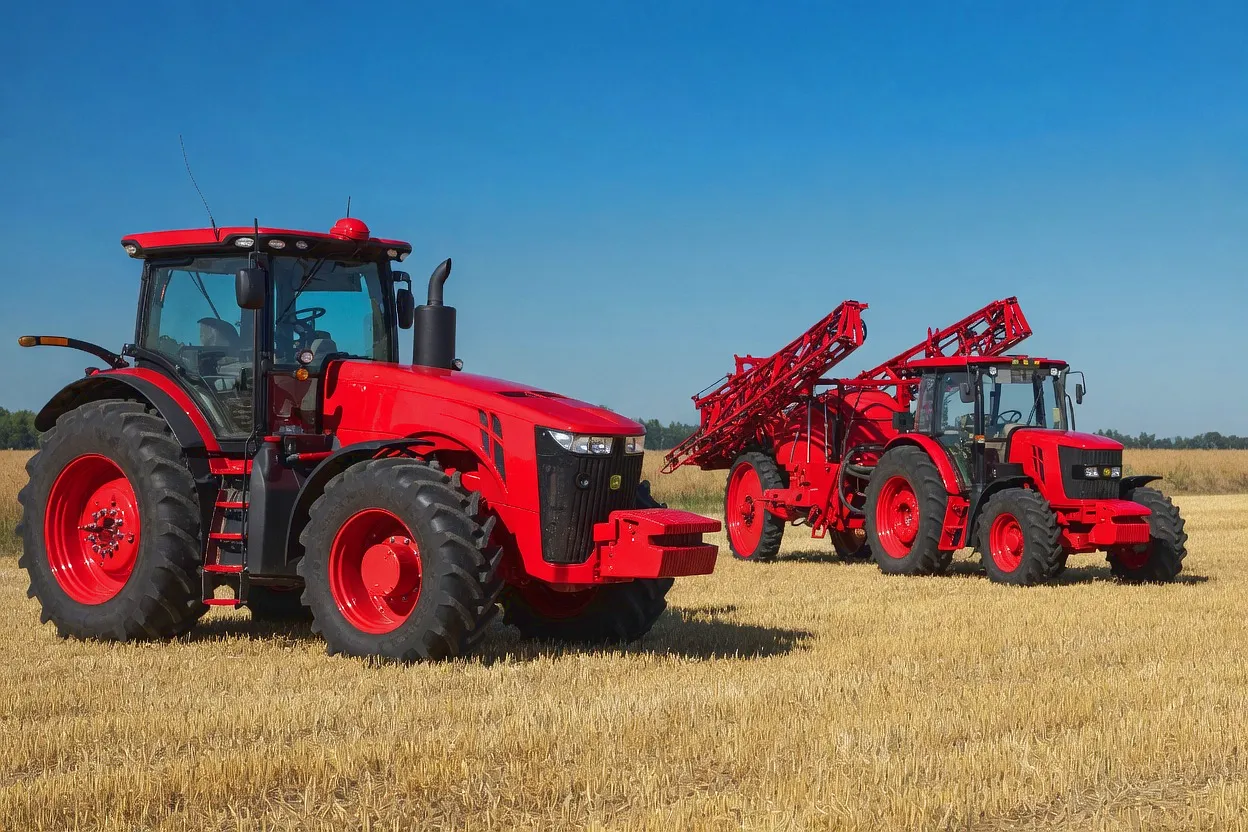
Heavy-duty cardan coupling installed in a combine harvester feederhouse drivetrain
Application Scenarios: Where the Double Cardan Joint Earns Its Place on the Harvester
Header-to-Feederhouse Drive: This is the primary application point. As the cutting header rises and falls to follow ground contour, the angle between header drive shaft and feederhouse input shaft changes continuously. The double cardan joint maintains constant rotational velocity through this angular range, ensuring the knife drive, reel, and auger operate at their designed speeds regardless of header position. On a 12-metre header traversing undulating terrain in Cambridgeshire, the operating angle can swing from 2 degrees to 18 degrees within a single pass across the field.
Threshing Rotor Drive: Modern axial-flow combines use a longitudinal rotor spinning at 400-1,100 RPM to thresh and separate grain. The driveline from engine to rotor must absorb sudden torque spikes — occurring when the rotor encounters a slug of damp crop or a foreign object — without transmitting destructive shock loads back to the engine. A properly specified cardan coupling acts as a controlled compliance point, deflecting slightly under shock while maintaining drive continuity.
Straw Chopper and Spreader Drive: The rear-mounted straw chopper operates at high speed and is typically driven through a secondary driveline that must accommodate chassis flex and the angular offset between chopper and the main driveline. Double cardan joints here reduce vibration-induced fatigue in the chopper housing and mounting brackets — components that are expensive to replace and inconvenient to access during the harvest season.
Grain Unloading Auger Drive: The folding unloading auger on modern combines swings through a wide arc to reach grain trailers positioned alongside the machine. The drive connection between the main grain tank cross-auger and the unloading auger tube must accommodate both the folding action and the vibration of operation. A compact cardan coupling at this junction eliminates the chain-and-sprocket arrangements that older machines used — arrangements that required frequent tension adjustment and shed lubrication onto the grain.
Engineering Challenges: Crop Residue, Load Spikes, and the British Weather
Anyone who has worked on combine harvesters during a damp English harvest knows the single greatest enemy of mechanical components: crop residue mixed with moisture. Wheat straw, barley awns, and oilseed rape stems wrap around shafts, pack into bearing housings, and trap moisture against steel surfaces. A cardan coupling operating in this environment faces abrasive particle ingress at every bearing seal, accelerated corrosion on exposed surfaces, and the risk of straw wrap restricting the angular movement of the yokes. The design response must be comprehensive — not just better seals, but smoother external surfaces that resist straw accumulation, generous clearances that allow debris to fall away rather than pack in, and surface treatments that resist corrosion even when the protective coating is scratched by passing stalks.
Load fluctuation is the second major challenge. A combine harvester does not experience steady-state loading. The torque demand varies second by second as crop density changes, as the header encounters heavier or lighter patches, and as the machine accelerates or decelerates across the field. During headland turns, the header lifts clear of the crop and the rotor briefly runs light before re-engaging as the machine re-enters the standing crop. These transients can produce torque spikes three to four times the steady-state value. The cardan coupling must accommodate these spikes without damage — not just surviving them, but doing so repeatedly, thousands of times per day, across a harvest season that might span four to six weeks of intensive operation in the UK climate.
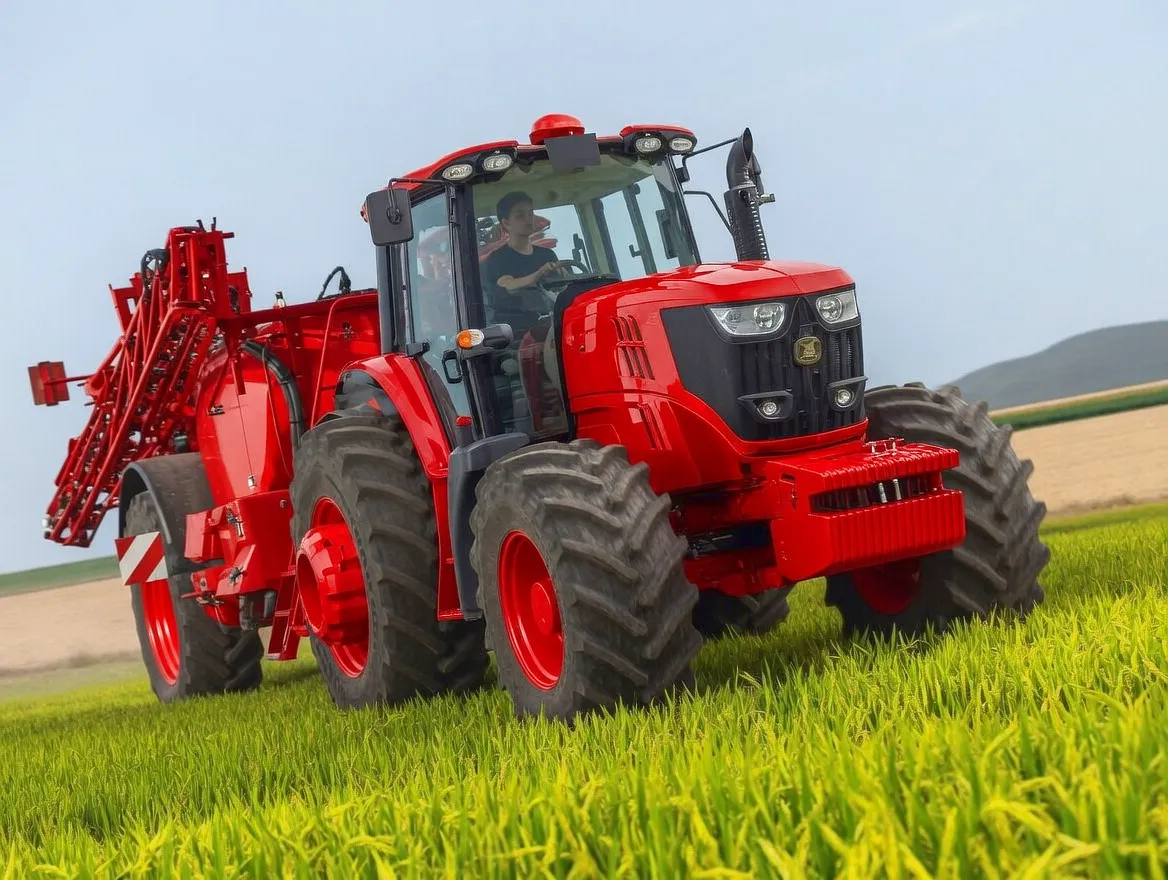
Customer Success: Thornfield Farms, Lincolnshire — A Complete Drivetrain Overhaul
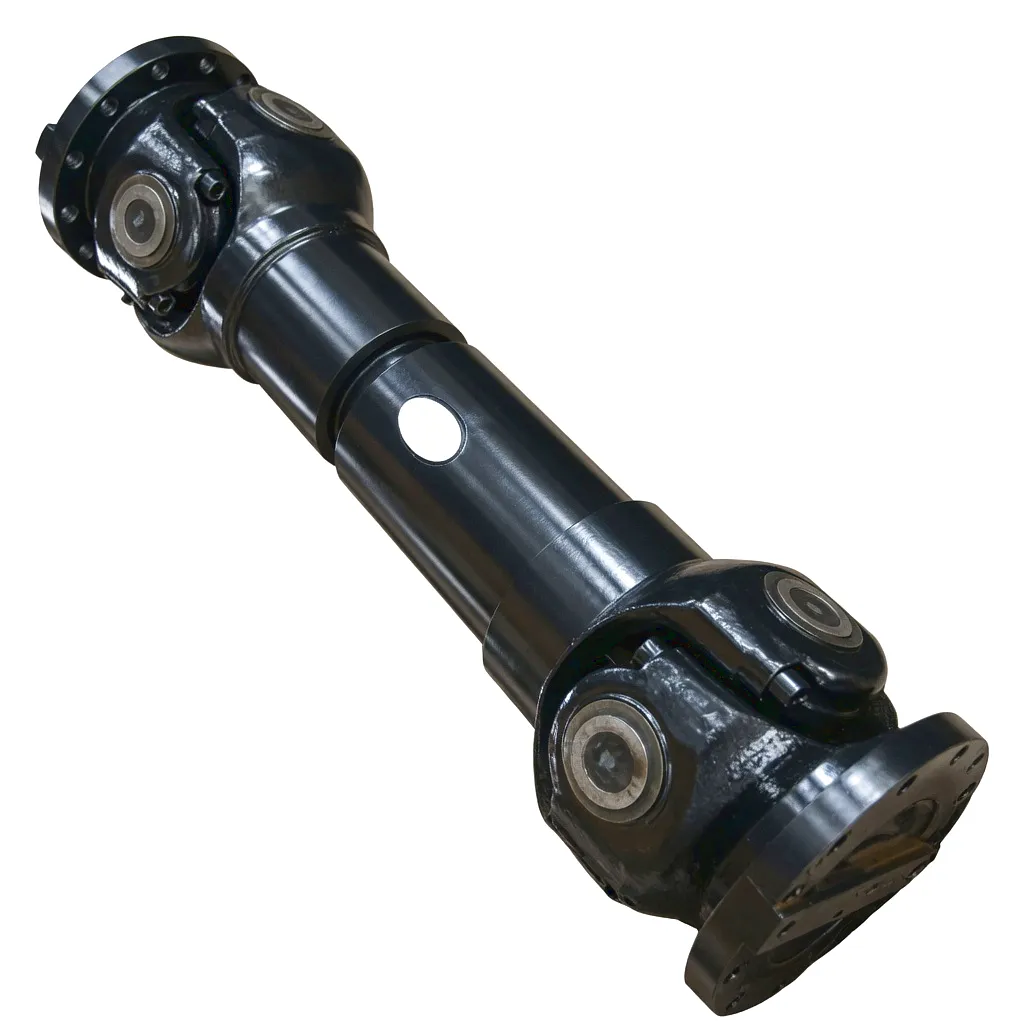 Thornfield Farms operates 2,800 hectares of combinable crops across the Lincolnshire Wolds and the flat fenland south of Boston. Their fleet of five combine harvesters — a mix of Class 7 and Class 9 machines — was experiencing recurring feederhouse driveline failures during the 2024 wheat harvest. The standard single universal joints supplied as OEM components were lasting just 400-500 hours before bearing failure, typically manifesting as a sudden increase in vibration followed by a metallic grinding sound that meant the machine had to be pulled out of the field for repair. Each breakdown cost an estimated £3,200 in parts and labour, plus the far greater cost of lost harvesting time during a weather window that, in the British climate, might close for days at a time.
Working with Ever Power’s application engineering team, Thornfield’s workshop manager specified EP-DC 80 heavy-duty double cardan joints for the header drive position on all five machines. The retrofit required minor modifications to the driveline tunnel — machining the splined stub shafts to match Ever Power’s bore dimensions and fabricating adapter plates for the header gearbox mounting. The total changeover took two days per machine during the pre-harvest maintenance window in July 2025. The results over the subsequent harvest season were striking: zero driveline failures across the entire fleet, measurable reduction in cab vibration reported by all five operators, and a 12% increase in average daily harvesting output attributed to both improved reliability and smoother header tracking over uneven ground. Thornfield has since specified Ever Power cardan couplings for their rotor drive and straw chopper positions as well.
What Our Customers Say
“We ran the Ever Power double cardan joints through the worst harvest weather I can remember — three weeks of stop-start cutting in heavy, damp wheat. Not a single failure. The old joints would have been done after the second week. We will not go back.”
— James Thornfield, Farm Manager
Thornfield Farms, Lincolnshire
“I maintain a fleet of eight combines for a contractor working across Hampshire and Wiltshire. The Ever Power cardan coupling cut our in-season driveline repairs from eleven incidents to two — and those two were unrelated chain issues. Brilliant product, and the technical support during specification was exceptional.”
— Robert Cartwright, Workshop Manager
Wessex Harvest Contractors, Hampshire
“We asked Ever Power to manufacture a custom-length cardan coupling for an older Claas machine with a non-standard feederhouse. They delivered exactly what we needed within three weeks, including a test certificate. The price was competitive with generic replacements, but the quality difference was obvious the moment you picked it up.”
— Donald MacLeod, Senior Engineer
Highland Agricultural Services, Inverness
Selection Guide: Matching the Right Cardan Coupling to Your Harvester
Choosing the correct cardan coupling for a combine harvester requires balancing several parameters simultaneously. Engine power alone is not sufficient — the torque at the coupling depends on the speed ratio between the engine and the driven component, and the peak torque may be two to three times the continuous rating depending on the severity of load transients. The table below provides a starting point for matching Ever Power heavy-duty double cardan joints to common harvester configurations seen across the UK market.
| Harvester Class | Engine Power (HP) | Typical Header Width | Recommended Model | Application Position |
|---|---|---|---|---|
| Class 5-6 | 200-280 | 6.0 – 7.6 m | EP-DC 60 | Header drive, chopper |
| Class 7-8 | 300-420 | 7.6 – 10.7 m | EP-DC 80 | Header drive, rotor |
| Class 9-10 | 450-630 | 10.7 – 13.7 m | EP-DC 100 / 120 | All drive positions |
Maintenance Practices That Protect Your Investment in UK Harvest Conditions
The British harvest season presents a compressed maintenance challenge. Unlike grain-belt operations in continental climates where dry conditions prevail for months, UK harvesting often occurs in narrow weather windows punctuated by rain. Machines may sit idle for two or three days waiting for the crop to dry, then run flat out for 16 hours straight when conditions allow. This pattern means that maintenance must be proactive rather than reactive — there is simply no time to repair a failed coupling when every dry hour counts.
Lubrication is the single most impactful maintenance action. Each bearing cap should receive fresh grease — a lithium complex EP2 grade is suitable for most UK operating temperatures — every 50 hours of operation during harvest. The grease charge should be sufficient to purge a small amount of old grease from the seal lip, confirming that fresh lubricant has reached the bearing surfaces. Over-greasing is counterproductive as it can blow the seals outward, so a controlled delivery using a calibrated grease gun is preferable to guesswork. Before each harvest campaign, inspect the cross-journals for any signs of rust pitting on the trunnion surfaces, check the yoke bores for wear or elongation, and verify that the snap rings or bearing cap bolts retain their full clamping force. Any coupling showing visible wear on the bearing surfaces should be replaced pre-season rather than risk a mid-harvest failure — the cost difference between planned replacement and emergency breakdown is substantial.
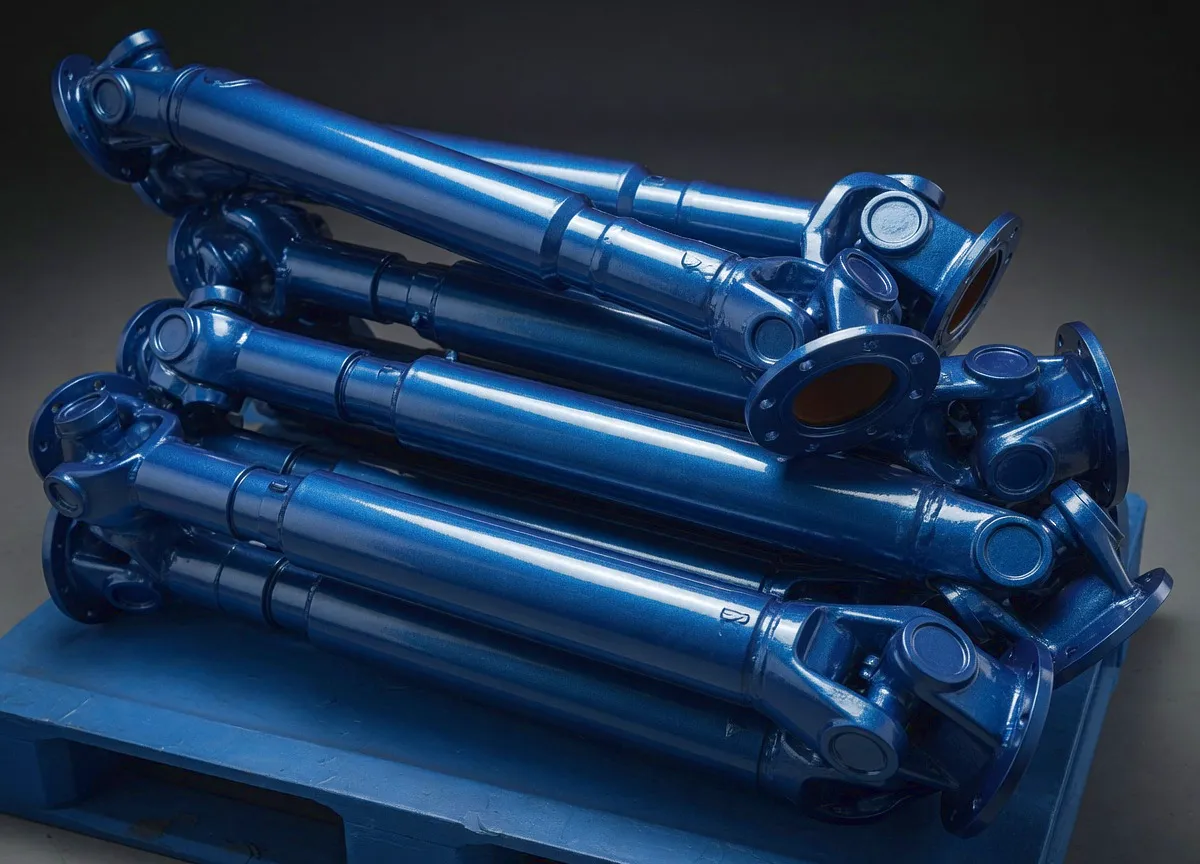
Ever Power: Custom Cardan Coupling Manufacturing for UK Agricultural and Industrial Applications
Ever Power operates a dedicated cardan coupling production facility equipped with CNC forging presses, automated heat treatment lines, and precision grinding centres. The factory produces over 200,000 universal joint assemblies annually, serving agricultural equipment manufacturers, steel mills, paper mills, and marine propulsion companies across Europe, including a growing base of UK customers in the farming, quarrying, and food processing sectors.
200,000+
Units Produced Annually
15-20
Days for Custom Orders
ISO 9001
Certified Manufacturing
Contact us at [email protected] — UK delivery available nationwide
Cardan Coupling vs Alternative Coupling Types for Harvester Drivetrains
Understanding why the double cardan joint outperforms competing coupling technologies in harvester applications requires a fair comparison across the parameters that actually matter in field conditions. The table below summarises how different coupling types perform against the specific demands of combine harvester operation on typical UK arable farms.
| Feature | Double Cardan Joint | Single Universal Joint | Gear Coupling | Elastomeric Coupling |
|---|---|---|---|---|
| Max Operating Angle | 20-25° | 25-30° | 1-3° | 3-5° |
| Constant Velocity Output | Yes | No | Yes | Yes |
| Torque Capacity | Very High | High | Very High | Low-Medium |
| Vibration Level | Very Low | High at angle | Low | Very Low |
| Suitability for Harvester | ★ Excellent | Acceptable | Poor | Poor |
Serving British Agriculture: From the Fens to the Highlands
The United Kingdom’s arable sector is concentrated in the eastern counties — Norfolk, Suffolk, Cambridgeshire, Lincolnshire, and East Yorkshire — where large-scale cereal and oilseed production dominates. These regions present particular challenges for harvester drivetrains: flat terrain that encourages high ground speeds, heavy clay soils that create rutted fields by late summer, and a maritime climate that frequently interrupts harvest with rain. Moving north and west, mixed farming operations in the Midlands, the Scottish Borders, and the northeast of England work smaller, more undulating fields where frequent headland turns and varying slope angles place different but equally demanding stresses on cardan couplings.
Ever Power supplies cardan couplings to agricultural dealers, equipment workshops, and direct-to-farm customers throughout England, Scotland, Wales, and Northern Ireland. Standard catalogue models ship from UK-held stock for next-working-day delivery during harvest season, recognising that a broken coupling in August cannot wait for a three-week international shipment. For contract farming operations and agricultural dealers who maintain multiple machine fleets, Ever Power offers pre-season volume pricing and technical support visits to ensure correct specification and installation. Whether you operate a single combine on a family farm in Devon or manage a twenty-machine harvest fleet across the East Midlands, the engineering support and product range are available to match your needs.
Frequently Asked Questions
Where can I find a reliable cardan coupling supplier for combine harvesters in the UK?
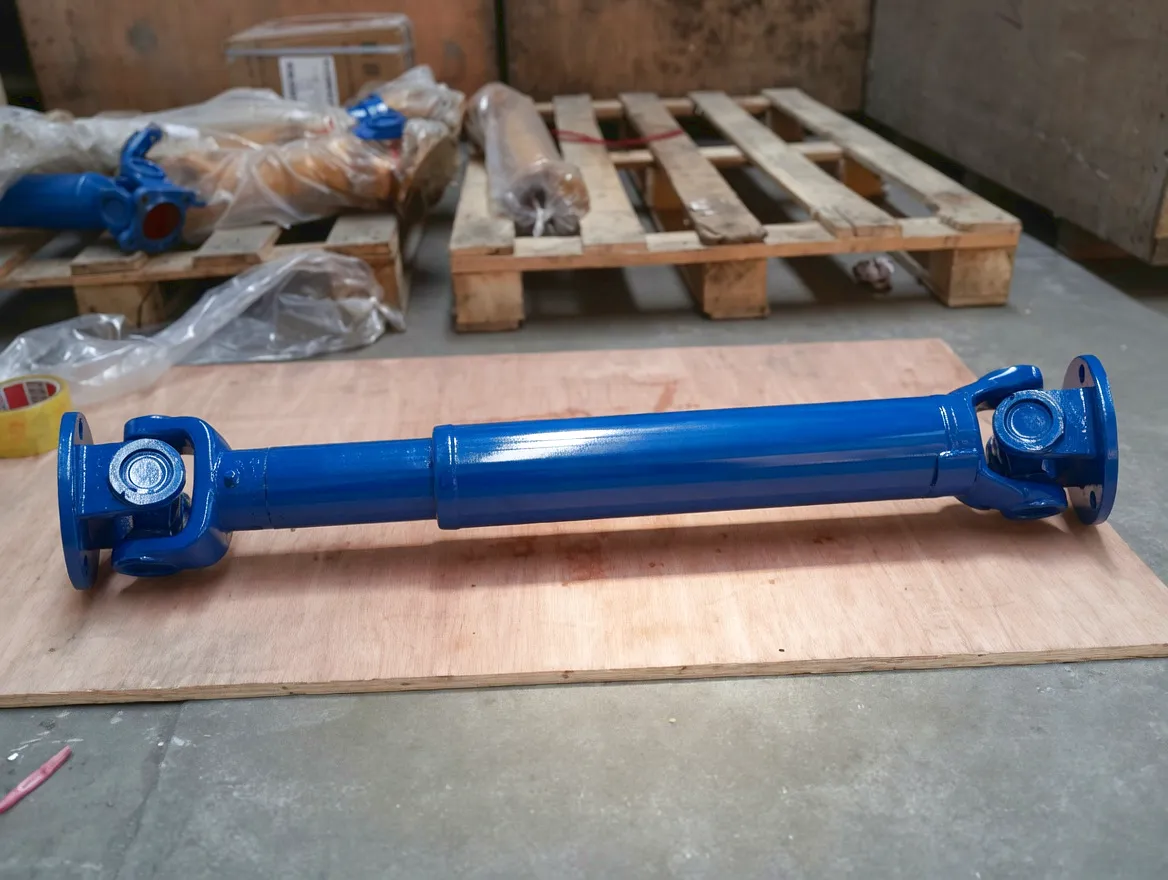
Ever Power is a dedicated cardan coupling manufacturer serving agricultural operations across England, Scotland, Wales, and Northern Ireland. With factory-direct pricing, custom engineering capability, and UK-held stock for rapid delivery during harvest season, they provide heavy-duty double cardan joints engineered specifically for combine harvester power transmission. Contact [email protected] for a free specification consultation.
How much does a heavy-duty double cardan joint cost for a combine harvester in England?
Pricing depends on the torque rating, shaft diameter, spline configuration, and whether the coupling is a standard catalogue item or a custom-manufactured unit. Ever Power offers competitive factory-direct pricing with volume discounts for agricultural dealers and fleet operators. Request a detailed quote at [email protected] with your machine model and application details for a precise quotation.
What is the best type of cardan coupling for variable angle harvester drivetrains operating on hilly terrain?
A heavy-duty double cardan joint is the engineering solution of choice for variable-angle drivetrains. The double-joint geometry cancels the velocity fluctuations that single universal joints produce, delivering constant-velocity power transfer as the cutting header follows undulating ground contours. This is particularly valuable on the rolling terrain found across the Cotswolds, Yorkshire Wolds, and Scottish Borders.
How do I get a quote for custom cardan couplings for agricultural machinery in Scotland?
Contact Ever Power’s engineering team at [email protected] with your machine model, required torque rating, shaft dimensions, spline details, and operating angle range. Their design engineers provide full custom specification support and deliver throughout Scotland, from the Borders to the Highlands, as well as England, Wales, and Northern Ireland.
Which cardan coupling works best for high-torque combine harvester engines producing over 300 horsepower?
For engines exceeding 300 HP, the EP-DC 80 or EP-DC 100 heavy-duty double cardan joint with forged alloy steel yokes and precision needle roller bearings provides the necessary torque capacity. These couplings handle continuous loads up to 35,000 Nm with peak capacity exceeding 52,000 Nm, comfortably covering the largest modern combine harvesters operating in UK grain fields.
What maintenance schedule should I follow for cardan couplings on my harvester in wet UK conditions?
In the damp conditions typical across Britain, lubricate each bearing cap with lithium complex EP2 grease every 50 operating hours during harvest season. Inspect bearing seals weekly for crop residue ingress and check yoke phasing alignment before each harvest campaign. Pre-season inspection should include checking cross-journal trunnion surfaces for rust pitting and verifying bearing cap bolt torque. Ever Power couplings feature sealed bearing caps with triple-lip seals that extend service life in wet environments.
Ready to Upgrade Your Harvester Drivetrain?
Ever Power engineers are ready to help you specify the right heavy-duty double cardan joint for your combine harvester fleet. Custom designs, UK delivery, and technical support from specification through installation.
[email protected] | Serving farms and agricultural dealers across England, Scotland, Wales & Northern Ireland
edit by gzl