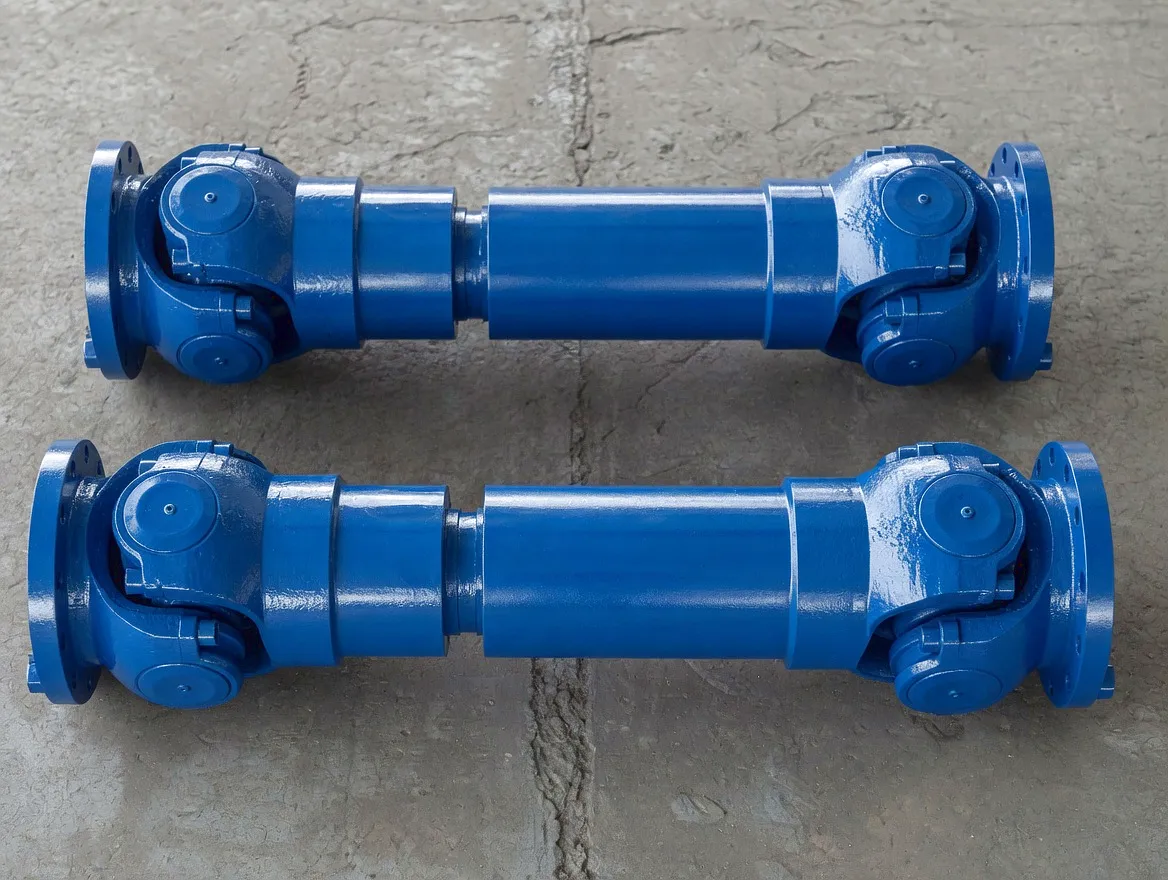
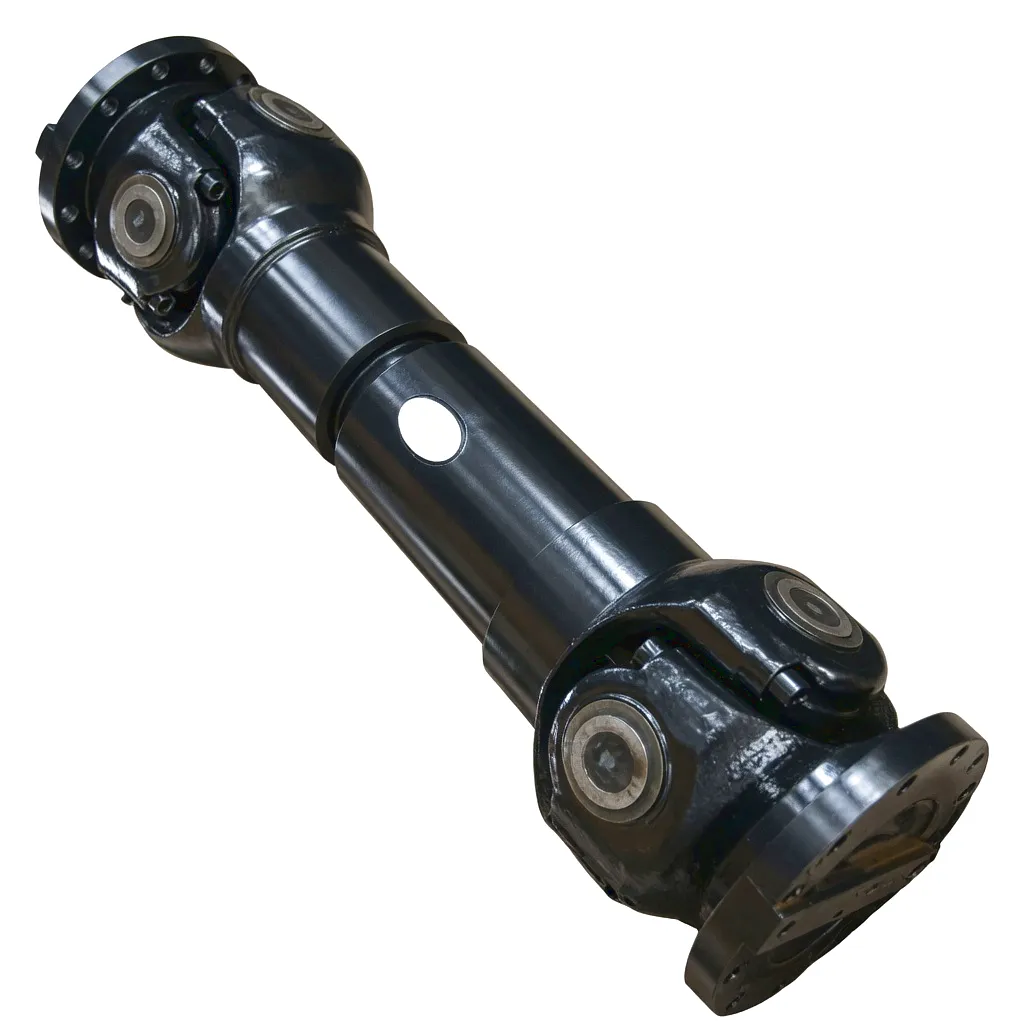
 Walk the floor of any large-scale textile mill and the rhythmic clatter of a sizing machine — a slasher, as the trade calls it — is impossible to ignore. Dozens of drying cylinders rotate in carefully choreographed synchrony, each one drawing yarn at precisely the same peripheral speed while steam inside keeps the surface at the temperature the warp sheet needs. Get that synchrony wrong by even a fraction and you have yarn breakage, starch buildup, uneven sizing, and — in extreme cases — a complete batch loss that can run into thousands of pounds. The mechanical heart of that synchrony is the drive chain, and the component that lives at every critical junction in that chain is the cardan coupling.
This article draws on more than eighteen years of field experience specifying, installing, and troubleshooting cardan couplings across textile plant in Yorkshire, Lancashire, and beyond. It covers why the sizing machine environment is one of the most demanding applications a universal joint will ever face, how the right coupling geometry delivers genuine constant-velocity output, what materials and surface treatments hold up under starch vapour and thermal cycling, and how Ever Power’s UK-supported supply chain gives maintenance engineers a fast, customisable solution when original equipment schedules let them down.
Ever Power · Custom-Engineered
Precision Cardan Couplings — Built for Your Machine
Every sizing machine layout is different. Bore sizes, shaft centres, operating angles, and torque ratings vary between OEM brands and even between machine generations from the same manufacturer. Our engineering team works with your drawings to configure a cardan coupling that fits your exact kinematic envelope — without compromise on quality.
Why the Sizing Machine Is One of the Harshest Coupling Environments in Textile Manufacture
Technical Analysis · Drive Chain Engineering
Extreme Thermal Cycling
Steam-heated drying cylinders operate at surface temperatures of 110 °C to 180 °C. Each machine start-up and shutdown cycle creates significant thermal expansion in the cylinder shafts, shifting their axial and radial positions relative to the gearbox output. A cardan coupling with generous angular and axial accommodation absorbs this movement without transmitting destructive end-thrust back into gearbox bearings — a failure mode that can write off a gearbox in under a season.
Starch Vapour & Chemical Contamination
Modified maize starch, PVA, and synthetic sizing agents fill the mill atmosphere with fine aerosols. These deposit inside coupling journals and cross-trunnion needle bearings, accelerating wear and causing grease washout. Any cardan coupling used here needs sealed bearing assemblies, high-temperature grease formulations, and materials that resist the mild acidity of starch chemistry. Getting this wrong means bearing replacement intervals measured in weeks rather than years.
Constant-Velocity Demand
A single-joint cardan coupling is inherently non-homokinetic: at any operating angle above zero, output shaft velocity oscillates at twice the rotational frequency. For a drying-cylinder drive running at 60–120 rpm this creates a cyclic torque ripple that the yarn perceives as uneven tension. The solution — well-understood by experienced drive engineers but frequently overlooked at purchase — is a double-cardan (or W-type) configuration that cancels the velocity error by placing two joints in opposing phase.
The Engineering Behind Constant-Velocity Output in a Double-Cardan Coupling
Drive Mechanics · Kinematic Geometry
When a single Hooke’s-joint cardan coupling operates at an angle θ, the output shaft angular velocity ω₂ fluctuates as ω₂ = ω₁ · cosθ / (1 − sin²θ · cos²φ), where φ is the rotation angle of the input shaft. At 6° of misalignment this creates a velocity ripple of roughly ±1.1% — barely perceptible in slow, heavy machinery, but entirely measurable as yarn tension variation on a sizing cylinder running at 80 rpm.
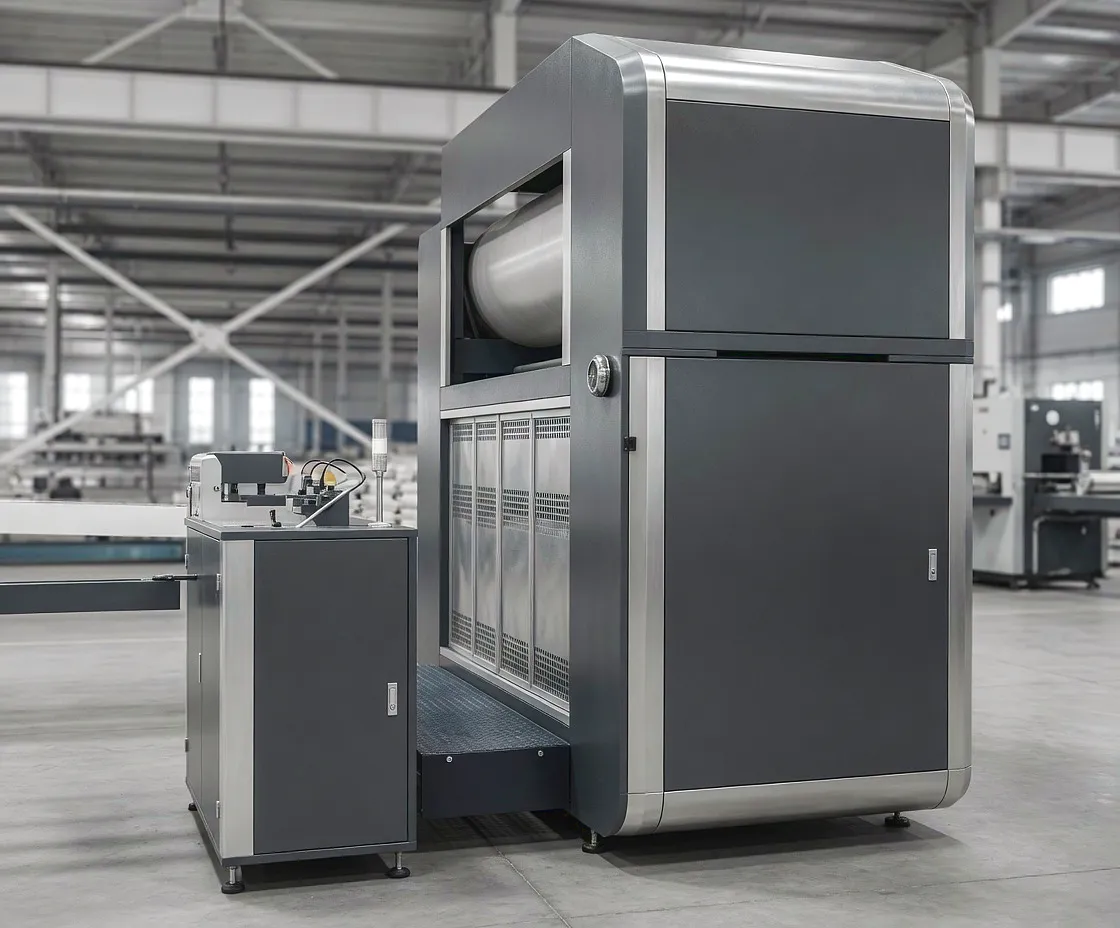
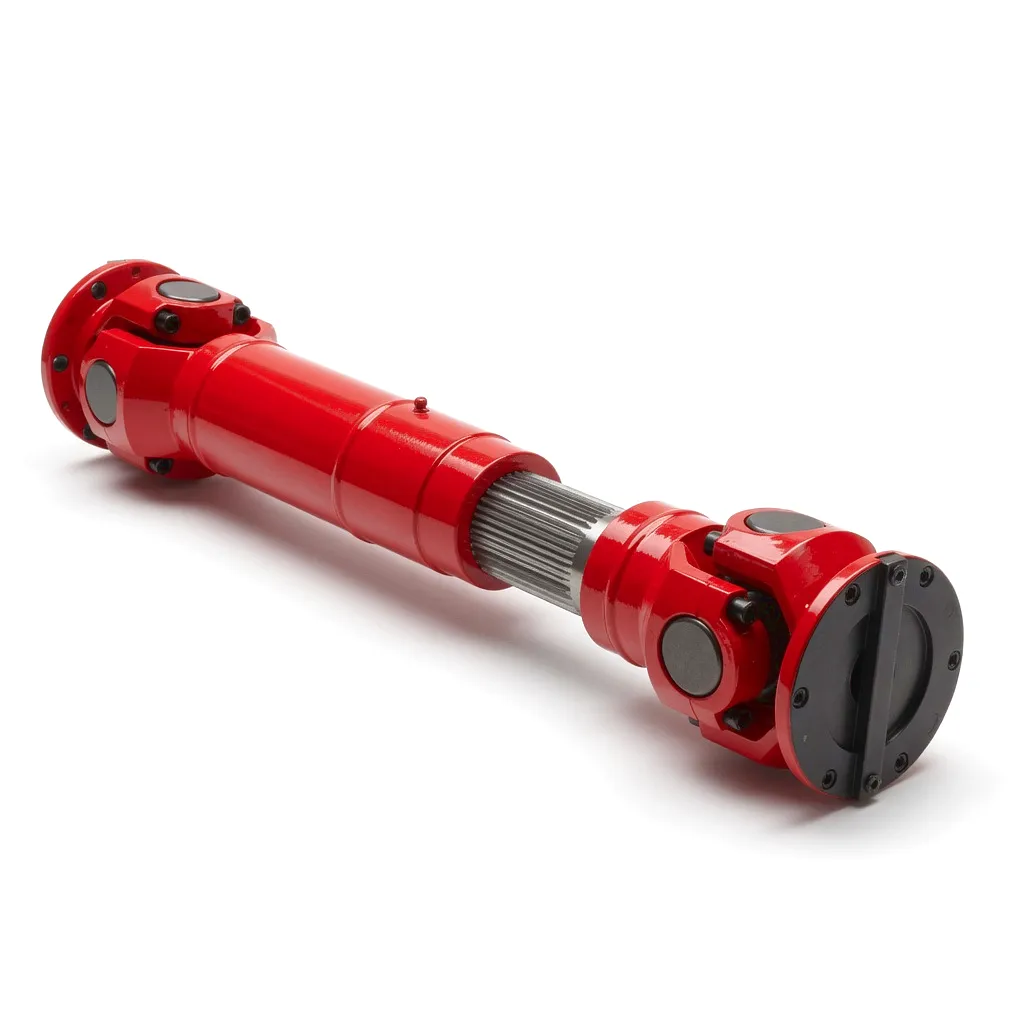
A double-cardan arrangement solves this by inserting a centring socket yoke between two identical single joints phased at 180°. The velocity error of the first joint is equal in magnitude but opposite in sign to the error of the second joint, and they cancel precisely — delivering true homokinetic output across the rated angular range. The centring socket also constrains the assembly so that both joint angles remain equal at all times, even as the driven shaft deflects under load. This self-equalising geometry is what makes the double-cardan coupling the standard specification for drying-cylinder constant-velocity drive chains worldwide.
±0.0%
Theoretical velocity error in double-cardan constant-velocity configuration
up to 45°
Maximum operating angle available in heavy-duty WS / WSD series for installation flexibility
18+ yrs
Field experience specifying cardan couplings for textile and process industries
Materials, Construction & Surface Treatment
Product Specification · Manufacturing Quality
Material selection for a sizing machine cardan coupling is not a shortcut-friendly exercise. The yoke bodies on our standard textile-grade range are machined from 42CrMo4 alloy steel — a medium-carbon chromium-molybdenum grade that combines high tensile strength (typically 900–1100 MPa after quench and temper) with the toughness needed to absorb impact loads when a yarn break causes a sudden jolt in the drive train. Cross-trunnion journals are manufactured from 20CrMnTi case-hardening steel, carburised and hardened to 58–62 HRC at the needle-contact surface, then precision ground to achieve the form accuracy and surface finish that determines needle bearing service life.
For the chemical and humidity challenges present on a sizing machine floor, all external surfaces receive a zinc-phosphate pre-treatment followed by industrial-grade epoxy primer and polyurethane topcoat. Where operators specify it — particularly for machines running with high-acid synthetic sizes — we offer stainless steel cross-journals and sealed-for-life bearing cups that eliminate the need for periodic greasing in hard-to-reach locations between cylinder banks. Telescoping intermediate shafts use splined connections with nylon-impregnated phosphate coating to reduce fretting under the micro-movements generated by thermal expansion.
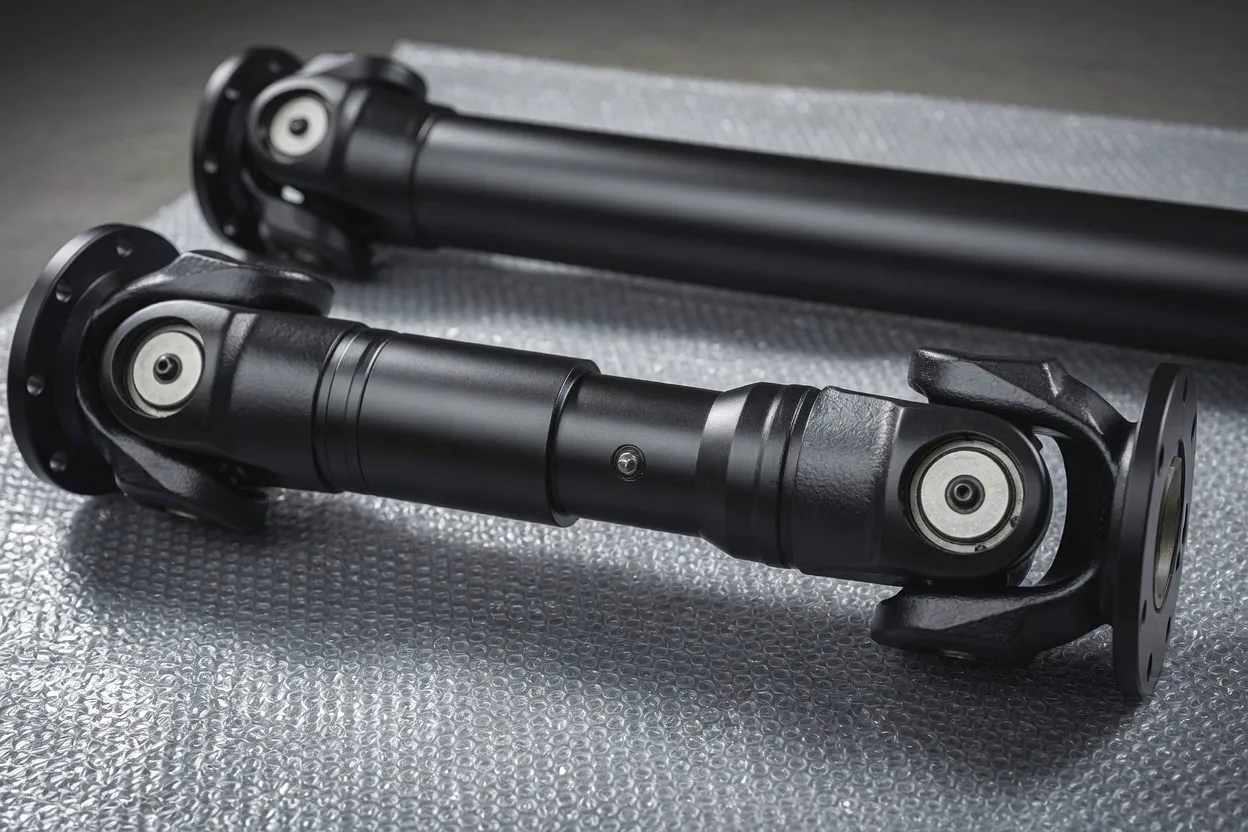
Yoke Body
42CrMo4 alloy steel, quenched & tempered to 900–1100 MPa tensile
Cross-Trunnion Journal
20CrMnTi case-hardened, 58–62 HRC surface, precision ground
Intermediate Shaft
Telescoping splined tube in S45C steel, phosphate + nylon coating for fretting resistance
Surface Protection
Zinc phosphate + epoxy primer + PU topcoat; stainless steel option for chemical environments
Technical Performance Parameters — Sizing Machine Drive Series
Specification Table · Engineering Reference
| Parameter | SDS Light Series | WSD Standard Series | WSD Heavy-Duty Series |
|---|---|---|---|
| Nominal Torque (Nm) | 250 – 800 | 800 – 5,000 | 5,000 – 50,000 |
| Max Operating Angle | 25° | 35° | 45° |
| Max Speed (rpm) | 1,500 | 1,200 | 800 |
| Axial Compensation (mm) | ±15 | ±30 | ±50 |
| Operating Temperature (°C) | -20 to +120 | -30 to +150 | -30 to +180 |
| Velocity Uniformity (double-cardan) | Constant | Constant | Constant |
| Bore Range (mm) | 20 – 60 | 40 – 120 | 80 – 220 |
| Surface Protection | Epoxy + PU | Epoxy + PU / SS option | Epoxy + PU / SS option |
All ratings at rated angle ≤ 10°. Custom bore, keyway, and flange configurations available on request. Contact our engineering team for non-standard requirements.
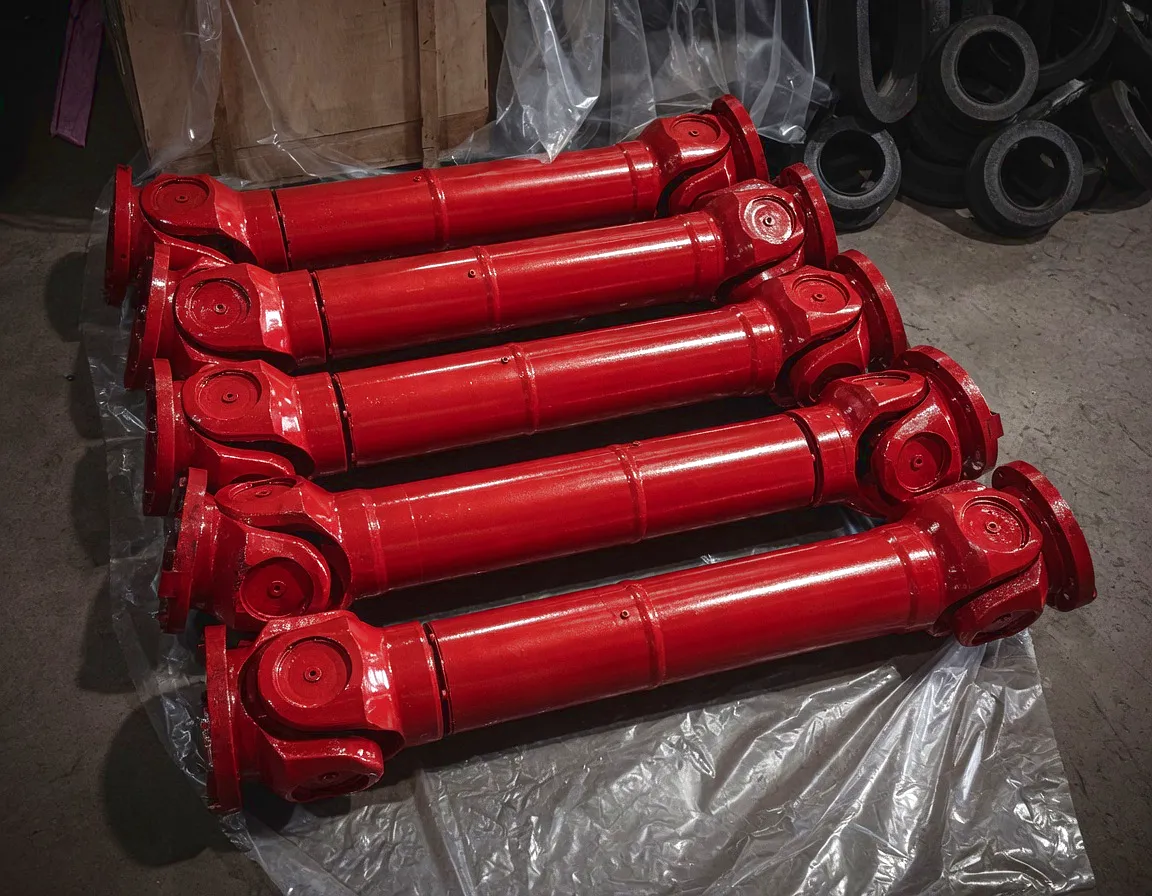
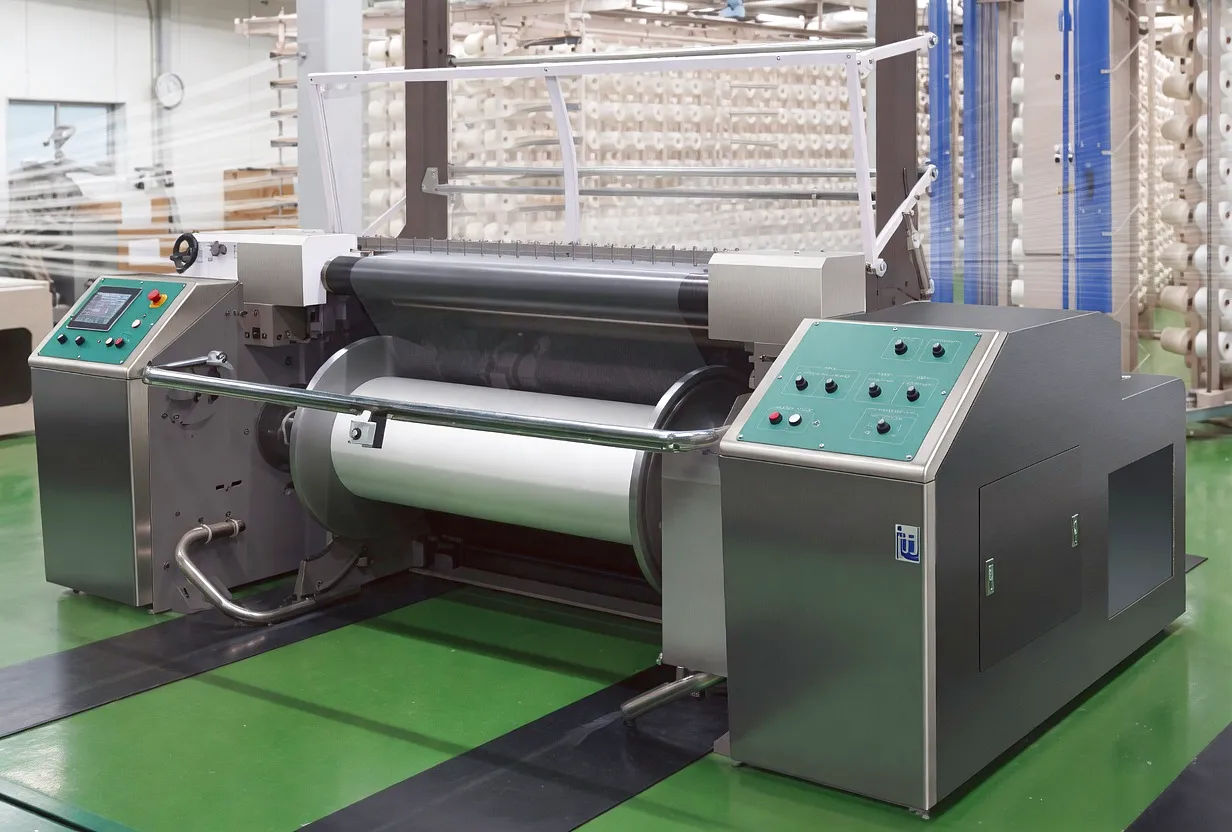
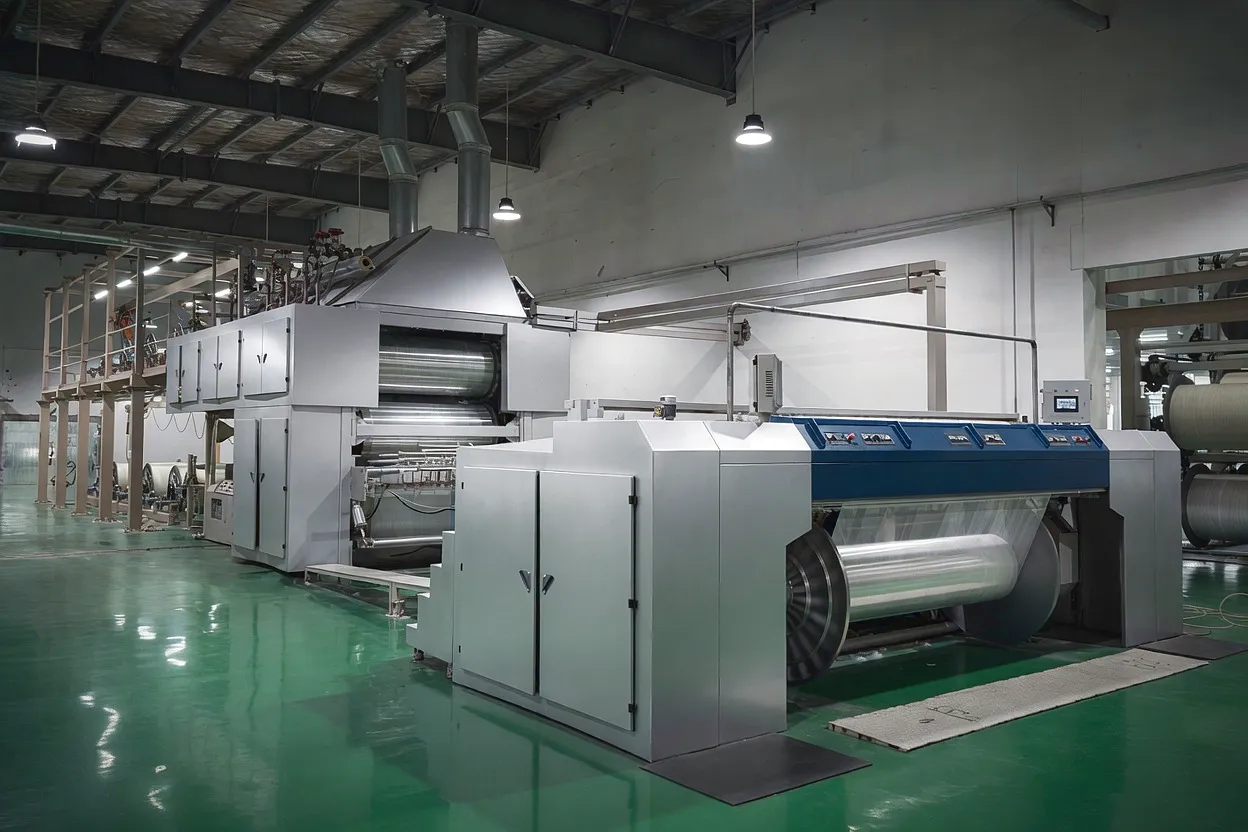
Cardan Couplings in Action — Sizing Machine Drive Applications
Seven Advantages That Make a Difference on the Sizing Machine Floor
Product Benefits · Operational Value
Zero Yarn Tension Variation
True homokinetic output eliminates the cyclic tension pulses that cause yarn breaks and uneven starch pickup across the full warp width. Producers report measurable improvements in sizing uniformity within the first week of installation.
Long Service Life Under Starch Vapour
Sealed needle-bearing cups and starch-resistant grease formulation mean maintenance cycles extend to 12–18 months in a typical Yorkshire woollen mill environment, compared with 3–4 months for open-bearing competitor products.
Generous Misalignment Tolerance
Angular capacity up to 45° and axial float up to ±50 mm means thermal expansion, frame settlement, and minor installation inaccuracies are absorbed without bearing overload. No other coupling technology offers this combination at a competitive price.
Reduced Gearbox & Bearing Stress
The telescoping splined intermediate shaft decouples axial thermal movement from radial bearing loads, extending gearbox output-shaft bearing life by a factor of two to three compared with rigid or jaw-type coupling installations.
Drop-In Replacement Capability
Our engineering team reverse-engineers OEM dimensions from sample or drawing, then manufactures a dimensionally compatible replacement within 15 working days — far faster than the months-long lead times some original equipment suppliers now quote for spares.
Low Maintenance, Easy Inspection
Grease nipples positioned on the outer circumference of the yoke — not recessed inside the drive assembly — mean technicians can relubricate without removing guards or lock-out tagout procedures beyond standard coupling isolation. On sealed-for-life versions, scheduled greasing is eliminated entirely.
Full Customisation on Request
Non-standard flange patterns, keyway profiles, metric or imperial bore sizing, special surface coatings, and even custom yoke offset dimensions are all available from our manufacturing facility. We regularly produce small-batch custom couplings for heritage machinery in UK textile heritage sites and active speciality mills.
Where the Cardan Coupling Works Hardest in a Sizing Machine
Application Scenarios · Drive Chain Positions
Drying Cylinder Constant-Velocity Drive Chain
This is the primary application addressed in this article and the most demanding. A row of 12 to 24 steam-heated cylinders must all rotate at identical peripheral speed. The cardan coupling at each cylinder shaft connects the cylinder to the gearbox chain while accommodating thermal expansion, frame vibration, and installation offset. A double-cardan (WSD) unit at each position guarantees synchronous peripheral velocity across the full row.
Size Box Immersion Roll Drive
The squeezing rolls that control size pickup percentage run at a slightly different speed to the cylinder bank, and the offset between the size box drive motor and the immersion roll shaft is rarely perfectly aligned. A single-joint cardan coupling here handles the angular offset while transmitting the relatively modest torque of the nip adjustment mechanism. Stainless steel cross-journal options are preferred given the starch liquor splash zone.
Warp Beam & Let-Off Drive
As the warp beam diameter decreases from a full beam to empty, the let-off gearbox output angle to the beam shaft changes dynamically. A cardan coupling with wide angular range accommodates this swing without replacing the coupling or adjusting drive geometry mid-run. The result is consistent warp tension and eliminated creel vibration — a common source of sizing defects.
Leasing & Take-Up Roll Drive
Leasing rods and take-up rolls at the dry end of the sizing machine handle the finished warp sheet at full speed. Any speed variation here creates barré patterns in the finished fabric — a serious quality defect that shows up clearly in the loom room. Constant-velocity cardan couplings at these positions protect product quality at the final stage of the sizing process.
Customer Success: Real Results from UK & European Textile Plants
Case Studies · Industrial Applications
Case Study
Huddersfield, UK
Wool & Technical Textile Mill
Eliminating Warp Break Clusters on a Heritage Sizing Line
A medium-sized worsted wool producer in the Colne Valley had been operating a 1990s-era sizing machine with original cardan couplings that were no longer available from the OEM. The mill was experiencing an average of 14 warp breaks per run, well above industry expectation, and the maintenance manager suspected the worn couplings were creating velocity pulses that the fine-count worsted yarn simply could not tolerate.
Ever Power’s engineering team visited the site, measured all shaft centres and bore details, and supplied a full set of double-cardan WSD units with stainless-steel cross-journals within 18 working days. After installation, the mill logged an average of just 2.3 warp breaks per run — an 84% reduction — and gearbox bearing temperatures dropped by an average of 11 °C at operating speed, confirming the reduction in transmitted radial load.
“We had tried two other suppliers before Ever Power. Their team actually came to see the machine, understood what was happening in the drive chain, and got us parts that worked from day one. The break rate improvement was immediate and measurable — the weaving room noticed before I’d even told them we’d changed anything.”
— Head of Engineering Maintenance, Colne Valley Worsted Mill
“We operate four sizing machines in our Manchester facility and switched the entire cylinder drive chain to Ever Power cardan couplings three years ago. Maintenance cost on those drives has dropped dramatically, and we have not had a single coupling-related shutdown since. The custom bore work they did on our non-standard shafts was spot-on.”
Procurement Manager
Cotton & Polyester Blend Mill, Greater Manchester, UK
“As a technical buyer sourcing drive components for a Belgian denim weaving group, I appreciated that Ever Power could supply full dimensional drawings before order confirmation, and that their delivery to Antwerp was exactly on schedule. The couplings have been running on our pre-wetting sizing machine for 14 months without any grease replenishment — sealed-for-life really does what it says.”
Technical Buyer
Denim Weaving Group, Ghent, Belgium
“Our warp preparation room in Blackburn has been running Ever Power WSD couplings on the drying section for two years. The noise level on that machine has dropped noticeably — the chatter we assumed was just ‘how the machine sounds’ turned out to be worn-out universal joints creating vibration. A quieter machine is a better machine, and the operators noticed immediately.”
Plant Manager
Technical Fabric Manufacturer, Blackburn, Lancashire, UK
Ever Power · Manufacturing & Custom Engineering
Fully Customised Cardan Couplings — From Drawing to Dispatch
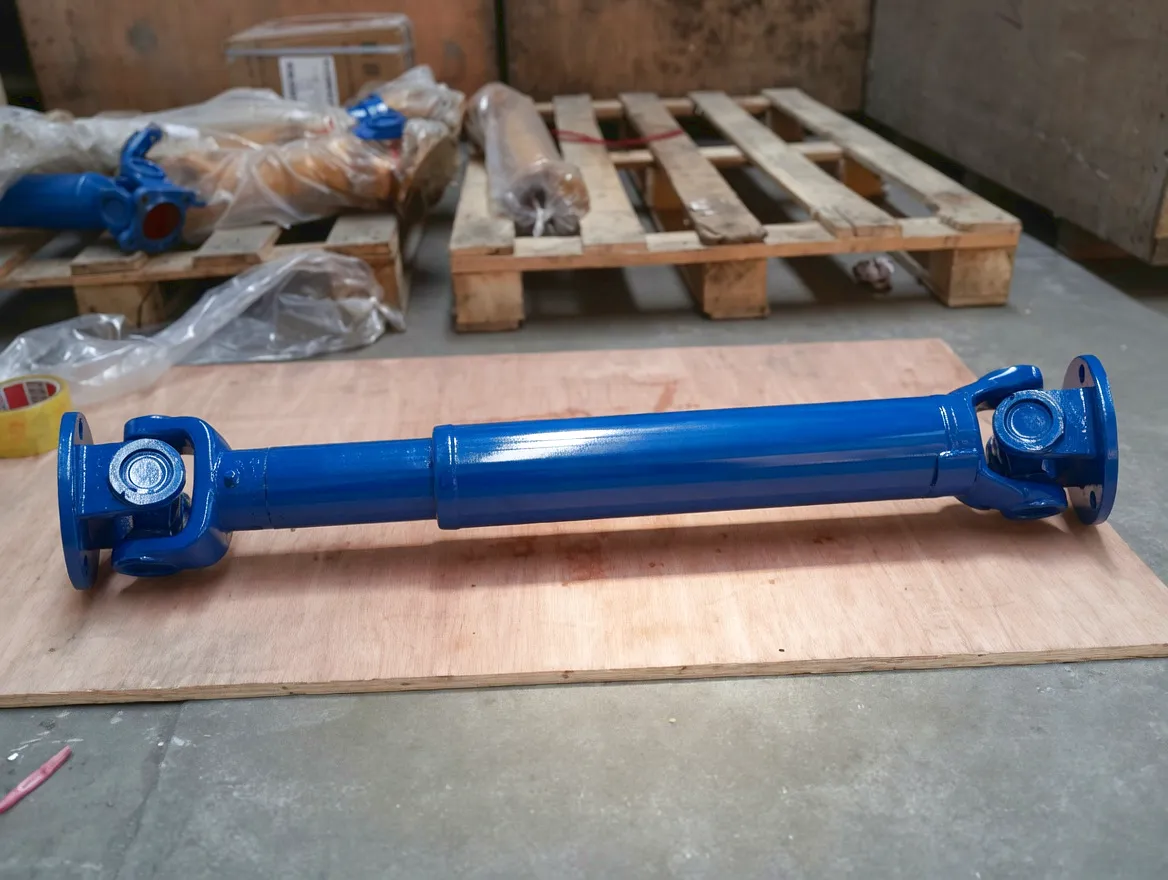
Our CNC machining facility operates a full production chain from raw bar stock to finished, tested coupling assembly. We hold tolerances to IT7 grade on bore diameters and run dynamic balance checks on all assemblies rated above 600 rpm. What sets us apart for UK textile clients is the depth of our customisation capability: non-standard yoke offsets for legacy machine geometries, imperial bore and keyway dimensions for older British machinery, partial phosphate treatments for food-grade sizing applications, and mixed-material assemblies (e.g., carbon-steel yoke with stainless-steel cross-journal) for specific chemical resistance requirements.
Our standard lead time for custom orders is 10–20 working days depending on complexity, with expedited production available for urgent breakdowns. We supply to UK maintenance teams, OEM machine builders, and engineering procurement companies across England, Scotland, and Wales, with DDP delivery available to most UK industrial addresses.
Beyond the Sizing Machine: Other Textile & Process Industry Applications
Extended Application Range
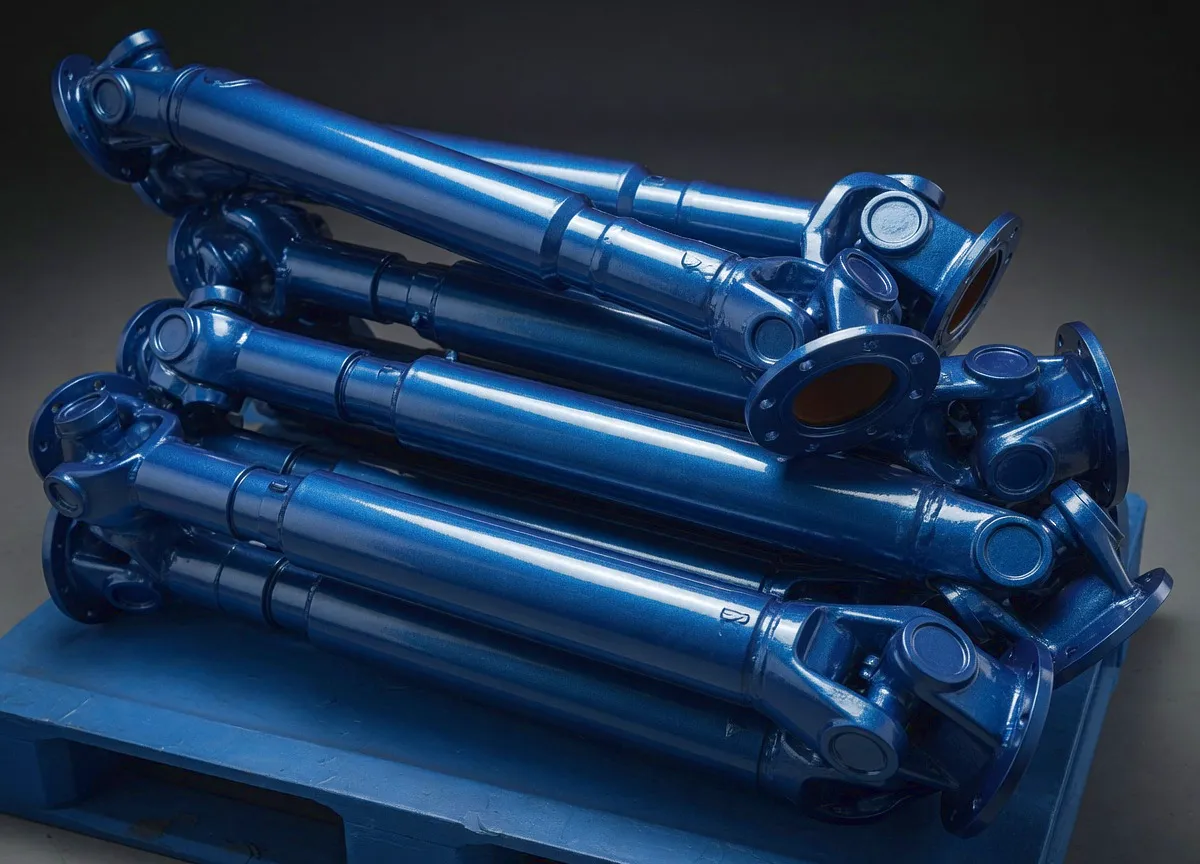
While the drying cylinder drive is the headline application for cardan couplings in the textile industry, the same engineering principles apply across a wide range of related machinery. Calender machines — which impart gloss, texture, or density to fabrics — use steam-heated bowl drives that present almost identical misalignment and thermal expansion challenges. Stenter frames with multiple heated pin chain drives benefit from the same constant-velocity geometry when yarn width uniformity is critical. Tufting machines in carpet manufacture use high-speed cardan couplings to connect eccentric cam drives to the needle bar, where velocity uniformity directly affects loop height consistency.
In UK paper and board manufacturing — a close industrial neighbour to textile in terms of drive engineering challenges — cardan couplings are standard on dryer section drives, wet press rolls, and supercalender stacks. The knowledge transfer between industries is direct: if a coupling solves thermal expansion on a sizing machine dryer cylinder, it solves it on a Fourdrinier paper machine section as well. This broader experience base is something our application engineers draw on when specifying for non-standard or hybrid applications.
Frequently Asked Questions
FAQ · Voice-Search Optimised
Ready to Solve Your Sizing Machine Drive Problems?
Whether you need a standard replacement, a custom engineered unit, or engineering support to diagnose a persistent warp break problem, our team is ready to help UK textile producers find the right cardan coupling solution.
Get a Quote — [email protected]
Response within 24 business hours · UK delivery available · Custom engineering welcome
edit by gzl