
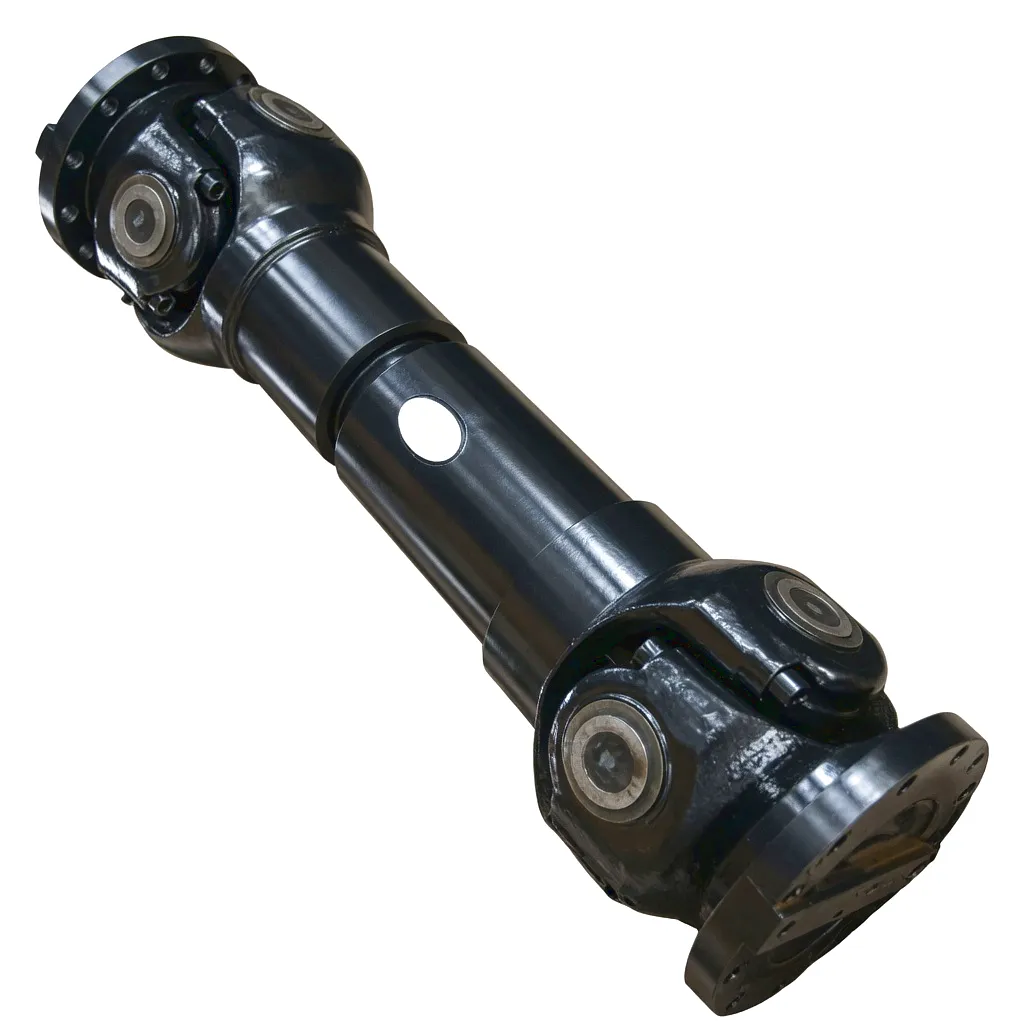
Running a straw returning machine — or straw chopper as many operators across Yorkshire and Lincolnshire still call it — is one of the most punishing tasks you can hand to any drive train. The moment those flail blades meet a thick, matted swath of barley straw, the torque spike is almost violent in character. We are not talking about a modest fluctuation in load; we are talking about instantaneous shock torques that routinely exceed the nominal drive torque by a factor of five or six. A cardan coupling that was not purpose-engineered for this environment will fail — and it will not fail gracefully. It will fail mid-field, likely pulling the gearbox flange with it.
Over the past eighteen years working directly with agricultural OEMs and contract farming operations across England, Scotland, and into continental Europe, I have seen what happens when the wrong coupling is specified on a straw incorporation machine. I have also seen what happens when the right one is fitted: seasons of trouble-free operation, reduced gearbox wear, and operators who actually trust their equipment to complete a day’s work without drama. The difference almost always comes down to one critical component — the cardan coupling with a correctly rated torque-limiting device.
📧 Get a Custom Quote — [email protected]
Response within 24 hours · UK and international enquiries welcome · Custom sizing available
Why Straw Returning Machines Destroy Ordinary Drive Shafts
The Physics Behind the Shock Torque Challenge
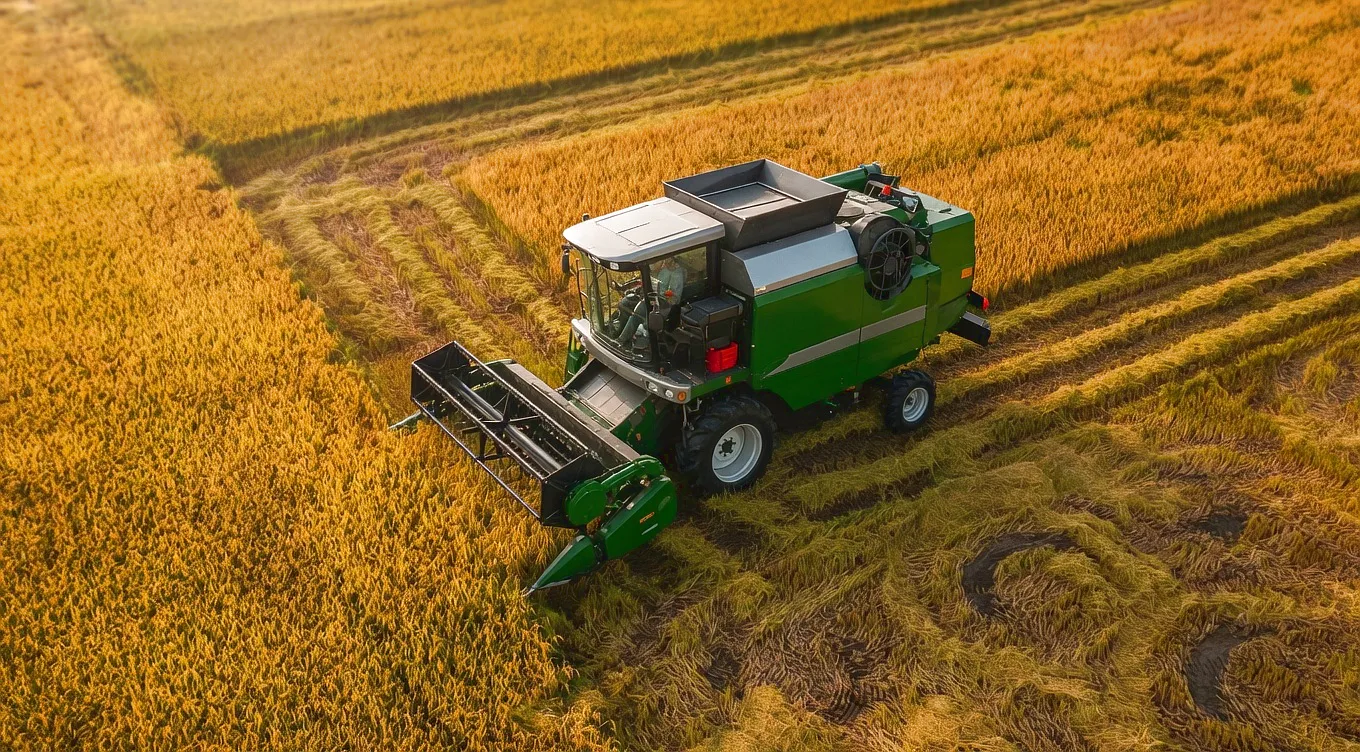 A straw returning machine — sometimes sold under the terminology of straw chopper, mulcher, or straw incorporation unit depending on the manufacturer — operates by driving a high-inertia rotor at speeds typically between 1,000 and 1,500 rpm. The rotor carries free-swinging or semi-rigid flail blades that impact the straw crop at high velocity and chop it into short segments for incorporation into the seedbed. The problem begins the moment that rotor encounters a dense clump of straw, a stone buried in the swath, or even a patch of wet, consolidated crop residue. The blades decelerate instantaneously. The energy stored in the rotor’s rotational inertia has to go somewhere, and it travels directly up the PTO driveline as a shock torque pulse.
From an engineering standpoint, the peak shock torque can be modelled as T_peak = J × α, where J is the rotor’s moment of inertia and α is the angular deceleration. On a mid-range commercial straw returning machine, J typically sits between 8 and 25 kg·m², and the deceleration event happens over 20–80 milliseconds. Running those numbers produces peak torques of 3,000–12,000 N·m at the coupling, applied to a system nominally rated at perhaps 2,000–3,000 N·m. Standard agricultural driveshafts — often sourced cheaply and built to minimum cost — are not designed for this regime. Yoke welds crack. Cross-joint needle bearings brinell. Telescoping profiles seize under the bending loads. The operator then spends two hours replacing a shaft that costs £180, while a contracted combining team charges £90 a minute to stand idle.
The solution is not simply buying a thicker shaft. It is engineering the entire drive interface with a cardan coupling that features a correctly calibrated torque-limiting device — usually a friction disc or ball-detent overload clutch — positioned between the PTO and the machine gearbox input. When the shock pulse arrives, the limiter disconnects the drive for a fraction of a second, the energy dissipates through the machine frame, and re-engagement happens automatically. The rotor keeps spinning, the gearbox survives, and the season continues.
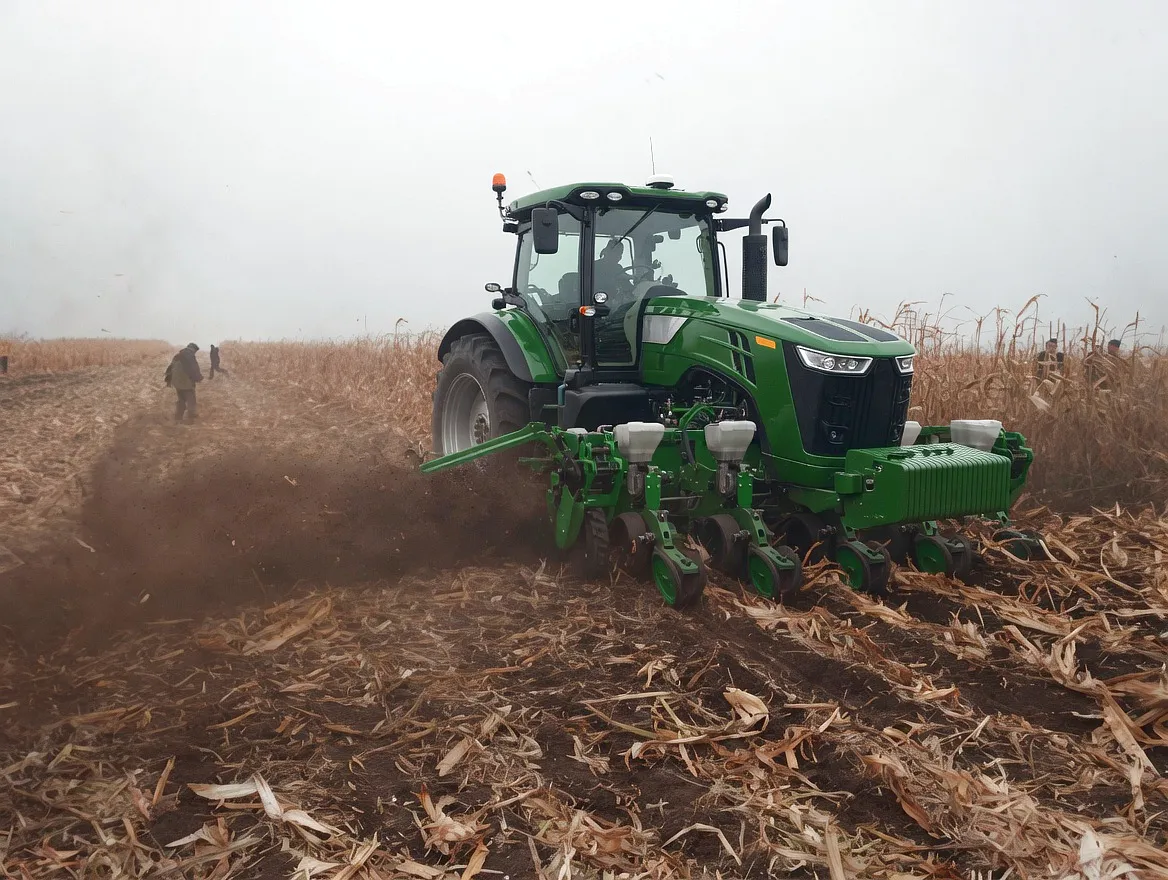
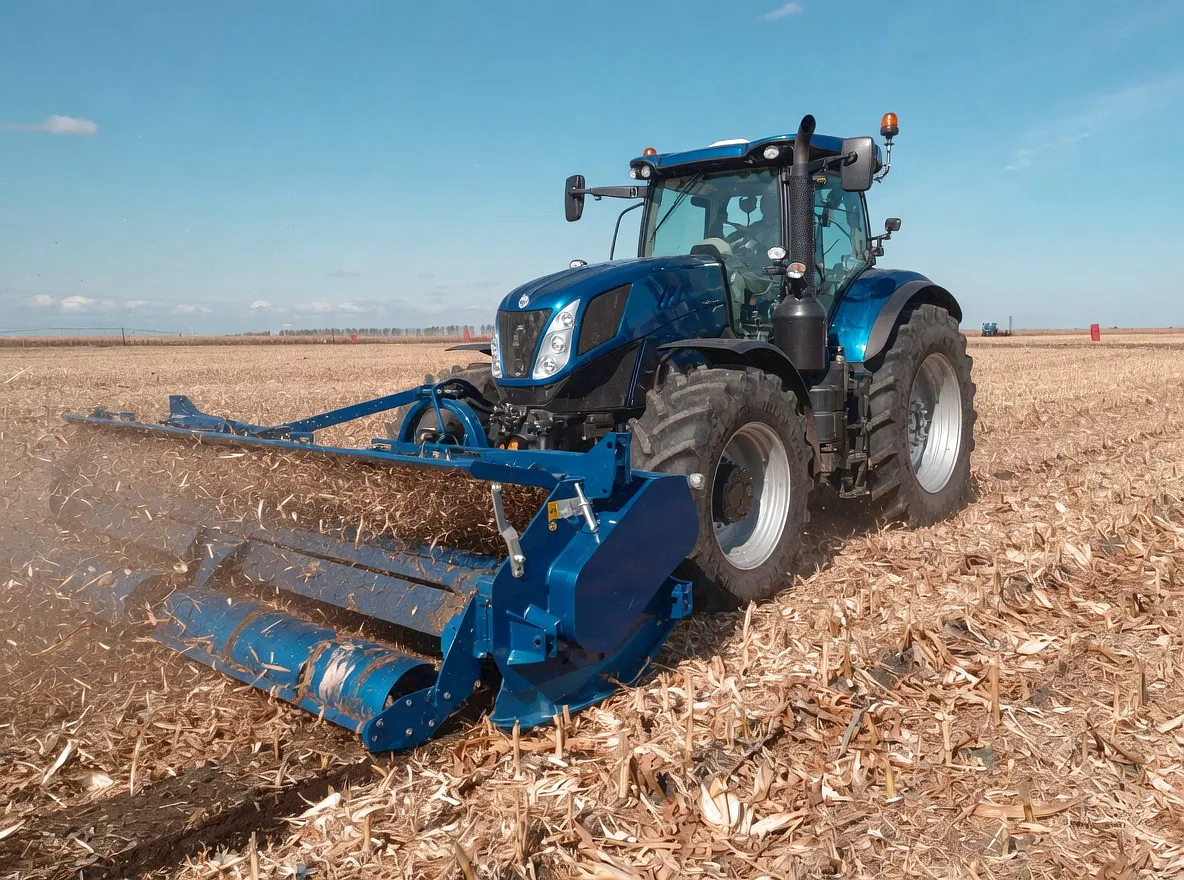
Straw Returning Machine — Field Application Scenes

How a Heavy-Duty Cardan Coupling Actually Works in This Context
Design Principles, Torque Paths & Protection Mechanisms
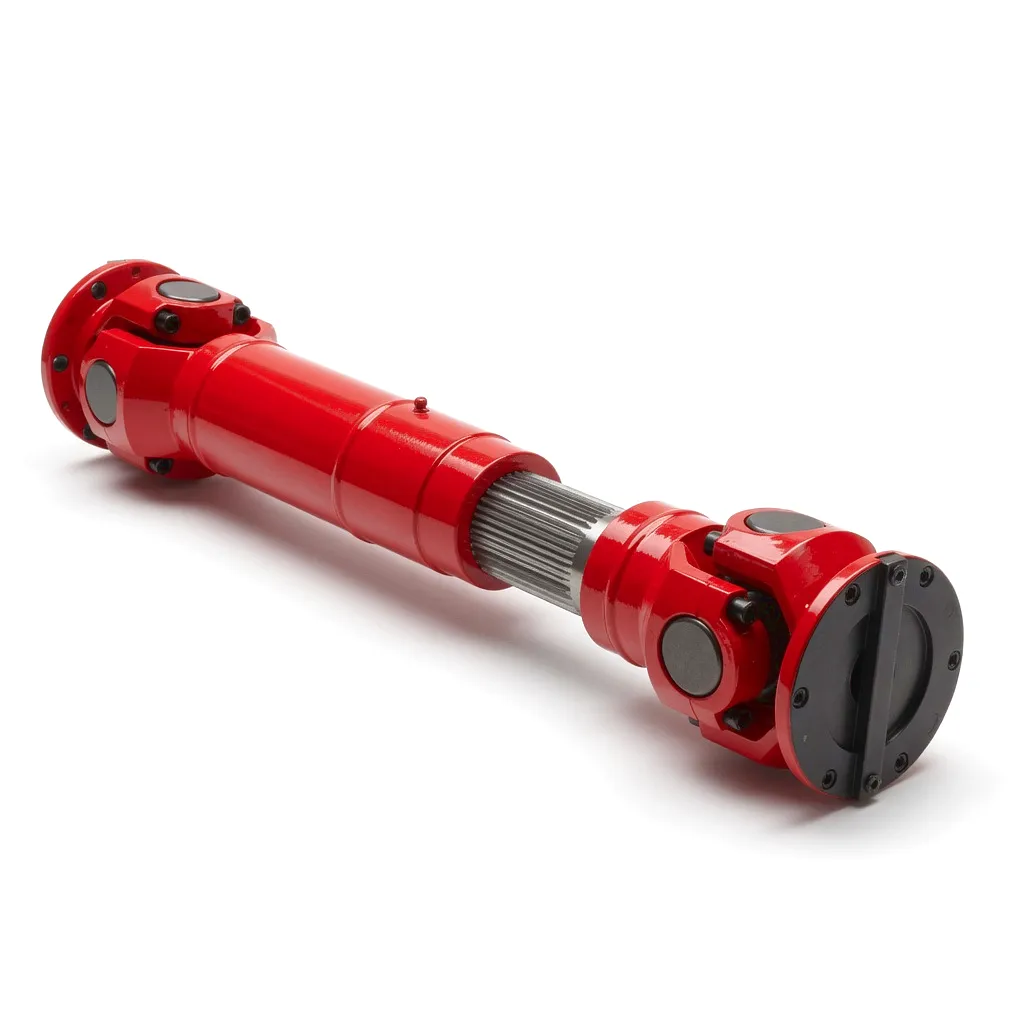
At its mechanical core, a cardan coupling — also known as a universal joint shaft or Hooke’s joint assembly — transmits rotary motion between two shafts whose centrelines are not collinear. For a straw returning machine connected to a tractor PTO, this angular misalignment is not optional; it is built-in. The machine hangs on the three-point linkage, and as the tractor moves over uneven ground, the PTO angle changes continuously. A well-designed cardan coupling accommodates operating angles up to 25° on single-joint configurations and beyond that with double-joint (constant-velocity) assemblies.
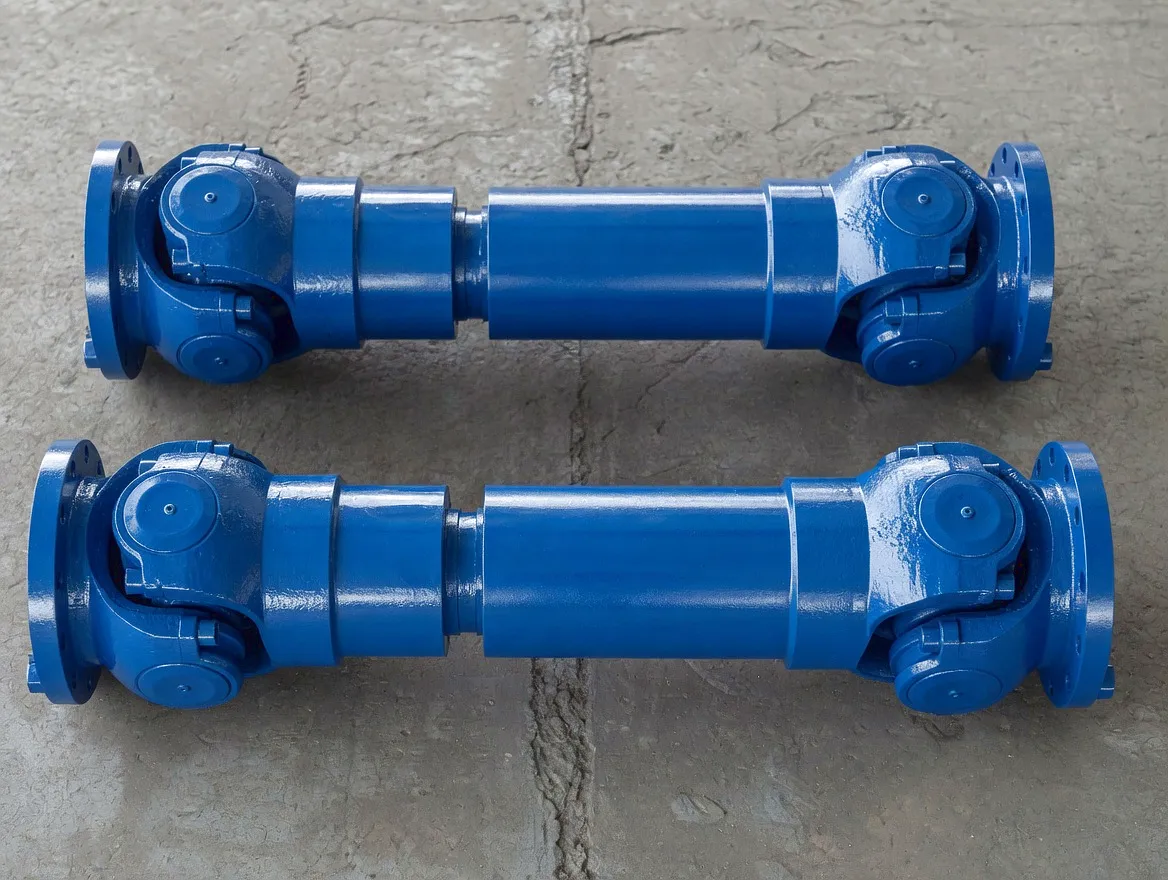
The cross-and-yoke assembly is the heart of the cardan coupling. Two yokes, oriented at 90° to each other and connected by a cruciform trunnion (the cross-journal), allow the angle to change while torque is continuously transmitted. The needle-roller bearings in each trunnion cup are the highest-stress components in the entire assembly, and this is where inferior products fail first. In an agricultural shock-torque environment, those bearings must be dimensioned for peak loads, not nominal loads — a distinction that cheaper off-the-shelf products often ignore.
Materials, Surface Treatment & Build Quality That Actually Matter
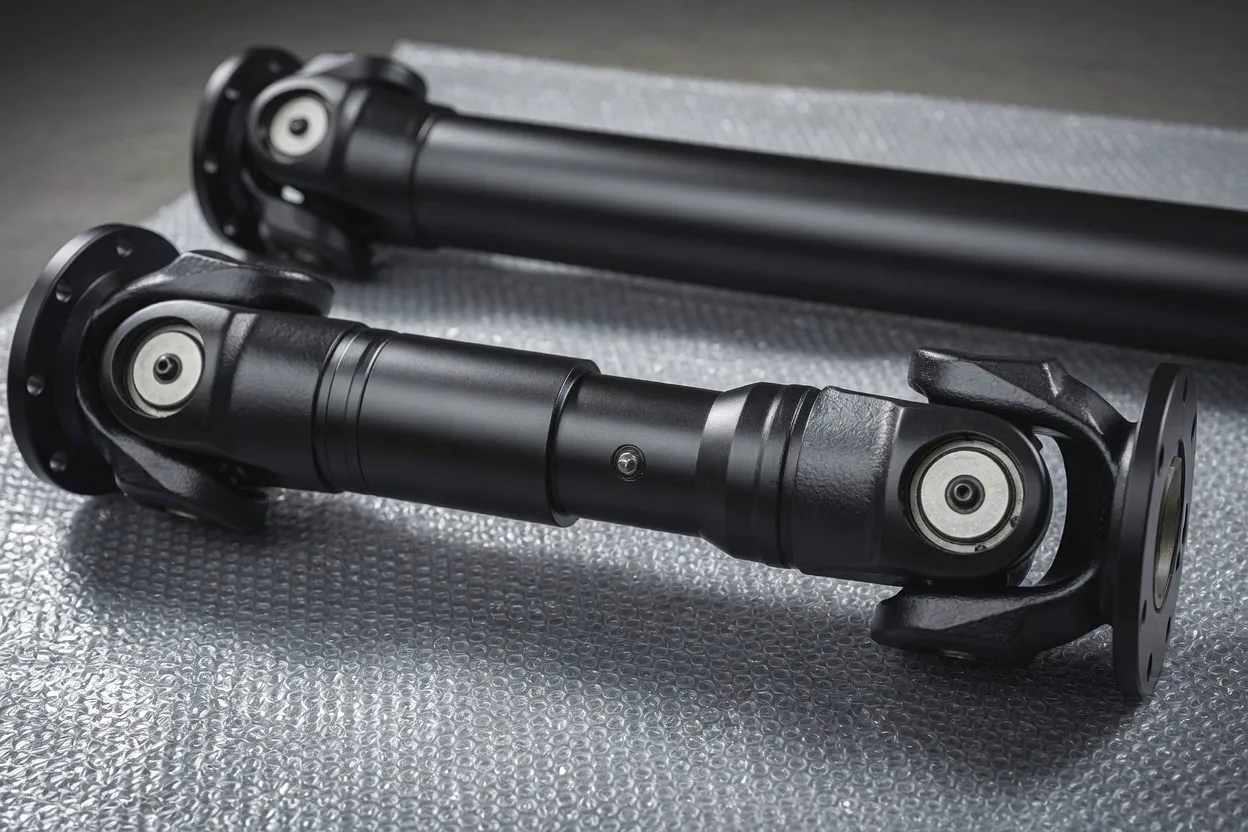 The yoke forgings used in a quality agricultural cardan coupling are typically produced from 20CrMnTi or 40Cr alloy steel — grades that combine high tensile strength (850–1,100 MPa) with the toughness needed to absorb repeated impact loading without brittle failure. Casting is simply not appropriate for this application regardless of what some budget suppliers would suggest; forged yokes have a directional grain structure that forged components develop naturally and castings do not.
The telescoping tube profile — usually a wide-angle spline or profile tube — is produced from seamless cold-drawn steel tube. Surface hardness treatment (typically induction hardening of the spline flanks) reduces sliding wear during the constant extension and compression that happens when the machine works over undulating ground. An outer plastic protection guard with friction-free liner keeps mud, straw chaff, and grit away from the sliding interface.
Cross-journal kits should be produced from through-hardened bearing steel with a surface hardness of at least 60–62 HRC on the trunnion journal diameter. The needle bearings in the trunnion cups run in full-complement or caged configurations, and the sealing arrangement must keep field contamination out while retaining grease. Lipped rubber seals with steel backing plates are standard on quality assemblies.
Technical Performance Parameters
Ever Power Agricultural Series — Straw Returning Machine Specification Range
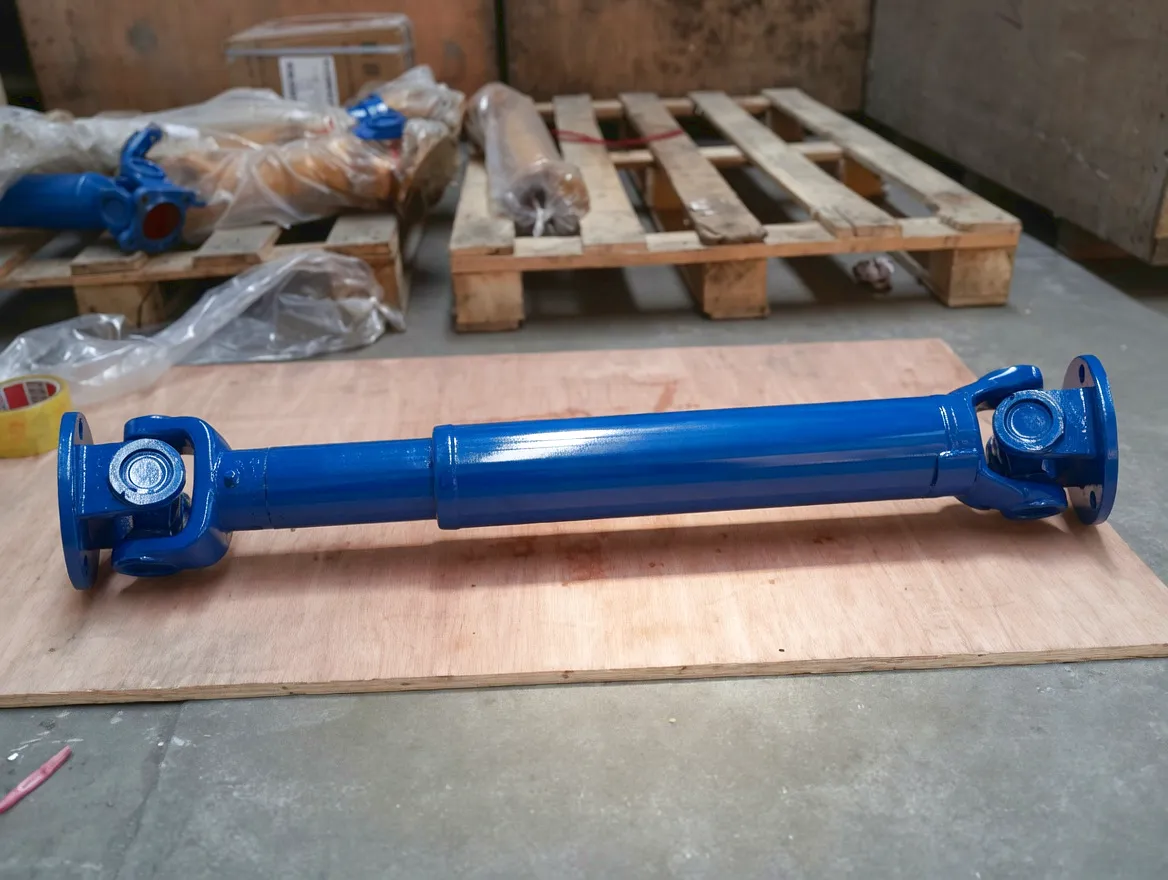
Seven Reasons Field Engineers Specify Our Cardan Couplings
Performance advantages over standard agricultural driveshafts
Auto-Reset Torque Limiting
Ball-detent limiters re-engage automatically the moment the overload clears. No shear bolts, no cab exits, no downtime during harvest pressure. Designed specifically for the repeated shock events that straw returning machines generate.
Forged Alloy Steel Throughout
Every yoke, every tube, every cross-journal produced from quality-graded alloy steel. The grain structure of forging — not casting — gives the fatigue resistance that survives five or more harvests under real field loads.
Precisely Calibrated Slip Torque
Factory-set torque limiter values are individually tested against a calibration rig, not assumed from batch averages. Trip torque tolerances held to ±8% across production — tighter than most industry norms and critical for gearbox protection.
Wide-Angle & CV Joint Options
Standard operating angles up to 25°, with constant-velocity double-joint assemblies available for applications where rotation smoothness matters. Covers everything from compact 60 hp tractors through large-frame 200+ hp units with live-drive PTO.
Full Safety Guard System
CE-compliant safety guards ship as standard on all assemblies. The guard does not rotate with the shaft and is secured at both ends, meeting UK PSSR 2000 and relevant LOLER guidance for PTO-driven machinery operated by farm workers.
Easy Field Maintenance
Grease nipples accessible without guard removal on cross-journal kits. Cross-journal replacement kits are interchangeable across the same series. A competent farm workshop can replace the cross-journal in under 40 minutes with standard tools.
Custom Dimensions — No Minimum
OEM machine manufacturers and distributors often need non-standard lengths, unique flange patterns, or specific limiter torque values. Our manufacturing facility handles custom orders from one unit upward with full drawing approval and dimensional report before dispatch.
Application Scenarios: Where These Cardan Couplings Are Deployed
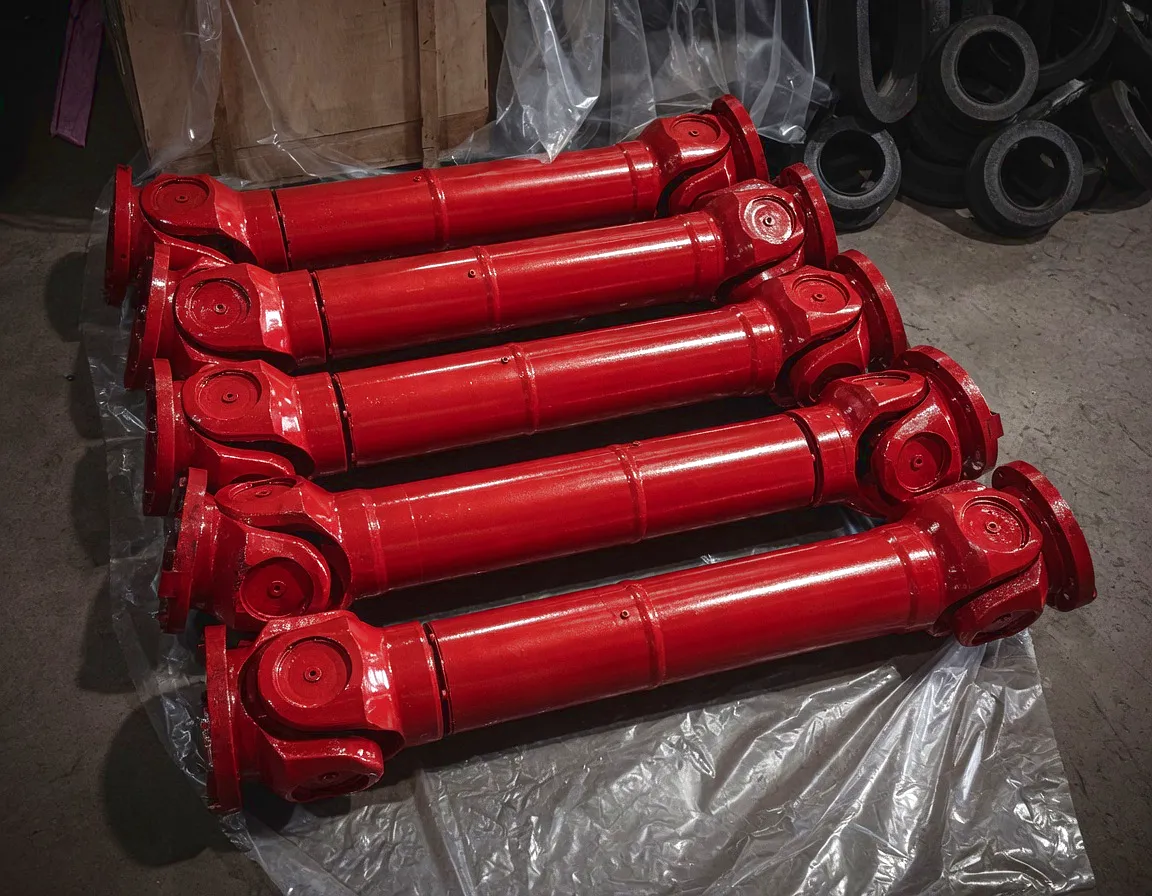
While the straw returning machine is the most demanding single application for agricultural cardan couplings with torque limiters, the same engineering logic applies across a family of PTO-driven implements where shock and overload events are the rule rather than the exception. The table below summarises the key scenarios, their torque characteristics, and the limiter type best suited to each.
Customer Success: Real-World Results From the Field
UK & Europe — Verified Application Case Study
Lincolnshire Contract Farming Business — 3,200-Hectare Arable Operation
Industry: Arable Contract Farming | Location: Lincolnshire, East Midlands, UK
The Challenge: This operation runs two straw returning machines behind their combine harvesters to incorporate barley and wheat straw across heavy Lincolnshire clay soils. The previous cardan shafts — sourced from a local agricultural dealer as standard replacements — were failing at a rate of 1.8 shafts per machine per harvest season. Each failure required 2–3 hours of roadside or field-edge repair, and the gearbox on one machine had been rebuilt twice in three years at a total cost exceeding £4,200. The root cause was clear: the shock torques generated by the dense, wet straw swaths in that soil type were consistently exceeding the structural capacity of the standard shafts being used.
The Solution: Ever Power supplied heavy-duty cardan couplings with ball-detent auto-reset torque limiters, calibrated to 3,800 N·m trip torque. The shaft tube profiles were extended by 80 mm from standard to accommodate the specific hitch geometry of their machines, and the yokes were specified in the carburised 20CrMnTi grade. Installation was completed by their own workshop staff using the supplied technical drawing pack and required no specialist tools beyond standard agricultural equipment.
The Outcome: After two full harvest seasons of operation — covering approximately 6,400 hectares of straw work — both machines have returned zero shaft failures. The gearbox oil inspection after season one showed no signs of abnormal wear. The cross-journal kits were replaced as scheduled preventive maintenance at the end of season one; there was no unscheduled downtime. Total saving in repair costs and lost field time over the two seasons exceeded £9,600 against the investment in the upgraded coupling assemblies.
“We had got used to treating the driveshaft as a consumable. Two seasons in and we have not needed to touch them outside of scheduled maintenance. The investment paid back before the second harvest was finished.” — Farm Manager, Lincolnshire (name withheld at customer request)
What Our Customers Are Saying
“Specified these for a customer’s new straw chopper build — a 5-metre Krone-based custom unit for a Yorkshire estate. The custom shaft length and limiter setting were delivered exactly to spec, and the technical drawing was accurate to within 1 mm. Very happy with the service from Ever Power.”
James H. — Agricultural Machinery Dealer
North Yorkshire, England
“We fitted these to three straw returning machines working in the Scottish Borders. The ball-detent limiters have been outstanding — they trip fast enough to save the gearbox and re-engage cleanly every time. The previous shafts used to trip so aggressively the operator noticed a jolt every few minutes. These are much smoother.”
Angus M. — Contracts Manager
Scottish Borders, Scotland
“As an OEM manufacturer of straw returning machines sold into the German and Dutch markets from our facility in Shropshire, we need driveshafts that can be trusted across varied climatic conditions and different tractor brands. Ever Power gives us reliable supply, consistent quality documentation, and the ability to order low volumes of custom spec parts when we need them. Pricing is competitive for the quality level.”
David K. — Technical Director, Agricultural OEM
Shropshire, England
Ever Power Manufacturing: Custom Cardan Coupling Production
Factory capability — OEM & aftermarket customisation
At Ever Power, we do not simply ship catalogue parts. Our manufacturing facility is geared specifically towards the kind of customisation that agricultural OEMs and specialist distributors working in the UK and European markets routinely require. Custom shaft lengths — from 300 mm compressed length to 2,400 mm extended — are machined to drawing and measured against a calibration standard before leaving the facility. Custom yoke patterns, non-standard spline profiles, and unique limiter torque values are handled as a matter of routine.
Our engineering team can work from a sample, a dimensional drawing, or a specification brief. We provide a full dimensional inspection report with every custom order, and samples are available for approval before any production run commits. For UK distributors who need locally compliant documentation, we supply CE declarations, material certificates (EN 10204 3.1 where required), and REACH compliance statements as standard on request.
Custom orders typically carry lead times of 15–25 working days from drawing approval for new designs. Standard series re-orders ship within 5–8 working days. We hold buffer stock on the most popular agricultural series for customers who require fast-turnaround availability during the harvest season.
Custom Capability Highlights
✓
Non-standard shaft lengths from 300 – 2,400 mm compressed
✓
Custom limiter trip torque settings ±8% tolerance
✓
Non-standard yoke/flange patterns to customer drawings
✓
MOQ from 1 unit for custom designs
✓
CE documentation, material certs, REACH statements
✓
Sample approval before production commitment
✓
15–25 working days lead time for new custom designs
Specifying the Right Cardan Coupling for Your Straw Returning Machine in the UK
For a UK-based farm manager, agricultural dealer, or OEM engineer working through the specification process, the following information is required before a cardan coupling with torque limiter can be properly selected. Getting this right the first time avoids the cost and delay of returning or exchanging parts mid-season.
1. Machine PTO Input
Confirm whether your tractor’s PTO is 540 rpm (6-spline 1-3/8″) or 1,000 rpm (21-spline 1-3/8″ or 20-spline 1-3/4″). Most straw returning machines above 4 metres work width require the 1,000 rpm shaft.
2. Machine Gearbox Input
The gearbox input shaft profile (spline size, series, number of teeth) determines the implement-side yoke profile. If the machine is a non-standard or modified unit, a flange coupling may be easier to fit than a spline yoke.
3. Required Shaft Length
Measure compressed length (machine in work, on flat ground, PTO at operating height). The shaft should slide freely and retain at least 150 mm of overlap in the tube profile at maximum extension.
4. Tractor Engine Power
A rough starting point for torque limiter selection: Nominal PTO torque (N·m) = (Engine kW × 9,550) ÷ PTO rpm. Multiply this by 1.5–2.0 for the limiter trip setting. Our engineers will confirm this calculation for your specific machine.
Agricultural dealers across England and Scotland regularly use our online enquiry form or contact us directly by email to run through the specification process. We supply to dealers in Norfolk, Lincolnshire, Yorkshire, East Anglia, Kent, Shropshire, and across Scotland and Wales. International freight is available for European OEM customers, and we can advise on Incoterms and documentation for post-Brexit import from UK clients into European Union territory.
Frequently Asked Questions
Technical, procurement, and application queries answered by our engineers
Ready to Protect Your Straw Returning Machine This Season?
Talk to our application engineers about the right cardan coupling configuration for your specific machine, soil type, and tractor combination. We supply across the UK and internationally — with custom sizing and full documentation as standard.
Get a Quote — [email protected]
Ever Power · Agricultural Cardan Coupling Specialists · Serving the UK, Europe & Beyond
edit by gzl