
 Cardan couplings have powered some of the most demanding machinery on the planet — rolling mill spindles in South Yorkshire, paper-machine drivetrains across the Midlands, and heavy-duty propshafts in offshore service vessels sailing from Aberdeen. Yet the subject of cardan shaft balancing is often treated as a secondary concern during procurement, only to become a very expensive primary concern once vibration signatures start climbing on the condition-monitoring dashboard.
This guide is written for practising engineers who need a thorough, technically grounded explanation of why cardan coupling balance matters, how it is measured and corrected, and what procurement decisions have the greatest influence on long-term drivetrain reliability.
EVER POWER · CUSTOM SOLUTIONS
Need precision-balanced cardan couplings for your UK facility? Get a tailored quotation from our engineering team within 24 hours.
✓ ISO G1.0 & G2.5 balancing
✓ Custom shaft lengths to 8,000mm
✓ Alloy steel & stainless options
✓ UK lead time from 5 working days
Why Cardan Shaft Balance Is Not Optional
Every rotating shaft carries some degree of mass imbalance — a manufacturing asymmetry here, a weld bead there, a yoke forging tolerance that slightly favours one side. At low speeds, these imperfections generate forces too small to measure without sensitive instruments. Scale the operating speed up into the hundreds or thousands of RPM that are common in industrial drives, and the picture changes dramatically. Centrifugal force is proportional to the square of angular velocity: double the speed and the imbalance force quadruples. A cardan coupling running at 1,500 RPM with a residual imbalance of just 200 gram-millimetres can impose a dynamic load on adjacent bearings that reduces their L10 life by more than sixty percent. The economics of that trade-off rarely make sense.
 Beyond bearing fatigue, unbalanced cardan shafts transmit vibration through the connected structure. In a steel rolling mill — the kind that has operated in Sheffield and Rotherham for generations — that vibration travels through the mill stand housings, affects roll gap consistency, and ultimately shows up as surface-quality defects in the finished strip. In food and pharmaceutical processing facilities in the West Midlands, vibration-induced fretting at flange bolted joints has been responsible for unplanned hygiene shutdowns. The failure mode is different every time, but the root cause is the same: a cardan coupling whose rotating mass is not properly distributed around its axis of rotation.
Good balancing practice is also an investment in energy efficiency. A well-balanced cardan shaft running at its design speed draws less power to overcome self-generated vibration loads. In large industrial fan drives — widespread across power generation sites in Yorkshire and Lancashire — even a 0.5% reduction in parasitic drivetrain losses at continuous-duty running conditions adds up to meaningful energy savings over a twelve-month period. When procurement teams in the UK are under pressure to demonstrate sustainability credentials and reduce Scope 2 carbon, getting cardan shaft balance right is one of the most cost-effective engineering levers available.
“An unbalanced cardan shaft doesn’t announce its problem with a loud bang — it whispers it through accelerating bearing temperatures, rising vibration spectrum peaks, and shortening maintenance intervals.”
— EVER POWER ENGINEERING TEAM
Force increase when speed doubles
Bearing L10 life reduction from residual imbalance
Premium balancing grade for high-speed applications
How a Cardan Coupling Works — and Why It Creates Imbalance
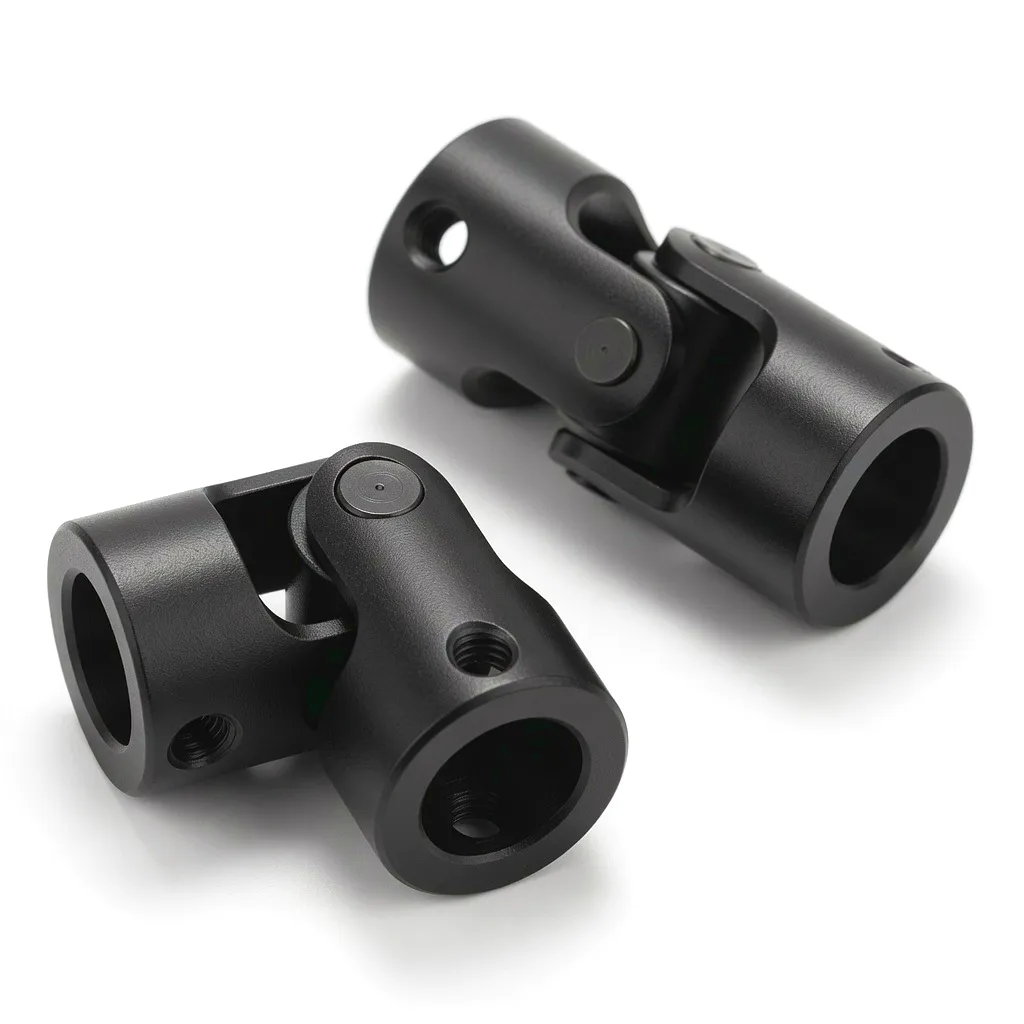
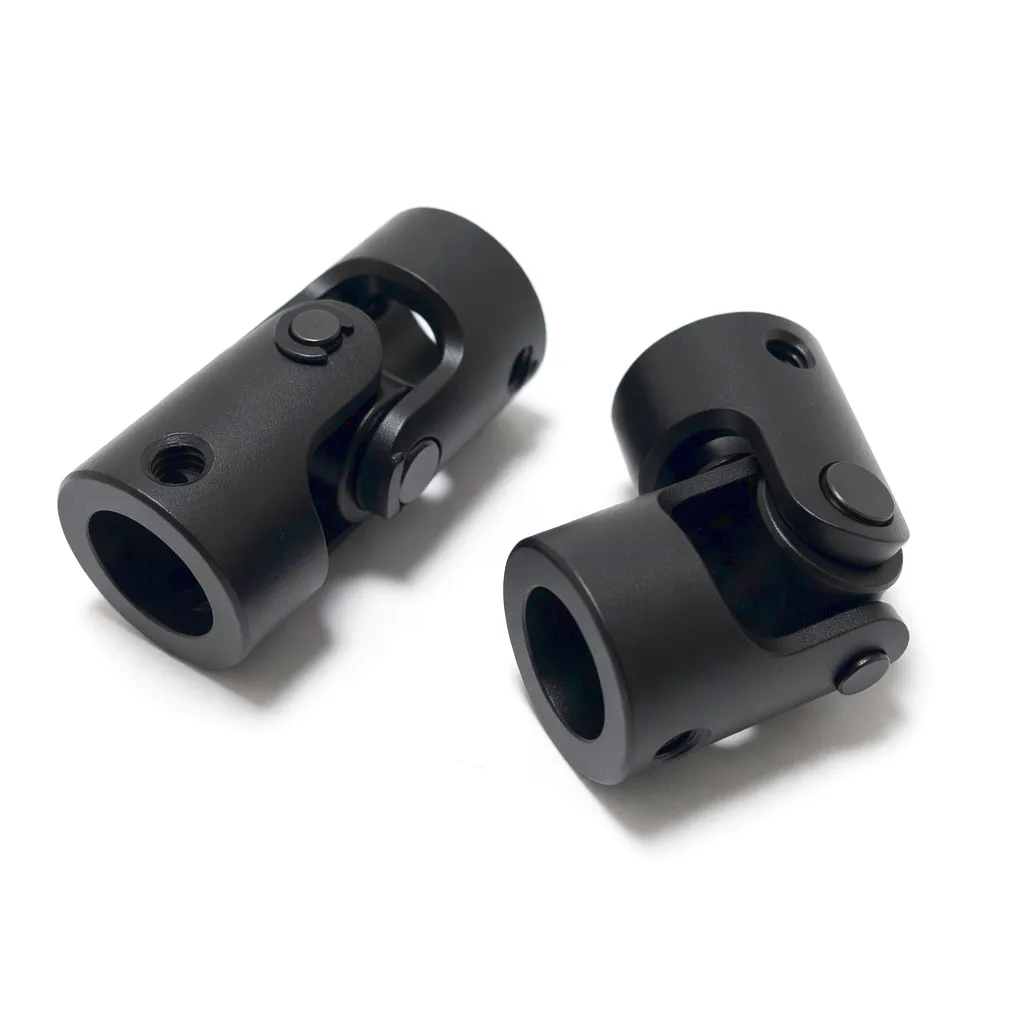
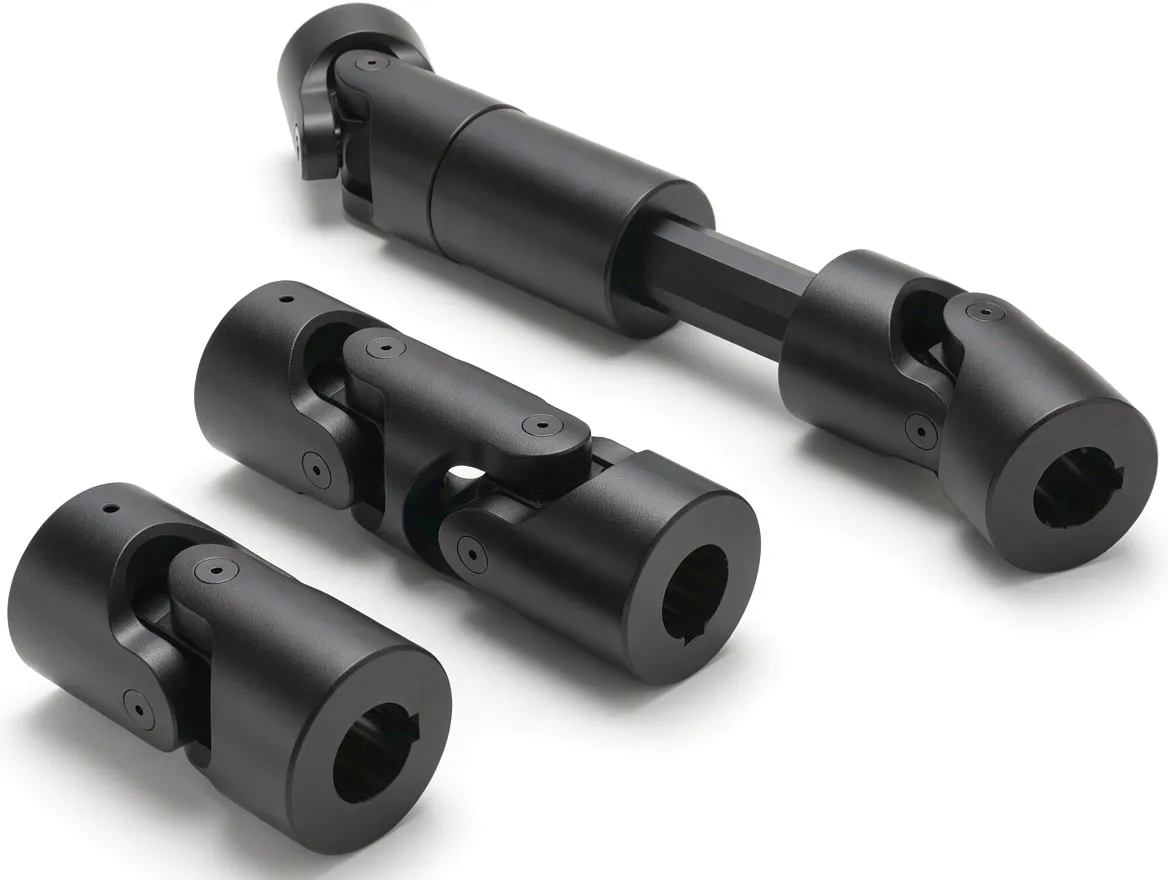
A standard cardan coupling — sometimes called a Hooke’s joint or universal joint in British engineering parlance — transmits rotational torque between two shafts whose centrelines meet at an angle. The core mechanism is a cross-shaped trunnion assembly, commonly called the spider, whose four bearing journals engage with two yokes mounted on the connected shafts. This simple geometry allows angular misalignment while maintaining a continuous power path, which is why the cardan coupling became so fundamental to industrial machinery, automotive drivelines, and rolling mill spindle drives during the twentieth century.
 The mechanical characteristic that drives balancing requirements is the coupling’s inherent angular velocity variation. A single Hooke’s joint running at a constant input speed with a shaft angle θ produces an output shaft speed that cycles twice per revolution. As the joint angle grows, this cyclic speed variation increases proportionally. In practice, most industrial cardan shafts use a double-Cardan configuration — two Hooke’s joints phased 90 degrees apart — to cancel this variation and deliver constant-velocity output. The phasing geometry only works correctly when the yoke forks at both ends lie in the same plane.
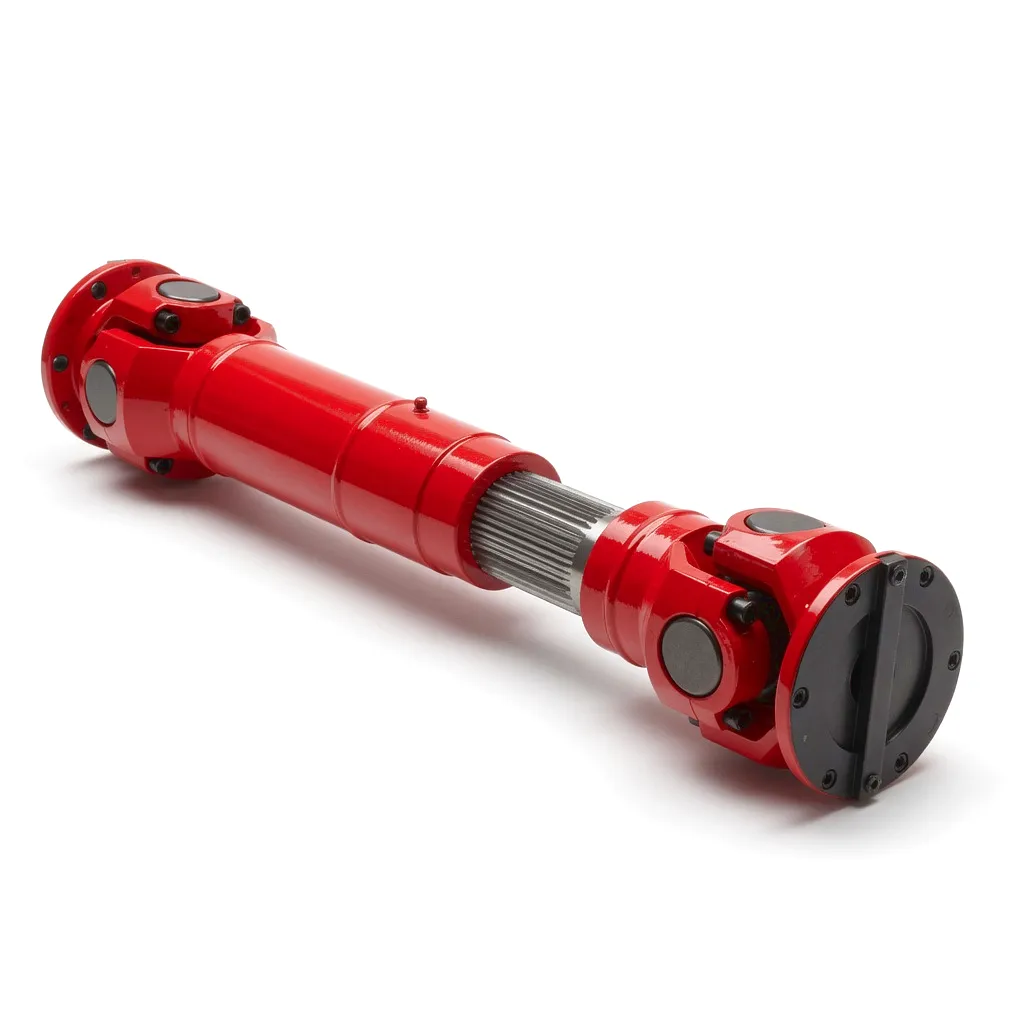
Even a properly phased double-cardan coupling will develop dynamic imbalance if its rotating mass is not symmetrical about the axis of rotation. Several factors contribute to this asymmetry in practice. Shaft tube wall thickness variation — a normal consequence of the seamless tube drawing process — creates a mass distribution that is not perfectly uniform around the circumference. Yoke forgings carry manufacturing tolerances in the forging dies that can shift the centroid of each yoke slightly off-axis. Weld seams, where the tube meets the yoke, add localised mass. Spline or flange interfaces introduce further asymmetry when clearance fits allow slight eccentricity at assembly.
The resulting imbalance falls into two categories: static imbalance, where the centre of mass is displaced from the rotational axis but the shaft remains in the same plane (like a wheel with a heavy spot); and dynamic imbalance, where the mass distribution creates a couple that tries to tilt the shaft as it rotates. A long industrial cardan coupling operating at elevated speed almost always has both components, which is why balancing standards specify correction in two planes rather than one.
ISO Balancing Grades — What the Numbers Mean
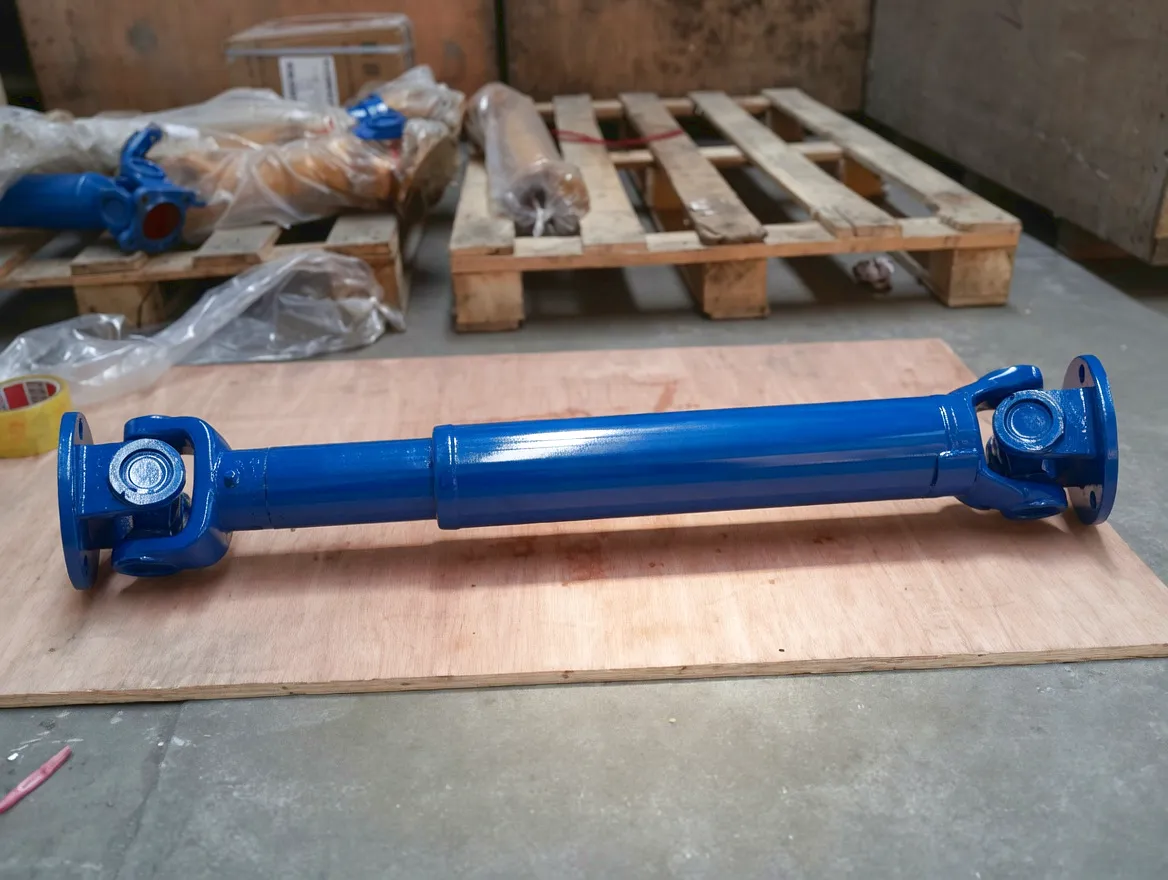 The international standard governing rotor balancing quality is ISO 21940-11 (formerly ISO 1940-1), and its grading system — the G-grade — is the universal language that engineers and procurement teams use when specifying cardan coupling balance requirements. The G-number represents the maximum permissible vibration velocity in millimetres per second, calculated as the product of the eccentricity (the distance between the centre of mass and the rotational axis) and the maximum operating angular velocity. A smaller G-number indicates a tighter balance tolerance and a higher precision component.
For most industrial cardan shafts running below 500 RPM in applications like raw steel rolling, paper mills, or general process drives, a balance grade of G6.3 is typically adequate and represents good commercial practice. At medium speeds — 500 to 1,500 RPM — G2.5 becomes the appropriate target, and it is the grade that Ever Power applies as standard to its range of medium-duty cardan couplings. High-speed applications such as spindle drives in precision machine tools, automotive test rigs, and wind turbine gearbox output shafts call for G1.0 or even G0.4, grades that require computer-controlled dynamic balancing machines, fine correction weights, and post-balance verification runs at operating speed conditions.
TECHNICAL REFERENCE TABLE
Cardan Coupling — Technical & Performance Specifications
| Parameter | Light / Medium Duty | Heavy Duty Industrial | High-Speed Precision |
|---|---|---|---|
| Torque Capacity | 250 – 5,000 Nm | 5,000 – 500,000 Nm | 100 – 10,000 Nm |
| Operating Speed (RPM) | 0 – 500 | 0 – 1,000 | 500 – 6,000 |
| Max Joint Angle (°) | Up to 25° | Up to 15° | Up to 8° |
| Balancing Grade (ISO) | G6.3 – G2.5 | G2.5 | G1.0 / G0.4 |
| Shaft Tube Material | E355 / S355J2H seamless | 42CrMo4 alloy steel | 34CrNiMo6 / CFRP |
| Yoke Material | GGG-50 nodular iron | 42CrMo4 forged steel | 34CrNiMo6 forged |
| Surface Treatment | Epoxy primer + paint | Phosphating + grease | Hard chrome / anodise |
| Shaft Lengths | 200 – 2,000 mm | 500 – 8,000 mm | 150 – 2,500 mm |
| Service Life Target | 8,000 – 15,000 h | 20,000 – 40,000 h | 10,000 – 25,000 h |
| Typical Certification | ISO 9001 / CE | ISO 9001 / CE / DNV | ISO 9001 / ATEX |
Practical Balancing Methods for Cardan Shafts
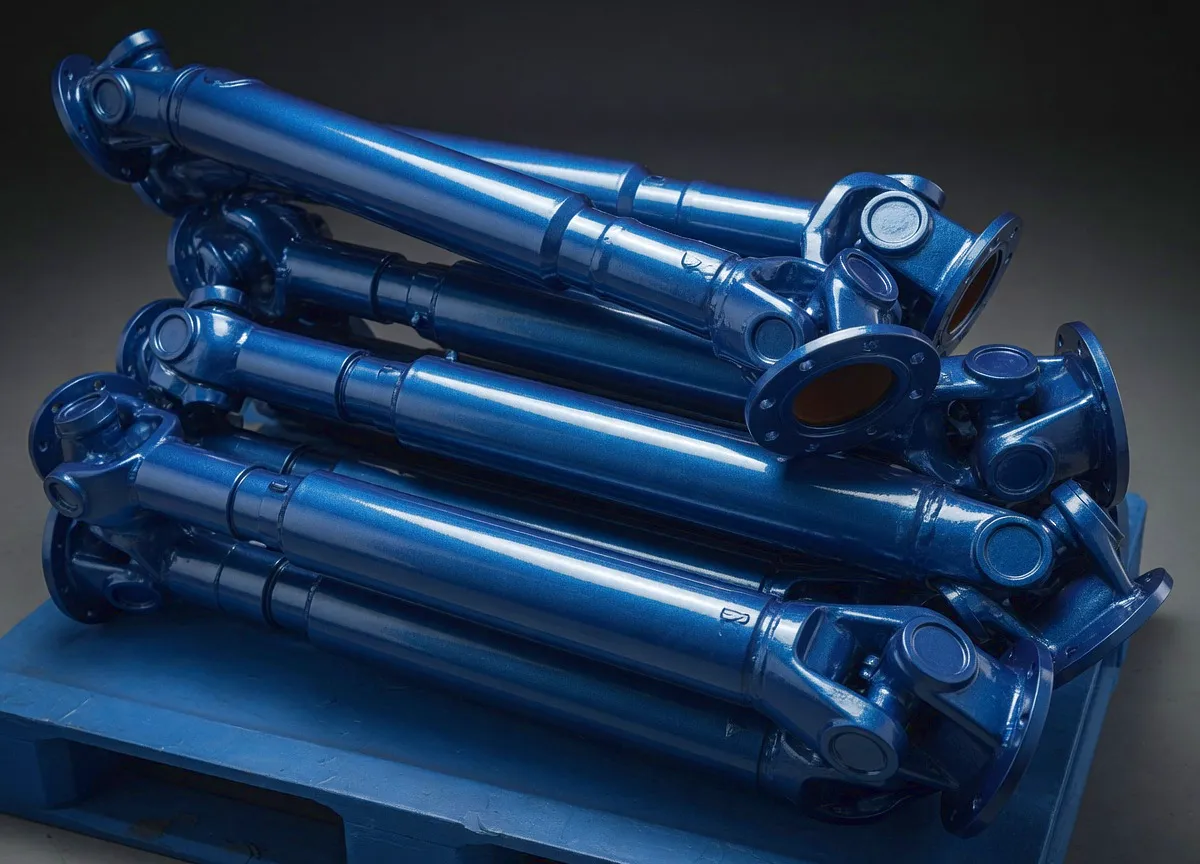
Three main approaches are used to balance industrial cardan couplings: shop balancing on a dedicated balancing machine before despatch, field balancing on the installed drivetrain, and in-process balancing where correction weights are adjusted during a controlled shutdown. Each method has its proper domain.
METHOD 01
Shop Dynamic Balancing
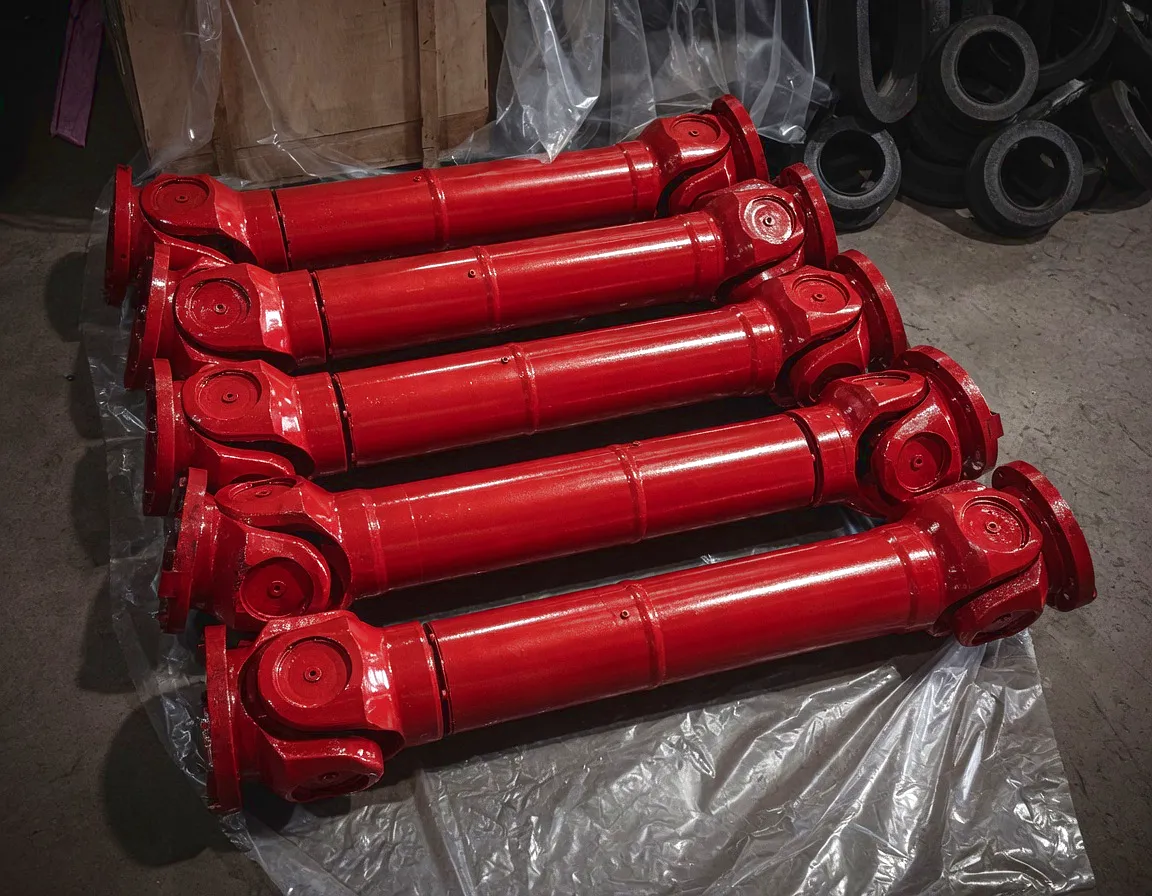
Shop balancing on a horizontal hard-bearing or soft-bearing machine remains the gold standard for cardan coupling manufacture. The assembled shaft is mounted on support rollers, driven to a defined test speed, and transducers at each bearing plane measure the forces generated by imbalance. The balancing machine software calculates the magnitude and angular position of the correction mass required in each plane. Correction is made by welding or screwing small steel balance plates to the inside surface of the shaft tube, adding mass to the light side, or by grinding material from the heavy side where weld beads or yoke flanges allow it. The correction process is iterative: measure, correct, re-measure, until residual imbalance falls within the specified G-grade tolerance. For a heavy-duty cardan shaft intended for a rolling mill application, this iteration cycle may take several hours on the machine.
METHOD 02
Field Balancing
When a cardan coupling has been installed and vibration analysis reveals elevated 1× running-speed amplitudes attributable to imbalance, field balancing is often the most practical corrective option. A vibration analyser with two-plane balancing software and a tachometer reference signal is used to measure phase and amplitude at the operating bearings while the shaft runs. Trial weights — typically thin steel plates or hose clamps of known mass — are added at accessible points on the shaft tube. By comparing the vibration vector with and without the trial weight in place, the balancing software calculates the optimum correction mass and angular position. Field balancing is necessarily less accurate than shop balancing because the measurement points are remote from the shaft, structural dynamics of the machine foundation influence the readings, and access for weight placement is restricted. Nevertheless, with a skilled operator and a good analyser, reductions of 70 to 90 percent in vibration amplitude are routinely achievable on industrial cardan shafts.
METHOD 03
CFRP Shaft Balancing
Carbon fibre reinforced polymer (CFRP) tube cardan shafts introduce a distinct challenge. The material is anisotropic — its stiffness and mass properties depend on fibre orientation — so the manufacturing layup must be carefully designed to minimise inherent imbalance before any mechanical correction is attempted. Correction on CFRP shafts cannot use the weld-on plate technique; instead, adhesive-bonded metallic slugs are placed at precisely calculated positions. Because CFRP tubes have lower critical speeds than equivalent steel tubes of the same outer diameter, they are particularly popular for high-speed cardan coupling applications in test bed machinery and automotive driveline development rigs across the UK. Getting the balance right on a CFRP shaft requires closer collaboration between the composite tube manufacturer and the cardan coupling assembly shop — a supply chain integration capability that Ever Power offers as part of its engineered product service.
Material Selection and Its Influence on Balance Quality
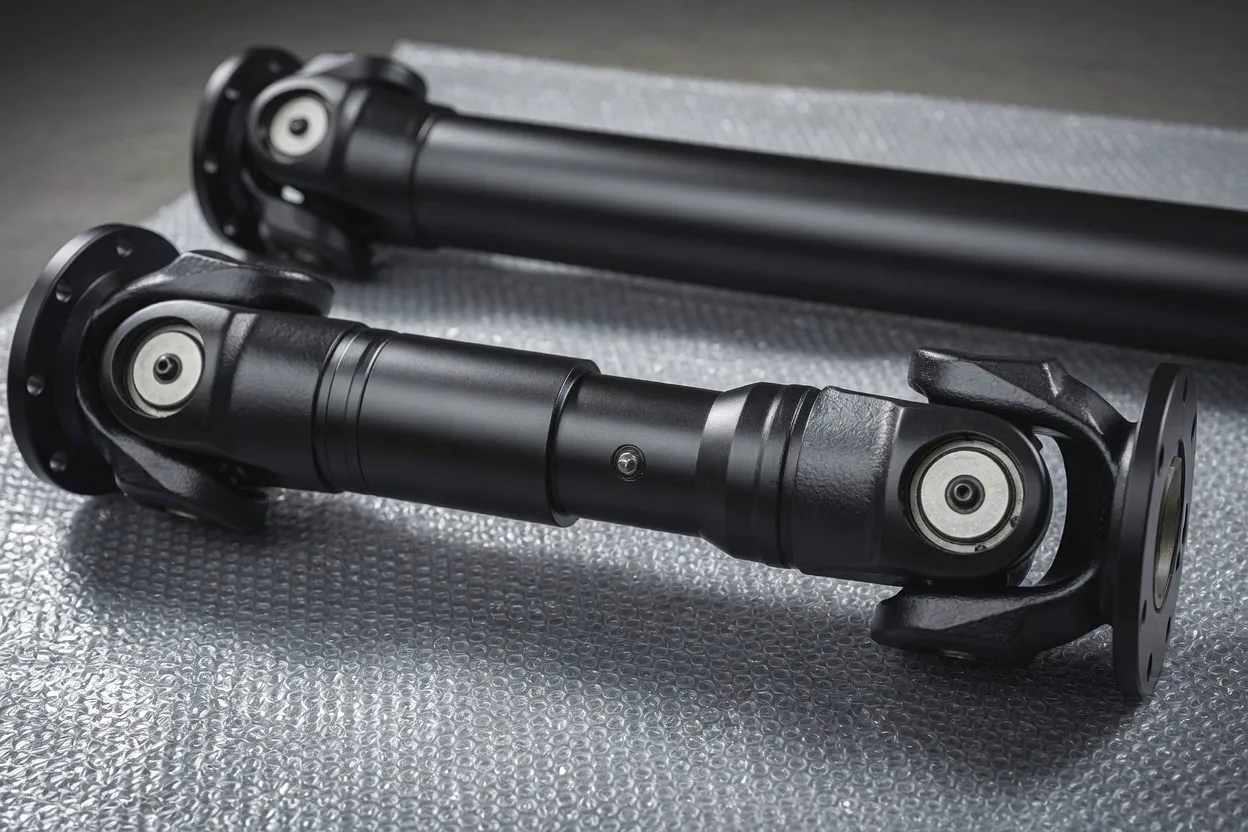
The material chosen for a cardan coupling shaft tube does more than set the mechanical load capacity — it directly determines how easy or difficult it will be to achieve and maintain the specified balance grade. Material uniformity, density consistency, and susceptibility to in-service mass change (through corrosion, wear, or contamination) all feed into the long-term balance behaviour of the component.
The workhorse material for heavy industrial cardan couplings. After quench-and-temper heat treatment, 42CrMo4 reaches 900–1100 MPa tensile strength with good impact toughness. Its consistent density (7.85 g/cm³) aids balance prediction, and the material machines cleanly — important where balance plate attachment bores must be drilled precisely. Used extensively in rolling mill spindles across Sheffield and Rotherham.
Specified for high-performance cardan shafts where torque density requirements push the limits of 42CrMo4. The nickel addition improves low-temperature toughness — relevant for offshore UK applications — while the higher alloy content enables tensile strength approaching 1,250 MPa in section sizes typical of large coupling yokes. The material’s homogeneity makes it well-suited to precision G1.0 balancing.
The standard tube choice for light and medium-duty industrial cardan couplings. S355J2H cold-drawn seamless tube offers tighter dimensional tolerances on wall thickness and outer diameter than hot-rolled alternatives, directly reducing the inherent imbalance before any correction is applied. Sourcing from certified European tube mills — rather than uncertified non-EU material — ensures the material traceability that UK rail and offshore sector customers typically require.
Carbon fibre tubes for cardan couplings deliver specific stiffness values three to five times greater than steel at a fraction of the weight. The mass reduction directly raises the critical speed of the shaft — a key advantage for high-speed applications. The challenge for balancing is that CFRP is anisotropic and its density is non-uniform at a microscopic scale; the correction approach therefore relies on careful layup design at manufacture rather than post-process material removal.
UK INDUSTRIAL DEPLOYMENT
Cardan Coupling Applications Across UK Industries
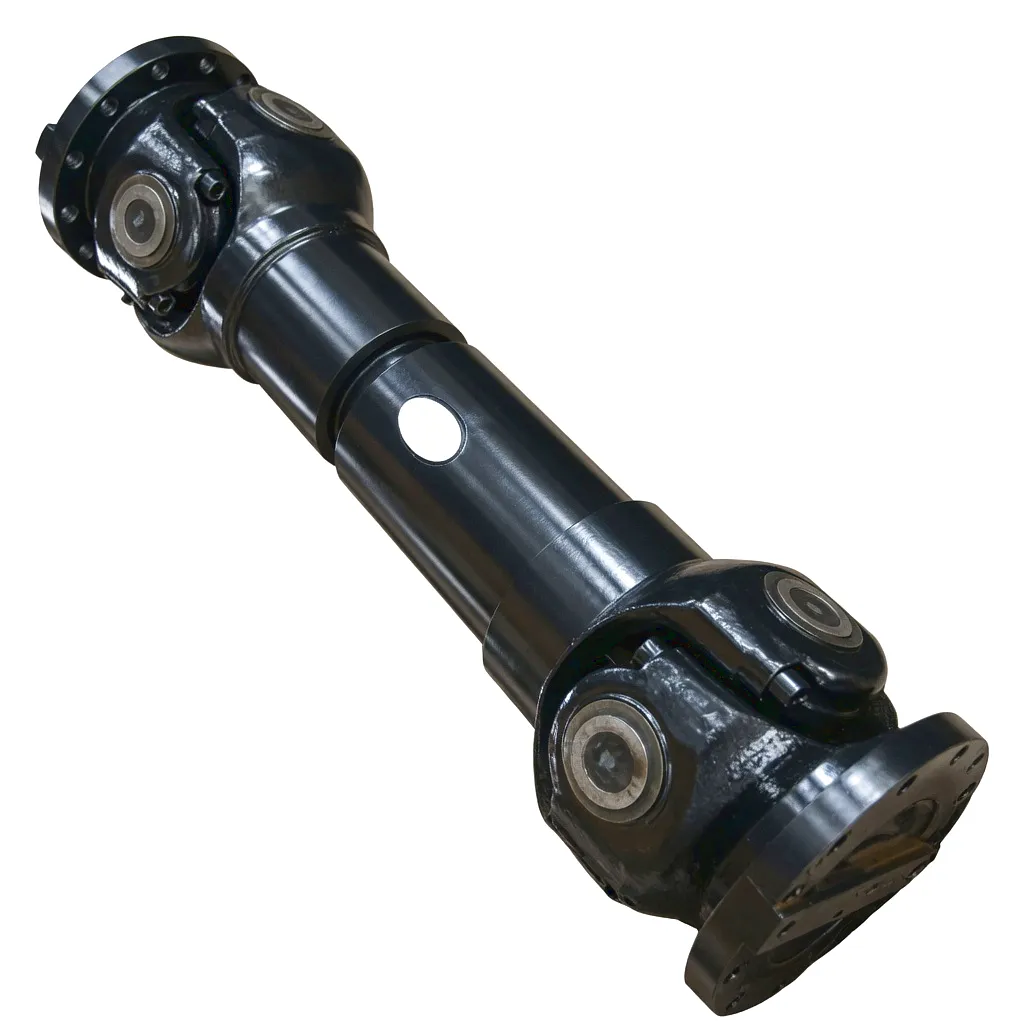
The range of industrial sectors that depend on correctly balanced cardan couplings spans the length and breadth of British manufacturing and process industry. What follows covers the applications where balancing quality makes the most tangible commercial difference.
Rolling Mill Spindles — South Yorkshire
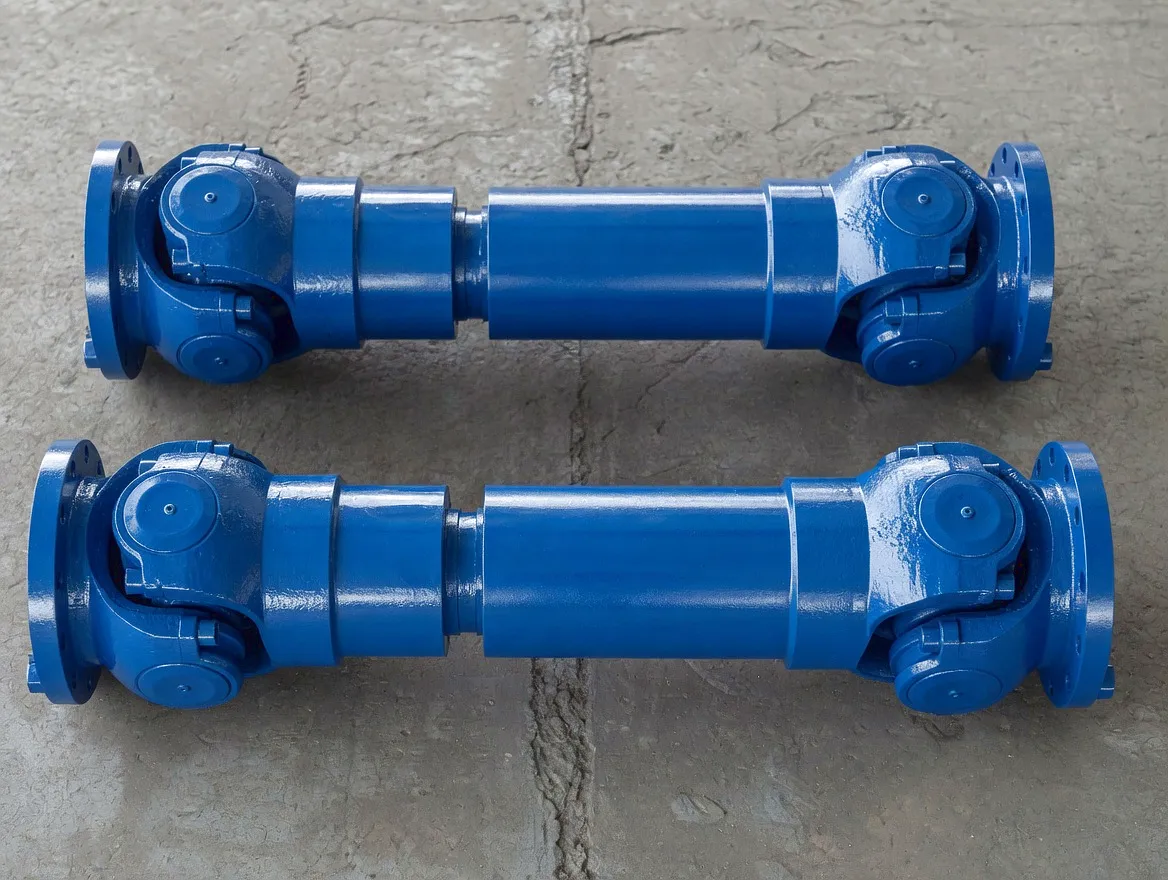
The flat rolling and bar rolling mills that remain a defining feature of the Sheffield and Rotherham industrial landscape use heavy-duty cardan couplings to transmit torque from main drive motors to the work rolls. Speeds are typically below 300 RPM, but torques can reach 500,000 Nm or more, and the shock loading during biting is severe. Balance grade G2.5 is standard here, with some operators upgrading to G1.0 when they move to higher-speed skinpass or temper mill stands. Imbalance at these torque levels generates yoke fatigue loading that significantly shortens the maintenance interval on the cross and bearing kit.
Automotive Testing & Powertrain Rigs — West Midlands
The West Midlands automotive supply chain — from Birmingham through Coventry and on to the Jaguar Land Rover operations in Solihull — uses cardan couplings in powertrain and transmission test rigs running at speeds up to 6,000 RPM. At these speeds, even residual imbalance in the low gram-millimetre range introduces measurement noise that compromises the precision of torque and NVH (noise, vibration, harshness) test data. Balance grades of G1.0 or better, verified with calibrated spin tests at the factory, are non-negotiable in this sector. CFRP shafts are increasingly favoured for their high critical speed margins.
Wind Energy Drivetrains — Offshore UK
Offshore wind turbines in the North Sea and off the Yorkshire and Lincolnshire coasts increasingly use cardan coupling arrangements in low-speed main shafts and in the connections between the gearbox and generator. These applications demand exceptional balance quality because the turbine is permanently in a remote marine environment where corrective maintenance is costly. The international certification bodies (DNV, Bureau Veritas) require documented balance records as part of the manufacturing data package for critical rotating components in offshore applications.
Paper & Printing Machinery — East Midlands
High-speed printing and paper-handling machinery distributed across Nottinghamshire and Leicestershire uses cardan couplings between drive sections to accommodate the small but real angular and parallel misalignments that build up across long machine frames. At 1,200 to 2,500 RPM, even a modestly imbalanced shaft creates periodic tension variation in the paper web, causing print register errors and web breaks — both of which carry significant production cost implications. G2.5 is the typical balance specification, with G1.0 specified on the highest-speed sections.
MANUFACTURER PROFILE
Ever Power: Precision Cardan Coupling Manufacturing & Customisation
Ever Power has built its reputation in the global cardan coupling market on two things: technical rigour in manufacturing and the flexibility to deliver genuinely engineered solutions rather than catalogue parts. Where many suppliers draw a hard line at standard sizes and configurations, Ever Power’s engineering team engages with the application from the torque and speed data upward — selecting materials, calculating tube dimensions, specifying the correct balancing grade, and producing the balancing documentation that major UK industrial customers expect as part of their quality management systems.
The Ever Power factory operates dedicated CNC turning, milling, and grinding cells for cardan shaft component manufacture, with hard-bearing dynamic balancing machines capable of accommodating shafts from 200 mm to 8,000 mm in length. All balancing work is performed to ISO 21940-11, and full balancing records — including the before-correction and after-correction residual imbalance values in both correction planes — are supplied with every finished assembly as standard. For UK customers requiring third-party inspection, Ever Power works with SGS, Bureau Veritas, and Lloyd’s Register on a regular basis.
Customisation capability at Ever Power extends across every aspect of the cardan coupling design: shaft length, tube diameter and wall thickness, yoke style (flanged, welded, splined, or quick-release), surface treatment, grease fitting specifications, and end connection geometry. Lead times for engineered custom orders are typically four to six weeks ex-works, with expedited manufacturing available where UK customers face urgent plant outage situations. UK-market orders include full EN 10204 3.1 material certificates and CE marking documentation where applicable.
Discuss your application with Ever Power’s engineering team. We supply fully balanced, documented cardan couplings to UK industrial customers with full traceability.
Standard balancing capability
Max shaft length capacity
Max torque capacity
UK lead time (stock items)
Customer Success Story: Rotherham Structural Steel Plate Mill
CASE STUDY
South Yorkshire Plate Mill Spindle Replacement Programme
Rotherham, South Yorkshire · Heavy structural steel production · 4-stand plate rolling mill
The Challenge
A structural steel plate mill operating in Rotherham had experienced a pattern of accelerating bearing failures in the number-three stand spindle drive over an eighteen-month period. Planned bearing changes that should have occurred every 14,000 operating hours were now falling due at 5,000 to 6,000 hours. The maintenance team’s vibration data clearly showed elevated 1× amplitude at the drive-side spindle bearing, but the cardan coupling in question had been supplied with no balance documentation, and the supplier could not confirm what balance grade — if any — had been applied during manufacture.
The cost impact was substantial. Each unplanned bearing change required a minimum twelve-hour production shutdown on a line running three shifts, and the repeat failures were eroding confidence in the drivetrain’s reliability across the wider maintenance and operations management team. The engineering director made the decision to specify a full replacement cardan shaft from a supplier who could demonstrate certified balance quality.
The Ever Power Solution
Ever Power’s technical team engaged directly with the Rotherham mill’s engineering manager, reviewing the original shaft drawings, the measured misalignment envelope, and the operating speed and torque profile. The replacement cardan coupling was designed in 42CrMo4 throughout, with forged yokes rather than the fabricated yokes used on the original unit. The specified balance grade was G2.5 to ISO 21940-11, corrected in two planes, with the full balancing data record included in the supply documentation. The shaft was also fitted with greaseable needle-roller bearing kits rather than the maintenance-free sealed bearings the mill had been using — a decision made after analysing the shock-load profile and recognising that the sealed bearings were not rated for the application’s impact factors.
Manufacturing lead time from order confirmation to despatch was four weeks. Ever Power’s UK logistics partner delivered the shaft to site on a flatbed with appropriate protective packaging for the yoke journals, and the mill’s own maintenance crew completed the installation and commissioning during a planned weekend shutdown.
The Outcome
Vibration amplitude at the number-three stand spindle bearing dropped by 74% immediately after installation of the Ever Power replacement. In the twenty-two months since the replacement shaft was fitted, the mill has not experienced a single unplanned bearing change on that stand. The maintenance team’s condition monitoring records show a flat and stable vibration trend — the signature of a well-balanced, properly loaded cardan coupling running within its design envelope. The engineering director’s summary was straightforward: the cost of the properly specified replacement shaft was recovered within the first prevented shutdown.
Customer Reviews
“We specified ISO G2.5 balance with 3.1 material certs, and that is precisely what we received — with the full two-plane balance record in the data pack. No back-and-forth, no surprises. The vibration levels on the stand dropped immediately after installation. This is how cardan coupling supply should work.”
— MAINTENANCE ENGINEERING MANAGER · STEEL PLATE MILL · ROTHERHAM, SOUTH YORKSHIRE
“We needed a non-standard shaft length with a custom splined end to match our existing gearbox interface, plus G1.0 balance for our high-speed test rig application. Ever Power’s engineers engaged with the design requirement rather than telling us to fit their standard product. The delivered shaft balanced better than spec and arrived well within the quoted lead time.”
— POWERTRAIN TEST ENGINEER · AUTOMOTIVE TEST FACILITY · COVENTRY, WEST MIDLANDS
“As a procurement manager sourcing cardan couplings for multiple paper machine drives across our East Midlands sites, I need suppliers who understand documentation requirements and can deliver consistently to a quality standard rather than just a dimensional spec. Ever Power’s supply chain has been reliable, the balance records are always complete, and their pricing is competitive for the quality level being delivered.”
— PROCUREMENT MANAGER · PAPER MACHINE MANUFACTURER · NOTTINGHAM, EAST MIDLANDS
Frequently Asked Questions
Practical answers to the questions most commonly raised by UK industrial customers.
How do I know what ISO balancing grade I need for a cardan coupling in my rolling mill in Sheffield?
The correct balance grade for a rolling mill cardan coupling in Sheffield or anywhere else in the UK is primarily determined by the maximum operating speed and the sensitivity of the connected bearings and structure. For typical plate and bar mill spindles running below 300 RPM, ISO G2.5 delivers a good balance between manufacturing cost and vibration performance. Temper mill or skin-pass mill stands running at higher speeds — above 600 RPM — should specify G1.0. If you are unsure, share your speed, torque, and shaft geometry data with Ever Power’s technical team and we will recommend the appropriate grade based on the calculated imbalance forces and your bearing specifications.
What does it typically cost to get a custom-balanced cardan coupling supplied to a manufacturing site in Birmingham or the West Midlands?
The cost of a custom cardan coupling with certified balancing for a West Midlands or Birmingham facility depends on shaft diameter, length, torque rating, material grade, and the specified balance grade. As a broad guide, a medium-duty industrial shaft in the 50–100 mm diameter range with G2.5 balancing and 3.1 material documentation will typically price between £800 and £2,500 ex-works, depending on quantity and complexity. For a detailed quotation specific to your application, contact Ever Power at [email protected] with your shaft dimensions, operating parameters, and delivery location.
Which type of cardan coupling material is best for an offshore wind turbine drivetrain operating in the North Sea off the Yorkshire coast?
For offshore wind applications in the North Sea, the preferred material for heavy-duty cardan coupling shafts is 34CrNiMo6 alloy steel, chosen for its combination of high strength, good low-temperature toughness (important for northern North Sea environments), and the dimensional stability that makes precision G1.0 balancing achievable. Yokes should be closed-die forged from the same material grade and shot-blasted before phosphating and greasing. Certification to DNV-ST-0511 or equivalent class society rules, including the mandatory balancing records in the final data book, is standard practice for offshore supply. Ever Power holds relevant experience with class-certified offshore cardan coupling supply and can advise on documentation requirements.
Where can I find a reliable cardan coupling supplier in the UK who can provide full balancing certificates and material traceability documentation?
Ever Power supplies cardan couplings to UK industrial customers with full EN 10204 3.1 material certification, ISO 21940-11 balancing records (both pre-correction and post-correction residual values in two planes), and CE marking where required. Deliveries are arranged ex-works with UK logistics partners, and technical support is available in English throughout the quotation, design review, and after-sales phases. For regulated sectors such as offshore, nuclear, or rail, third-party inspection by Lloyd’s Register, Bureau Veritas, or SGS can be incorporated into the supply scope. Contact [email protected] to discuss your specific documentation requirements before placing an order.
When should I consider replacing rather than re-balancing a worn cardan coupling in a paper mill drive system?
A cardan coupling in a paper mill drive system should be replaced rather than re-balanced when wear in the cross bearing journals has allowed radial play to develop. Worn cross bearings generate a secondary vibration signal — typically at twice running speed — that is mechanically distinct from imbalance and cannot be resolved by balance correction. If your vibration spectrum shows 2× amplitude growing alongside the 1× imbalance component, the bearing kit and quite possibly the cross assembly need replacement first. Once the shaft is rebuilt with new bearing kits, it should be re-balanced on the machine before return to service. Re-balancing a mechanically worn shaft without addressing the wear is a false economy. The total spend on a rebuild including balance verification is typically less than two-thirds the cost of a new shaft, making it economically attractive for larger-diameter premium shafts.
How do I request a price and technical quotation for a batch of cardan couplings for our plant expansion project in Teesside?
To get a fast, accurate quotation for a project batch of cardan couplings for a Teesside plant expansion — or for any UK industrial project — send your enquiry to Ever Power at [email protected]. Include the shaft bore sizes at each end, the overall shaft length, the maximum operating speed, the peak torque (or drive motor power and speed), the required balance grade, and any special requirements such as stainless or corrosion-resistant coatings. If you have existing shaft drawings, attaching a PDF will significantly reduce quotation turnaround time. Ever Power’s standard commercial quotation lead time is 24 to 48 hours from receipt of complete technical data.
What are the main technical signs that a cardan coupling in a UK industrial drivetrain needs professional rebalancing or replacement?
The clearest diagnostic sign that a cardan coupling has developed a significant imbalance condition is a rising 1× (once-per-revolution) vibration amplitude at the adjacent machine bearings when measured during steady-state running. In a trending condition monitoring programme, this will typically show as a gradual or step-wise increase in the 1× peak on the vibration spectrum. Secondary signs include shortening bearing replacement intervals, localised heating at the coupling end of the machine, visible deflection or wobble of the shaft during slow-bar-over or low-speed operation, and — for grease-lubricated cross bearing kits — abnormally rapid grease expulsion during operation. Any combination of these signs warrants an urgent investigation of the cardan shaft assembly, starting with bearing play measurement and a check on the original balance documentation if it exists.
GET STARTED TODAY
Ready to source precision-balanced Cardan Couplings for your UK operation?
Ever Power delivers ISO-certified, fully documented cardan shafts with UK logistics support. Send your technical requirements and receive a detailed quotation within 24 hours.
edit by gzl | Ever Power Cardan Coupling Technology | [email protected]