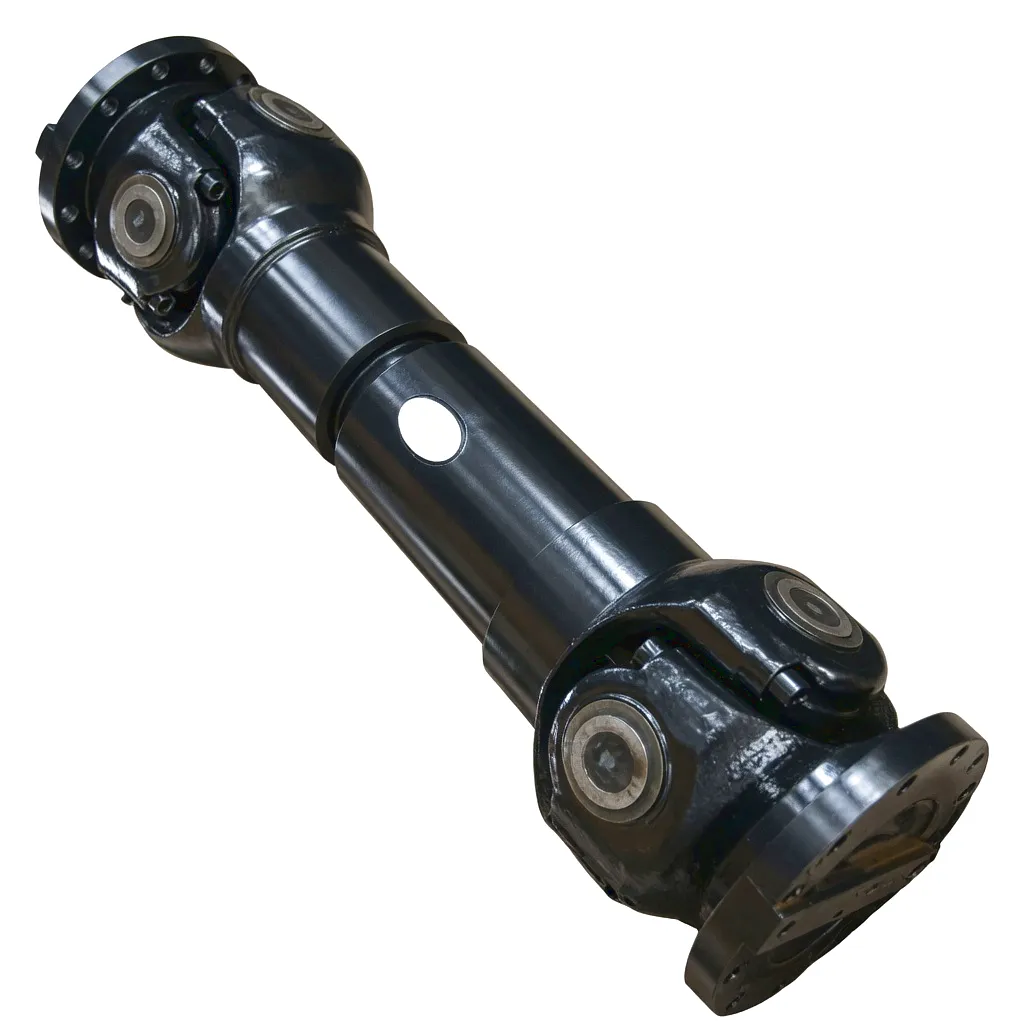
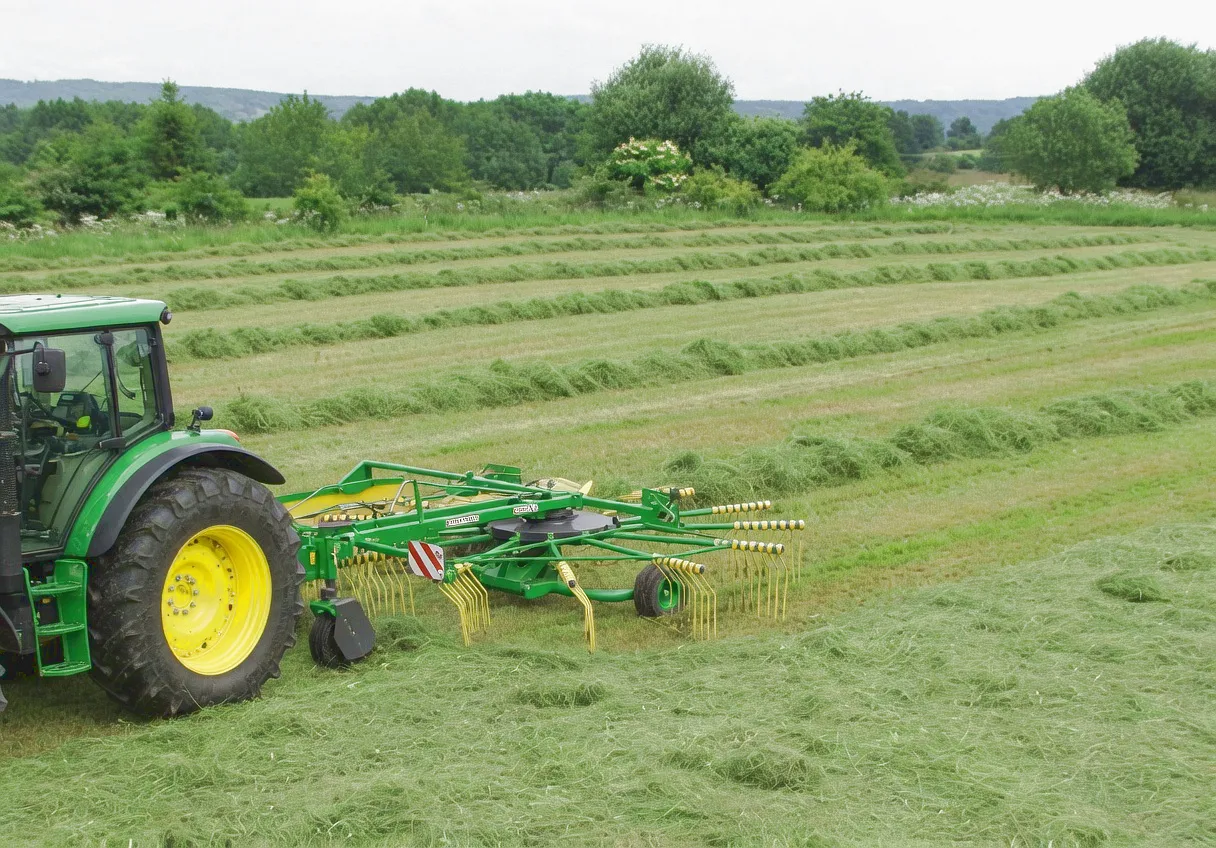
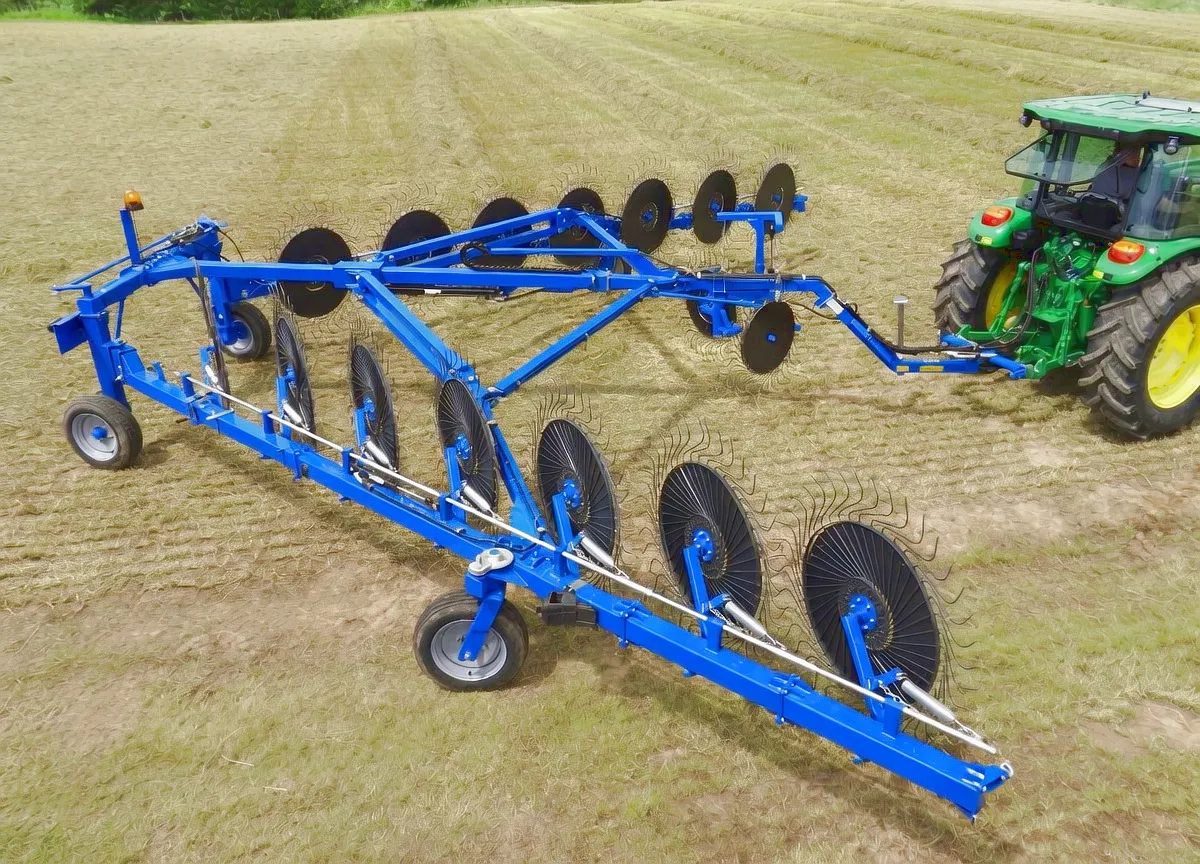
 Walk across a hay field during peak season and you will hear the rhythm before you see the machine. The rotary hay rake spins its tines at speeds that would destroy a rigid shaft within minutes. What makes the continuous rotation possible — even as the tractor bounces across ruts, the drawbar flexes, and the rotor changes angle with every undulation of the ground — is an engineering component most operators never think to inspect until something breaks: the cardan coupling.
In the United Kingdom, where smaller, irregular fields demand machines that can pivot quickly and work close to hedgerows, the driveline between tractor PTO and rake rotor faces constant directional change. A standard rigid coupling simply cannot accommodate the angular offsets involved. The cardan coupling — also known as a universal joint or Hooke’s joint — bridges that mechanical gap through a clever cross-and-yoke geometry that has been refined over decades into a component capable of handling both high rotational speed and significant misalignment simultaneously. This article examines how these couplings work, why they are the preferred solution for high-speed hay rake transmission, and what UK agricultural engineers and farm machinery buyers should look for when specifying or replacing one.
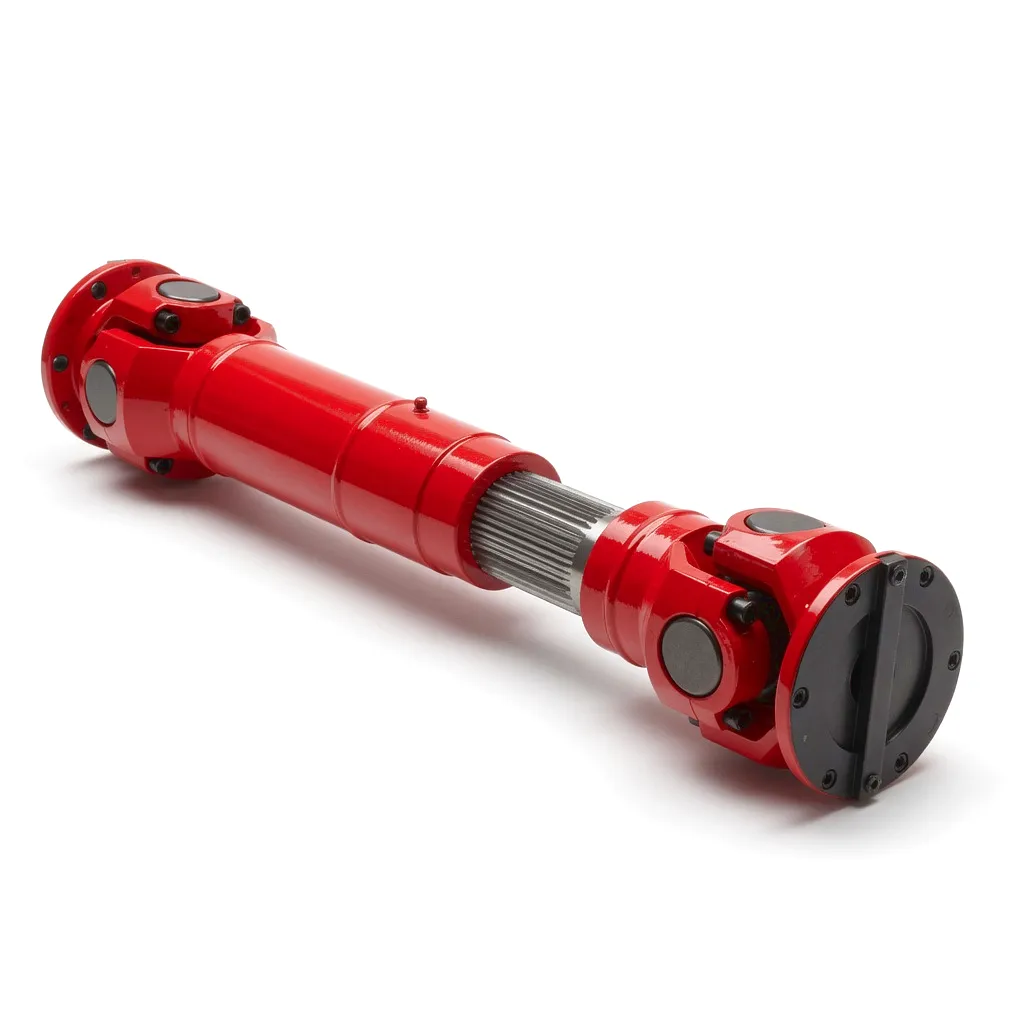
Ever Power Cardan Coupling
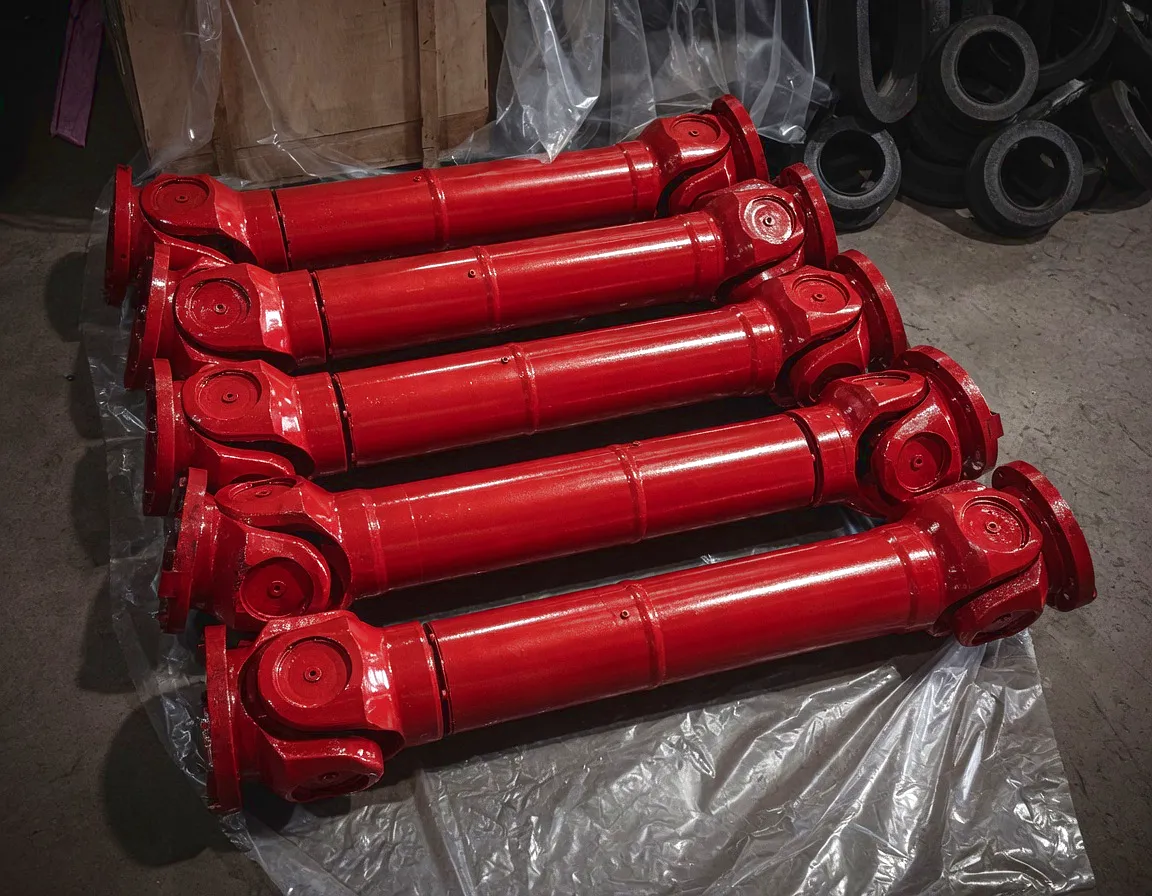
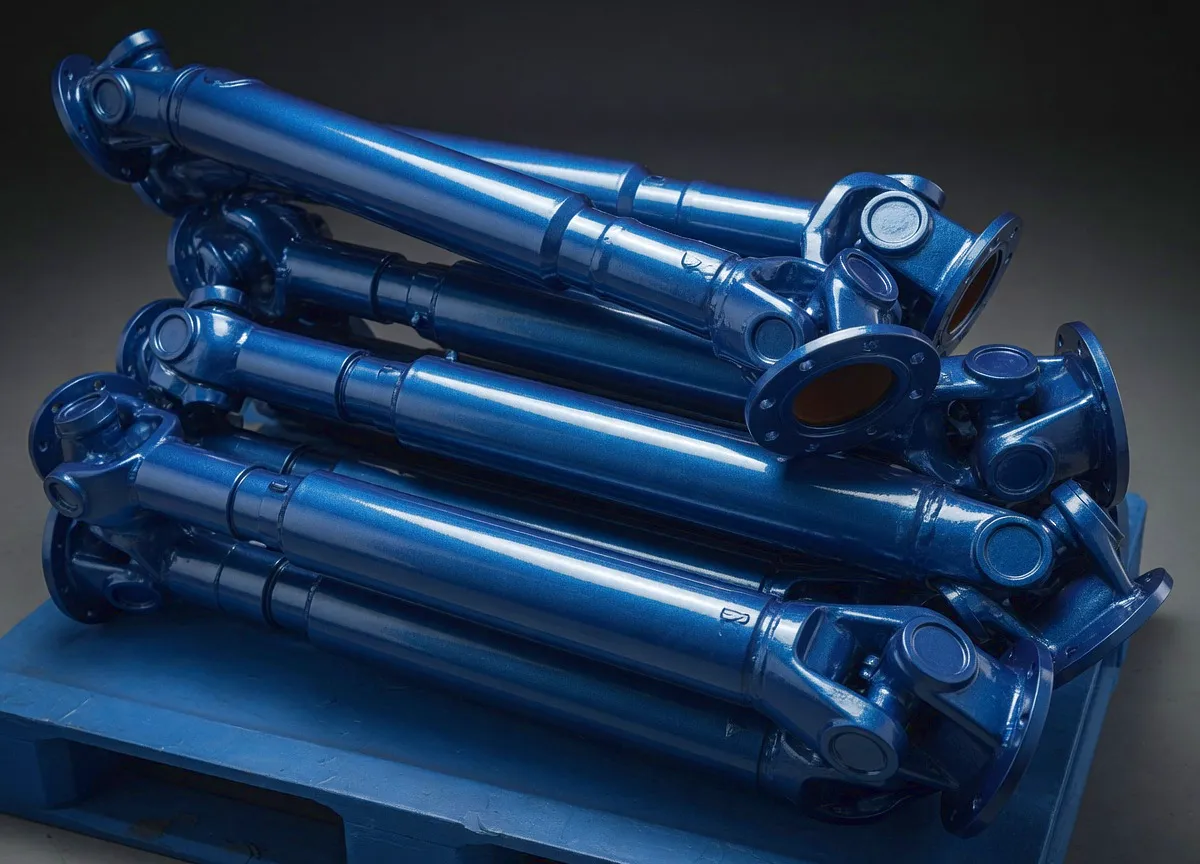
Purpose-engineered for high-speed hay rake drivelines and wider PTO-driven agricultural machinery. Available in custom bore, torque rating, and protective guard specifications for UK farm requirements.
How the Cardan Coupling Works Inside a Hay Rake Driveline
Mechanical principle and structural anatomy explained for engineers and operators alike
Cross-and-Yoke Geometry
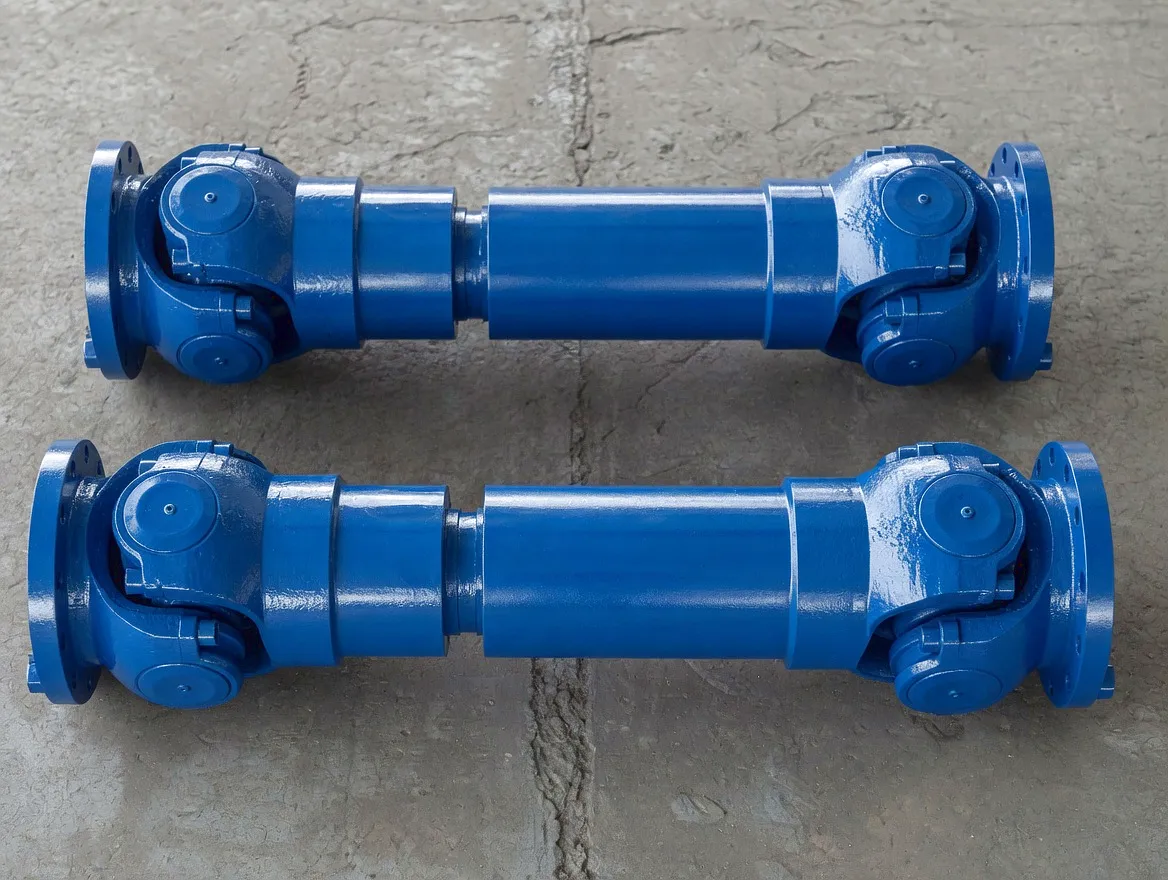
At the heart of every cardan coupling is a precision-machined spider cross — a four-armed body seated inside two perpendicular yokes. As the driving yoke rotates, it transfers torque through the cross to the driven yoke at an angle. The geometry means that even when the input and output shafts sit at an angle to each other, rotation is transmitted continuously and without mechanical interference. In hay rake applications, this angle can reach 25° or more as the machine follows ground contours during operation, and the joint manages this without binding, vibration spikes, or internal heat buildup — provided the bearing condition is maintained.
Velocity Fluctuation at High Speed
A single universal joint operating at an angle produces a cyclic speed variation in the driven shaft — the output speed accelerates and decelerates twice per revolution. In a rotor spinning at 540 or 1000 rpm off a tractor PTO, this pulsation is small in absolute angular terms but its effect on the inertia of a rotating hay rake rotor is significant. Most high-quality driveshafts used in hay rake applications use a double cardan arrangement — two joints phased at 180° — to cancel this velocity non-uniformity and deliver smooth, constant-velocity power to the rotor. Understanding this principle helps buyers appreciate why cheap, single-joint replacements rarely deliver the same performance or longevity as a properly engineered double-joint driveshaft assembly.
Needle Bearing Load Path
Each trunnion of the spider cross runs inside a cup-shaped needle roller bearing retained within the yoke bore. The needles distribute the radial load across their full length, giving the joint a remarkably high torque capacity relative to its compact size. In agricultural environments, these bearings are exposed to contamination from mud, chaff, and moisture — which is why needle bearing quality and grease retention are among the most important factors to assess when buying a cardan coupling for hay rake use. Ever Power uses high-grade bearing steel with sealed grease-filled bearing cups and zerk grease fittings to allow in-field relubrication, dramatically extending service life in the conditions typical of UK arable and grassland farming.
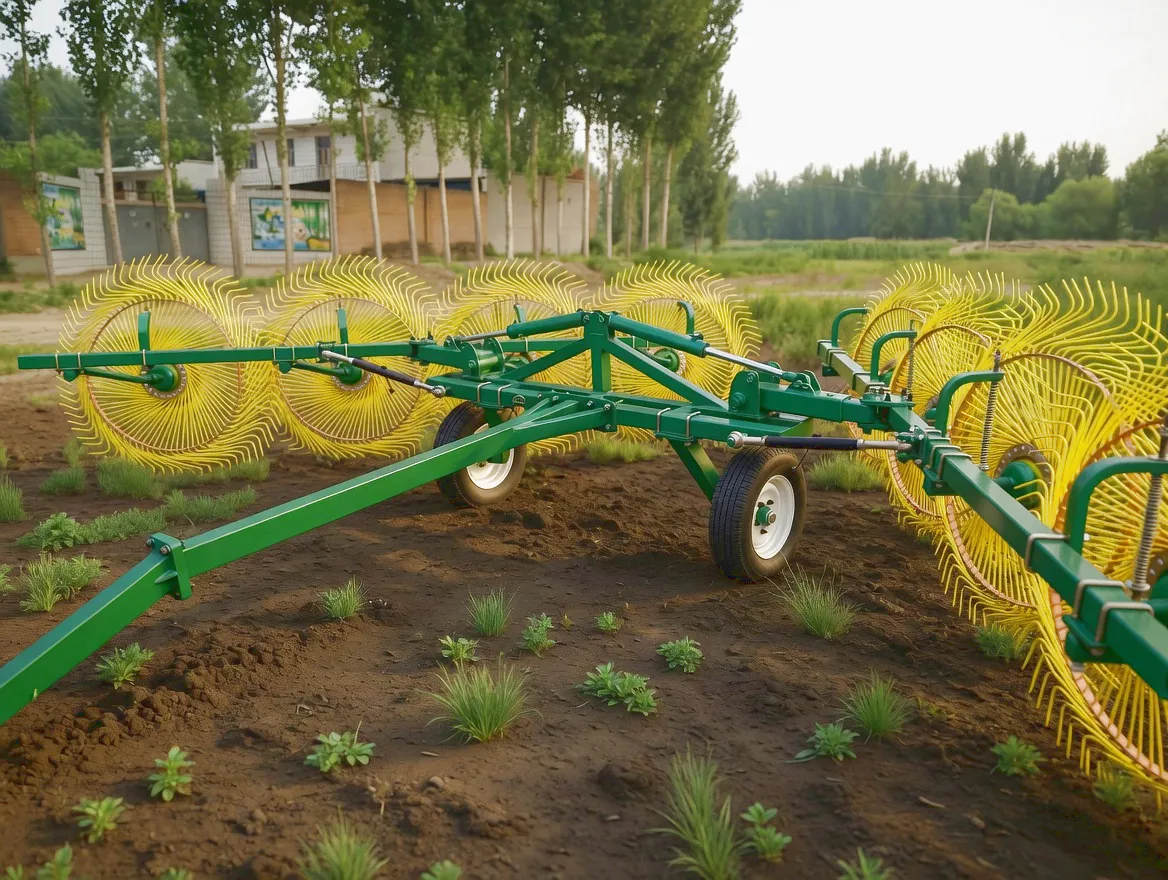
Cardan Coupling in the Field — Hay Rake Drive Applications
Technical Specifications & Performance Parameters
Key data for agricultural hay rake driveline cardan coupling selection
| Parameter | Typical Range / Value | Notes for Hay Rake Use |
|---|---|---|
| Operating Angle | Up to 25° (single joint); up to 80° (double joint with centre support) | Ground-following on UK farm terrain requires 15–22° minimum rating |
| Rated Torque | 800 Nm – 3,200 Nm (series dependent) | Hay rake rotors typically demand 900–1,800 Nm peak torque |
| Maximum Speed | Up to 1,500 rpm (1,000 rpm PTO; 540 rpm PTO) | Most UK tractors run 540 rpm PTO; speed-up gearboxes may reach 1,000 rpm |
| Cross Joint Series | Bondioli Series 4 / 6 / 7 equivalent; ISO 8331 compatible | Series 6 most common for mid-range hay rake driveshafts in UK market |
| Slip Profile Length | 280 mm – 900 mm (telescoping range) | Compensates for PTO-to-gearbox length change during headland turns |
| Overload Protection | Friction clutch, shear bolt, or ratchet type (selectable at order) | Friction clutch preferred for hay rake — fast reset, no replacement parts needed |
| Material — Cross & Yokes | Case-hardened alloy steel (20CrMnTi / 20CrNiMo) | Heat-treated to 58–64 HRC surface hardness for needle bearing contact |
| Guard Type | Plastic / PE co-shield; CE EN ISO 4254-7 compliant | Mandatory for all UK-market PTO-driven agricultural machinery |
| Surface Treatment | Phosphating + yellow zinc plating / powder coat optional | Critical for UK’s wet, clay-heavy field conditions |
Product Gallery — Ever Power Cardan Coupling Range
Why Hay Rake Designers Choose Cardan Couplings Over Every Alternative
A comparison grounded in decades of field experience across British grassland machinery
The hay rake is, mechanically speaking, one of the more demanding applications a driveline engineer can encounter. The rotor carries significant rotational inertia. It must spin at high speed — often 540 rpm from the PTO — while the machine is being manoeuvred across ground that is anything but flat or predictable. The connection between the tractor output and the rake gearbox must transmit torque continuously, accommodate angular displacement in real time, absorb shock when a tine strikes a stone or embedded debris, and do all of this while remaining compact enough not to create a ground-clearance problem or a snagging hazard. That is a remarkably specific set of requirements, and the cardan coupling meets all of them better than any comparable component class available today.
Compare this with a flexible disc coupling: it tolerates misalignment but has no capacity for the angular range seen in hay rake operation, and its torque capacity relative to size is far lower. Gear couplings offer high torque density but require precise alignment and are completely unsuitable for the continuous angular variation inherent in agricultural PTO drives. Jaw couplings are maintenance-free in their element segment but again cannot handle the angular offsets. The cardan coupling is simply the right engineering answer to the problem, and that is why virtually every rotary hay rake produced for UK and European markets — from compact single-rotor machines to large twin-rotor tedder-rakes — uses a PTO driveshaft built around one or two cardan joints.
High-Speed Torque Capacity
Needle bearing cross-joints tolerate high continuous torque with minimal friction heat, making them reliable at both 540 and 1000 rpm PTO settings without thermal degradation of grease or bearing races.
Large Angular Misalignment
No other compact coupling type handles the 15°–25° operating angles that arise in a hay rake following irregular field terrain in England, Scotland, and Wales. Continuous smooth rotation at these offsets is built into the design.
In-Field Serviceability
A cardan coupling with a replaceable cross-and-bearing kit can be rebuilt without specialist tooling. When a bearing fails mid-harvest on a Lincolnshire farm, an operator can replace the cross kit within the hour and return to work.
Shock Load Absorption
When hay rake tines contact hidden stones or root masses, the resulting shock torque spike can be three to five times the normal operating load. A friction clutch integrated into the driveshaft prevents this energy from reaching the gearbox or rotor bearings.
Material & Manufacturing Precision
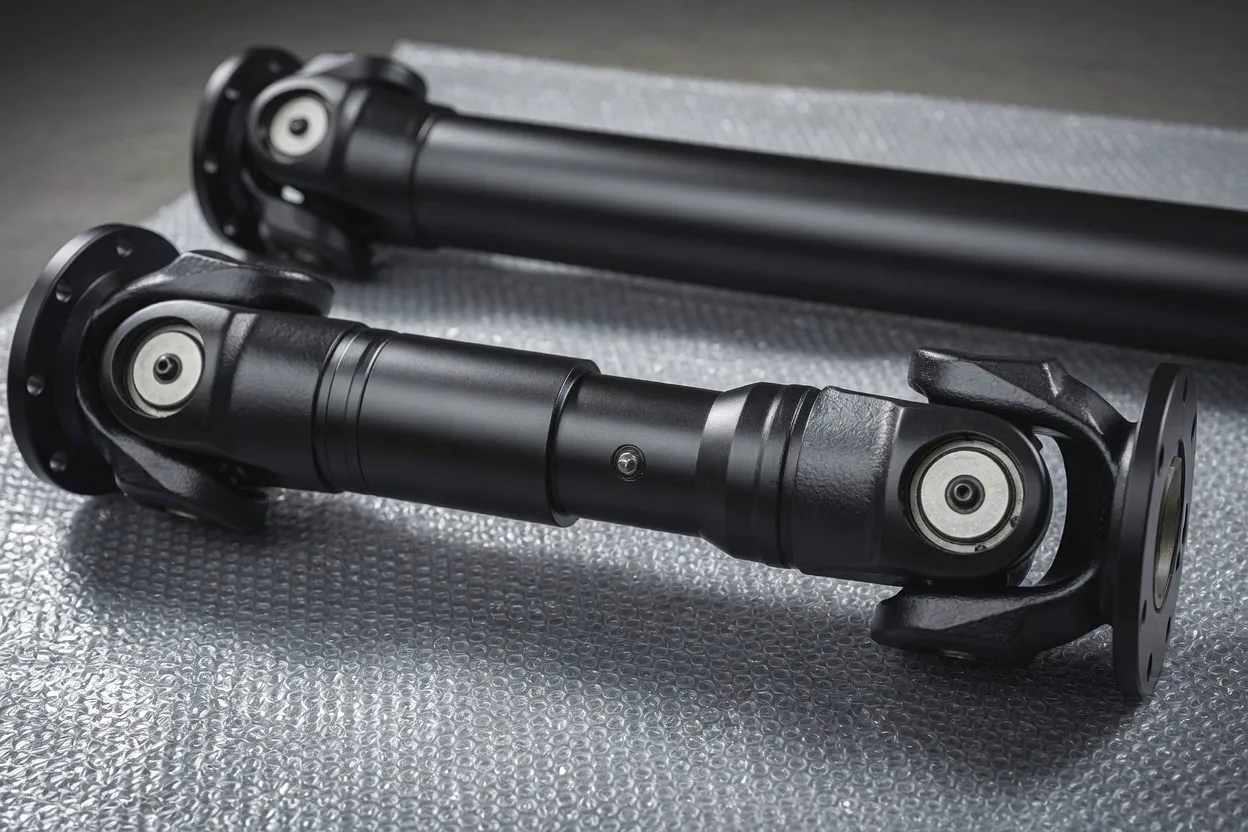
Every Ever Power cardan coupling begins as a forged alloy steel blank. The yoke bodies are machined to H7 bore tolerances, ensuring a positive interference fit with the shaft or tube without requiring sealant. The spider cross is individually heat-treated in a controlled atmosphere furnace to achieve case hardness of 58–64 HRC at the trunnion surfaces while retaining a tough core that resists fatigue crack propagation. This combination of surface hardness and core toughness is what allows the joint to survive the shock loads associated with agricultural field work — loads that would fracture a fully through-hardened cross and strip a soft, under-hardened one within weeks.
The needle roller bearings fitted to each trunnion are manufactured from bearing-grade chrome steel, ground to tight tolerances, and lubricated with a high-tenacity EP (extreme pressure) grease at assembly. Sealed bearing cups prevent initial contamination, while a grease nipple on the cross body allows periodic relubrication to replenish the grease reservoir as needles work their surfaces through the operating cycle.
Application Scenarios: Where This Coupling Delivers the Most Value
From single-rotor finger rakes to twin-rotor gyrorakes — and beyond the hay field
Customer Success: How UK Agricultural Businesses Trust Ever Power
Real results from real agricultural operations across Britain
Case Study: Pennine View Agricultural Contracting Ltd, North Yorkshire, UK
Grassland contracting · 1,800+ acres treated per season · Mixed dairy and sheep farm clientele
Pennine View Agricultural Contracting runs a fleet of four twin-rotor gyrorakes across their North Yorkshire client base, covering grassland from the Vale of York up to the Dales fringes. Their previous supplier of PTO driveshafts was delivering assemblies where the needle bearings were failing within one season — roughly 180 operating hours — due to what the company’s mechanic identified as inadequate needle hardness and insufficient grease retention in the bearing cups. The failed bearings caused shaft vibration that progressively damaged the gearbox input bearing on two of their machines, resulting in a total repair bill exceeding £4,200 in a single season.
After switching to Ever Power Series 6 cardan coupling driveshafts for the following season, the results were markedly different. All four units completed the full hay and silage season — approximately 240 hours per machine — without a single bearing replacement. The company’s mechanic confirmed that relubrication intervals of 40 hours were sufficient to keep the joints running smoothly, and the integral friction clutch on each shaft prevented the shock loads from two incidents of tine-to-stone contact reaching the gearbox.
The overall saving in maintenance parts, labour, and avoided gearbox damage was estimated at over £3,800 in the first year of use alone, effectively making the switch cost-neutral within the first season while delivering substantially better reliability throughout. Pennine View now orders replacement cross-and-bearing kits from Ever Power as part of their standard pre-season maintenance programme, stocking four kits per machine as a precaution that costs them far less than the downtime risk of a mid-harvest failure.
“We run four twin-rotor rakes through a 12-week season and couldn’t afford downtime. Ever Power shafts went through everything without a single bearing failure. The grease nipples are accessible even with the guard on — that’s a detail other suppliers miss.”
“We sourced a batch of 18 custom-length driveshafts from Ever Power for our OEM hay rake line. The dimensional tolerances were exactly to our drawing spec and delivery to our Lincolnshire factory was on schedule. We’ve seen zero warranty claims in the first production run.”
“The friction clutch setting on our Ever Power shafts saved our gearbox twice last season when we hit hidden boulders in a Welsh upland field. The torque just slipped through rather than shearing, and we were back working in under five minutes. I won’t go back to shear bolt clutches.”
Installation, Maintenance, and Replacement: Practical Guidance for UK Operators
Keeping your hay rake driveline running through a full British season
Installing a cardan coupling driveshaft on a hay rake correctly is not complicated, but it does require attention to a few specific points that experienced operators know and occasional users sometimes overlook. The most common installation mistake is fitting a shaft that is either too short — which causes the telescope to bottom out during headland turns — or too long, which prevents the joint from reaching its minimum length and causes excess shaft extension to flap. Measuring the PTO-to-gearbox distance at maximum headland turn angle and then applying the manufacturer’s minimum-to-maximum ratio for the specific shaft series is the correct approach, and Ever Power’s engineering team can assist with this calculation for any rake model operating across UK farm layouts.
Relubrication is the single most important maintenance task. Under UK grassland farming conditions — wet springs, clay soils, high chaff contamination during dry spells — grease is displaced from needle bearings faster than in ideal conditions. A 40-hour greasing interval using a lithium complex EP2 grease is the baseline recommendation for hay rake applications, reduced to 20 hours if the machine operates consistently in sandy soils or heavy mud. The grease nipple on each joint should be cleaned before applying the grease gun to prevent contamination entering the bearing with the fresh grease. This simple precaution adds very little time to the procedure and substantially extends needle bearing life.
📌 Pre-Season Checklist for UK Hay Rake Operators
- ✔ Rotate the PTO shaft by hand and feel for roughness in the joints — a sign of dry or contaminated needle bearings
- ✔ Check the telescoping profile for wear in the splines — excessive play causes rotational imbalance at speed
- ✔ Inspect both yoke-to-shaft connections for cracks, weld fatigue, or damaged retaining clips
- ✔ Grease all four nipples — two per joint — until fresh grease appears at the bearing seal lip
- ✔ Check the friction clutch slipping torque against the manufacturer’s spec using a torque measurement
- ✔ Verify the plastic guard is intact, correctly mounted, and the retaining chain is secure
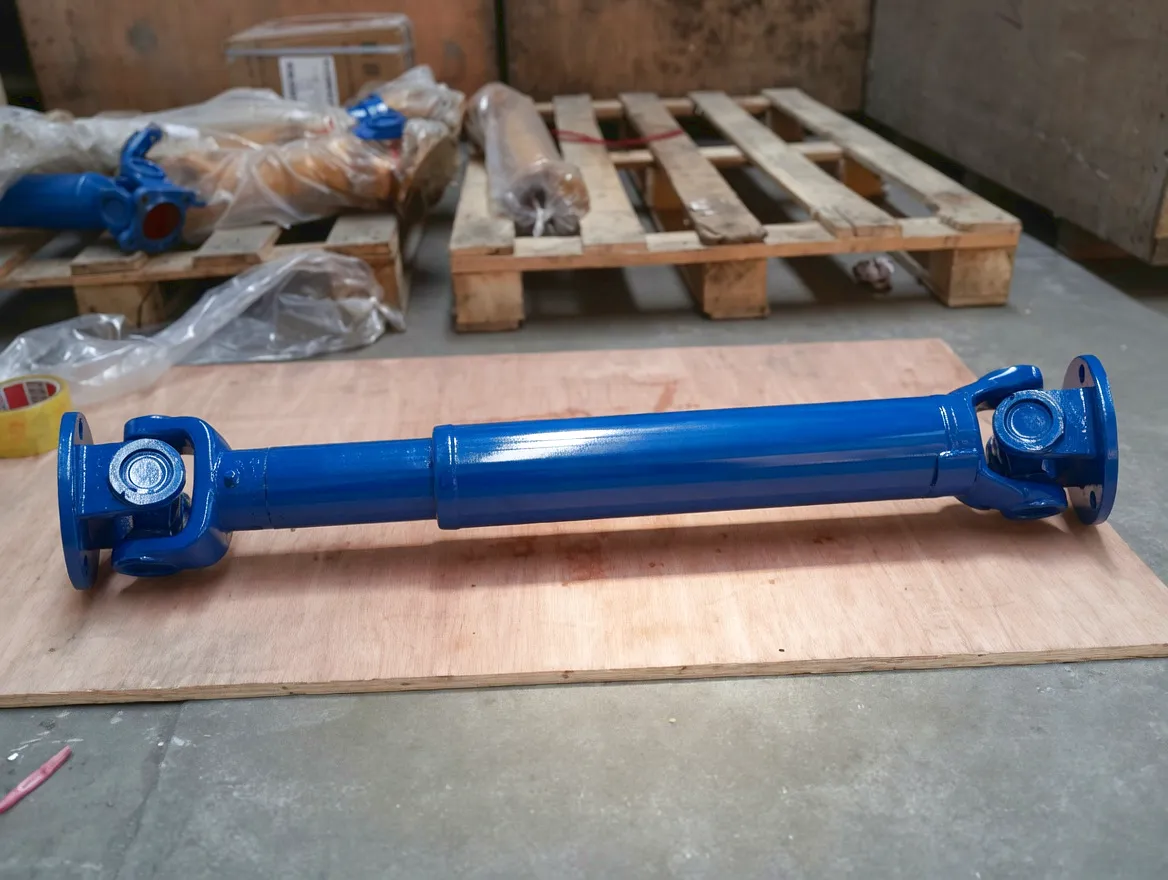
Ever Power Manufacturing & Custom Driveshaft Engineering
OEM and aftermarket supply capability for UK agricultural machinery manufacturers and distributors
Ever Power’s production facility operates CNC turning centres, gear hobbing machines, and heat treatment furnaces under one roof, which is unusual in a market where many coupling suppliers assemble components sourced from multiple sub-suppliers. Vertical integration means tighter dimensional control at every stage — from the raw forging through to the finished, tested, and guarded assembly. For UK agricultural machinery manufacturers looking for an OEM supply partner, this translates into measurable advantages: shorter lead times because there are no inter-supplier logistics steps, more consistent quality because there is one quality system governing the entire process, and the ability to respond rapidly to design change requests without negotiating across multiple supply chain tiers.
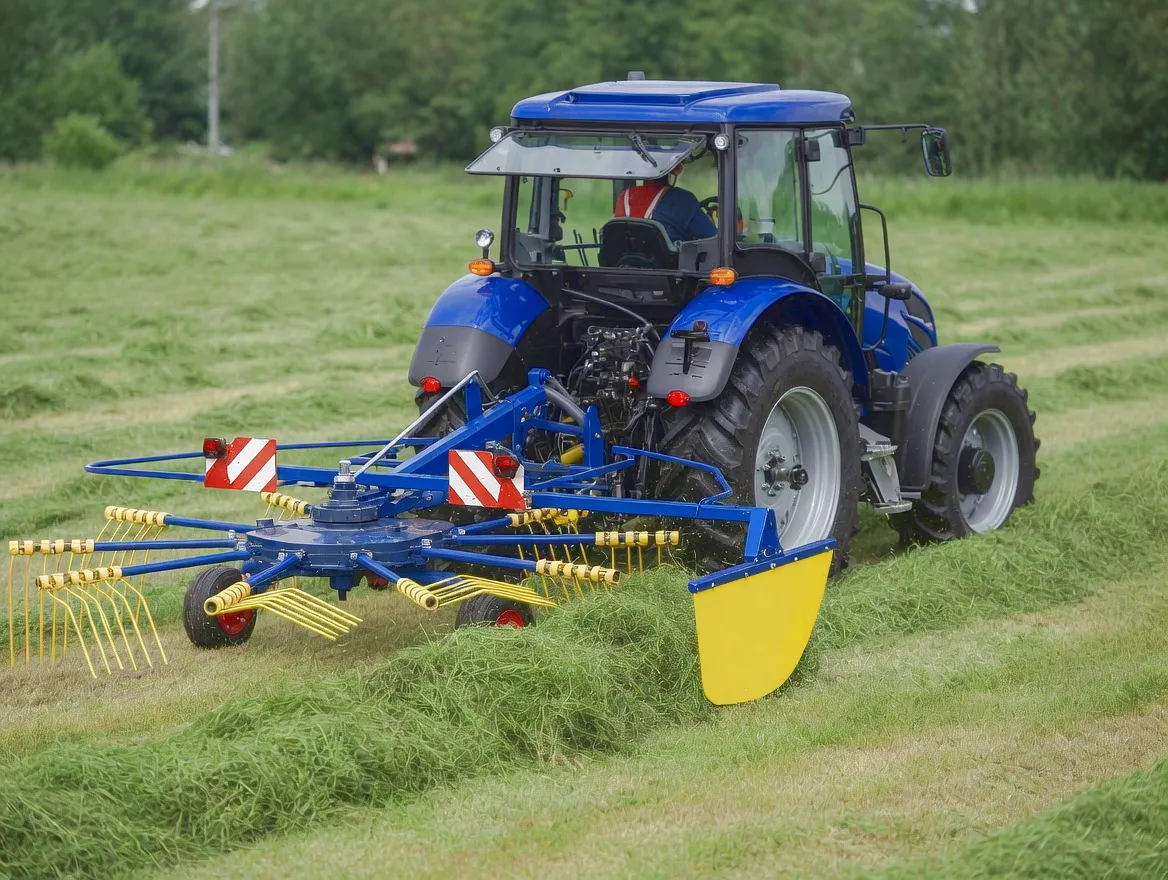 The customisation capability at Ever Power is genuinely comprehensive. Standard catalogue driveshafts cover the most common hay rake and tedder applications, but the engineering team regularly works with OEM customers on non-standard bore profiles, extended telescoping ranges, modified clutch torque settings, specialised surface treatments for particularly aggressive soil chemistry environments, and co-ordinated multi-shaft supply for complete machine driveline packages. Minimum order quantities for custom work are discussed during the quoting process and are typically very accessible for UK machinery manufacturers working at contract volumes.
Supplying Cardan Couplings Across the United Kingdom’s Agricultural Regions
From Scottish Borders grassland to East Anglian arable — matching the right driveshaft to your region’s conditions
The United Kingdom’s grassland farming regions vary significantly in field size, topography, soil type, and typical machinery working conditions — and these differences directly affect which specification of cardan coupling driveshaft is the most appropriate choice. In the rolling pastures of the Yorkshire Dales, the Shropshire Hills, and the upland fringes of Snowdonia, smaller fields with tight gateways and steep slopes demand compact driveshafts with the maximum operating angle capacity — typically 25° or more — and the friction clutch pre-set at a lower torque value to protect gearboxes from the frequent ground-contact events that come with rocky upland terrain. Contrastingly, on the broad, open grass leys of Cheshire, Somerset, and the Vale of Evesham, larger rotary hay rakes run at sustained high output for longer continuous periods, meaning the thermal management of the bearing lubricant and the durability of the telescoping spline profile become the primary design considerations.
Scotland & Northern England
Upland grassland, rocky subsoil, short working windows. High-angle joints, friction clutch protection, sealed bearing cups essential. Series 4–5 most common for upland rake sizes.
Midlands & East Anglia
Larger field parcels, clay and silt soils, high-output contracting operations. Sustained duty cycle, phosphated finish for clay resistance, Series 6–7 for wide-rake twin-rotor machines.
South West England & Wales
High rainfall, diverse terrain from lowland Somerset Levels to upland Welsh hill farms. Corrosion resistance critical; zinc plating or powder coat options. Mixed-fleet OEM compatibility important for contractors.
Northern Ireland
Predominantly dairy-focused grassland, high annual rainfall, intensive silage and hay cutting regime. Frequent relubrication access, sealed profiles, and rapid cross-kit availability from Ever Power’s distributor network preferred.
Frequently Asked Questions
Questions from UK agricultural machinery buyers, farm managers, and OEM engineers
Ready to Upgrade Your Hay Rake Driveline?
Whether you need a standard replacement, a custom OEM order, or technical advice on the right cardan coupling specification for your specific machine and UK farm conditions — Ever Power’s engineering team is ready to help. Contact us for a detailed quote and technical consultation at no obligation.
Ever Power Agricultural Driveline Division · Serving UK Agricultural Machinery Buyers, OEM Manufacturers, and Farm Operators Nationwide
edit by gzl