
Cardan Coupling for Rotary Tiller PTO Drive Shaft: The Complete Engineering Guide for UK Agricultural & Industrial Applications
Discover how a precisely engineered cardan coupling transforms rotary tiller PTO performance — reducing downtime, protecting gearboxes, and maximising field productivity across the UK’s most demanding farming conditions.
🏭 Ever Power Engineering
🇬🇧 United Kingdom
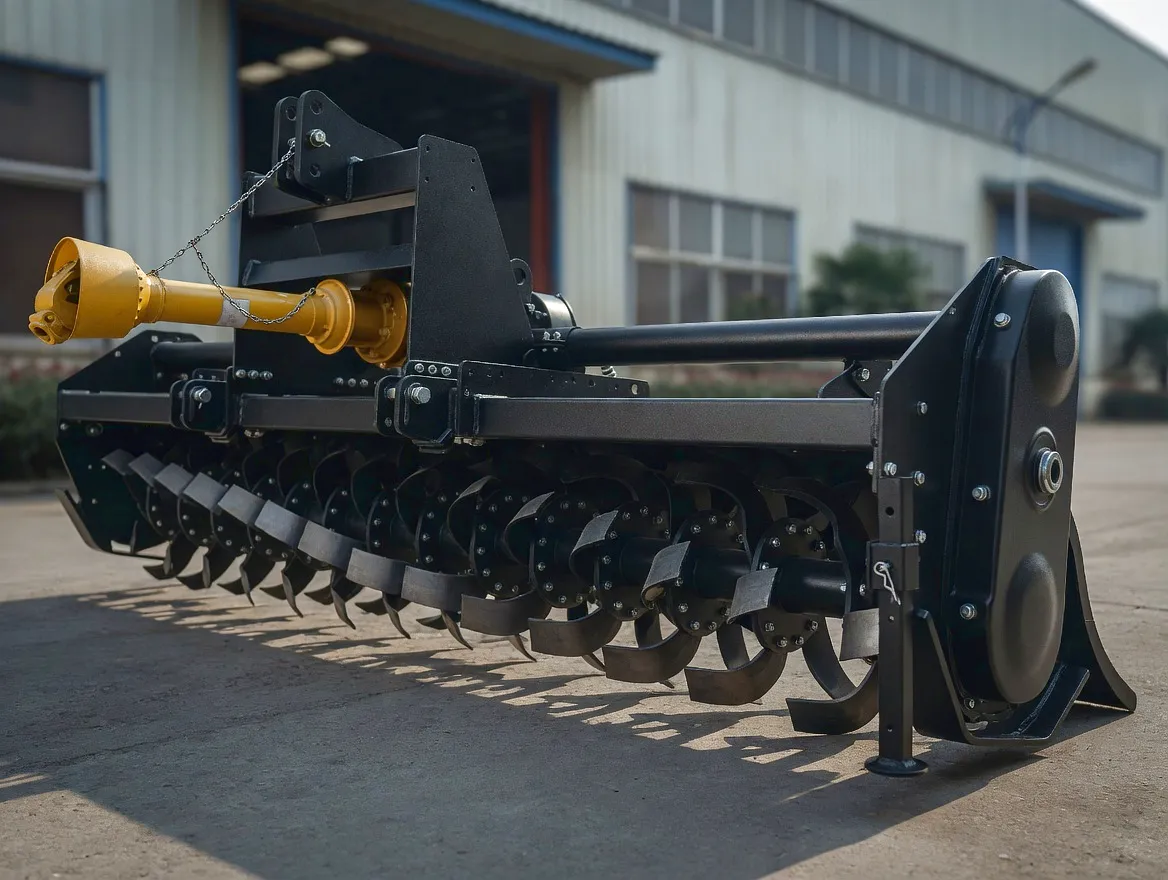 Walk across any working farm in Yorkshire, the Scottish Borders, or the Welsh Marches and you will find rotary tillers pulling season after season of duty behind tractors of all sizes. The one component that consistently separates a tiller that performs reliably from one that repeatedly lets a farm manager down is the quality and specification of its cardan coupling. More than a simple connector, the cardan coupling — sometimes called a universal joint shaft or Hooke’s joint assembly — is the beating heart of every PTO-driven implement, absorbing angular misalignment, transmitting torque through constant angular velocity changes, and shielding the tractor’s gearbox from shock loads that would otherwise cause catastrophic failure mid-season.
Over eighteen years of working with agricultural OEMs, tillage equipment distributors, and farm machinery workshops across the UK and continental Europe, the patterns become very clear: under-specified cardan couplings are responsible for a disproportionate share of field breakdowns. Conversely, farms that invest in correctly rated, well-sealed universal joint shafts consistently report lower maintenance costs, longer tractor clutch life, and improved soil preparation quality. This guide brings together the engineering fundamentals, selection criteria, real-world performance data, and practical advice that buyers and specifiers in the UK agricultural sector genuinely need.
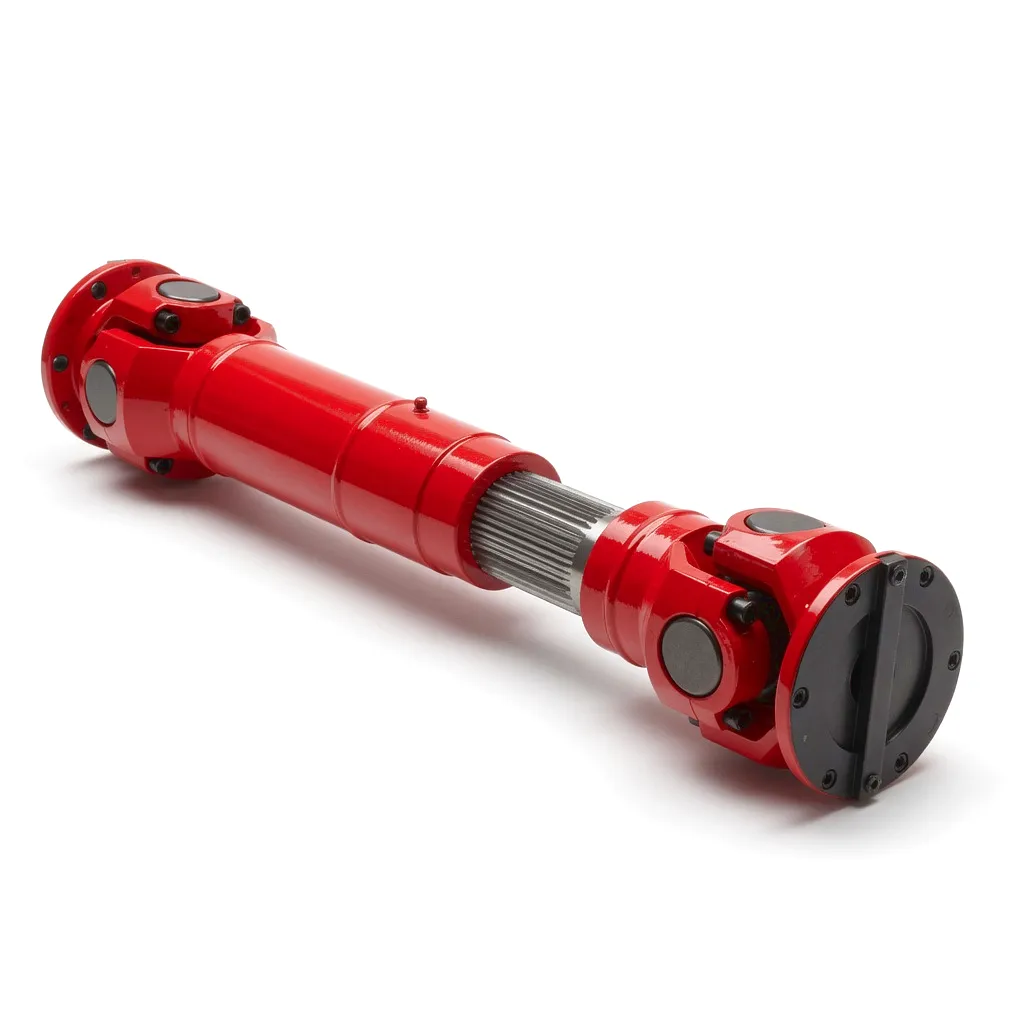
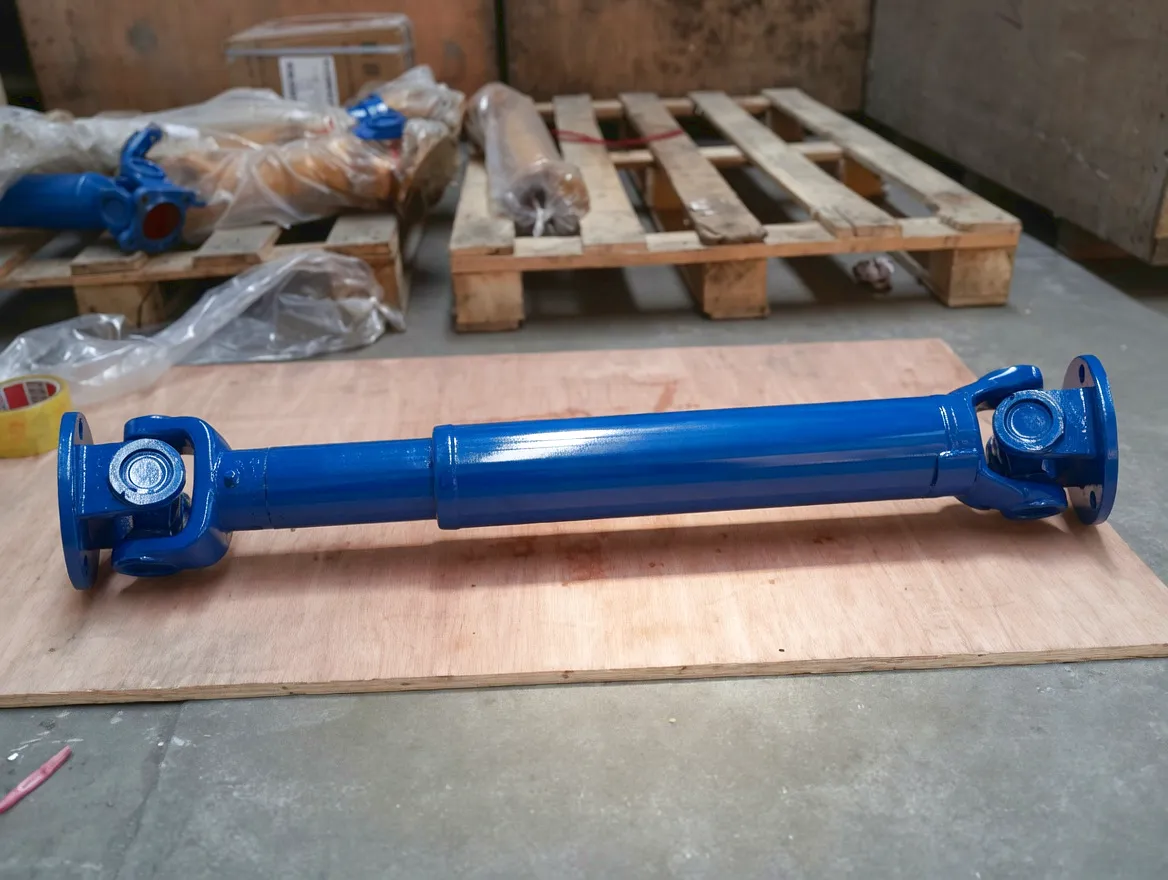
Agricultural PTO Cardan Coupling Series
Precision-forged, heat-treated, and CE-marked for ISO 500 compliance. Available in standard and full custom configurations for UK and export markets.
What Makes a Cardan Coupling the Right Choice for Rotary Tiller PTO Shafts?
A cardan coupling — named after the Italian mathematician Gerolamo Cardano who described the universal joint principle in the sixteenth century — consists of two yokes connected by a cross-shaped trunnion bearing assembly. In an agricultural PTO drive shaft, this geometry allows the coupling to transmit rotational power between the tractor’s PTO stub and the rotary tiller’s gearbox input even when the two shafts are not perfectly aligned. On real terrain, this misalignment can reach 15 degrees or more as the tractor pitches over headlands, navigates field gateways, or works on slopes typical of British upland farms.
The fundamental advantage of the cardan coupling over other coupling types — jaw couplings, disc couplings, or simple rubber elements — in the PTO context is its ability to handle these angular offsets at high rotational speeds. Standard tractor PTO shafts run at either 540 RPM or 1,000 RPM; rotary tillers typically operate in the 540 RPM range but the coupling must handle the torque multiplication created when the tiller encounters hard compacted ground, embedded stones, or root masses. A properly rated cardan coupling absorbs these shock events without transmitting them directly to the tractor’s drivetrain. Double-joint (constant velocity) cardan couplings go further still, eliminating the velocity fluctuation that single-joint assemblies introduce at angles above approximately 5 degrees, which would otherwise create vibration and accelerated wear throughout the drivetrain system.
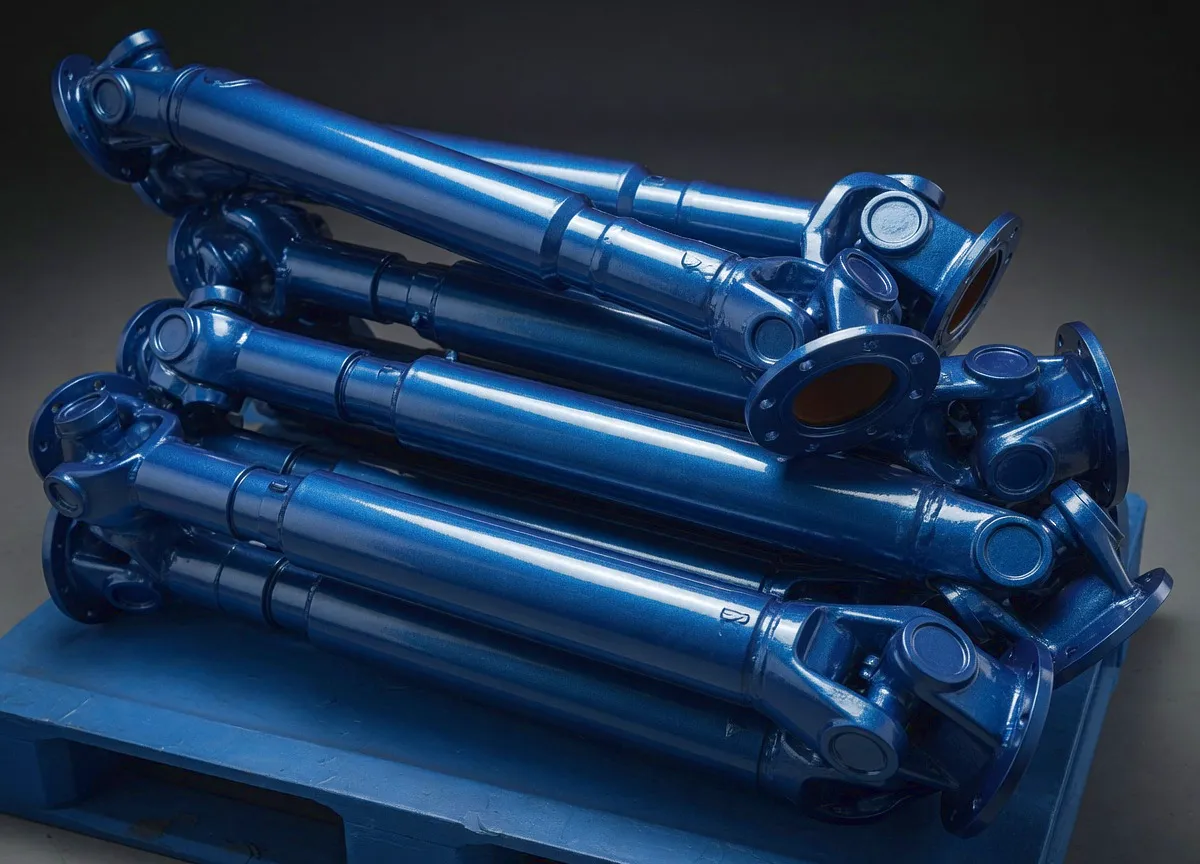
Engineering Principles: How the Cardan Coupling Transmits Power Through Your Rotary Tiller PTO
Understanding the mechanics behind a PTO cardan coupling helps specification engineers and workshop technicians alike make better purchasing decisions and avoid common installation mistakes. At its core, the universal joint works by connecting two shafts via a rigid cross piece — the spider or trunnion — whose four arms are each cradled in needle-roller bearing cups pressed into the yoke bores. As the driving yoke rotates, it forces the spider to pivot, and the spider in turn drives the driven yoke. Because both yokes are rigidly connected to the spider, torque passes through regardless of the angle between the two shafts.
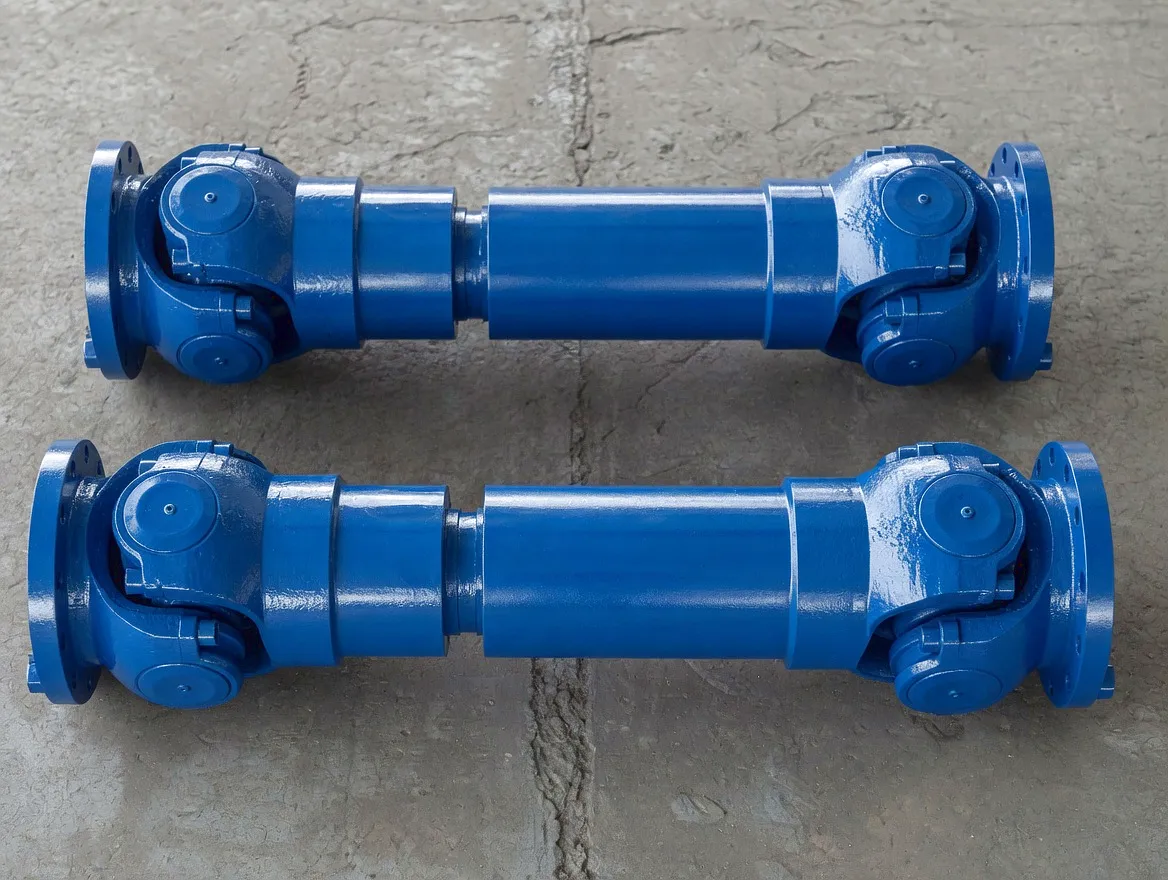
The physics introduces an important limitation for single-joint designs: when the driving and driven shafts are not collinear, the output velocity is not constant — it oscillates twice per revolution by an amount that increases with joint angle. At 10 degrees, this variation is modest; at 20 degrees, it becomes substantial enough to excite drivetrain resonances and accelerate wear in both the coupling itself and the tiller gearbox bearings. This is exactly why agricultural PTO shafts for rotary tillers — which regularly operate at large working angles — are almost always configured with two universal joints phased at 90 degrees to each other with a telescoping intermediate shaft. The phase relationship causes the velocity fluctuation of the first joint to be cancelled by the equal-and-opposite fluctuation of the second, producing constant velocity at the output. This double-joint configuration is what distinguishes a professional-grade agricultural cardan coupling from a simple industrial universal joint shaft.
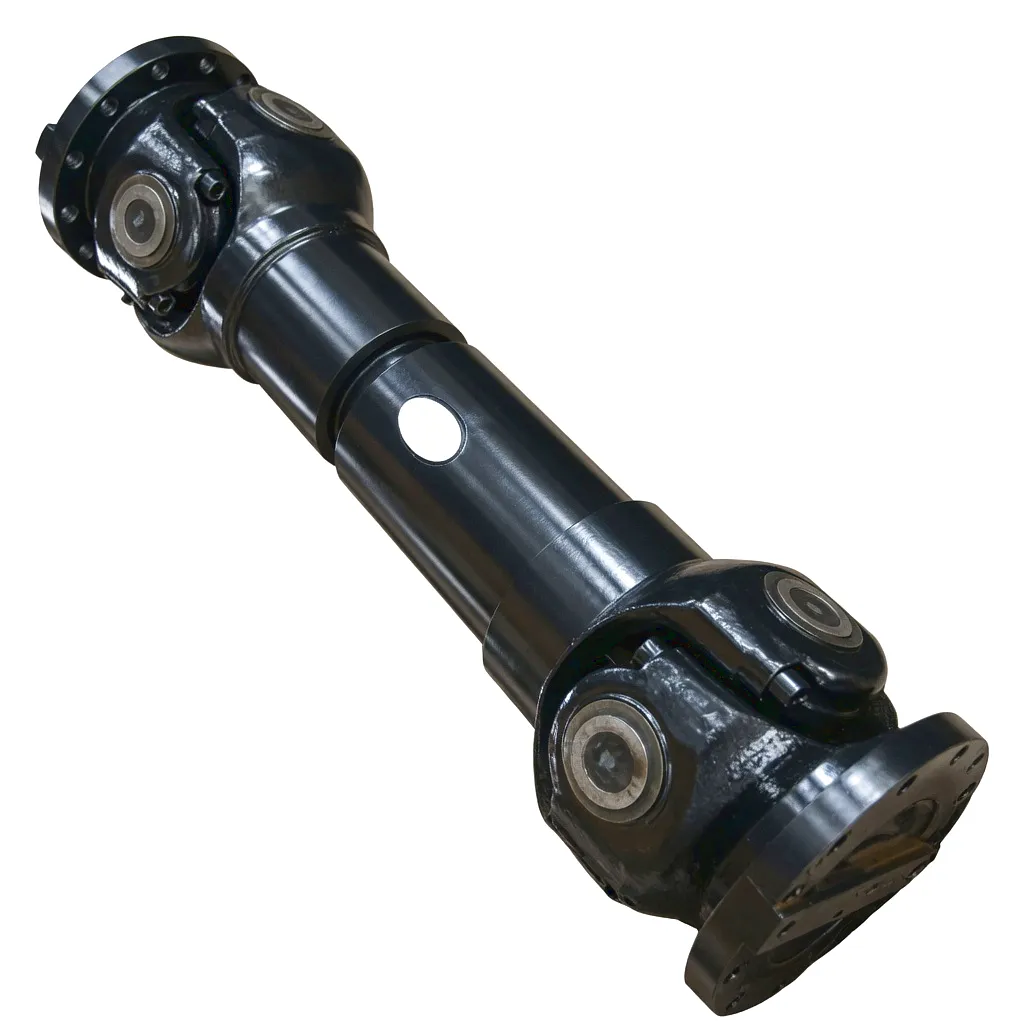
Material selection is equally critical. The trunnion crosses in Ever Power agricultural cardan couplings are machined from alloy steel grades equivalent to 20CrMnTi or 40Cr, case-hardened to 58–62 HRC at the bearing journal surfaces to resist the point-loading from needle rollers under shock conditions, while the core remains tough and ductile. Yokes are either closed-die forged steel or precision-cast ductile iron depending on the torque class, and all bearing cups are sealed with multi-lip grease seals rated for heavy-duty agricultural environments where mud, chaff, and abrasive soil particles are constant threats. The telescoping inner and outer profiles are typically cross-serrated (for lower-torque applications) or splined (for high-torque heavy tillers), with grease nipples allowing field re-lubrication without disassembly.
Key Structural Elements
- ▶Alloy-steel cross trunnion — case-hardened bearing journals, tough core
- ▶Full-complement needle roller bearing cups — maximum load capacity in compact envelope
- ▶Multi-lip grease seal — excludes mud, water, and chaff from bearing surfaces
- ▶Telescoping profile — cross-serrated or splined — accommodates tractor-implement hitch variation
- ▶CE-compliant plastic shield and cone guard — protects operator and complies with UK Machinery Directive
- ▶Optional friction limiter or shear-bolt overload clutch — configurable torque release threshold
Technical Performance Parameters — PTO Agricultural Cardan Coupling Series
The table below covers the standard product range for rotary tiller applications. Custom lengths, yoke bores, and torque ratings are available on request — see the factory customisation section for details.
Why Rotary Tiller PTO Applications Demand Specialised Cardan Coupling Design
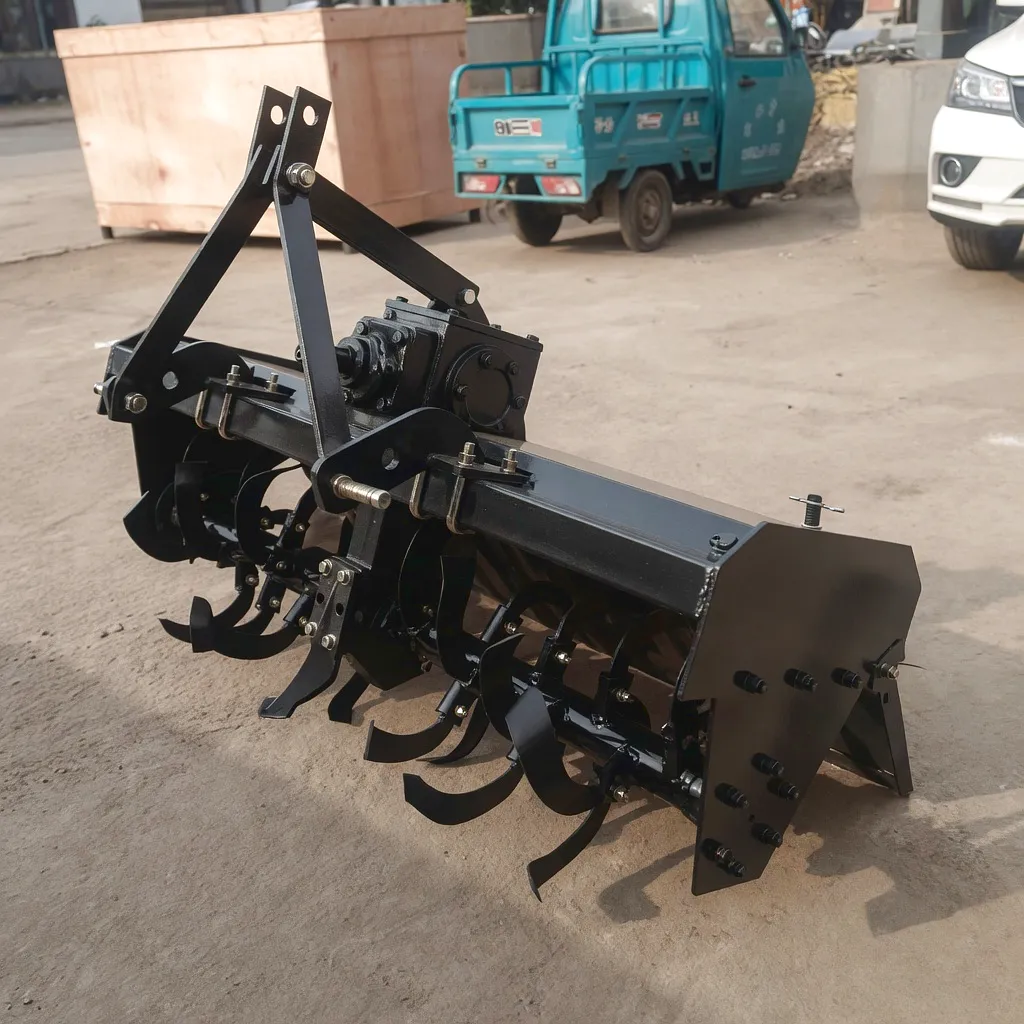
Rotary tillers impose some of the harshest loading cycles of any PTO-driven implement precisely because of how they interact with soil. Unlike a mower or a spreader — which present a relatively steady torque demand — a rotary tiller encounters highly variable resistance as its L-blades or C-blades work through the soil profile. A blade passing through friable, previously worked topsoil may draw only a few hundred Newton-metres from the driveline. Half a second later, the same blade may strike a buried flint, a compacted clay lens, or the crown of a deep root system, instantaneously demanding two, three, or even four times the nominal torque. These impact events happen multiple times per second across the width of the machine, and they propagate backwards through the driveline at the speed of sound in steel — reaching the cardan coupling and the tractor PTO in microseconds.
Product Advantages: Why UK Agricultural Businesses Choose Ever Power Cardan Couplings
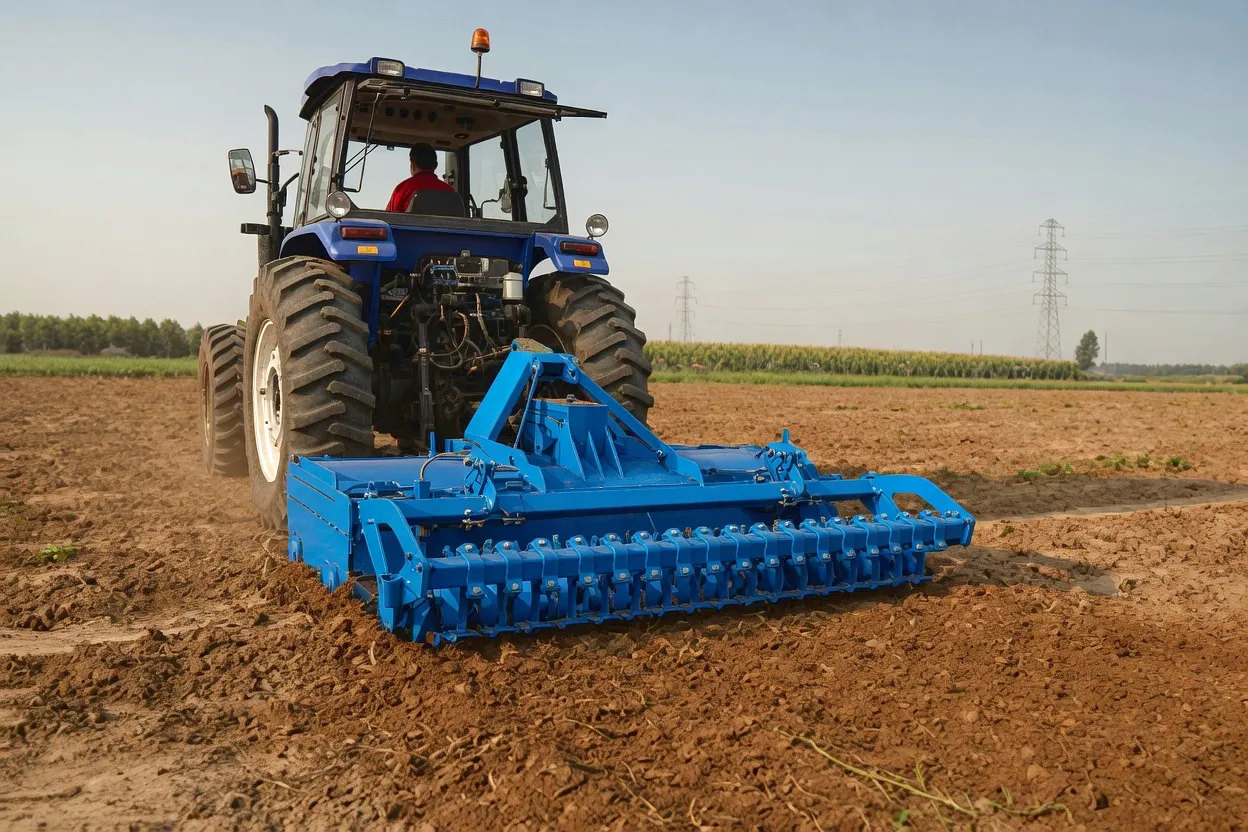
Across the UK agricultural sector — from Lincolnshire arable operations to Scottish upland contractors — the following performance differences consistently emerge when users switch to correctly specified Ever Power cardan couplings for their rotary tiller PTO drivelines.
Materials, Manufacturing & Quality Control
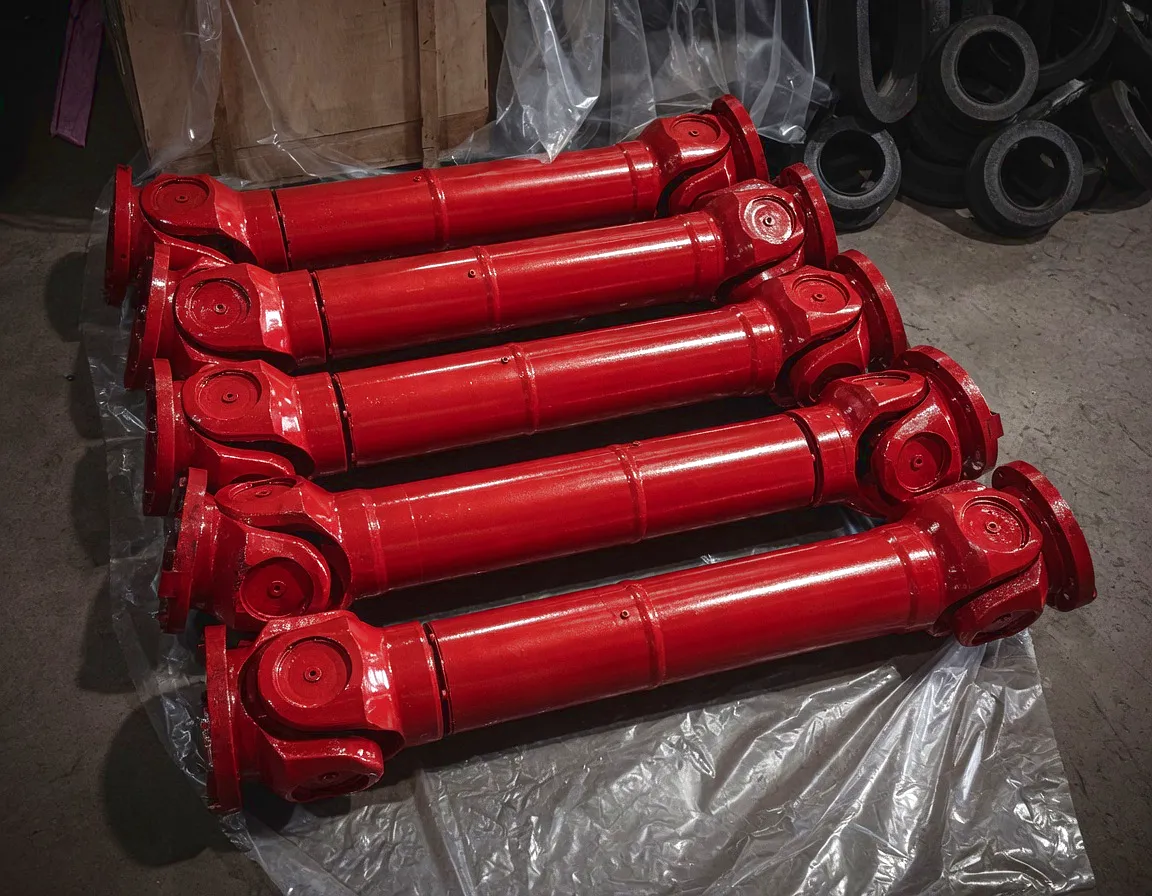
Every cardan coupling produced by Ever Power for the agricultural PTO market passes through a defined manufacturing and inspection sequence before it reaches a UK customer. Raw material traceability begins with mill certificate verification on incoming steel bar, ensuring that the alloy composition — carbon content, chromium, manganese, and silicon percentages — all fall within specification before a single cut is made. Forging operations use closed-die processes that produce a refined grain structure and excellent dimensional repeatability compared to open-die alternatives, particularly important for yoke bore geometry, which determines bearing seating quality and lifetime.
Heat treatment is carried out in controlled-atmosphere furnaces to ensure consistent case depth (typically 0.8–1.4 mm case depth at 58+ HRC surface hardness for trunnion crosses) without the decarburisation that can occur in poorly controlled salt-bath or open-flame processes. After hardening and tempering, all trunnion crosses are 100% crack-detected using magnetic particle inspection — a step that some manufacturers omit on budget lines but which is non-negotiable for components intended for agricultural shock-load service. Final assembly involves pressing bearing cups to controlled interference fit, packing with lithium-complex or molybdenum-disulphide grease rated for both high-load and wide-temperature-range service, fitting multi-lip seals, and torque-checking all fasteners to documented values.
Application Scenarios Across UK Agriculture & Contracting
The rotary tiller PTO driveline is the primary application, but the same cardan coupling engineering principles extend across the full range of PTO-driven tillage and horticultural equipment in regular use across England, Scotland, Wales, and Northern Ireland.
Factory Capability & Custom Configuration Service
Ever Power’s manufacturing facility specialises in OEM and aftermarket cardan coupling supply for the global agricultural equipment industry, with an established export track record to the UK, Ireland, France, Germany, the Netherlands, and beyond. The factory occupies over 28,000 square metres of production space, housing dedicated forging, machining, heat treatment, and assembly lines for PTO drive shaft components. Critically for UK buyers sourcing either direct or through UK distributors, the factory operates to ISO 9001 quality management standards and all agricultural PTO products carry CE marking in accordance with the Machinery Directive.
The custom configuration service is one of the strongest differentiators Ever Power offers UK agricultural OEMs, tiller manufacturers, and specialist machinery dealers. The engineering team can modify virtually every dimension and feature of a standard catalogue shaft to meet specific application requirements. Shaft extended lengths for non-standard hitch-to-gearbox distances, non-standard yoke bore diameters and keyway specifications, custom spline profiles matching existing tractor or implement standards, modified telescoping travel to accommodate unusual three-point linkage geometries, non-standard guard colours for brand identity, branded end-cap labels, and specific overload clutch torque settings can all be incorporated into a production run. Minimum order quantities for custom configurations start at 50 units for standard variations and can be negotiated lower for high-complexity OEM-specific designs.
Customer Success: Real-World Outcomes from UK Agriculture
The following cases illustrate how UK agricultural operators and equipment manufacturers have resolved chronic driveline problems by switching to correctly specified Ever Power cardan couplings.
A mid-sized arable contractor operating seven tractors and three rotary tillers across the Yorkshire Wolds was experiencing two to three PTO shaft failures per tillage season — predominantly cross bearing seizure and yoke cracking induced by the exceptionally stony chalk brash soils of the region. After switching to Ever Power Series H shafts with friction limiter overload clutches, the contractor completed a full two-season comparison: zero cross bearing failures, one friction plate replacement (correctly functioning as designed following a severe stone strike), and an estimated saving of £4,200 in unplanned downtime and parts costs over the two seasons. The workshop manager specifically cited the field-greasing capability via accessible nipples as a practical advantage over the sealed-for-life design of the previous supplier’s product.
A Scottish manufacturer of compact horticultural tillers for the market garden and smallholder sector needed a PTO shaft that was 40 mm shorter than any standard catalogue item, with a specific 1-3/8″ 6-spline input profile but a non-standard 35 mm round bore on the implement side to match their proprietary gearbox input flange. Ever Power’s engineering team provided a dimensioned quotation within 48 hours of receiving the drawing pack, produced first-article samples within 18 days, and commenced series supply at 120 units per month within six weeks. The cost per shaft came in 22% below the OEM’s previous European supplier — a saving that improved the competitiveness of the finished tiller against imported product.
A 480-hectare mixed farm on the Welsh Marches had been purchasing budget PTO shafts for their two rotary tillers from a local merchant, replacing them on average every 14 months. The farm manager described the pattern: cross bearings would seize, creating vibration that progressively damaged the tiller gearbox input bearing — which then required a £1,800 workshop repair. On the recommendation of an independent machinery consultant, the farm trialled Ever Power Series M shafts on both tillers. At the 24-month mark, both shafts remained fully serviceable, requiring only scheduled greasing. The farm manager estimated the avoided cost at over £5,500 including the foregone gearbox repair and downtime losses during the critical spring tillage period.
“We run four rotary tillers on heavy clay in the Fens. The Ever Power shafts have been running for nearly three years now and we have not had a single cross bearing problem. The quality difference over what we were using before is obvious just from handling them.”
“As a dealer stocking parts for multiple tiller brands, we needed a reliable source for aftermarket PTO crosses and full shaft assemblies. Ever Power’s engineering support helped us identify the right specification for each machine, and lead times have been consistent.”
“The custom shaft programme for our compact tiller range was handled efficiently. The engineering team understood our application immediately, the samples were dimensionally correct first time, and the pricing made it commercially viable to specify a proper shaft rather than cutting corners on this critical component.”
How to Select the Right Cardan Coupling for Your Rotary Tiller — A Practical UK Buyer’s Guide
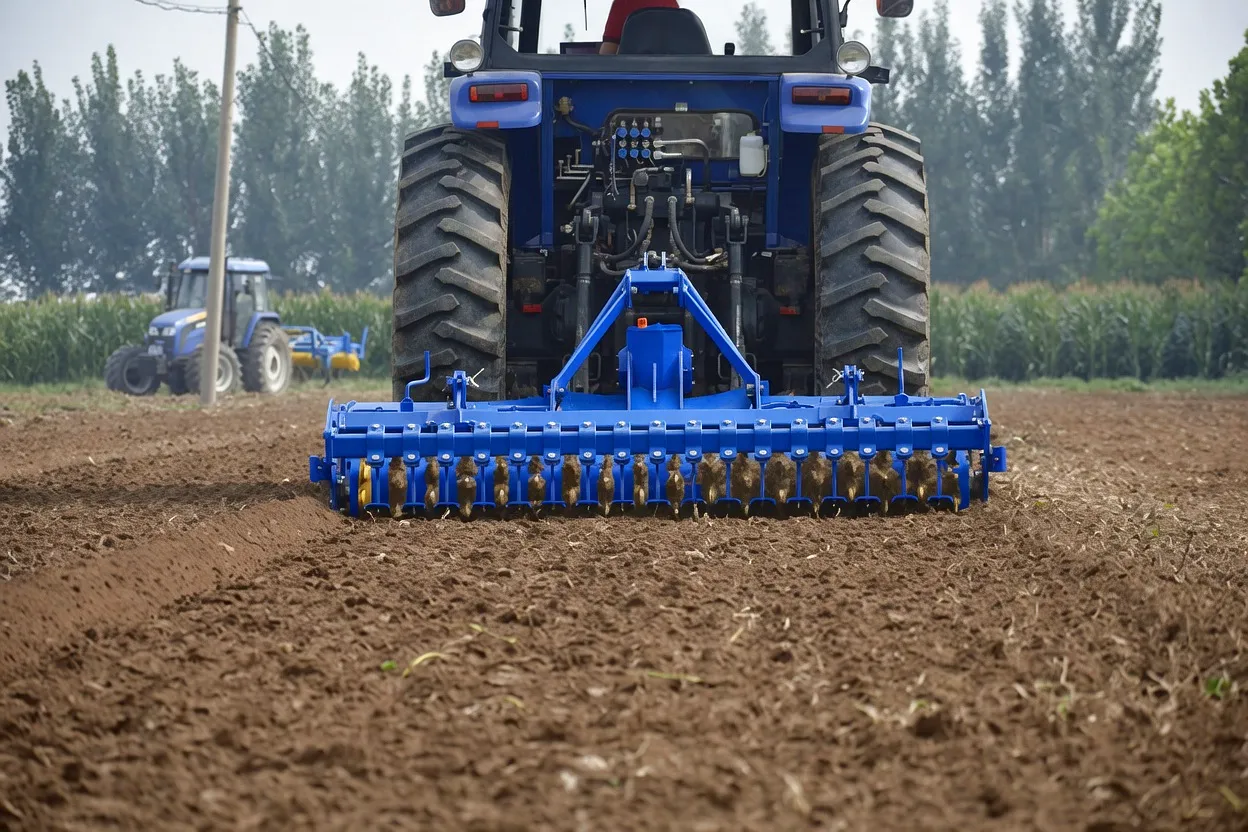
Correct specification starts with knowing your tractor’s PTO output rating and your tiller’s required input torque. The tractor nameplate or operator manual will give PTO horsepower at rated engine speed; converting to torque (Nm) at 540 RPM requires multiplying kW by 17.64 (since Torque = Power / Angular Velocity, where Angular Velocity at 540 RPM = 56.5 rad/s). However, for rotary tiller applications, the nominal torque is rarely the governing design criterion. The shock factor — the ratio of peak torque to nominal torque — for rotary tillers working in average UK soils typically lies between 3.5 and 5.0. Selecting a acoplamiento cardán whose nominal torque rating exceeds three times the calculated average torque is a practical starting rule for medium-ground conditions; for particularly stony or clay-dominant UK soils, a factor of four to five times nominal average provides the reliability margin that protects both the coupling and the downstream gearbox.
Beyond torque rating, shaft length selection requires careful measurement between the tractor PTO stub face and the tiller gearbox input flange face in the working position. The chosen cardan coupling must telescope sufficiently to accommodate both the shortest (fully raised, transport position) and the longest (maximum working depth, side slope) distances without either binding at full compression or separating at full extension. A 50 mm safety margin at each end of the telescoping travel is a practical minimum; for tillers with wide depth adjustment ranges or for use on UK farms with significant slope, 80–100 mm margin at each extreme is preferred.
Installation, Maintenance & Inspection: Maximising Cardan Coupling Life on UK Farms
Even the best cardan coupling will fail prematurely if installed incorrectly or maintained infrequently. The most common installation error on UK farms is fitting a shaft that is too short in the compressed position — causing the splined tubes to separate under load when the linkage is raised, or causing the shaft to bottom out internally during tight turning. Both scenarios are destructive. The second most common problem is ignoring the lubrication schedule: most agricultural PTO shaft manufacturers recommend greasing trunnion crosses and telescoping splines every eight to ten working hours under normal conditions, and every four to five hours in very wet, muddy UK autumn tillage conditions where the seals are working hard against constant contamination pressure.
Inspection before each season should check that the guard cone rotates freely on its bearing, that all grease nipples are accessible and functional, that the shield cone is not cracked or split (a critical HSE compliance point for PTO safety on UK farms), that the yoke locking pins or collars engage positively with the tractor and implement stubs, and that there is no perceptible axial or radial play in the universal joint bearings beyond the tiny amount inherent in a new cross kit. Any cross bearing that shows discolouration (blue-black heat tinting), scoring, or pitting should be replaced immediately — running a damaged cross to failure risks secondary damage to the yoke bores and the tiller gearbox input shaft that turns a £40 cross kit into a £400 repair.
Sourcing a Reliable Cardan Coupling Supplier for UK Agricultural Operations
UK agricultural machinery buyers and farm managers sourcing cardan couplings or PTO drive shafts face a fragmented market. Local agricultural merchants often stock a limited range of one or two catalogue brands; online marketplaces offer a bewildering choice of products at price points from suspiciously cheap to surprisingly expensive, with minimal technical support. The real cost of a cardan coupling failure — measured in lost working days during a compressed tillage window, emergency workshop costs, and potential consequential damage to the tractor PTO or tiller gearbox — invariably dwarfs the price difference between an adequate product and an excellent one.
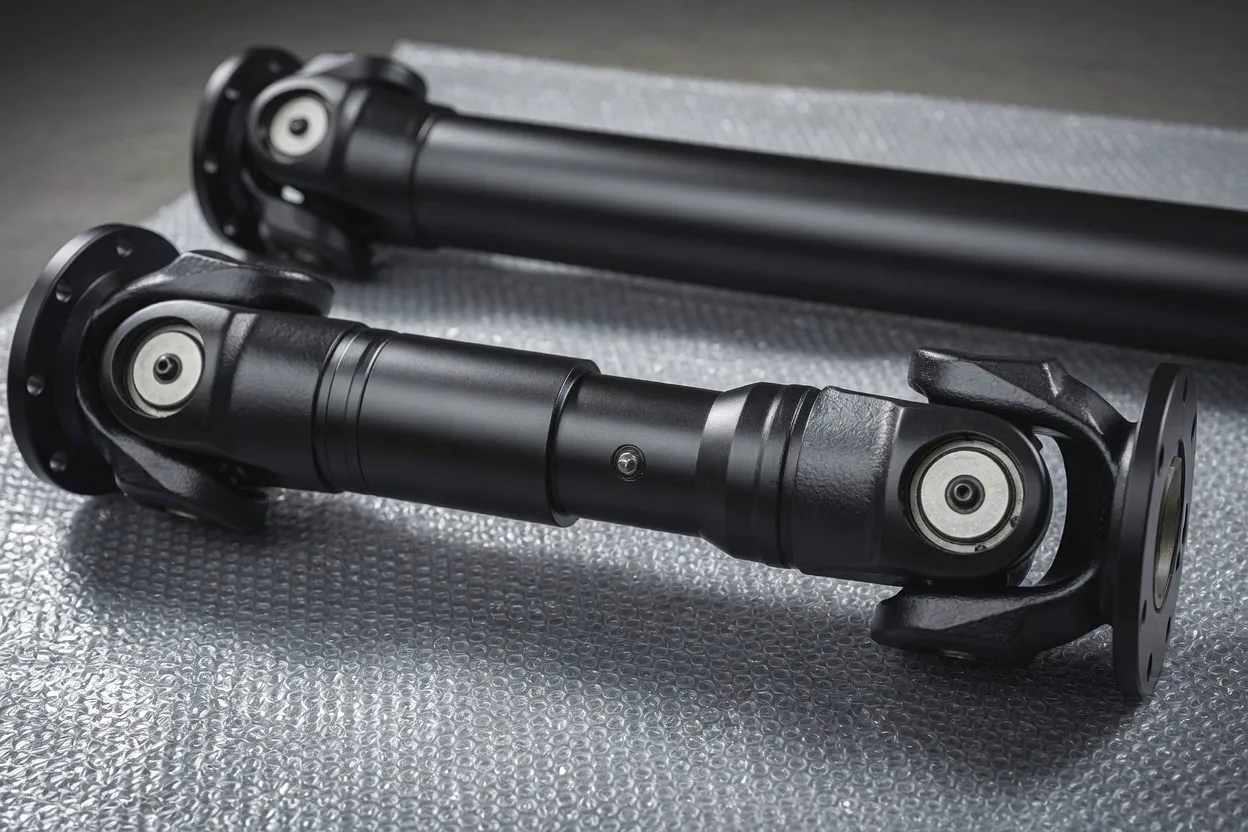
UK buyers sourcing directly from Ever Power benefit from factory-direct pricing without sacrificing technical support. The sales engineering team can review implement specifications, recommend the appropriate series and configuration, advise on overload clutch type and setting for local soil conditions, and provide dimensional drawings for workshop reference before an order is placed. For UK agricultural OEMs and tiller manufacturers needing a CE-compliant PTO shaft supply partner who can support production volumes from 50 to 5,000+ units per year, Ever Power offers a structured OEM supply programme including first-article inspection reports, ongoing batch quality documentation, and the flexibility to modify designs as implement ranges evolve.
UK agricultural dealers and farm machinery repair workshops can also benefit from an aftermarket parts relationship, stocking cross kits, bearing cups, seal sets, and telescoping tubes that are compatible with the major European tiller brands commonly found on British farms — Rota-Cut, Vigolo, Maschio, Kuhn, and others. Having compatible cardan coupling service parts in stock is a genuine workshop competitive advantage during the spring and autumn tillage seasons when farmer demand for rapid repair support is at its peak.
Frequently Asked Questions — Cardan Coupling for Rotary Tiller PTO Drive Shaft
Common questions from UK farm managers, agricultural dealers, and machinery engineers sourcing PTO driveline components for rotary tiller applications.