Custom Engineering · Fast Delivery · UK-Ready Documentation
Need a Cardan Coupling? Get a Competitive Quote from Ever Power
Standard catalogue or fully bespoke — our engineers respond within 48 hours with technical proposals and pricing.
⚙ Technical Foundation
How a Cardan Coupling Works: The Engineering Principle
The operating principle of a cardan coupling is rooted in simple but ingenious geometry. Two shaft yokes — each rigidly attached to its respective shaft — are connected by a central cross-shaped component known as the trunnion, spider, or cross piece. Each arm of the cross sits inside a bearing cup housed in the yoke, allowing that yoke to pivot freely around the cross’s axis. Because the two yokes pivot around axes that are perpendicular to each other, the overall assembly can transmit continuous rotational motion between two shafts that meet at an angle. In a single-joint cardan coupling, this angular transmission comes with a mathematically predictable side effect: the output shaft does not rotate at a perfectly constant angular velocity relative to the input shaft. When the operating angle is greater than zero, the output shaft speeds up and slows down twice per revolution — a cyclic variation engineers refer to as “velocity irregularity” or, in the German engineering tradition where much of the theoretical work was formalised, as “Kardanfehler” (cardan error). The magnitude of this variation increases with the joint angle and becomes significant above approximately 3° in speed-sensitive applications.
The practical engineering response to velocity irregularity is the double-joint cardan shaft — an arrangement where two single universal joints are connected by an intermediate shaft (sometimes called the stub shaft or telescoping tube), with both joint angles equal and the two input yokes set in the same plane. When correctly phased in this way, the velocity error introduced by the first joint is exactly cancelled by the equal and opposite error introduced by the second, producing a true constant-velocity (CV) output regardless of operating angle. This double-joint configuration is what most people encounter in automotive propeller shafts and heavy industrial cardan shafts, and understanding it is fundamental to specifying the right product for any precision drive application.
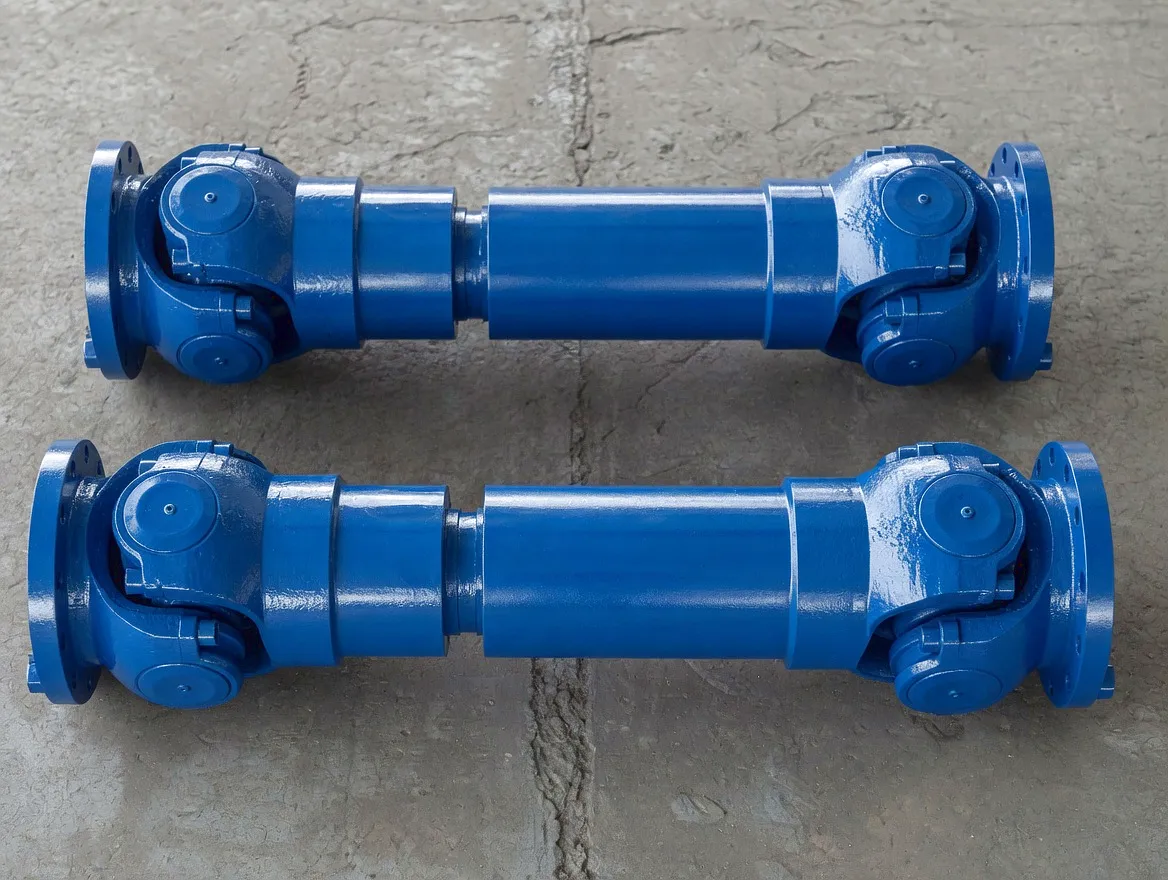
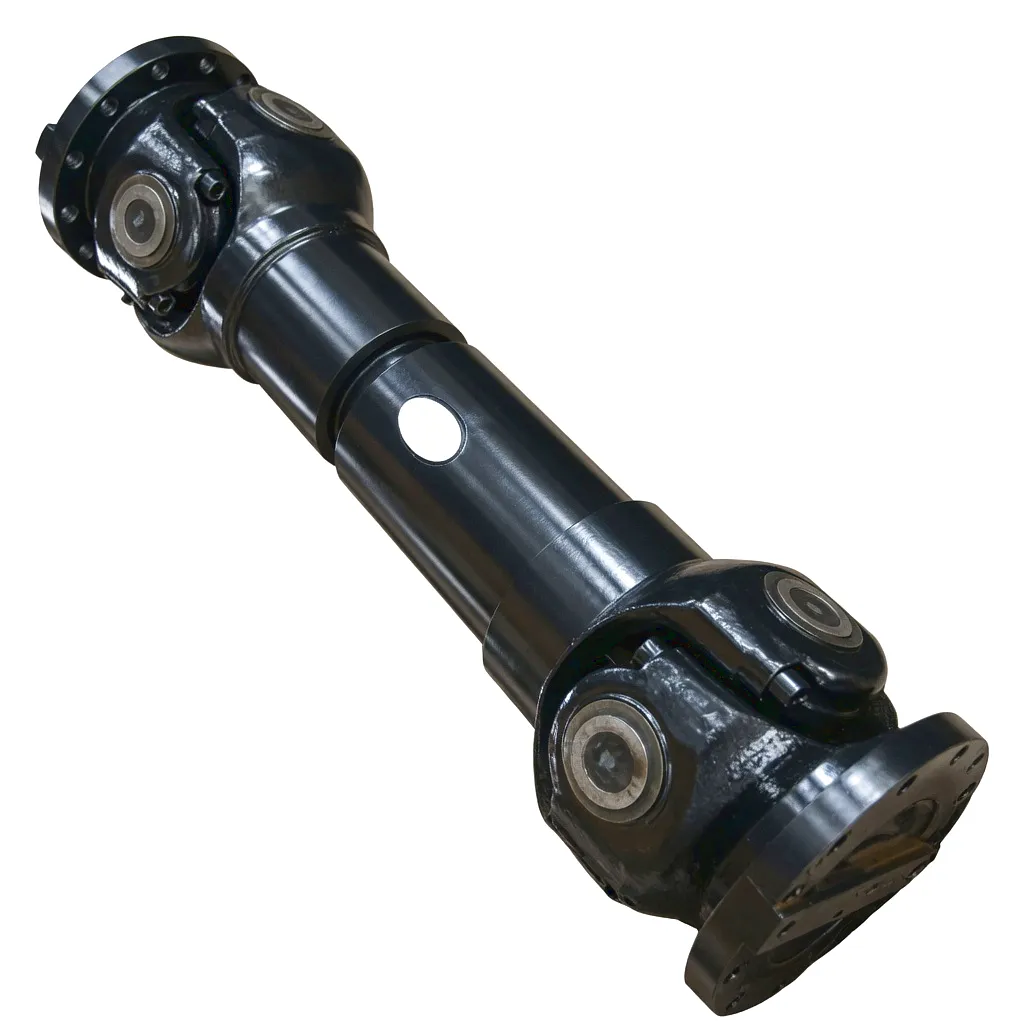
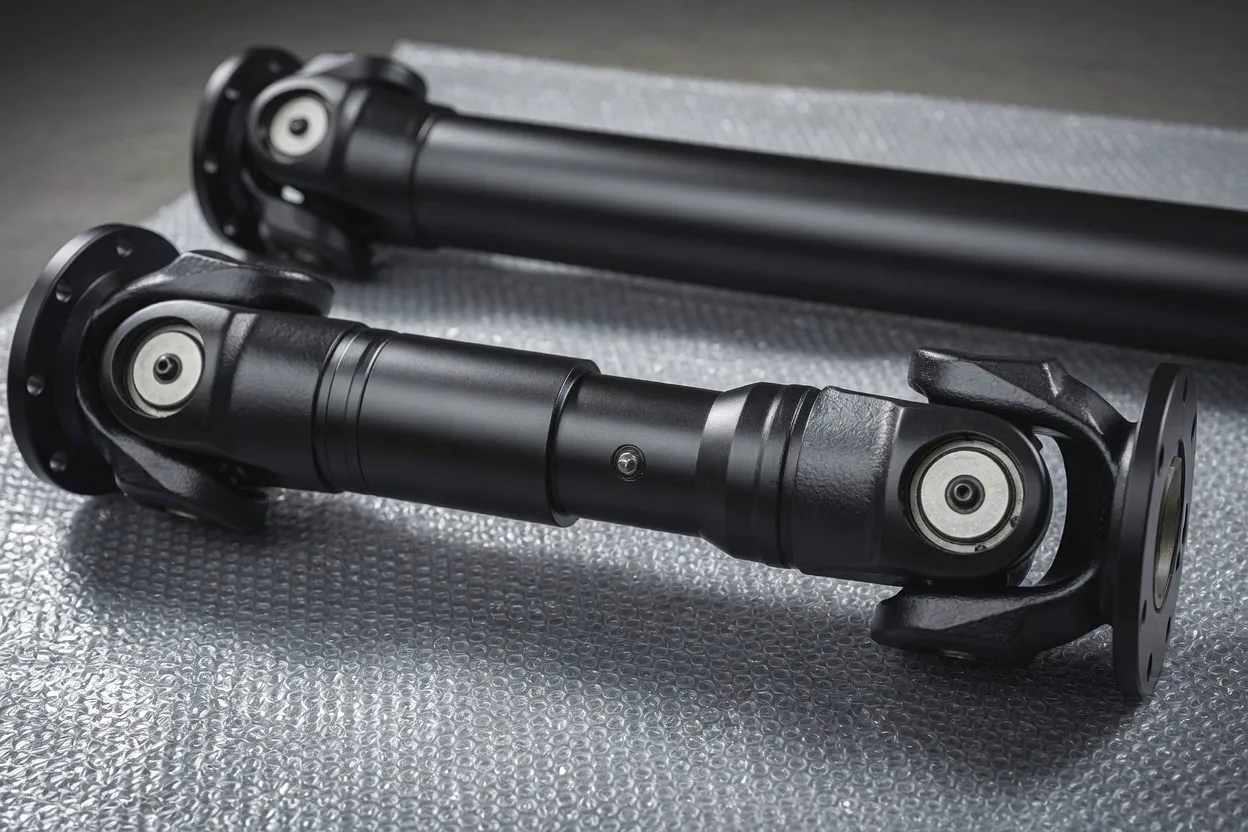
Cross-trunnion assembly — the mechanical heart of every universal joint
Single-Joint Operation
Transmits torque at an angle via the cross-trunnion pivot. Output velocity oscillates cyclically — acceptable for most low-to-medium speed industrial drives where smooth velocity output is not critical.
Double-Joint (CV) Configuration
Two joints with equal angles and aligned yoke planes cancel velocity errors completely. Produces constant angular velocity output — essential for precision machining, automotive drivelines, and high-speed rotating machinery.
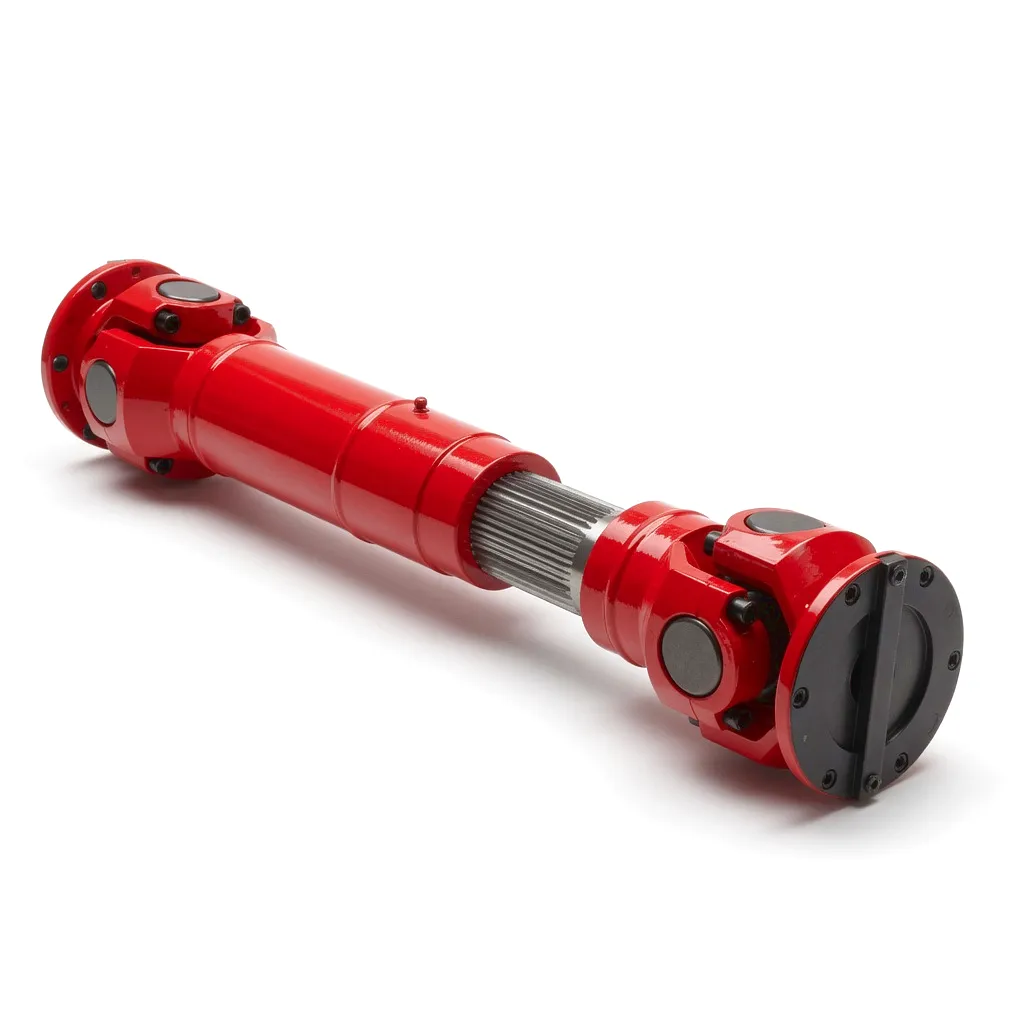
Sliding Spline Extension
Most industrial cardan shafts incorporate a telescoping splined tube between the joints, accommodating axial displacement from thermal expansion or machinery positional shift without imposing destructive thrust loads on connected equipment.
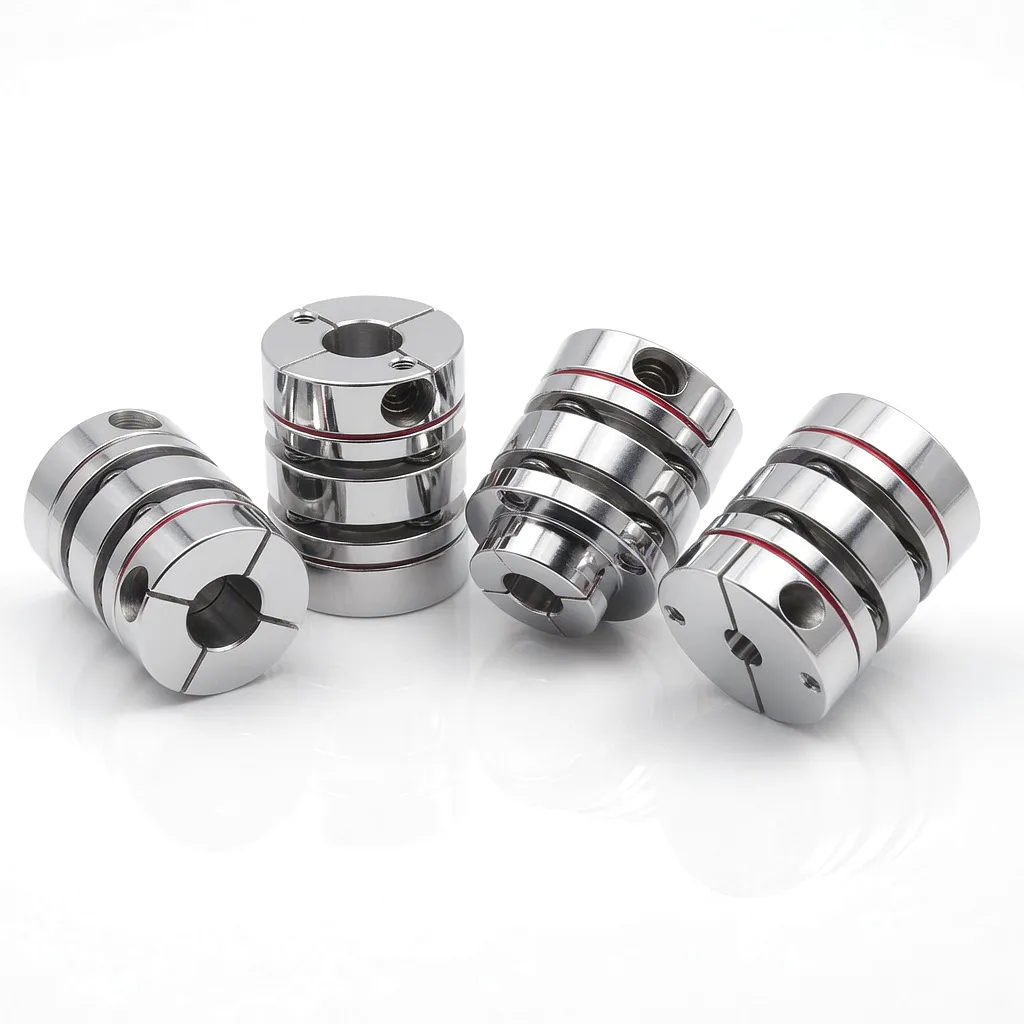
Precision alloy steel disc coupling — material grade determines service life
📋 Materials Science
Core Materials Used in Cardan Coupling Manufacture
Material selection in cardan coupling manufacture is not a secondary consideration — it is the primary determinant of service life, torque capacity, and suitability for specific operating environments. The cross-trunnion journals experience some of the highest combined stress states in any coupling component: simultaneous torsion, bending, and cyclic Hertzian contact pressure at the bearing seats, all varying in magnitude and direction with every revolution. Getting the material specification right means the coupling runs for years in demanding environments; getting it wrong means bearing failure, fatigue cracking, or sudden fracture under shock load. UK plant engineers — particularly those responsible for maintenance and reliability in sectors such as steel rolling, automotive body pressing, and mining — know from hard experience that material quality is the single most reliable predictor of whether a replacement cardan coupling will perform as well as the original OEM part or fall short within its first maintenance interval.
Alloy Steel (40Cr / 42CrMo4)
The standard for yokes, flanges, and intermediate tube bodies. Post-heat-treatment tensile strength of 900–1,100 MPa, excellent fatigue resistance and machinability. 42CrMo4 forged yokes are the norm in heavy industrial cardan shaft manufacture.
Case-Hardened Steel (20CrNiMo)
Carburised to achieve a case hardness of 58–62 HRC at journal surfaces while retaining a tough, ductile core. This gradient profile resists both rolling contact fatigue at the bearing seats and bending fatigue at the trunnion root — the two most common cross failure modes.
Stainless Steel (316L / 304)
Specified for marine propulsion, offshore platforms, food processing, and coastal UK installations where salt spray or wash-down water would rapidly corrode standard carbon steel. 316L provides enhanced pitting resistance in chloride-rich environments.
Aluminium Alloy & Ductile Iron
Aluminium alloy yokes and tubes suit precision instrument drives and servo applications where minimising rotational inertia is critical. Ductile iron offers a cost-efficient strength-to-weight ratio for medium-torque couplings where mass and machinability both matter.
⚡ Performance Edge
Why Engineers Choose Cardan Couplings
Six technical advantages that set the cardan coupling apart from alternative drive connection solutions in demanding industrial environments.
Large Angular Misalignment Tolerance
Single-joint designs handle up to 25° of angular offset; double-joint cardan configurations accommodate 45° or more in specific heavy industrial layouts. No flexible element coupling type approaches this angular range while maintaining full torque transmission — making the cardan coupling the only viable solution in many articulated and mobile machine drive applications.
Exceptional Torque Range
The all-metal, direct mechanical torque path of a cardan coupling scales across an enormous range — from light servo drives handling 50 Nm to rolling mill main drive cardan shafts transmitting torques exceeding 2,000,000 Nm. No elastomeric element to fatigue, no friction disc to slip. The coupling transmits whatever the drive generates, limited only by the strength of its steel components and the quality of its design.
Axial Displacement Accommodation
Integrated sliding spline profiles in cardan shaft designs absorb axial movements caused by thermal expansion, gearbox float, or structural deflection without imposing thrust loads on connected bearings. In steel rolling line main drives — a context where thermal elongation of mill housings is an unavoidable operational reality — this characteristic is not a convenience feature; it is a functional requirement.
Field-Serviceable Construction
Cross-trunnion kits and bearing cup assemblies are standard replacement items, enabling planned maintenance without removing or scrapping the entire cardan shaft assembly. For UK plants operating scheduled maintenance programmes, the ability to replace only worn bearing components during a planned shutdown — rather than procuring a complete new coupling on breakdown — represents meaningful lifecycle cost reduction and reduced spare parts holding.
Wide Speed Range Capability
With precision dynamic balancing to ISO 1940 G2.5 or better, cardan couplings run reliably across a speed range from below 10 rpm (heavy low-speed conveyor or mill drives) to above 8,000 rpm in precision light-duty applications. Few other coupling types span this range with equal competence, making the cardan coupling genuinely versatile across the full breadth of UK manufacturing and processing industry drive systems.
Customisation to Any Application
Cardan couplings are among the most customisable transmission components in industrial engineering. Custom flange bolt circles, non-standard bore diameters with metric keyways, integrated shear-pin torque limiters, protective guards for high-temperature environments, application-specific surface treatments — all are standard engineering options. This depth of customisability is why bespoke cardan shaft specifications are the norm rather than the exception in demanding UK industrial procurement.
📊 Specification Data
Cardan Coupling Technical & Performance Parameters
The table below presents indicative performance parameters across four cardan coupling duty grades, from light-duty servo and instrument drives through to the super-heavy rolling mill main drive category. These ranges reflect typical values for standard designs manufactured to DIN 808 and equivalent international standards; actual performance limits vary by series, configuration, and material grade. Where a specific application falls outside these ranges — or requires unusual combinations of angle, torque, and speed — custom engineering is the appropriate route. Ever Power’s team can calculate precise performance envelopes for any application on request.
All values indicative. Application-specific calculations provided on request by Ever Power’s engineering team.
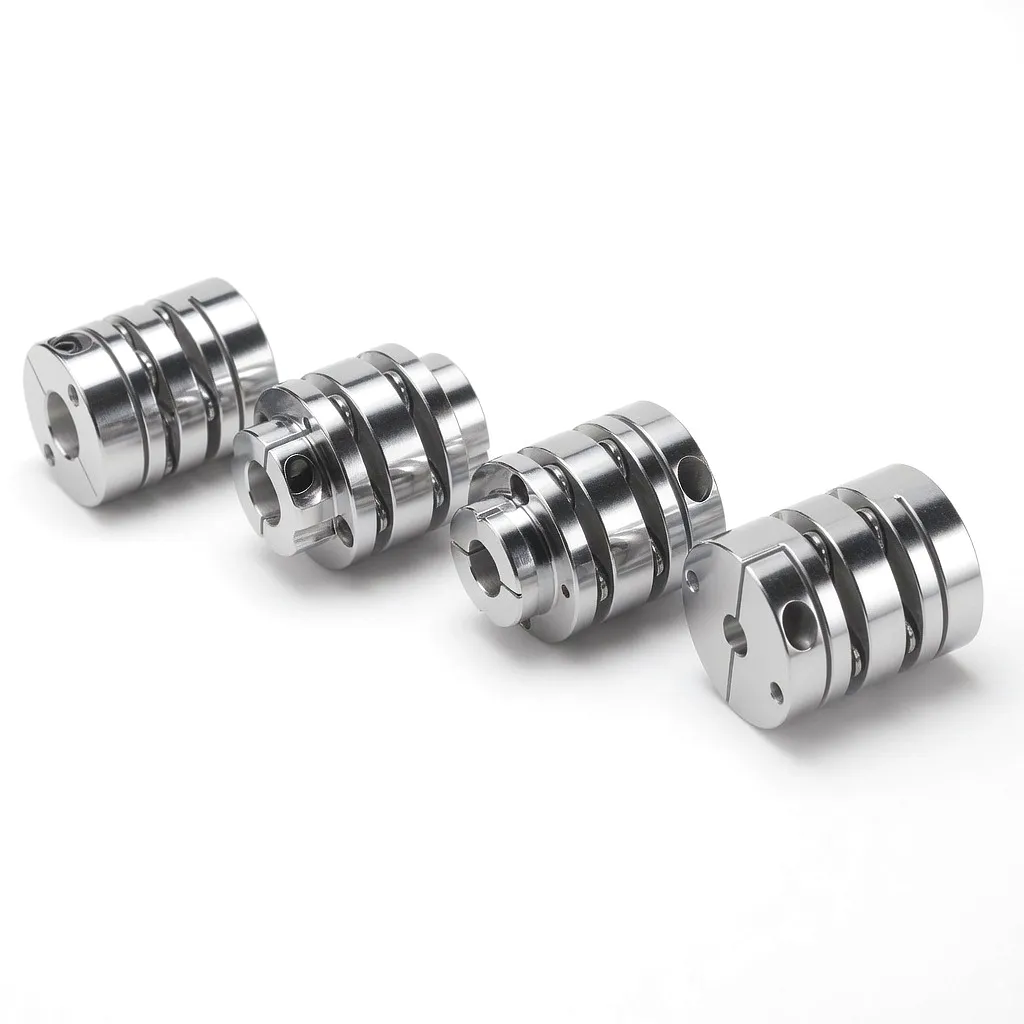
Disc Coupling
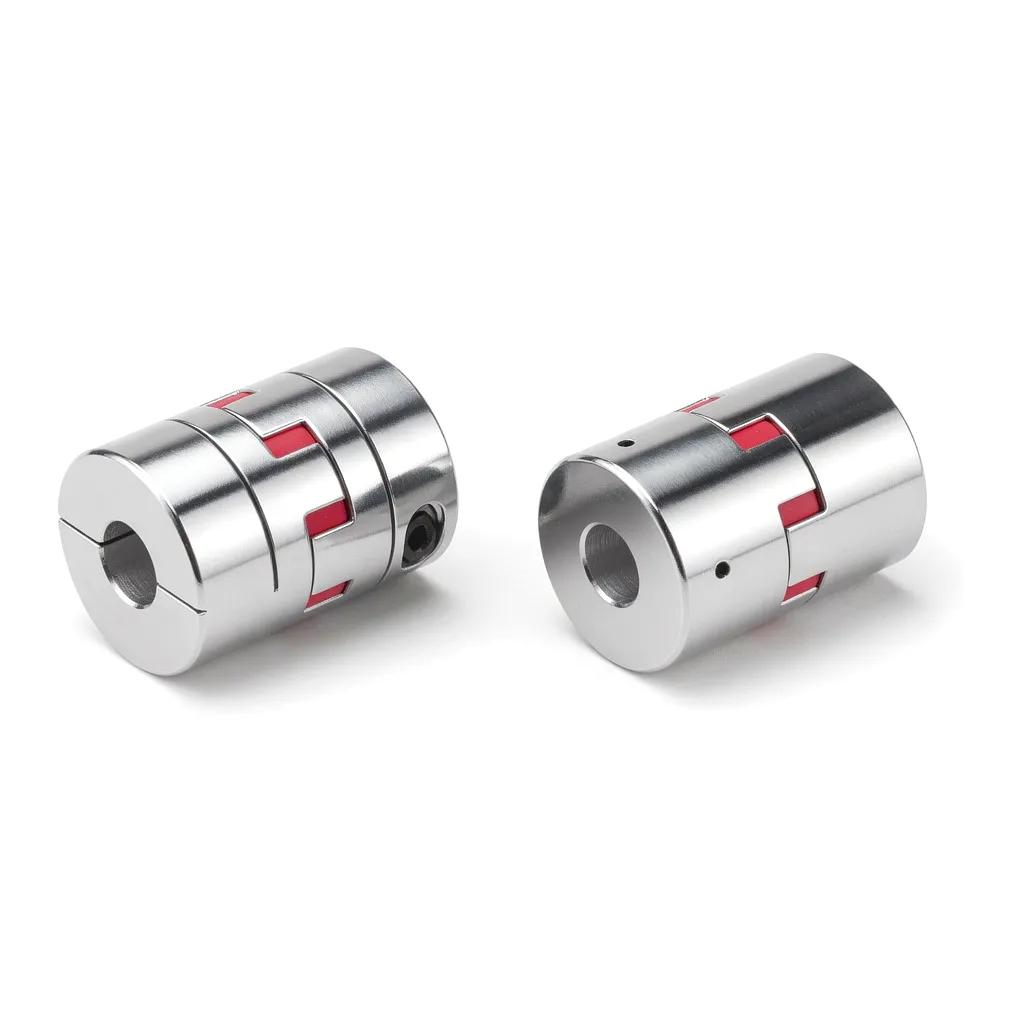
Jaw Flexible Coupling
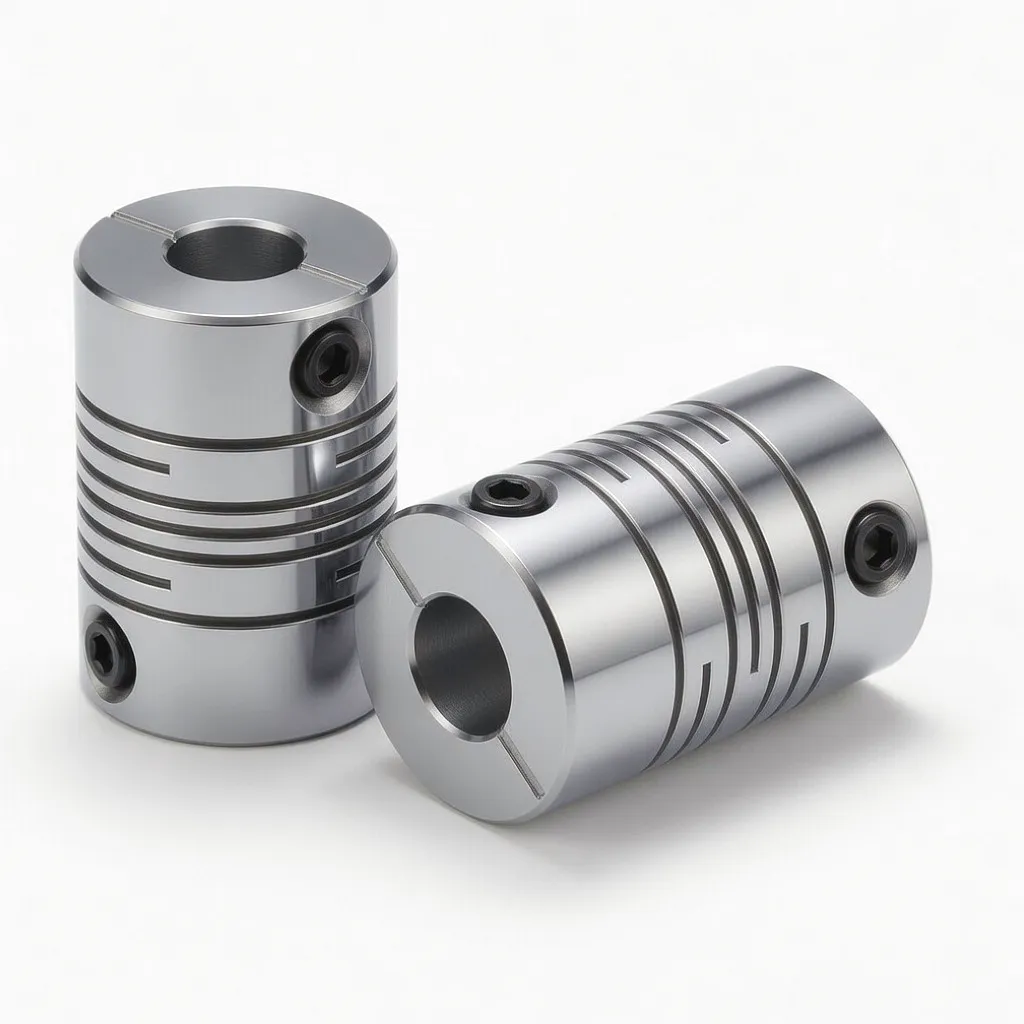
Beam Coupling
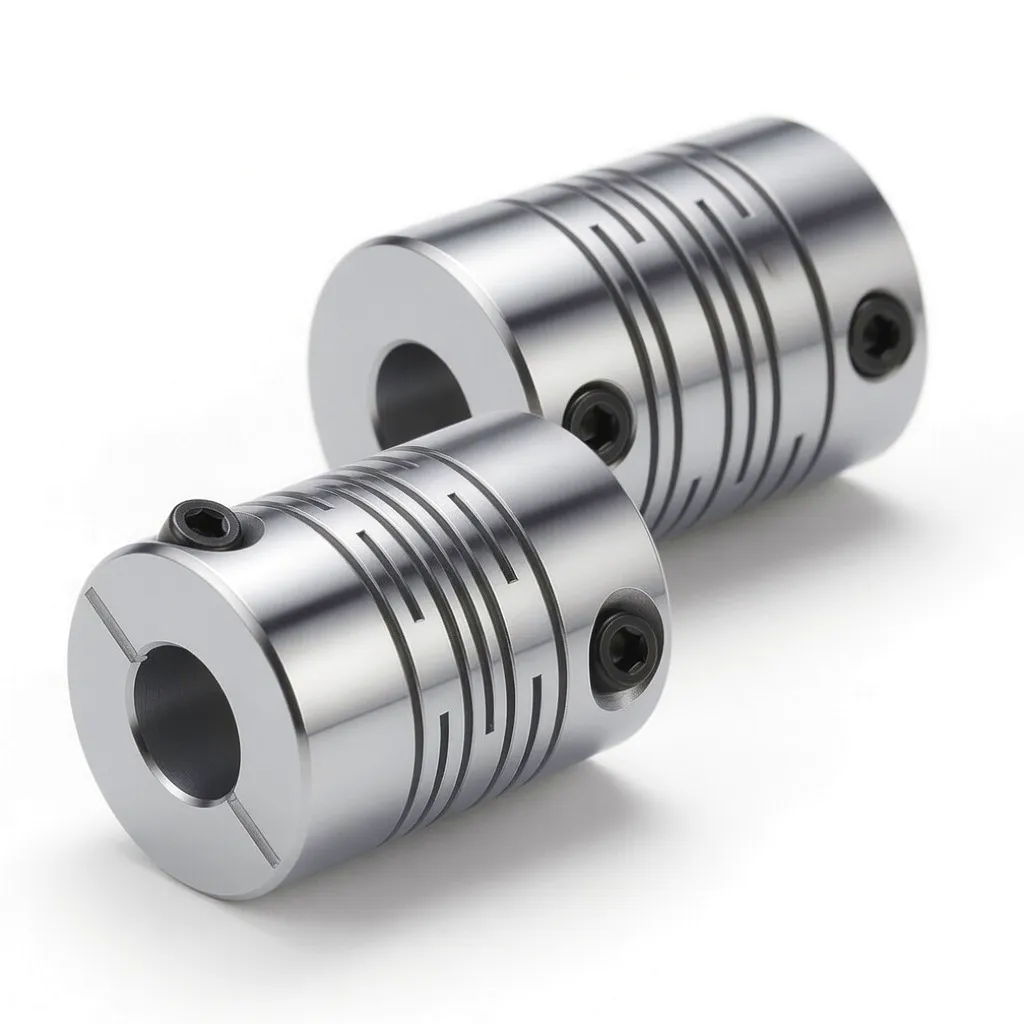
Servo Beam Coupling
🏭 Industry Use Cases
Cardan Coupling Application Scenarios Across UK Industry
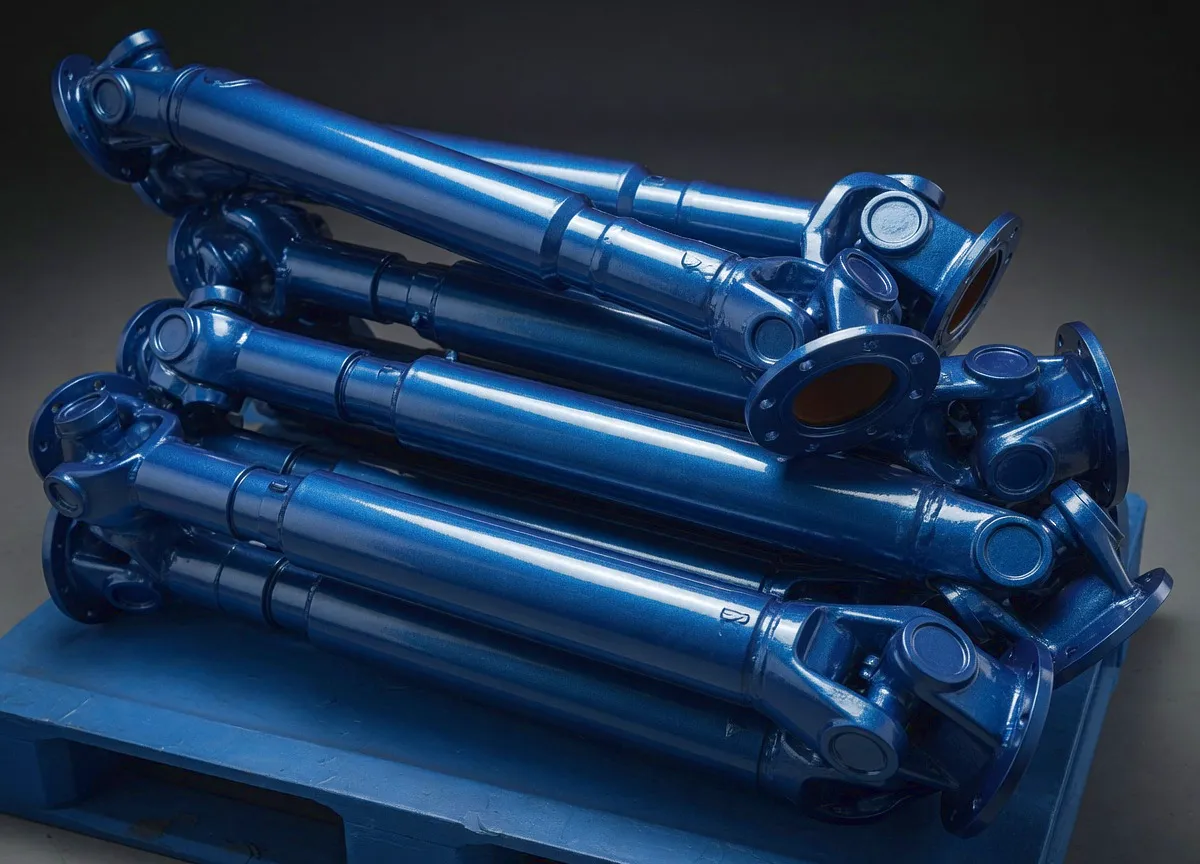
The industrial range of the cardan coupling spans almost every sector where rotating machinery operates under conditions of misalignment, variable torque, or physical displacement. In the United Kingdom, where the manufacturing sector encompasses everything from precision aerospace components in the East Midlands to heavy process plant in Teesside, the cardan coupling’s combination of angular tolerance, torque capacity, and serviceability make it a go-to component across a broad spectrum of drive engineering challenges. The profiles below illustrate the six most significant application contexts, with commentary on the specific technical requirements that make the cardan coupling the right choice in each case.
🏭 Manufacturing Excellence
Ever Power: Precision Cardan Couplings Engineered to Your Specification
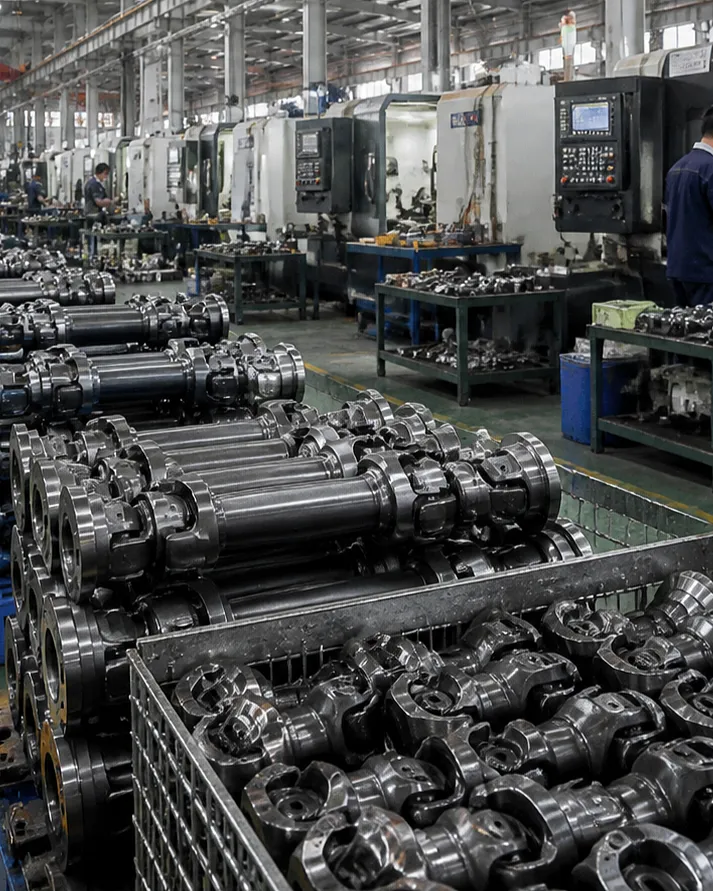
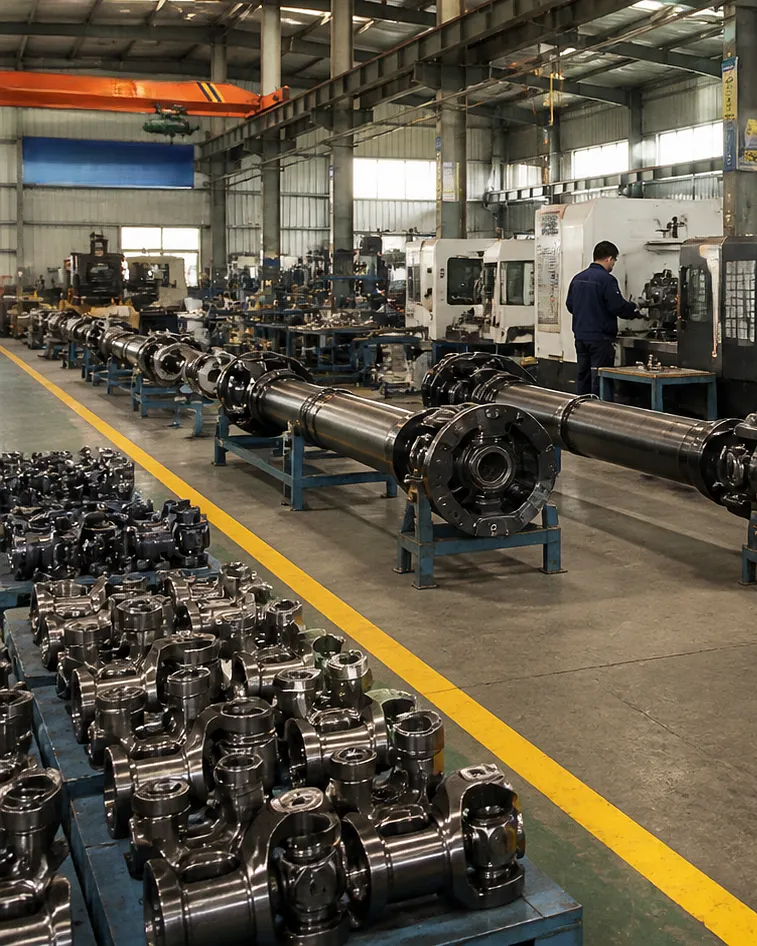
Ever Power has spent years earning a reputation that extends well beyond catalogue supply. The company’s manufacturing operation is built around a single conviction: that every cardan coupling, regardless of whether it is a standard replacement or a fully engineered custom design, must perform precisely as specified for the life of the application it serves. This is not marketing language — it is reflected in the CNC machining centres, five-axis turning facilities, precision hobbing equipment, dynamic balancing rigs, and coordinate measuring machine (CMM) inspection cells that form the backbone of Ever Power’s production infrastructure. Every cross-trunnion journal is ground to tolerance, every yoke bore is verified dimensionally, and every completed cardan shaft assembly is balance-tested and documented before despatch. For UK industrial buyers accustomed to paying premium prices for European-sourced cardan shaft assemblies, Ever Power’s combination of factory-direct pricing, full custom engineering capability, and reliable export logistics represents a genuinely competitive alternative that does not require any compromise on technical standard or quality documentation.
The scope of Ever Power’s customisation service covers the full range of engineering variables: non-standard bore diameters and keyway profiles, custom flange drilling patterns to match existing equipment mounting arrangements, modified shaft-to-shaft distances for constrained installation geometries, integrated shear-pin or friction-disc torque limiters for overload protection, protective guards and enclosures for high-temperature or high-contamination environments, and special surface treatments including Geomet, nickel plating, zinc phosphate, and hard chrome. EN 10204 3.1 material certificates are available as standard on critical application orders, and all export documentation required for UK customs clearance is prepared and supplied with every shipment.
Talk to an Ever Power Engineer About Your Application
Custom designs, expedited manufacturing, and UK-ready logistics — get a detailed proposal within 48 hours.
Full Custom Design
Any torque, angle, bore, or flange specification
CMM Quality Control
100% dimensional verification on critical features
Fast UK Freight
Air and sea freight with full customs documentation
EN 10204 3.1 Certs
Full material traceability on critical applications
Dynamic Balancing
ISO 1940 G2.5 balancing for precision applications
Teesside Chemical Plant Cuts Coupling-Related Downtime by 78%
The Challenge
A major chemical processing facility on Teesside — operating continuous-process plant 24 hours a day, 365 days a year — was experiencing repeated failures of the cardan couplings driving its centrifugal compressor feed pumps. The couplings, originally sourced from a European distributor, were failing at the needle roller bearing assemblies every five to eight months. Each failure triggered an emergency shutdown that averaged 22 hours to recover, with each event carrying direct production loss costs in excess of £30,000 in addition to emergency maintenance and replacement parts expenditure. The root cause investigation identified three compounding factors: the operating shaft misalignment was consistently exceeding the manufacturer’s published angular limit for the specified coupling size; the ambient operating temperature in the pump house was regularly reaching 85°C, degrading the specified grease formulation faster than the lubrication interval assumed; and the selected coupling had insufficient dynamic balance quality for the pump shaft running speed of 2,800 rpm, contributing to vibration that was accelerating bearing cage fatigue.
Ever Power’s Engineering Solution
The Teesside plant’s reliability engineer approached Ever Power with the full failure analysis data and a detailed operating condition specification. Ever Power’s response covered all three failure mechanisms. The new custom cardan coupling was sized one grade larger than the original to provide genuine angular capacity margin above the actual measured misalignment. The bearing assembly was redesigned to use a high-temperature synthetic grease rated to 180°C continuous, with an extended relubrication port arrangement accessible without coupling removal during the plant’s four-hour maintenance window. Dynamic balancing was specified to ISO 1940 G2.5 — two grades tighter than the original coupling. The intermediate tube was manufactured from seamless 42CrMo4 alloy steel with a wall thickness 20% greater than the minimum calculated requirement, providing additional stiffness that reduced dynamic angle fluctuation under pump torque pulsation. All modifications were validated against the application duty before manufacture using Ever Power’s in-house torsional analysis tools.
The Result
The replacement Ever Power cardan couplings were delivered to site with full EN 10204 3.1 material documentation and balance reports. After 22 months of uninterrupted continuous operation — a period covering both summer peak-load and winter ambient temperature extremes — not a single coupling-related shutdown had occurred. The facility’s reliability data showed a 78% reduction in compressor train forced outages across the measured period, with an estimated annual saving of £180,000 against the previous maintenance and production loss baseline. The Teesside plant subsequently standardised on Ever Power cardan couplings across all compressor train drives at the site.
Key Results
⭐ Verified Feedback
What UK Engineers Say About Ever Power Cardan Couplings
“After two other suppliers failed to solve our bearing failure problem, Ever Power’s engineering team actually analysed the application data and designed a solution that addressed the root cause — not just the symptom. The custom coupling has now run for nearly two years without intervention. The material certification documentation was complete and exactly what our quality management system requires.”
Michael T.
Reliability Engineer, Chemical Process Plant — Teesside, North East England
“We procure cardan shafts for rolling mill roll change drives, and the combinations of bore size, flange drilling, and shaft-to-shaft distance we require are rarely catalogue-standard. Ever Power handles our non-standard specifications without hesitation and at pricing that is consistently more competitive than our previous European supplier. Delivery has been on schedule on every order, and the balance reports match what we measure when we check on receipt.”
Rachel W.
Mechanical Procurement Manager, Steel Products Manufacturer — Sheffield, South Yorkshire
“Our offshore workboat refit required stainless steel cardan couplings to a non-standard flange pattern, in a bore size that no European stock supplier held. Ever Power quoted within 24 hours, confirmed material grade and certification availability upfront, and delivered to our Falmouth yard with full documentation inside twelve weeks. The fit and finish were excellent and the coupling aligned on first assembly without shimming adjustments. For marine procurement with corrosion-resistant requirements, Ever Power is now our first call.”
Paul E.
Marine Engineering Superintendent, Offshore Support Vessel Operator — Falmouth, Cornwall
💬 Frequently Asked Questions
Questions UK Engineers Ask About Cardan Couplings
Honest answers to the questions we hear most often from procurement teams and plant engineers across the United Kingdom.
Ready to Source Your Next Cardan Coupling?
Ever Power — precision-manufactured cardan couplings and universal joints for UK industry. Standard or bespoke. Fast logistics. Full documentation. Real engineering support.
edit by gzl