
Cardan Coupling for Straw Returning Machine: The Complete Engineering Guide to High-Impact Torque Transmission
How the right cardan coupling protects your straw returning machine from violent peak torques — and why British agricultural contractors are demanding purpose-engineered driveline solutions.
Overload Protection
Custom Driveline
UK Agricultural
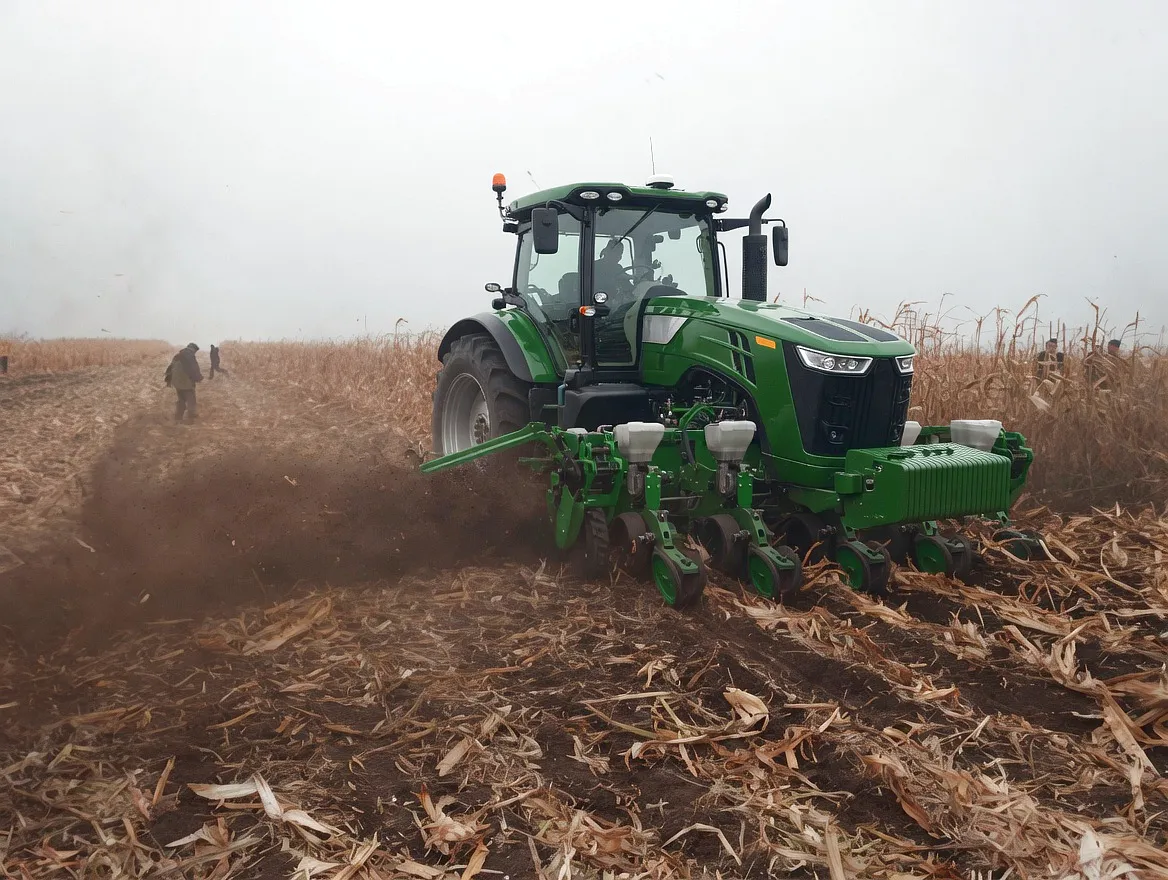 Walk through any arable farm in the English Midlands during autumn harvest, and one machine consistently draws attention — and concern — among experienced operators: the straw returning machine, or straw chopper-mulcher. These workhorses attack cereal crop residues at high rotational speeds, slashing, chopping and incorporating straw back into the soil. The mechanical violence involved is exceptional. Blades strike dense root-tangled straw mats at impact loads that can exceed ten times the steady-state running torque in a single revolution. That figure alone tells you why the cardan coupling fitted to this class of machine is no routine component — it is the single most critical link in the entire driveline.
For agricultural engineers, procurement teams and farm machinery dealers across the United Kingdom — from Lincolnshire arable estates to Scottish grain operations — selecting the right cardan coupling for a straw returning machine directly determines operating costs, downtime risk and ultimately profitability. This guide draws on over 18 years of applied coupling engineering experience to explain precisely what design features matter, how torque limiters integrate with universal joint assemblies, what material standards to specify, and where to source a coupling supplier capable of delivering bespoke configurations for your machine’s exact driveline geometry.
Why Straw Returning Machines Destroy Ordinary Couplings
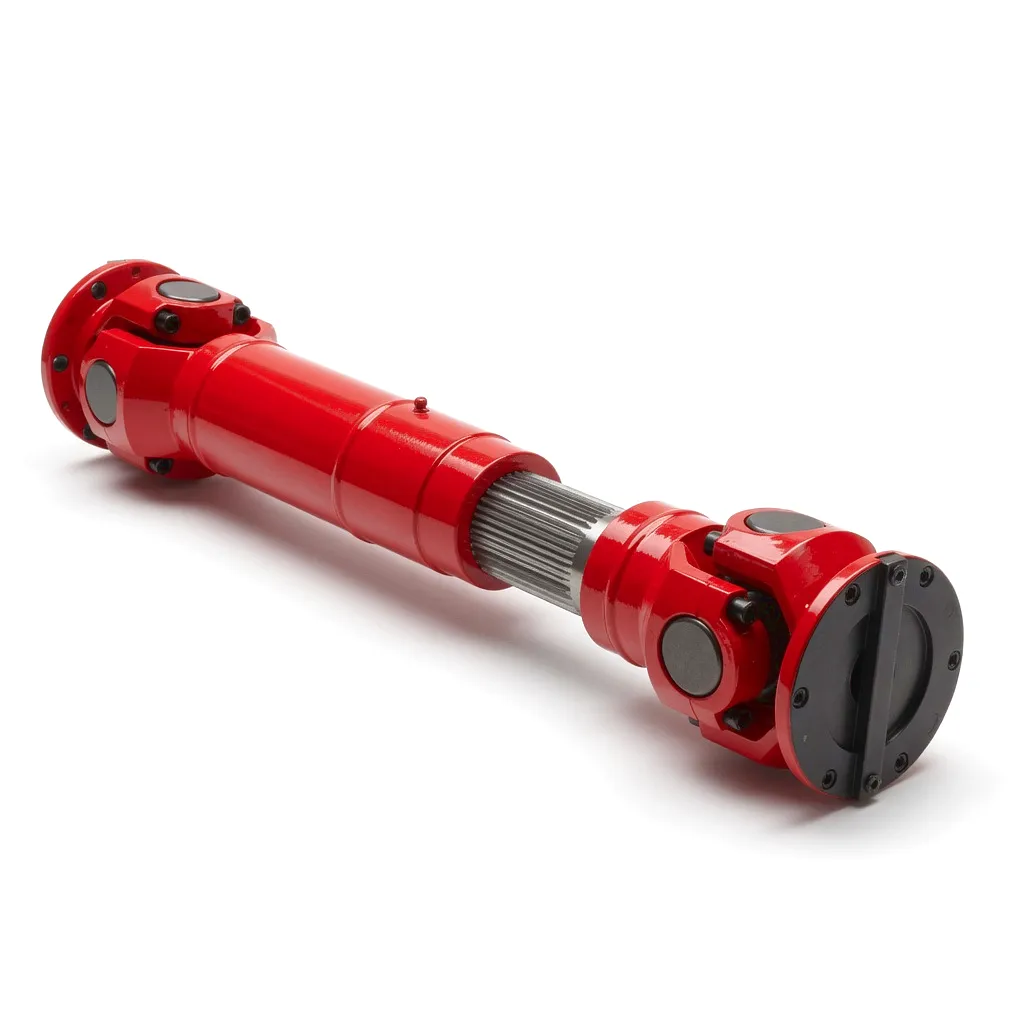
The operating environment inside a straw returning machine’s driveline is arguably one of the most severe in all of agricultural engineering. Unlike a rotary tedder or a grass mower where loads are broadly predictable, a straw returning machine encounters massive, random, instantaneous resistance events every time a chopping blade strikes a compacted straw heap, a stone buried in crop residue, or a dense root cluster. The technical descriptor for this is shock or impact torque, and its management is the defining engineering challenge of the entire machine.
Standard agricultural PTO shafts rated at category 6 or 8 provide the basic universal joint framework, but without an integrated overload protection mechanism, every shock load passes directly through the shaft, the gearbox input, and back into the tractor’s PTO. The consequences are progressive but ultimately catastrophic: spline wear accelerates dramatically, yoke welds crack, cross journals develop fretting fatigue, and eventually a catastrophic fracture occurs — often at an unpredictable moment during peak-load harvesting operations. Replacement downtime during the brief autumn incorporation window can cost a farm business thousands of pounds, making the upfront investment in a properly specified cardan coupling with torque limiting function not a luxury but an economic imperative.
The physics are unambiguous. Kinetic energy stored in a heavy rotating chopping rotor — often weighing 120 kg or more and spinning at 1,200 rpm — can generate instantaneous torque spikes of 3,000 Nm or beyond. Without a cardan coupling engineered specifically for this scenario, that energy has nowhere to go except through the weakest structural link in the drivetrain.
How a Cardan Coupling Works — and Why It Suits Straw Incorporation
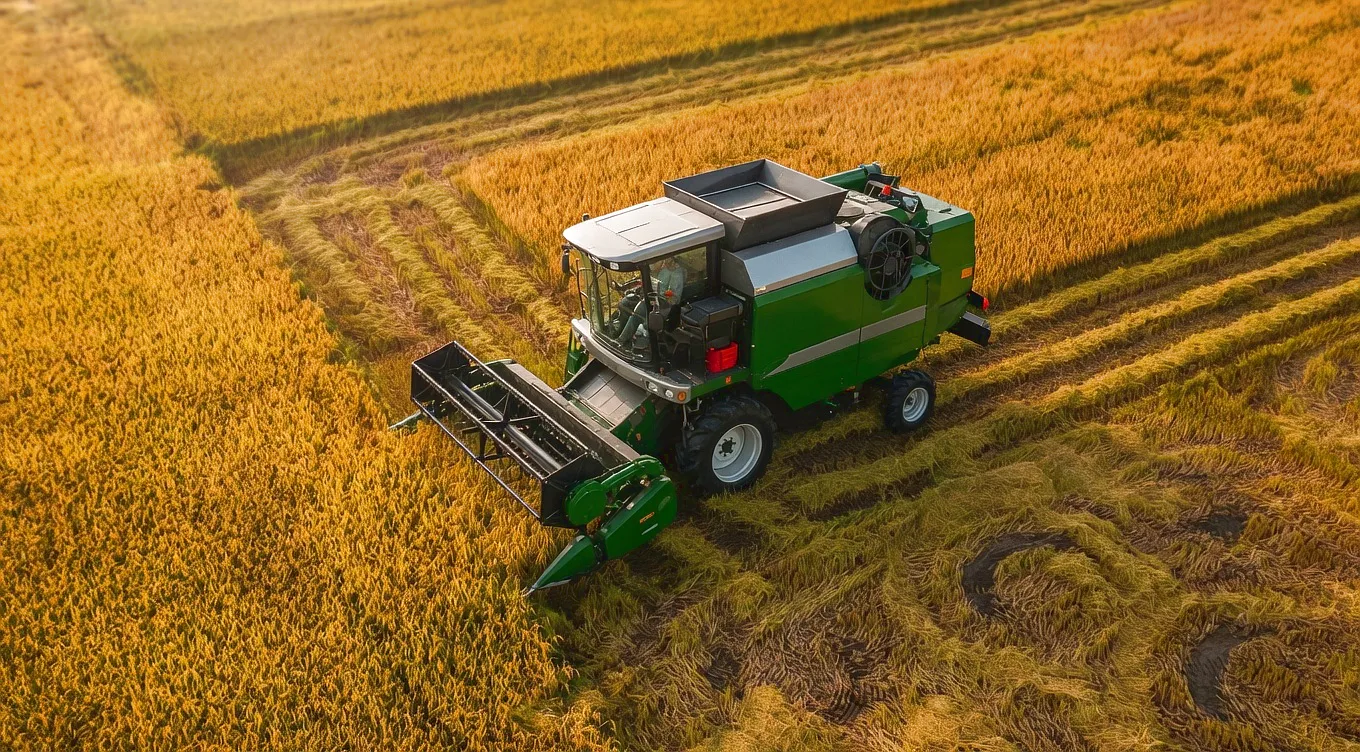
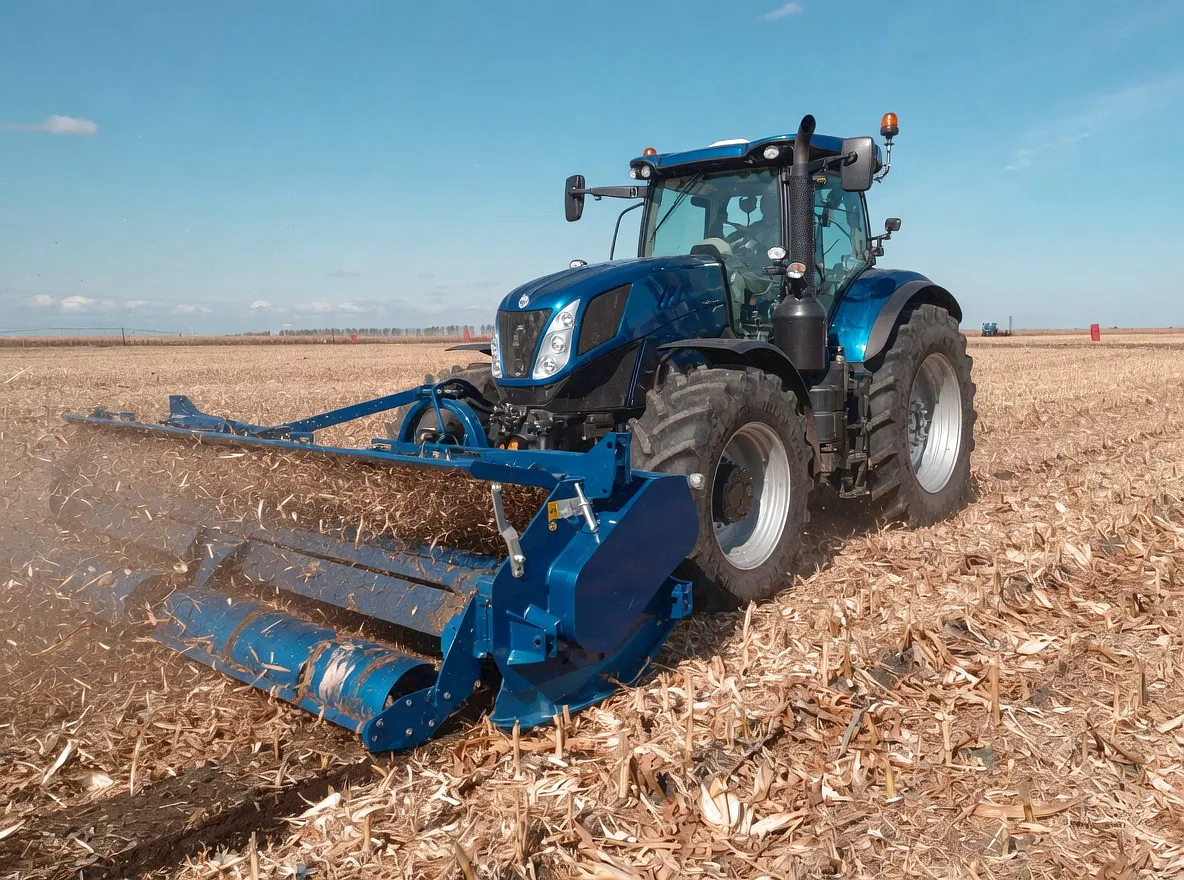 A cardan coupling — also referred to as a universal joint shaft, PTO cardan shaft, or Hooke’s joint assembly in British engineering parlance — transmits rotary motion and torque between two shafts that are not collinear. This ability to accommodate angular misalignment, combined with a telescoping tube assembly that handles axial displacement as the tractor’s three-point linkage moves, makes the cardan coupling uniquely suited to tractor-mounted implement drivelines.
At its core, the universal joint consists of a cross journal (also called a spider) fitted with four needle roller bearing cups, connecting two yokes. As rotary motion passes through the cross, it can change direction by up to 25–35 degrees depending on joint specification — sufficient to accommodate the full range of three-point hitch working heights for a straw returning machine. The telescoping profile — typically a splined or triangular cross-section inner tube sliding within an outer tube — handles the length variation as the implement rises and falls.
For straw returning machine applications, however, this basic kinematic function is only part of the story. The critical enhancement is the integrated torque limiter, which sits in series with the cardan shaft assembly — most commonly between the implement-side yoke and the machine’s gearbox input flange. When torque exceeds the pre-set trip value, the limiter disconnects the drivetrain within milliseconds, absorbing or dissipating the shock energy before it reaches the mechanical components. After the overload event clears — typically within one revolution — the limiter re-engages automatically (in the case of ratchet or cam-and-ball designs) or requires a simple manual reset (for shear-bolt variants).
Torque Limiter Types: Comparison for Straw Returning Machine Use
Engineering Specifications That Matter
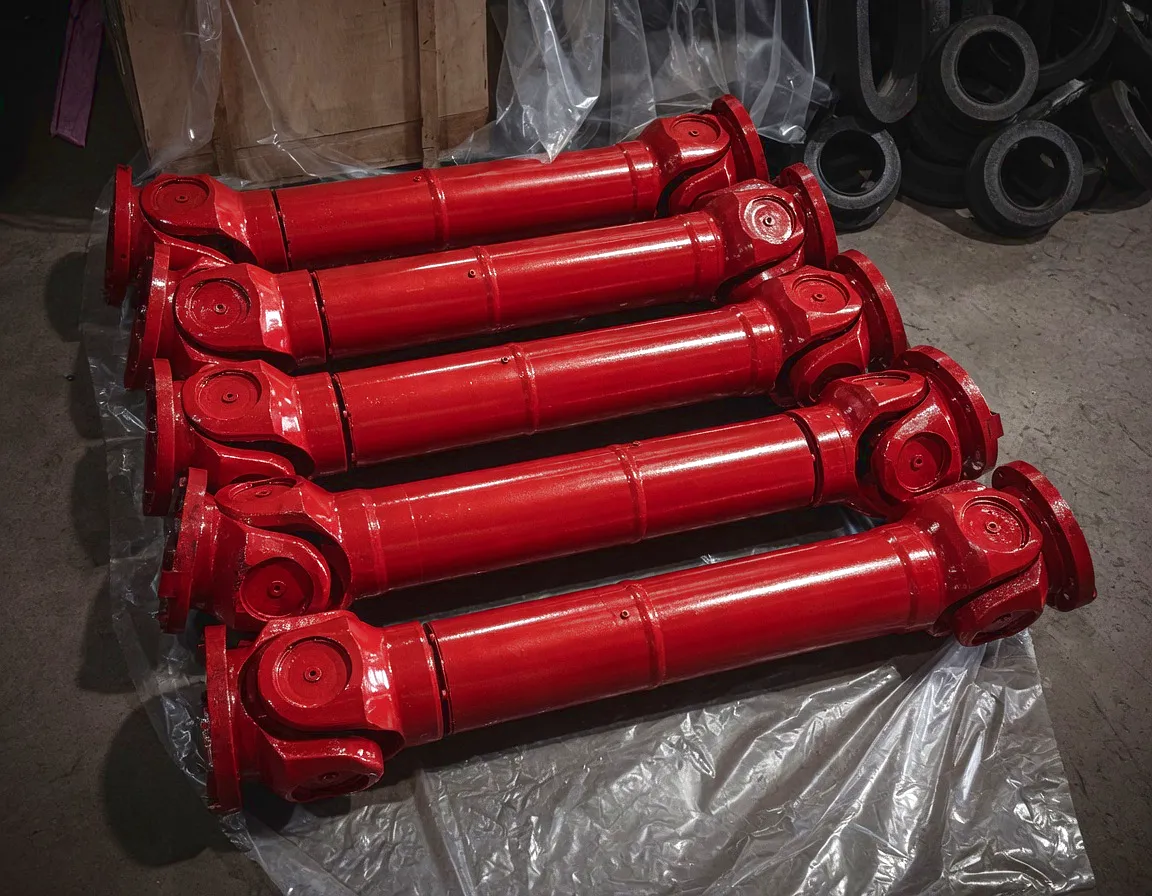 When a procurement engineer or a farm machinery workshop manager in the UK sits down to specify a replacement or upgraded cardan coupling for a straw returning machine, several technical parameters must be confirmed before any purchase can be made. The consequences of under-specification are severe — overload fracture, implement damage and potential operator injury. The consequences of massive over-specification are primarily economic, though they also manifest as unnecessary weight penalty on the tractor’s three-point linkage and increased bearing loads.
The most important parameters include the rated torque (T_N), the peak or shock torque (T_S), the maximum operating angle, the PTO input speed (typically 540 rpm or 1,000 rpm on UK tractors), and the cross-tube collapsed and extended lengths. For straw returning machines with blade rotors, it is the ratio between T_S and T_N — sometimes called the shock factor or dynamic load factor — that drives the specification. A machine running at 2,500 Nm rated torque may see peak shock torques of 12,000 Nm during a single blade impact, demanding a torque limiter set point of at least 8,000 Nm with a cardan shaft assembly rated above that threshold.
Ever Power Cardan Coupling — Technical Parameters for Straw Returning Machine Specification
Materials, Heat Treatment and Construction Standards
The safety guard system on every Ever Power agricultural cardan coupling is manufactured from UV-stabilised high-density polyethylene (HDPE), designed to comply fully with CE Machinery Directive 2006/42/EC requirements as applicable to UK market machinery under current retained regulations post-2021. The guard anchors at both the tractor PTO stub and the machine input, and incorporates integrated torsion springs to prevent sagging during operation — a common cause of guard contact failure on cheaper assemblies. For UK contractors operating under Provision and Use of Work Equipment Regulations (PUWER), this guard specification is not optional.
Application Conditions in UK Agriculture
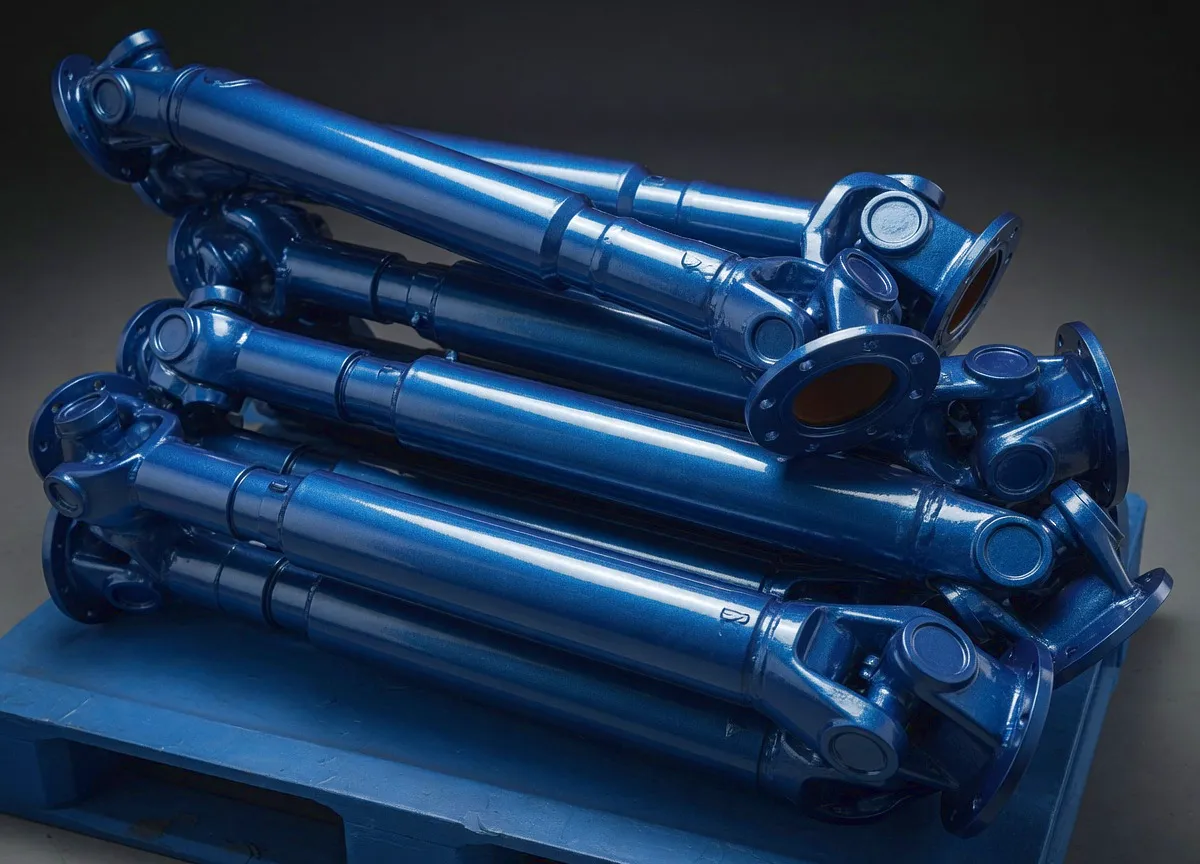 British agricultural conditions present particular challenges not always reflected in continental European coupling standards. UK arable soils — particularly the heavy clay loams of East Anglia, the Yorkshire Wolds and the Scottish Borders — retain significant soil and stone content within harvested straw residues. Flint and limestone fragments are endemic in chalk and limestone belt counties from Wiltshire through to Lincolnshire, and even brief encounters between a straw returning machine blade and a buried stone can generate impulse torques of 5× to 12× the steady-state rated value.
Furthermore, autumn working windows in the UK are notoriously narrow. Wet autumn seasons between 2019 and 2024 have repeatedly compressed the straw incorporation season to as few as 10–14 consecutive operating days before soil conditions deteriorate beyond workable limits. This means operators run machines for extended daily hours — often 10–12 hours per day — placing sustained fatigue demands on cardan coupling components that routine catalogue ratings may not adequately address.
Application Scenarios: Where Cardan Coupling for Straw Returning Machine Is Used

Six Reasons Engineering Teams Choose Ever Power Cardan Couplings
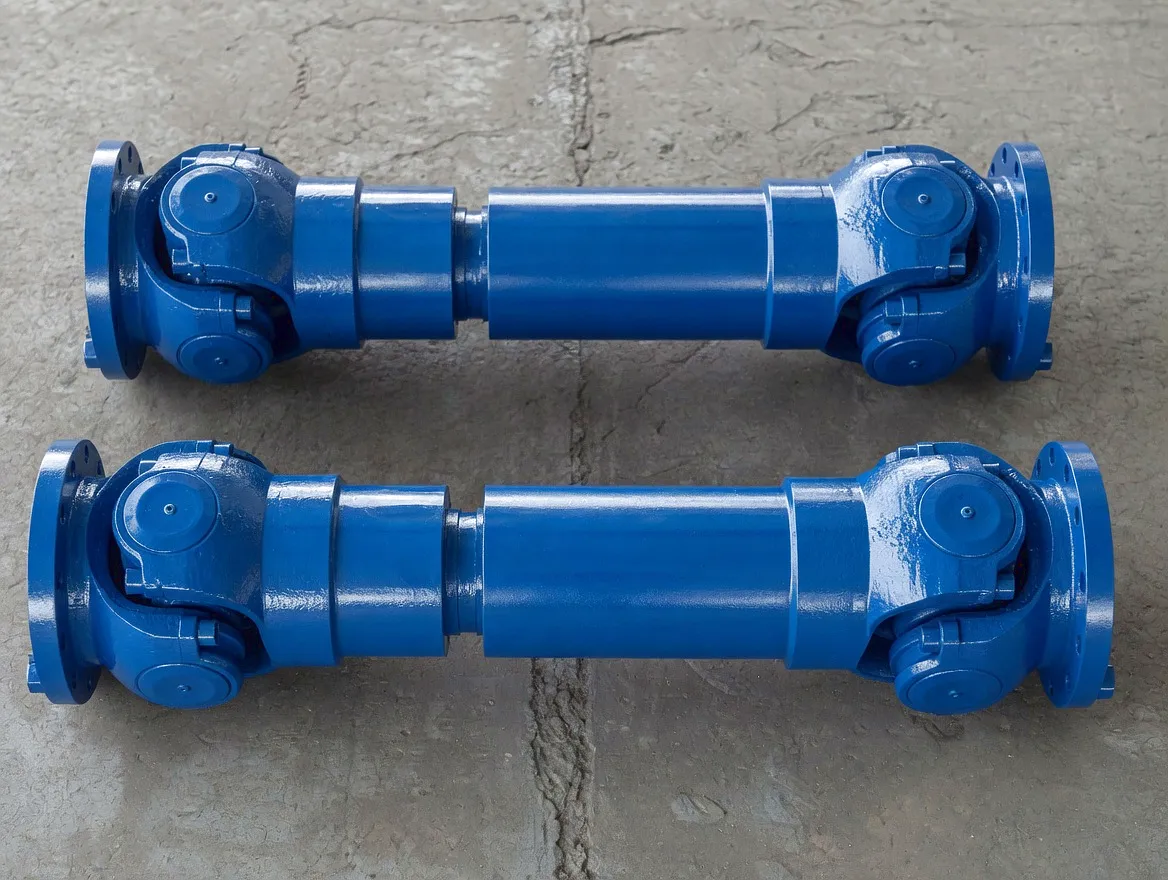
Customer Success Story
Briggs Arable Contracts Ltd — Protecting a Fleet of Straw Returning Machines
Briggs Arable Contracts Ltd, a family-run agricultural contracting business operating across 8,500 hectares in South Lincolnshire and North Cambridgeshire, had been experiencing repeated gearbox failures on three Alpego straw mulchers used for autumn post-harvest straw incorporation. During the 2022 harvest season, two gearbox input shaft fractures and one complete gearbox housing failure resulted in over £18,000 in repair costs and lost contracting income — during the most commercially critical fortnight of the year.
Their engineering manager, reviewing the failure pattern, identified that the original OEM cardan shafts fitted were rated at 2,800 Nm peak torque — inadequate for the Lincolnshire flint stone challenge. After consulting Ever Power’s application engineering team, three W3600 series assemblies with cam-and-ball torque limiters set at 4,200 Nm were specified and delivered within two weeks ahead of the 2023 harvest season.
Through the 2023 and 2024 autumn seasons — combined total of over 1,700 operating hours across the three machines — there were zero gearbox failures and the torque limiters intervened on an average of 3–5 times per working day per machine, each time protecting the drivetrain invisibly. Total saving over two seasons against 2022 repair costs: estimated at £22,000, with a further £4,000 saving in reduced tractor PTO gearbox servicing intervals.
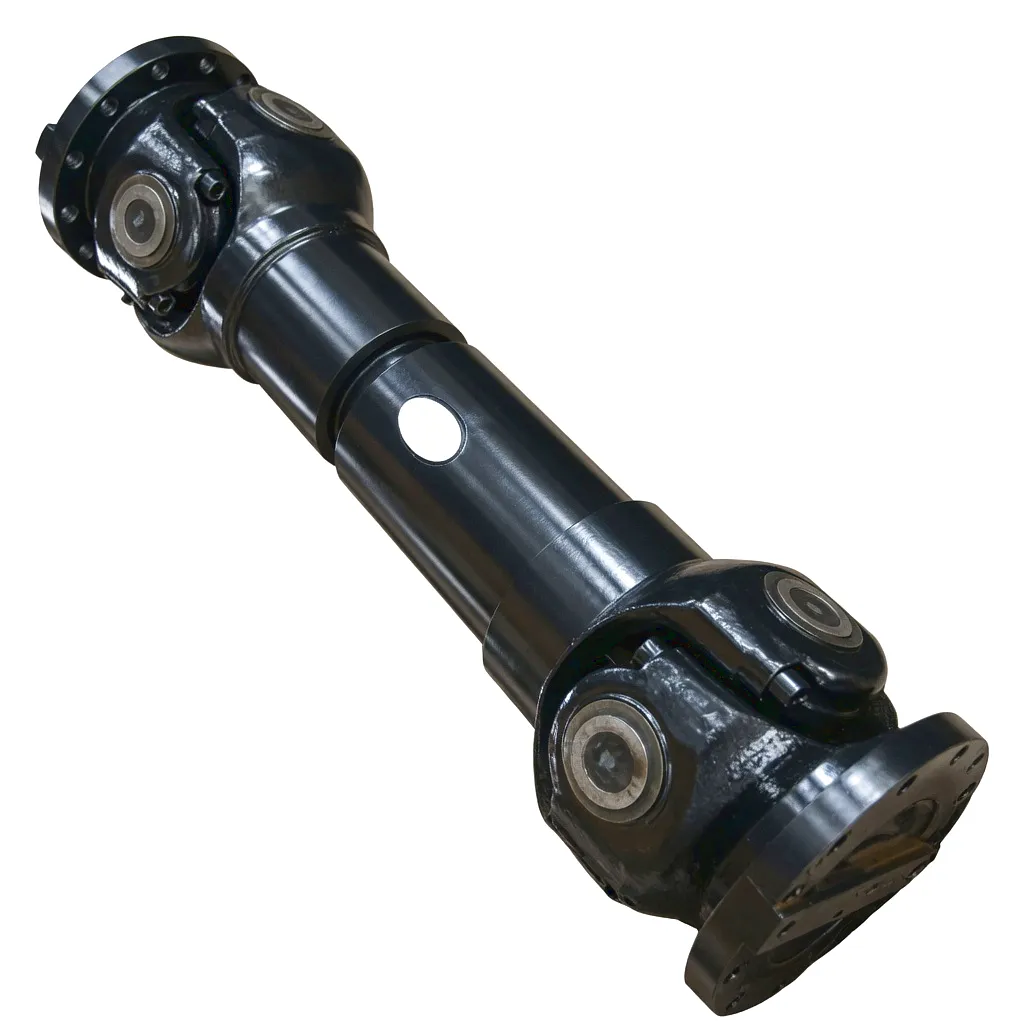
What Our Customers Say
“We’ve tried three different cardan coupling suppliers over five years. Ever Power is the only one that understood what a straw returning machine actually does to a driveline. The W3600 with cam-ball limiter hasn’t missed a beat over two full harvests in our heavy Fenland silts. Outstanding product.”
“We source replacement cardan couplings for our Joskin and Pöttinger straw mulchers from Ever Power. Their technical team handled all the custom spline and yoke specifications without any issues. Delivery to our Yorkshire depot was faster than expected. We’ll be ordering the entire spring fleet requirement from them.”
“As a machinery manufacturer supplying straw chopper attachments to UK arable contractors, finding a reliable cardan coupling supplier who can do short-run custom OEM assemblies has been difficult. Ever Power delivered our custom W2400 assemblies with branded guards inside three weeks. Quality is consistently excellent batch after batch.”
Ever Power Manufacturing & Custom Engineering Capabilities
Ever Power operates a dedicated agricultural coupling manufacturing facility equipped with CNC forging lines, precision cylindrical grinding centres, heat treatment furnaces, dynamic balancing equipment and a fully equipped assembly inspection line. The facility maintains ISO 9001:2015 quality management certification across all product series, with documented process control for forging hardness, case depth measurement, bearing preload and final assembly torque testing.
What genuinely distinguishes Ever Power from catalogue-only coupling suppliers is the depth of our customisation engineering service. Our team regularly works with agricultural machinery manufacturers — both large OEMs and specialist niche producers — to develop bespoke cardan coupling assemblies that match specific machine geometries, torque profiles and output configurations. This includes non-standard bore profiles, welded-flange yoke options, special tube cross-sections, custom limiter trip torques, OEM-branded guard systems and multi-joint compound shaft configurations for complex driveline routing.
For UK importers and distributors seeking an alternative to existing supply chains, Ever Power provides full technical support documentation, CE Declaration of Conformity drafting assistance, and can supply to the consignee’s own packaging and labelling requirements. Minimum order quantities for custom series are negotiable, making us accessible to both large-volume distributors and smaller specialist machinery builders. Submit your drawing or dimensional requirement to our engineering team and receive a detailed quotation within 48 hours.
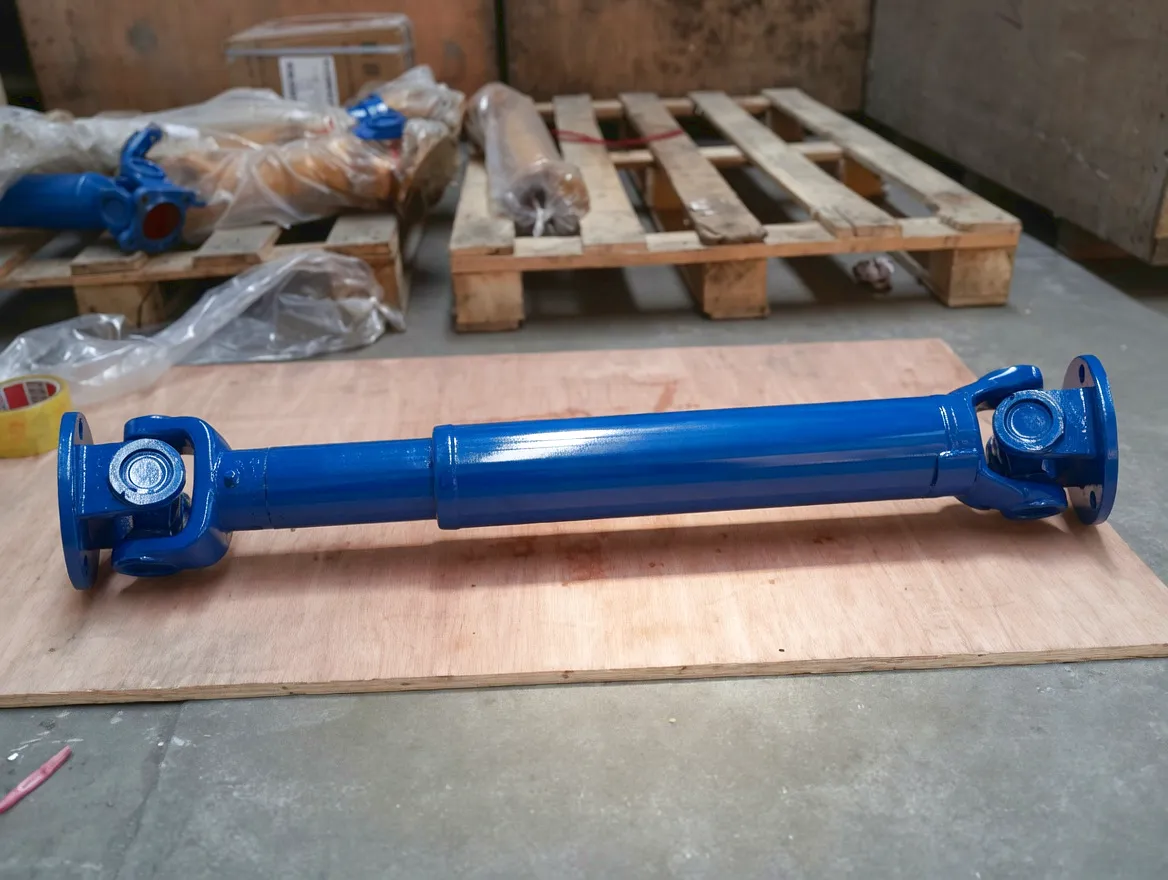
✔ Welded yoke configurations
✔ Custom limiter trip torques
✔ OEM guard branding
✔ Short-run batches (min. 10 pcs)
✔ CE documentation support
✔ 48-hour quotation turnaround
Maintenance Practices That Extend Cardan Coupling Service Life
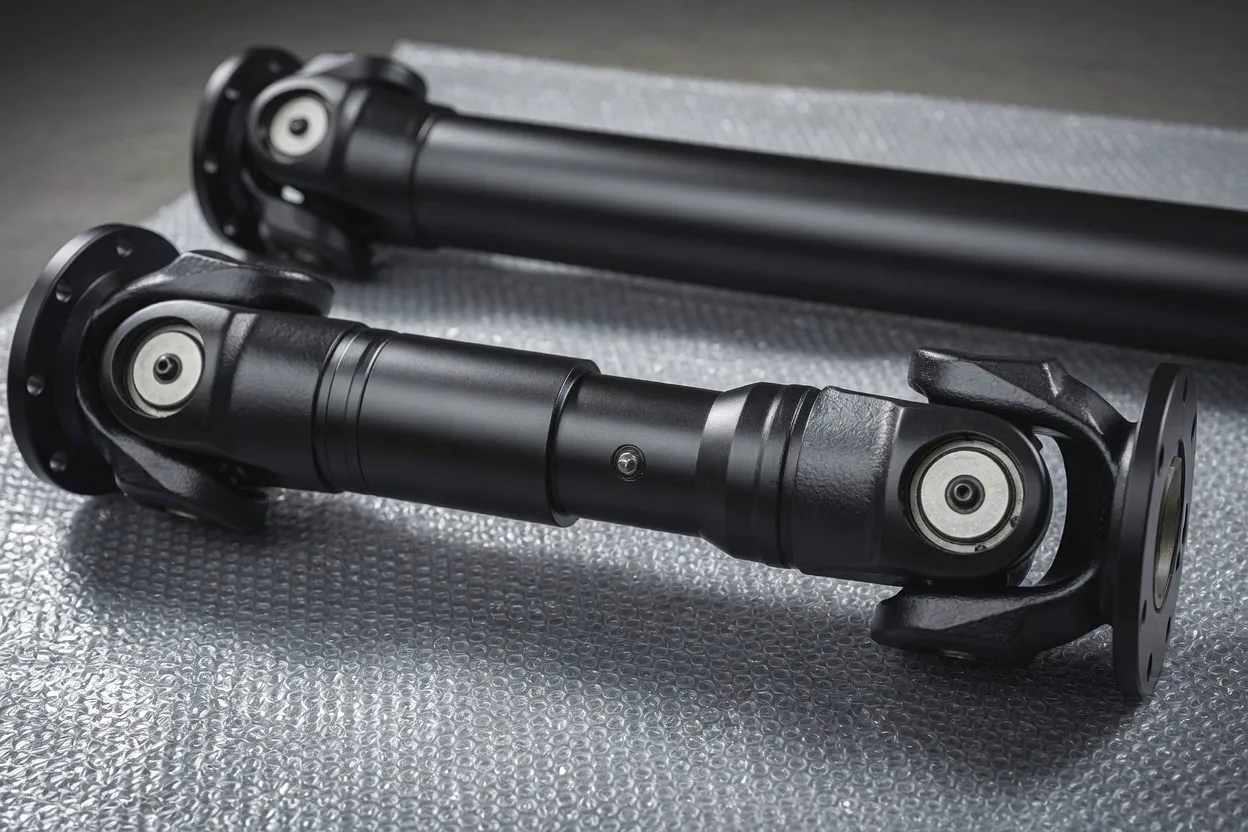
No matter how well a cardan coupling is engineered, longevity depends heavily on maintenance practice in the field. For straw returning machine applications specifically, the combination of vibration, angular loading, dust contamination and frequent torque limiter trips creates conditions that accelerate wear if lubrication and inspection intervals are not followed rigorously.
Frequently Asked Questions
Commonly asked by UK agricultural engineers, farm machinery dealers and procurement managers
Ready to Protect Your Straw Returning Machine Driveline?
Whether you need a standard replacement, a custom-engineered assembly for your OEM production line, or bulk supply for your UK dealership network — our engineering team is ready to support your requirement. Get a detailed quote within 48 hours.
Get a Quote — [email protected]