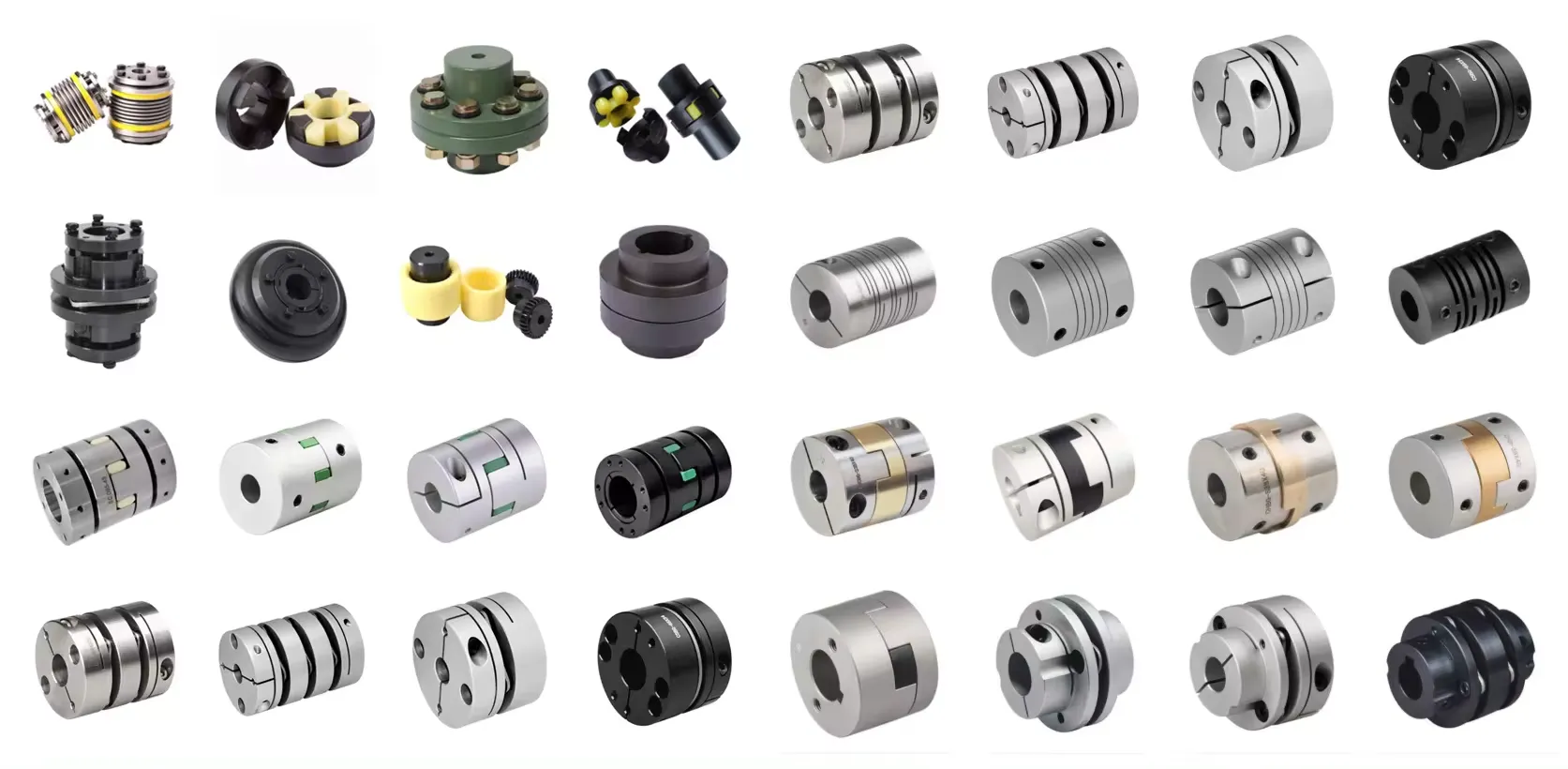
Introducing Cardan Coupling for Seismic Monitoring Devices
Keyword Content:
- Cardan Coupling
- Seismic Monitoring Devices
- Functionality
- Design
- Application
- Benefits
What is Cardan Shaft Coupling?
Functionality:
Cardan shaft couplings are used to transmit torque between two shafts that are not collinear. They allow for angular misalignment and compensate for axial, radial, and angular deviations.
Design:
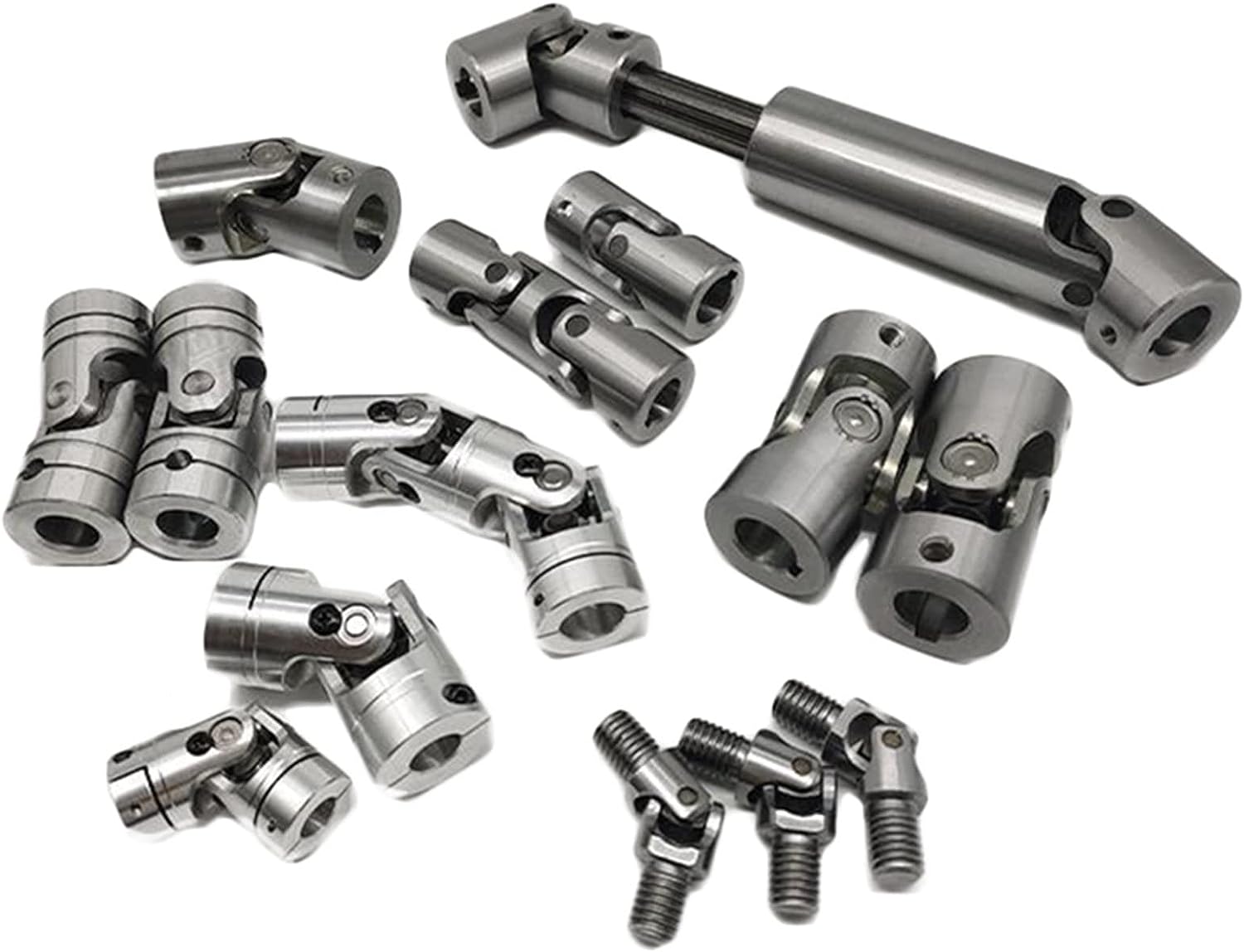
The design of a cardan shaft coupling consists of two shafts connected by a cross-shaped joint. This design allows for flexibility and smooth transmission of power.
Application:
Cardan shaft couplings are commonly used in various industries such as automotive, aerospace, and industrial machinery for connecting shafts that are not in perfect alignment.
Benefits:
The main benefits of using a cardan shaft coupling include the ability to transmit high torque, compensate for misalignment, reduce vibration, and increase the lifespan of connected equipment.
What is the Purpose of a Cardan Shaft?
Angular Misalignment:
Cardan shafts are used to transmit torque between two shafts that are misaligned angularly, allowing for smooth power transmission even in non-collinear configurations.

Compensation for Misalignment:
They help in compensating for axial, radial, and angular misalignments, ensuring that the connected equipment operates efficiently without any damage.
Reducing Vibration:
By absorbing shocks and vibrations, cardan shafts help in reducing the overall vibration levels in machinery, thereby increasing its stability and longevity.
Improving Efficiency:
Cardan shafts improve the overall efficiency of the system by ensuring that power is transmitted smoothly and effectively between non-aligned shafts.
Enhancing Equipment Lifespan:
By reducing stress on connected components and compensating for misalignments, cardan shafts help in increasing the lifespan of machinery and equipment.
What is the Purpose of a Double Cardan Joint?
Increased Articulation:
Double cardan joints offer increased articulation compared to single cardan joints, allowing for greater flexibility in transmitting torque between non-collinear shafts.
Reduced Angularity:
They help in reducing the operating angles of the joint, which results in smoother power transmission and reduced wear and tear on connected components.
Enhanced Stability:
Double cardan joints provide enhanced stability and balance to the system, ensuring that the machinery operates smoothly even in challenging conditions.
Improved Torque Transmission:
By providing multiple points of contact, double cardan joints improve torque transmission efficiency and reduce the risk of power loss during operation.
Minimized Vibrations:
They help in minimizing vibrations and shocks, resulting in a more stable and reliable system that operates quietly and efficiently.
How to Choose the Appropriate Cardan Coupling
- Consider the torque requirements of the application and choose a cardan coupling that can handle the specified torque range effectively.
- Evaluate the misalignment angles present in the system and select a cardan coupling that can compensate for these angles without causing undue stress.
- Take into account the operating conditions such as temperature, speed, and environment, and choose a cardan coupling that can withstand these conditions without degradation.
- Consider the space constraints and installation requirements of the application, and select a cardan coupling that fits within the available space and can be installed easily.
- Consult with a coupling expert or manufacturer to get tailored advice on choosing the most suitable cardan coupling for your specific application needs.
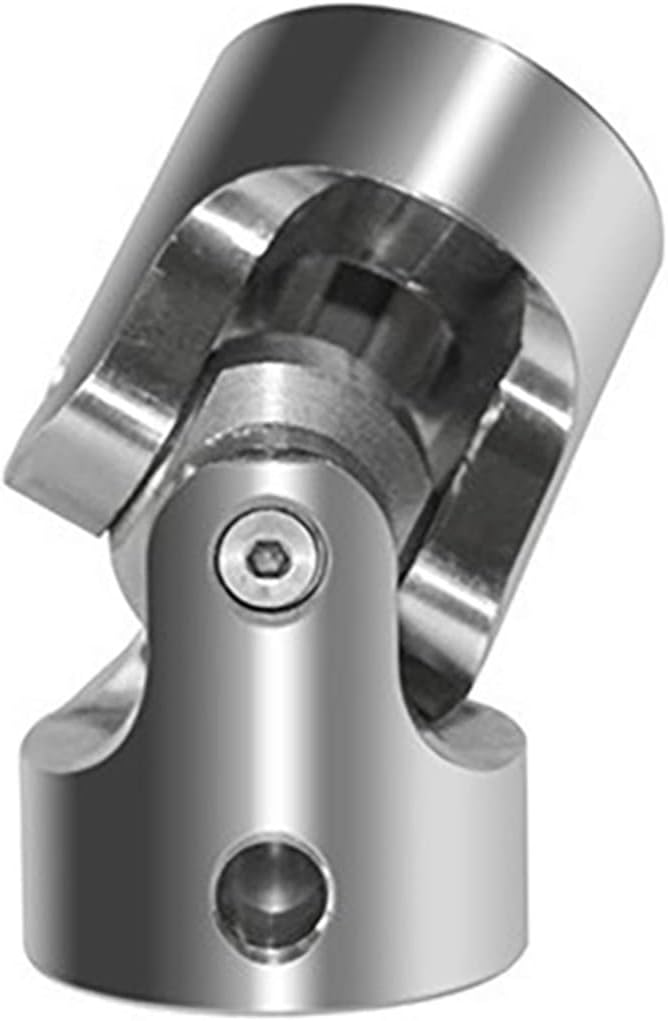
What is the Difference Between a Disc and a Cardan Coupling?
Construction:
Disc couplings consist of thin metal discs that flex to compensate for misalignment, while cardan couplings use cross-shaped joints to transmit torque between non-collinear shafts.
Flexibility:
Disc couplings offer greater flexibility and can compensate for higher levels of misalignment compared to cardan couplings, making them suitable for more demanding applications.
Torque Transmission:
Cardan couplings are better suited for high torque applications due to their robust design and ability to transmit power efficiently between misaligned shafts.
Installation Requirements:
Disc couplings are easier to install and maintain compared to cardan couplings, which require precise alignment during installation to ensure proper operation.
Cost and Availability:
Cardan couplings are generally more cost-effective and widely available compared to disc couplings, making them a popular choice for various industrial applications.
About HZPT
HZPT, established in 2006, is a leading manufacturer and exporter specializing in couplings for various industries. With a focus on quality and customer satisfaction, we provide customized solutions and high-quality products to our global clientele. Our commitment to innovation and excellence has made us a trusted partner in Europe and the United States, where we are known for our competitive prices and exceptional service. Choose HZPT for reliable couplings that meet your specific requirements and benefit from our 20 years of experience in the industry.