
 Walk into any arable farmyard in Lincolnshire or the East Riding of Yorkshire during harvest season, and you will almost certainly hear the distinctive deep clatter of a straw returning machine working its way across a stubble field. These machines — also called straw choppers, mulchers, or incorporation units depending on the regional terminology — perform one of the most mechanically violent jobs in modern agriculture. They must shred, chop, and scatter cereal straw at high throughput while the rotor assembly hammers through residue that can include stones, wet clumps, and woody stem nodes. The forces involved are not linear or predictable. They arrive in sudden spikes, and the entire drivetrain must absorb those spikes without transferring destructive energy back to the tractor’s PTO gearbox or forward to the machine’s bearing housings.
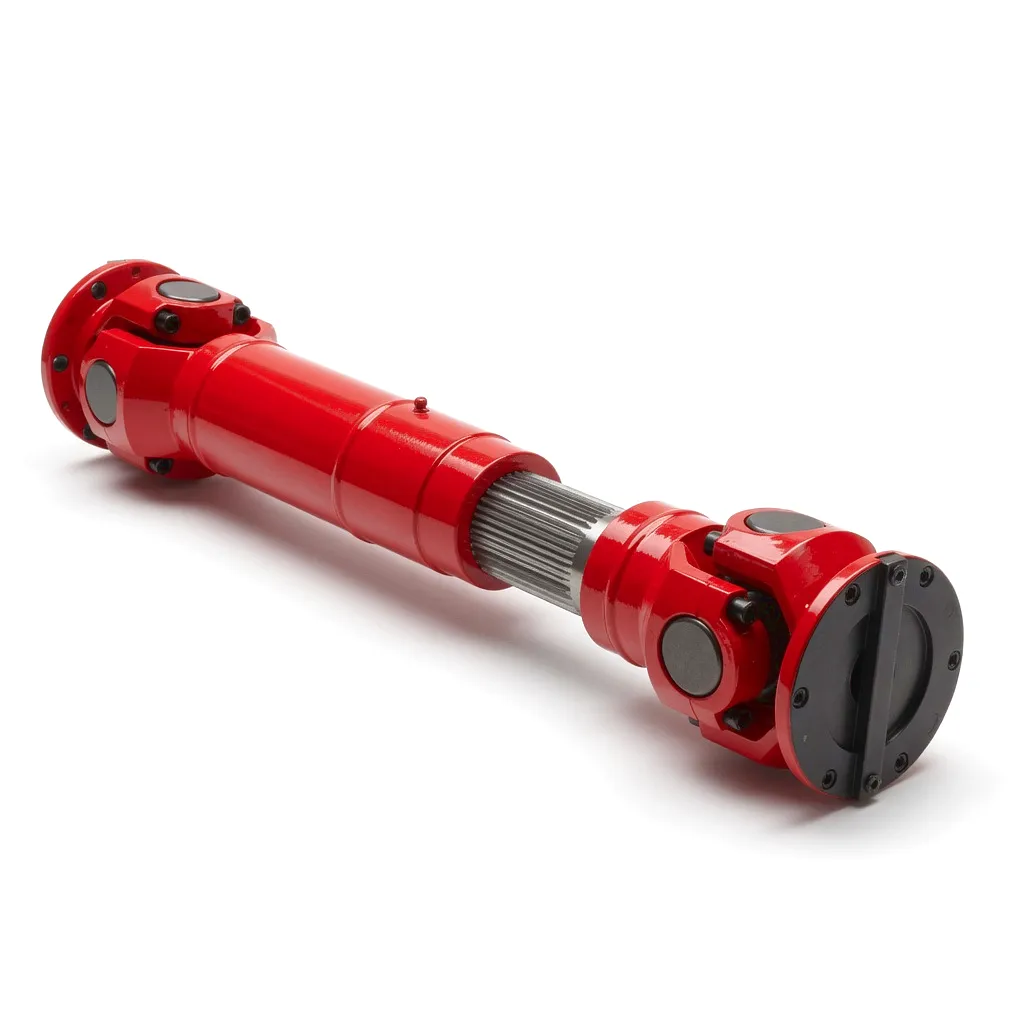
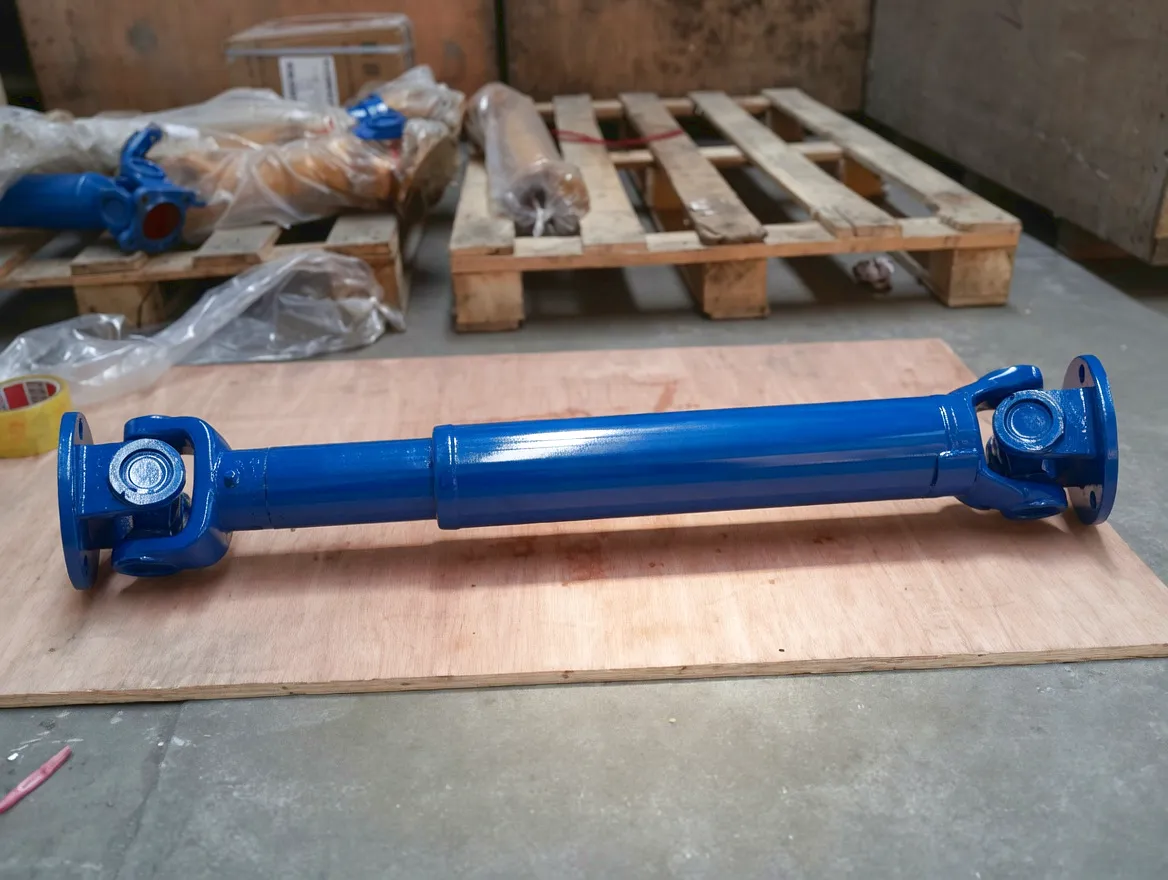
That is precisely why the choice of cardan coupling for straw returning machines is not a background procurement decision. It is a critical engineering call. The cardan coupling — sometimes called a universal joint shaft or propeller shaft assembly in UK agricultural supply circles — sits between the tractor’s PTO output and the machine’s gearbox input, and it must simultaneously transmit torques that can exceed 4,000 Nm in peak spikes while accommodating angular misalignment of up to 25 degrees in some folded or offset configurations. It must also incorporate a torque-limiting device, because without one, a single stone strike or a sudden rotor jam would shatter an input gearbox worth several thousand pounds in a fraction of a second.
This article draws on eighteen years of application engineering experience with power transmission systems across the agricultural, construction, and industrial sectors. It covers the core engineering principles behind cardan couplings designed specifically for straw incorporation duty, the material and manufacturing specifications that separate reliable units from inferior ones, real-world field performance data, and a practical guide to selecting and sourcing the right unit for your specific machine or OEM application in the UK market.
Respond within 24 hours · Custom sizes available · UK B2B supply
Why the Straw Returning Machine Presents One of Agriculture’s Toughest Drive Challenges
Most agricultural implements impose a relatively consistent load on their PTO shafts. Mowers, tedders, and rakes all operate within a fairly narrow torque band once at working speed, and shock loading is modest. A straw returning machine is a different animal entirely. The rotor — typically carrying 24 to 64 free-swinging flails or fixed blades, spinning at 1,000 to 1,500 rpm — can strike a compacted wet straw mat or an embedded stone at any moment. When it does, the rotational inertia of the rotor briefly tries to decelerate while the tractor PTO keeps delivering power at full speed. The resulting torque spike can reach 8 to 12 times the nominal operating torque, arriving and dissipating in under 50 milliseconds.
Standard agricultural PTO shafts handle shock loads through the inherent compliance in their cruciform joints, but that compliance has limits. Without a dedicated overload protection device integrated into the cardan coupling assembly, these peak loads propagate backwards into the tractor gearbox and forward into the machine’s main gearbox with devastating efficiency. In the United Kingdom, where large-acreage combinable crop farms in counties like Norfolk, Cambridgeshire, and Herefordshire run these machines for hundreds of hours per season, even a single catastrophic overload event can result in repair costs of £2,000 to £8,000 — plus the cost of downtime during a narrow harvest window.

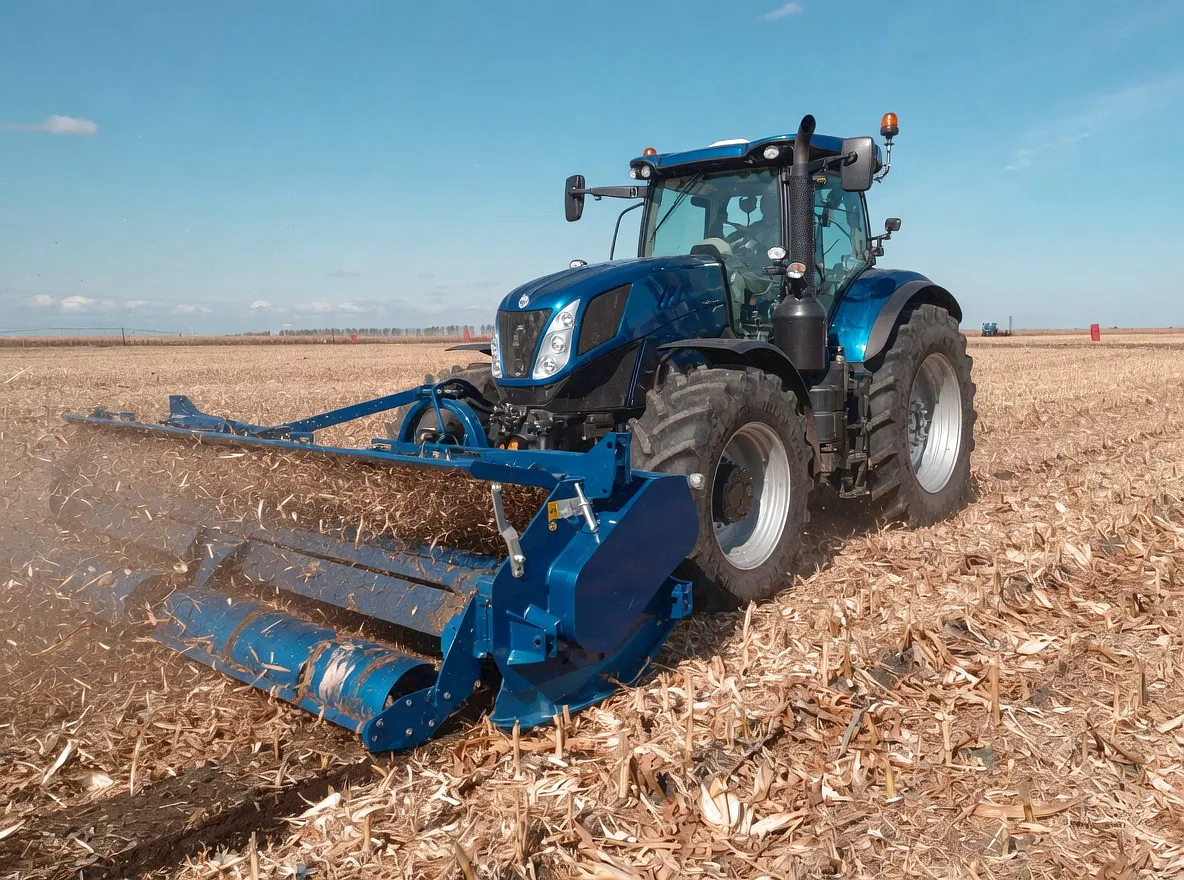
Straw returning machine in field operation — peak impact torques demand purpose-engineered cardan drive assemblies
The operating geometry adds another layer of complexity. Many straw returning machines attach directly to the rear linkage of a tractor, meaning the angular relationship between the PTO output shaft and the machine input shaft changes as ground undulations alter the implement’s pitch. On rolling terrain, which is common across Yorkshire Wolds, the Welsh borders, or Cumbrian lowlands, this angle can fluctuate between 4 degrees and 22 degrees continuously throughout a working pass. A cardan coupling that cannot handle this envelope efficiently will run hot, wear prematurely, and ultimately fail — often without warning.
The Engineering Anatomy of a Straw-Duty Cardan Coupling
A cardan coupling for straw incorporation duty is far more than a pair of universal joints connected by a telescoping tube. Each subsystem within the assembly carries an engineering purpose that relates directly to the violence of the application. Understanding these subsystems is essential for anyone specifying replacement shafts, designing OEM drivetrain layouts, or evaluating alternative suppliers.
Double Cardan Joint Configuration
A single Hooke’s joint introduces a velocity fluctuation at angles above 5 degrees. For straw returning machines operating at sustained high PTO speeds, this fluctuation drives vibration that fatigues the machine frame and disturbs soil engagement. The double cardan (constant-velocity) configuration at both ends eliminates this pulsation, delivering smooth rotary output regardless of operating angle up to 25 degrees. This is the baseline specification for any serious straw incorporation application.
Integrated Overload Torque Limiter
This is the most critical protection device in the assembly. For straw returning duty, the limiter must handle genuine high-energy spike events, not just gradual overloads. Two main technologies are used: friction disc limiters (ratchet or slip-type) and shear bolt limiters. Ratchet limiters disengage within milliseconds when torque exceeds the set point and re-engage automatically once the blockage clears, making them well-suited to the cyclic nature of straw chopping. Shear bolt types offer precise, repeatable protection but require manual bolt replacement after each event — acceptable for machines that rarely jam, less so for high-throughput harvest operations.
Telescoping Tube with Sliding Profile
As a straw returning machine follows terrain contours or as the tractor’s lower links respond to automatic draft control, the distance between the PTO output flange and the machine input shaft changes continuously. The telescoping tube — typically a splined male shaft running inside a profiled female tube — accommodates this length change without introducing angular loads into the joint assembly. For straw applications, the sliding section must be manufactured to close tolerances and lubricated with high-load grease, because debris ingestion here will cause fretting wear that shortens service life dramatically.
Safety Guard and Debris Shield
UK regulations under PUWER 1998 and BS EN ISO 11684 require effective guarding of rotating PTO shafts. Beyond the legal obligation, a well-designed guard on a straw returning machine cardan shaft serves an additional mechanical function: it prevents short straw lengths and chaff from wrapping around the outer tube, which would otherwise create a highly abrasive sleeve that could grind through protective coatings and accelerate joint wear. The guard should be made from UV-stabilised polymer and designed so that straw shreds fall free rather than accumulating against the rotating shaft.
Materials, Manufacturing Standards, and What They Mean for Your Drivetrain
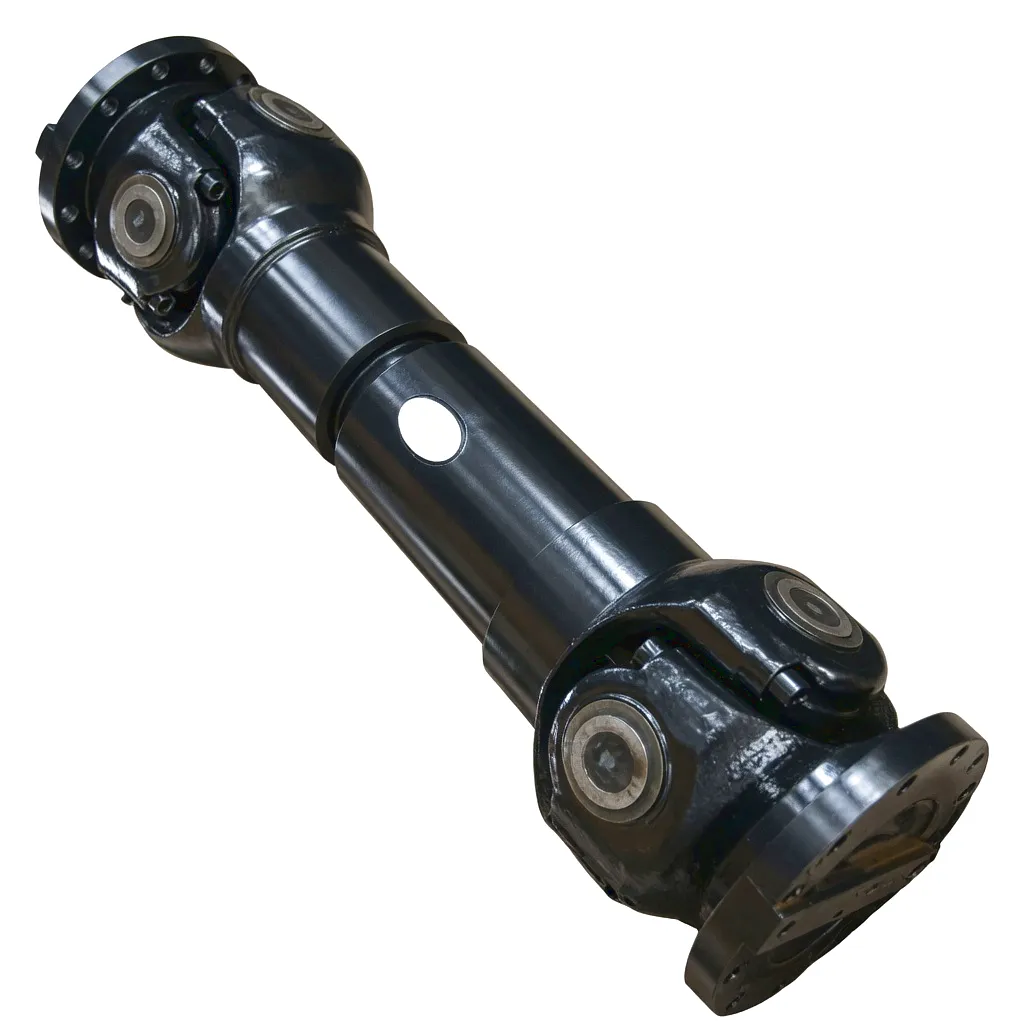 The phrase “heavy-duty cardan coupling” appears in almost every catalogue. What separates a genuinely straw-duty component from a standard agricultural unit is not marketing language — it is the specific alloy grades used in the yokes and cross journals, the heat treatment process applied to load-bearing surfaces, and the manufacturing tolerances held in the spline profiles. Getting these details right is what determines whether a coupling completes a full UK harvest season intact or fails during the first week of operation.
The cross journal (also called the spider or trunnion) is the highest-stressed component in the assembly. In a straw returning machine application, where torque spikes can reach 10,000 Nm instantaneously, the journal must combine high surface hardness for needle bearing support with sufficient core toughness to resist fracture under shock. This combination is achieved through case-hardened alloy steels such as 20CrMnTi or 42CrMo4, which are forged rather than cast to eliminate internal porosity, then carburised and quenched to a surface hardness of HRC 58–62 with a core hardness of HRC 30–38. Castings that visually resemble these components will fail under impact loading at a fraction of the load.
Technical Performance Specifications: Straw Returning Machine Cardan Coupling Range
The table below outlines the representative specification range for cardan coupling assemblies designed and supplied by Ever Power for straw incorporation and straw returning machine applications. All values are based on series production components; custom specifications can be engineered to specific OEM requirements. Torque values represent nominal continuous ratings — peak spike capacity is typically 4 to 6 times the nominal figure depending on series and joint configuration.
| Series | Nominal Torque (Nm) | Peak Torque Capacity (Nm) | Max Operating Angle (°) | Max Speed (rpm) | Overload Limiter Type | Typical Application |
|---|---|---|---|---|---|---|
| EP-AG 600 | 600 | 3,000 | 25° | 1,000 | Friction Disc (Ratchet) | Light straw choppers, compact tractors |
| EP-AG 1200 | 1,200 | 6,000 | 25° | 1,200 | Friction Disc (Ratchet) | Mid-range straw returning machines (70–120 hp tractors) |
| EP-AG 2000 | 2,000 | 10,000 | 20° | 1,500 | Friction Disc (Ratchet) or Shear Bolt | Heavy-duty straw returning 120–200 hp; OEM multi-rotor units |
| EP-AG 3000 | 3,000 | 15,000 | 15° | 1,500 | Dual-Stage Ratchet + Shear | Large-area combinable crop farms, high-output residue management |
| EP-AG Custom | To spec | To spec | To spec | To spec | Customer choice | OEM, retrofit, specialist residue management systems |
Where Cardan Couplings Make the Difference: Application Scenarios Across UK Agriculture
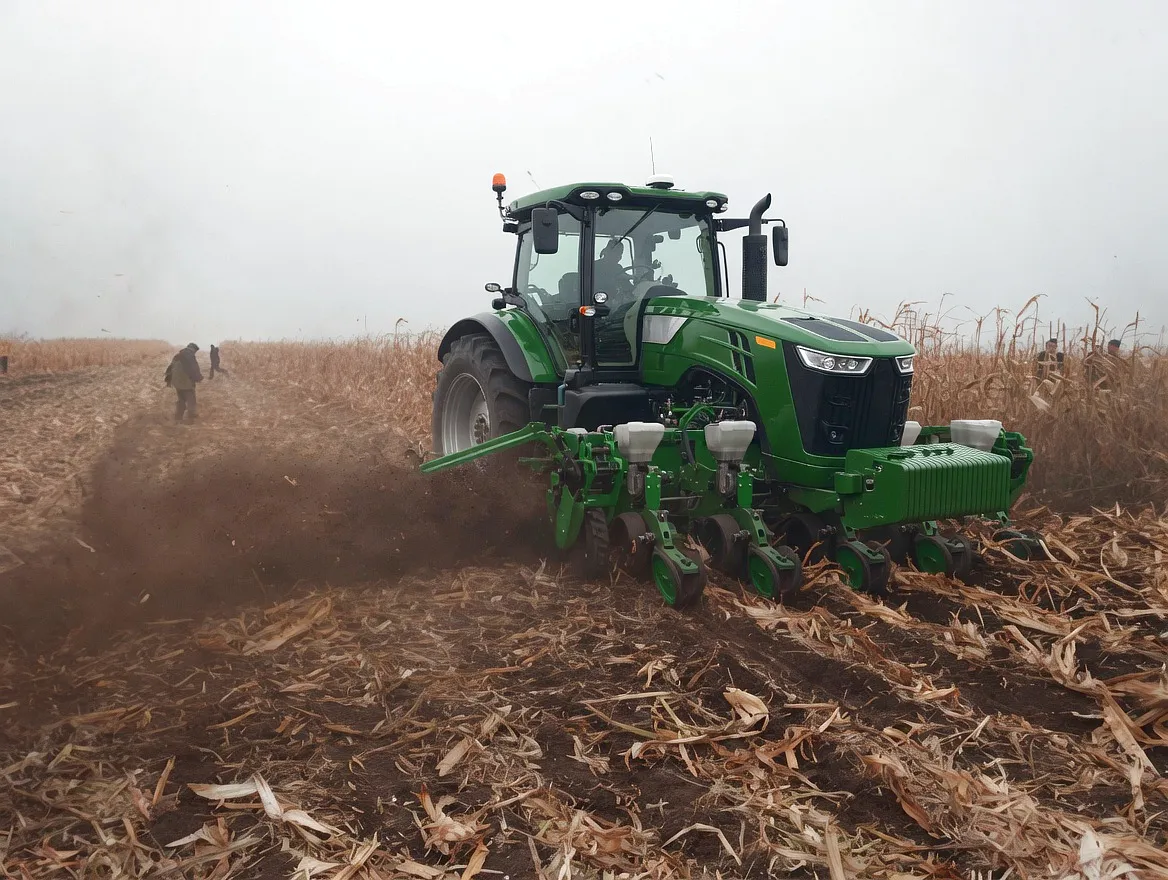
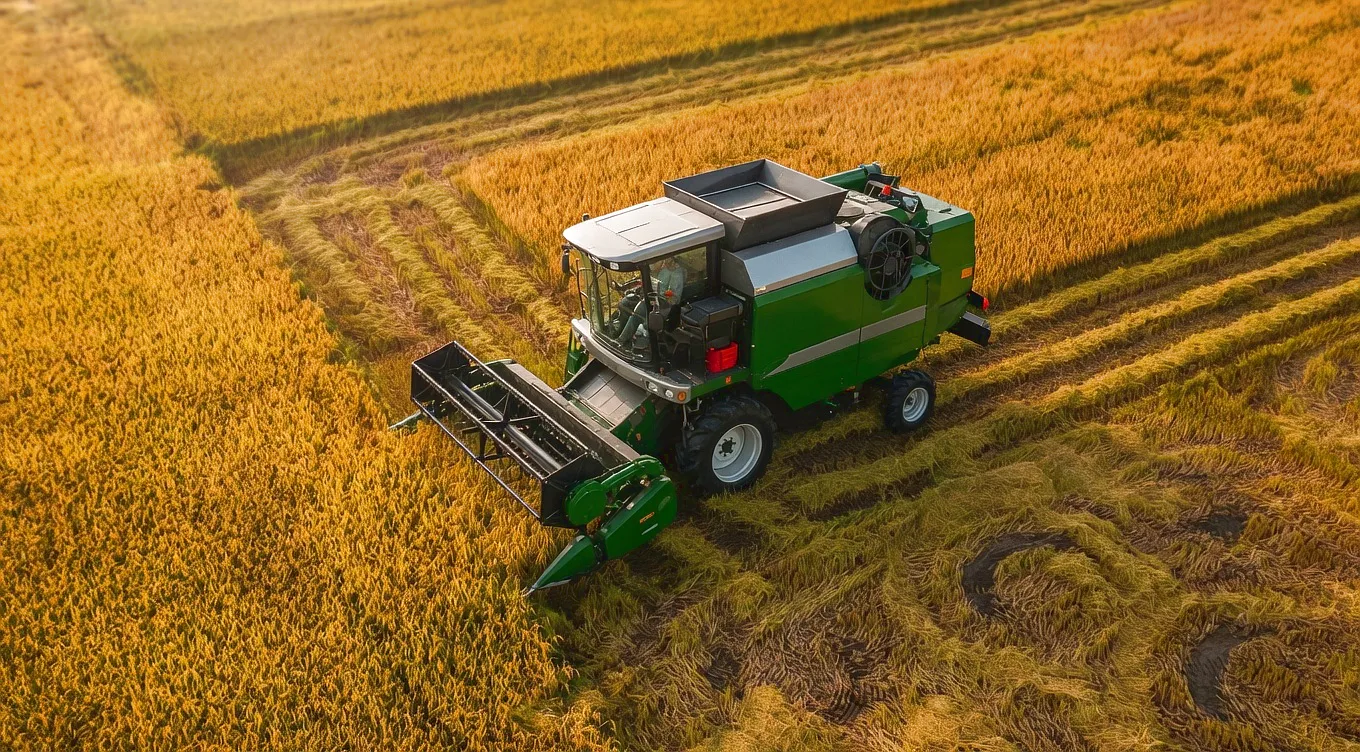
The cardan coupling is not a one-size-fits-all component, and nowhere is that more apparent than across the diversity of straw management practices found in UK agriculture. From the heavy wheat and barley residues of the East Anglian plains to the thinner oat straw of Scottish upland farms, the mechanical demands vary meaningfully, and the coupling specification must reflect those differences.
Why Engineers and Procurement Teams Across the UK Choose Ever Power
There is no shortage of cardan coupling suppliers offering standard agricultural shaft assemblies. What separates a supplier worth working with from one who simply ships a catalogue item is the depth of application knowledge, the rigour of the manufacturing process, and the ability to respond to non-standard requirements without a six-week delay. The following points reflect the reasons UK agricultural OEMs and farm machinery dealers come back to Ever Power year after year.
🏭
Forging, heat treatment, machining, assembly, and testing all performed within our controlled production environment. No outsourced subcomponents of unknown specification entering the supply chain mid-build.
📐
Non-standard shaft diameters, custom yoke profiles, bespoke torque limiter settings, special tube lengths, and alternative surface coatings are all within our engineering capability. We produce detailed dimensional drawings and 3D models for OEM approval before cutting steel.
🧪
Each new design series undergoes dynamic torque cycling and accelerated fatigue testing on our in-house rig before entering production. Test reports are available to OEM customers on request, supporting CE marking documentation and safety case submissions.
🚢
Standard series products can be delivered to UK customers within 7–14 business days from order confirmation. For UK agricultural dealers and OEMs requiring scheduled stock deliveries ahead of harvest season, we offer forward-ordering programmes with agreed pricing and delivery windows.
📋
Our team will review your machine’s tractor pairing, rotor inertia, working speed, and field conditions to recommend the right coupling series and overload setting before you commit to an order. This is not an automated chatbot service — it is a detailed technical review by engineers with specific agricultural drivetrain experience.
🔄
All Ever Power cardan coupling assemblies are designed so that cross journals, needle bearing cups, shear bolts, and friction disc assemblies can be replaced in the field using standard tools. We supply individual spare parts — not just complete assemblies — so a field repair costs a fraction of a full replacement.
Customer Success Stories: Real Performance, Real Fields
The following case study and testimonials represent the outcomes that properly specified cardan couplings deliver in the field. The details are based on actual supply engagements handled through our agricultural distribution network.
Large Arable Contractor, Cambridgeshire — Eliminating Seasonal Gearbox Failures on High-Throughput Straw Returning Machines
A Cambridgeshire-based agricultural contracting business operating across 6,000 acres of combinable crops was experiencing recurring input gearbox failures on their three straw returning machines during the post-harvest period. The machines — each matched to 150 hp-class tractors — were fitted with OEM cardan shafts rated at 1,800 Nm nominal, which under the contractor’s working conditions (high-yield winter wheat residue, heavy clay soils with embedded flint stones) was consistently proving inadequate. Each gearbox failure required a workshop repair of 4–6 working days and cost between £2,800 and £4,500 in parts and labour, not including the lost contracting revenue during downtime.
Following a technical review of the application, Ever Power supplied three EP-AG 2000 cardan coupling assemblies with dual-action ratchet limiters set at 2,400 Nm. The upgrade also included a revised guard design that prevented straw wrap — which had been a contributing factor to elevated operating temperatures in the joint area. Through the following two harvest seasons, covering over 5,000 acres of straw incorporation work, the contractor reported zero gearbox failures attributable to drivetrain overload. The total cost of the three coupling assemblies represented a payback period of under eight weeks based on the avoided repair costs from the previous season.
“We’ve been through three different PTO shaft suppliers over the years. The Ever Power unit is the first one that has genuinely held up through a full Lincolnshire harvest without us having to reset the limiter more than a couple of times. The build quality is clearly a step above what we were buying before.”
“As an OEM building straw mulching equipment for the UK and northern European market, finding a coupling supplier who can actually produce to a custom spec — not just sell you the nearest standard size — has been the real value. The technical back-and-forth before production is serious and efficient.”
“The dual-stage ratchet and shear bolt assembly was something we couldn’t source from standard European catalogue suppliers. Ever Power’s engineering team understood what we needed from a single technical description email. The units arrived within two weeks and dropped straight in without any modification.”
Installation Best Practice and Maximising Service Life
Even the best-specified acoplamento cardan will underperform or fail prematurely if it is not correctly installed and maintained. In the agricultural sector, where time pressure during harvest is extreme, there is a natural tendency to rush installation — and cardan couplings are one of the components most frequently fitted incorrectly as a result. The consequences of poor installation practice are not always immediate; they manifest as accelerated bearing wear, vibration-induced frame cracking, or a limiter that trips repeatedly at torques well below its rated setting because the joint assembly is running at an angle that was not factored into the coupling selection.
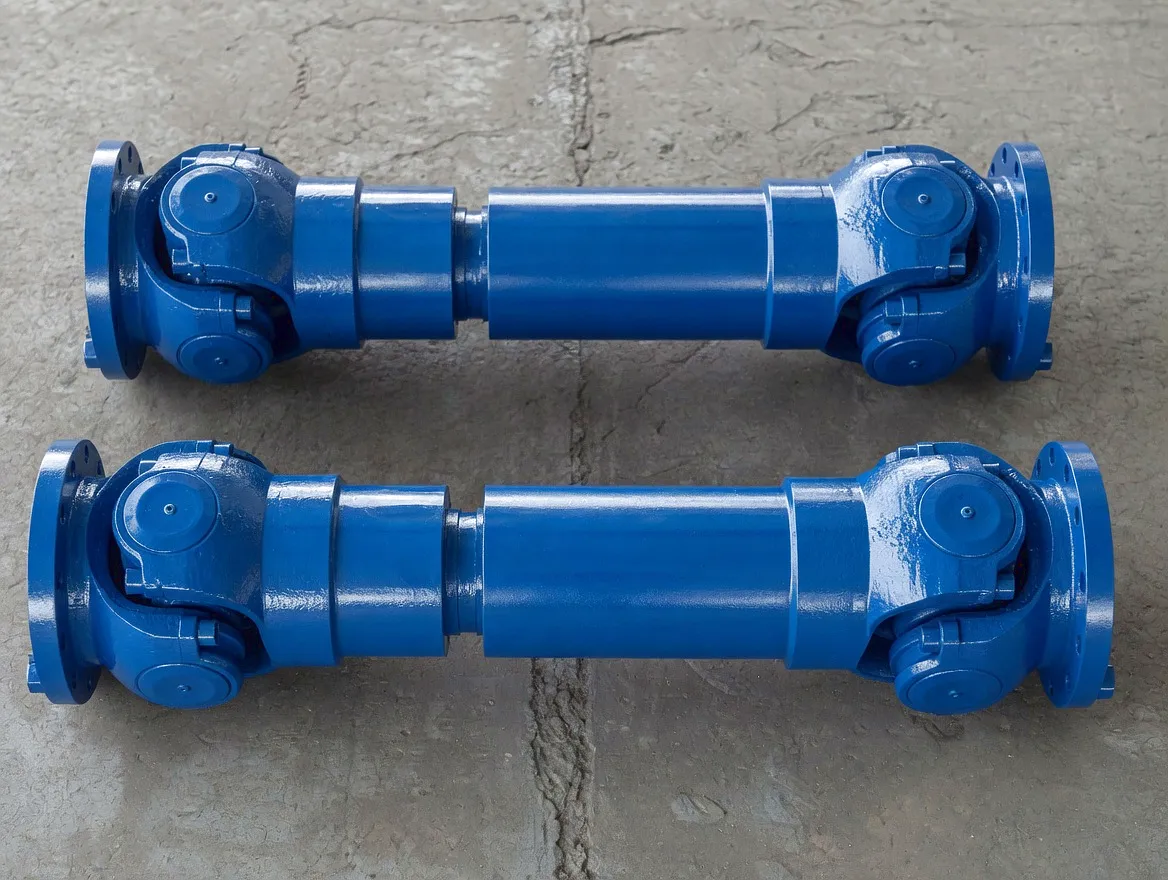
The most common installation error with straw returning machine cardan couplings is operating the assembly at a compression or extension that takes the telescoping tube to within 10% of its minimum or maximum travel. When this happens, the tube either bottoms out under terrain-induced movement — generating enormous axial thrust loads in the joint — or extends beyond its safe engagement length, reducing the strength of the splined connection below what the torque demands of the application require. The safe working range for telescoping movement is the middle 60% of total travel, and the machine’s attachment geometry should be set up to achieve this with the tractor in its typical working configuration.
| Maintenance Task | Frequency | Notes |
|---|---|---|
| Grease all nipples (cross journals and telescoping section) | Every 8 hours of operation or daily | Use lithium-complex or EP-grade grease; pump until fresh grease appears at seal lip |
| Inspect guard for wrap and debris accumulation | Daily — before starting work | Remove all straw wrap; check guard clips are secure |
| Check torque limiter actuation torque | Every 50 hours or seasonally | Compare against original setting; ratchet springs fatigue over time and may need adjustment |
| Inspect cross journal needle bearings for play and pitting | Every 100 hours or end of season | Any detectable axial or radial play means replacement is required |
| Check telescoping spline engagement length and condition | End of season | Evidence of fretting or spline corrosion indicates inadequate lubrication or over-travel; address both |
| Replace shear bolts (if shear-bolt type limiter fitted) | After every shear event | Use only specified-grade bolts; substitute grades alter the protection torque |
Ever Power Manufacturing: Where Custom Cardan Couplings Are Built Right
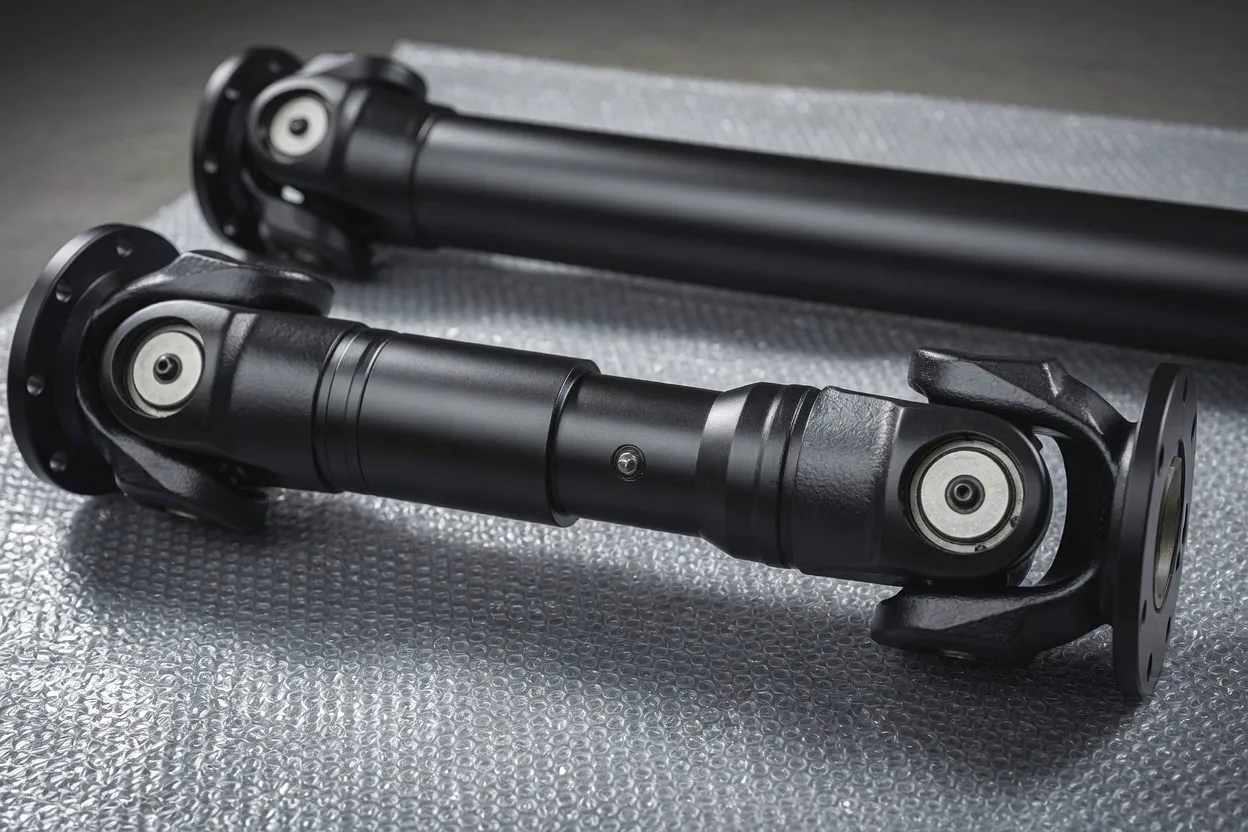
Ever Power operates a purpose-built manufacturing facility with the full engineering infrastructure to produce cardan couplings that go beyond standard catalogue specifications. This is not a trading company adding its logo to third-party components — it is a production operation with CNC turning and milling centres, closed-die forging capability for yoke blanks, a controlled atmosphere heat treatment facility for carburising and quenching, and a precision grinding section for bearing surfaces and spline profiles.
Our custom design service for straw returning machine applications typically follows a structured process: application data collection (tractor spec, machine spec, field conditions, duty cycle), preliminary design review with the customer’s engineering team, prototype manufacture and test, customer approval, and then series production. Lead times for custom designs run from 4 to 8 weeks depending on complexity. We maintain inventory of forged blanks and standard cross journal kits so that custom assemblies with non-standard overall dimensions can often be produced without starting from scratch on every subcomponent.
UK and Irish agricultural machinery manufacturers, dealers, and large farming operations looking for a cardan coupling supplier who can grow with their product range and respond to technical challenges — rather than simply delivering a catalogue item — are encouraged to get in touch directly. Every enquiry is reviewed by an application engineer, not a sales administrator.
Get a Quote — Contact Our Engineers Today
[email protected] · Custom specs welcome · UK agricultural supply
Frequently Asked Questions
Agricultural engineers, procurement teams, and OEM designers frequently ask us these questions
Ready to Engineer the Right Drive Solution for Your Straw Returning Machine?
Whether you are replacing a failed OEM shaft, specifying a coupling for a new machine design, or sourcing high-volume supply for a UK distribution network — Ever Power’s engineering team is ready to help.
📩 Get a Quote Now — [email protected]
Ever Power · Agricultural Drive Engineering · UK B2B Supply · Custom Cardan Couplings