Double Cardan Joint vs. Single Cardan Joint:When to Use Which
A definitive engineering guide for drivetrain designers, procurement engineers, and OEM manufacturers across the UK and global markets.
The Mechanics Behind Cardan Coupling: Principle Explained
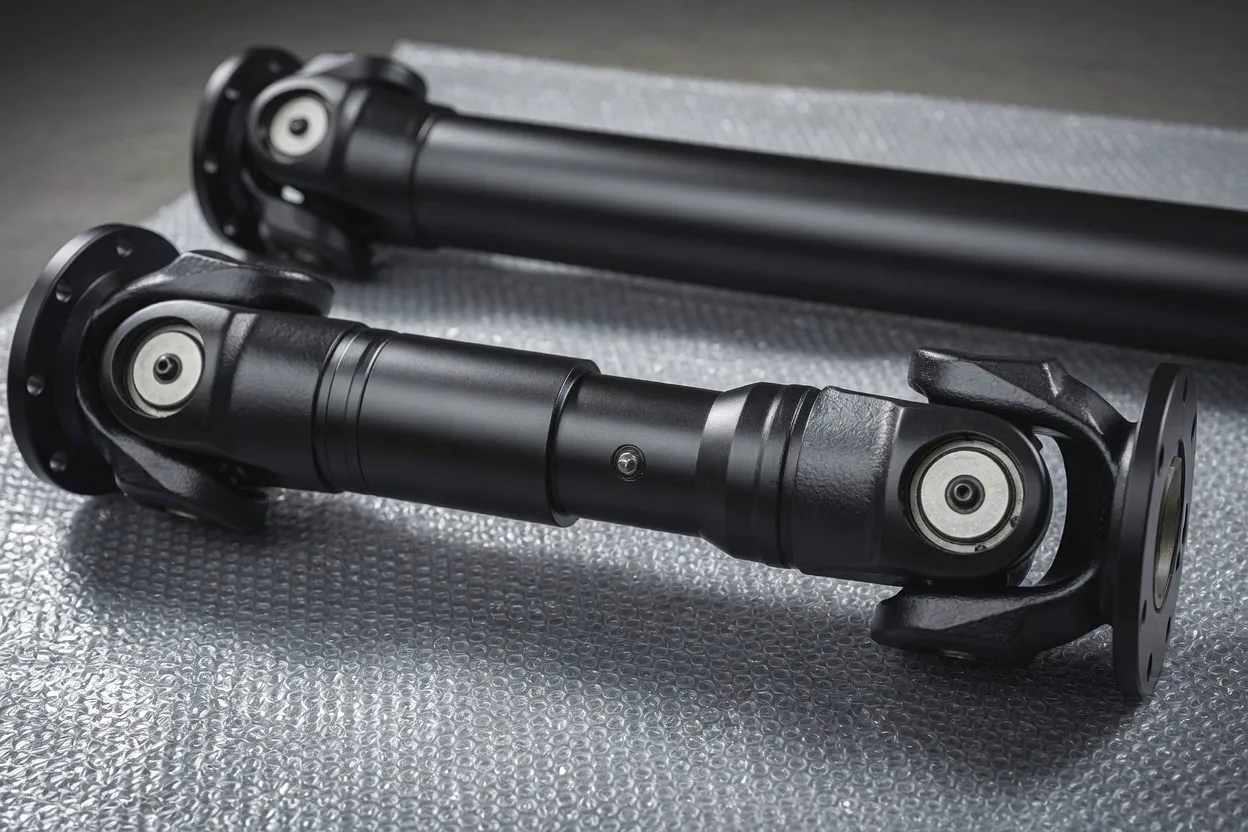
A single cardan joint consists of a cross-shaped yoke (the spider or trunnion) connecting two shaft yokes at a fixed intersection. This design transfers torque through the spider’s four trunnion bearings, allowing angular misalignment between the driving and driven shafts. The mechanism inherently introduces a cyclic velocity variation — a phenomenon that appears twice per revolution of the input shaft. Specifically, when the joint operates at an angle, the output shaft does not rotate at a perfectly uniform velocity even when the input does. This non-uniform velocity output is described as secondary couples and, at higher operating angles, produces measurable vibration. For operating angles below approximately 3°, this velocity fluctuation is negligible and largely irrelevant. Between 3° and 8°, it becomes noticeable under sensitive instrumentation. Beyond 10°, the effect is significant enough to cause perceptible vibration, increased bearing stress, and accelerated wear in precision systems. The single cardan joint remains the preferred choice for applications where operating angles are low, cost efficiency is a priority, and rotational uniformity is not a critical parameter.
A double cardan joint addresses the velocity fluctuation problem by placing two single universal joints in series, separated by a centring socket and ball mechanism. This arrangement cancels out the cyclic velocity variation introduced by the first joint through an equal and opposite variation from the second joint — provided both joints are set at equal angles and bisect each other correctly. The result is a constant velocity (CV) output that closely approximates a true homokinetic connection. The double cardan joint is geometrically equivalent to a constant velocity joint, making it invaluable in applications where the input and output shafts must rotate at exactly the same instantaneous velocity regardless of articulation angle. This design tolerates working angles up to approximately 25°–35° (depending on design specifics and manufacturer tolerances) while maintaining smooth, vibration-free power delivery. Its structural complexity is offset by the dramatic improvement in drivetrain smoothness, making it the correct choice whenever high articulation angles, high-speed operation, or vibration sensitivity intersect.
Core Materials Used in Manufacturing Cardan Couplings
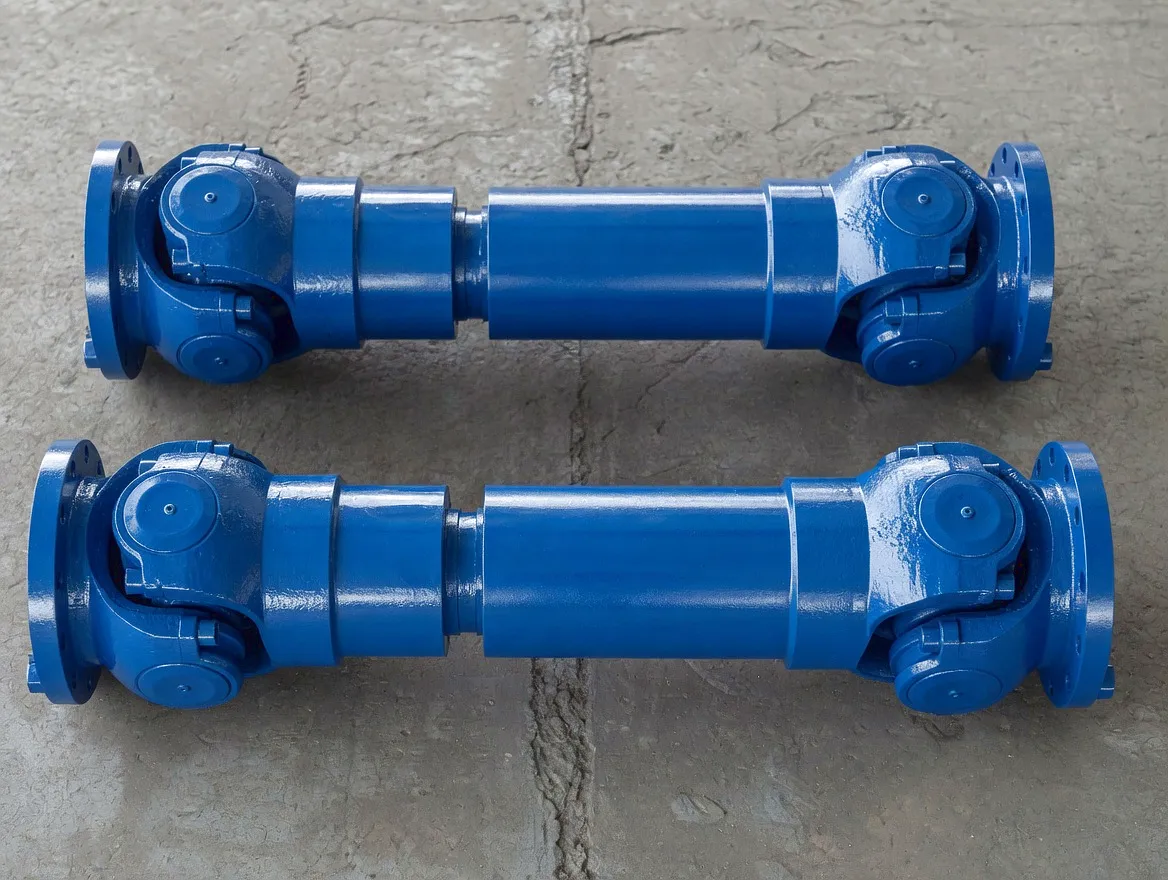
The spider (trunnion cross), yokes, and flanges of high-torque cardan couplings are predominantly machined from alloy steel grades such as 42CrMo4 or 40Cr. These materials offer tensile strengths in the range of 900–1100 MPa after heat treatment, combined with excellent fatigue resistance under cyclic loading. The chromium-molybdenum alloying ensures high core toughness while surface hardening through induction or case carburising provides the wear resistance needed at bearing contact surfaces.
For shafts and tube sections where moderate strength combined with excellent weldability and machineability is required, carbon steel grades such as Q345B (equivalent to EN S355J2) are widely used. These steels are particularly common in the telescoping shaft sections of industrial cardan shafts designed for rolling mills and conveyors, where length adjustment under load is needed. Their predictable mechanical behaviour and wide availability from UK steel stockholders make them cost-effective for large volume production.
In industries such as food processing, pharmaceutical manufacturing, and offshore marine applications — all significant sectors in the UK — corrosion resistance is a non-negotiable requirement. Stainless steel grades 316L (with molybdenum for enhanced chloride resistance) and 304 are specified for cardan couplings in these environments. While their mechanical strength is lower than alloy steel equivalents, careful design with appropriate safety factors enables reliable performance even in wet or chemically aggressive conditions.
The trunnion bearing assemblies within each cardan coupling spider rely on precision needle roller bearings. These bearings are typically manufactured from bearing steel (100Cr6 / GCr15), hardened to 60–64 HRC, and housed within sealed cup assemblies to retain grease and exclude contaminants. Needle rollers provide a high load capacity relative to their small cross-section, which is critical for maintaining a compact overall package in automotive and industrial driveshafts where envelope size is constrained.
Key Technical Differences at a Glance
| Parameter | Single Cardan Joint | Double Cardan Joint |
|---|---|---|
| Velocity Output | Non-uniform (cyclic variation) | Constant velocity (homokinetic) |
| Max. Operating Angle | 5° – 12° (practical range) | Up to 25° – 35° |
| Vibration at Angle | Moderate to high (angle-dependent) | Minimal (cancellation effect) |
| Component Count | 1 spider + 2 yokes | 2 spiders + 3 yokes + centring unit |
| Relative Cost | Lower | Higher (25–60% premium typical) |
| Axial Length | Compact | Longer (accommodates centring socket) |
| Typical Applications | Industrial drive shafts, conveyors, pumps | Steering columns, high-angle drive systems |
| Installation Sensitivity | Moderate | High (requires precise angle matching) |
| Maintenance Cycle | Shorter (simpler to re-grease) | Longer intervals (sealed units common) |
Product Technical & Performance Parameters
| Specification | Range / Value | Notes |
|---|---|---|
| Nominal Torque Range | 50 Nm – 1,000,000 Nm | Series-dependent; custom up to 2,000,000 Nm |
| Single Joint Max. Angle | up to 15° | Continuous: ≤ 10°; intermittent: up to 15° |
| Double Joint Max. Angle | up to 35° | CV performance maintained throughout |
| Operating Speed | 10 rpm – 6,000 rpm | Balancing grade G6.3 or G2.5 for high-speed |
| Spider Material | 42CrMo4 / 20CrMnTi | Case hardened 58–64 HRC at bearing surfaces |
| Yoke / Flange Material | 42CrMo4 / Q345B / 316L SS | SS option for corrosive environments |
| Surface Treatment | Phosphating / Zinc plating / Painting | Marine grade coating available on request |
| Operating Temperature | -40°C to +180°C | Grease selection adjusted by temperature range |
| Bore Diameter Range | 16 mm – 420 mm | Keyway, spline, shrink-disc connections available |
| Dynamic Balance Grade | G6.3 standard / G2.5 precision | ISO 1940-1 compliant; certificate available |
| Lubrication Type | Grease nipple / Pre-sealed / Oil-bath | Maintenance-free sealed option for remote drives |
| Standards Compliance | DIN 808 / ISO 7646 / BS PD 6461 | CE marking available for UK/EU market |
Core Technical Advantages of the Double Cardan Design
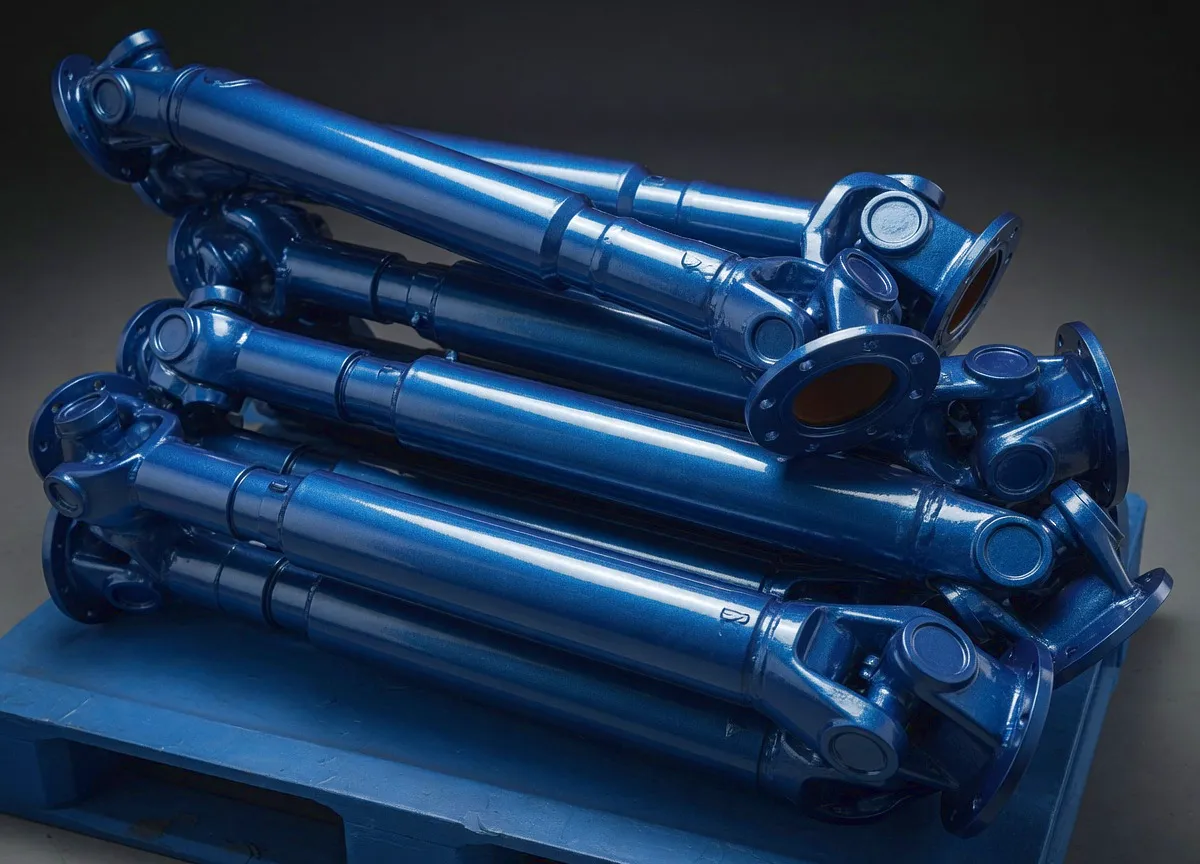
By cancelling the velocity fluctuation inherent in a single joint, the double cardan coupling dramatically reduces vibration transmission into connected equipment. In rotating machinery operating at high speeds, even small velocity irregularities amplify into significant vibration amplitudes through resonance. A double cardan joint operating at 20° articulation angle produces velocity uniformity equivalent to a joint operating at near zero angle — a transformation that extends the life of every downstream component by eliminating the periodic impulse forces that would otherwise accumulate as fatigue damage.
Where machine geometry forces a large angular offset between input and output shafts — common in agricultural equipment, vehicle steering systems, marine propulsion installations, and certain material-handling drives — the single joint simply cannot deliver acceptable velocity uniformity. The double cardan configuration extends the practical operating angle to 35° or beyond in specialised designs, unlocking architectural freedom for machine designers who would otherwise need to redesign shaft arrangements or introduce intermediate support bearings, both of which add cost, weight, and maintenance points.
Needle roller bearings at the spider trunnions of a single joint operating at high angles experience a varying load cycle with each revolution. This asymmetric loading accelerates bearing wear. In a properly configured double cardan joint, the cancellation of velocity fluctuation means all four trunnion positions are loaded more symmetrically and consistently, significantly extending L10 bearing life. Plant engineers maintaining equipment in demanding environments — from the continuous rolling mills of South Yorkshire to the 24/7 paper mills of Northern England — report bearing replacement intervals two to three times longer when moving from single to double configurations at angles above 8°.
Decision Framework: Single or Double — Choosing the Right Cardan Coupling
- Operating angle remains consistently below 8°
- Application is a high-volume production line where cost is the primary driver
- Connected machinery has inherent vibration damping (e.g. rubber mounts)
- Speed is relatively low (below 500 rpm) and vibration sensitivity is not critical
- Axial installation space is severely constrained
- Shafts are nearly parallel and misalignment is minor and predictable
- Maintenance access is good and re-greasing intervals can be honoured
- Budget limitations prevent the premium cost of a double configuration
- Operating angle exceeds 8°–10° on a continuous basis
- Application demands true constant velocity output (steering, precision drives)
- High rotational speed (above 1,000 rpm) amplifies velocity irregularity effects
- Downstream components are sensitive to vibration (sensors, precision tooling)
- Machine design geometry mandates a large angular offset
- Long bearing life is the priority and maintenance intervals must be extended
- Noise and vibration are regulated (passenger vehicles, food processing lines)
- System reliability is mission-critical (offshore, defence, medical equipment)
The decision is rarely purely theoretical. Engineers working on new installations will often find that the geometry of their machine naturally places them near the boundary between the two configurations. In such borderline cases, the additional cost of specifying a double cardan joint is almost always justified by the reduced lifetime maintenance cost, improved reliability, and the elimination of vibration-related warranty claims — a calculation that UK manufacturers supplying OEM markets in the automotive, rail, and energy sectors understand very well.
Industrial Application Scenarios Across UK Sectors
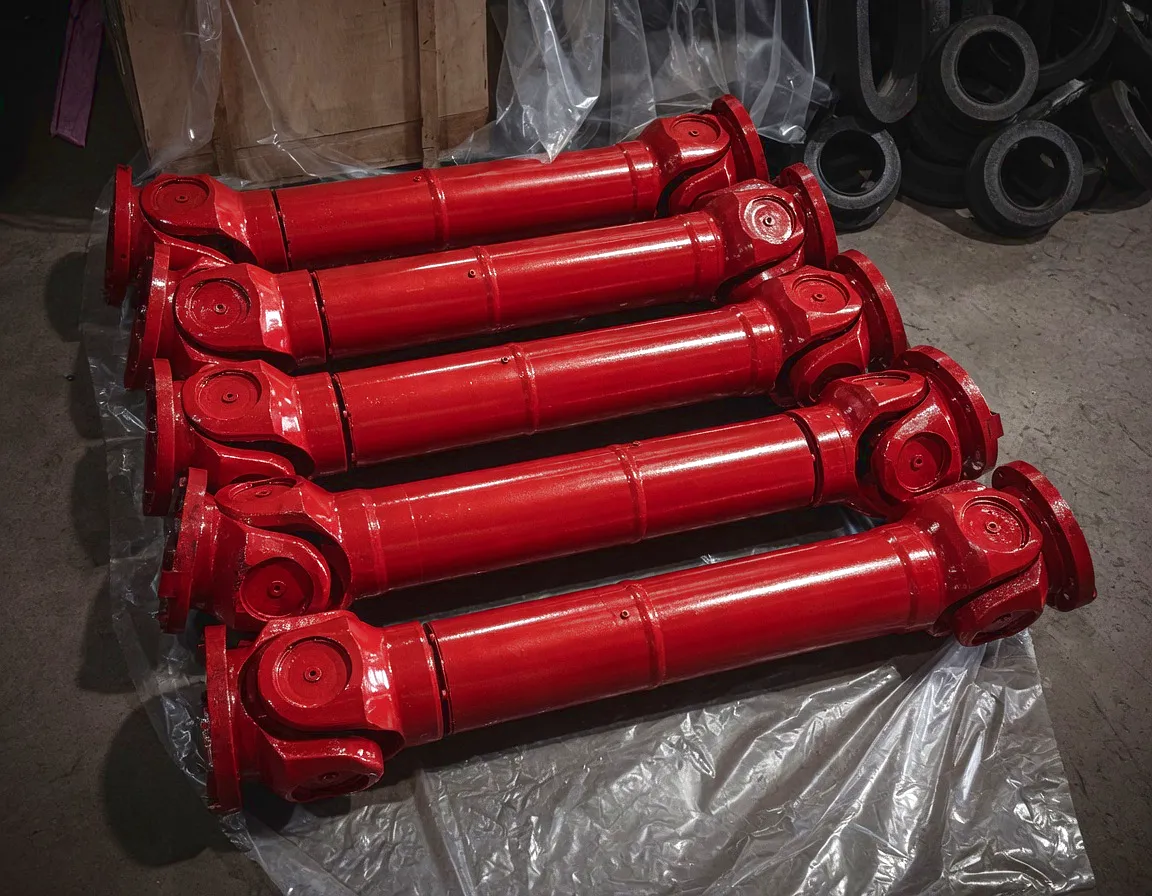
Rolling mills in Sheffield and the wider South Yorkshire steelmaking belt rely heavily on heavy-duty cardan couplings to transmit enormous torque from main drive motors to work rolls. The angular offsets in rolling mill drives — where the roll gap must change during production — suit single cardan joints for low-angle drives, but double cardan configurations are increasingly adopted in edger and looping passes where articulation is more severe. Torque levels in this sector can exceed 500,000 Nm, placing extreme demands on material quality and manufacturing precision.
The double cardan joint is practically universal in automotive steering column shafts, where the articulation between the dashboard-mounted steering wheel and the engine-bay rack-and-pinion unit can easily exceed 20°. UK automotive assembly plants, including those associated with Jaguar Land Rover in the West Midlands, specify double cardan intermediate shafts as standard to achieve the smooth steering feel demanded by modern vehicle dynamics standards. In heavy commercial vehicles and agricultural machinery, the same principle applies in propshaft configurations serving steered axles.
The UK’s offshore and onshore wind energy sector, centred on manufacturing and maintenance operations in Hull, Grimsby, and the East of England, uses large-diameter cardan shafts as test rig drives and in pitch and yaw control systems. Single cardan joints serve well in gearbox-to-generator connections where alignment is controlled, while double cardan assemblies are employed in blade pitch actuator drives and nacelle rotation systems where angular geometry is variable. The high reliability demands of wind energy — where unplanned maintenance offshore can cost tens of thousands of pounds per turbine visit — make premium cardan coupling specification the clear economic choice.
Rolling stock manufacturers and maintenance depots across the UK, including those working to Network Rail specifications, specify cardan couplings in traction motor drives, bogie drives, and auxiliary power unit connections. The combination of high torque, variable articulation from bogie rotation, and demanding availability requirements makes double cardan joints the primary specification for driven axle applications. Derby-based rail engineering firms working on both new-build rolling stock and refurbishment projects routinely source high-specification cardan shafts to meet the rigorous EN 13260 and BS EN 15227 safety standards applicable to UK railways.
Offshore and onshore processing facilities operated from Aberdeen’s oil and gas supply chain use cardan couplings in pump drives, compressor trains, and drill rig rotation systems. The hostile environment of the North Sea demands corrosion-resistant materials, sealed bearing assemblies, and the reliability margin of double cardan designs wherever shaft geometry introduces significant angle. API 671 third-party couplings used alongside cardan shafts in critical duty positions require full documentation, material traceability, and dynamic balancing certificates — all standard deliverables from a properly resourced manufacturer.
PTO shafts connecting tractors to implements in the extensive agricultural regions of Lincolnshire, East Anglia, and the Yorkshire Wolds must accommodate large angular changes as the tractor turns and terrain undulates. Double cardan PTO joints are standard on wide-span implements and precision planting machinery where velocity uniformity improves seed spacing accuracy and reduces implement vibration. The construction sector similarly relies on single and double cardan configurations in road-planing machines, concrete mixers, and compaction equipment across UK infrastructure projects.
Ever Power: Precision Manufacturing & Custom Cardan Coupling Solutions
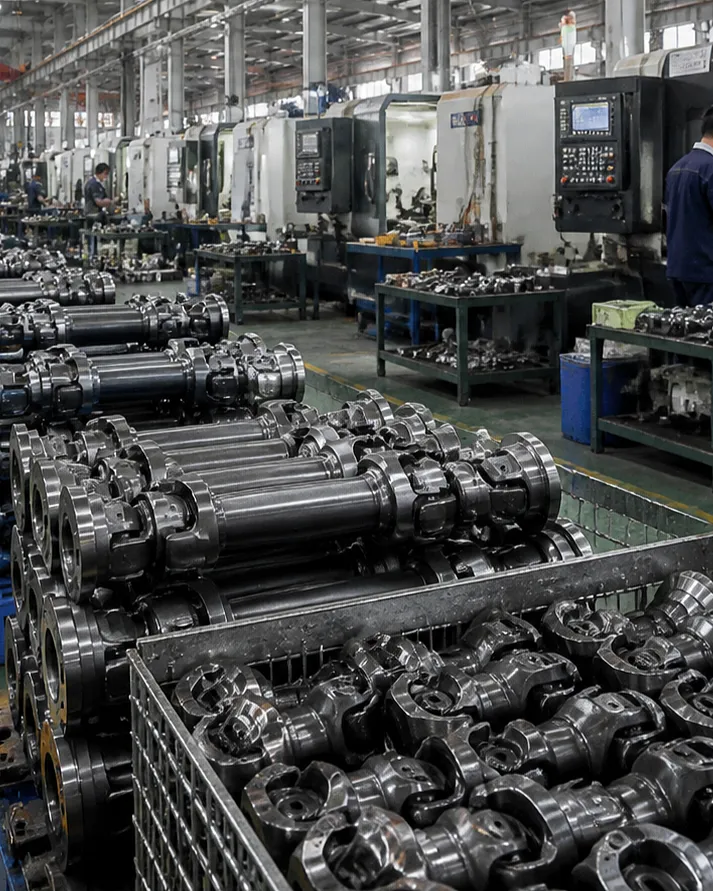
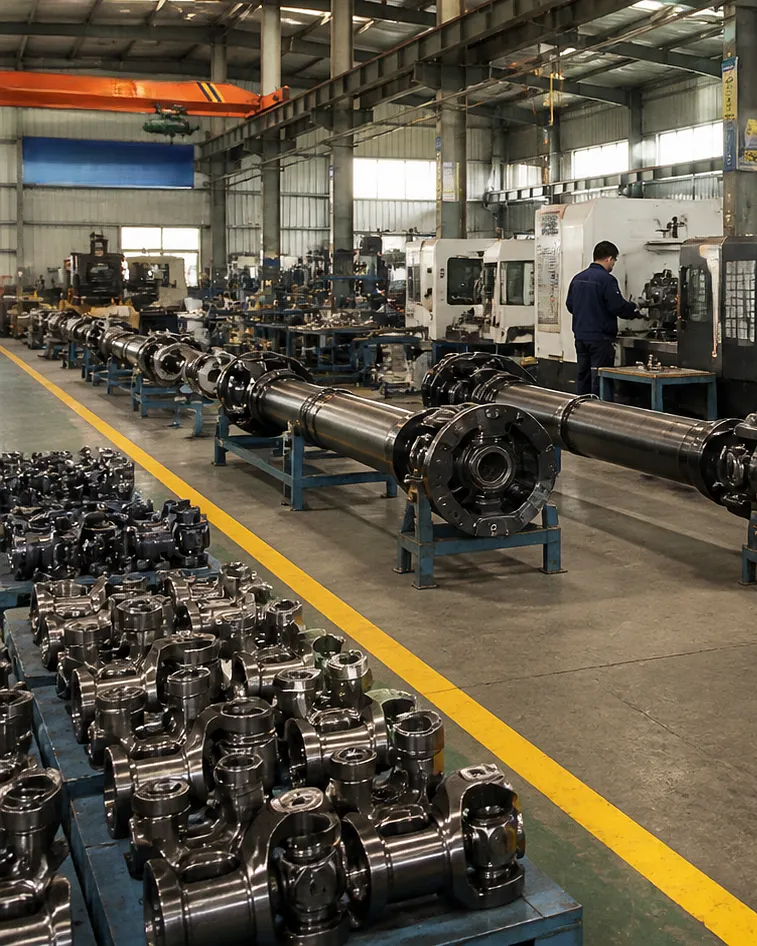
Ever Power operates a vertically integrated manufacturing facility equipped with multi-axis CNC machining centres, precision gear hobbing and grinding machines, dedicated heat treatment facilities, and dynamic balancing equipment capable of certifying assemblies to ISO 1940-1 G2.5 grade. This breadth of in-house capability is not incidental — it is the foundation that allows Ever Power to deliver custom cardan coupling solutions with lead times that consistently outperform the industry average, without compromising on dimensional accuracy or metallurgical standards.
Customisation at Ever Power extends across every dimension of the cardan coupling’s specification. Engineers and procurement teams can specify bore diameter, keyway or spline interface geometry, flange bolt circle patterns, protective coatings, operating angle range, and torque rating — all backed by full 3D CAD modelling, FEA stress analysis, and formal design review. For clients in the UK who require DIN 808, ISO 7646, or BS-compliant documentation, Every Power’s quality team provides complete material test certificates, dimensional inspection reports, and dynamic balance certificates as standard deliverables.
Ever Power’s supply chain infrastructure ensures that standard and modified catalogue items ship within 3–7 business days from order confirmation, with dedicated sea freight consolidation to UK ports including Felixstowe and Southampton running on a regular schedule. For urgent requirements, air freight dispatch from the manufacturing facility allows UK customers to receive critical replacement cardan couplings within 5–10 business days — a logistics capability that minimises machine downtime and its associated production losses.
✔ Bore: 16–420 mm
✔ Balance: G2.5 / G6.3 ISO 1940
✔ Angle: to 35° (double CV)
✔ Full material traceability
✔ DIN / ISO / BS documentation
✔ 3D CAD + FEA available
✔ UK logistics: 5–10 days air
Product Range Overview
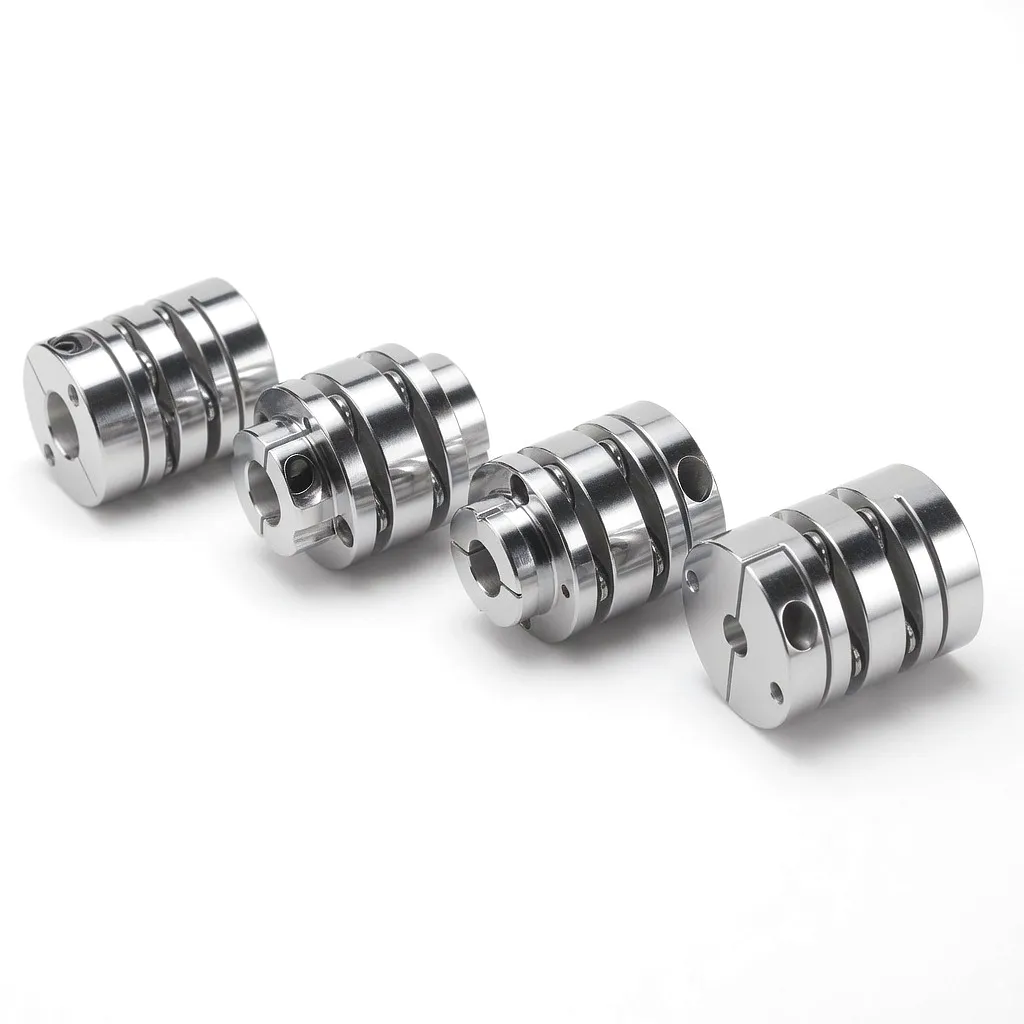
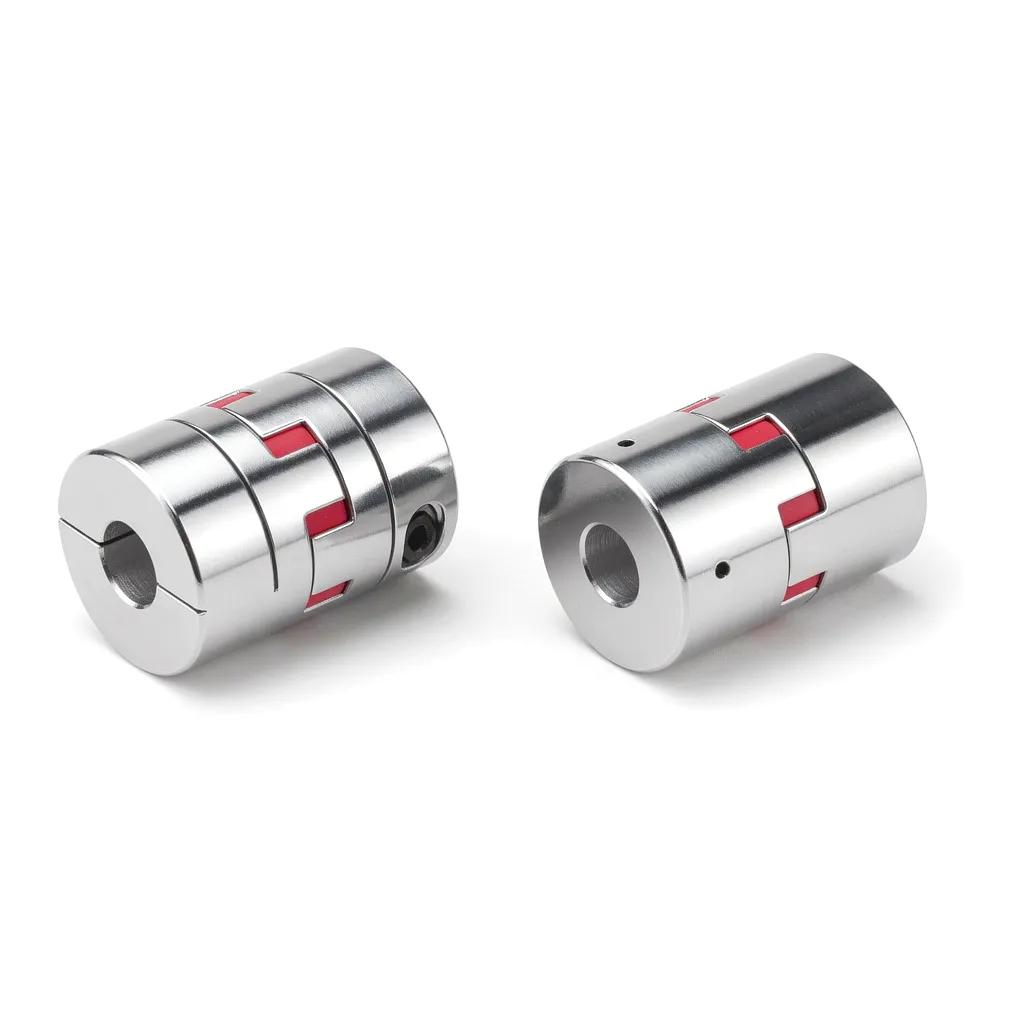
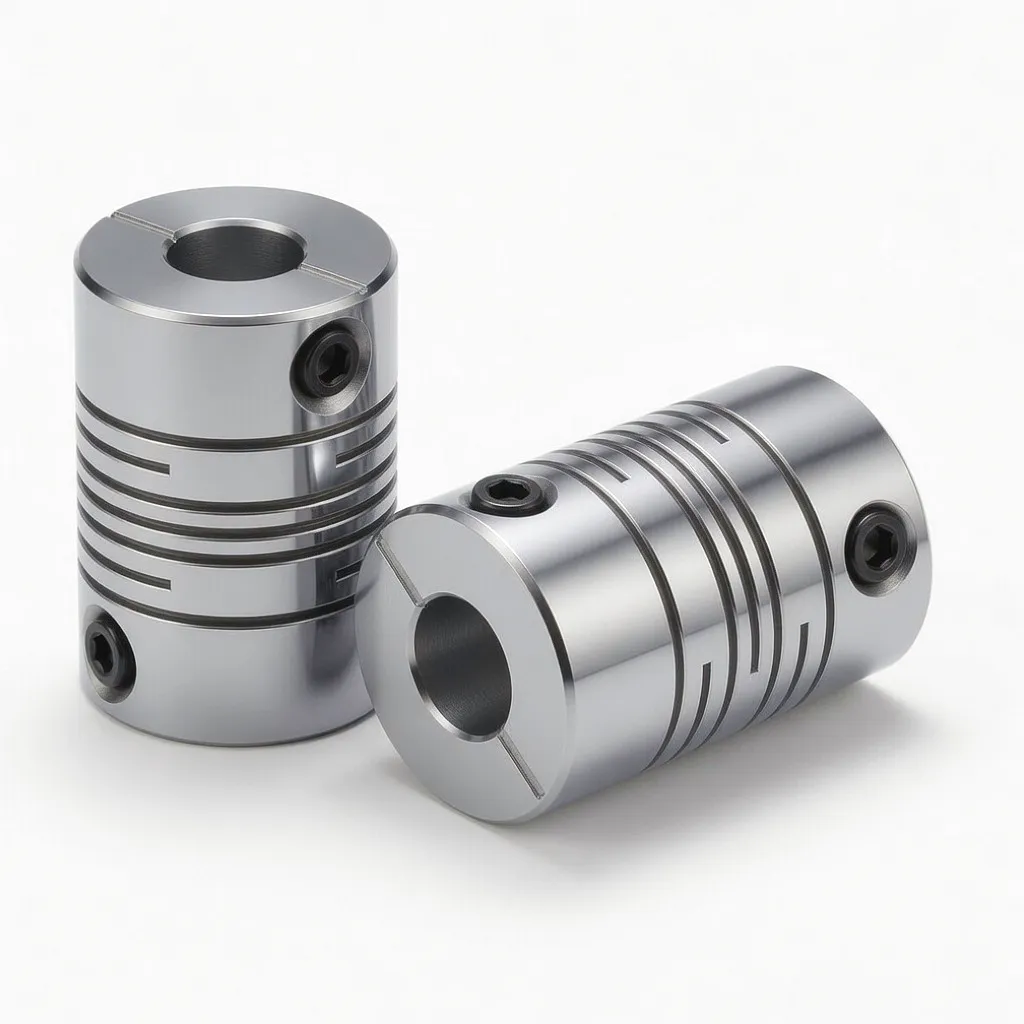
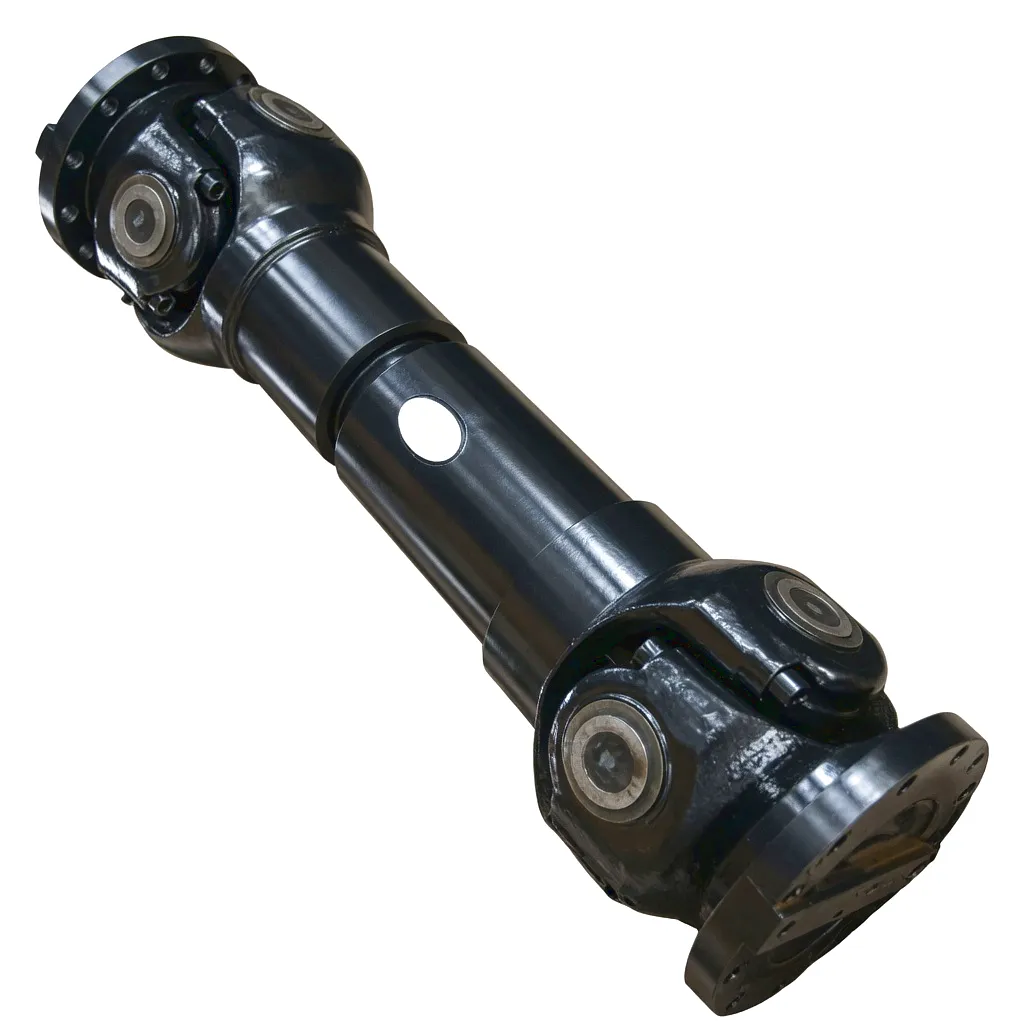
Customer Success Story: Sheffield Steel Processing, South Yorkshire
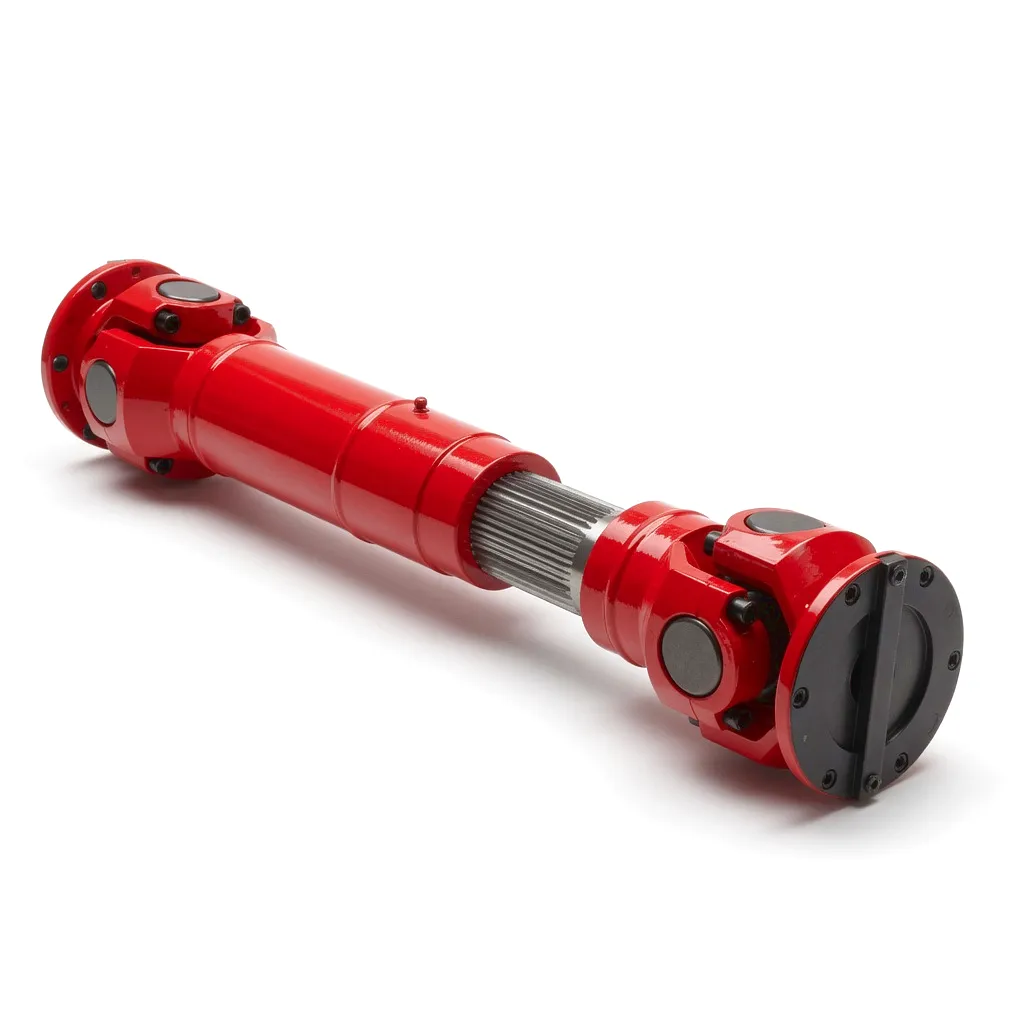
Ever Power’s engineering team conducted a remote drivetrain analysis using the client’s existing shaft arrangement drawings, gearbox specifications, and the recorded vibration signature data. The analysis confirmed that replacing the single cardan joints with double cardan assemblies of identical bolt flange patterns and shaft diameters — but incorporating the centring socket mechanism and a second spider — would reduce the velocity fluctuation to below measurable thresholds at the new operating speed. Ever Power manufactured a set of four custom double cardan assemblies with 42CrMo4 yokes, sealed trunnion bearing units, and phosphate-plus-paint protective finish, all balanced to ISO 1940-1 G2.5 grade.
The units were delivered to Rotherham within 12 working days of design freeze. Installation was carried out during a planned maintenance window, with no additional machining required at site. Within two weeks of startup, the plant’s maintenance engineer confirmed that gearbox vibration readings had dropped by approximately 78% compared to pre-upgrade baselines. Over the following 18 months, the site recorded zero unplanned bearing replacements in the affected gearbox — a stark contrast to the four emergency bearing changes experienced in the 18 months prior. The client calculated a direct cost saving of over £40,000 in spares, contractor labour, and production loss, with a full return on the cardan coupling investment within the first seven months of operation.
“The vibration reduction after fitting the double cardan units from Ever Power was immediate and dramatic. We went from constant bearing failures to zero unplanned maintenance events over 18 months. The custom flanges matched our existing bolt patterns perfectly — no site modification required.”
“Ever Power’s technical team understood our application immediately. They didn’t just supply parts — they provided a proper engineering analysis showing exactly why the double cardan configuration would resolve our problem. That level of pre-sales technical support is rare from a coupling supplier and gives us complete confidence in the specification.”
“We’ve sourced custom cardan couplings from Ever Power for three projects now — a conveyor upgrade in Sheffield, a pump drive replacement in Leeds, and a new build for a client in Aberdeen. Every time, the quality is exactly to drawing, the documentation is complete, and the delivery fits our project schedule. They are our go-to supplier for cardan shaft components.”
Installation, Alignment & Maintenance Essentials
Measure and record actual operating angles on both joints of a double cardan assembly at installation. Both angles must be equal within ±0.5° for optimal velocity cancellation. Use a precision inclinometer or alignment laser system — not a protractor. Document the measured values in the equipment file for future reference during maintenance planning.
Grease-nipple equipped cardan joints should be relubricated at intervals not exceeding those specified in the manufacturer’s service manual — typically 250–500 operating hours for heavy industrial applications. Use the specified NLGI 2 EP grease; mixing grease types degrades the base oil viscosity and can accelerate bearing wear. Sealed maintenance-free units should be inspected for seal integrity and external corrosion at each planned shutdown.
Establish a vibration baseline reading at commissioning on associated bearings and gearbox housings. A progressive increase in the 2× rotational frequency component in vibration spectra is the characteristic signature of cardan joint wear or misalignment and should trigger inspection before secondary damage develops. UK plants using predictive maintenance programmes (common in sectors covered by BS EN ISO 13373) find that this approach virtually eliminates catastrophic joint failures.
Frequently Asked Questions
Ever Power’s engineering team is ready to review your drivetrain requirements and recommend the optimal single or double cardan coupling configuration — with full technical documentation and fast delivery to the UK.
📩 Get a Quote: [email protected]
edit by gzl